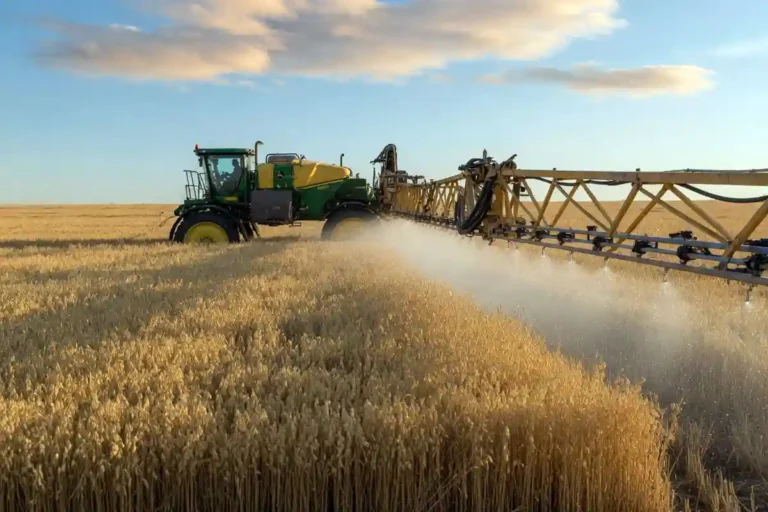
How to Plant Oats Successfully in 5 Simple Stages
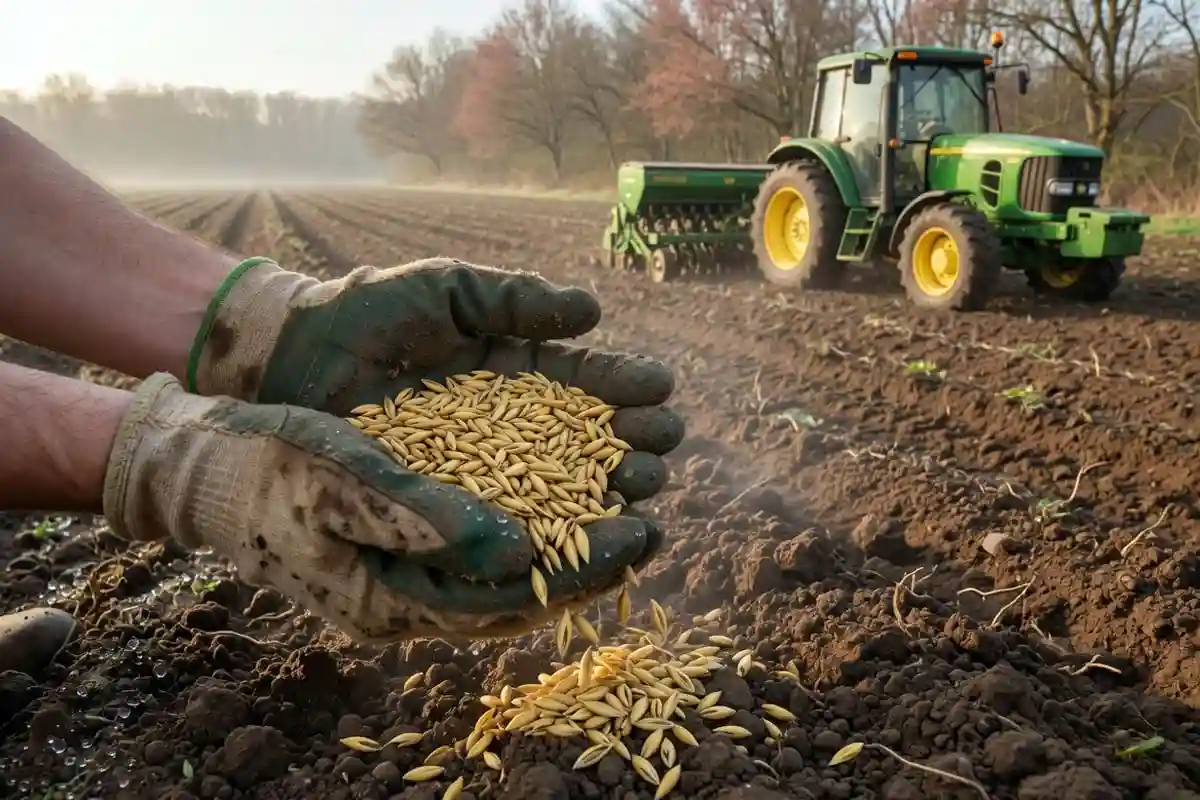
Planting oats works best when you sow clean seed 1 to 2 inches deep into firm, well-drained soil, then pack lightly for good seed-to-soil contact. This guide covers timing, seedbed prep, seeding rates, fertility, and the care steps that carry oats from germination through a clean harvest.
Sow oats 1 to 2 inches deep at 80 to 100 pounds per acre (about 2 to 3 pounds per 1,000 sq ft for small plots). Plant in early spring once soil reaches 38 to 40°F, or in late summer for fall forage. Use a grain drill on firm, weed-free soil for an even stand.
What Are Oats?
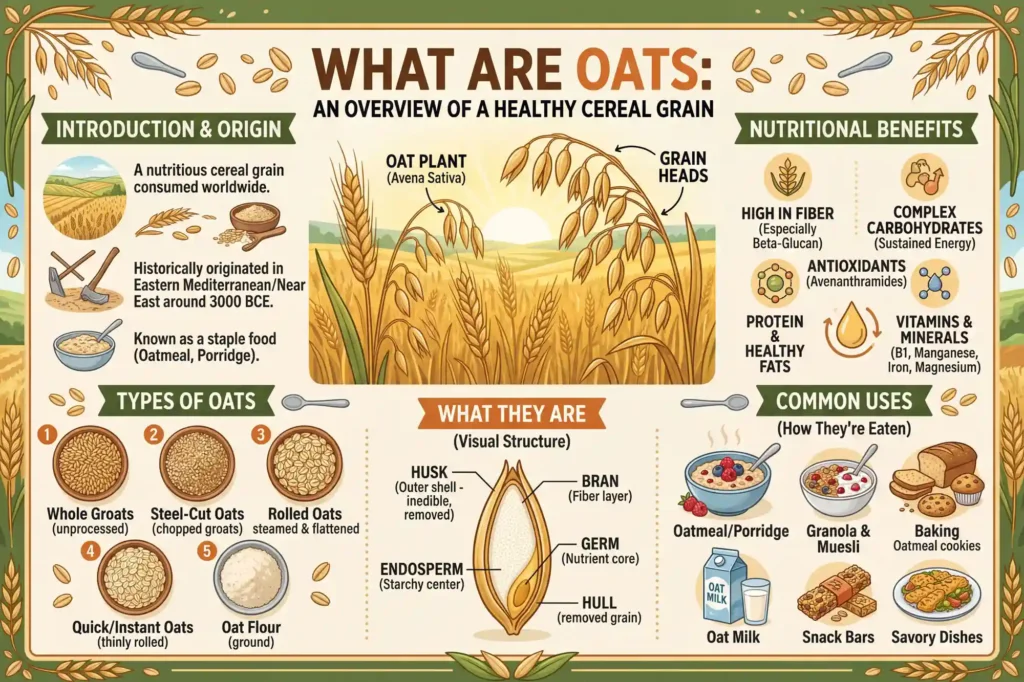
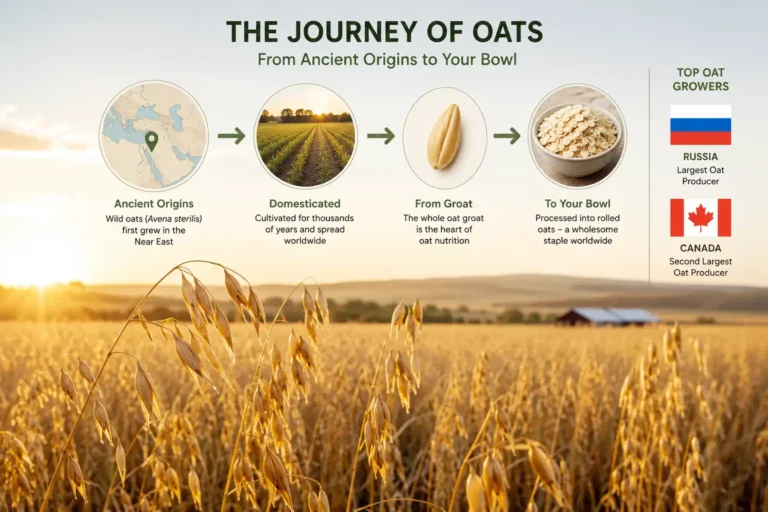
Oats (Avena sativa) are a cool-season cereal grain in the grass family. Growers raise them for grain, hay, straw, and as a cover crop. Oats handle cool, moist conditions and finish in 90 to 120 days, depending on variety.
Common types include grain oats, hay oats, and forage oats. Hulled grain oats produce the rolled and steel-cut oats on the food shelf. Forage and hay types deliver tonnage for livestock.
When to Plant Oats
Plant spring oats as soon as the field is workable, once soil temperature hits 38 to 40°F. In the northern Plains and Upper Midwest, that window often falls between mid-March and late April. Southern growers also sow oats in fall for winter forage or a spring grain crop.
Late planting cuts yield. According to Penn State Extension, oat yields fall sharply when planting slips past late April because heat during heading reduces grain fill. Use a seasonal sowing schedule to lock in your window.
Where Oats Grow Best
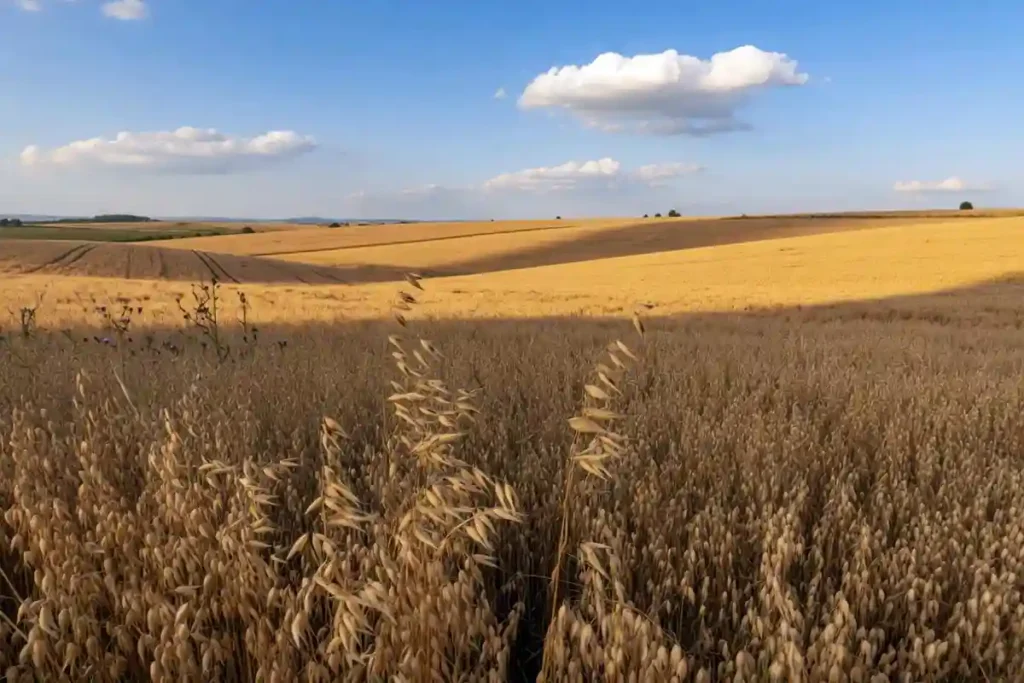
Oats prefer cool climates with steady moisture. They tolerate pH from 5.5 to 7.5, with 6.0 to 6.5 as the target range. Loam and silt loam soils with good drainage produce the strongest stands.
Avoid heavy clay that crusts after rain and droughty sands. Oats handle mild acidity better than wheat or barley, but they suffer in waterlogged ground.
How to Plant Oats: Step-by-Step
Follow these steps for a clean, even stand from seedling to harvest.
Step 1: Test and Prepare the Soil
Pull soil samples 6 to 8 weeks before planting. A basic soil test reports pH, phosphorus, potassium, and organic matter. Lime acidic ground if pH falls below 5.5.
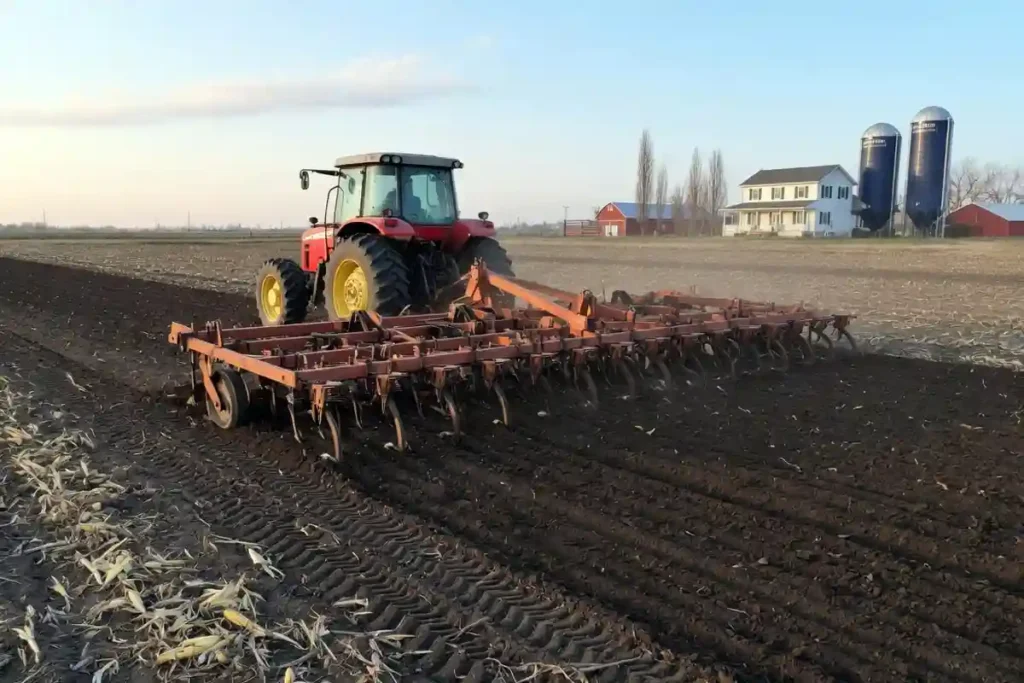
Work the field shallow with a disc or field cultivator. Aim for a firm seedbed, not a fluffy one. Loose soil dries out and buries seed too deep.
Step 2: Choose the Right Variety
Pick a variety bred for your region and intended use. Look for resistance to crown rust, the most damaging oat disease in many areas. State extension offices publish variety trial results each year.
For grain, choose hulled cultivars with high test weight. For hay or cover crop use, forage-type oats produce more biomass.
Step 3: Calculate Seeding Rate
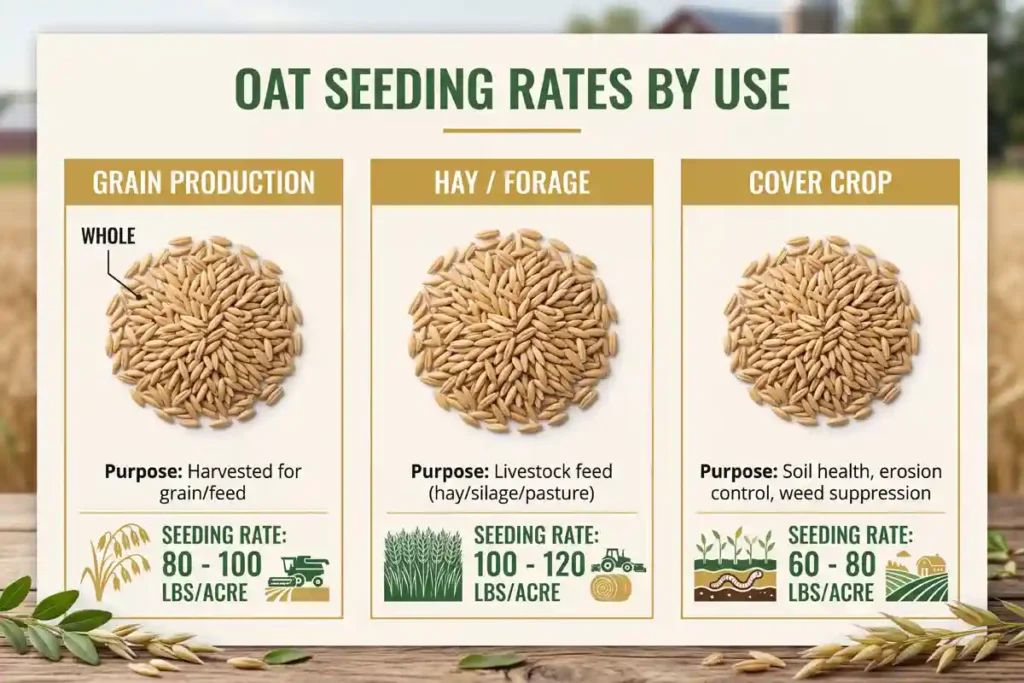
Spring oats for grain go in at 80 to 100 pounds per acre, or 18 to 22 seeds per square foot. Hay and cover crop stands run heavier at 100 to 120 pounds per acre. Check this oat seeding rate guide for local adjustments.
Bump the rate up for late planting, broadcast seeding, or weedy fields. Trim it slightly for early, drilled plantings on clean ground.
Step 4: Drill or Broadcast the Seed
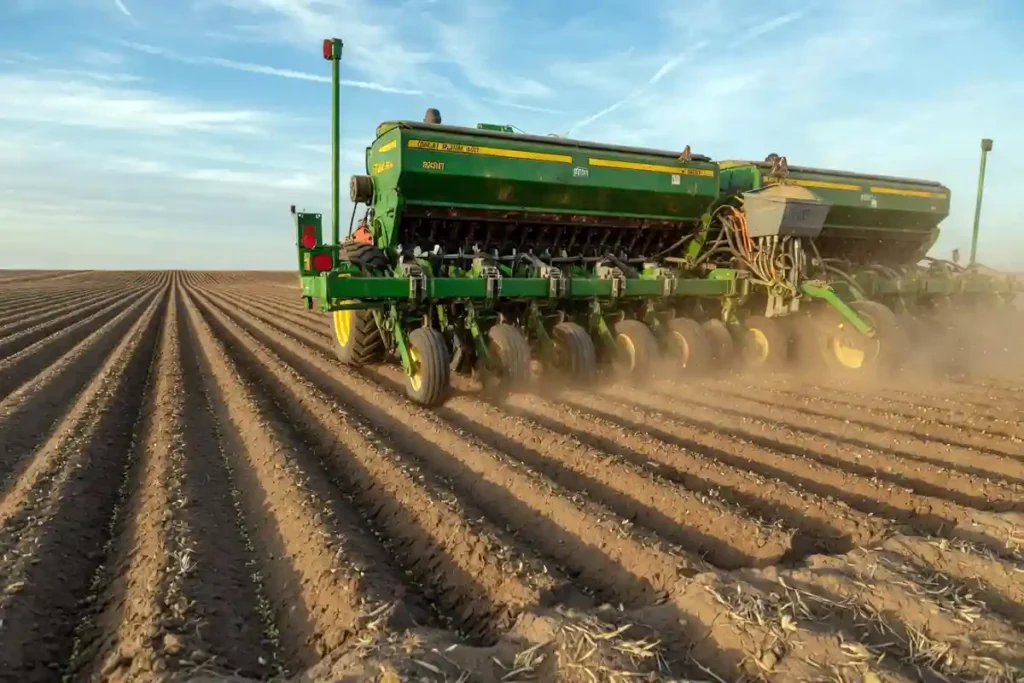
A grain drill places seed at the right depth and spacing in one pass. Set the drill to 1 to 2 inches deep with 6 to 7 inch row spacing.
If you broadcast, spread seed evenly, then run a light disc or harrow to cover, and pack with a cultipacker. Surface seed dries out and feeds birds.
Step 5: Apply Starter Fertilizer
Oats respond to nitrogen, phosphorus, and potassium. A common rate is 40 to 60 pounds of nitrogen per acre for grain, less when oats follow a legume. Phosphorus and potassium follow the soil test.
Too much nitrogen pushes lush growth and lodging. University of Minnesota Extension recommends matching N to realistic yield goals rather than blanket rates.
Care After Planting
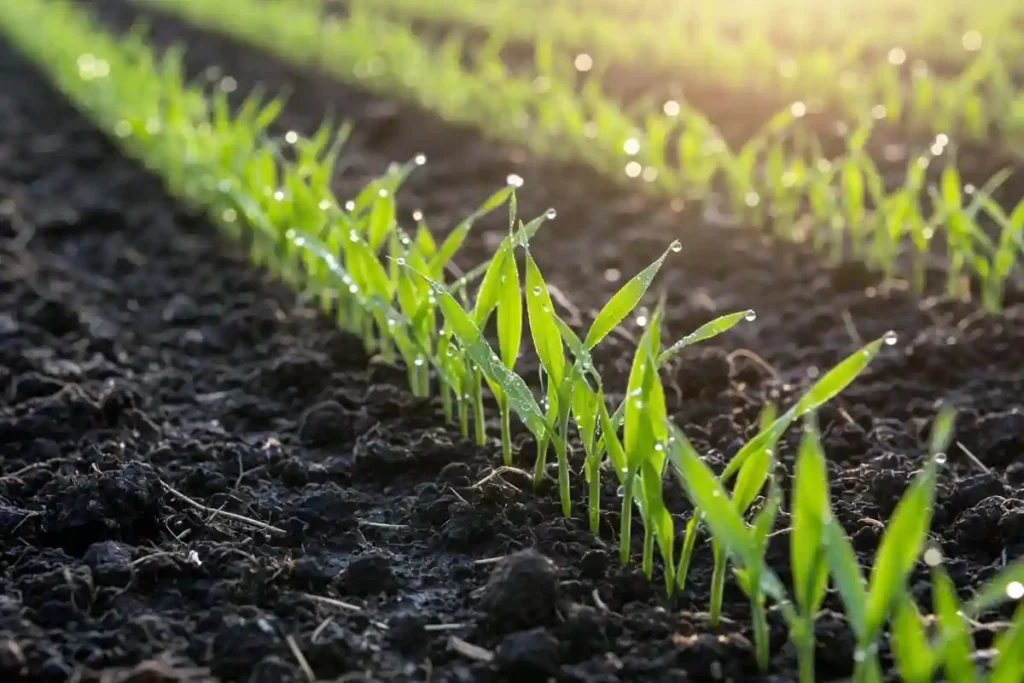
Oats germinate in 7 to 10 days at proper soil temperature. Track oat germination timing so you can scout for thin spots early.
Watch for armyworms, aphids, and crown rust through the season. Walk the field weekly. Treat only when populations cross the threshold, not by calendar.
Oats outcompete most weeds once established, but a thin stand opens the door to wild mustard and lambsquarters. Plan a practical weed control approach before planting, not after problems appear.
Common Mistakes to Avoid
- Planting into cold, wet soil, which causes seed rot and uneven emergence.
- Seeding past 2 inches deep, which weakens early growth.
- Skipping a soil test and over-applying nitrogen, leading to lodging.
- Using bin-run seed of unknown quality, which spreads seedborne disease.
- Delaying spring planting past the recommended window.
A short pre-plant checklist (variety, seed quality, drill settings, fertility) prevents most of these problems. Building long-term soil health also gives oats a steadier foundation year over year.
Safety Notes
Wear gloves and a dust mask when handling treated seed. Keep treated oats away from food, feed, and water sources. Store seed in a dry, rodent-proof shed. Read every fertilizer and pesticide label before mixing or applying.
FAQs about Grow Oats
How deep should I plant oats?
Can I plant oats without a drill?
How long do oats take to mature?
Do oats need fertilizer?
Can oats be planted in the fall?
Final Thoughts
Planting oats rewards careful timing, a firm seedbed, and a tested seeding rate. Prep the soil, pick a regional variety, drill at the right depth, and feed the crop based on soil test numbers. With clean seed and steady scouting for weeds and disease, an oat field comes in strong from emergence through harvest.