Are Oats Sprayed With Roundup? Truth About Glyphosate

Yes, some conventional oats are sprayed with Roundup before harvest as a drying agent. Farmers in cold, wet regions use glyphosate to speed up dry-down so they can combine the crop sooner. This guide covers when and where pre-harvest spraying happens, the residue limits, and how to avoid treated oats.
Conventional oats are sometimes sprayed with Roundup (glyphosate) seven to fourteen days before harvest as a desiccant. The EPA allows up to 30 ppm of glyphosate residue on oat grain. Organic oats and oats from no-desiccation sourcing programs are not sprayed pre-harvest.
What Is Roundup and Why Is It Used on Oats?
Roundup is a herbicide brand owned by Bayer (formerly Monsanto). Its active ingredient is glyphosate. Farmers spray glyphosate on oats not to control weeds in the standing crop, but to kill the oat plants themselves so the grain dries down faster. The practice is called pre-harvest desiccation.

The method started on Scottish farms in the 1980s. Wet, short growing seasons made natural dry-down slow and risky. Glyphosate stops the plant from pulling more moisture into the kernel, so the crop dries evenly within about a week.
When Are Oats Sprayed With Roundup?
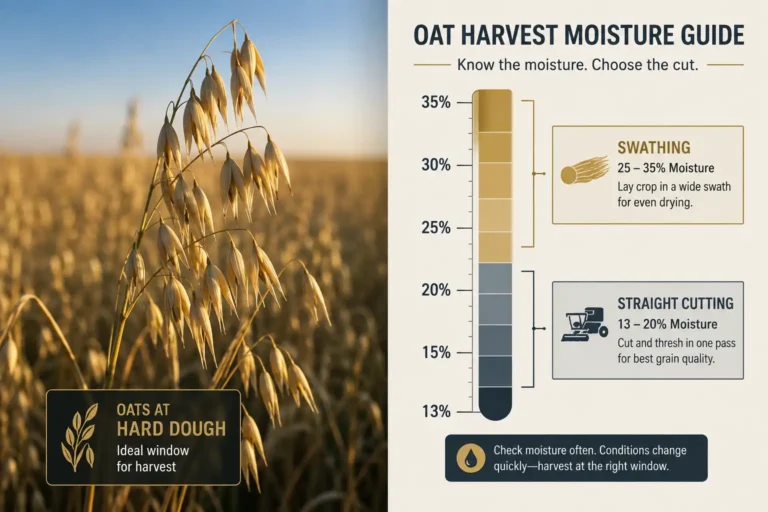
Pre-harvest glyphosate goes on after oats reach physiological maturity, once grain moisture drops to 30% or less. Per the EPA label, application has to happen at least seven days before harvest. Most farmers apply it 7 to 14 days out from combining.

The decision is weather-driven. In a dry summer, oats ripen and dry on their own, and a desiccant is unnecessary. In a cool, wet summer, grain moisture stays high, late weeds keep growing, and the field stays too soft for equipment. That is when pesticide timing decisions start to favor a desiccant pass.
A handheld moisture meter is the standard tool for checking when oats are ready. If you grow your own, a grain moisture tester takes the guesswork out of the call.
Where Does Pre-Harvest Glyphosate Use Happen?
Pre-harvest oat desiccation is concentrated in the northern Great Plains. That includes North Dakota, Minnesota, and the Canadian Prairie provinces of Saskatchewan and Manitoba. Per Joel Ransom, agronomist at North Dakota State University, the practice helps farmers in regions with wet, slow dry-down conditions.
Drier oat-growing areas like Kansas or eastern Washington rarely need it. Canada supplies a large share of US oat imports, which is one reason oat-based foods on American grocery shelves often carry detectable residues.
How Much Glyphosate Ends Up in Oat Products?
The EPA tolerance for glyphosate on oat grain is 30 parts per million (ppm), set under 40 CFR §180.364. The limit was 0.1 ppm in the early 1990s. It rose to 20 ppm in 1997 after a Monsanto petition, then to 30 ppm in 2008.
Independent testing tells the rest of the story. In 2018, Environmental Working Group lab tests found glyphosate in nearly all non-organic oat-based foods sampled. Most exceeded EWG’s children’s health benchmark of 160 parts per billion. Organic samples generally tested below 50 ppb.
Are Organic Oats Sprayed With Roundup?
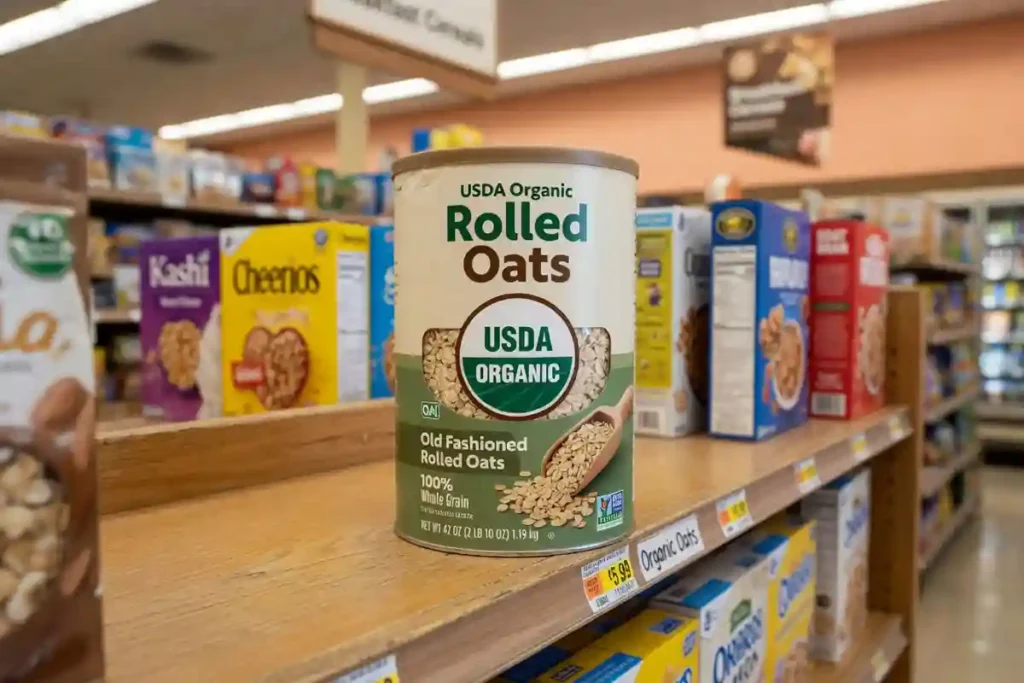
No. USDA Organic standards prohibit synthetic herbicides like glyphosate on certified organic crops. Organic oats can still pick up trace amounts through spray drift, shared equipment, or soil contamination from nearby fields, but they are not directly sprayed.
A “Glyphosate Residue Free” certification, such as the one from The Detox Project, goes further. It requires laboratory testing confirming residues below 10 ppb. The choice between certified organic and conventional oats often parallels broader organic versus chemical input decisions on the farm side.
Is Glyphosate on Oats Safe? Reading the Research
The answer depends on which agency you trust. The US EPA classifies glyphosate as “not likely to be carcinogenic to humans” at typical dietary exposure levels. The International Agency for Research on Cancer (IARC) classified it as “probably carcinogenic to humans” in 2015, based on animal studies and limited human data.
University extension sources generally side with the EPA position. Oklahoma State University Extension reported that glyphosate residues measured on wheat three days after pre-harvest application were twenty times below the EPA limit.
Critics counter that the 30 ppm tolerance was raised to fit market practice, not new safety data. They also note that pre-harvest spraying puts the herbicide directly on mature grain, where the bran absorbs and holds residue.
How to Avoid Glyphosate-Desiccated Oats
A few practical options for buyers:
- Choose USDA Organic oats. The seal blocks pre-harvest glyphosate by rule.
- Look for “Glyphosate Residue Free” certification on the package.
- Check brand sourcing statements. Quaker Oats and Kellogg have committed to phasing out pre-harvest glyphosate in oat supply chains. Grain Millers has not bought desiccated oats since 2015.
- Pick oats grown in dry-climate regions where desiccation is uncommon.

On the production side, swath cutting (windrowing) before combining is the traditional alternative. It takes an extra pass but leaves no chemical residue. Farmers exploring lower-input systems often pair this with natural pest control methods and weed management built around an integrated pest management approach.
For growers planning a fresh oat field, knowing your oat seeding rate per acre sets the foundation. A well-stocked stand outcompetes weeds and reduces the temptation to reach for glyphosate at the end of the season.
Common Mistakes and Misconceptions
A few points people get wrong:
- Roundup-Ready oats do not exist. Oats are not a commercial GMO crop. Glyphosate residue in oats comes from desiccation, not in-season weed spraying.
- Pre-harvest is not post-harvest. Glyphosate is not applied to stored grain or finished oatmeal.
- Organic does not always mean zero residue. Drift contamination is possible. The label confirms no direct application.
FAQs about Oats Sprayed With Roundup
Are Quaker Oats sprayed with Roundup?
Are oats from Canada sprayed with Roundup?
Does washing or cooking remove glyphosate from oats?
Are rolled oats and steel-cut oats both affected?
Final Thoughts
For some conventional oats, the answer to “are oats sprayed with Roundup” is yes. For organic and certified residue-free oats, it is no. The practice is legal under EPA rules, common in cold-climate growing regions, and under steady pressure from buyers and consumers. If glyphosate residue concerns your household, organic and certified residue-free oats are the cleanest path on the shelf.