Are Raisins Dried Grapes? Varieties, Drying, and Nutrition
Grocery shelves stack raisins, sultanas, golden raisins, and Zante currants side by side. Shoppers reasonably ask, are raisins dried grapes, or four separate products? Every box starts as fruit off a grapevine.
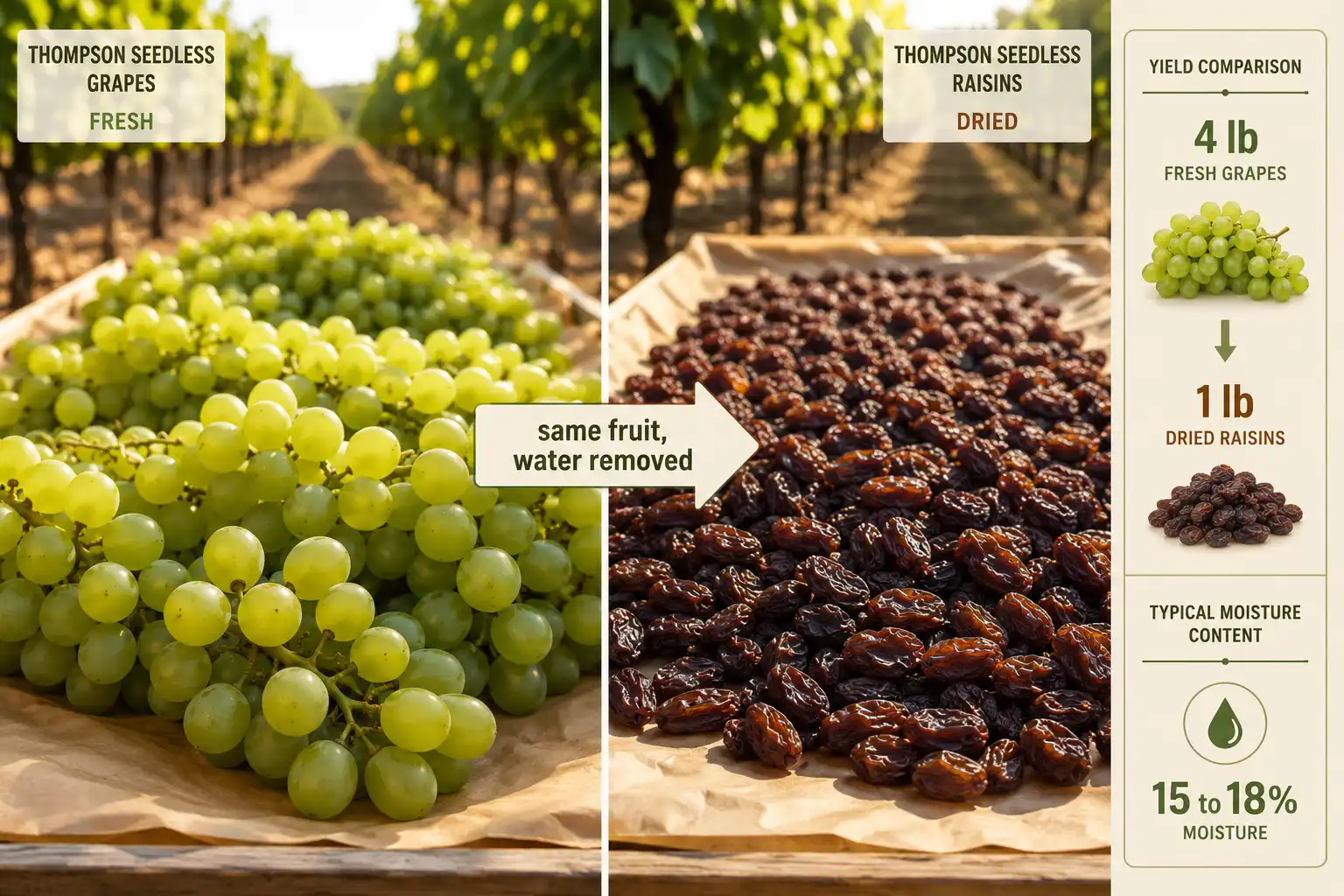
Yes, raisins are dried grapes. Growers pull roughly 80 percent of the water out of ripe fruit, usually Thompson Seedless. Finished raisins hold 15 to 18 percent moisture. Nobody adds anything, so the sugar concentrates on its own.
Are Raisins Dried Grapes or Something Else Entirely?
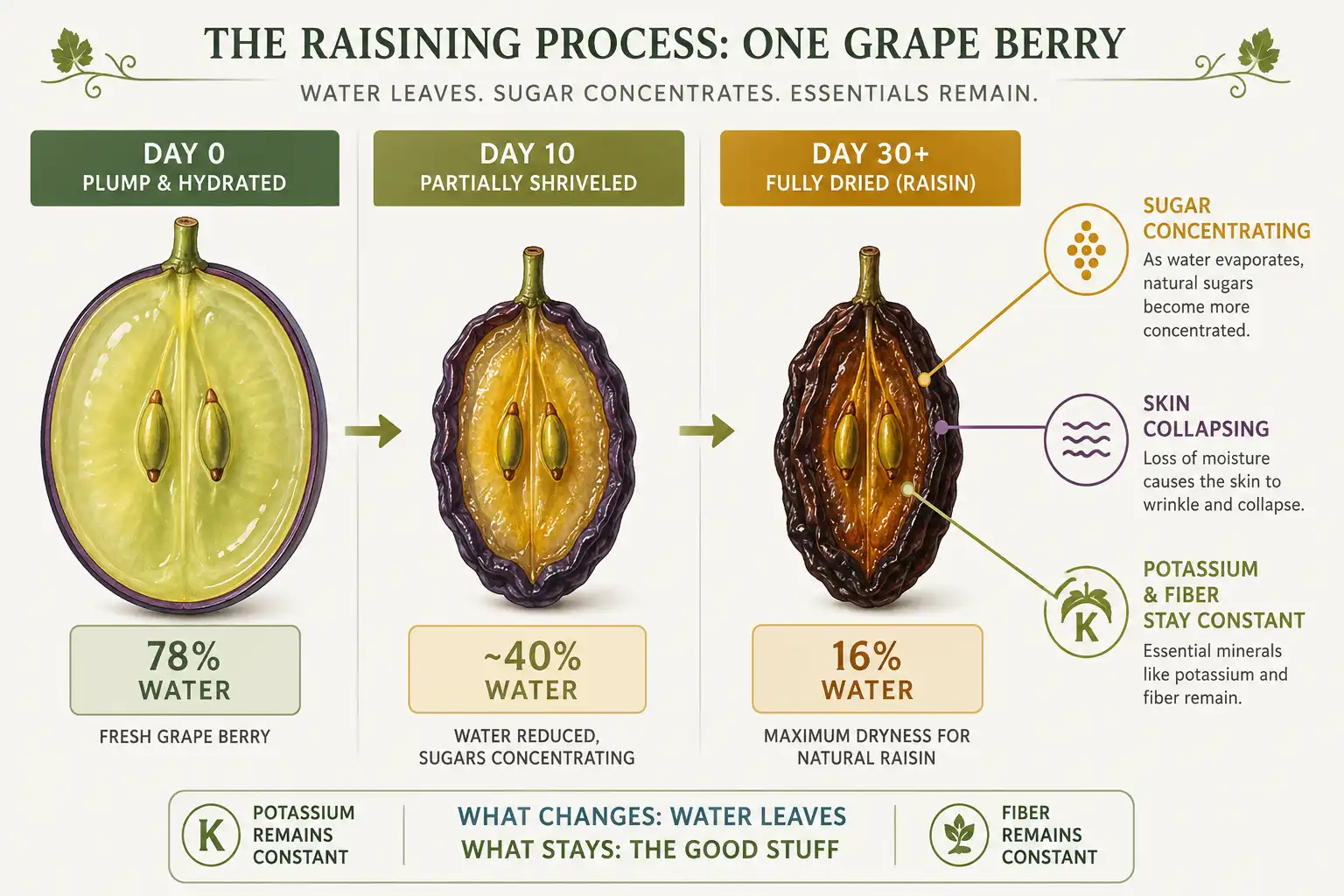
Raisins are dried grapes and nothing more. Water leaves the berry, everything else stays put. That one change explains the wrinkles, the color, and the sweetness.
Ripe raisin grapes come off the vine at about 19 to 21 Brix. Sugar makes up roughly a fifth of the berry by weight. Water makes up most of the rest. As the fruit dries, sugar, fiber, potassium, and acids stay behind. So the skin collapses inward and the flesh darkens.
Finished raisins hold only 15 to 18 percent moisture. Sun-dried lots often run tighter, near 16 percent. That low moisture drops water activity to roughly 0.51 to 0.62. Bacteria and mold cannot get going at that level, so raisins keep for months without refrigeration.
The sugar figure surprises people. About 70 percent of a raisin’s weight is fruit sugar, mostly fructose and glucose. None of it comes from a bag. Grapes also stop sweetening the moment they leave the vine, so growers time picking carefully. That is the same principle behind whether grapes ripen after picking, and it sets the ceiling on raisin quality.
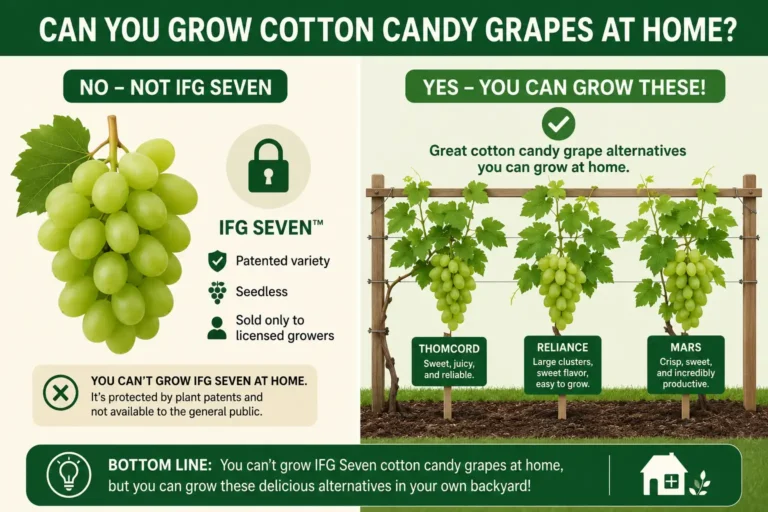
Learn more: Cotton candy grapes and GMO facts
Which Grapes Actually Become Raisins
Most raisins come from Thompson Seedless, a pale green Vitis vinifera grape also sold as Sultanina. Its thin skin and high sugar let it dry fast and evenly.
Federal grade standards for processed raisins name the accepted varieties outright. The list covers Thompson Seedless, Muscat of Alexandria, Muscatel Gordo Blanco, Sultana, and Black Corinth or White Corinth. Newer California cultivars for drying include Selma Pete, Fiesta, and DOVine.
Not every grape suits the job. Breeders select table varieties for crunch, size, and shipping durability, so those berries carry more water and less sugar. Wine grapes carry plenty of sugar. Their seeds and thick skins turn gritty during drying, though.
Only a short list of the thousands of grape varieties worldwide dries well. That is why the many kinds of grapes split so cleanly into raisin, table, and wine categories.
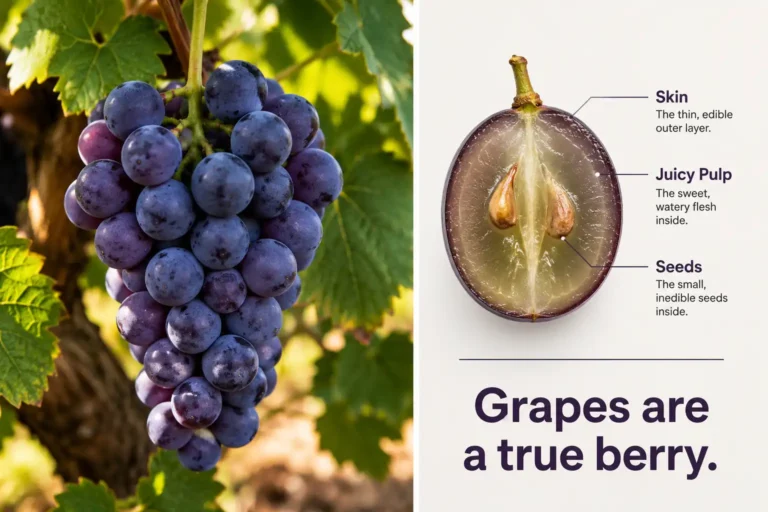
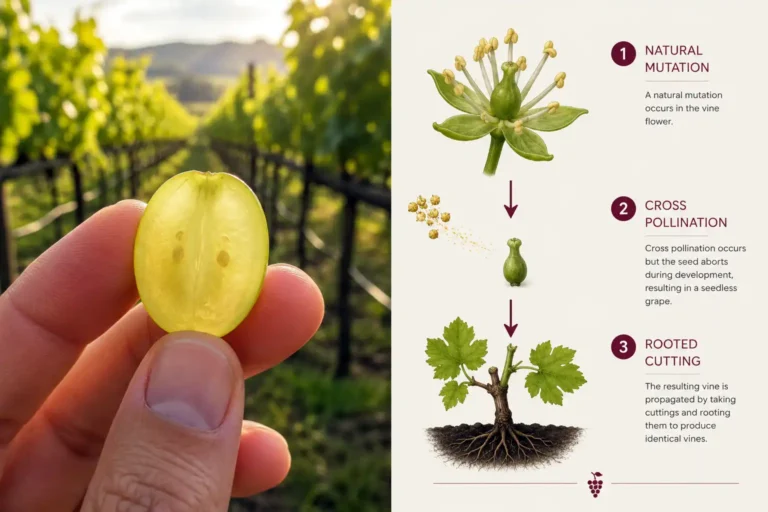
Seeds matter too. Seedless fruit dries into a raisin you can eat whole. Once you see how seedless grapes are produced, the industry’s century-long reliance on Thompson Seedless makes sense. Muscat raisins still carry seeds, so packers move them as a specialty item.
Raisins, Sultanas, Golden Raisins, and Currants Compared
Every one of these starts as a grape. The differences trace to variety, drying method, and which country writes the label.
| Product | Grape variety | How it is dried | Color and flavor |
|---|---|---|---|
| Natural seedless raisin | Thompson Seedless | Sun-dried on paper trays or on the vine | Dark brown, deep sweet |
| Golden raisin | Thompson Seedless | Sulfur dioxide, then tunnel dried with hot air | Light amber, brighter and tarter |
| Sultana | Sultanina (same grape) | Sun or mechanical, often oil dipped | Pale gold, small, sweet |
| Zante currant | Black Corinth | Sun-dried | Tiny, near black, tangy |
| Muscat raisin | Muscat of Alexandria | Sun-dried, seeds intact | Large, fruity, seeded |
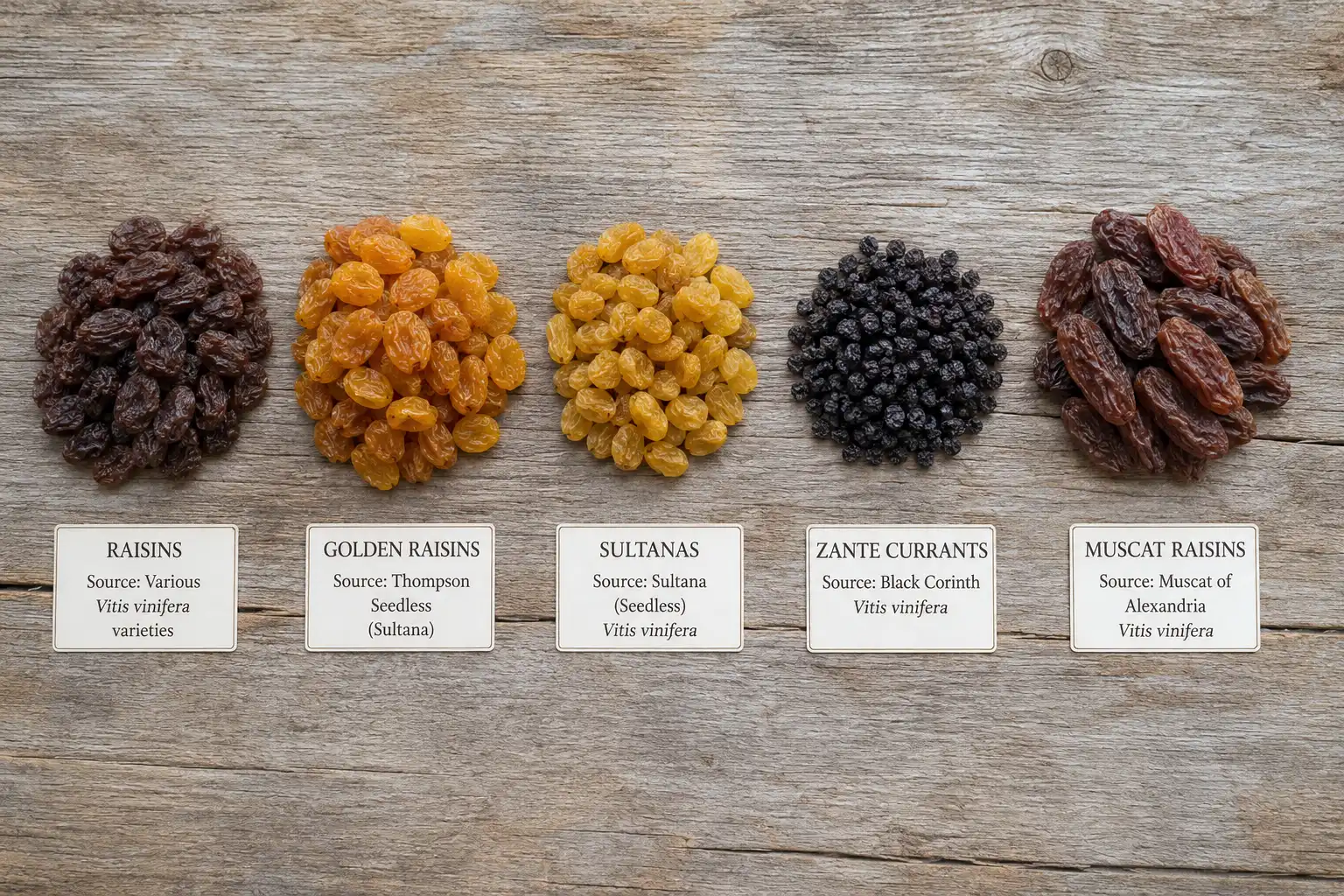
Two labeling quirks trip people up.
First, sultana and raisin mean different things depending on where you shop. In the UK, Ireland, Australia, and New Zealand, raisin means the dark type. Sultana means the golden type. Currant means the small Black Corinth type. In the US, everything counts as a raisin with a modifier in front.
Second, dried “currants” in the baking aisle are not currants at all. Real currants grow on Ribes bushes and taste tart. Zante currants come from dried Black Corinth grapes, about a quarter the size of a standard berry. The name traces back to Corinth, Greece, by way of the island of Zakynthos.
Why Golden Raisins Look Different Than Brown Ones
Golden raisins get their color from sulfur dioxide, not from a different grape. Both types usually start as Thompson Seedless.
Handlers wash the fresh fruit, dip it in hot water to soften the skins, then run it through gas-heated tunnel dryers with sulfur dioxide present. Sulfur dioxide blocks the enzyme behind browning, so the fruit keeps its light color. Mechanical drying also runs faster than sun drying. Golden raisins therefore finish plumper and hold a bit more moisture.
That processing carries one practical consequence. Golden raisins can retain small amounts of residual sulfites, so packages must declare sulfur. Anyone sensitive to sulfites should stick to natural sun-dried raisins, which skip chemical treatment entirely. Golden types make up only 6 to 9 percent of California’s annual output.
Bakers usually reach for golden raisins because the plumper texture and lighter color show up better in cookies and breads. For flavor depth in oatmeal or granola, sun-dried browns win.
How Many Grapes Make a Pound of Raisins
It takes about 4 to 4.5 pounds of fresh grapes to yield 1 pound of raisins. That drying ratio drives the crop’s entire economics.
Higher sugar at harvest improves that ratio. So raisin growers wait for a minimum of 19 Brix before picking. Fruit picked green shrinks more and yields less.
Two drying systems dominate California’s San Joaquin Valley. Nearly the whole US crop grows there.
- Tray drying. Crews lay clusters on paper trays in the row middles. The sun does the work over two to three weeks. Tray-dried vineyards historically ran near two tons of raisins per acre.
- Dried on the vine (DOV). Crews cut the canes while fruit stays attached to an overhead trellis. The fruit dries in place, then a machine harvests it. DOV cuts labor sharply and pushes yields higher.
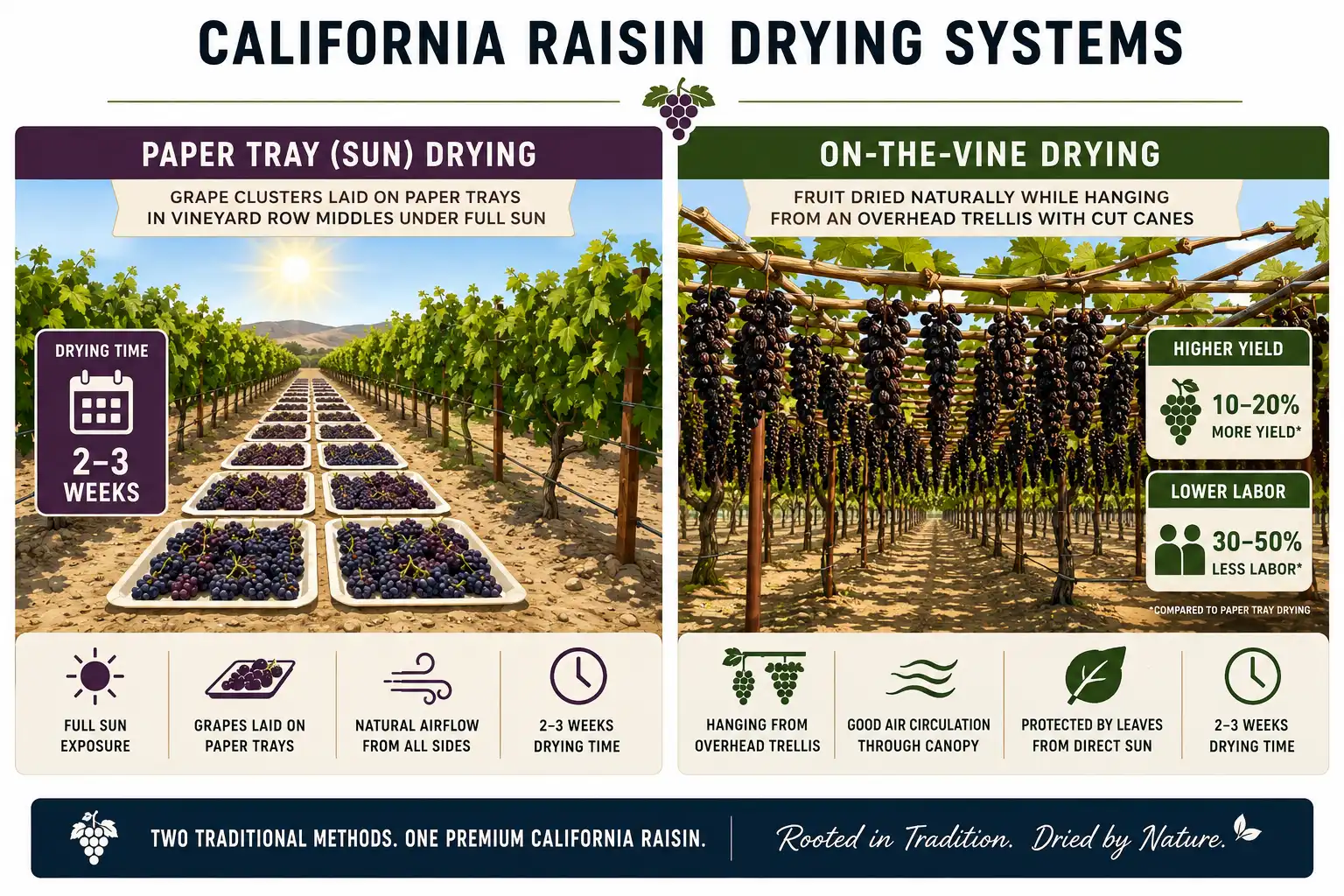
Rain during the drying window is the real risk with tray drying. A wet September molds a crop sitting on the ground. That is exactly why DOV trellis systems keep gaining acres. At small scale, our walkthrough on making raisins from grapes covers a backyard batch.
Are Raisins Nutritionally the Same as Grapes
Raisins carry the same nutrients as grapes, just packed into a smaller volume. Removing water concentrates everything, calories included.
A cup of fresh grapes runs about 100 calories. A cup of raisins runs closer to 430. The nutrients do not differ, only their density. Potassium, fiber, iron, and antioxidants all concentrate the same way sugar does.
Practical differences worth knowing:
- Serving size matters more. A quarter cup of raisins runs about equal to a cup and a half of fresh grapes.
- Fiber and tartaric acid stay intact, so raisins support regularity.
- Vitamin C drops. Heat and long air exposure degrade it during drying.
- Golden raisins may hold more phenolic compounds, since sulfur dioxide blocks some oxidation.
- Packers add no sugar. Sweetness comes entirely from the fruit.
Raisins contain no gluten and very little protein. Some packers apply a light vegetable oil coating to stop clumping, which shows on the ingredient list.
Do Grapes Grow Naturally Into Raisins
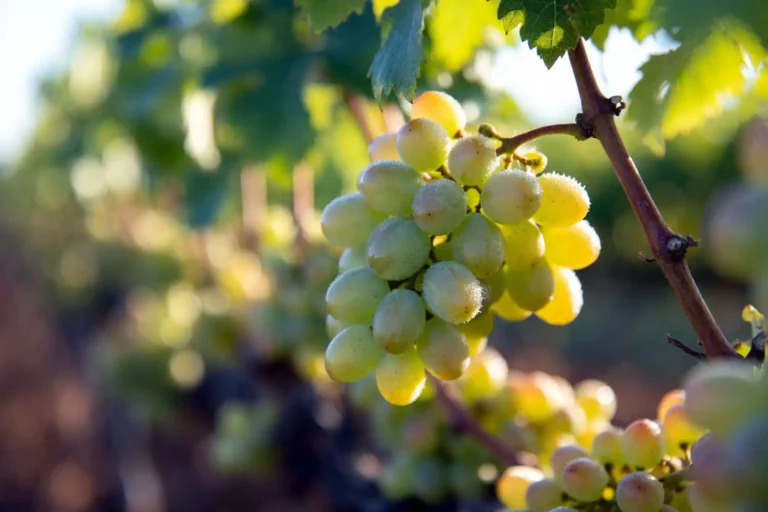
Grapes dry into raisins on the vine without help, which is likely how people first found them. Late-season fruit hanging in hot, dry air shrivels on its own.
Commercial DOV production simply controls that process. Growers cut the canes to stop water flow, then the fruit dries while still attached. The unmanaged version fails often, because birds, rain, and mold reach the fruit first. So protecting grapes from birds matters right through the drying window.
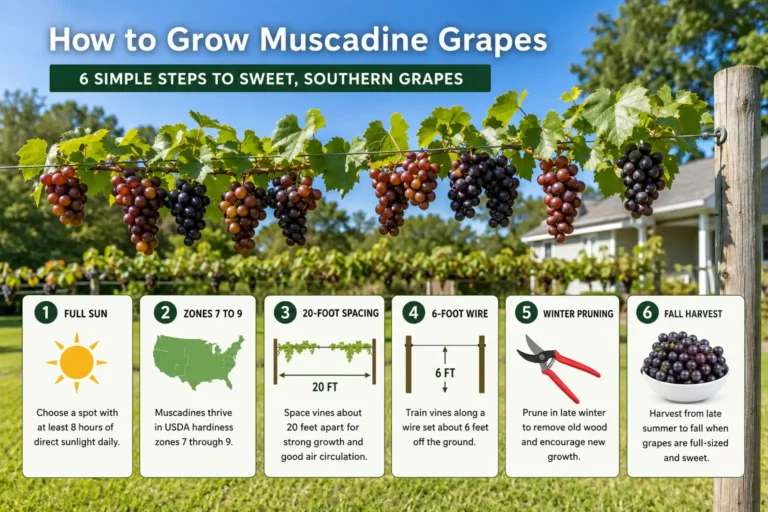
Climate sets hard limits. Raisin drying needs long hot summers, low humidity, and almost no rain at harvest. That confines major production to a handful of regions. Turkey and the United States lead global output, then Iran, India, Chile, South Africa, and Australia. Grow grapes fine, but September humidity and thunderstorms rule out reliable tray drying. Anyone in the Great Plains needs a dehydrator, not a paper tray.
Bottom Lines
Raisins are dried grapes, full stop. Every product in the dried vine fruit aisle traces back to one grape variety and one drying method. Those two choices explain every difference in color, size, and flavor.
Buying? Check the variety and look for sulfur on the label. Growing? Match your variety and climate to the drying method before you count on a crop. Thompson Seedless plus a dry September made California the raisin state. Everywhere else, a dehydrator does the sun’s work.