Why Are Green Grapes Called White Grapes? A Farmer Explains
Walk through any produce aisle and you’ll see green grapes labeled white. It’s confusing at first. So why are green grapes called white grapes? The label comes from how growers and winemakers sort fruit by color. It has nothing to do with what your eyes see on the vine.
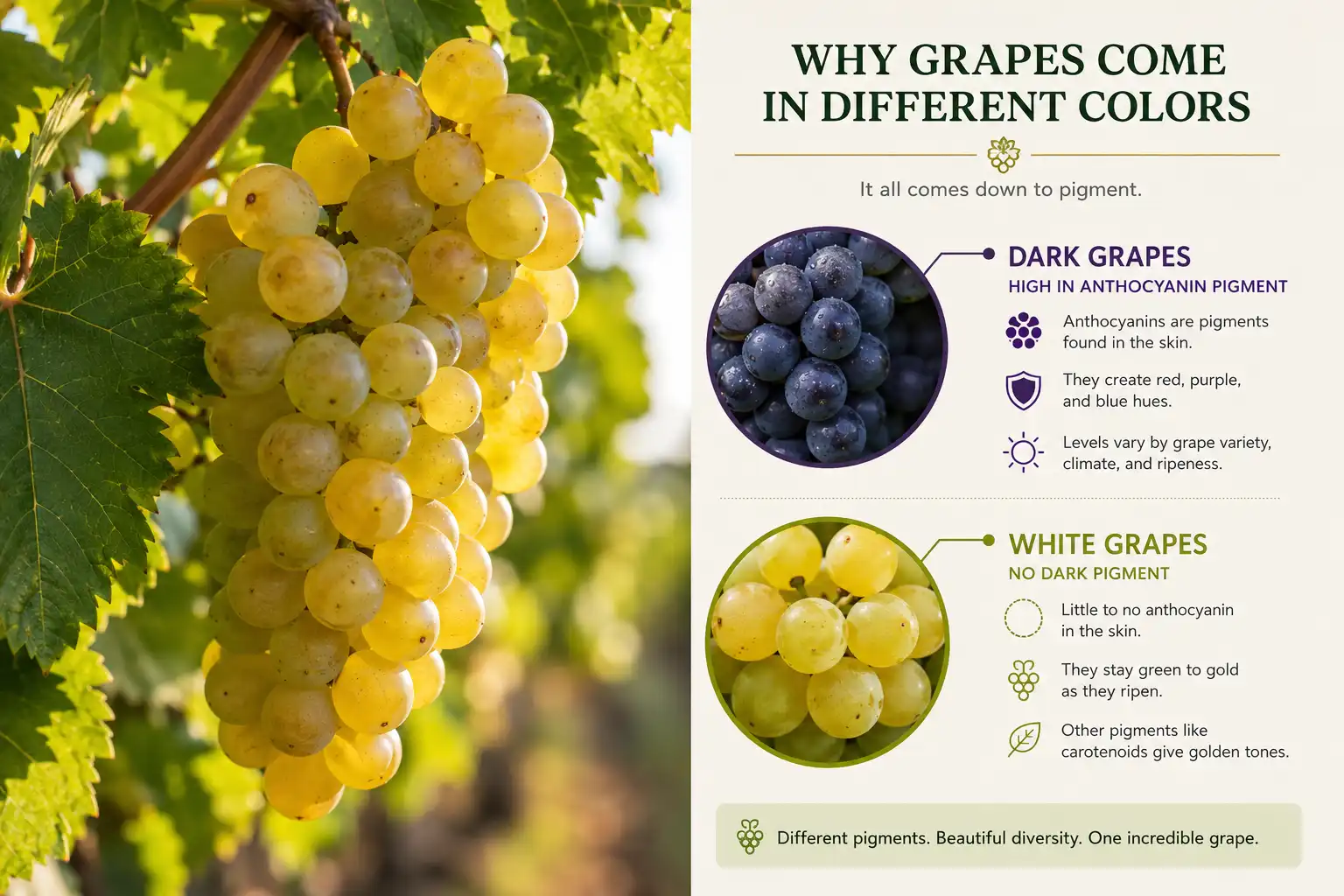
Green grapes are called white grapes because growers split all grapes into two color groups, white and black. White just means the lighter group. These grapes lack the dark anthocyanin pigments, so they stay green or gold.
Why Are Green Grapes Called White Grapes?
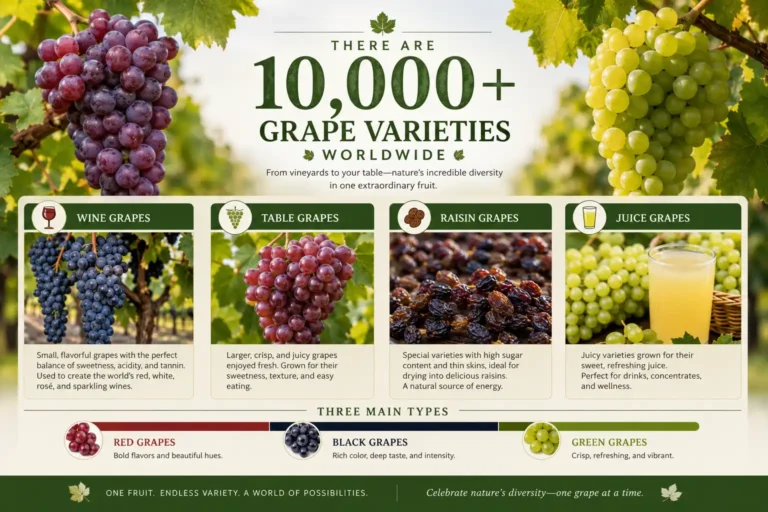
Green grapes are called white grapes because of an old sorting system, not their true color. Growers and winemakers drop every grape into one of two buckets, white or black. Black covers the dark red, purple, and blue-black types. White covers everything pale, including green, yellow, and golden fruit. So a green grape lands in the white group by default. The label sticks from there. It tells you what kind of grape you have, even when nothing on the vine looks chalk white.
What Makes a Grape White Instead of Red or Black?
The difference comes down to pigments called anthocyanins. These compounds turn grape skins red, purple, or nearly black. White grapes barely make any. Without that pigment, the skin shows its background color instead. Early in the season that color is green, from chlorophyll. As the fruit ripens, the green fades toward yellow and gold, thanks to carotenoids.
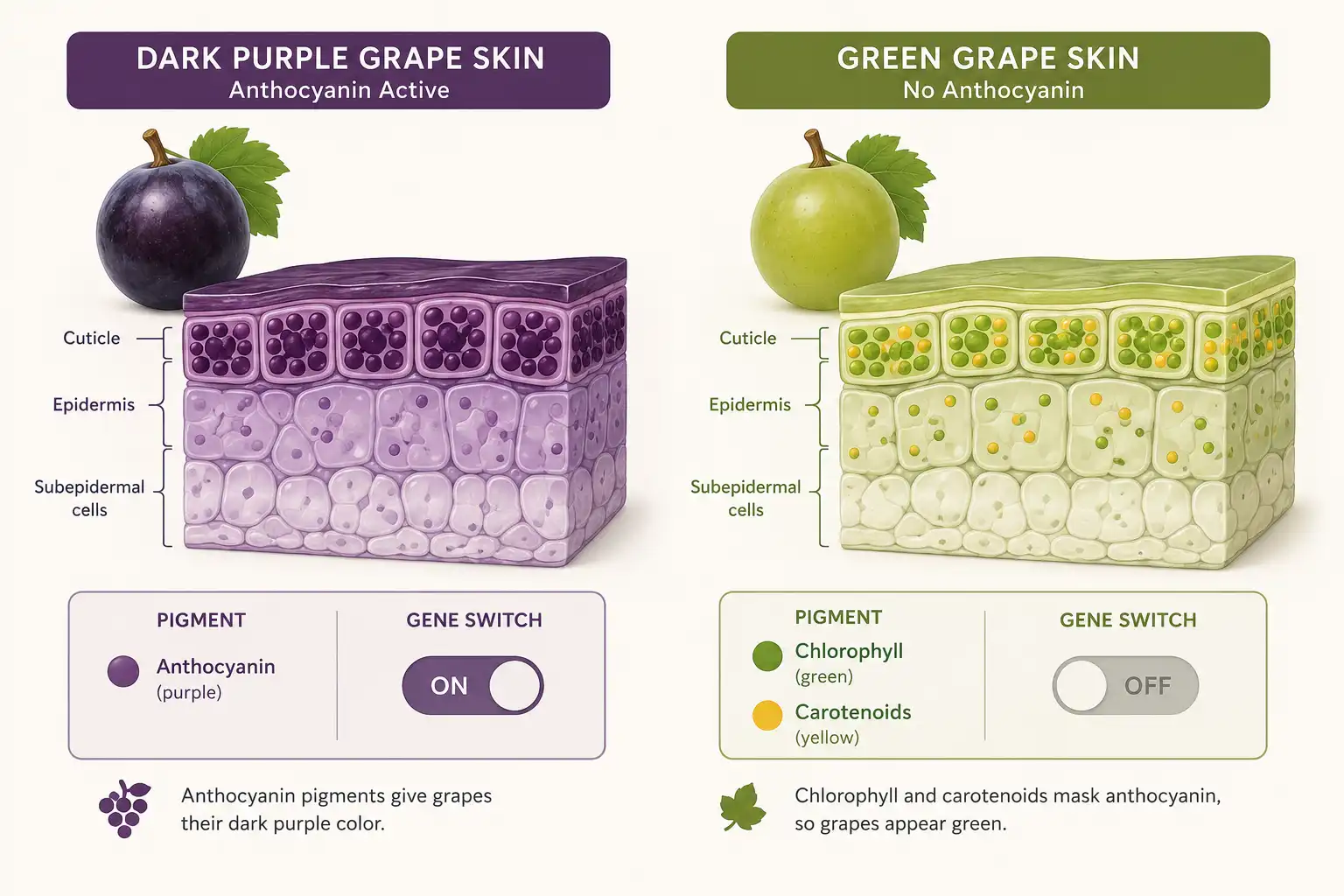
The trait traces back to two regulatory genes, VvMYBA1 and VvMYBA2. In dark grapes, these genes switch anthocyanin production on. In white grapes, old mutations switch both genes off. Researchers found that nearly every white grape variety carries this same change. That means white grapes share one common origin, far back in the species Vitis vinifera. So white grapes are not a separate plant. They are ordinary grapes with the color shut off.
Are Green Grapes and White Grapes the Same Thing?
Yes. Green grapes and white grapes are the same fruit with two names. White is the formal term in farming and wine. Green is what most shoppers say. You’ll also hear these grapes called golden or amber, especially once they fully ripen. Every one of those names points to the same anthocyanin-free grape. So if a recipe calls for white grapes and your store stocks green, grab the green. They are identical.
Where the “White” Label Comes From
The word white comes straight out of winemaking. White grapes make white wine. Dark grapes make red wine. That split is thousands of years old. Egyptians grew pale-skinned grapes for white wine more than 3,000 years ago. Back then, calling a grape white or black was the quickest way to describe what went into the barrel. The fresh-eating side of the trade borrowed those same labels later. That’s why your table grapes carry winemaking words, even if you never make a drop of wine.
What Color Are White Grapes Really?
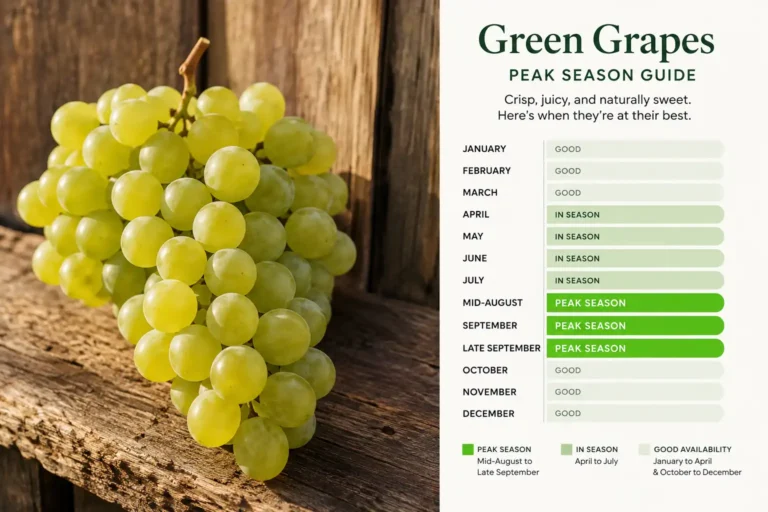
White grapes are really pale green to golden yellow, never true white. An underripe bunch looks flat green. As sugar builds, the skin thins and turns translucent, with a soft gold or amber glow. Some varieties even pick up a light pink blush on the side facing the sun. None of that comes from anthocyanin in any real amount. It’s just the natural green and yellow tones showing through, since the dark pigment never arrives.
Do White Grapes Change Color When They Ripen?
White grapes do change color as they ripen, but the shift is gentle. The turning point is veraison, when the berry stops growing and starts ripening. In dark grapes, veraison is dramatic. Green berries flush red or purple as anthocyanins flood the skin. In white grapes, you mostly watch the green deepen into gold and go translucent. Sugar climbs at the same time, and you can track it with a refractometer in degrees Brix.
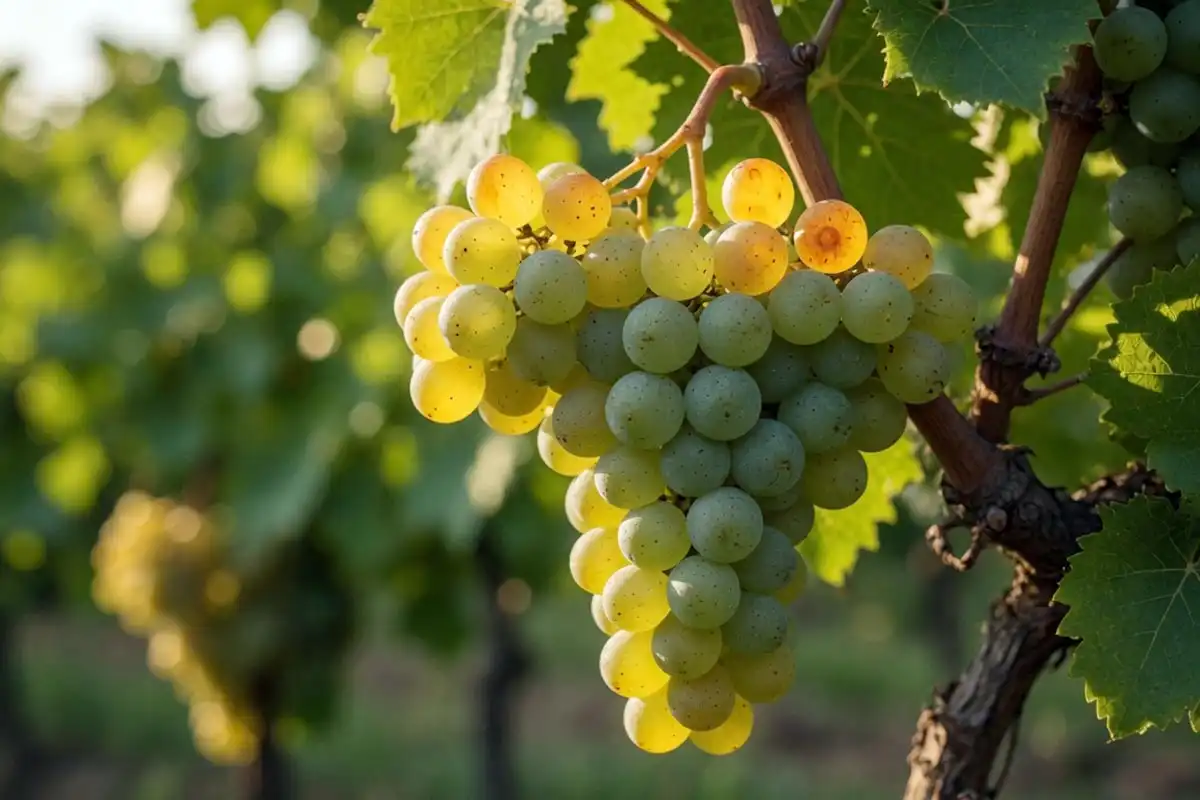
Color alone won’t confirm that a white grape is ripe. That soft gold is one clue, but taste and Brix tell you more. It also helps to understand what happens once grapes come off the vine. After all, a pale bunch picked early won’t sweeten much. For a first vineyard, judging when grapes are ready to pick takes a season or two of practice.
Common White (Green) Grape Varieties You’ll Recognize
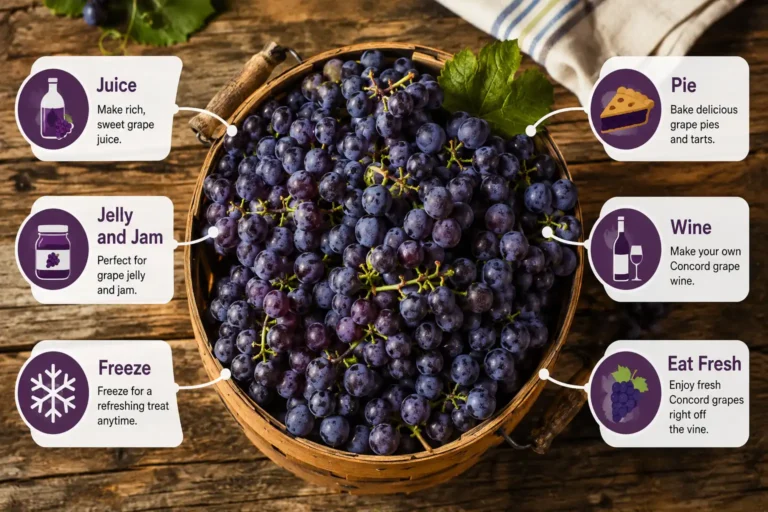
You already know more white grapes than you might think. Thompson Seedless is the classic green table grape, and it’s the one behind most golden raisins. Niagara is an old American favorite with a bold, foxy flavor, popular across the Midwest. Concord gets the attention for dark juice, while its pale relatives quietly fill the fresh-eating shelves.
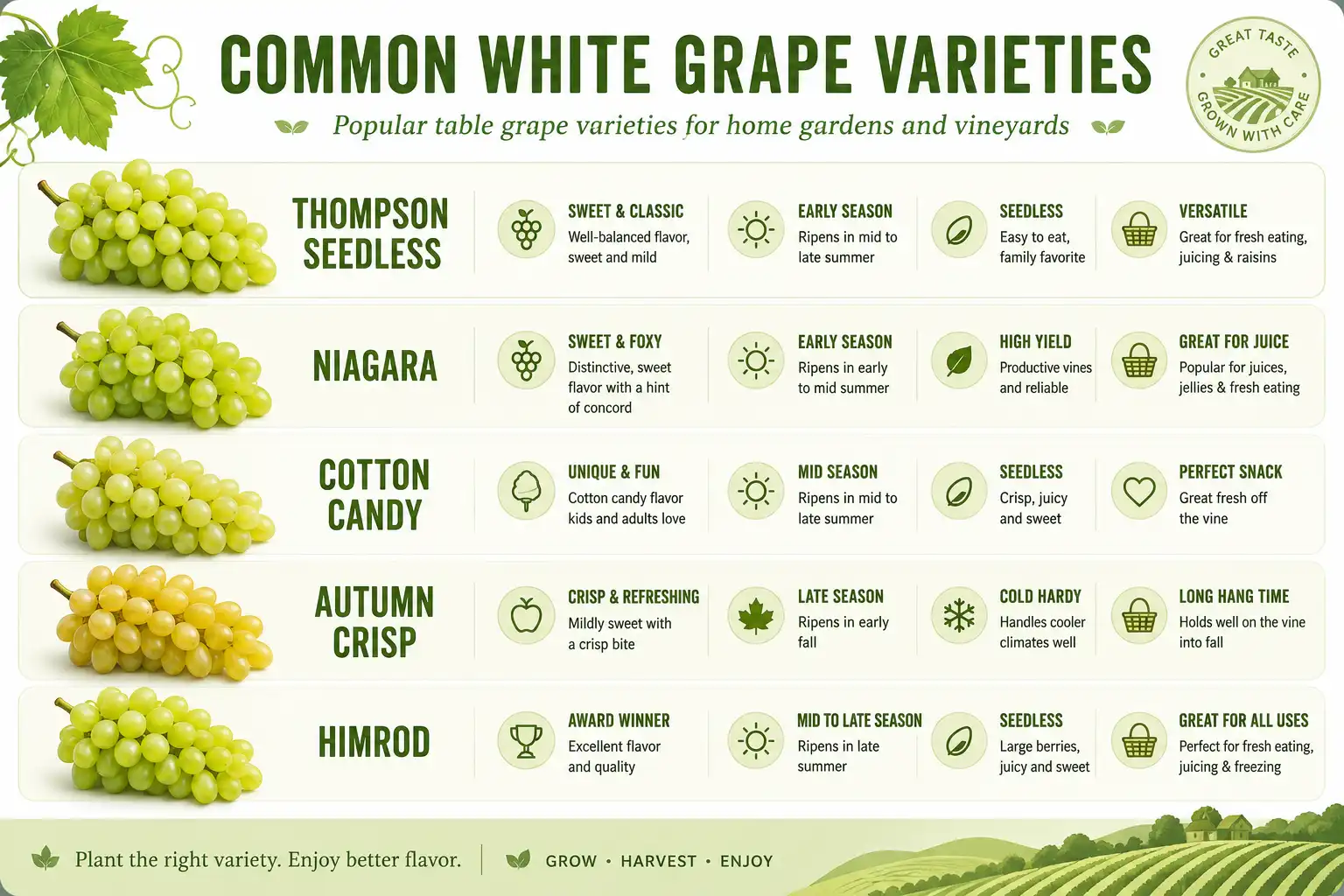
Newer branded varieties have pushed flavor even further. The natural cross behind Cotton Candy grapes gives them a vanilla, spun-sugar taste, and they’re a true green grape. Those large Autumn Crisp table grapes are another green variety that breeders pushed for size and crunch. Each one sits in the white category, no matter how green it looks in the clamshell.
Are White Grapes Less Healthy Because They’re Pale?
No, white grapes are not less healthy in any way that matters. They carry less of one antioxidant group, the anthocyanins, since that’s the pigment they skip. Dark grapes also hold more resveratrol in their skins. Even so, white grapes still bring vitamin C, vitamin K, potassium, and plenty of other polyphenols. For a fresh snack, the gap is small. Eat the color you enjoy most.
What Kansas Growers Should Know
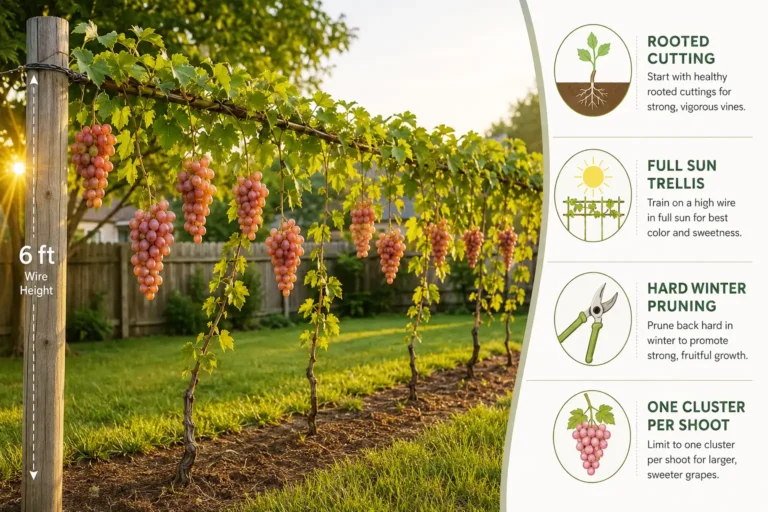
Here’s the short version for anyone confused by the label. White is a category, not a paint color. These grapes skipped the dark pigment, so they stay green and gold instead of going purple. That’s the whole story. If you’re putting in your first vines in zone 6a, choose the type you like to eat first. That holds anywhere across the Great Plains. Then learn how long grapevines take to start producing so your timeline stays realistic. The color word on the label matters far less than getting the right variety in the ground.