Are Candy Snap Grapes Healthy or Just Sugar Bombs in Disguise?
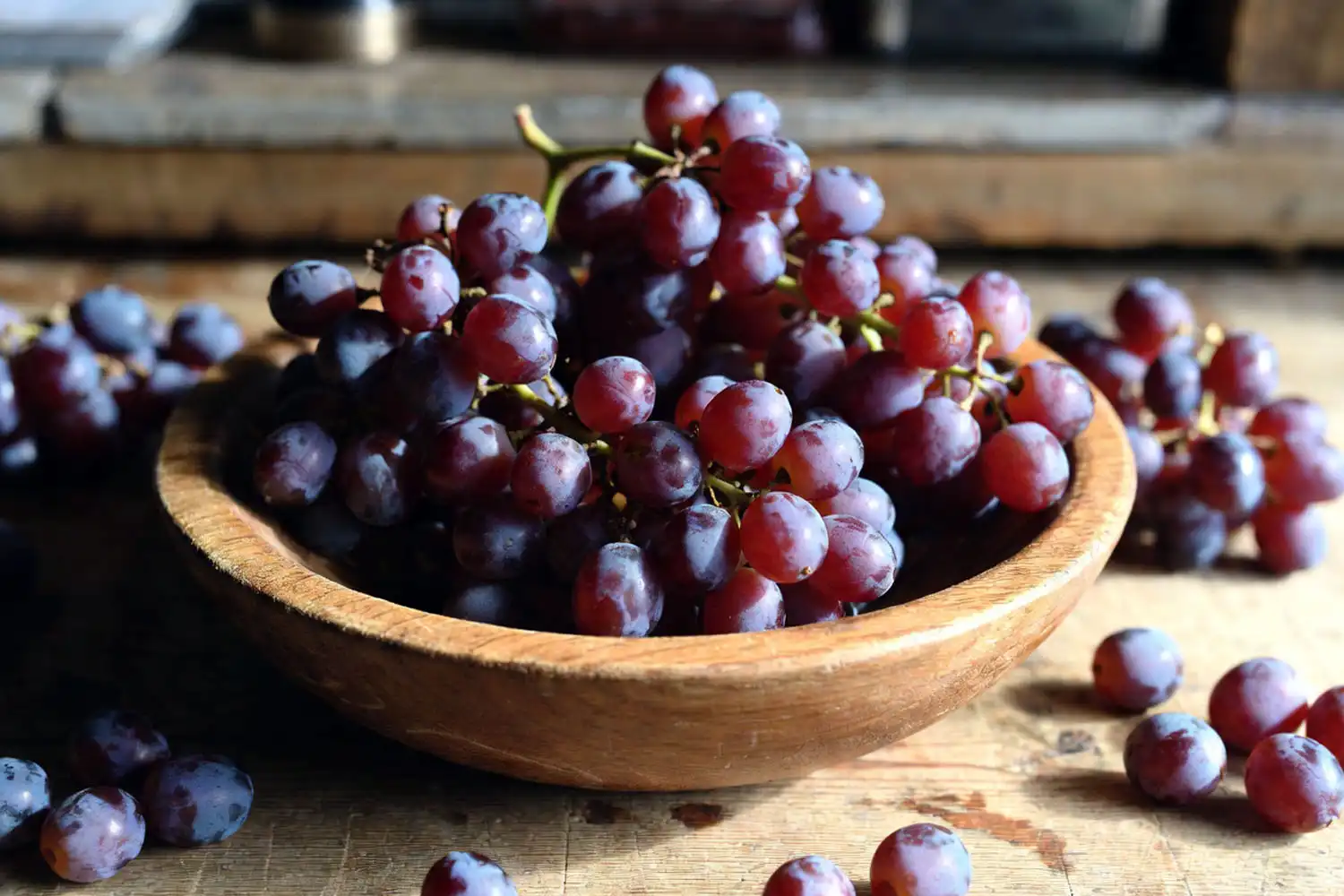
Candy Snap grapes taste like dessert straight off the cluster, which raises a fair question at every grocery aisle: are Candy Snap grapes healthy, or is that sweetness a problem? The short answer is yes, they fit a balanced diet. The details are worth knowing before you fill your basket.
Yes, Candy Snap grapes are healthy. One cup has about 100 calories, 27g of natural sugar, 1g of fiber, vitamin C, vitamin K, potassium, and resveratrol. Sugar runs a bit higher than standard grapes, so stick to one cup per snack.
What Are Candy Snap Grapes?
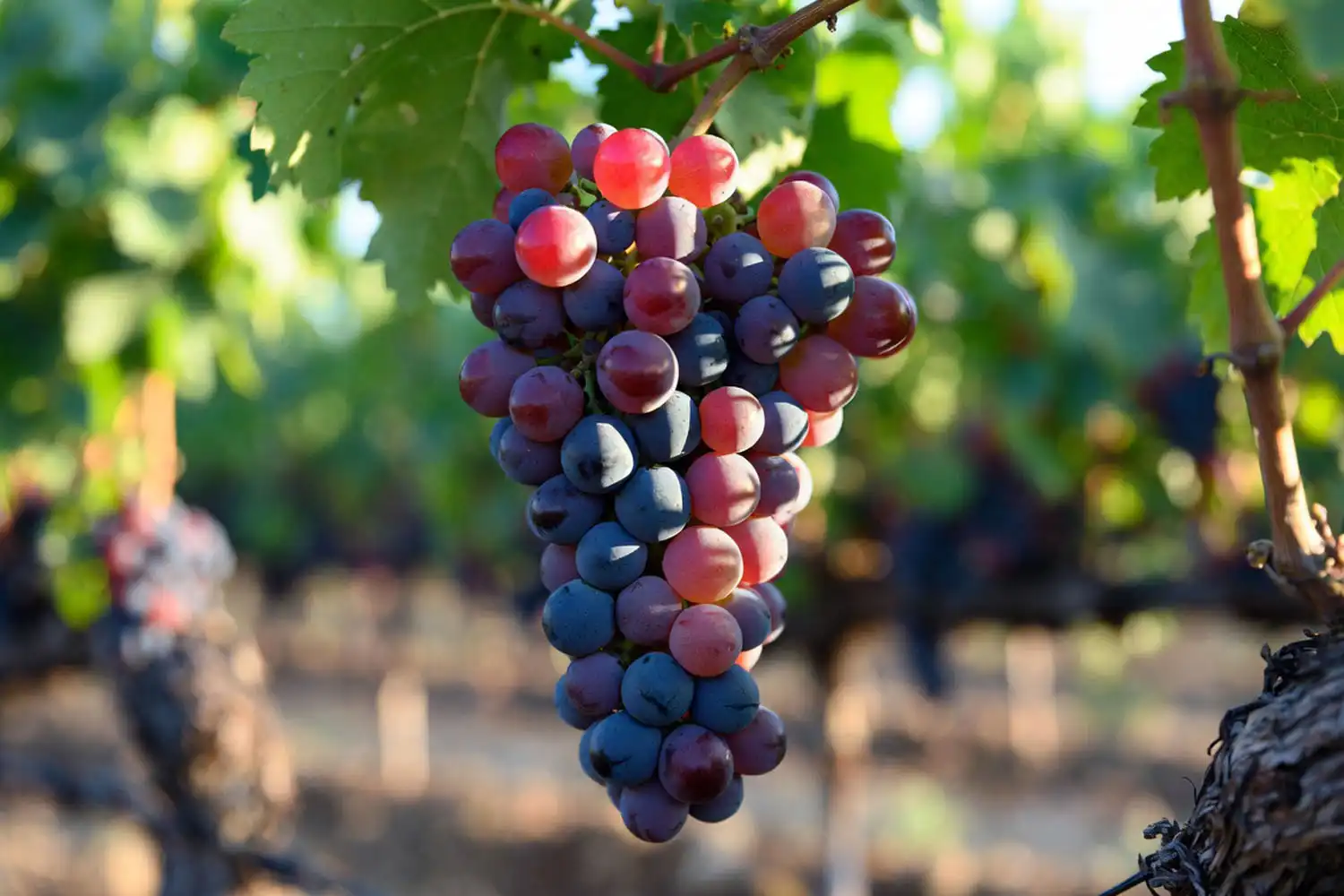
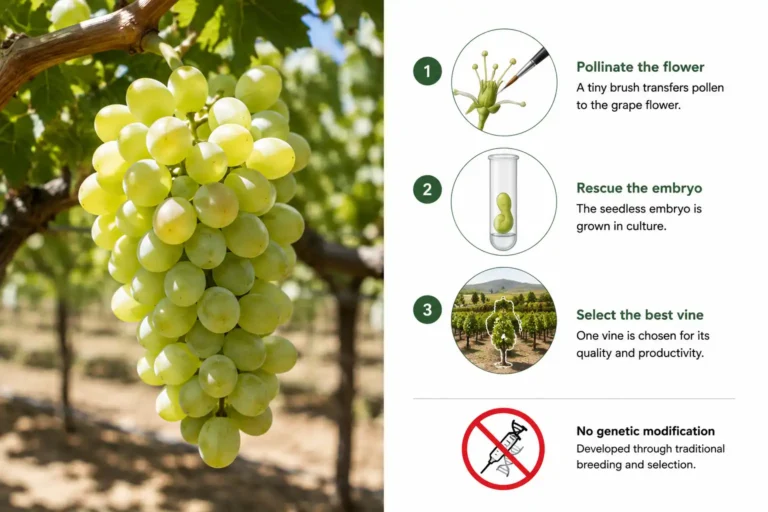
Candy Snap grapes are a branded red table grape variety bred for high sweetness and a fruity, almost vanilla-candy flavor. They come out of The Grapery in California, the same growers behind Cotton Candy and Moon Drops varieties. The variety was developed through traditional cross-pollination of existing grape lines, so you can read more on how breeders develop cotton candy grapes using the same approach.
Each grape runs small to medium, oval-shaped, and dark red with thin skin and a light blue-grey bloom. The flesh is seedless, firm, and very juicy. Brix readings often sit above 22, which is why a single grape can taste sweeter than a fruit snack.
Are Candy Snap Grapes Healthy? The Nutrition Breakdown
Yes, Candy Snap grapes are healthy when eaten in normal serving sizes. They deliver whole-fruit nutrition with no added sugar, no syrup, and no processing. The sweetness is intense because of breeding and harvest timing, not because anything is added to the fruit.
Calories and Macros per Serving
One cup of Candy Snap grapes contains roughly 100 calories, 27g of carbohydrates, 1g of fiber, 1g of protein, and under 1g of fat. Water makes up close to 80% of each grape, so the calorie load stays low against the volume on your plate.
Vitamins and Minerals
You get a useful amount of vitamin C for immune support, vitamin K for blood clotting and bone health, and potassium for blood pressure and fluid balance. Smaller amounts of manganese, copper, and B vitamins also show up. The numbers track close to the standard seedless grape entries in USDA FoodData Central reference data, which is the cleanest public source for grape nutrition.
Antioxidants and Polyphenols
Candy Snap grapes carry resveratrol, quercetin, and other polyphenols found across the grape family. These compounds support heart health, fight oxidative stress, and are a big reason grapes show up in long-term wellness studies.
How Candy Snap Grapes Compare to Regular Grapes
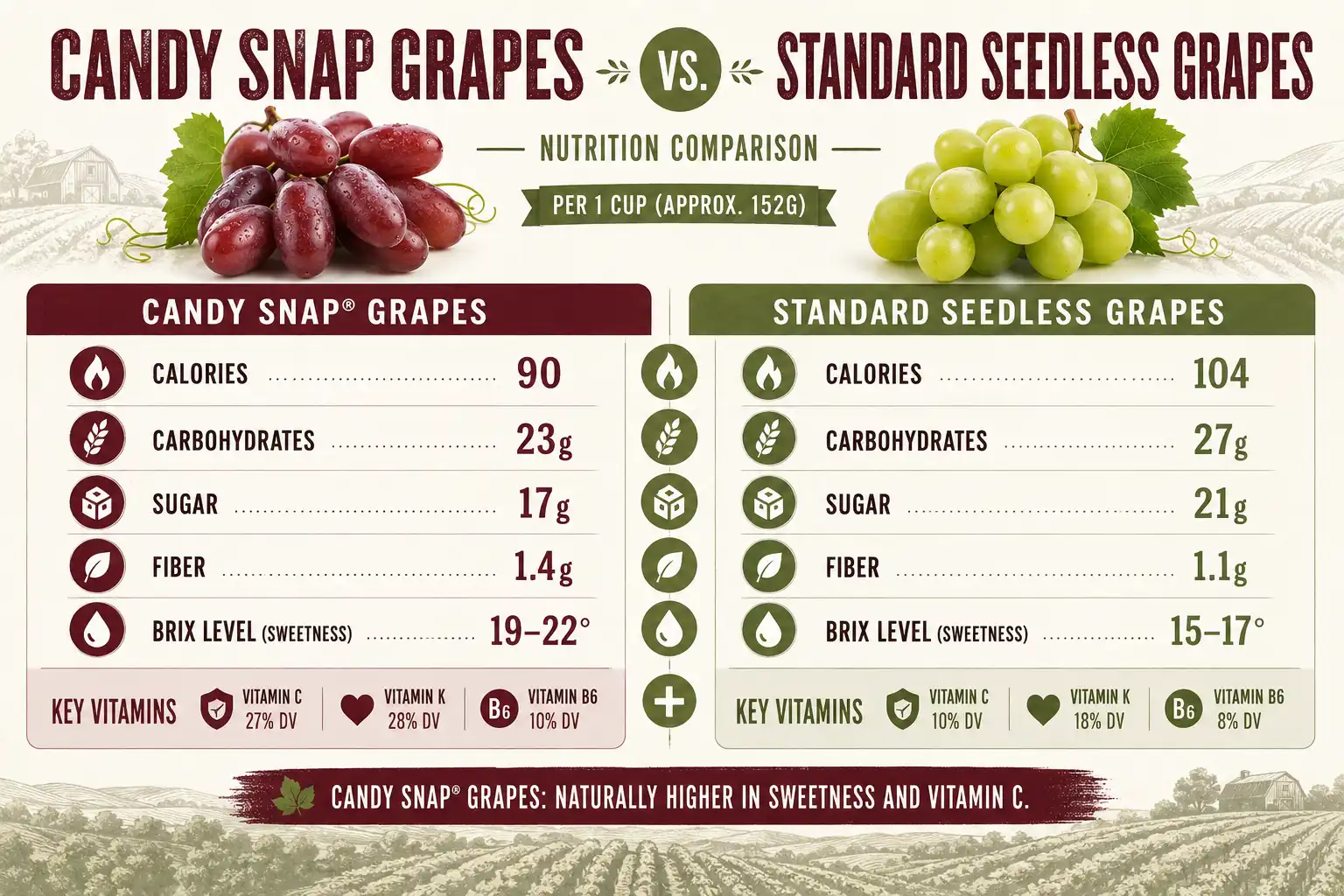
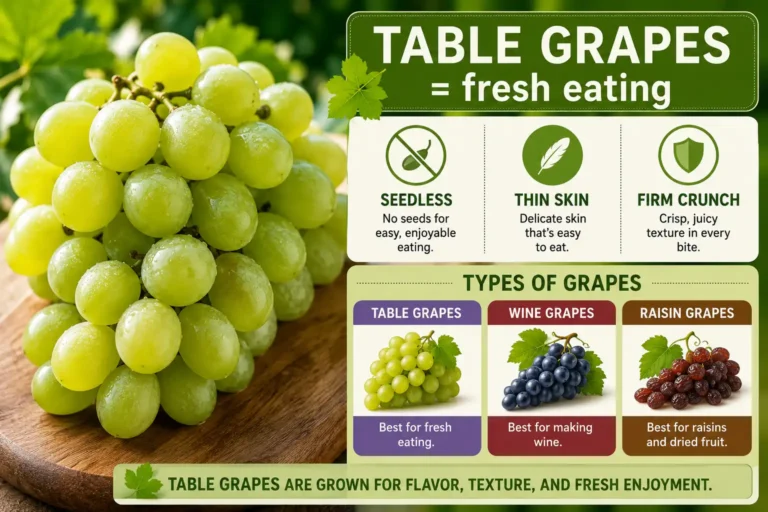
Candy Snap grapes pack more sugar per bite than standard red or green seedless grapes. A typical Thompson Seedless runs around 16 to 18° Brix. Candy Snaps often hit 22° Brix or higher. Vitamins, minerals, and water content stay close to other table grapes, but the sugar-per-bite feel is much stronger.
That higher sweetness is why people compare them to candy. The trade-off is small in fiber and big in flavor punch. For a closer look at the sister variety, the breakdown of whether cotton candy grapes are unhealthy covers the same sugar conversation.
Are Candy Snap Grapes Bad for Blood Sugar?
Candy Snap grapes are not automatically bad for blood sugar, but portion size matters. Grapes carry a moderate glycemic index, generally between 53 and 59. The natural sugar is mostly fructose and glucose, which the body processes quickly.
For most healthy eaters, one cup of grapes with a small handful of nuts or a piece of cheese slows the sugar spike. If you manage type 2 diabetes or insulin resistance, treat Candy Snaps like any other sweet fruit and watch your daily carb count. Pairing fruit with protein and fat is the standard move taught by every extension nutrition program.
How Many Candy Snap Grapes Should You Eat?
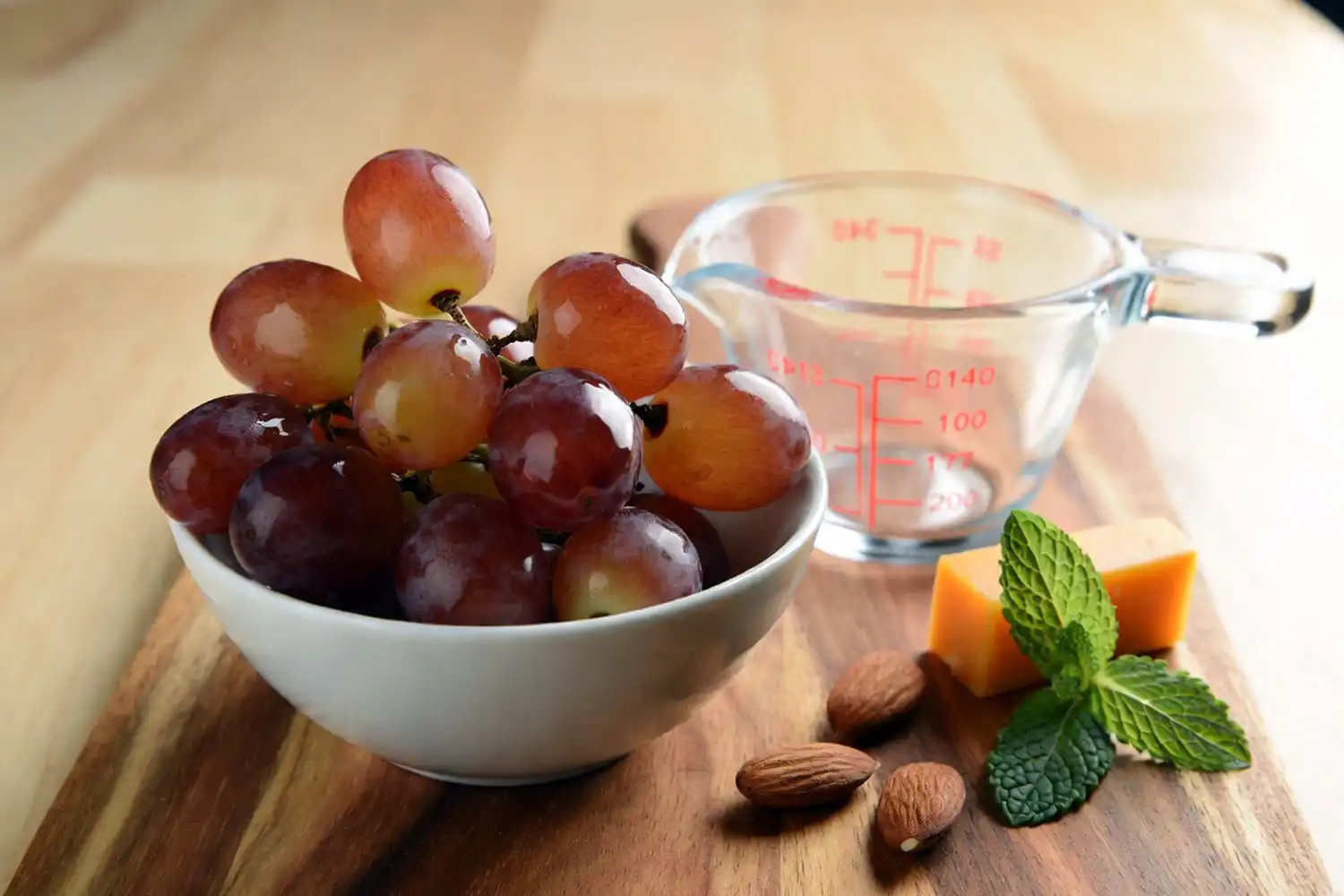
Stick to one cup, which is about 30 to 32 grapes. That gives you a snack-sized 100 calories and 27g of carbs without tipping into a sugar overload. A second cup is fine if grapes are replacing a sweeter dessert, but two cups in a sitting can carry more sugar than a can of soda.
Practical eating tips:
- Pair with protein. Add a slice of sharp cheddar, a spoon of cottage cheese, or a small handful of almonds.
- Freeze a cup for hot afternoons. Frozen Candy Snap grapes eat like sorbet with no added sugar.
- Slice them into a green salad with walnuts and goat cheese.
- Skip candied-grape recipes. Adding a sugar coating to an already sugary grape defeats the point.
Who Should Be Careful With Candy Snap Grapes?
A few groups should keep portions small with Candy Snap grapes. People with diabetes, anyone on a strict low-carb or keto plan, and small children at choking risk all need a measured approach.
- Diabetics: count the 27g of carbs per cup and always pair with protein or fat.
- Keto eaters: a full cup blows past most daily carb limits.
- Toddlers under four: slice grapes lengthwise to lower choking risk.
- People on blood thinners: vitamin K content is modest but worth flagging to your doctor.
For broader context on another large, sweet variety that raises similar questions, the guide to autumn crisp grape characteristics covers the same trade-offs.
Are Candy Snap Grapes Natural or GMO?
Candy Snap grapes are natural, not GMO. They were created through conventional cross-breeding of existing grape varieties, the same plant-breeding method used for nearly every fruit on the produce shelf. No lab gene-editing is part of the process. The deeper look at whether cotton candy grapes are natural walks through the same breeding logic in detail.
When Are Candy Snap Grapes in Season?
Candy Snap grapes hit US grocery stores from late July through October, with peak supply in August and September. The Grapery times the harvest in California’s Central Valley to land the variety at peak sugar, color, and aroma. Outside that window, you can sometimes find them shipped from Peru or Chile in late winter, though flavor is usually softer.
Bottom Line
Candy Snap grapes earn a spot in a balanced diet. They give you whole-fruit nutrition, antioxidants like resveratrol, and useful vitamin and mineral value. The catch is sugar density. Treat them like the sweeter relative in the grape family, keep portions to one cup, and pair them with protein or fat. That keeps blood sugar steady and lets you enjoy the flavor without overdoing it.