Are Cotton Candy Grapes Natural? How They’re Actually Grown
Cotton candy grapes look like regular green table grapes but taste like spun sugar. The flavor is so unusual that many shoppers wonder if they came out of a lab. Grow plenty of crops, so let me walk you through whether cotton candy grapes are natural.
Cotton candy grapes are natural. They are a hybrid table grape variety created through conventional cross-pollination by plant breeder David Cain at International Fruit Genetics. They are not genetically modified, not flavor-injected, and contain no artificial ingredients.
What Are Cotton Candy Grapes?
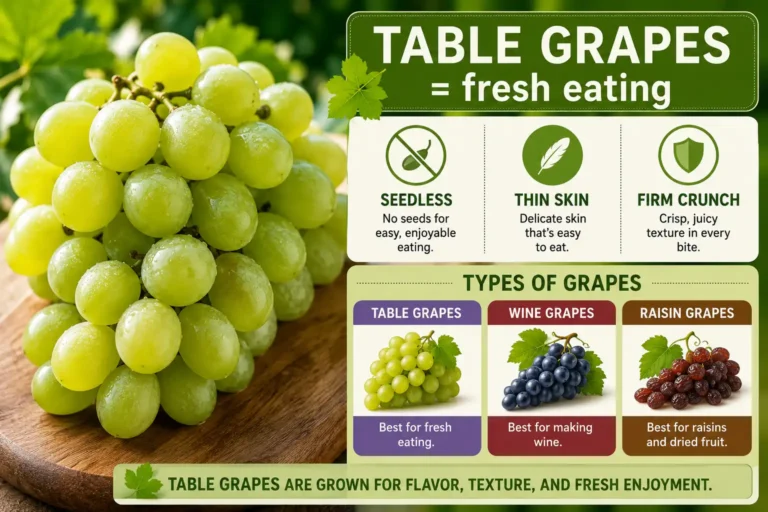
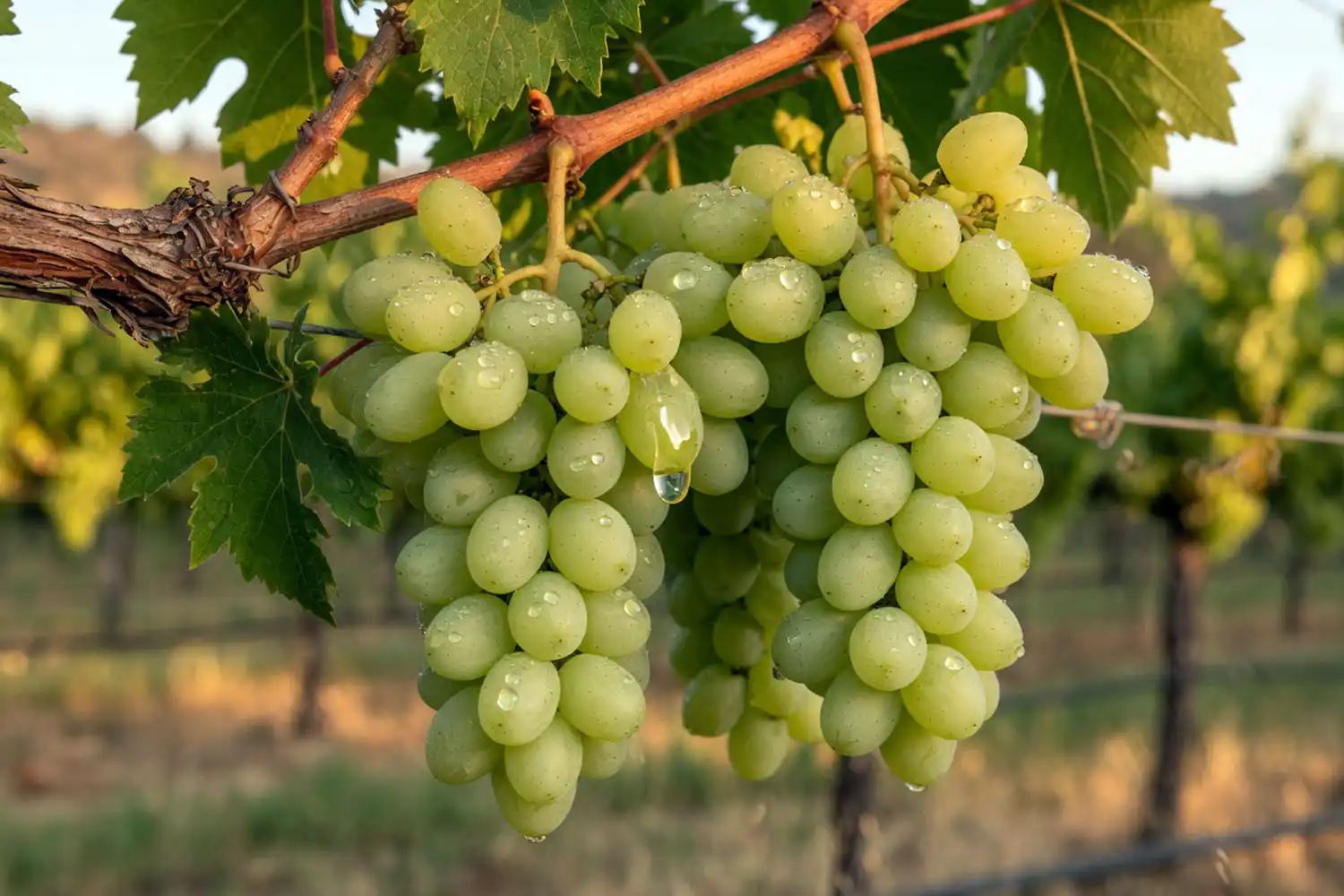
Cotton candy grapes are a green seedless table grape variety that genuinely tastes like carnival cotton candy. The official cultivar name is IFG Eleven, patented and licensed by International Fruit Genetics, a fruit-breeding company based in Bakersfield, California. The brand most shoppers recognize is Grapery, the licensed grower that markets the variety in U.S. stores from late summer through early fall.
The grapes look ordinary. Pale green, round, firm skin, no seeds. The surprise hits when you bite in. The taste really does mimic spun sugar from a county fair. That is not marketing copy. That is the actual flavor profile.
Know more: Autumn Crisp Grapes GMO or Naturally Bred
Are Cotton Candy Grapes Genetically Modified?
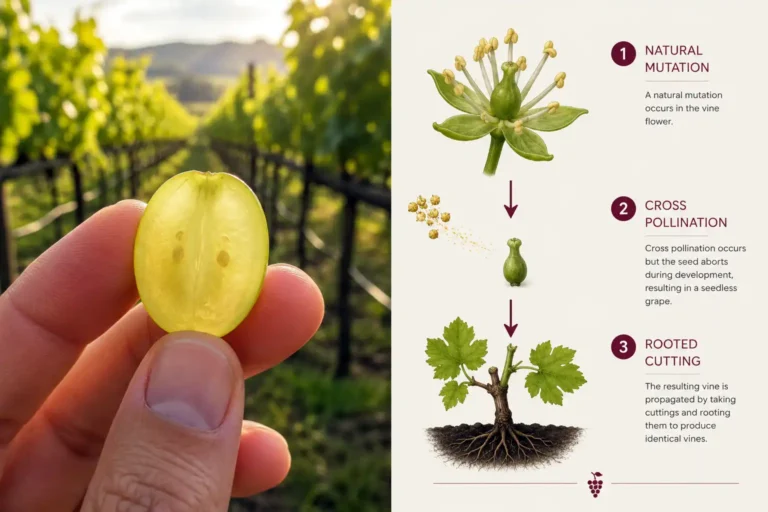
Cotton candy grapes are not genetically modified. They were created through conventional cross-breeding, the same plant-breeding method farmers and horticulturalists have used for thousands of years.
Plant breeders take pollen from one parent plant and transfer it to the flower of another parent. The resulting seeds carry traits from both parents. Breeders grow those seedlings out, taste-test the fruit, and select the best performers across many seasons. Most fruit on the produce shelf, including apples, peaches, and almost every modern table grape, was developed this way.
GMO crops, by contrast, are made by inserting specific genes into a plant’s DNA inside a laboratory. Cotton candy grapes never went through that process. The same point comes up with other crops, and our breakdown of whether peanuts are genetically modified walks through the difference in plain language.
Learn more: Details about Candy Snap Grapes
How Cotton Candy Grapes Were Created
A horticulturalist named David Cain developed cotton candy grapes at International Fruit Genetics. He crossed a Concord-style grape with a Vitis vinifera variety, then spent over a decade selecting seedlings with the right flavor and growing traits. The fruit hit grocery shelves around 2011 after roughly 15 years of breeding work.
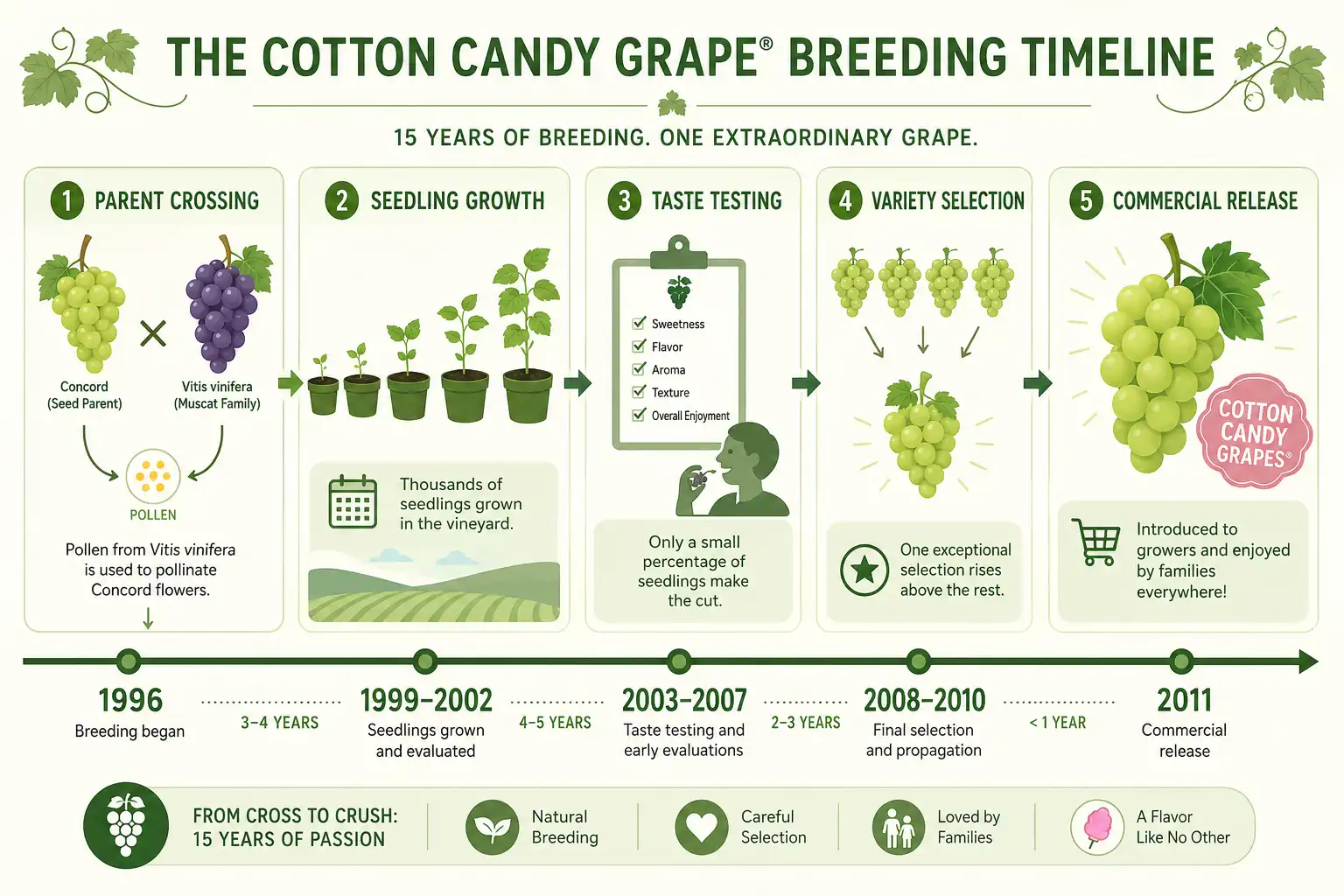
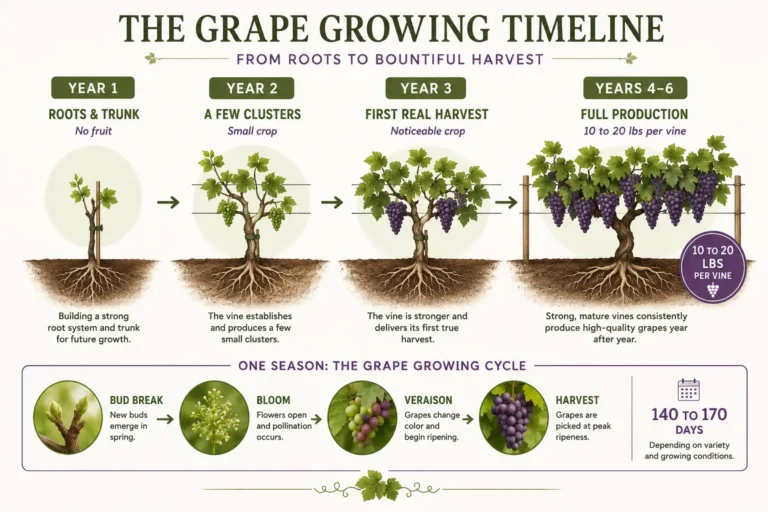
Cross-breeding grapes is slow. Each new vine takes years before it fruits, and most seedlings get culled. Only a handful out of thousands carried the cotton candy flavor strong enough to commercialize. The same patient breeding logic shows up in field crops, which is covered in our piece on hybrid versus heirloom seeds. University programs like Penn State Extension’s grape variety research document how this conventional crossing process works across both wine and table grape varieties.
Why Do Cotton Candy Grapes Taste Like Cotton Candy?
The cotton candy flavor comes from natural aromatic compounds inside the grape, not from added flavoring. Vanillin, the same compound that gives vanilla its scent, shows up in higher concentrations in this variety. Combined with the grape’s high sugar content of about 18 to 22 Brix, the result reads on the tongue as spun sugar.
No syrup is injected. No flavoring is sprayed on the skins. The vines are not soaked in sugar water, despite what some social media posts claim. The flavor is bred in, not added in.
Are Cotton Candy Grapes Safe to Eat?
Cotton candy grapes are safe and healthy. They are a regular table grape with a regular nutrition profile. One cup runs about 100 calories, mostly from natural fruit sugar, and provides vitamin C, vitamin K, and small amounts of potassium and antioxidants.
The sugar content is slightly higher than a standard green grape. If you track carbs for diabetes or weight management, eat them in moderation. For most folks, they are a clean, whole-food snack with nothing artificial added.
Where and When Are Cotton Candy Grapes Grown?
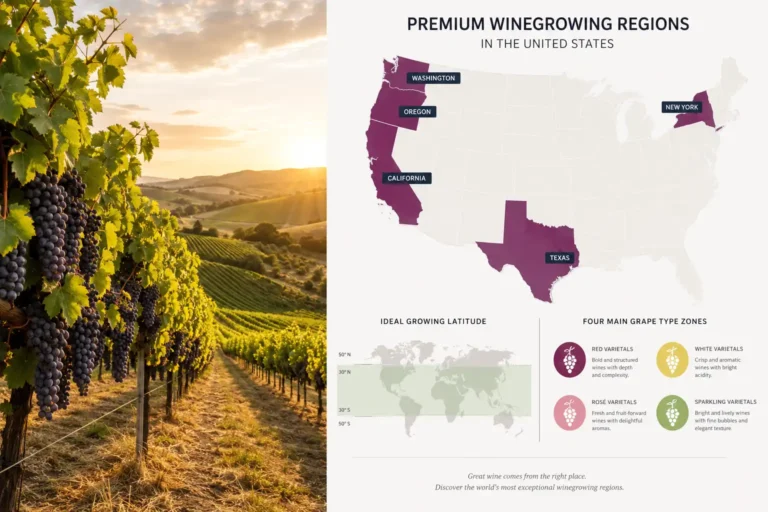
Cotton candy grapes grow mainly in California’s San Joaquin Valley, where the climate suits vinifera grapes. Grapery, based in Bakersfield, runs the largest licensed acreage. Smaller plantings exist in Mexico, Chile, and South Africa, which extends the global supply window across the year.

In the United States, fresh cotton candy grapes show up in stores from mid-August through late September or early October. That is your window for the freshest fruit. Outside that window, Southern Hemisphere imports can stretch availability slightly. If grape growing interests you in general, the grape crop guide covers more on table grape farming.
Are All Cotton Candy Grapes the Same?
Cotton candy grapes from any retailer trace back to International Fruit Genetics’ IFG Eleven cultivar. The Cotton Candy trademark is licensed, so growers cannot legally market the variety under that name without paying for the license. That keeps quality fairly consistent, but flavor strength still varies with growing season, harvest timing, and storage handling.
Late-season grapes tend to taste sweeter than early-harvest ones. Cold storage past a couple of weeks dulls the cotton candy note. Buy them fresh and eat them fresh for the strongest flavor.
What This Means for the GMO Question
A lot of GMO concern gets aimed at fruits like cotton candy grapes because the flavor seems unnatural. The flavor is unusual, but the breeding method is ordinary. Conventional plant breeding has produced every familiar fruit on the shelf, and the same logic applies to questions about other crops, like whether oats are GMO, where the answer surprises people for the same reason.
USDA, NRCS, and university extension programs all classify conventionally bred hybrids like IFG Eleven as non-GMO. They are not regulated as bioengineered food. They do not require a bioengineered disclosure label. They are simply a smart cross.
Putting This Into Practice
Cotton candy grapes are natural, conventionally bred, non-GMO table grapes with a flavor that comes from real plant compounds. Grab a bag in late August if your store carries them, eat them fresh, and enjoy the novelty. They are not a science experiment. They are just patient, skilled plant breeding doing what farmers have done for centuries, applied to one very lucky grape variety.