When to Plant Tomatoes in California: 4 Regional Planting Guides
Plant tomatoes in California at the right time and the crop produces strong, healthy fruit from spring through fall. This guide covers every major growing region in the state, from the cool coast to the desert floor, with exact planting windows, soil temperature requirements, and variety picks. Whether you farm the Central Valley or grow in a mountain foothill garden, you will find the timing and steps you need here.
In California, plant tomatoes outdoors between March and May once the last frost passes and soil temperatures hold steady at 60°F or warmer at a 4-inch depth throughout the day. Coastal areas plant from April to June. Inland valleys plant from March to April. Desert regions plant from February to March (or again in July to August for a fall crop). Mountain zones plant from May to June after the last frost. Soil temperature reaches at least 60°F (15°C) before transplanting.
What Are the Tomato Planting Zones in California?
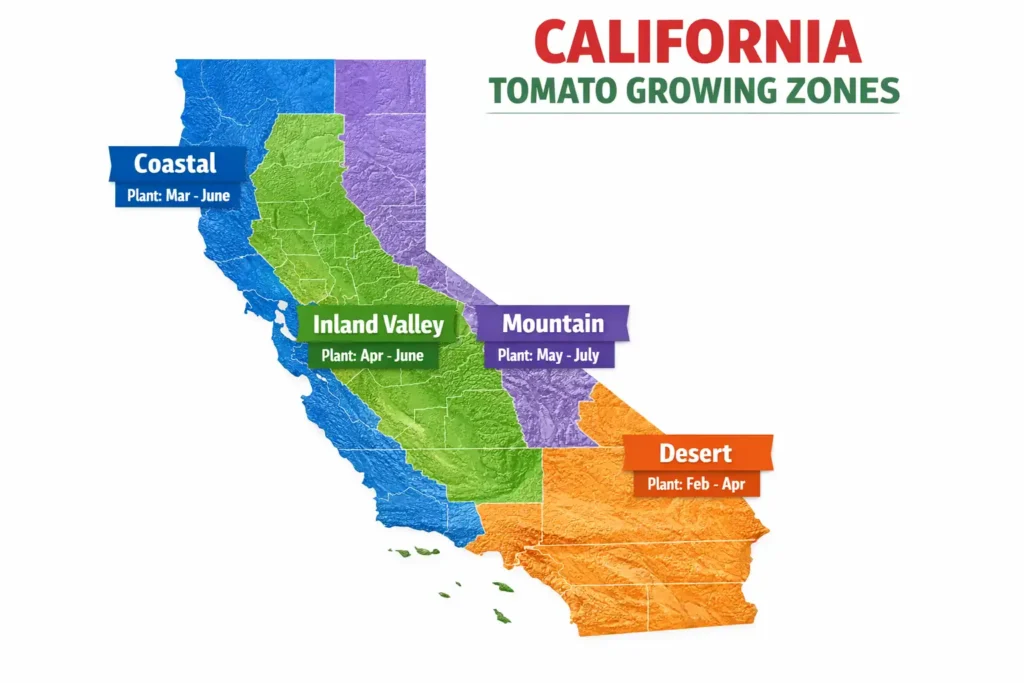
California includes four main growing zones for tomatoes, each with different planting windows.
Coastal Zone covers areas like San Francisco, Santa Cruz, and San Diego. Summers stay cool and foggy. Tomatoes grow slowly here and need heat-tolerant or early-maturing varieties.
Inland Valley Zone includes Sacramento Valley, San Joaquin Valley, and the Central Valley. This zone produces the majority of California’s commercial tomato crop. Hot summers and mild springs create strong conditions for high yield.
Desert Zone covers areas like Palm Springs, the Coachella Valley, and the low desert near Arizona. Summers reach extreme heat, so farmers plant early in spring before temperatures exceed 95°F (35°C), or plant a second round in late summer for a fall harvest.
Mountain Zone covers areas above 3,000 feet, including the Sierra Nevada foothills. Frost risk stays high into May. The growing season runs shorter, typically 90 to 120 days.
When to Plant Tomatoes in California by Region
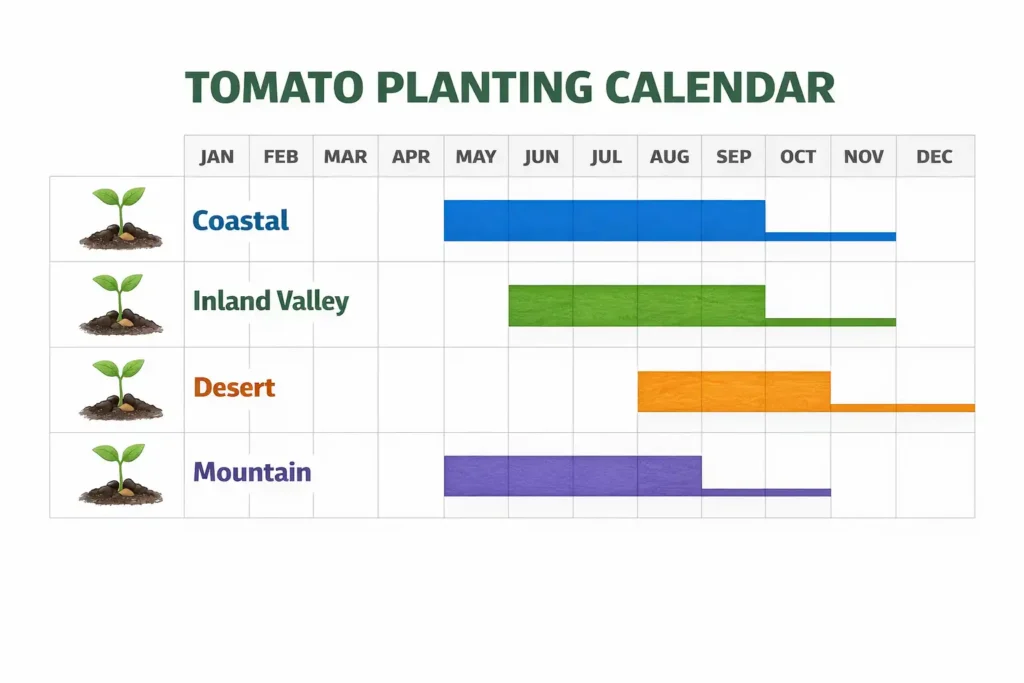
Coastal California (San Francisco, Santa Cruz, San Diego)
Transplant tomatoes outdoors from mid-April through June.
Coastal fog keeps daytime temperatures below 75°F through much of summer. Tomatoes need consistent warmth to set fruit. Varieties that mature in 65 to 75 days, such as Early Girl or Celebrity, perform better than large beefsteak types in this zone.
Start seeds indoors 6 to 8 weeks before your target transplant date. Harden off transplants for 7 to 10 days before moving them outside permanently.
Inland Valley and Central Valley (Sacramento, Fresno, Bakersfield)
Transplant tomatoes outdoors from mid-March through April.
The Central Valley delivers the warmest and most consistent spring conditions in the state. Soil temperatures reach 60°F by late February in the southern valley and by mid-March in the northern valley. Farmers and home growers plant transplants as soon as nighttime temperatures stay consistently above 50°F.
Starting seeds indoors in late January to early February gives you transplants ready by March.
Commercial tomato growers in the Sacramento and San Joaquin valleys direct-seed processing tomatoes from March to April using mechanical planters, targeting soil temperatures of 55°F or higher.
Desert Regions (Coachella Valley, Palm Springs, Yuma Border)
Plant tomatoes from mid-February through March for a spring crop.
Desert summers exceed 110°F in July and August, which causes blossom drop and stops fruit set. Tomatoes planted in February produce fruit before peak heat arrives in June.
A second planting window opens from late July through August for a fall crop. Transplants go in when temperatures begin to drop below 100°F, and harvest runs from October through November.
Mountain Zones (Sierra Foothills, High Desert Above 3,000 ft)
Transplant tomatoes outdoors from late May through early June.
Frost risk extends into mid-May at elevations above 3,000 feet. The USDA Plant Hardiness Zone Map places most Sierra foothills in zones 7b to 9a, where the average last frost falls between April 1 and May 15 depending on exact elevation.
Use row covers or cold frames to extend the season if you plant in late May and a late frost warning appears.
What Soil Temperature Do Tomatoes Need?
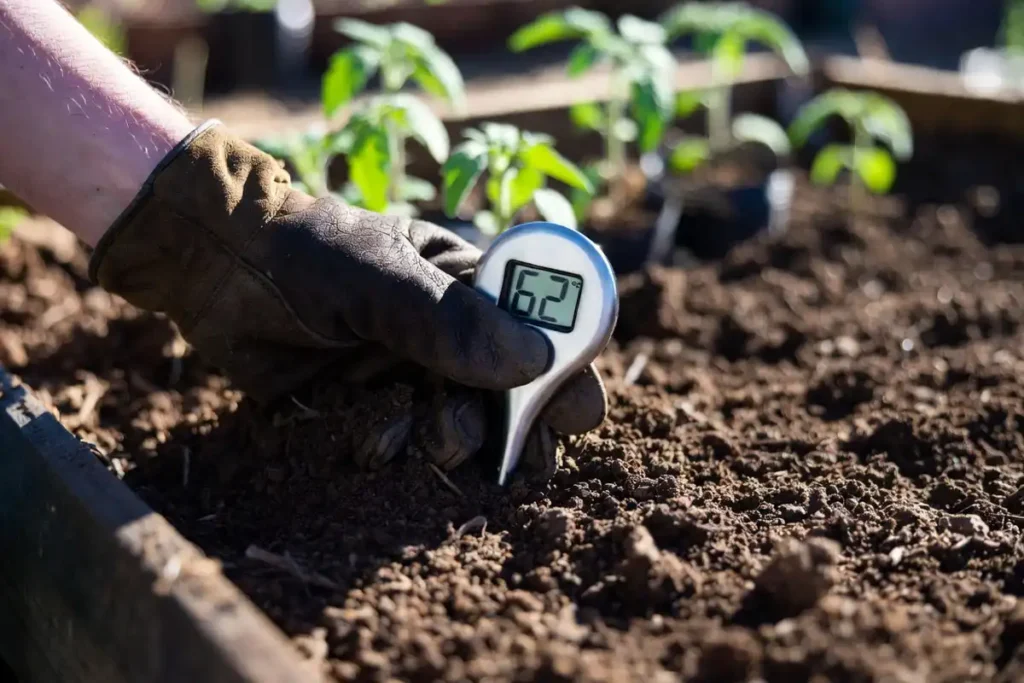
Tomatoes need soil temperatures of at least 60°F (15°C) at a 4-inch depth before transplanting.
Soil below 55°F stunts root development and slows early growth. Tomatoes transplanted into cold soil produce weaker plants than those planted two weeks later into warm soil.
Use a soil thermometer to check temperature at planting depth. Check readings at the same time each morning for three consecutive days before deciding to plant.
Raised beds warm 2 to 4 weeks faster than ground-level beds in spring. Gardeners in coastal and mountain zones use raised beds and black plastic mulch to accelerate soil warming.
How to Prepare the Soil Before Planting
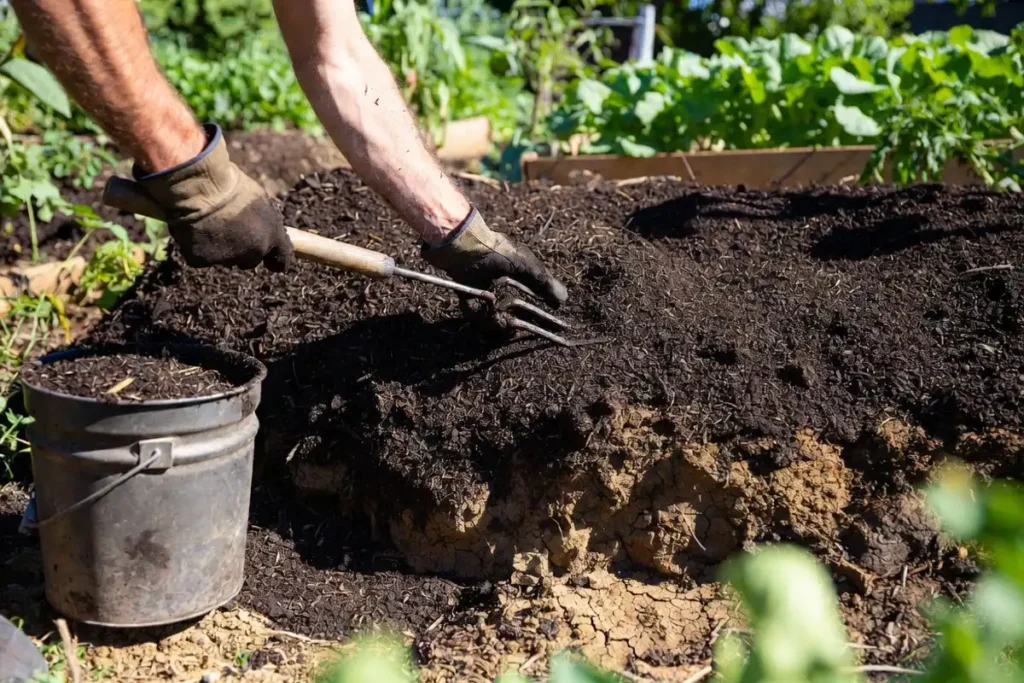
Tomatoes produce well in loamy, well-drained soil with a pH between 6.0 and 6.8.
Step 1: Test your soil. A basic soil test identifies pH, nitrogen, phosphorus, and potassium levels. Cooperative extensions in California offer low-cost soil testing kits.
Step 2: Add organic matter. Work 2 to 4 inches of finished compost into the top 12 inches of soil. Compost improves drainage in clay soils and increases water retention in sandy soils. Learn more about compost use in farming.
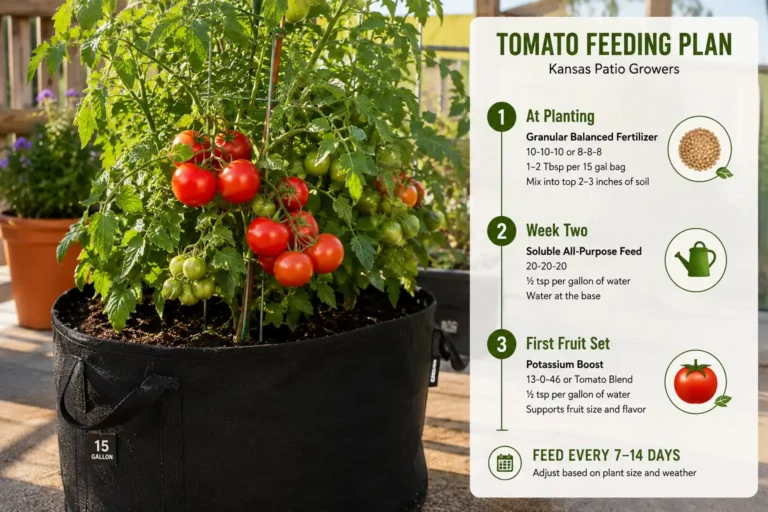
Step 3: Apply a balanced starter fertilizer. A fertilizer with an NPK ratio such as 5-10-10 or 6-24-24 supports early root and flower development. Phosphorus promotes strong root growth. Review NPK fertilizer guidance for crops if you need help reading fertilizer labels.
Step 4: Till or loosen the bed. Break up compaction to at least 10 inches deep. Tomato roots grow 18 to 24 inches deep in loose soil.
How to Plant Tomatoes in California
Starting from Seed Indoors
Start tomato seeds indoors 6 to 8 weeks before your planned outdoor transplant date.
Sow seeds 1/4 inch deep in seed trays or small pots filled with seed-starting mix. Keep soil temperature between 70°F and 80°F for germination. Seeds germinate in 5 to 10 days at these temperatures.
Move seedlings under grow lights or a south-facing window once they sprout. Provide 14 to 16 hours of light per day to prevent leggy, weak stems.
Hardening Off Transplants
Harden off transplants for 7 to 10 days before moving them to the field or garden.
Place transplants outside in a sheltered spot for 1 to 2 hours on day one. Increase outdoor exposure by 1 to 2 hours each day. By day 7 to 10, transplants tolerate full sun and outdoor temperatures without shock.
Transplanting Steps
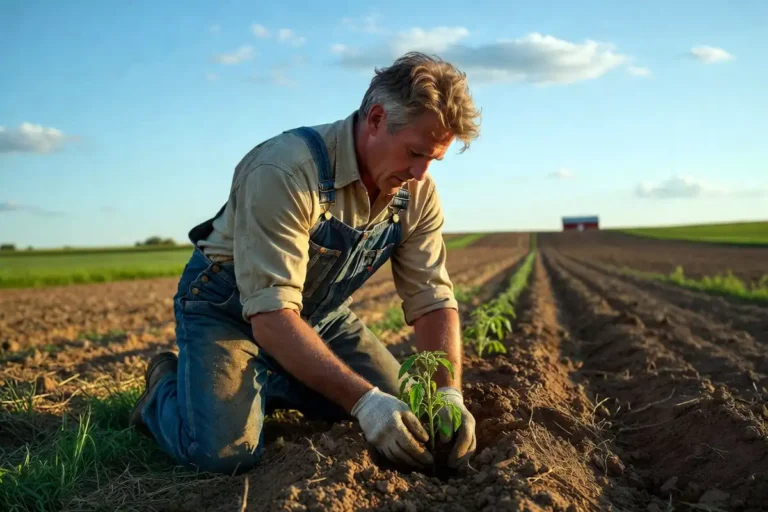
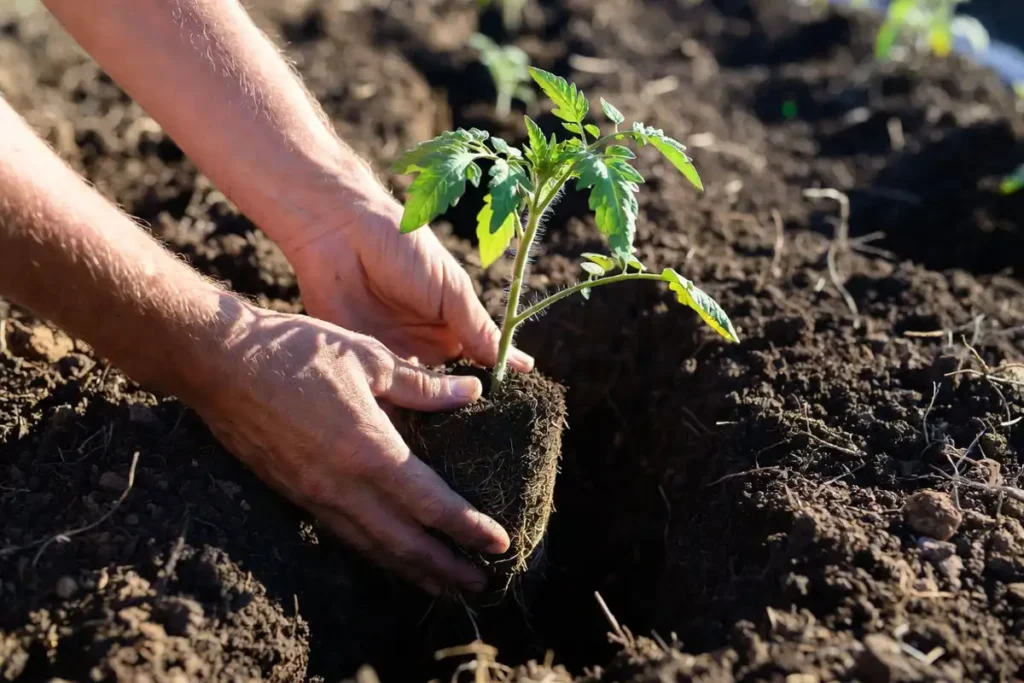
- Dig a hole deep enough to bury the transplant up to its lowest set of true leaves.
- Bury the stem up to 2/3 of its height if the plant is tall or leggy. Buried stem sections develop roots.
- Space plants 24 to 36 inches apart in rows. Row spacing of 4 to 5 feet allows airflow and reduces disease pressure.
- Water transplants in with 1 to 2 gallons per plant at planting.
- Apply 2 to 3 inches of mulch around each plant, keeping mulch 2 inches away from the stem.
For detailed spacing guidance by variety type, see plant spacing for crops.
How Much Water Do Tomatoes Need After Planting?
Tomatoes need 1 to 2 inches of water per week during the growing season.
In the first two weeks after transplanting, water deeply every 2 to 3 days to support root establishment. After establishment, water deeply and less frequently to encourage deep root growth.
Inconsistent watering causes blossom end rot and fruit cracking. Drip irrigation delivers water directly to the root zone and reduces foliar disease risk compared to overhead sprinklers. Review the drip vs. sprinkler irrigation comparison to choose the right system for your setup.
Common Mistakes When Planting Tomatoes in California
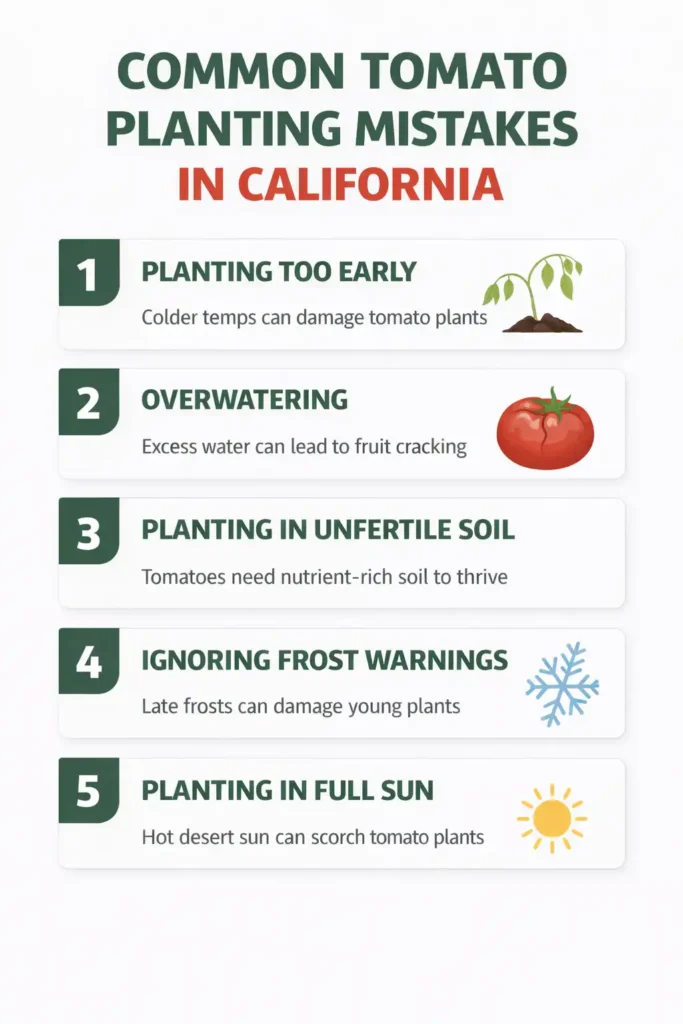
Planting too early. Cold soil below 55°F stunts tomato roots and delays growth. A plant set two weeks late into warm soil overtakes an early-planted one by midsummer.
Planting too late in desert zones. Tomatoes planted after April in desert regions hit peak heat before fruit matures. Blossom drop starts when daytime temperatures exceed 95°F consistently.
Skipping hardening off. Transplants moved directly from indoors to full sun suffer leaf scorch and transplant shock. Hardening off for 7 to 10 days prevents this.
Ignoring soil pH. Soil above pH 7.0 locks out calcium and magnesium. Blossom end rot and yellowing leaves follow. A simple pH test and lime or sulfur amendment prevents this before planting.
Planting in compacted soil. Tomatoes develop weak root systems in compacted clay soil. Break up compaction to 10 to 12 inches before transplanting.
Troubleshooting Early Tomato Problems
Yellow leaves on new transplants. This typically signals nitrogen deficiency, transplant shock, or cold soil. Check soil temperature first. If soil reads above 60°F, apply a diluted balanced liquid fertilizer.
Wilting midday despite watering. Tomatoes wilt under midday heat even when soil moisture is adequate. If plants recover by evening, this is normal. If wilting persists into evening, check soil moisture and root health.
No flowers after 6 weeks. Check nighttime temperatures. Temperatures below 55°F or above 75°F at night prevent fruit set. In coastal zones, this is common through June. Switch to a cold-tolerant variety or add a frost cover at night.
Flowers dropping without fruit set. In the Central Valley, temperatures above 95°F during bloom cause pollen sterility and flower drop. Shade cloth rated at 30% to 40% reduces canopy temperature by 5 to 10°F during peak heat weeks.
What Varieties Work Best in Each California Zone?
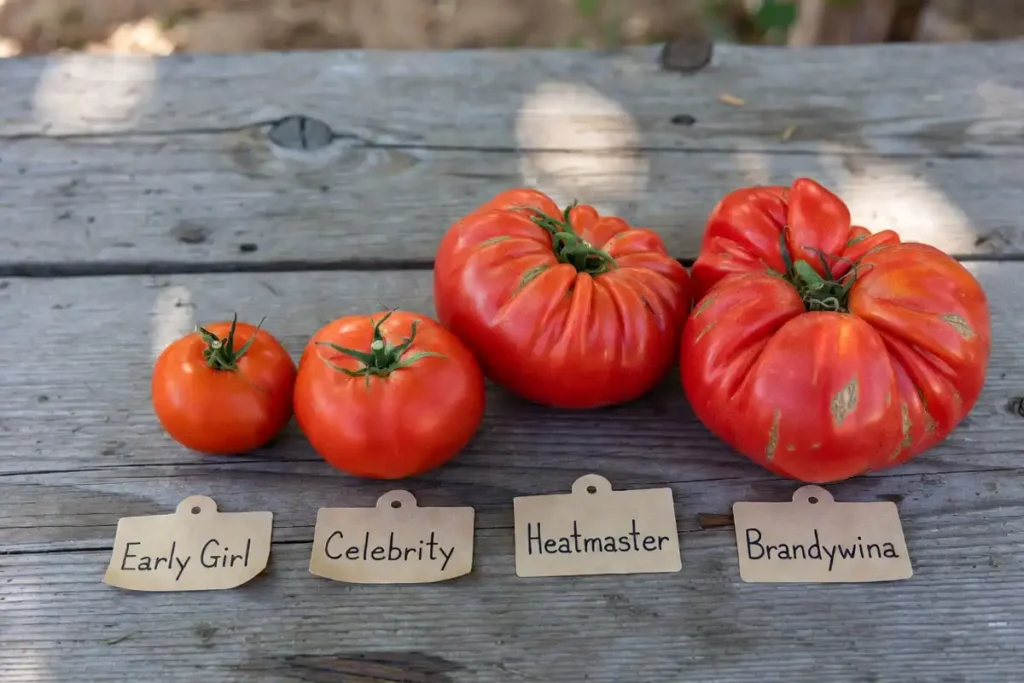
Coastal Zone: Early Girl, Stupice, Siletz, Legend. These mature in 55 to 70 days and tolerate cool nights.
Inland Valley and Central Valley: Roma, Celebrity, Brandywine, Big Beef, and processing varieties such as UC 82 and Heinz 9780. These tolerate heat and produce large yields under full sun.
Desert Zone: Heatmaster, Solar Fire, Sunmaster. These varieties set fruit at temperatures up to 100°F and resist blossom drop under extreme heat.
Mountain Zones: Siletz, Glacier, Polar Baby, or any variety with a maturity date of 65 days or fewer. Short growing seasons limit variety options at high elevation.
Safety Notes for California Tomato Growers
Pesticide use in California falls under the California Department of Pesticide Regulation (CDPR). Growers applying any pesticide to tomatoes need to read and follow the label as the legal document. Label instructions specify re-entry intervals, protective equipment, and pre-harvest intervals.
When using drip fertigation or applying granular fertilizers, wear gloves and eye protection. Fertilizer dust and concentrated liquid formulas irritate skin and eyes.
Rotate tomatoes to a different bed or field section every 2 to 3 years. Tomatoes planted in the same soil year after year accumulate soilborne pathogens, including Fusarium and Verticillium wilt. Learn more about crop rotation planning to prevent disease buildup.
Conclusion
California’s climate varies enough that no single planting date works statewide. Coastal growers plant from April to June. Inland valley growers plant from mid-March to April. Desert farmers plant in February to March and again in late summer. Mountain growers wait until late May.
The key decisions are soil temperature, regional frost dates, and variety selection. Check soil at 4 inches before transplanting. Match variety maturity length to your zone’s season length. Water consistently and monitor for early signs of nutrient deficiency or heat stress.
Plant at the right time, prepare the soil well, and California’s long growing season gives tomatoes the conditions they need to produce a strong crop.