When Do You Plant Sugarcane? 5 Critical Soil Signals You Can Trust
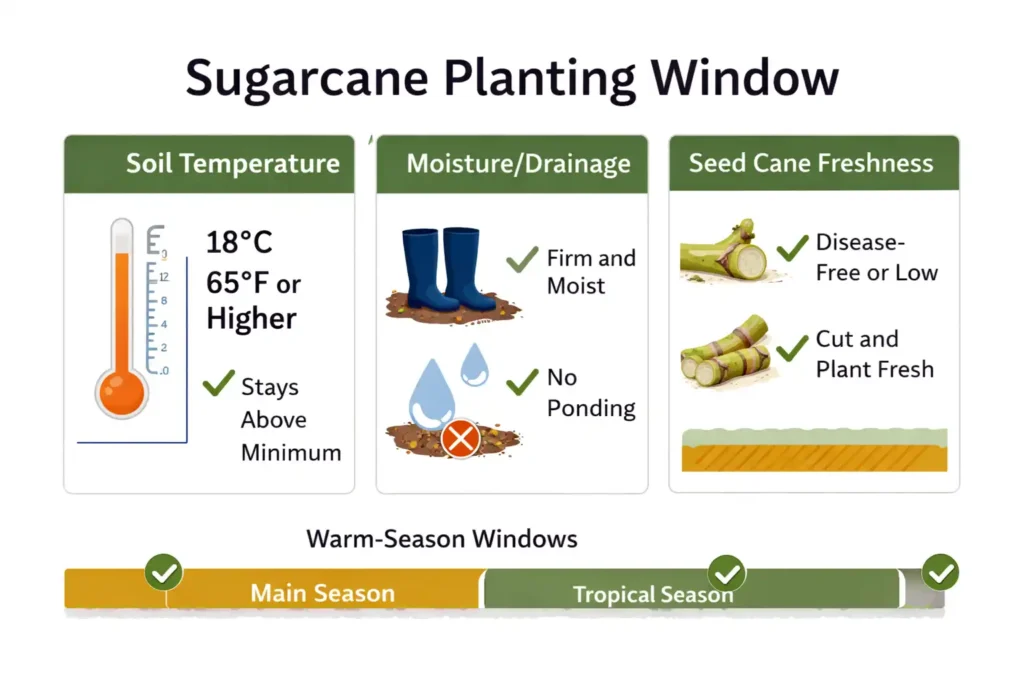
Plant sugarcane when the soil is consistently warm (about 18°C/65°F or higher at planting depth) and the field has enough moisture to sprout setts without staying waterlogged. You plant sugarcane when warm soil and steady moisture let planted setts sprout fast without rotting or getting chilled.
The most reliable window starts when soil at sett depth stays above your local minimum for several days and the field drains well after a rain. This guide shows how to pick the right week in your climate, what field signals confirm it, and a start-to-finish planting workflow from seed cane selection to early stand checks and troubleshooting.
What sets the planting window for sugarcane in any region?
Sugarcane planting timing depends on how fast buds sprout and how safely setts stay alive in the soil. Warm soil speeds emergence and reduces the time setts sit exposed to disease and insects. Sugar Research Australia links faster establishment to higher soil temperature and warns against planting when soil temperature at the sett drops too low.
Sugarcane also needs moisture that stays available without turning the furrow into a drain ditch. FAO explains that sugarcane yield tracks water use because vegetative growth stays proportional to water transpired across the season.
What soil temperature signals a safe start?
A safe planting window starts when soil at sett depth stays above your local minimum, day and night, for several days. Sugar Research Australia states that cane “should not be planted” when soil temperatures at the sett are below 18°C, because cold soil slows sprouting and increases losses.
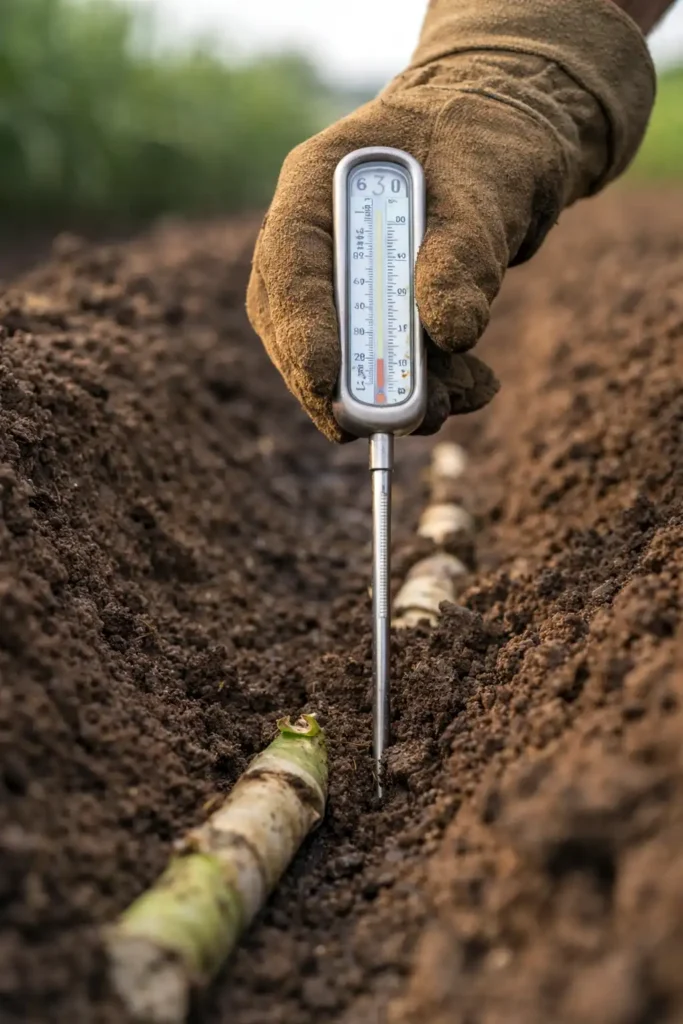
Warm soil does more than trigger sprouting. It shortens the germination phase, so setts spend fewer days exposed to rots and borers. A practical target is steady warming, not a single hot afternoon.
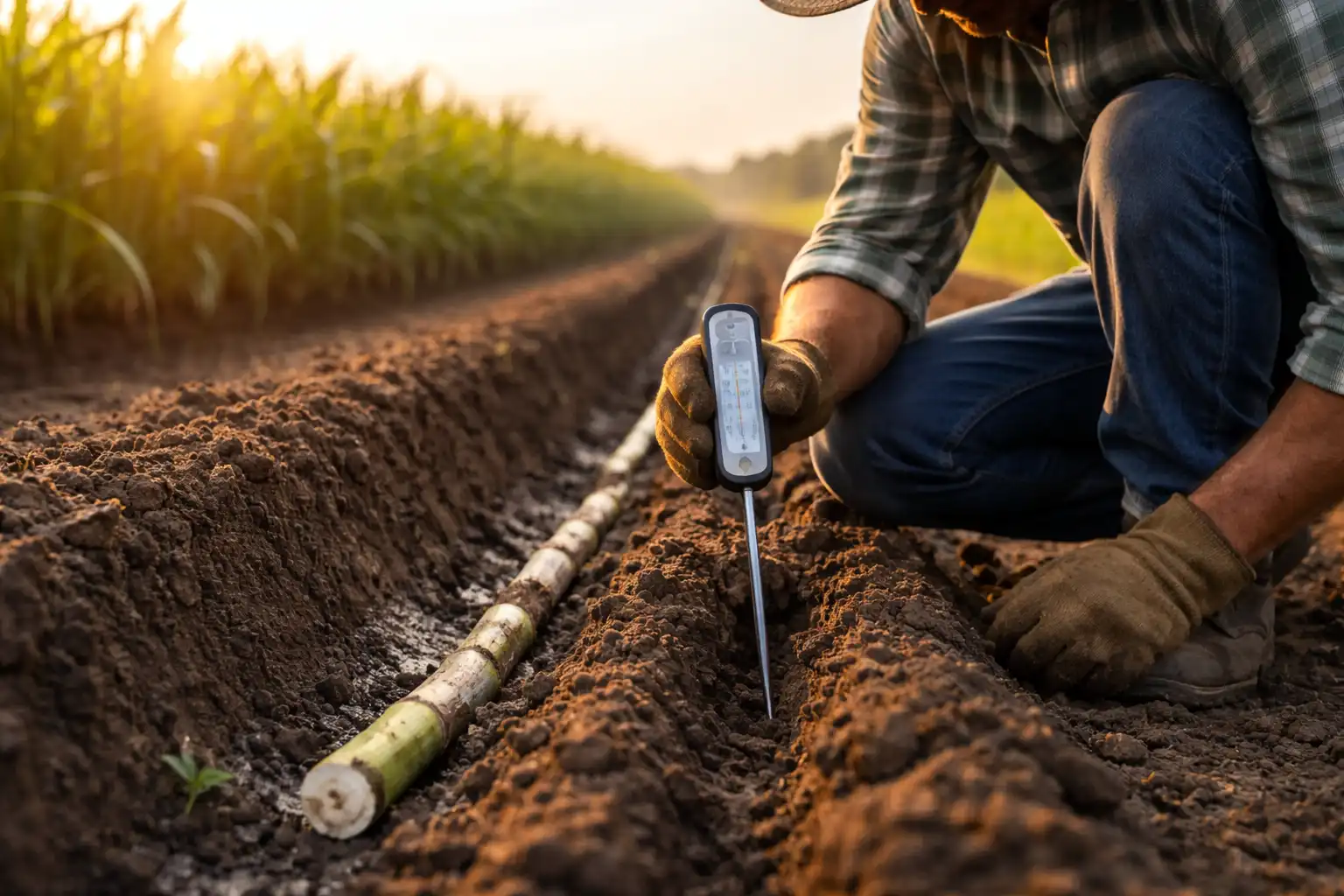
Field check that works: Push a soil thermometer into the furrow depth where the setts sit, then read it at the same time each morning for 3 to 5 days. A stable upward trend beats a one-day spike.
What moisture and rainfall signals mean the setts stay healthy?
The right moisture signal is “moist and airy,” not “wet and sticky.” Setts sprout best when soil holds moisture around the cane and still keeps oxygen moving through pore space. Sugar Research Australia emphasizes good soil structure and moisture conservation under minimum tillage as part of ideal germination conditions.
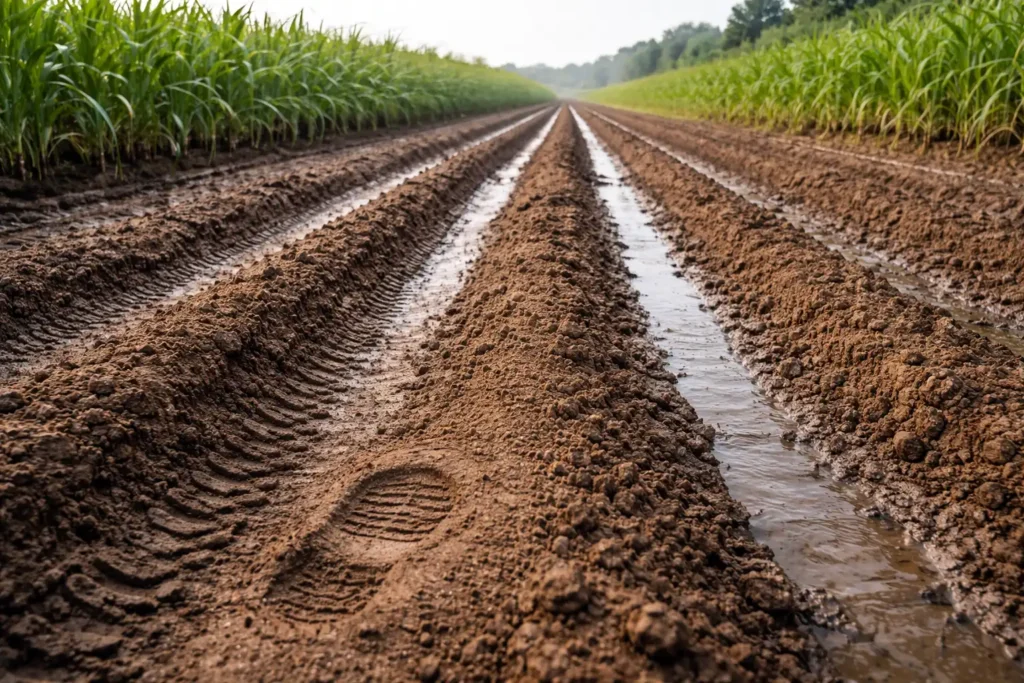
Waterlogging is the opposite signal. Research summarized by Sugar Research Australia explains that waterlogging reduces yield through oxygen starvation in the root zone and other knock-on problems like nitrogen loss and disease pressure.
Fast field test: Grab a handful from furrow depth and squeeze. Soil that forms a weak ball and breaks apart with a thumb press usually plants well. Soil that ribbons, shines, or sticks to boots needs more drying time or better drainage.
What calendar windows work in tropical and subtropical climates?
Planting windows follow climate, not the calendar page. Subtropical areas often have two warm windows each year, while tropical areas often plant around rain and irrigation scheduling. Use the calendar as a starting point, then confirm with soil temperature and field trafficability.
- Subtropical pattern (two windows): A government sugarcane advisory from Uttar Pradesh notes best germination around 26–32°C, which occurs twice in a year in subtropical areas: September–October and February–March.
- Example from a U.S. subtropical system: LSU AgCenter reports planting date trials in Louisiana from early August to mid-October, with the greatest advantage from August compared with mid-October plantings.
- Tropical pattern (long warm season): In tropical systems, growers often time planting so early growth lines up with reliable moisture and workable fields. Tamil Nadu’s crop guide shows extended seasons in warm areas, including a main season and a special season in some districts.
If you want a simple starting point for your area, set your baseline using a local schedule, then confirm with field signals like soil temperature and drainage. (CropFarming.org keeps a general planning framework in this complete crop planting calendar.)
How do you choose the date if you irrigate?
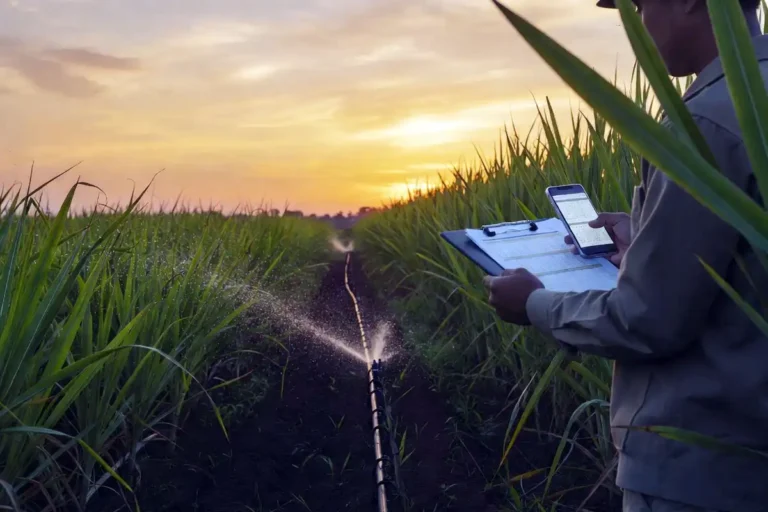
Irrigation widens your planting window, but it does not erase soil temperature or drainage limits. Warm soil still drives fast emergence, and saturated furrows still rot setts. The best irrigated planting date is the first week when (1) soil temperature stays in the safe range and (2) you can keep consistent moisture without ponding.
Plan your first 30 days of water before you cut seed cane. A water plan prevents “plant dry, then chase moisture” starts that create uneven stands. For a planning method that works across crops, use this guide on complete guide to calculate water needs.
How do you prep the field so the planting date pays off?
Good planting timing fails in a poor seedbed. Sugar Research Australia explains that excessive aggressive tillage can lower organic matter and degrade structure, while many growers see benefits from reduced tillage with modern planters.
Field prep that supports the planting window looks like this:
- Drainage works first. Water moves off the field within a day after a heavy rain.
- Seedbed holds shape. Furrows open clean, and soil covers the sett evenly.
- Soil fertility is known. A soil test tells you what needs correcting before a long-duration crop.
For practical soil prep, start with soil testing basics, farm soil sampling tools and then build a plan to improve soil fertility naturally.
How do you pick and handle seed cane so it sprouts fast?
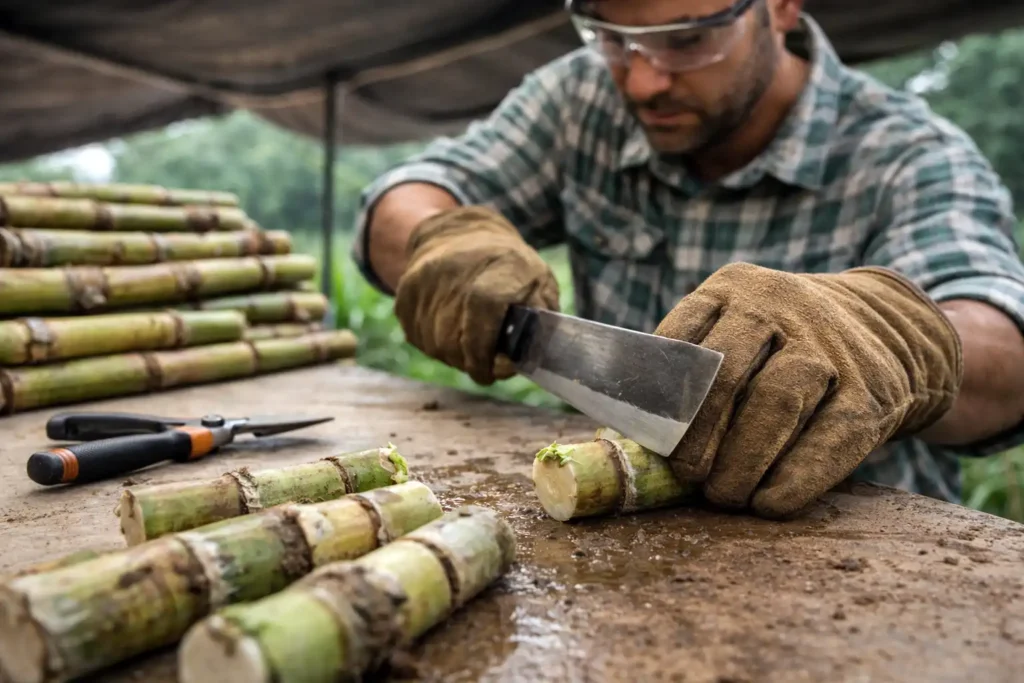
Healthy seed cane turns a decent planting window into a strong stand. LSU AgCenter stresses planting disease-free or nearly disease-free seed cane and notes that ratoon stunting disease spreads mechanically, so equipment sanitation matters during seed handling.
Two practical seed-cane signals matter on planting week:
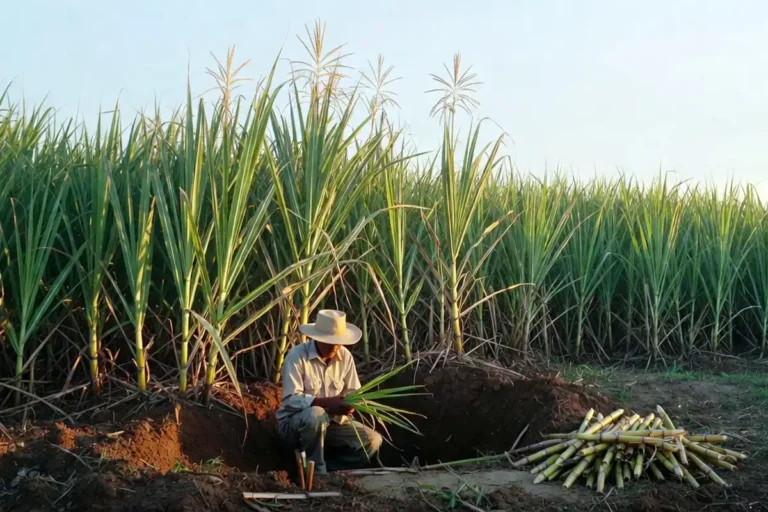
- Seed cane stays fresh. Cut and plant quickly so buds do not dry out.
- Seed cane stays clean. Avoid cane with visible rot, heavy borer damage, or obvious disease.
LSU AgCenter also gives a clear avoidance threshold for smut in seed cane: avoid cane with more than 2% smut-infected shoots as a seed source.
Safety note: Cutting seed cane brings hand and leg injury risk. Use sharp tools, stable cutting surfaces, and basic PPE like gloves and eye protection.
How do you plant sugarcane setts step by step?
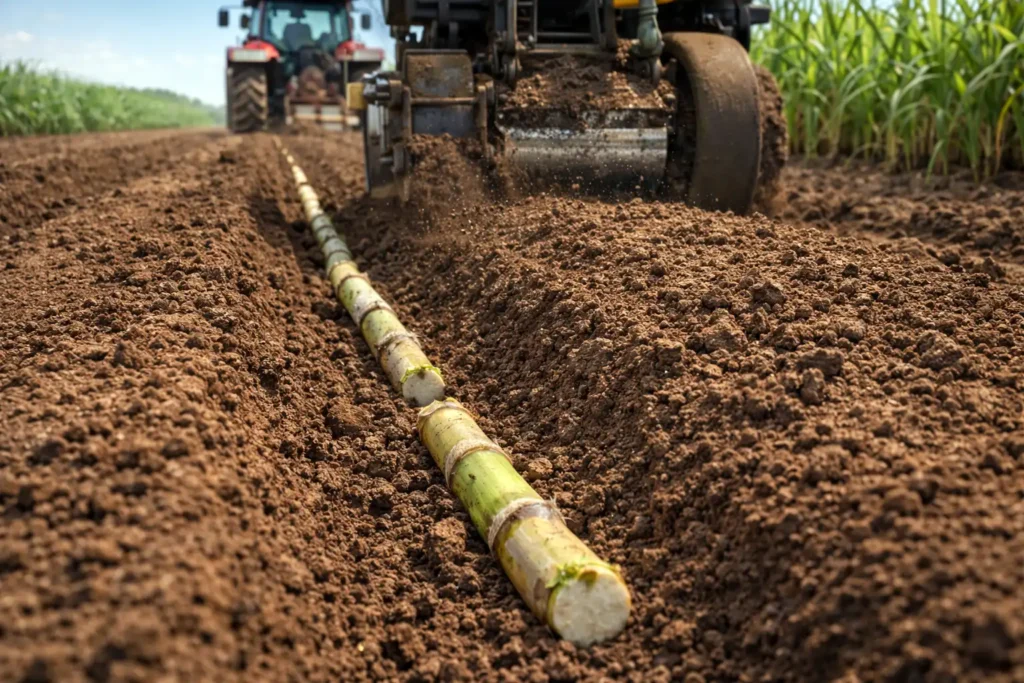
Planting succeeds when each step protects bud viability and keeps soil contact uniform. Sugar Research Australia highlights checking soil cover depth and using effective firming at planting, rather than packing the whole field.
- Confirm field signals (3-day check). Record morning soil temperature at sett depth and confirm the field drains and carries equipment.
- Stage seed cane and tools. Keep cane shaded and clean. Clean cutting and handling equipment before seed work to reduce disease spread.
- Cut planting material. Use billets or setts with healthy buds. Avoid dry ends and damaged nodes.
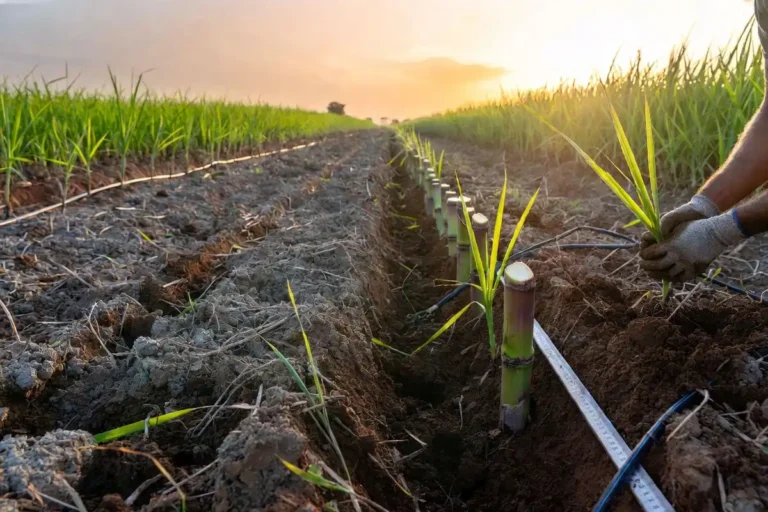
- Open furrows and place cane evenly. Spread stalks so buds distribute across the furrow width, not in clumps.
- Cover to the right depth. Sugar Research Australia reports typical acceptable soil cover over setts around 40–65 mm, adjusted for soil type and season.
- Firm soil at the sett, not the whole row top. Press wheels on planters firm the furrow zone and improve establishment, while broad packing increases weed germination pressure.
- Set moisture for emergence. Irrigate only enough to keep the furrow zone moist and aerated. Avoid ponding.
If you use any pesticide or fungicide at planting, follow the label exactly and keep spray drift under control.
What checks confirm you hit the window?
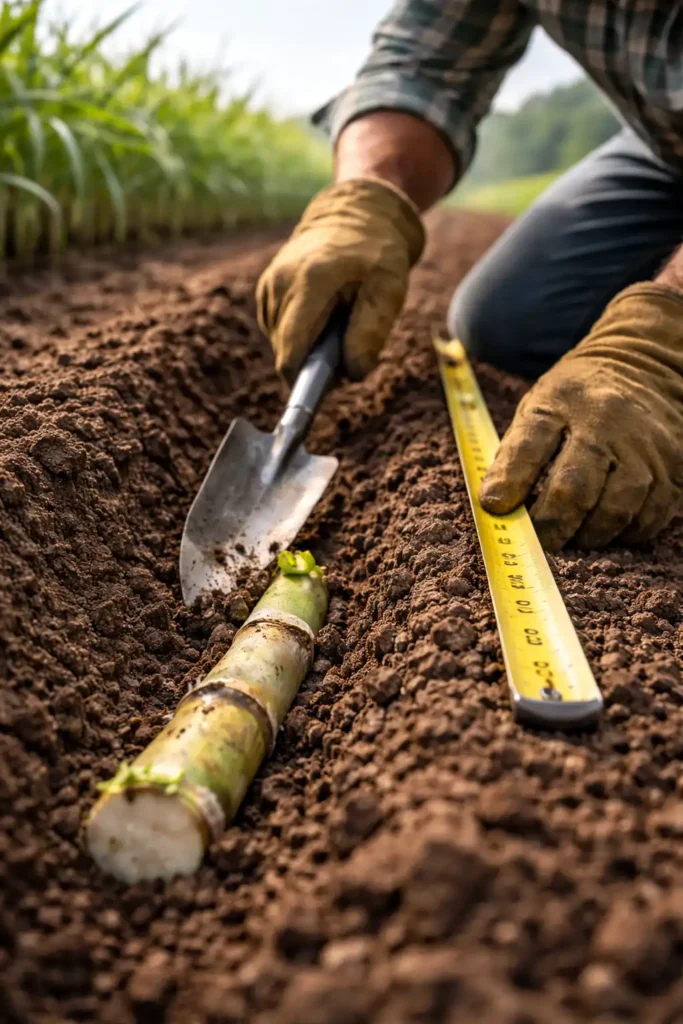
A good planting window shows up as fast, even emergence and a uniform stand. Sugar Research Australia explains that higher soil temperature reduces days to sprout, which reduces loss risk.
Use these early checks:
- Dig checks: Open a few spots and confirm buds stay firm and white, not brown and soft.
- Moisture checks: Soil at sett depth stays moist but not saturated.
- Gap mapping: Walk rows and flag skips early so you can diagnose a pattern (cold spot, waterlogged zone, planter issue).
What mistakes push sugarcane out of its best window?
Most timing problems come from planting into cold soil, planting into wet soil, or letting seed cane lose viability. LSU AgCenter shows that planting date affects yield, with trials favoring earlier planting windows in Louisiana.
Common mistakes to avoid:
- Planting when furrows stay shiny and sticky after opening.
- Planting before the soil temperature trend turns stable.
- Packing rows with heavy traffic that crushes setts and seals the surface.
- Using seed cane from fields with known disease or high smut levels.
- Letting weeds get a head start during slow emergence.
For practical weed timing and control principles that apply in cane too, use this guide on weed control in farming.
What troubleshooting fixes slow or uneven emergence?
Uneven emergence usually traces back to one of four causes: cold soil, dry pockets, waterlogging, or damaged planting material. Sugar Research Australia notes that disease and insects take a bigger bite when establishment takes more days.
Troubleshooting sequence that saves time:
- Check temperature first. Cold soil slows all varieties.
- Check water next. Dig low spots and smell for sour, anaerobic soil. If you find it, fix drainage before replanting.
- Check planting depth and cover. Too much cover slows emergence and reduces established plants.
- Check seed cane quality. Look for dried buds, rotted nodes, or heavy borer damage.
If pests or disease pressure shows up early, manage it with an integrated approach that protects beneficials and reduces repeat sprays. This walkthrough on integrated pest management keeps the decision-making clear.
How does ratoon cropping change your planting decisions?
Ratoon cane changes field operations more than it changes the planting window. Planting decisions matter most for plant cane, because that first stand sets up the next ratoons. LSU AgCenter emphasizes maintaining suitable stands for stubble crops and keeping records of planting practices and pest management.
For plant cane, favor the strongest window your climate allows. For ratoons, focus on harvest timing, stubble health, traffic control, and early weed pressure.
When do you delay planting?
Delay planting when the field signals say setts will sit and suffer. Cold soil, saturated furrows, and unstable forecasts all slow emergence and raise rot risk. A delayed planting into improving conditions often beats a “calendar-correct” planting into mud or cold.
A good delay decision is specific:
- Soil temperature trend stays below your safe minimum.
- Furrow bottom stays wet 24 hours after a rain.
- Heavy rain is forecast that will flood freshly opened rows.
FAQs about Sugarcane Planting Time
Can sugarcane be planted year-round?
What is the single best signal to start planting?
What is the most common reason stands fail after planting?
Bottom line
Plant sugarcane when soil at sett depth stays warm, the field drains clean, and you can keep steady moisture without ponding. Use your local calendar as a starting point, but let soil temperature, drainage, seed cane health, and a stable forecast pick the final week. That approach produces faster emergence, fewer gaps, and a plant-cane stand that carries strong into ratoons.