What Are Candy Onions? A Sweet Hybrid 101
Candy onions are one of the easiest sweet onions you can grow. They fit gardens across most of the country.
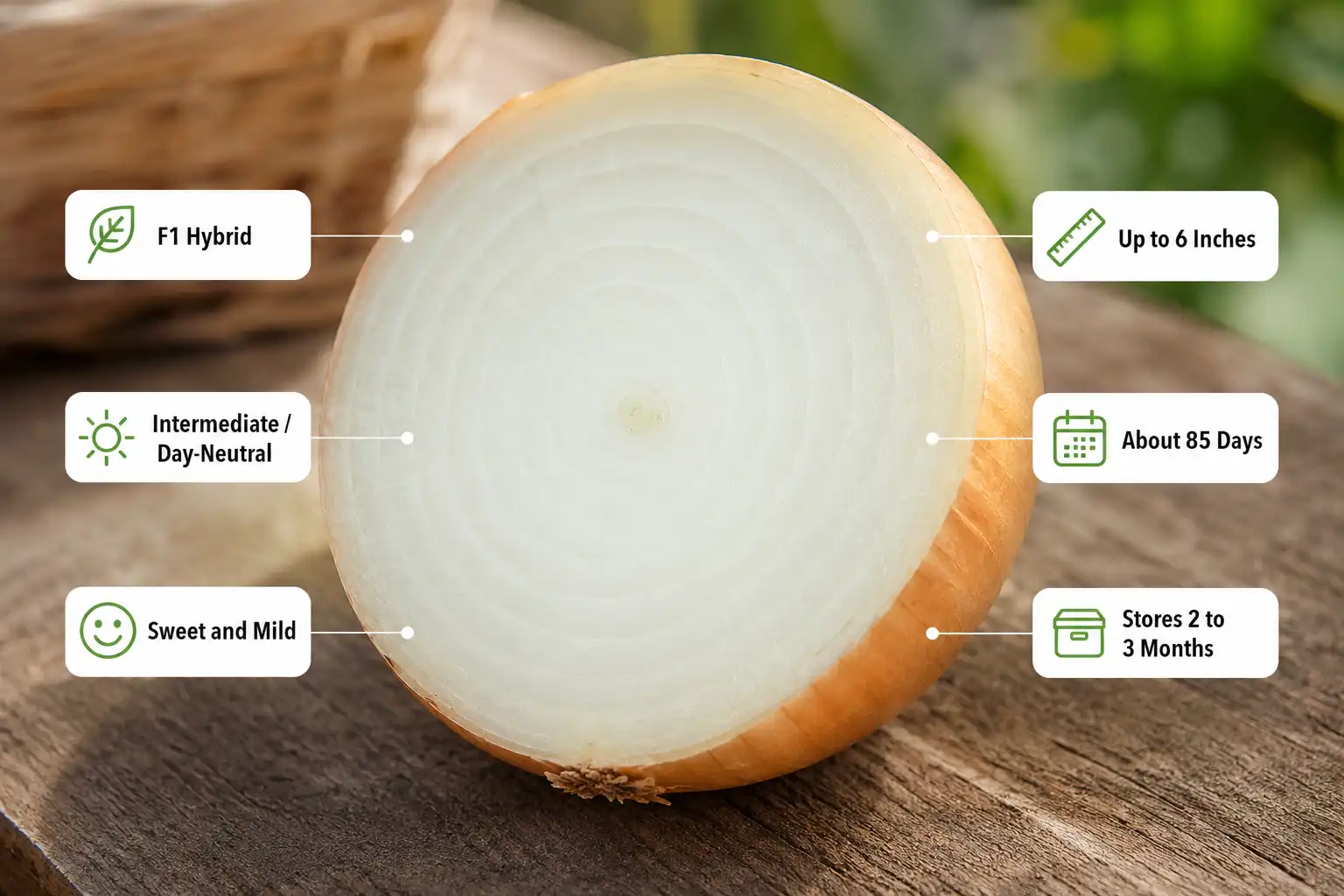
Candy onions are a sweet, mild F1 hybrid onion. They are an intermediate-day (day-neutral) variety, so they bulb well across most US latitudes. Bulbs grow large, mature in about 85 days, and store for two to three months.
What Are Candy Onions?
Candy onions are a hybrid onion variety, sold as Allium cepa ‘Candy’. Breeders crossed short-day and long-day parents to get one plant that grows well almost anywhere. That mix is why the variety works from Kansas down to the mid-South and up into cooler northern gardens.
The bulbs are yellow-skinned with pale, sweet flesh. Necks stay thin, and most bulbs form a single center. Candy also carries resistance to pink root, a soilborne disease that stunts roots and shrinks bulbs. Because of that resistance and a strong root system, it is a forgiving choice for a first onion crop.
Learn more: Vidalia Onions Growing Zone
What Do Candy Onions Taste Like?
They taste sweet and mild, with just a little bite when raw. That sweetness comes from low sulfur levels, not added sugar. Sulfur compounds make an onion sharp, so a low-sulfur onion eats mild.
You can slice one onto a burger or sandwich without it overpowering everything else. It also cooks down soft and sweet in salsa, stir-fries, and casseroles. For raw eating, few homegrown onions beat it.
Are Candy Onions Long-Day or Short-Day?
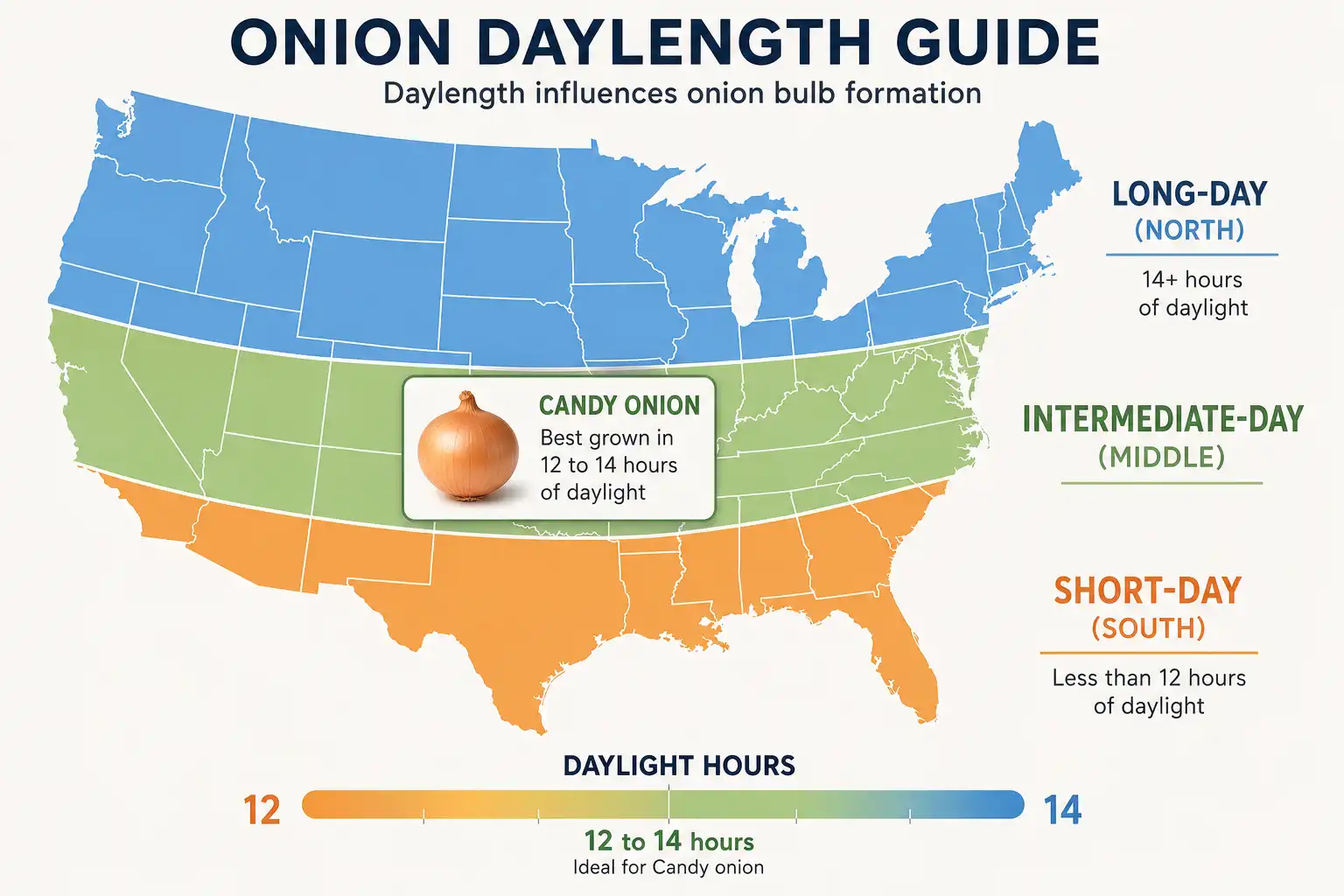
This variety is an intermediate-day onion, often labeled day-neutral. Onion bulbing is triggered by day length, and that trigger point sets where a variety grows best. Short-day onions start bulbing at about 10 to 12 hours of daylight and suit the South. Long-day onions need 14 to 16 hours and suit the North.
Candy sits in the middle. It begins forming bulbs around 12 to 14 hours of daylight. So it fits the wide band between those two extremes, which covers most of the lower 48. If you have struggled to match an onion to your latitude, an intermediate type takes the guesswork out.
How Big Do Candy Onions Get?
They grow big, often 4 to 6 inches across. Under good care and a long feeding window, single bulbs can reach softball size. Northern growers sometimes pull one over a pound. The shape is round and slightly flattened, though not as flat as a Vidalia or other granex-type sweet onion.
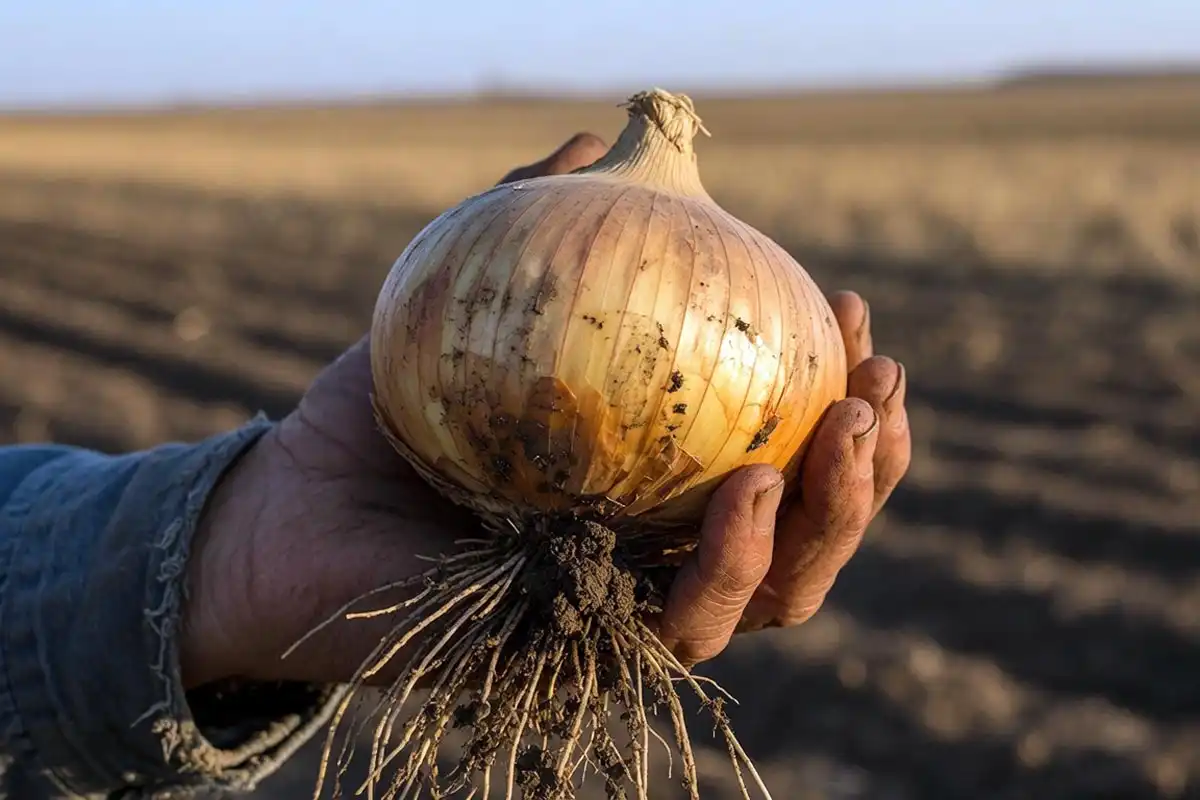
Size depends on how early you plant and how well you feed. More green leaves before bulbing means more rings, and more rings means a bigger onion.
Where Do Candy Onions Grow Best?
They grow best across the middle of the country, roughly USDA hardiness zones 5 through 9. The variety performs almost everywhere except the deep South and the far North. Growers in the Great Plains, the Midwest, the mid-Atlantic, and much of the West get reliable bulbs from it.
In the far North, extreme long days push a true long-day variety to size up faster. In the deep South, short-day types still win. Everywhere in between, Candy is a safe pick. Southern growers can even slide it into a fall onion planting for an early-summer harvest.
How Long Do Candy Onions Store?
They store for about two to three months when cured well. That is shorter than a pungent storage onion, which can hold six months or longer. Sweet onions trade keeping quality for mild flavor, so plan to eat Candy first and save sharper varieties for winter.
You can stretch storage a little. Cure the bulbs two to three weeks in a dry, airy spot after harvest. Then keep them cool, around 35 to 40°F, with good airflow and low humidity. Single-center bulbs with tight, dry necks hold longest.
How to Grow Candy Onions
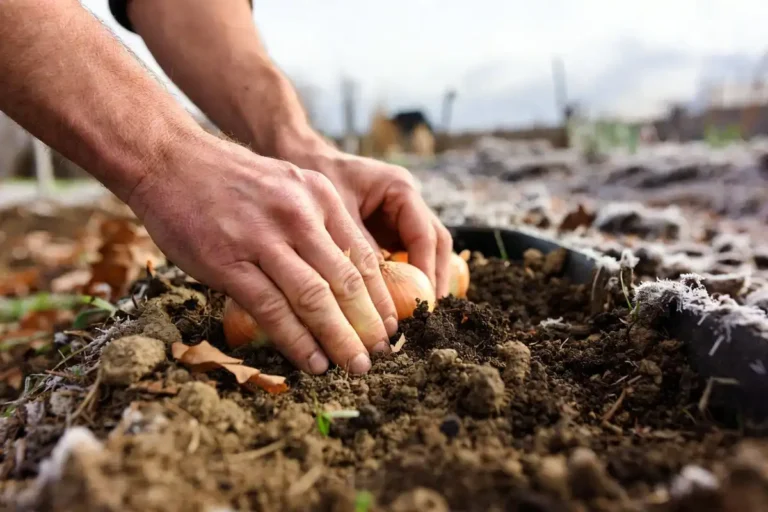
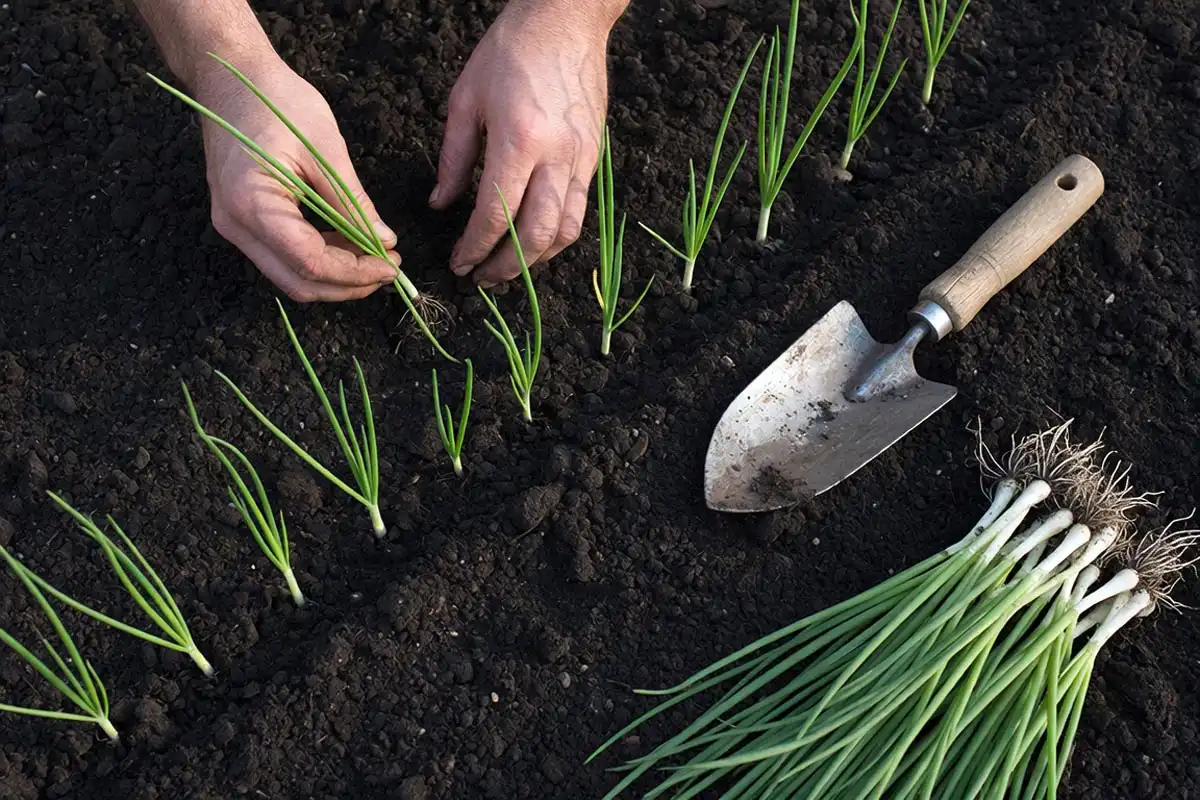
Grow candy onions in full sun and loose, fertile soil with a pH near 6.0 to 7.0. You can direct-seed them, but transplants give you a head start and bigger bulbs. Most growers set out plants in late winter or early spring, as soon as the ground can be worked.
Start seed indoors 6 to 8 weeks before your last frost if you want to grow your own plants. That process looks a lot like starting onions from seed for any variety. When the seedlings reach pencil thickness, harden them off and set them out. If you raise your own or buy them in, the depth matters when transplanting onion seedlings. Keep them shallow, about a quarter inch deep.
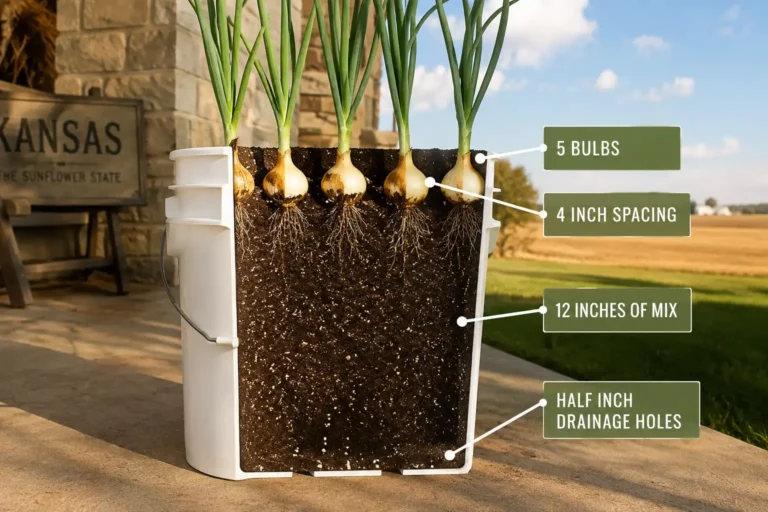
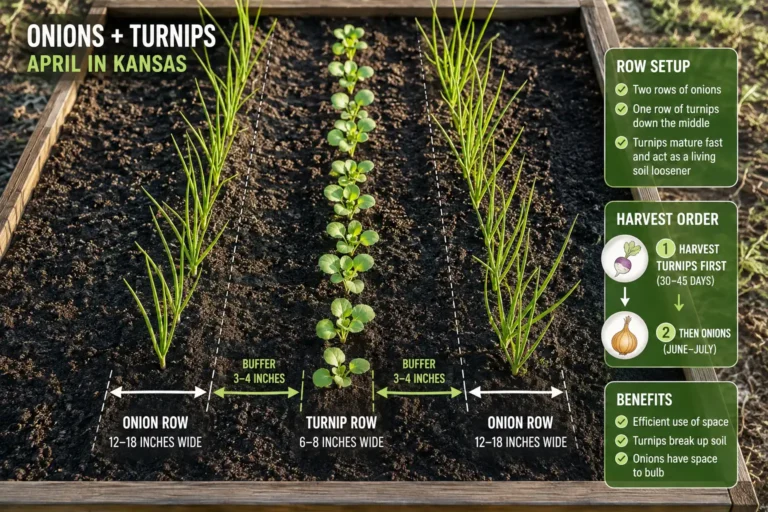
Space transplants about 4 inches apart in rows 12 to 18 inches apart. Give them the full 4 to 6 inches if you are after the biggest bulbs. Onions are heavy feeders, so keep nitrogen coming through the leaf-growing stage. Back off feeding once the tops soften and the necks start to fall. Nailing your onion planting timing is half the battle, because early leaves set your final bulb size.
Can You Save Seed From Candy Onions?
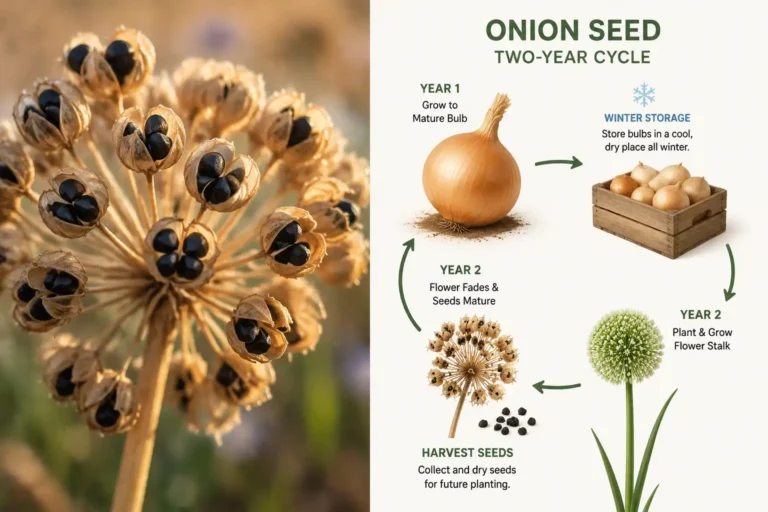
No, saving seed from candy onions will not give you the same onion. Candy is an F1 hybrid, so its seed does not grow true to type. The next generation splits back toward the parent lines and gives you mixed, unpredictable results.
If you want to save onion seed, grow an open-pollinated variety instead. The steps for collecting onion seed stay the same. Only open-pollinated types come back true year after year. For Candy, buy fresh seed or plants each season.
Where Candy Fits in a Kansas Rotation
Candy earns its spot because it is easy, sweet, and sizes up well in zone 6. Set out transplants in early spring, feed them hard while the tops grow, and pull big bulbs by midsummer. Those are eaten first, with sharper storage onions relied on for the cold months. If onions have given you trouble before, start with Candy. It is about as forgiving as a sweet onion gets.