Why Is It Illegal to Plant Green Onions in Idaho? The Real Rule
You have probably seen the videos claiming it is illegal to plant green onions in Idaho. The truth is more specific. A real state quarantine restricts certain onion, garlic, and allium planting stock in parts of Idaho.
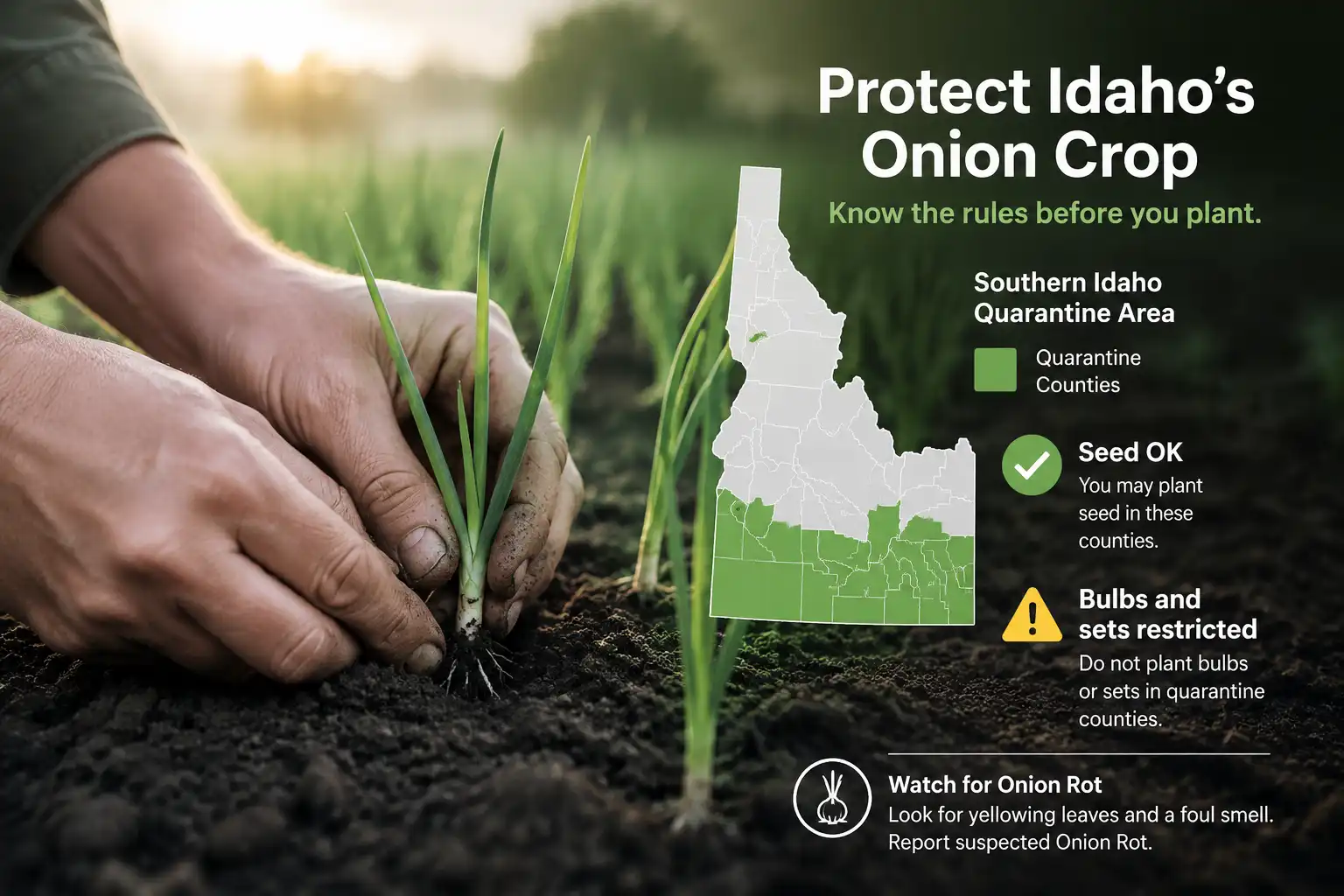
It is not truly illegal to plant green onions in Idaho. But across a group of southern Idaho counties, state rules ban bringing in onion sets, transplants, or bulbs to stop white rot. Growing from seed stays legal.
Is It Illegal to Plant Green Onions in Idaho?
No, not the way short videos make it sound. Idaho has no statewide ban on growing scallions. Across most of the state, you can plant green onions freely, and seed is always fair game. So where does the story start? It starts with one disease rule that covers specific counties. That rule guards a major crop, and green onions just get swept up in it.
Read next: Seeds From Onions
Where Does the “Illegal Green Onions” Story Come From?
It comes from Idaho’s onion white rot quarantine. The Idaho State Department of Agriculture (ISDA) runs it. This quarantine blocks people from bringing onion, garlic, and other allium planting stock into certain counties. Bulbs, sets, and young transplants are all covered. Social media clipped that down to “illegal green onions,” and the phrase stuck. The full rule sits in the Idaho Administrative Code, under the state’s plant disease quarantine rules.
What Is Onion White Rot, and Why Does Idaho Guard Against It?
White rot is a soilborne fungus called Sclerotium cepivorum. It attacks every plant in the Allium family: onions, garlic, leeks, chives, and shallots. The fungus rots the roots and bulb, and the plant collapses into mush. Here is the scary part. Its dormant survival bodies, called sclerotia, sit in the soil for 20 to 30 years. No spray cures it. Prevention is the only control that works.
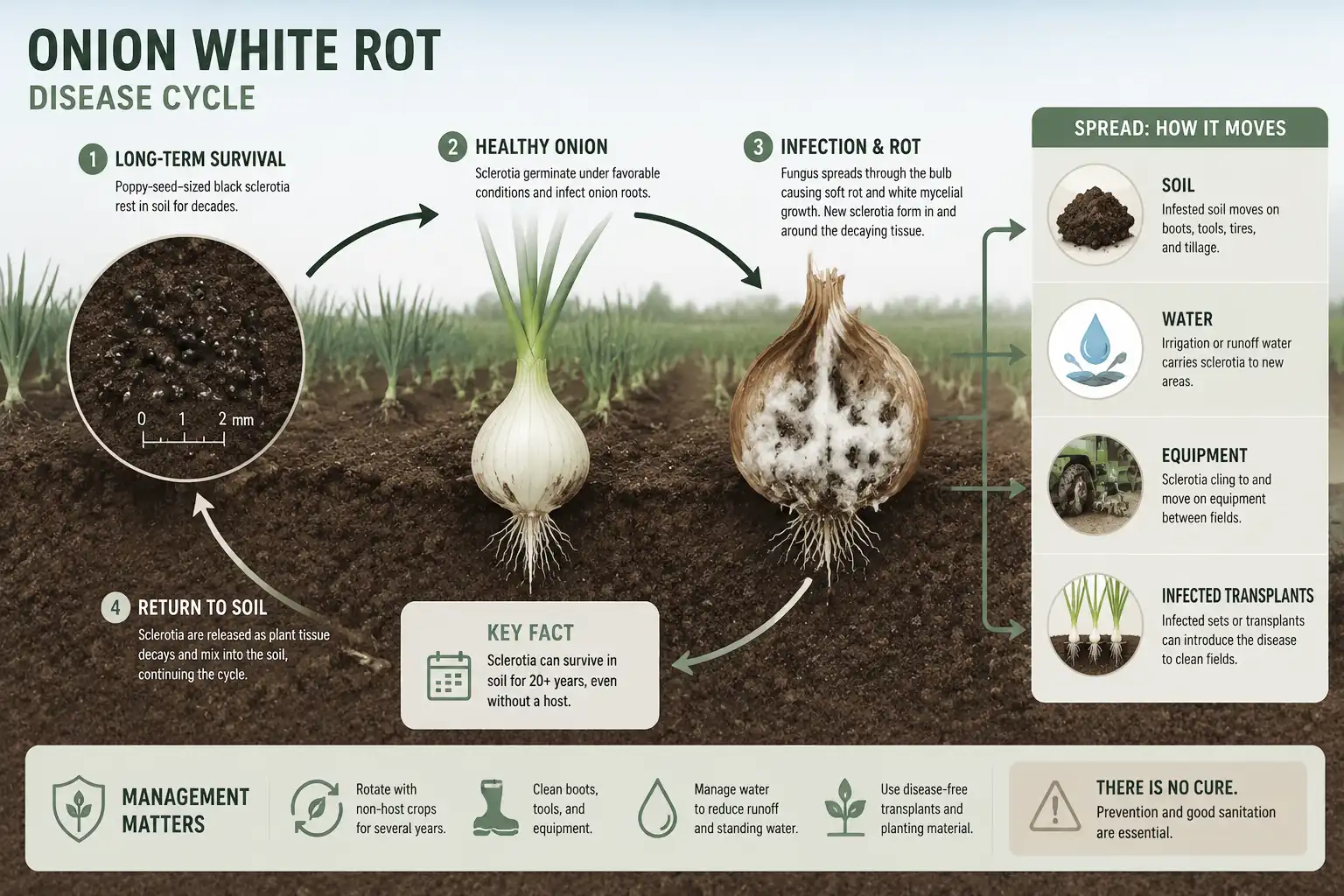
Idaho takes this seriously for good reason. The Treasure Valley and Snake River Valley grow more than 20,000 acres of onions each year, worth tens of millions of dollars. One infected field can taint the soil for a generation. So the state keeps the fungus out by controlling what planting stock crosses into the zone. For a wider look at what threatens field crops, our rundown of soilborne crop diseases covers more of the usual suspects.
Which Counties Sit Inside the Idaho Allium Quarantine?
The quarantine covers a defined list of designated counties across central and southern Idaho, plus Malheur County in Oregon. State summaries usually describe it as a 21-county zone. The Idaho counties include Ada, Bingham, Blaine, Boise, Bonneville, Canyon, Cassia, Elmore, Gem, Gooding, Jefferson, Jerome, Lincoln, Madison, Minidoka, Owyhee, Payette, Power, Twin Falls, and Washington. Malheur County follows a matching rule, so certified stock from there is accepted.
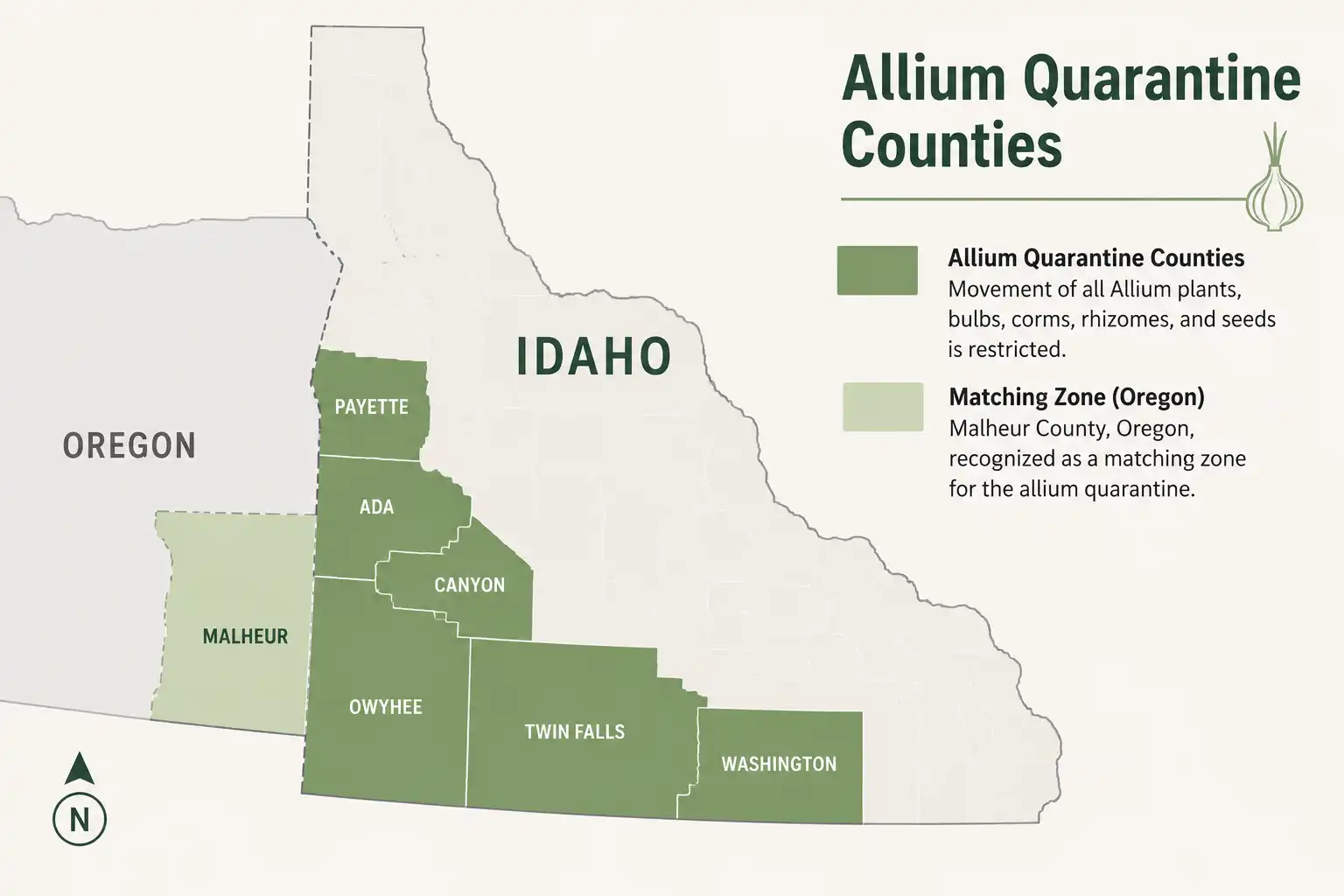
Live outside these counties? Then the import rule does not apply to you at all. You can plant green onions from any source. The quarantine only bites inside the designated zone, where commercial onion ground needs the most protection.
What Can You Legally Plant in the Quarantine Counties?
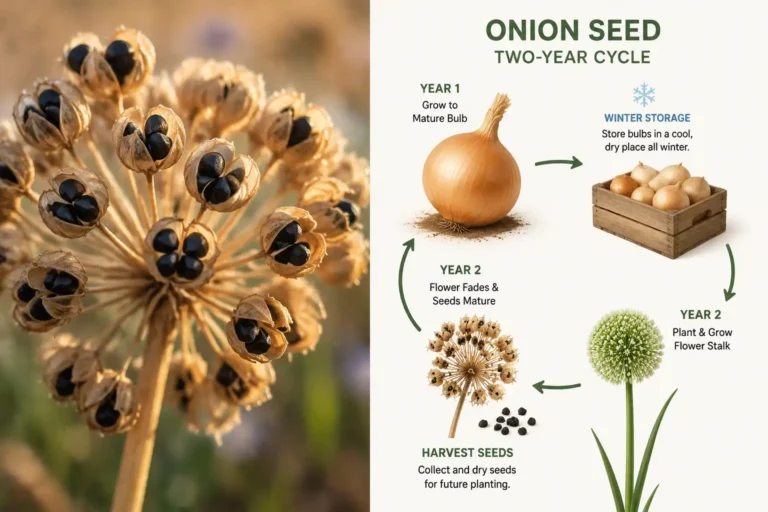
You can legally plant onions, scallions, leeks, and shallots from true seed. Seed does not carry white rot, so the state leaves it alone. That single fact is the key to the whole rule. Bulbs, sets, and live transplants are the problem, because they can carry the fungus in soil clinging to their roots.
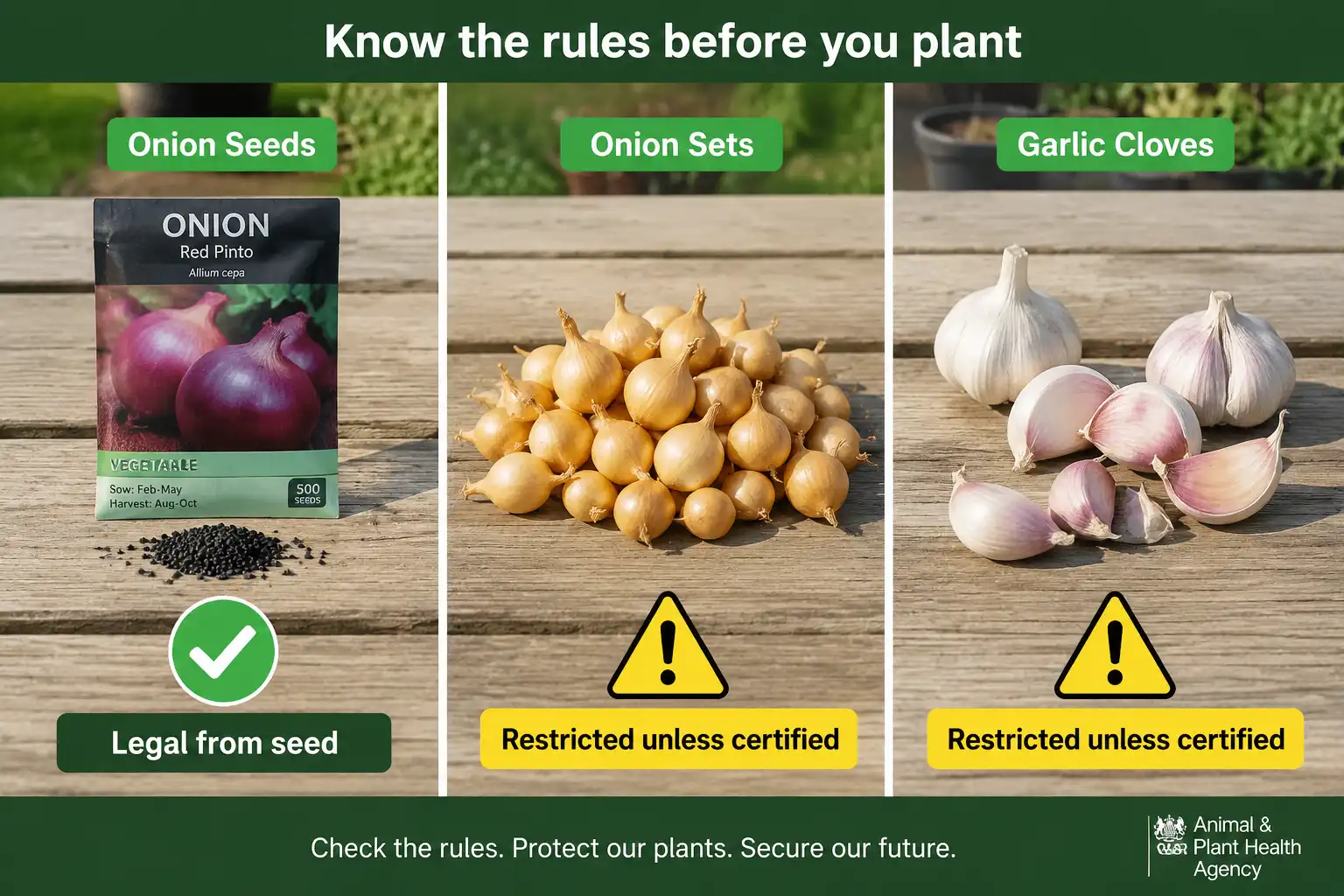
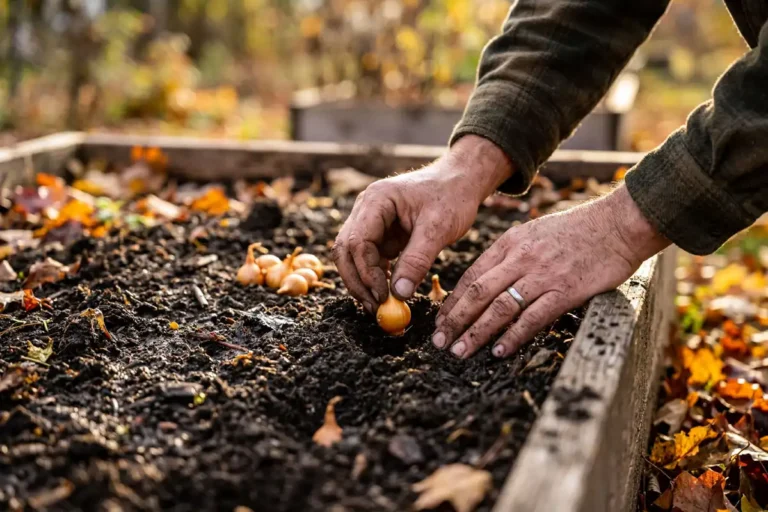
Garlic is the tightest case of all. Garlic does not make true seed. You grow it from cloves, and cloves can hide sclerotia. So inside the zone you can only plant certified garlic that was grown, inspected, and cleared within the quarantine area. That is why local seed garlic sells out fast and catalog garlic is off the table. If you are lining up beds for the season, starting onions from seed keeps you fully legal, and our guide on planting garlic and onions walks through timing for both.
Is It Illegal to Replant Store-Bought Green Onions in Idaho?
Inside the quarantine counties, yes, that one is technically off-limits. Regrowing the white root ends of grocery-store green onions brings living allium transplant material into the zone. That stock came from somewhere else, so the import rule catches it. This exact kitchen trick is what most of the videos are really warning about.
Outside the zone, regrow all the scallions you want. It is the same scrap-gardening idea people use to regrow lettuce from store-bought heads. Inside the zone, skip it and start from seed, or buy certified local plants. The point is not to punish a home cook. The point is to keep one soil fungus from spreading on a rootball.
What About Cull Onions and the March 15 Deadline?
Idaho has a second onion rule worth knowing. Growers in Ada, Canyon, Gem, Payette, Owyhee, and Washington counties must dispose of cull onions by March 15 each year. Culls are the waste onions left after grading, plus field and seed residue. Left in a pile, they sprout and harbor disease and pests over winter. This rule mostly affects commercial packers, not backyard growers. Still, it shows how far the state goes to break disease cycles. That prevention-first logic is the same thinking behind integrated pest management on any farm.
How to Stay Legal While Growing Green Onions in Idaho
Here is the simple version, whether you garden in Boise or out on open ground.
- Farm outside the quarantine counties? Plant green onions from any source, no restrictions.
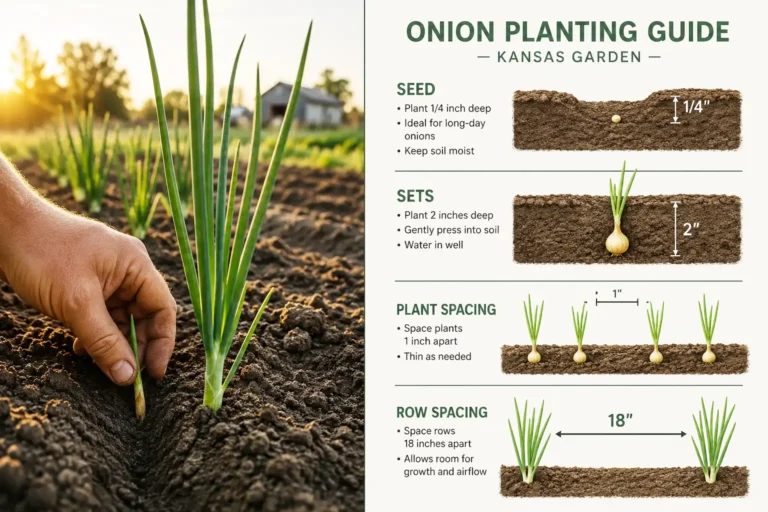
- Inside the zone, start onions, scallions, leeks, and shallots from seed.
- Skip planting grocery green onions, mystery onion sets, or catalog garlic inside the zone.
- For garlic, buy ISDA-certified seed garlic grown inside the quarantine area.
- Clean soil off your tools, tiller, and boots, since the fungus travels in dirt.
- Not sure about your county? Call your local University of Idaho Extension office or ISDA before you plant.
Follow those six steps and you stay on the right side of the rule without giving up your green onions.
Bottom Line Before You Plant Green Onions in Idaho
So no, it is not really illegal to plant green onions in Idaho. The headline oversells a narrow disease rule. Inside a set of southern counties, you cannot import allium bulbs, sets, or transplants, and that includes regrown grocery scallions. Everywhere else, plant away. Grow from seed and you are clear no matter where your rows sit. The rule exists to protect a big onion crop from a fungus that never really leaves. That is a trade most growers here are glad to make.