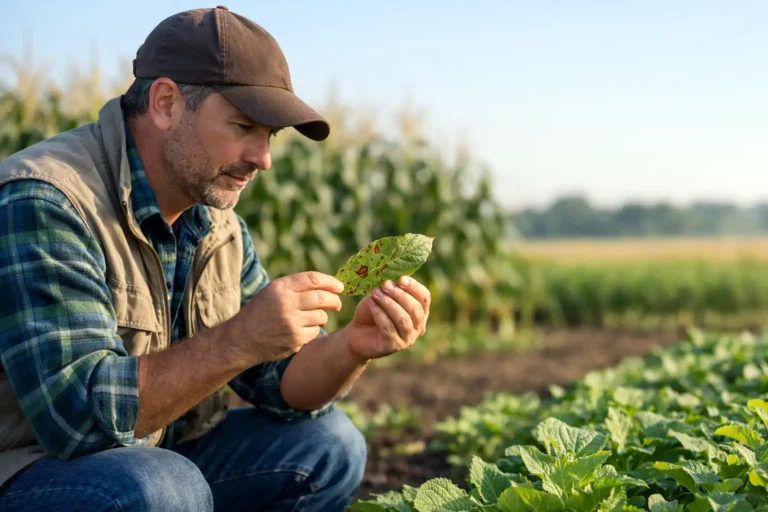
Is Sugarcane Vulnerable to the Cane Beetle? Full Grower Guide
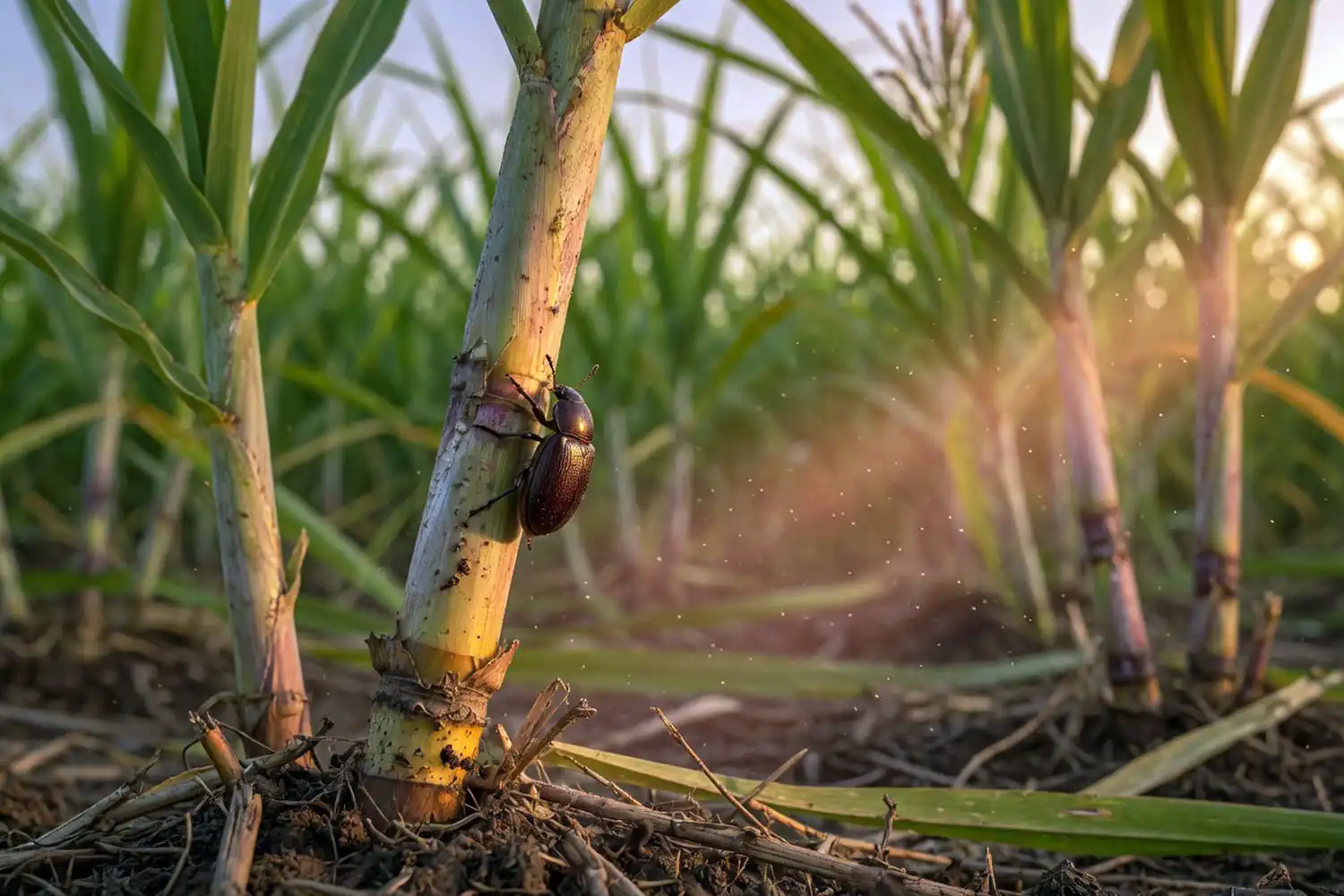
Cane beetles quietly chew through sugarcane yield every year, and most growers do not see the damage until tillering slows. The straight answer is that sugarcane is vulnerable to the cane beetle, both above ground and below. Here is what to watch for and how to manage it.
Yes, sugarcane is vulnerable to the cane beetle. Adult beetles tunnel into young stalks at the soil line, while grubs feed on roots. Damage causes dead heart, stunted shoots, and measurable yield loss in Louisiana, Florida, and Texas fields.
What Is the Cane Beetle?
The cane beetle is a soil-dwelling scarab pest whose adults and larvae both injure sugarcane. In the US sugarcane belt, the main species is Euetheola humilis rugiceps, often called the sugarcane beetle. Adults are about half an inch long, dark brown to black, and shaped like a typical scarab. Larvae are white C-shaped grubs that live in the top six to eight inches of soil.
The species also attacks corn, rice, and turfgrass, so rotation history matters. In Australia, a related group of native scarabs in the genus Dermolepida causes the same kind of trouble, which is why management research crosses both regions.
Why Sugarcane Is Vulnerable to the Cane Beetle
Sugarcane is vulnerable to the cane beetle because the crop offers everything the beetle needs in one place. Young shoots are soft enough for adults to bore into, the warm soil suits grub development, and the long ratoon cycle gives multiple generations a stable home. A ratoon crop that stays in the ground for three or four years builds up beetle pressure season after season.
Soil type plays a role too. The heavy alluvial soils common across Louisiana sugarcane country hold moisture well, and that moisture supports both grub survival and adult activity. Fields next to pasture or fallow ground often see higher pressure because adults migrate in from those refuges. Good growing sugarcane practices reduce that risk, but they do not eliminate it.
How to Spot Cane Beetle Damage in Sugarcane
Above-Ground Signs
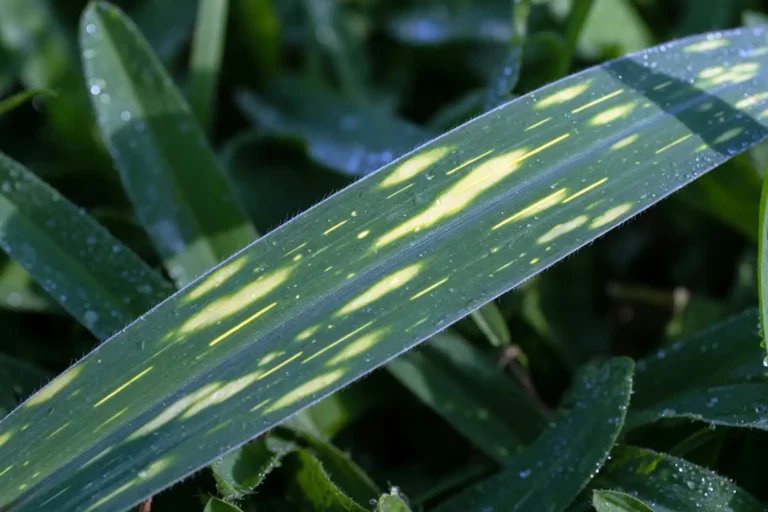
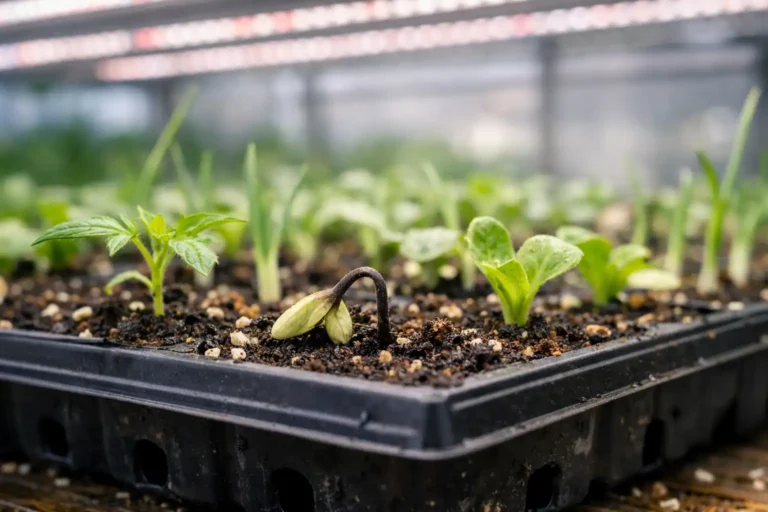
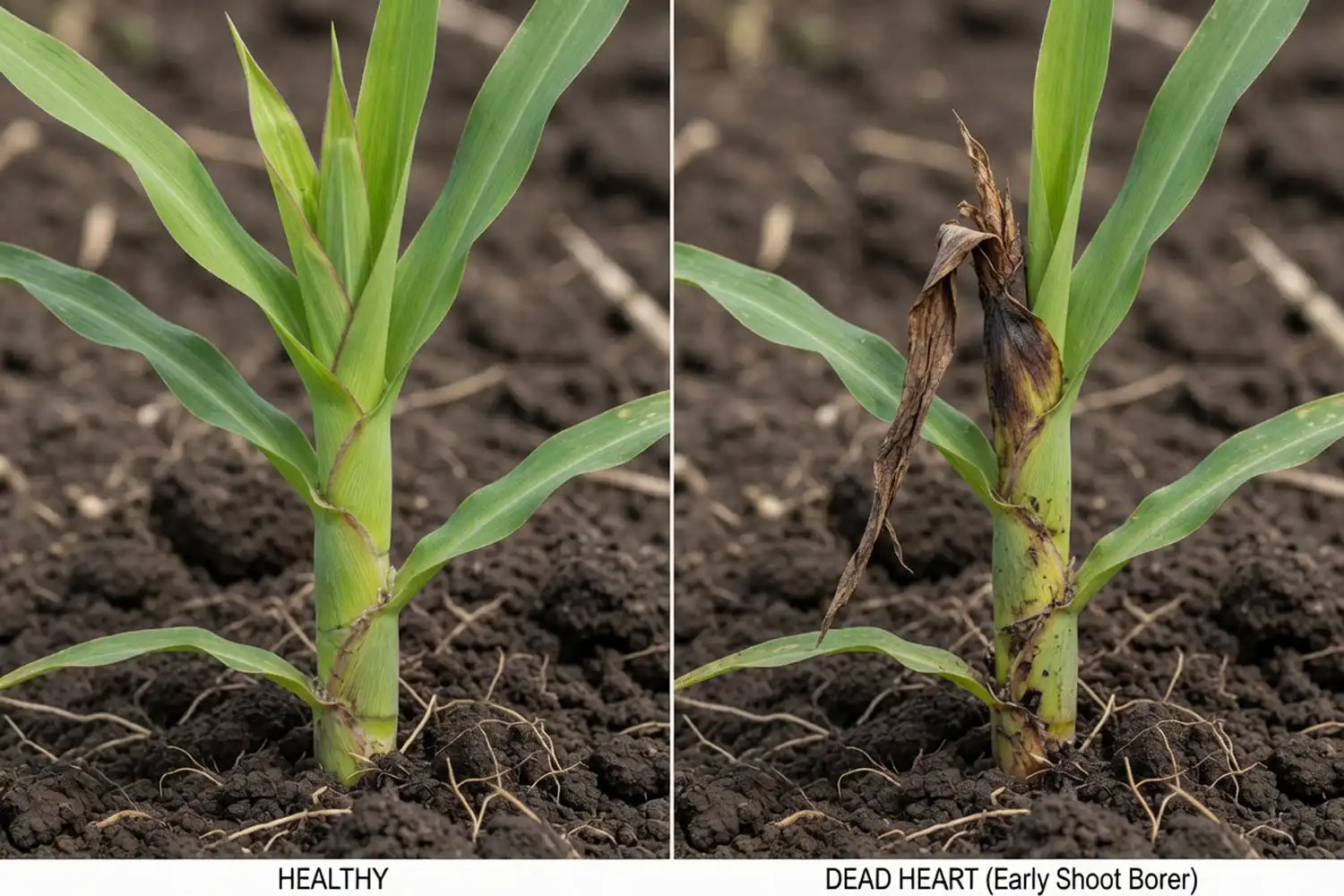
Above-ground damage shows up as dead heart, where the central whorl of a young shoot turns brown and pulls out easily while the outer leaves stay green. Stunted tillering, uneven stand height, and shoots that snap at the base when tugged are also reliable indicators. Skips along a row often mean adults worked through that section during emergence.
Below-Ground Signs
Below-ground damage comes from the grubs. Pull up a struggling shoot and look at the roots. Healthy sugarcane roots are dense, white, and fibrous. Beetle-damaged roots are sparse, chewed, and often discolored. Dig down four to six inches around a weak stool and you will usually find grubs curled in the soil. Three or more grubs per square foot is enough to justify treatment in the next planting cycle.
When Cane Beetle Pressure Peaks in the Season
Adult activity peaks in spring, when soil temperatures reach the mid 60s°F and shoots are emerging. In Louisiana that window runs from early April through late May. Adults fly at night and feed at the soil line, so most damage occurs in the first six weeks after shoot emergence.
Grub feeding peaks in mid to late summer when soil temperatures sit between 75 and 85°F. This is when root systems on the ratoon stool take the worst hit, and stand decline becomes visible right before sugarcane harvest. Knowing these two peak windows lets you time scouting and inputs instead of guessing.
How to Manage Cane Beetles in Sugarcane
Cane beetle management works best when you combine cultural, biological, and chemical tools. A single-tool approach almost always fails, because the beetle has both an aerial adult stage and a hidden larval stage. Build the program below across the planting and ratoon cycle.
Cultural Controls
Start with field history. Rotate sugarcane with a non-host break crop such as soybean every three to four years to break the buildup. Plow under crop residue in fall to expose overwintering adults to cold and predators. Keep field margins clean of weedy refuges, since grasses harbor grubs.
Avoid planting fresh sugarcane directly after pasture or sod, which is the worst rotation for beetle pressure. Pair this with disciplined irrigation scheduling so that wet, beetle-friendly soil is not held longer than the crop needs.
Biological Control
The fungal pathogen Metarhizium anisopliae is the leading biological option for cane beetle grubs. It infects larvae in the soil and spreads as they die. The fungus works best in warm, moist soils between 70 and 85°F, which matches the grub feeding window. Beneficial nematodes such as Heterorhabditis bacteriophora also reduce grub populations when applied to moist soil at dusk.
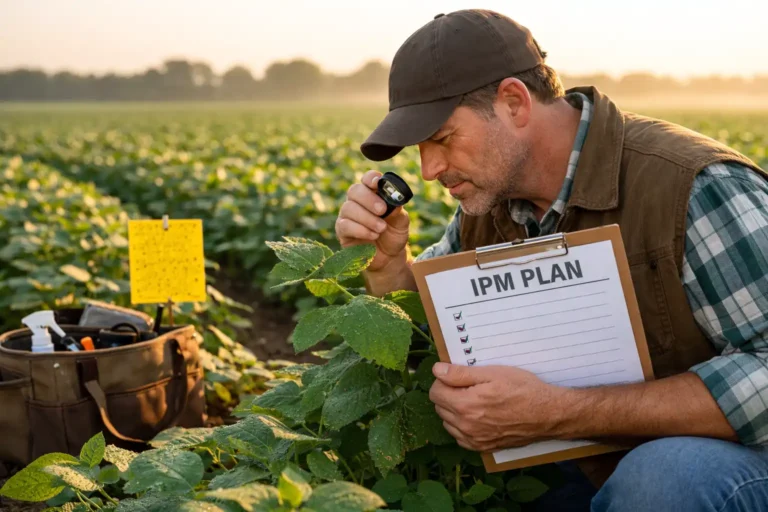
A solid integrated pest management plan stacks these biological tools on top of cultural practices so that chemical control becomes the last lever, not the first.
Chemical Control
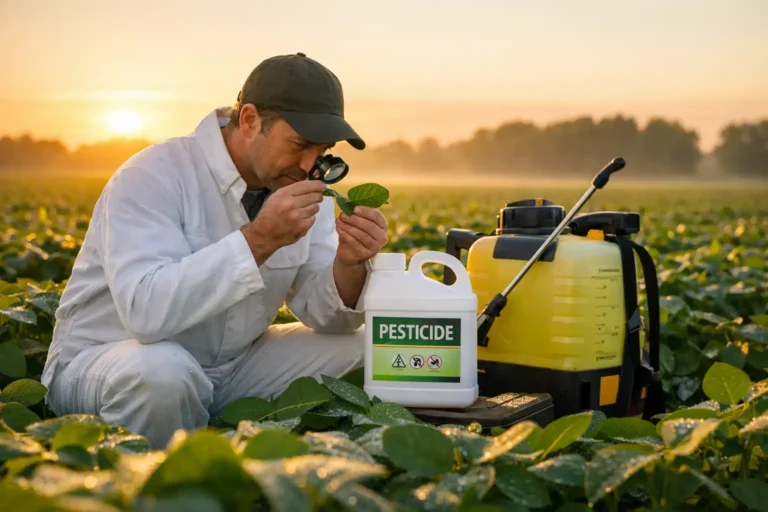
For chemical control, the most common practice in US sugarcane is a neonicotinoid seed-piece treatment, usually imidacloprid, applied at planting. This protects the young stand during the highest-risk emergence window. Foliar pyrethroid sprays can knock down adult activity at the soil line if scouting shows heavy flight pressure during shoot emergence.
For research-backed product rates and current label restrictions, follow the recommendations published by the LSU AgCenter sugarcane program. Always rotate insecticide modes of action to slow resistance.
Mistakes Growers Make with Cane Beetle Control
The most common mistake is treating only when damage is visible. By the time dead heart shows up across a field, the adult flight is mostly over and the larvae are already established. Second, growers often skip rotation, treating sugarcane as a permanent monoculture on the same ground. That guarantees rising pressure every cycle.
Third, relying on a single chemical year after year drives resistance and wipes out beneficials, including the fungi and predators that help keep grub numbers down. Pair chemical tools with natural pest control practices so the whole system works for you.
FAQs
Does the cane beetle affect ratoon sugarcane more than plant cane?
Can cane beetles wipe out a sugarcane field?
Are cane beetles the same in the US and Australia?
Does heavy rainfall reduce cane beetle damage?
Bottom Line for Your Field
Sugarcane is vulnerable to the cane beetle at every stage, from emerging shoots to mature ratoon roots. Strong control comes from stacking rotation, fall tillage, biological agents, and a targeted seed-piece insecticide, then scouting for dead heart and grub counts every spring and summer. Treat the beetle as a planned line item in the program, not a surprise.