What to Do With Concord Grapes: 8 Uses From Juice to Wine
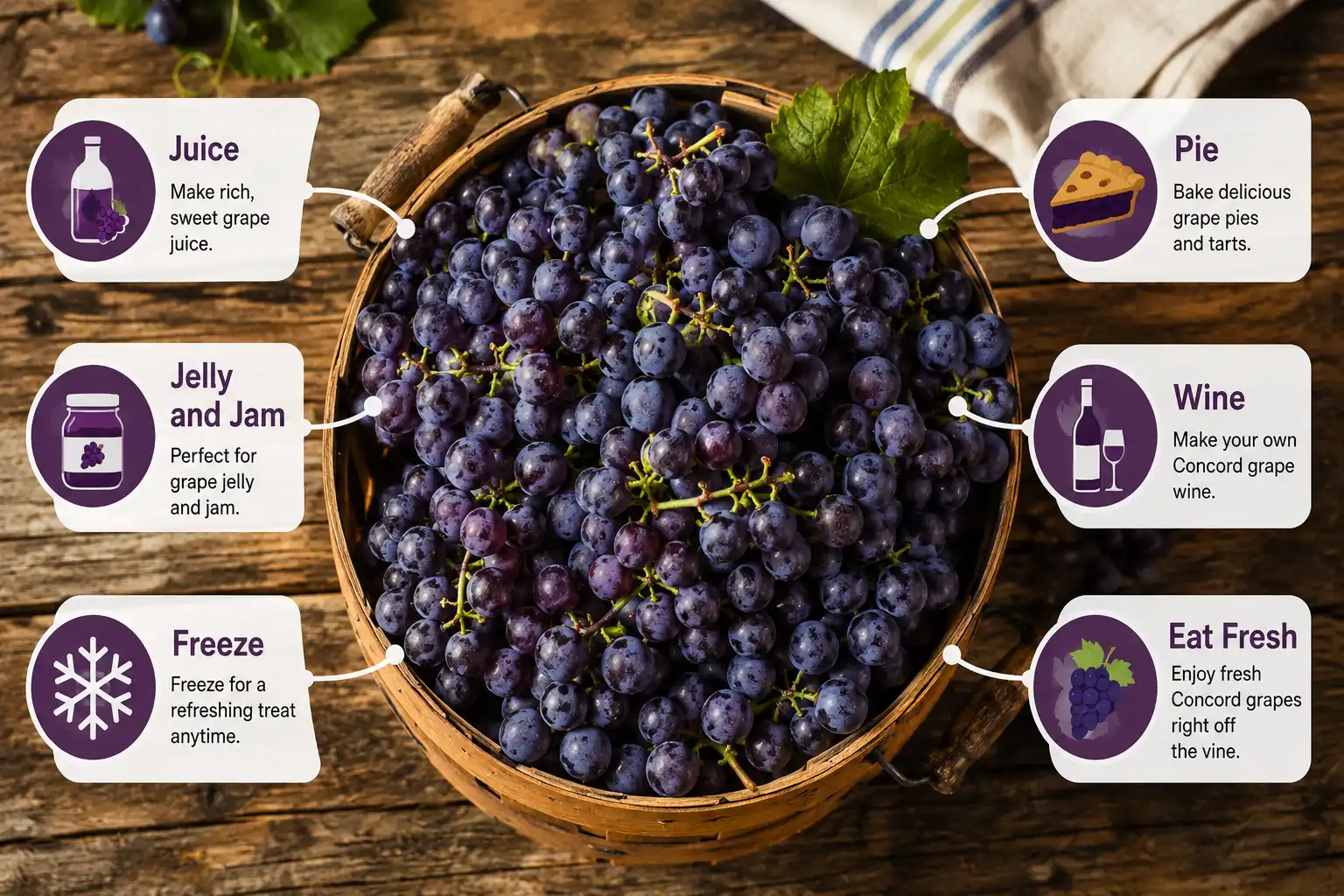
A loaded Concord vine gives you more fruit than you can eat fresh in a week. So what to do with Concord grapes when the clusters pile up on the counter? You have real options here: juice, jelly, jam, freezing, pie, and even homemade wine.
The best things to do with Concord grapes are make juice, jelly, or jam, since those use the most fruit at once. You can also freeze them whole, bake a grape pie, or ferment a batch into wine.
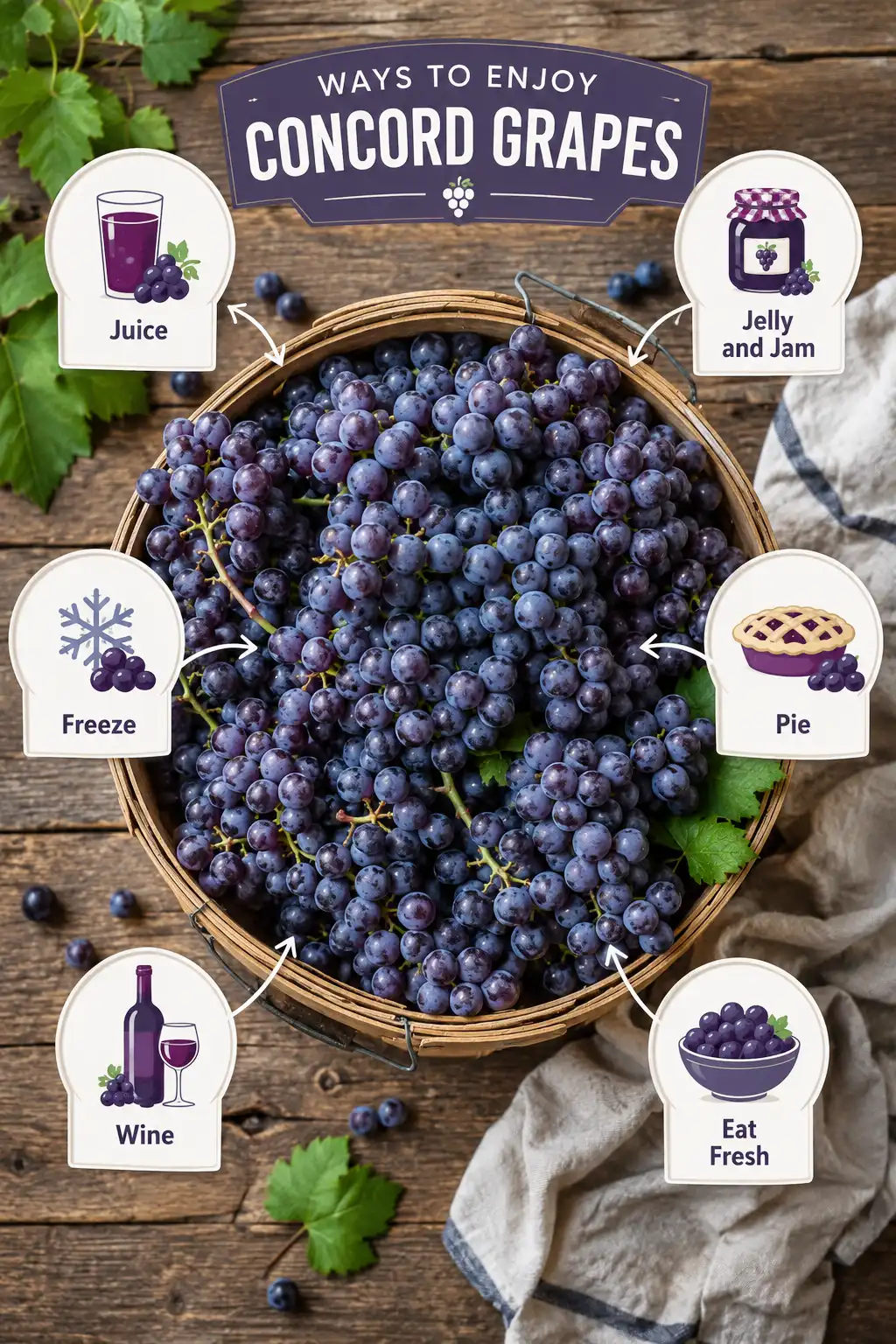
What to Do With Concord Grapes Depends on How Many You Have
Match the project to your pile. A handful goes straight into the bowl for snacking. A few pounds turn into juice or a couple jars of jelly. A full harvest off a mature vine is enough for canned juice, frozen bags, and a pie, with extra for wine. So size up the crop first, then pick the uses below that fit.
What Makes Concord Grapes Different From Table Grapes?
Concord grapes are slip-skin grapes, so the skin separates from the pulp with a light squeeze. They are Vitis labrusca, a native American species, not the Vitis vinifera grapes sold in clamshells. The skins hold most of the color. The pulp is soft and carries a few seeds. That deep, musky flavor comes from methyl anthranilate, the same compound behind artificial grape candy.
Concord also runs high in acid and pectin and lower in sugar than a true wine grape. Those three traits, the loose skin, the seeds, and the bold flavor, decide your best uses. Welch’s built its juice business on this grape, first bred in Concord, Massachusetts back in the 1800s.
Also know: What to Do With Muscadine Grapes: 8 Uses From Jelly to Wine
Can You Eat Concord Grapes Fresh?
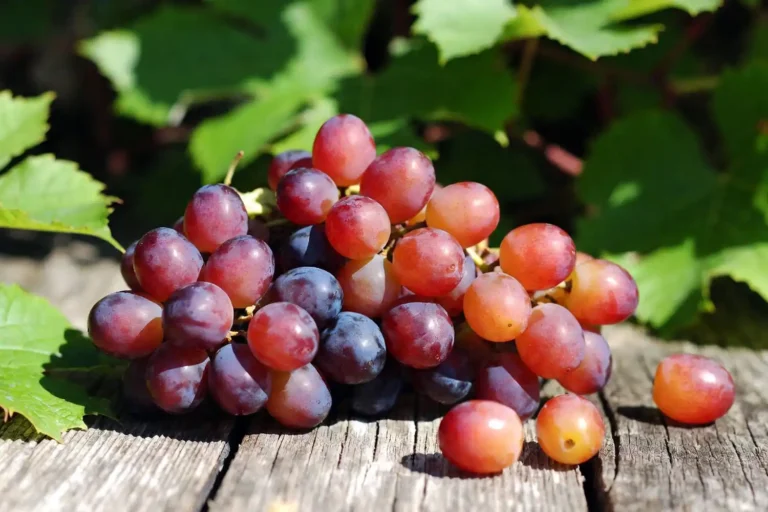
Yes, Concord grapes are great fresh. Most people eat them by squeezing the pulp into their mouth, then spitting out the skin and seeds. Pick them fully ripe for the sweetest flavor. Ripe Concords turn deep purple, feel slightly soft, and pull off the cluster easily. The seeds shift from green to brown as the sugar climbs.
Grapes don’t keep ripening once you cut them, so the flavor at harvest is what you get. Here is more on why grapes won’t sweeten off the vine. Fresh Concords show up for a short window in late summer and early fall, so plan around when Concord grapes come into season. Leave the dusty bloom on the skins until you are ready to eat.
How Do You Make Concord Grape Juice?
Juice is the top use for a big Concord crop. The method is simple: simmer the grapes, strain, let the juice settle, then can or freeze it.
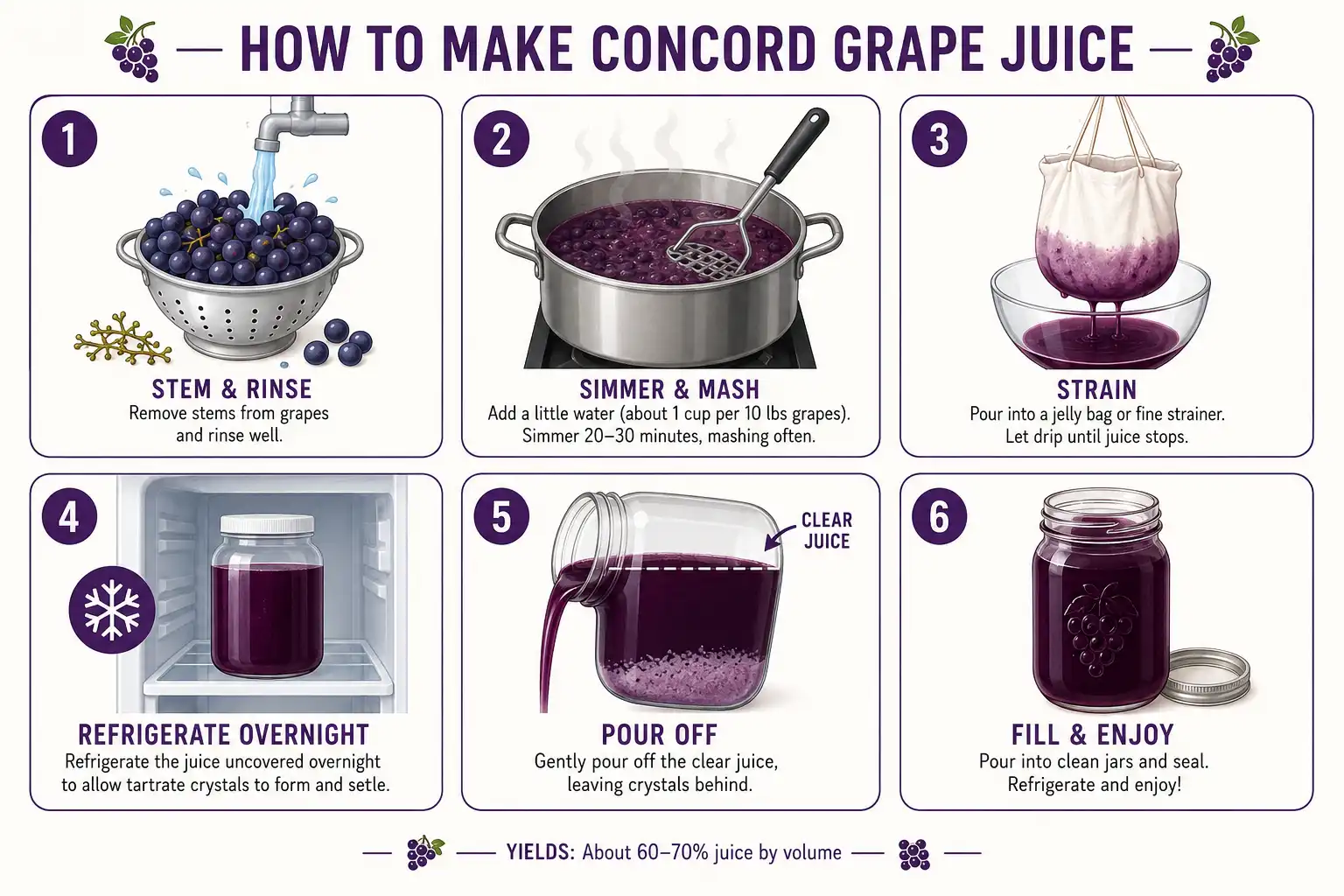
Here is how to do it:
- Stem and rinse the grapes. Pull them off the clusters and wash away dust and bugs.
- Simmer with a little water. Add about a half cup of water per quart of grapes, then heat to a low simmer near 180°F.
- Mash and cook. Crush the fruit with a potato masher. Simmer 10 to 15 minutes until the skins go soft.
- Strain. Pour everything through a damp jelly bag or a double layer of cheesecloth. Let it drip for a few hours.
- Settle overnight. Refrigerate the juice 24 to 48 hours. Concord juice throws tartrate crystals, the natural tartaric acid that can scratch your throat.
- Pour off the clear juice. Leave the gritty sediment behind. Run it through a coffee filter if you want it clearer.
From there, sweeten to taste and reheat to a boil. Pour the juice into hot jars and process it in a water bath canner. Tested USDA times run about 5 minutes for pints and quarts and 10 minutes for half-gallons, adjusted for your altitude. Sterilize the jars first when the time is under 10 minutes. Grape and apple juice are the only juices USDA cleared for half-gallon jars. Plan on roughly 24 pounds of grapes for 7 quarts. If you would rather skip canning, freeze the clear juice with an inch of headspace. For juice and wine alike, a quick refractometer reading tells you how ripe and sweet the fruit really is.
How Do You Turn Concord Grape Juice Into Jelly and Jam?
Jelly starts with that same strained juice, plus pectin and sugar. Mix the juice with pectin and bring it to a hard boil. Stir in the sugar, then boil until it sheets off a spoon or hits the gel point. Then ladle it into hot jars and process in a water bath. Concord is naturally high in pectin, so it sets well. Let the juice settle first, or tartrate crystals can show up in the finished jelly.
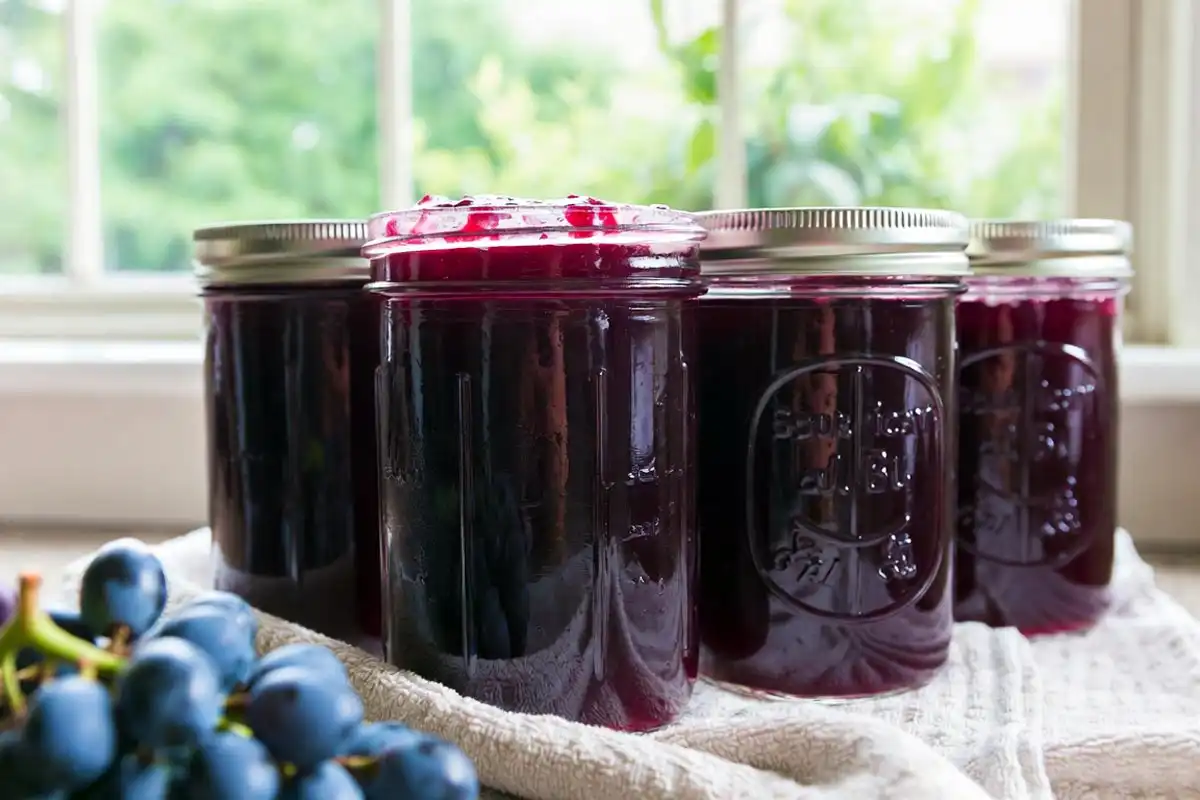
Jam keeps the whole fruit, skins and all, for more body. Slip the skins off and set them aside. Cook the pulp until soft, then press it through a sieve or food mill to pull out the seeds. Chop the skins, cook them down, then combine skins, pulp, and sugar. Cook to the gel point, jar, and process. For current tested recipes and times, lean on the USDA and the National Center for Home Food Preservation rather than guesswork.
Can You Freeze Concord Grapes?
Yes, freezing is the easiest way to save a Concord harvest with no canner. Stem the grapes, rinse them, and pat them dry. Spread them in a single layer on a sheet pan and freeze about an hour. Once solid, pour them into freezer bags. They keep up to a year, though quality is best in the first few months.
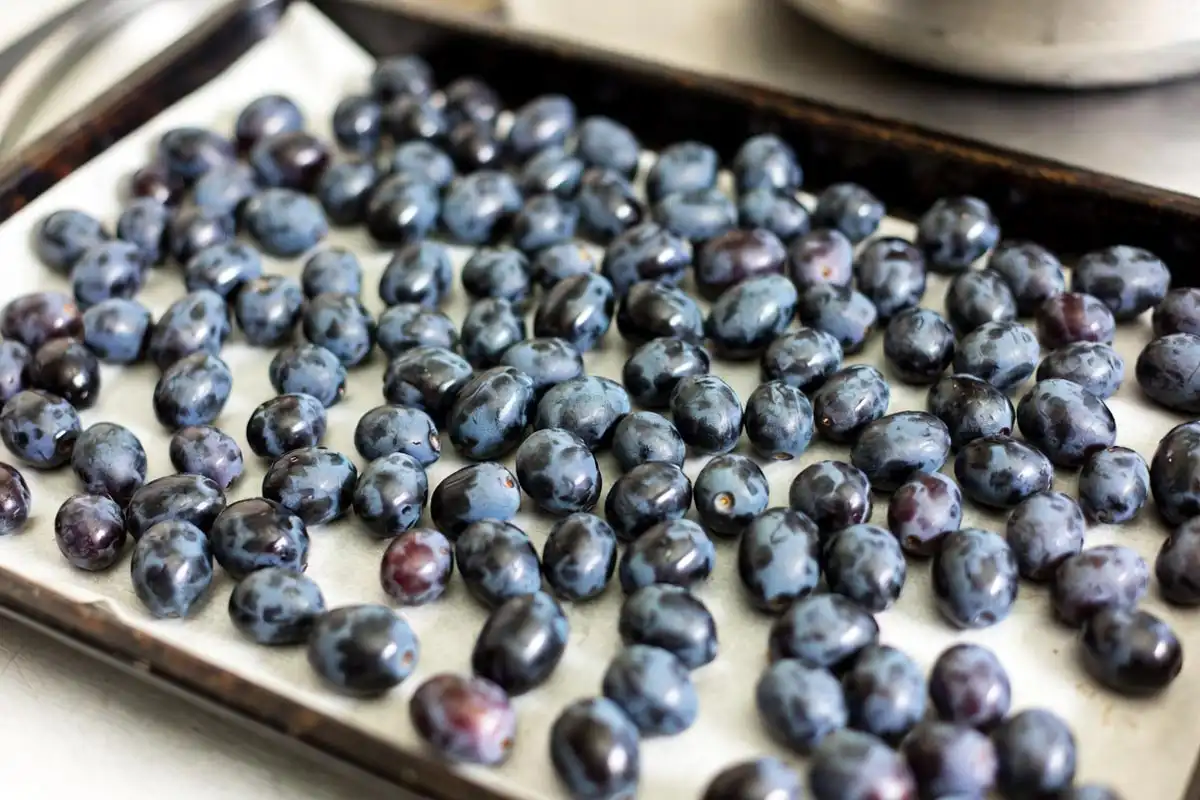
Frozen Concords make a sweet, slushy snack straight from the bag. The cold mutes the tartness, so they taste candy-sweet. You can also freeze finished juice the same way. If crystals form in the frozen juice, just strain them out after it thaws.
What About Concord Grape Pie and Baking?
Concord grape pie is a Midwest classic, and the trick is handling the slip skins. Squeeze the pulp out of the skins into one bowl and drop the skins in another. Simmer the pulp a few minutes to loosen the seeds, then push it through a sieve. Stir the strained pulp back together with the skins. Add sugar and a little flour to thicken, then bake it in a double crust. The skins keep the deep color and that signature flavor. That same purple base also works in quick breads, as sauce over pancakes, or swirled into yogurt.
Can You Make Wine From Concord Grapes?
Yes, you can make wine from Concord, but it takes some adjusting. By the numbers, Concord behaves like a table grape: low sugar and high acid. So home winemakers add sugar, a step called chaptalization, to reach about 11 to 12 percent alcohol. A pectic enzyme helps break down all that pectin and clear the wine. The foxy flavor from methyl anthranilate comes on strong, so a cool fermentation near 65°F keeps it in check. Most folks back-sweeten the finished wine to balance the acid, and that sweet style is the classic American grape wine. Drink it young, within a year or two. It is a fun project if you have buckets of fruit and a little patience.
Can You Dry Concord Grapes Into Raisins?
You can, but Concord is a poor pick for raisins. The slip skins and the seeds work against you, and the soft pulp dries unevenly. Seedless grapes like Thompson make far better raisins. If you still want to try, or you have seedless vines, our guide covers turning grapes into raisins in a separate guide. For Concord specifically, juice and jelly give you more to show for the effort.
How Long Do Concord Grapes Last in Storage?
Fresh Concord grapes keep about two weeks in the fridge, but they taste best within two or three days. Store them unwashed in a perforated bag or vented container in the crisper. The waxy bloom is natural protection, so don’t rinse them until you are ready to eat. Cold, humid air holds them longest. Treat them like any crop after picking: gentle handling and quick cooling go a long way, the same as with storing other garden crops. For anything you can’t use in two weeks, freeze it or turn it into juice.
Don’t Toss the Skins and Pulp
Leftover skins and pulp still have use, so don’t dump them. Simmer the skins with a little sugar and water for a quick sauce or syrup. Spread thick grape puree on a lined tray and dry it into fruit leather. Whatever you can’t use feeds the compost pile and comes back as next year’s soil. That way a heavy harvest goes almost zero-waste.
How to Work Through a Concord Harvest
When vines come in heavy, juicing first clears the most fruit fast. Jelly and a pie come next, then bags of frozen grapes for winter snacking. The strong flavor that makes Concord tricky for wine is exactly what makes its juice and jelly taste like nothing off a store shelf. Start with juice or freezing if this is your first big crop. Both are forgiving, and they buy you time to work through the rest.