13-13-13 Fertilizer: What It Is, What It Feeds, and Best Picks (2026)
A bag of 13-13-13 fertilizer sits on most farm store shelves. The matching numbers make it look like a safe pick for anything. Balanced nutrients are not always what your soil needs, though. Reach for triple 13 in a few spots and skip it in plenty of others.
13-13-13 fertilizer is a balanced, all-purpose blend with equal nitrogen, phosphorus, and potassium. It feeds vegetables, trees, and new plantings well. Most established lawns already hold enough phosphorus, so a high-nitrogen product suits mature grass better.
What Is 13-13-13 Fertilizer?
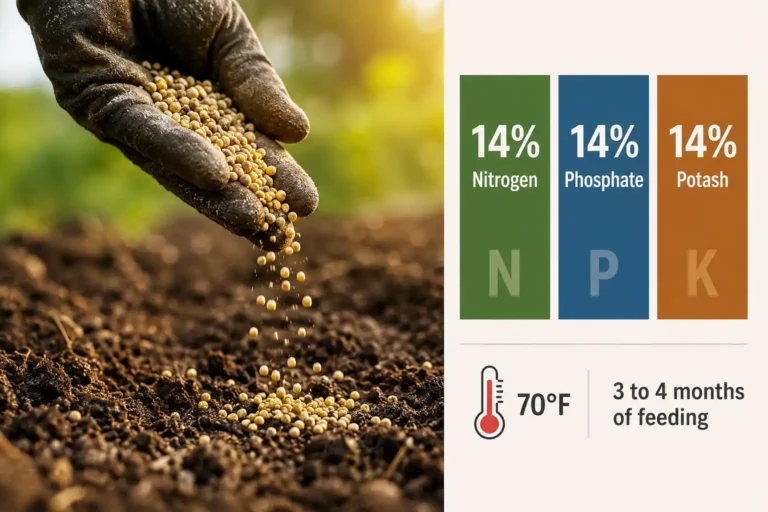
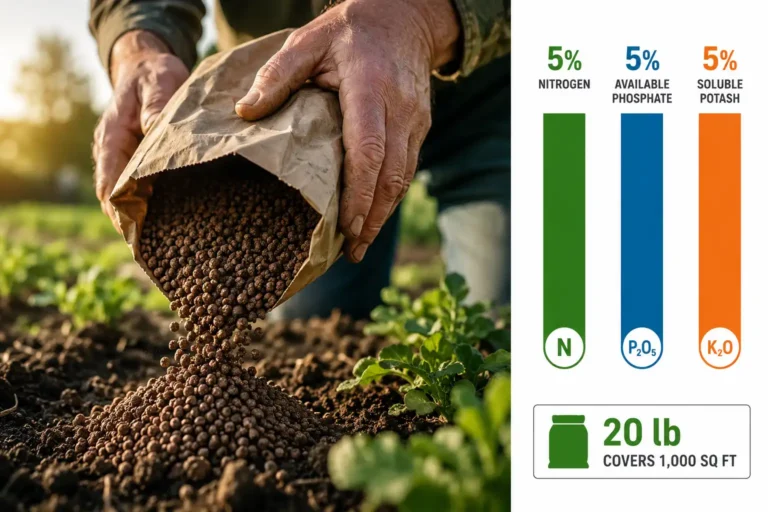
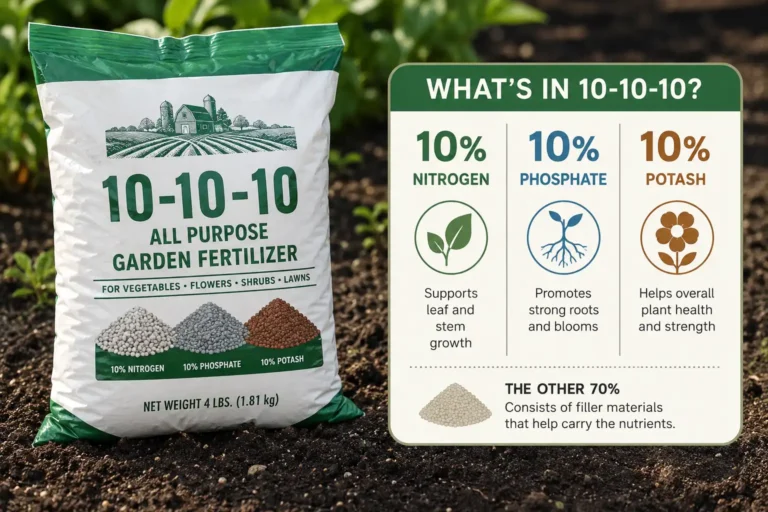
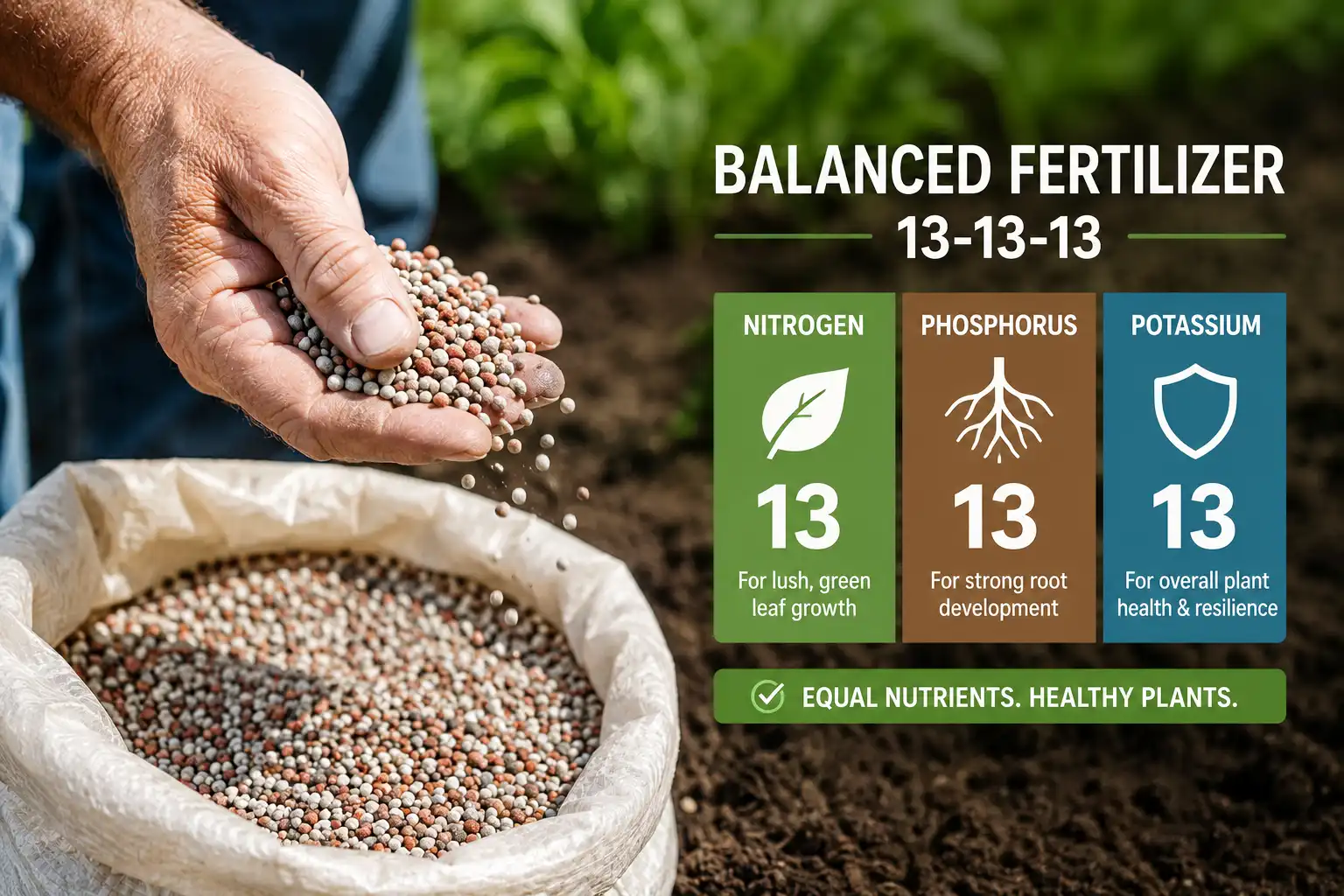
13-13-13 fertilizer is a balanced synthetic blend. It carries 13 percent nitrogen, 13 percent phosphate, and 13 percent potash by weight. Those three numbers are the NPK ratio. They always run in the same order: nitrogen, phosphorus, then potassium.
Because all three match, growers call it a balanced or complete fertilizer. Most folks just call it triple 13. Need a refresher on how the three NPK numbers work? That order stays the same on every bag.
The rest of the bag, roughly 61 percent, is carrier and filler that helps the granules meter out evenly. Better blends spend some of that room on secondary nutrients and micronutrients.
Also know: What is 12-12-12 Fertilizer and Uses
What’s Actually in Triple 13?
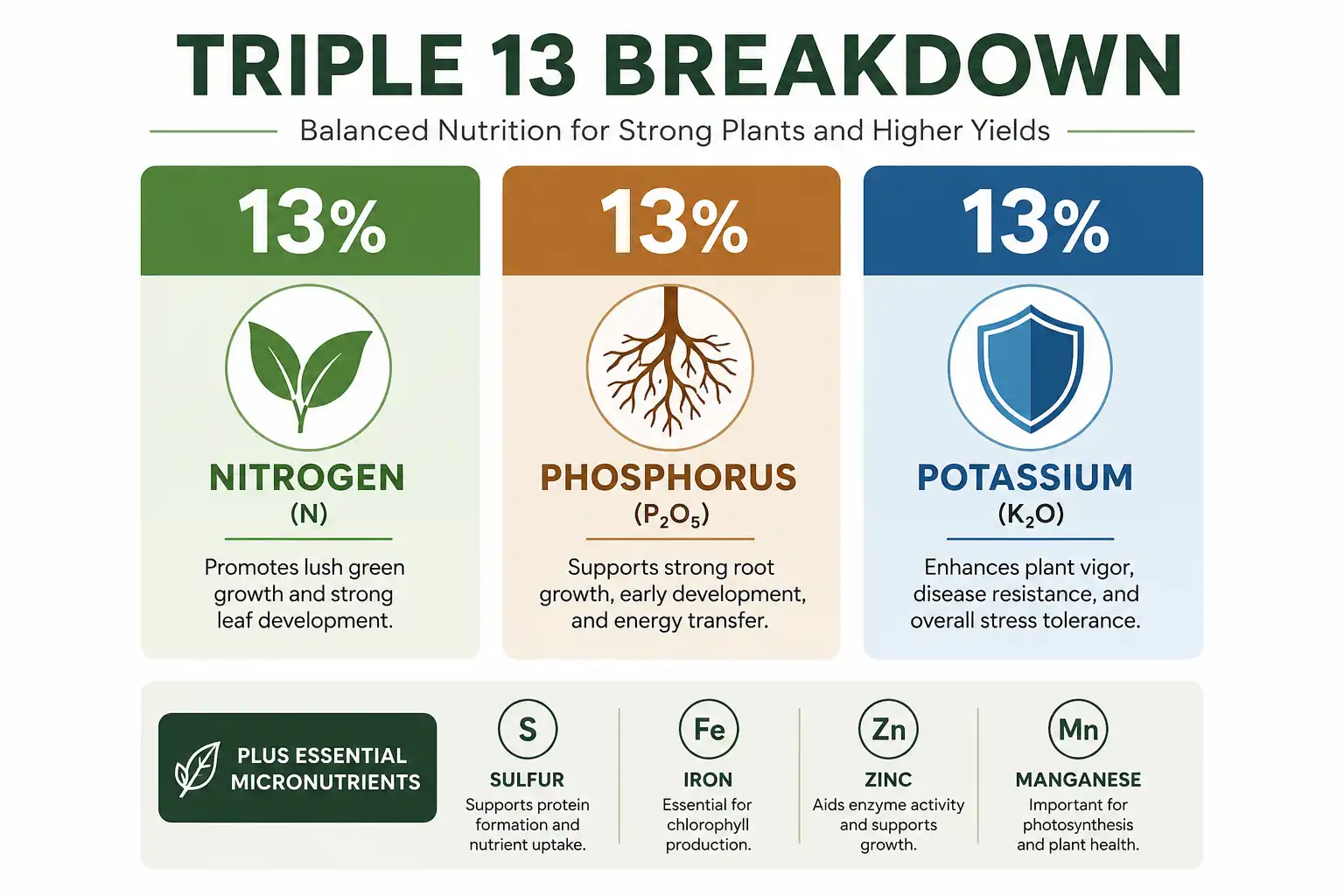
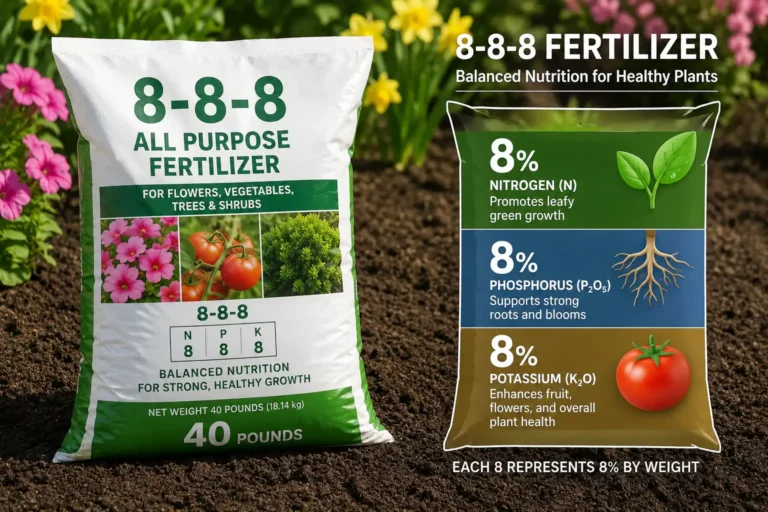
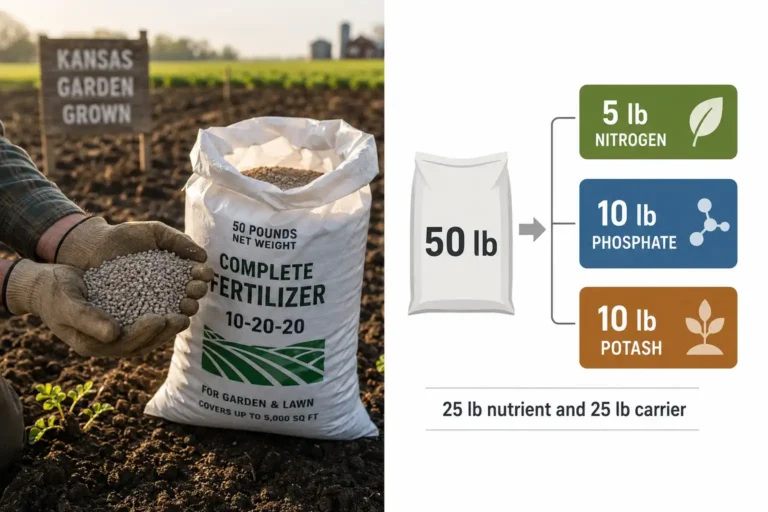
Triple 13 packs three main nutrients in equal amounts: nitrogen (N), phosphate (P2O5), and potash (K2O). Each sits at 13 percent of the bag’s weight. In a 40-pound bag, that is about 5.2 pounds of each.
Each nutrient does a specific job:
- Nitrogen (13%) feeds green leaf and stem growth.
- Phosphorus (13%) builds roots and drives flowering and fruit.
- Potassium (13%) toughens the plant against drought, cold, and disease.
One detail most labels skip: those middle and last numbers list phosphate and potash, not the pure elements. Multiply phosphate by about 0.44 for actual phosphorus, and potash by about 0.83 for actual potassium. So 13 percent phosphate is nearer 5.7 percent elemental phosphorus. The 13 percent potash sits around 10.8 percent potassium. Every brand reports it the same way, so the grades still compare fairly.
Many premium and ag-grade blends also carry micronutrients like iron, zinc, sulfur, and manganese. Those cover small micronutrient shortfalls that stunt plants even when the big three look fine.
What Is 13-13-13 Used For?
Triple 13 works as an all-purpose feed for vegetables, flowers, fruit trees, shrubs, pastures, and fresh plantings. It fits best when a soil test shows nitrogen, phosphorus, and potassium all running low at once.
Common jobs for a balanced blend:
- Vegetable gardens: tomatoes, peppers, sweet corn, beans, squash, and root crops, usually as a starter at planting.
- New lawns: the phosphorus helps young grass set roots.
- Trees and shrubs: broadcast around the dripline at spring green-up.
- Pastures and hay ground: a balanced feed where soil tests low across the board.
- Row crops: field growers broadcast ag-grade triple 13 before or at planting.
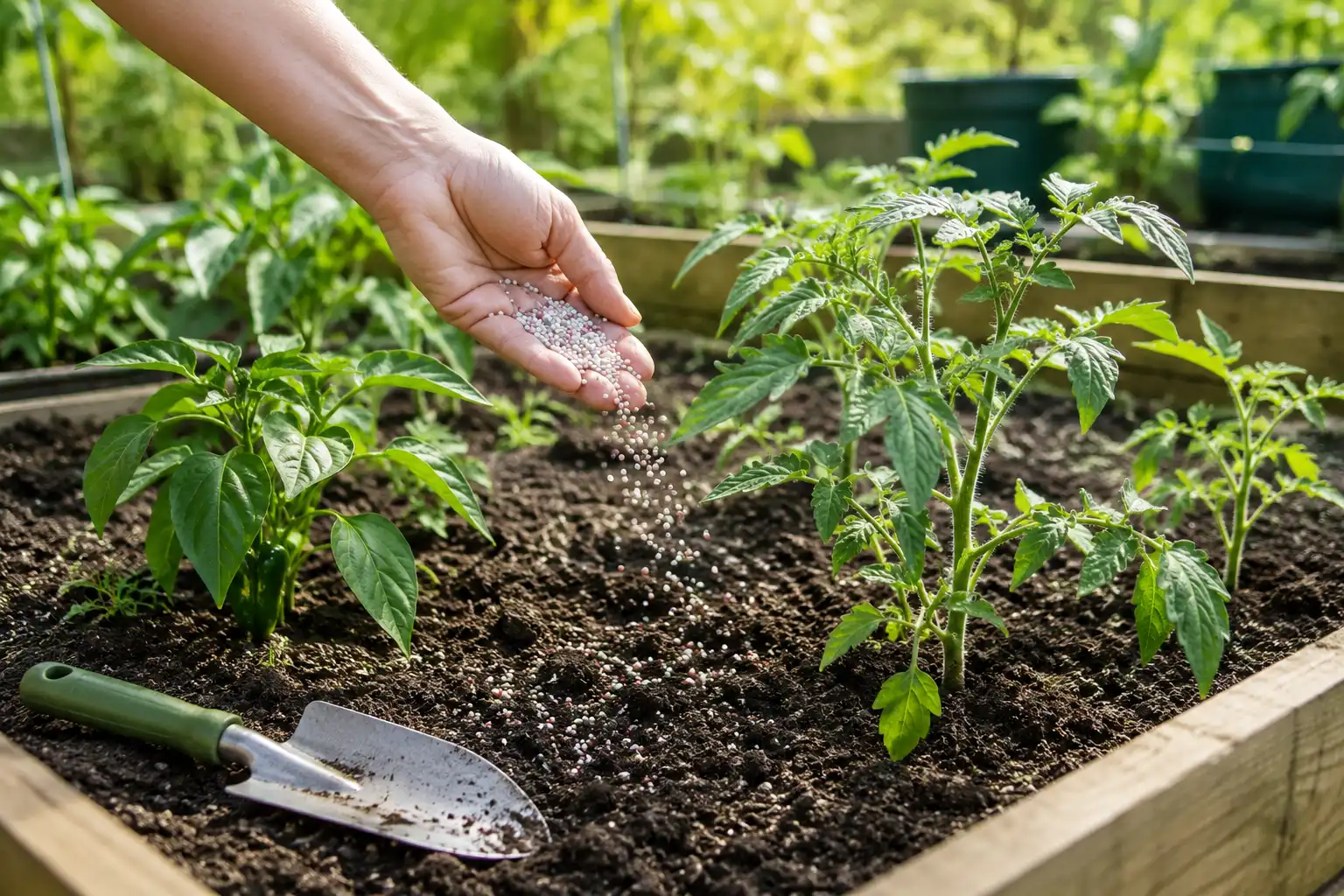
With a heavy feeder like sweet corn, the balanced blend goes down early. Then a nitrogen side-dress follows. full routine for feeding a sweet corn crop walks through the timing.
This is a mineral, synthetic product. If you lean toward a slower, biological approach, size it up against your chemical and organic fertilizer choices first.
Is 13-13-13 Good for Grass?
Yes, 13-13-13 helps grass in the right spot, but it is the wrong default for most lawns. Grass mainly wants nitrogen, and a balanced blend gives it only 13 percent. To hit the nitrogen a lawn needs, you end up spreading a lot of extra phosphorus.
That extra phosphorus is the problem. Most established lawns already hold plenty of it. University of Minnesota Extension and other land-grant programs back this up. K-State Research and Extension gives the same advice for Kansas turf. In their soil tests, the large majority of lawns come back high enough already. The surplus you add tends to wash into storm drains, ponds, and streams.
That runoff is why many states now limit phosphorus lawn fertilizer. Most rules allow it in only three cases. A soil test shows a shortage, you seed or sod a new lawn, or you patch a bare spot. A quick home soil test kit settles the question before you open the bag.
Is 13-13-13 Good for Lawns?
13-13-13 shines on a brand-new lawn and falls behind on an established one. The reason is timing. A young lawn is building roots, and the balanced phosphorus helps that. A mature lawn is chasing green top growth, and only nitrogen drives that.
So on new turf, triple 13 makes a solid starter at seeding or sodding. On an established lawn, reach for a nitrogen-heavy grade like 24-0-6 or 32-0-4. It gives more color per bag with little or no phosphorus. That matches what turf actually uses, and it keeps you legal in phosphorus-restricted states.
If you do run triple 13 on a lawn, respect the nitrogen cap. About 7 to 8 pounds per 1,000 square feet delivers roughly 1 pound of actual nitrogen. That is the safe ceiling for one feeding. Split the season into two of those doses. Water in every application so the salts do not sit and burn the blades.
How to Apply 13-13-13
Getting the spread right matters as much as the rate. Even coverage prevents streaks and hot spots that burn. Here is the sequence.
- Soil test first. Confirm all three nutrients read low. If phosphorus already tests high, pick a different grade.
- Measure the area. Know your square footage or acres before you set a rate.
- Pick the rate. Use the numbers below for your site.
- Calibrate the spreader. Set the gate, then check output on a known area so you are not guessing.
- Spread in two passes. Split the load and run the second pass at a right angle to the first for even cover.
- Work it in and water. Rake granules into the top few inches where you can, then water thoroughly to move nutrients to the roots.
Rates by site:
- Vegetable gardens, flowers, shrubs: 1 to 1.5 pounds per 100 square feet, tilled into the top 4 to 6 inches before planting.
- Established lawns: 7 to 8 pounds per 1,000 square feet per feeding, split across the season.
- Trees: about 1 pound per inch of trunk diameter, scattered around the dripline.
- Row crops and pastures: broadcast by soil test, usually pre-plant, then side-dress nitrogen for heavy feeders.
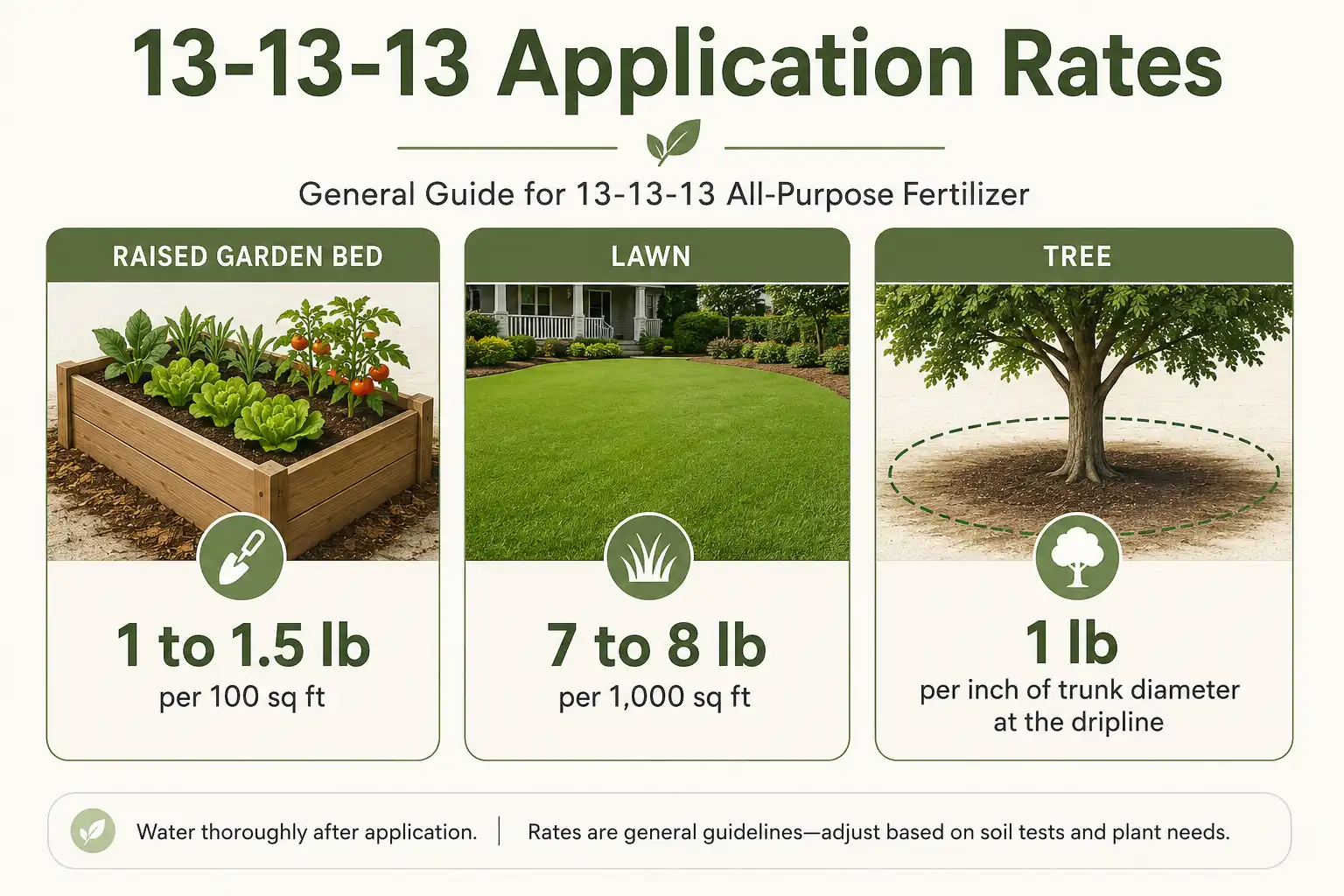
Timing stays simple. Feed at planting or spring green-up, when roots are active and pulling nutrients. Skip frozen ground and never spread right before heavy rain, which just sends nutrients into waterways. For larger ground, a reliable tow-behind broadcast spreader holds a steady rate across the field.
Slow-Release vs Quick-Release: Which 13-13-13 to Buy
The release type changes how triple 13 behaves more than the brand does. Slow-release feeds gradually and rarely burns. Quick-release feeds fast and cheap but carries a higher salt index. It scorches plants when you over-apply or skip watering.
Coated, slow-release blends meter nutrients out over weeks or months. You feed less often and protect tender plants and turf. Standard ag-grade granules dissolve quickly, green plants up fast, and cost less per pound.
Match the type to the site. Slow-release is the safer pick for home gardens, flower beds, and lawns. Standard ag-grade earns its place on wide acres where you broadcast by soil test and watch cost. Two more checks close the decision. Size the bag to your ground: small bags for beds, 50-pound bags for acreage. And pick a blend with micronutrients or lime if your garden soil runs short.
5 Best 13-13-13 Fertilizers Worth Buying
The best Triple 13 fertilizer depends on your ground and what you grow. These five balanced blends each earn a spot for a different job.
1. Garden Envy 13-13-13 Slow Release All-Purpose Professional
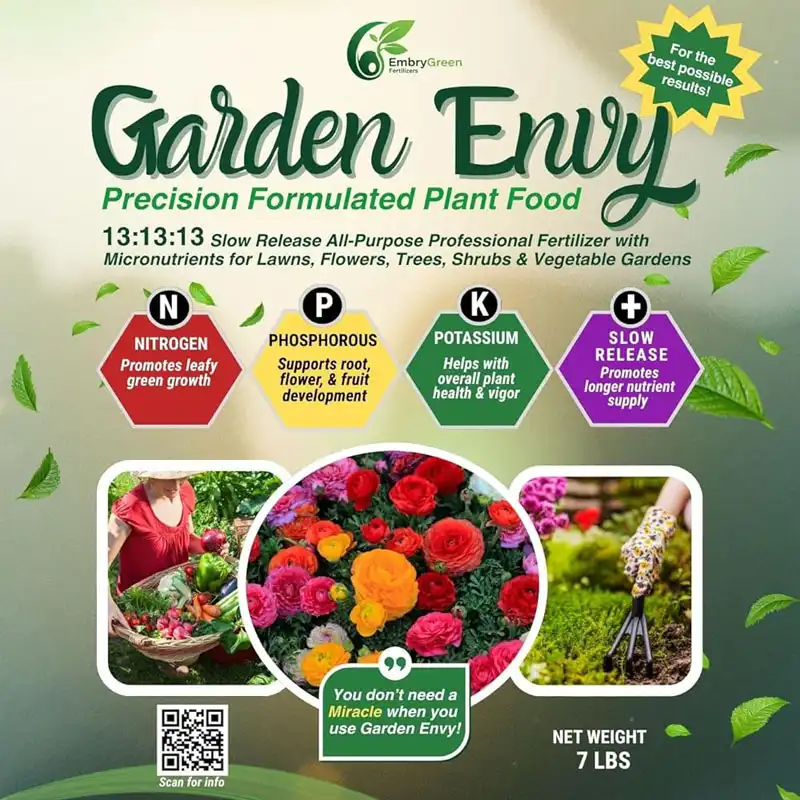
Garden Envy is the pick for most home growers. The coated, slow-release granules feed for up to three months. One spread carries a yard through much of the season. Added micronutrients round out the feed, and the slow release keeps burn risk low even if your rate slips. The 7-pound bag suits small to mid-size lots.
- Pros: three-month feed, low burn, micros included, beginner-friendly
- Con: bag runs small for acreage
- Best for: an all-purpose feed for lawns, gardens, and beds
2. Gardenwise 13-13-13 Slow Release
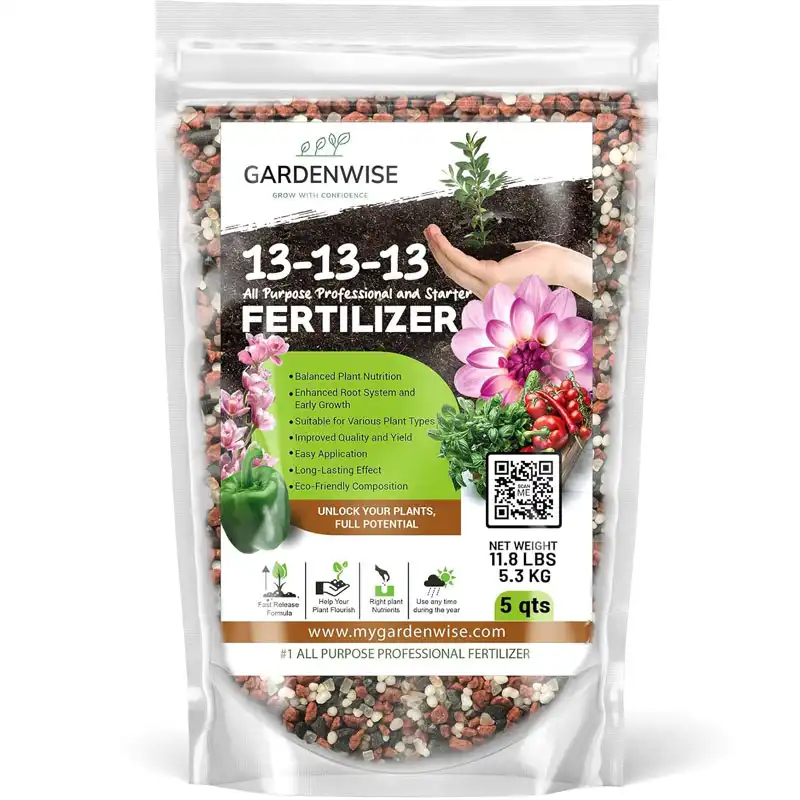
Gardenwise gives you slow-release feeding for less. Fine, even granules spread cleanly, and it feeds steadily for about eight weeks. The label lists clear rates for lawns, vegetables, flowers, and trees, so you are not guessing at the dose. The 10-pound bag covers more ground than most starter sizes.
- Pros: even granules, clear rates, bigger bag, low burn
- Con: no added micronutrients
- Best for: lawns and gardens on a budget
3. Pendelton Turf Supply 13-13-13
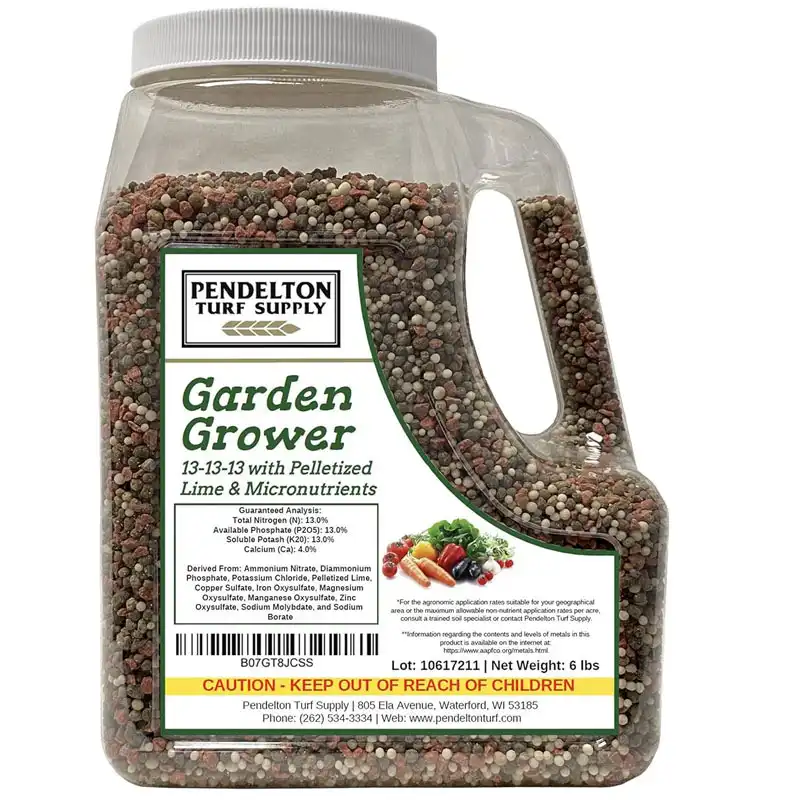
This one targets vegetable ground. It adds pelletized lime for calcium plus seven micronutrients: sulfur, iron, magnesium, manganese, copper, molybdenum, and zinc. The calcium supports fruit set and firmer plant structure, which tomatoes and peppers reward. It is quick-release, with detailed row rates for common garden crops.
- Pros: calcium plus a full micro package, detailed garden rates, strong for fruiting crops
- Con: quick-release needs careful timing and watering
- Best for: serious vegetable and fruit gardens
4. CZ Grain 13-13-13 Starter Fertilizer
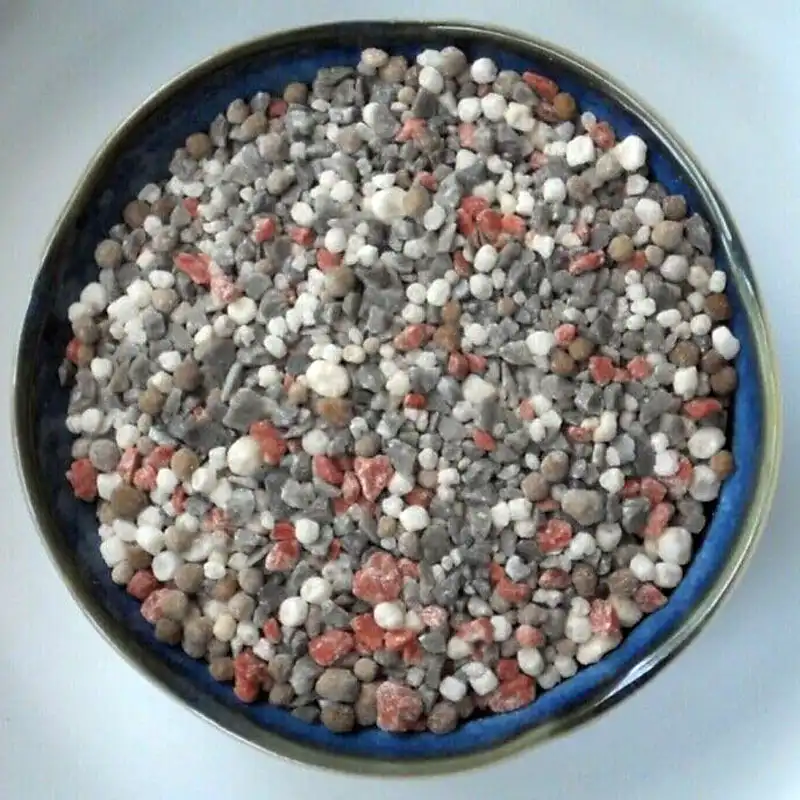
CZ Grain is a family-farm blend out of southern Iowa, set up as a starter. It targets new plantings, root growth, and seed development, and the granules also help condition the soil. It works across vegetables, root crops, lawns, and potted plants. And it spreads easily when you are setting up new beds.
- Pros: strong for new plantings, versatile, easy to spread
- Con: quick-release, not a long feed
- Best for: starting new beds and seedlings
5. Irrigation-Mart Super Rainbow 13-13-13
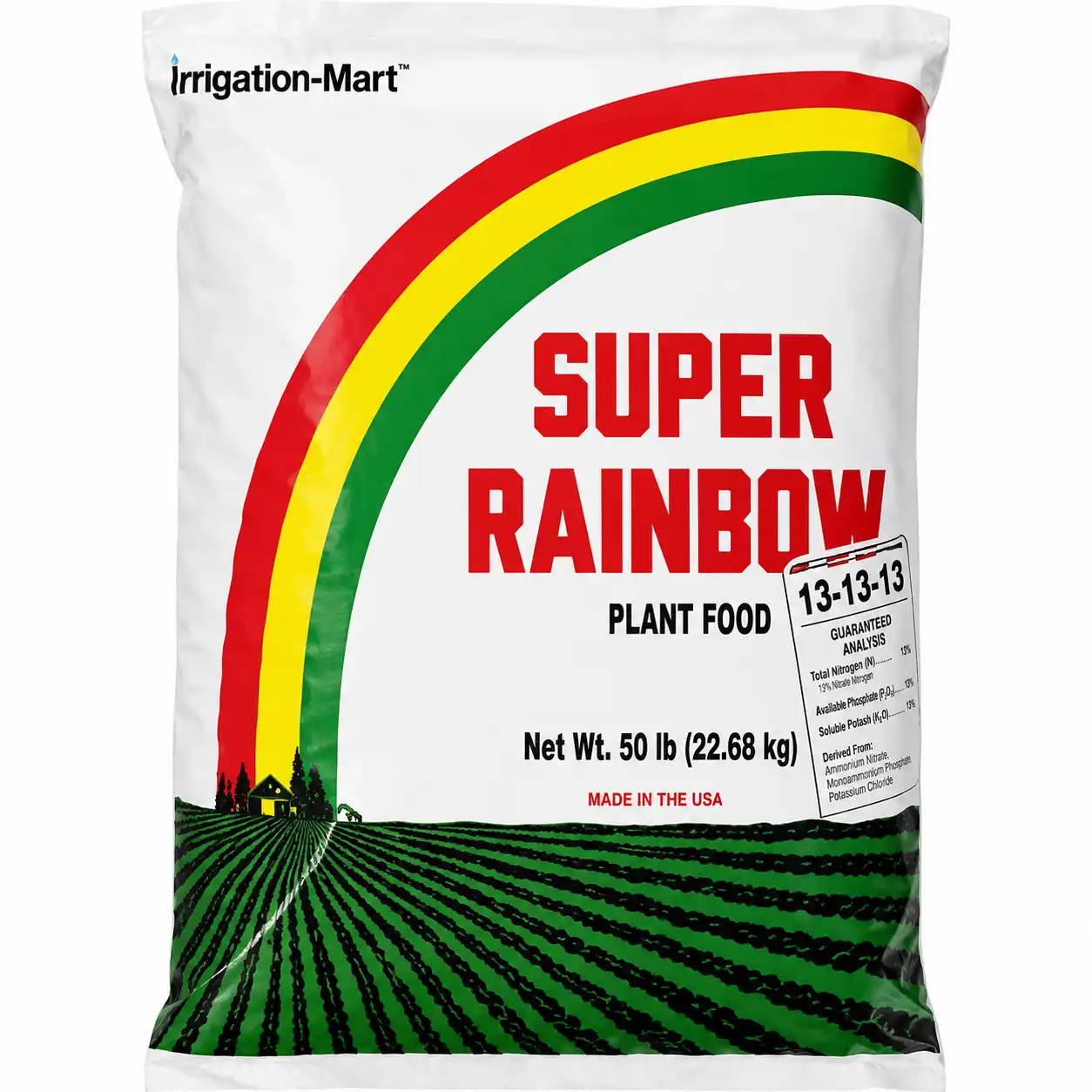
Super Rainbow is the field option, a 50-pound ag-grade bag of homogenous granules. Every granule carries the same ratio plus micros, so it spreads evenly whether you broadcast or band in-row. It runs standard-release, built for pastures, row crops, and large landscapes. It does contain ammonia, so handle and store it with care.
- Pros: homogenous granules, even field spread, micros included, bulk size
- Con: contains ammonia, handle with care
- Best for: farms, pastures, and large acreage
FAQs on Triple 13 Fertilizer
Is 13-13-13 fertilizer organic?
How long does 13-13-13 fertilizer take to work?
Can 13-13-13 fertilizer burn plants?
Is 13-13-13 good for tomatoes?
Is 13-13-13 good for fruit trees?
Does 13-13-13 fertilizer go bad?
How much 13-13-13 do I use per acre?
Bottom Line for Your Ground
Here is how triple 13 works up in zone 6a. Pull it out as a starter when a soil test shows nitrogen, phosphorus, and potassium all sitting low. Use it on new plantings that need a balanced push. For an established lawn, skip it and feed straight nitrogen. Test first, match the release type to the job, and this balanced blend earns its spot in the shed.