When to Plant Tomatoes in Missouri and Avoid Late Frost Mistakes
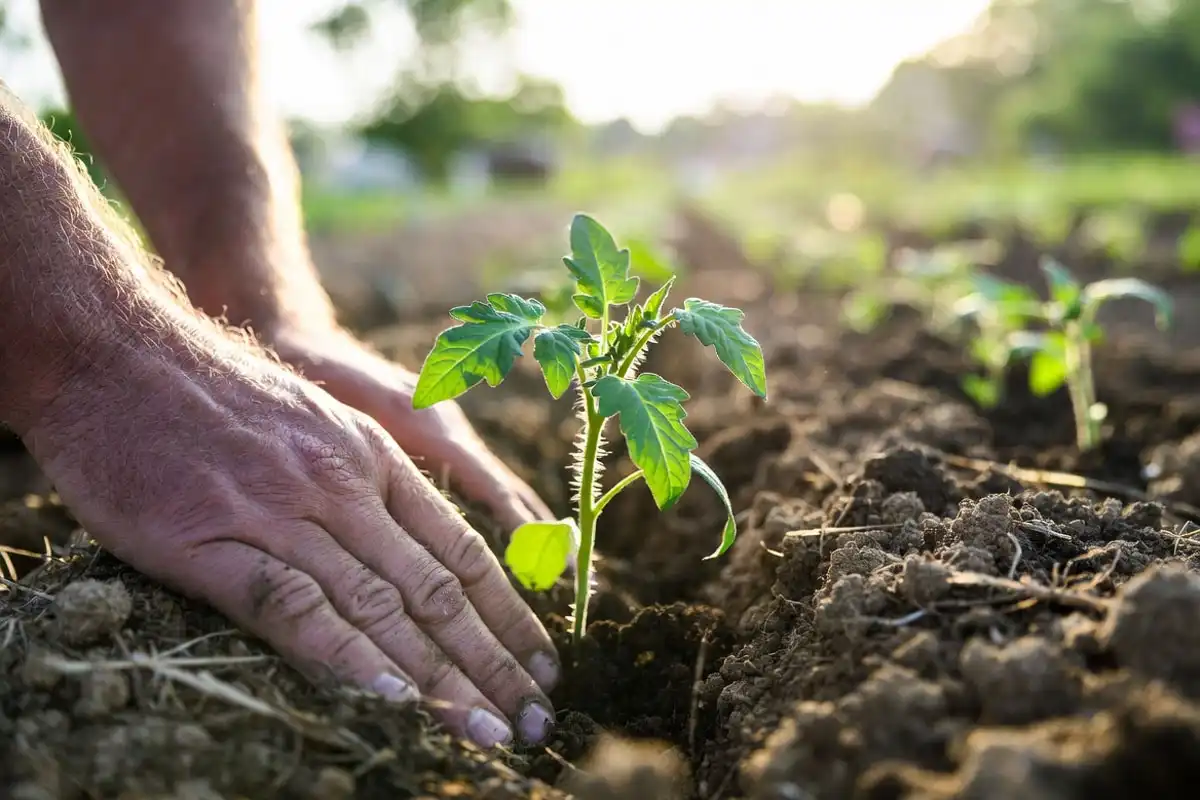
Tomato transplants go into Missouri soil after the last spring frost clears, and growers plant tomatoes only when soil temperatures reach at least 60°F at the root zone. This guide covers planting windows for every region of the state, when to start seeds indoors, how to prepare transplants, and what to do if a late frost threatens plants already in the ground. Whether you grow near Kansas City or farm the Bootheel, the planting dates and steps here give you a clear schedule to follow.
Most Missouri growers plant tomatoes by transplanting them between late April and mid-May. Northern Missouri: after May 10. Central Missouri (Columbia, Kansas City): April 20 to May 5. Southern Missouri (Springfield, St. Louis): April 1 to April 20. Bootheel region: late March to early April. Start seeds indoors 6 to 8 weeks before your transplant date. Soil temperature at 2 to 3 inches deep needs to reach 60°F before plants go in.
Also know best planting time for Washington State, Kansas, and California.
What Determines When Tomatoes Go in the Ground in Missouri?
Two factors set the planting date: last frost date and soil temperature.
Frost at 32°F damages tomato tissue. A hard frost at 28°F or lower kills transplants completely.
Soil below 55°F slows root development and causes transplant shock. Soil at 60°F or warmer supports healthy root growth from day one.
Missouri spans USDA hardiness zones 5b to 7a. This range produces different frost timelines from north to south across the state.
Learn more: Good Time to Plant Tomatoes? 7 Timing Rules
When Is the Last Frost Date in Missouri?
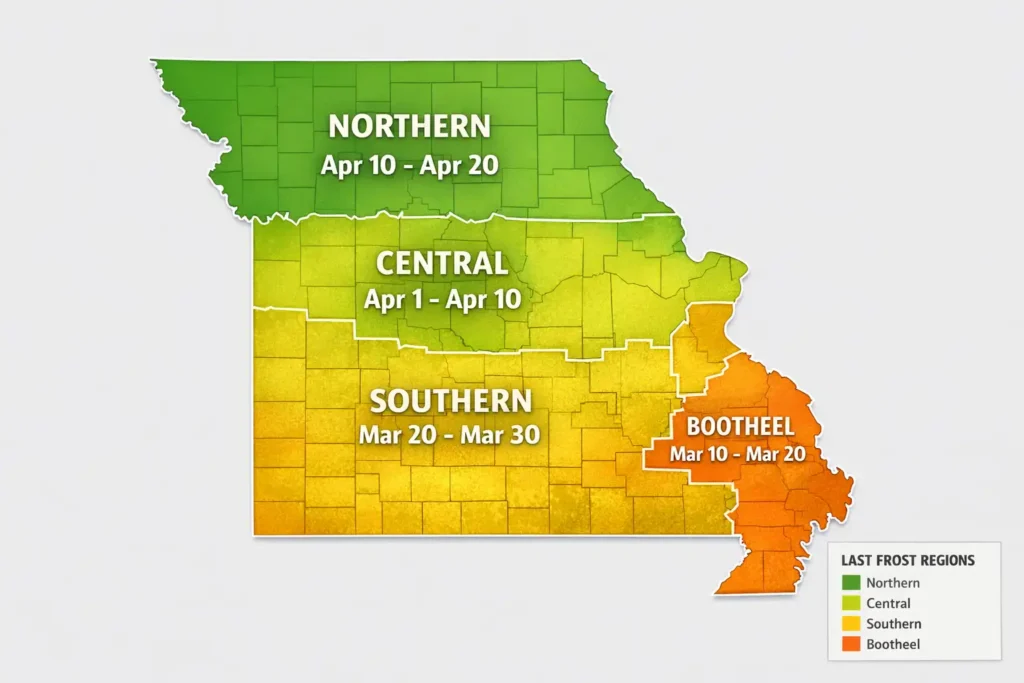
Frost dates vary by region. These averages reflect when spring frost risk drops low enough for outdoor planting:
- Northern Missouri (Kirksville, Macon, Chillicothe): last frost around May 1 to May 10
- Central Missouri (Columbia, Jefferson City, Kansas City): last frost around April 15 to April 30
- Southern Missouri (Springfield, Joplin, Poplar Bluff): last frost around April 1 to April 15
- St. Louis area: last frost around April 5 to April 15
- Bootheel region (Sikeston, Cape Girardeau): last frost around March 20 to April 1
These are averages, not guarantees. Cold snaps regularly occur after average last frost dates in Missouri. Check a 10-day weather forecast before committing transplants to the ground.
Your local Missouri Extension office provides county-specific frost date records. Use those alongside a seasonal planting calendar for your region to set firm planting windows.
When Should You Start Tomato Seeds Indoors in Missouri?
Tomato seeds need 6 to 8 weeks of indoor growth before going outside.
Count back from your target outdoor transplant date to build your seed-starting schedule:
- Northern Missouri: start seeds indoors between March 1 and March 20
- Central Missouri: start seeds between February 20 and March 10
- Southern Missouri: start seeds between February 10 and March 1
- Bootheel: start seeds as early as February 1 to February 15
Seeds germinate in 5 to 10 days when the growing medium stays between 70°F and 80°F. A heat mat placed under seed trays increases germination speed in cooler indoor environments.
Seedlings need 14 to 16 hours of light per day to build thick, healthy stems. Position a grow light 2 to 4 inches above seedlings to prevent the leggy growth that weakens transplants.
What Soil Temperature Do Tomatoes Need Before Transplanting?
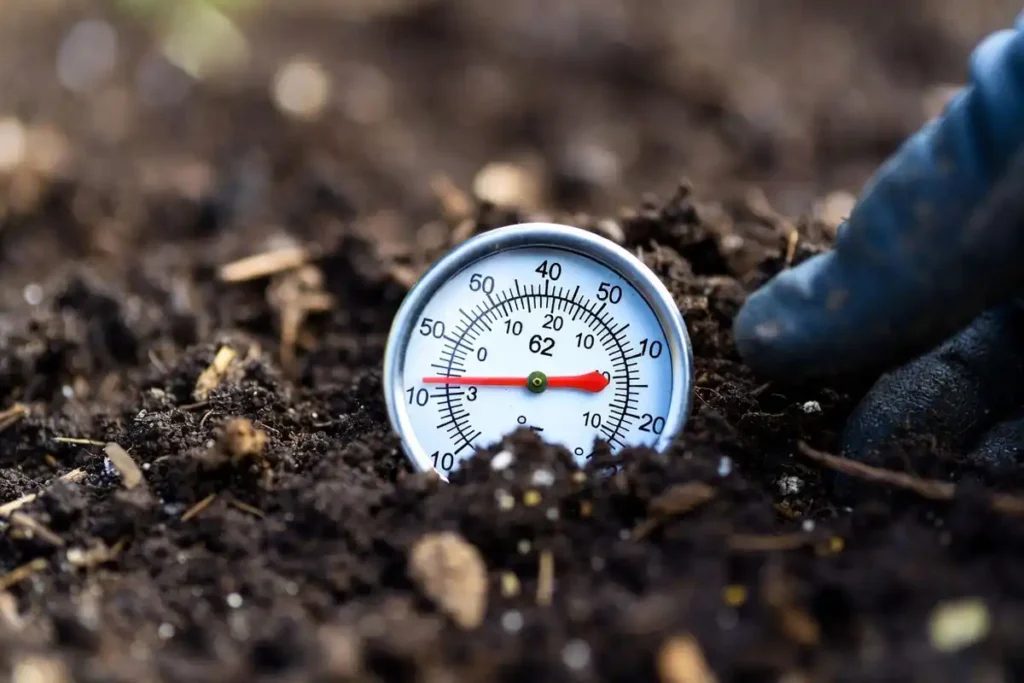
Tomatoes need soil temperatures of at least 60°F at the root zone before transplanting.
Surface soil warms faster than the root zone. A soil thermometer checks temperature at 2 to 3 inches deep, which reflects actual root conditions.
Take three readings across the planting bed in the morning and average the results. Morning temperatures give the most accurate baseline for the full day.
Knowing your baseline nutrient and pH levels also helps you prepare the bed before transplants go in. Testing your soil before planting gives you data to correct deficiencies ahead of time.
Cold, wet April conditions in Missouri keep root-zone soil below 55°F even when daytime air temperatures feel warm. Wait for two to three consecutive days of 60°F+ readings before planting.
How Do You Transplant Tomatoes in Missouri?
Transplant tomatoes on a cloudy day or in late afternoon. This reduces heat stress on freshly disturbed roots.
- Dig each hole 6 to 8 inches deep.
- Strip the leaves from the bottom two-thirds of the stem.
- Bury the stem so only the top two leaf sets remain above soil. Tomatoes produce roots along buried stem sections, which increases water and nutrient uptake.
- Space plants 18 to 24 inches apart in the row. Set rows 36 to 48 inches apart.
- Pour 1 quart of water directly into each hole before backfilling. This settles soil around roots and removes air pockets.
- Apply 2 to 3 inches of straw or wood chip mulch around each plant to hold moisture and suppress weeds.
For a full walkthrough on timing and technique, the general tomato transplanting process covers each stage in detail.
Install support structures at planting time, not after roots spread. Choosing the right support structure before planting avoids disturbing the root zone later.
How Do You Harden Off Tomato Transplants Before Planting?
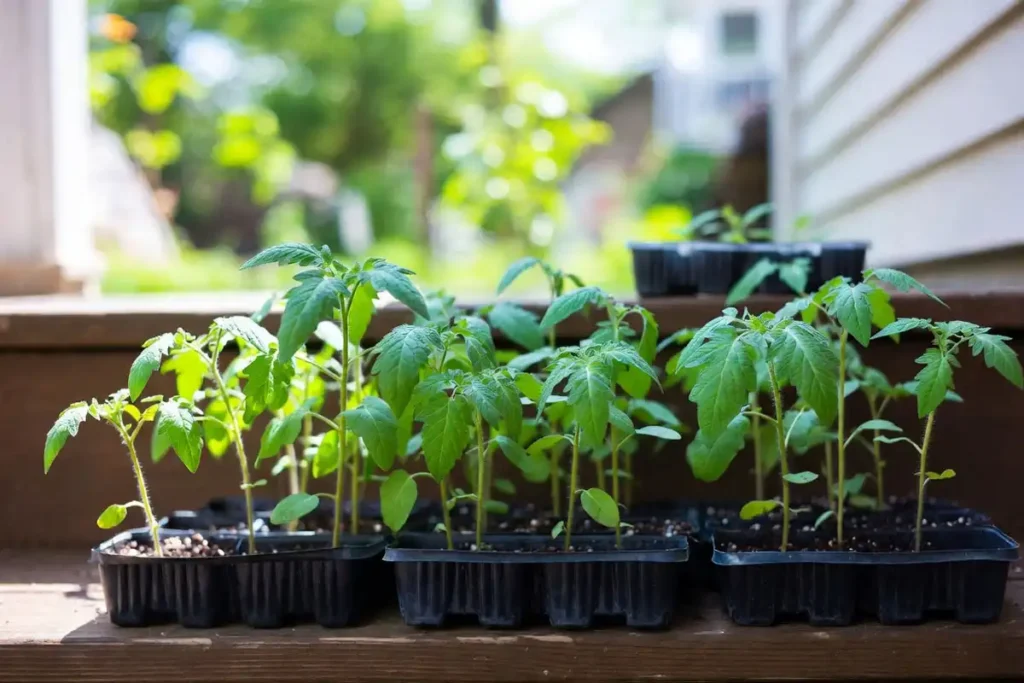
Hardening off prepares indoor-grown transplants for outdoor sun intensity, wind, and temperature swings.
Skipping this step causes leaf scorch, stem damage, and slow establishment after transplanting.
Start hardening off 7 to 10 days before your target planting date:
- Place seedlings outside in a sheltered, partly shaded location for 1 to 2 hours on day one.
- Increase outdoor exposure by 1 to 2 hours each following day.
- Introduce direct sun and wind exposure from day 5 onward.
- Leave plants outside overnight from day 8 onward when overnight temperatures stay above 50°F.
This step-by-step guide to hardening off field transplants walks through the process for different transplant sizes and weather conditions.
How Do You Protect Tomatoes from a Late Frost in Missouri?
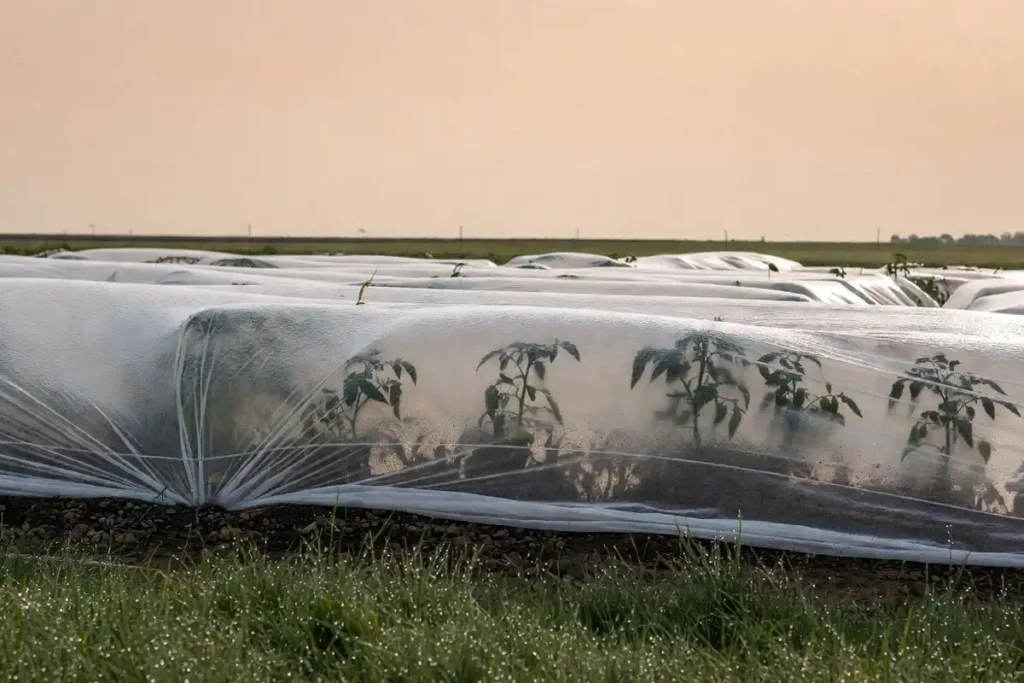
Late frost events occur through mid-May in northern and central Missouri counties. Protect transplants already in the ground when overnight temperatures drop below 35°F.
Floating row cover: provides 4°F to 6°F of frost protection and allows light and water through the fabric.
Wall-O-Water devices: protect individual plants down to 16°F when properly filled with water around the plant.
Inverted buckets or cloches: trap heat around single plants for light frost events at 28°F to 32°F.
Remove covers by mid-morning after a frost event. Covers left on past 10 AM trap heat and cause wilting on the same plants you protected overnight.
What Mistakes Do Missouri Growers Make With Tomato Planting Timing?
Planting too early. Missouri produces late cold snaps through early May in central and northern counties. One frost event after transplanting sets plants back two to three weeks.
Relying only on calendar dates. Average frost dates represent statistical midpoints, not guaranteed frost-free dates. Check a 10-day forecast before planting.
Ignoring soil temperature. Daytime air temperatures above 60°F in April do not guarantee warm soil at the root zone. Measure before planting, not after.
Skipping hardening off. Seedlings grown under grow lights indoors lack the cuticle thickness for outdoor sun. Direct transplanting without hardening causes leaf curl and slowed root establishment.
Planting at pot depth. Burying the stem deeper increases root mass and plant stability. Always leave only the top two leaf sets above the soil surface.
When Do Tomatoes Need the Most Water After Transplanting?
Tomatoes need consistent moisture from transplanting through fruit set.
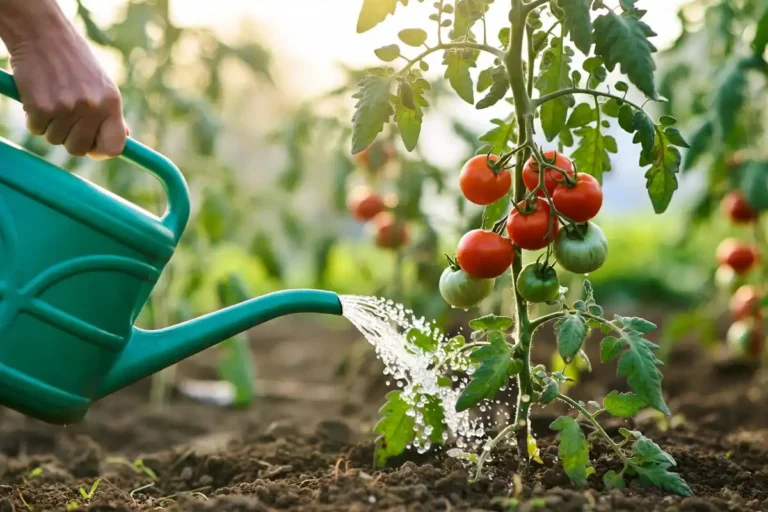
Water each transplant deeply at planting. For the first two weeks, water every 2 to 3 days. After establishment, water deeply once or twice per week depending on rainfall and heat.
How tomato water needs shift through the season explains the specific stages where moisture consistency has the most impact on fruit development.
Uneven watering after transplanting causes blossom end rot and fruit cracking. Consistent soil moisture from transplanting through harvest decreases both problems.
Conclusion
Missouri tomato planting runs from late March in the Bootheel to mid-May in the northern counties. The two variables that set your date are your region’s average last frost and soil temperature at the root zone. Start seeds indoors 6 to 8 weeks before your outdoor target date.
Harden transplants for 7 to 10 days before they go in the ground. Keep frost protection available through mid-May in central and northern Missouri to guard against late cold snaps.