What Is Brewers Rice? How It’s Made and Where It Comes From
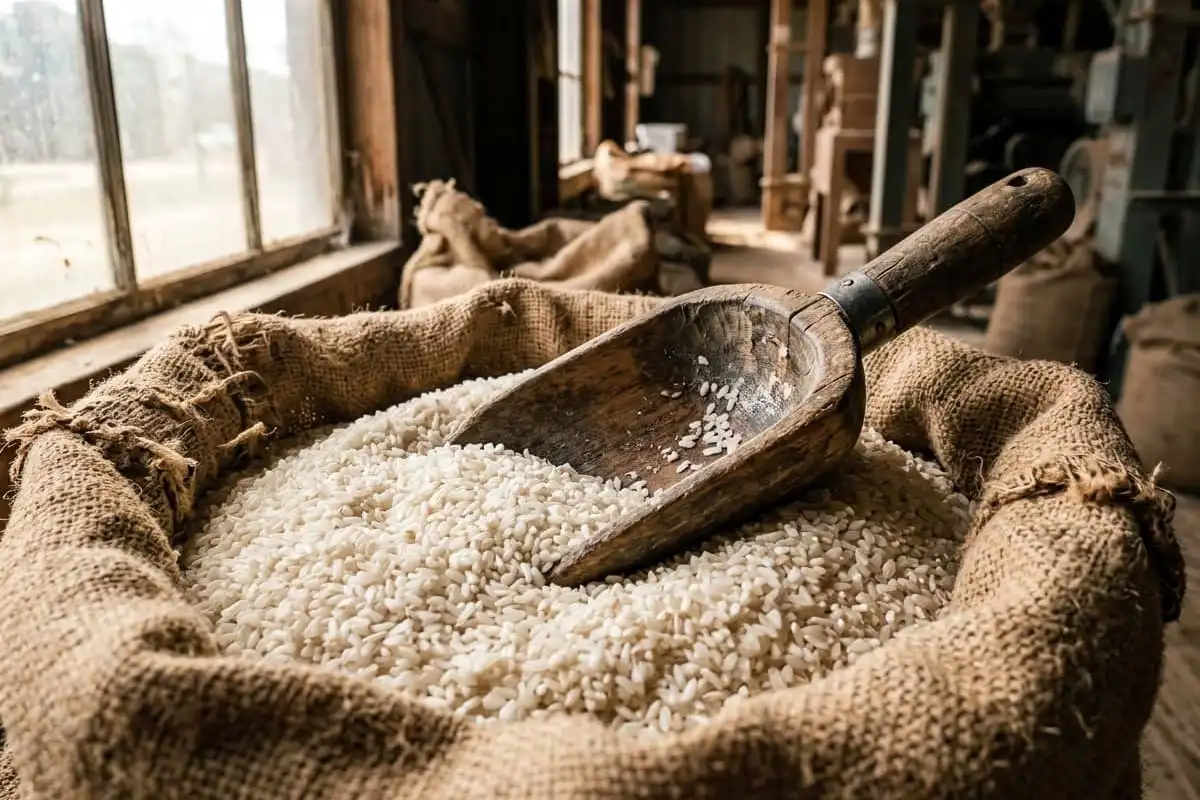
Row crops are common in Kansas, and brewers rice comes up in feed pricing discussions at co-ops. The term confuses a lot of folks. It shows up on beer labels, pet food bags, and livestock feed tags. Here is what brewers rice is.
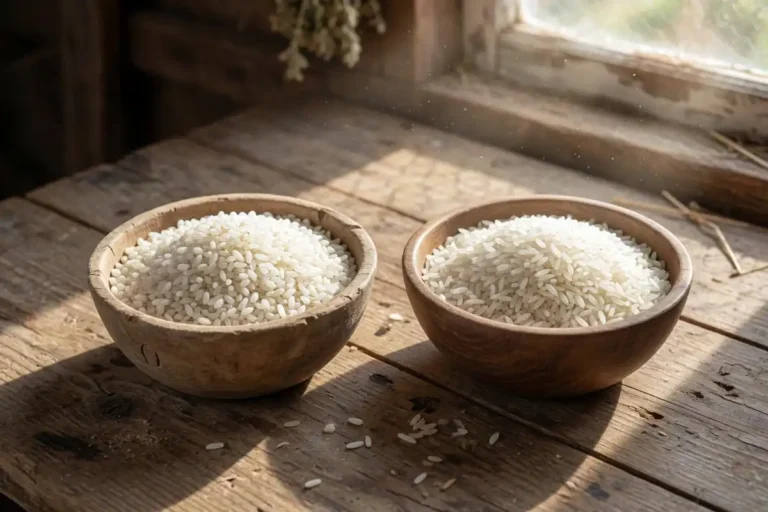
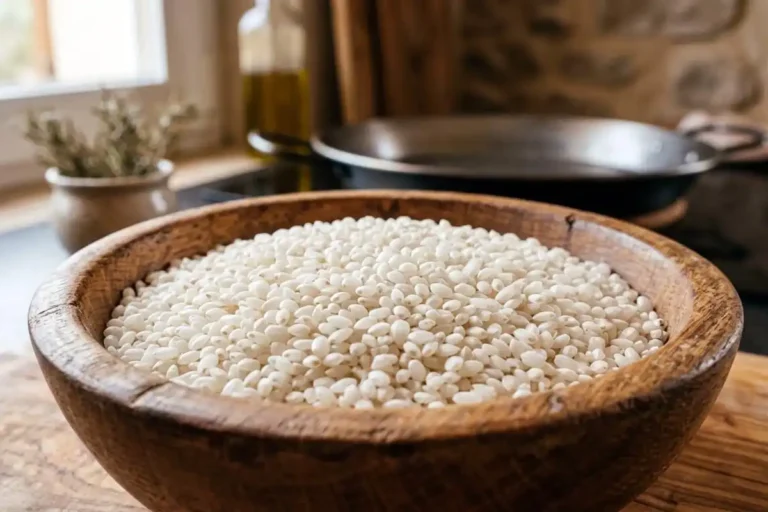
Brewers rice is the small, broken pieces of rice kernels separated during milling. Each fragment measures less than one-quarter the size of a whole rice grain. Brewers, pet food makers, and feed mills use it as a starch source.
What Brewers Rice Actually Is
Brewers rice is the broken kernel pieces that fall out when rough rice gets milled into whole grain. Each fragment measures less than one-fourth the size of a full kernel. The USDA classifies it as a milling co-product sorted by sieves during processing. It is not spoiled or damaged rice. It is sound rice that broke during hulling, polishing, or handling.
Mills also call it second heads, screenings, or brewers grade rice. American rice mills produce thousands of tons every year. Most of that volume comes from long-grain rice grown in the Mississippi Delta, with a smaller share from medium-grain varieties like Calrose rice grown in California.
How Rice Mills Produce Brewers Rice
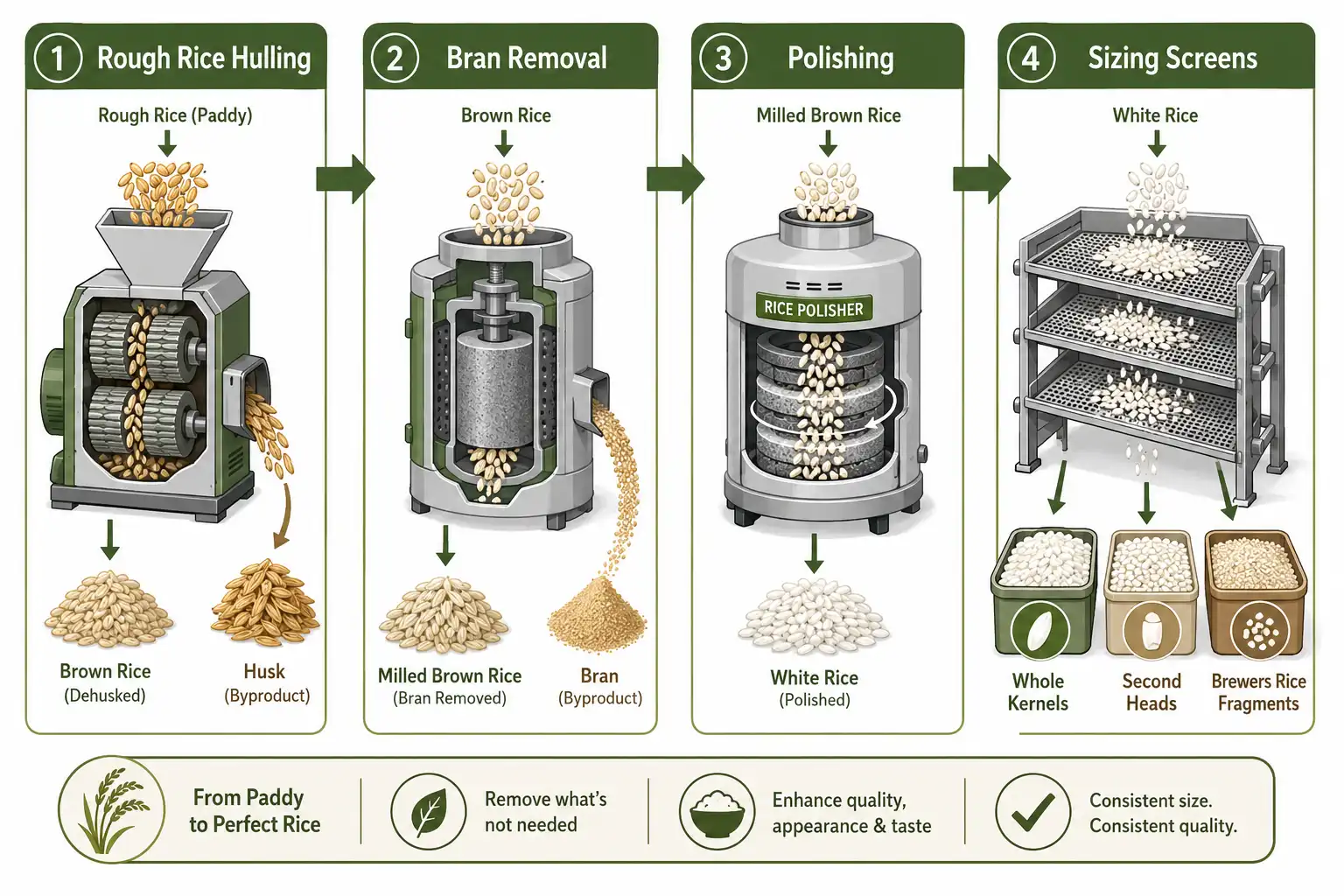
Brewers rice forms during the standard rice milling process. Rough rice arrives at the mill straight from the field. The hulls come off first. Next, rollers strip the bran layer through abrasion. Finally, the kernels pass through a series of sizing screens.
Whole kernels stay on top. Slightly broken pieces called second heads land below. The smallest fragments fall through as brewers rice. Mills sort these grades by length and weight using indented cylinders and gravity tables. The USDA Agricultural Marketing Service sets official grading standards for each size category.
Main Uses of Brewers Rice
Beer Brewing
The American beer industry buys the largest share of brewers rice. Major breweries like Anheuser-Busch have used rice as a starch adjunct since the late 1800s. The rice goes into the mash alongside barley malt. It contributes fermentable sugars without adding protein, color, or strong flavor.
Beer made with rice comes out crisp, light-bodied, and pale gold. Budweiser is the most famous example. Coors, Miller, and plenty of craft lagers also rely on rice adjuncts. Brewers prefer the broken pieces because they cook down faster and cost less per pound than whole rice.
Pet Food
Brewers rice is a common ingredient in dry dog and cat food. AAFCO, the Association of American Feed Control Officials, defines it as the dried, extracted residue of rice resulting from the manufacture of wort or beer. Most pet food labels apply the term to raw broken rice kernels too.
The ingredient delivers cheap, digestible carbohydrates. It cooks quickly, binds kibble together, and stores well. Some premium brands skip it in favor of whole grains. Others use it because the smaller particle size suits extruded pet food production.
Livestock Feed
Cattle, hog, and poultry operations buy brewers rice as an energy feed. The starch content runs around 70 to 75 percent on a dry basis. That puts it right in line with shelled corn. Dairy farms in rice-producing states often source it locally to cut feed costs. Brewers rice shows up on feed tickets at Kansas co-ops when supply runs tight on milo and corn.
Why Brewers Use Rice Instead of More Barley
Rice produces a cleaner, drier finish than all-malt beer. The starches convert to fermentable sugar with very little residual protein or polyphenols. That means less haze, lighter color, and a thinner mouthfeel. American macro lagers built their entire flavor profile around this trait.
Cost is the other factor. Brewers rice usually trades at a discount to malted barley per pound of fermentable extract. For a brewery making millions of barrels a year, that gap matters at the bottom line.
Nutritional Profile of Brewers Rice
Brewers rice is almost pure starch. A typical analysis shows about 89 percent dry matter, 7 to 9 percent crude protein, less than 1 percent fat, and very little fiber. The starch is highly digestible, which is why it works well in both brewing and animal feed.
The product lacks the bran layer, so it carries less vitamin B, less magnesium, and less fiber than brown rice. It is refined carbohydrate, plain and simple.
Brewers Rice vs Whole Rice
The only real difference between brewers rice and whole rice is kernel size. The chemical makeup is identical. Both come from the same field, the same plant, and the same milling run. Whole kernels head to grocery stores and food service. Broken fragments go to brewers, pet food makers, and feed mills.
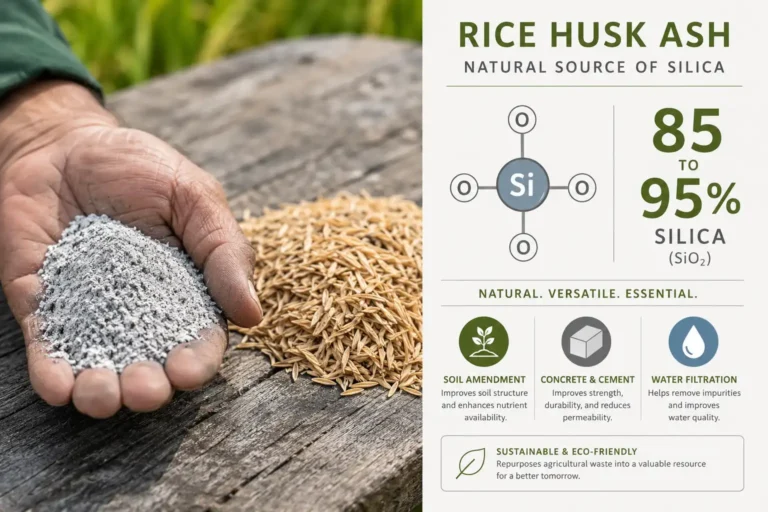
Some folks mix up brewers rice with rice flour or rice hulls. Rice flour is ground rice. Rice hulls are the outer husk removed before milling. Brewers rice sits between them as the broken endosperm itself. Specialty varieties such as basmati rice from India and Pakistan are grown for aroma and grain length, so they rarely end up as brewers grade.
Where Brewers Rice Comes From in the US
Most brewers rice in the United States starts in Arkansas. Arkansas grows about half the nation’s rice crop. Louisiana, Mississippi, Texas, Missouri, and California round out the top producing states. Long-grain varieties dominate the southern Mississippi Delta, while rice grown in California leans medium-grain.
The largest rice mills, including Riceland Foods and Producers Rice Mill in Arkansas, supply broken rice in bulk to breweries and feed manufacturers nationwide.
Is Brewers Rice a Quality Ingredient?
Brewers rice is the same rice as any other grade, just smaller. It meets the same food-safety rules as whole rice. The grade is sorted by size, not by quality. A bag of brewers rice from a major mill carries the same cleanliness and grading standards as a bag of long-grain on a grocery shelf.
The reason it sells for less is supply and demand. Mills produce broken rice as a byproduct, and the table-rice market does not want it. Brewers and pet food makers do. That mismatch keeps the price low and the supply steady.
Some buyers also want to know whether the rice is organic. Most brewers rice on the market is conventional, but organic versions exist for specialty feed and craft brewing. The decision tracks with the same factors that go into choosing organic rice for any other use.
FAQs about Brewers Rice
Is brewers rice safe for dogs?
Is brewers rice the same as broken rice?
Does brewers rice contain gluten?
Final Thoughts
For most farmers and shoppers, brewers rice is a behind-the-scenes ingredient. It keeps American lagers light, dog food affordable, and feed bunks full. The next time you see brewers rice on a label, you will know it is just broken rice doing useful work. If it ever lands on your feed ticket, price it against corn and milo on a starch basis and make the call from there.