How to Plant Sorghum in 8 Easy Steps for Higher Yield
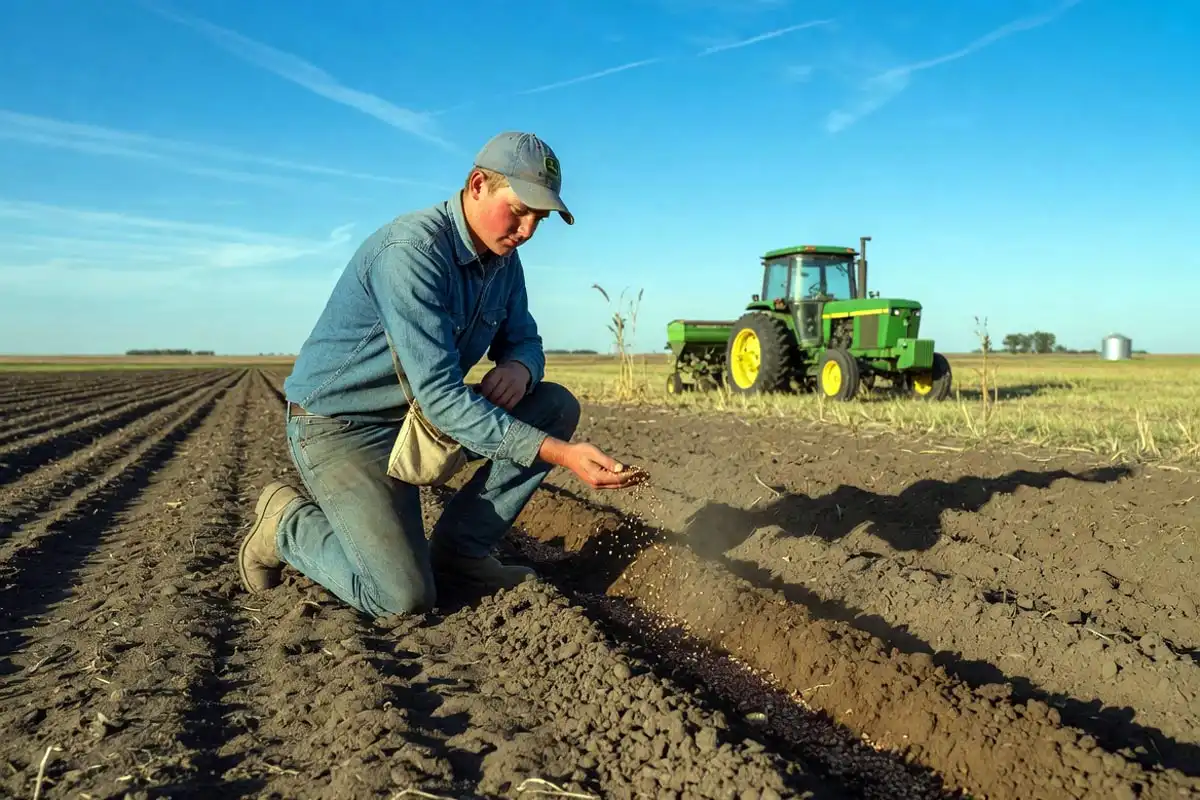
Sorghum grows best when planted into warm soil at 60°F or higher, drilled 1 to 1.5 inches deep, with 7 to 10 pounds of seed per acre. This guide walks you through soil prep, timing, seeding rates, and field care so you finish with a clean, even stand.
Plant sorghum after soil temperature reaches 60°F at the 2-inch depth. Drill seed 1 to 1.5 inches deep at 7 to 10 pounds per acre in 15 to 30-inch rows. Apply starter fertilizer based on a soil test, and control weeds before emergence.
What Is Sorghum?
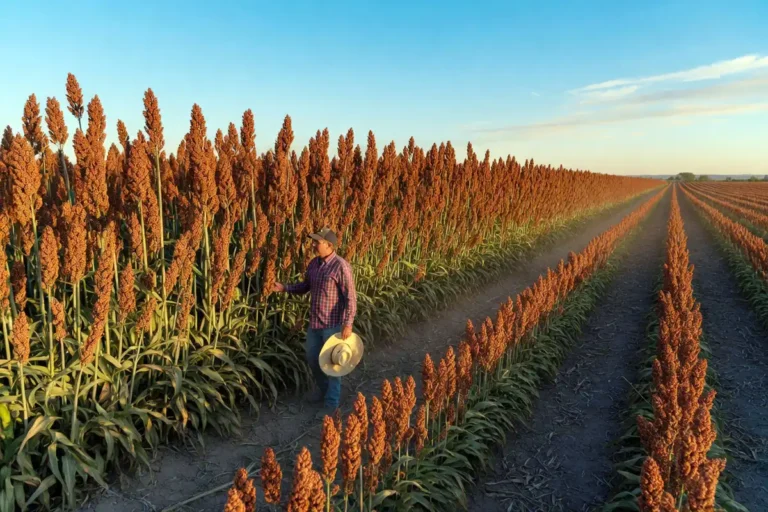
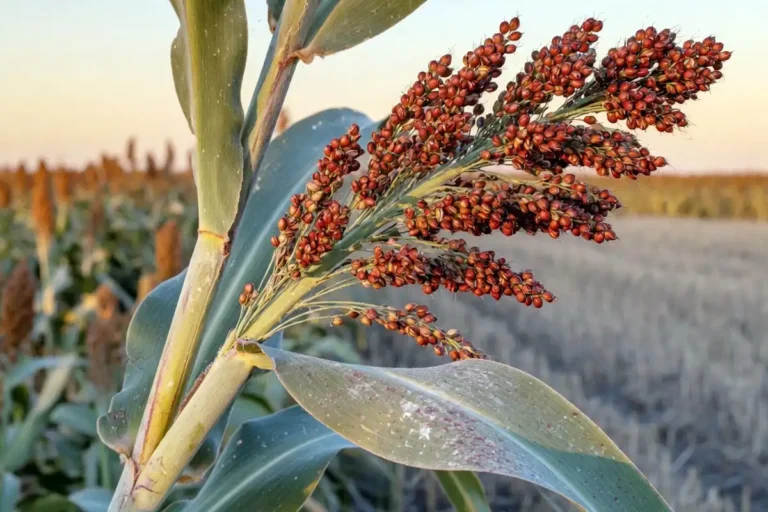
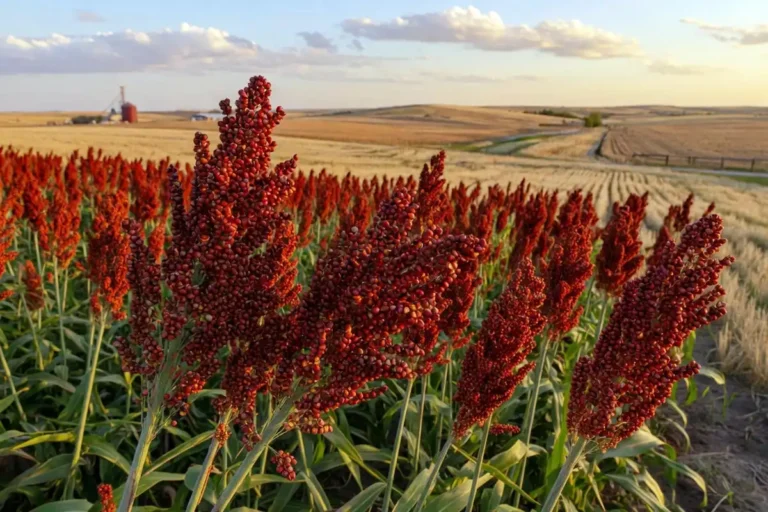
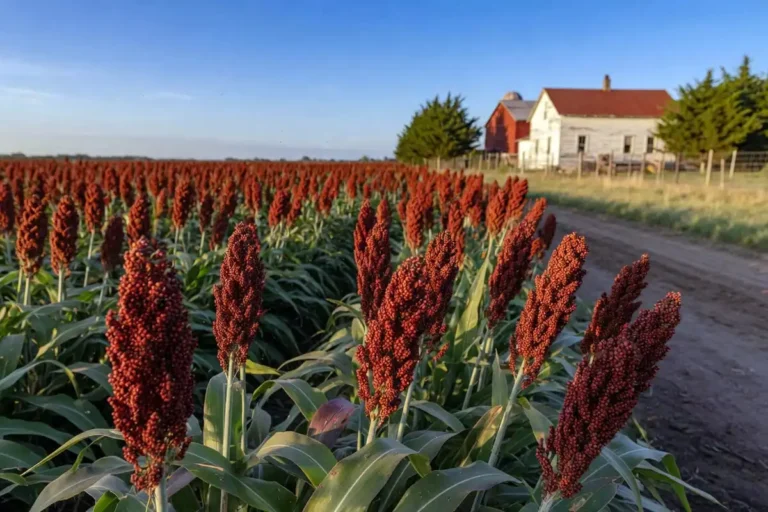
Sorghum is a warm-season cereal grain (Sorghum bicolor) grown for grain, forage, and silage. The crop handles heat and drought better than corn. Farmers in Kansas plant grain sorghum, also called milo, along with forage sorghum and sorghum-sudangrass hybrids. Each type needs a slightly different planting depth and seeding rate.
When to Plant Sorghum
Plant sorghum once soil temperature stays above 60°F at the 2-inch depth for three straight days. In Kansas, that window opens between May 10 and June 20 in most counties. Texas growers plant from late February through April. Cold soil rots the seed, so push the calendar.
Where to Plant Sorghum
Sorghum grows in well-drained loam or sandy loam with a soil pH between 5.8 and 7.5. Pick fields with full sun and at least 18 inches of usable rooting depth. Avoid waterlogged ground. The crop performs strongly across the central Great Plains, Texas, and the southeastern states.
How to Plant Sorghum: Step-by-Step
Step 1: Test the Soil
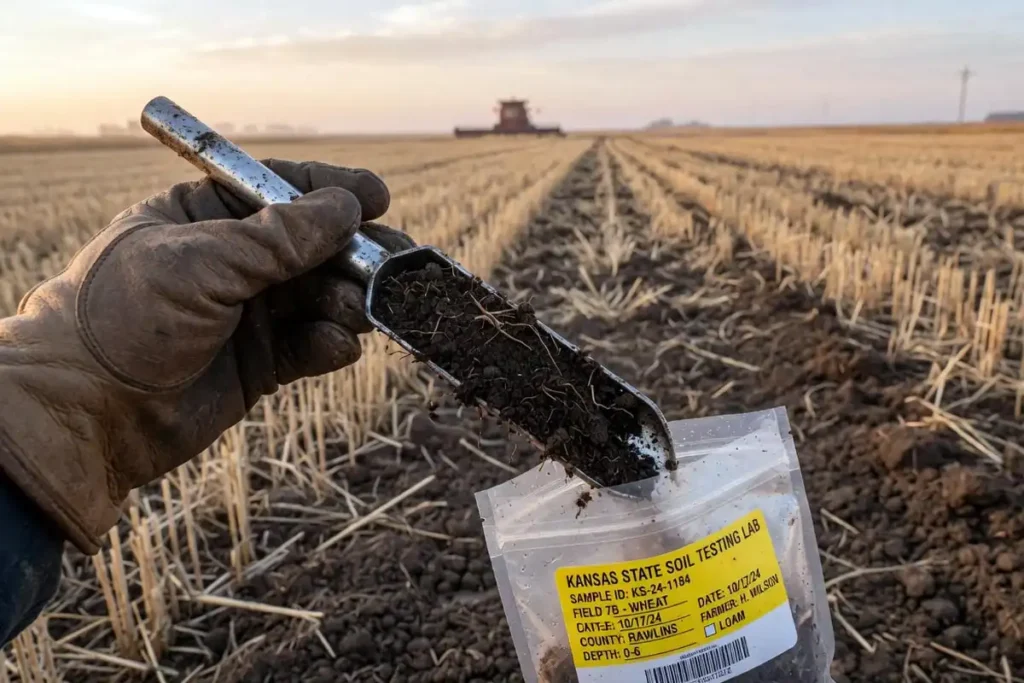
Pull soil samples 6 inches deep across the field. A solid soil test report gives you nitrogen, phosphorus, potassium, and pH numbers. Sorghum responds to balanced fertility, so the test pays for itself.
Step 2: Prepare the Seedbed
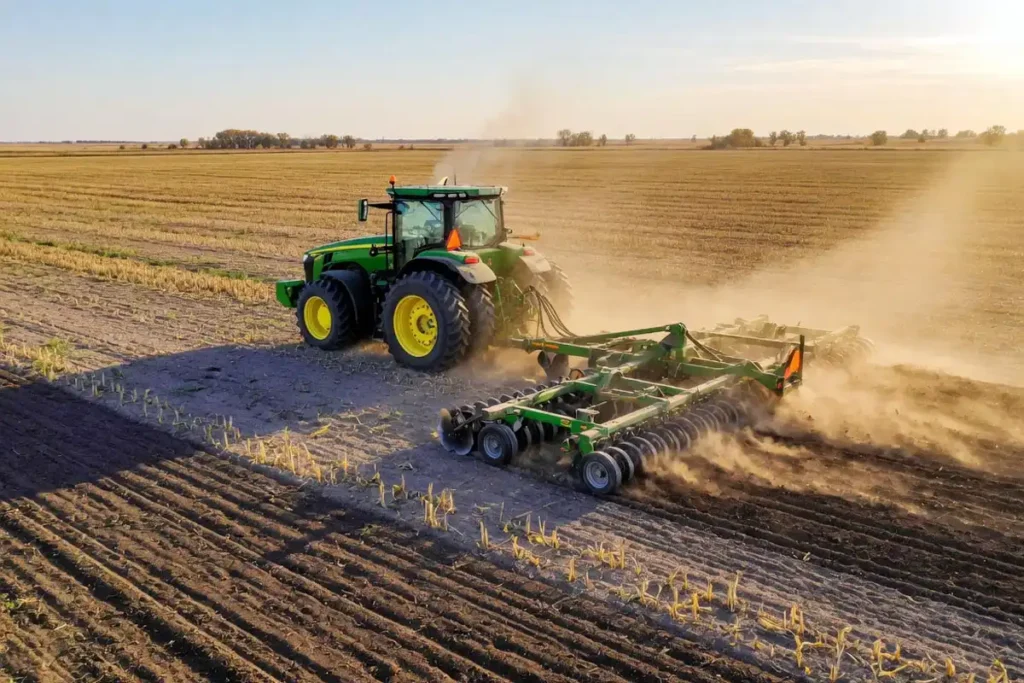
Disk or no-till plant into a firm, residue-managed seedbed. A firm seedbed holds moisture near the seed and supports even emergence. Pack loose ground if needed.
Step 3: Pick the Right Hybrid
Match hybrid maturity to your frost-free days. In Topeka, plant medium-maturity hybrids that reach black layer before October 1. Pick hybrids with proven sugarcane aphid tolerance, since aphid pressure has hit Kansas fields hard since 2013.
Step 4: Set Your Seeding Rate
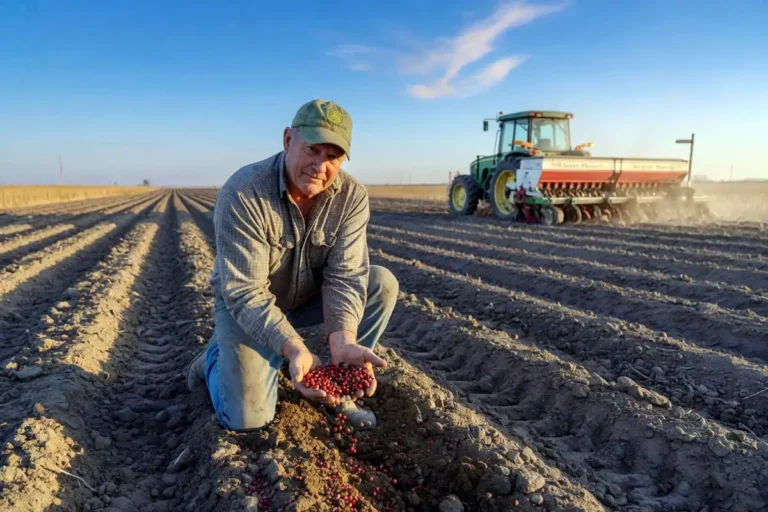
Drill 7 to 10 pounds per acre on dryland and 8 to 12 pounds on irrigated ground. Target 50,000 to 100,000 plants per acre depending on rainfall. According to K-State Research and Extension, seeding rates lower than population help the crop ride out drought.
Step 5: Plant at the Right Depth
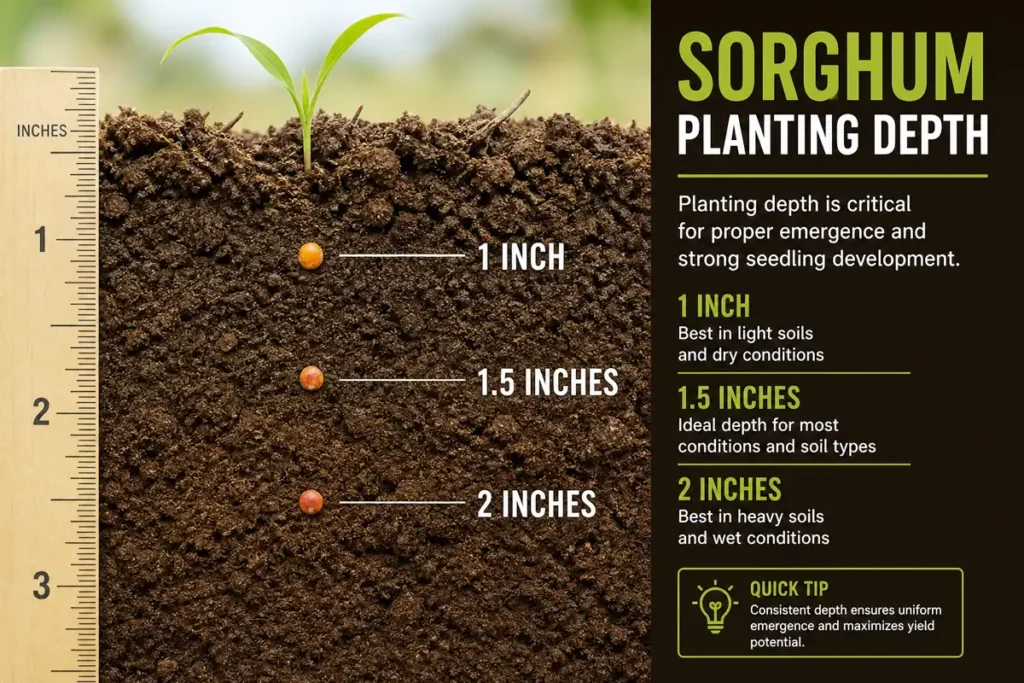
Drop seed 1 to 1.5 inches deep into moist soil. In sandy ground, push the depth to 2 inches to reach moisture. Shallow planting causes uneven stands and dry-out losses.
Step 6: Choose Row Spacing
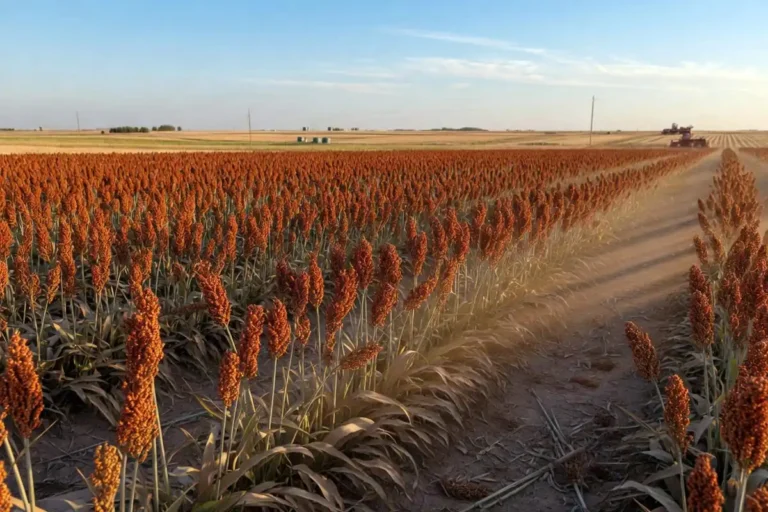
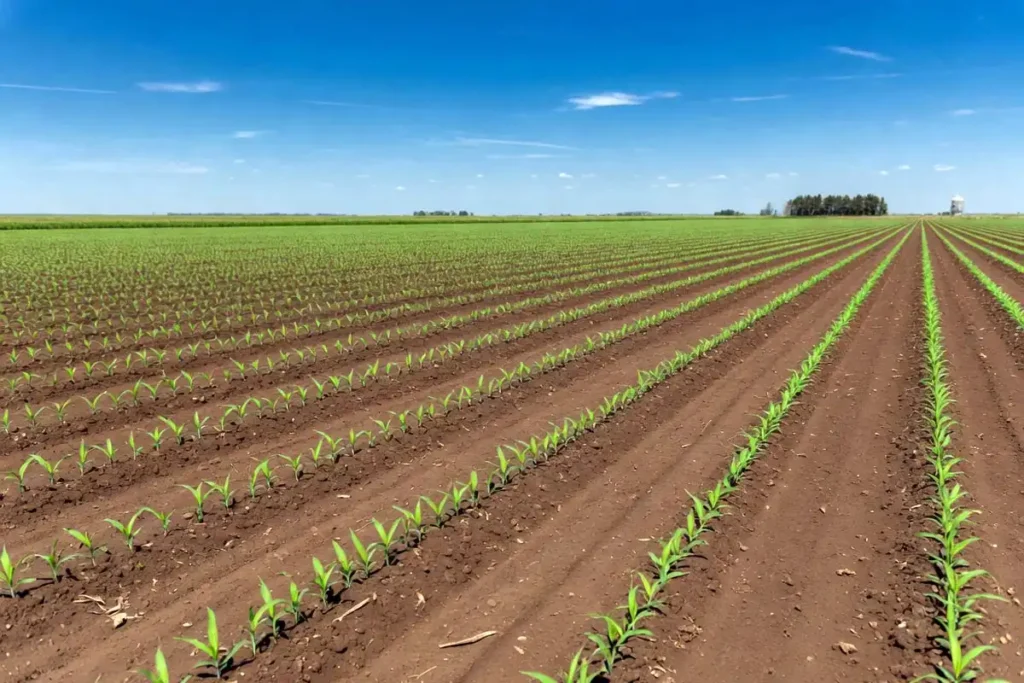
Use 15-inch rows for grain sorghum on dryland. Wider 30-inch rows fit forage and silage stands. Narrow rows close the canopy faster and shade weeds out.
Step 7: Apply Starter Fertilizer
Band 30 to 60 pounds of nitrogen near the row at planting. Add phosphorus and potassium based on the NPK fertilizer plan from your soil test. Side-dress more nitrogen at the 6-leaf stage if rainfall has leached the early band.
Step 8: Control Weeds Early
Apply a pre-emerge herbicide labeled for sorghum the day of planting. Atrazine plus a Group 15 product gives me the cleanest fields. Scout at 14 days for escapes and follow up with timely weed control passes.
Common Sorghum Planting Problems
Poor germination: Cold or crusted soil traps seedlings. Wait for warmer ground and rotary hoe a crust before sprouts break through.
Skippy stands: A worn drill or wrong seed plate drops uneven populations. Calibrate the planter before every field.
Seedling disease: Treat seed with a fungicide blend and use a crop rotation plan to break disease cycles.
Mistakes to Avoid
- Planting before soil hits 60°F
- Burying seed deeper than 2 inches
- Skipping a soil test
- Using corn herbicides not labeled for sorghum
- Ignoring sugarcane aphid scouting
Safety Notes
Read every chemical label twice. Wear nitrile gloves, goggles, and long sleeves when handling herbicides or treated seed. The USDA NRCS recommends storing treated seed away from livestock and children. Wash hands before eating.
FAQs on Planting Sorghum
How deep do you plant sorghum seed?
How many pounds of sorghum seed per acre?
Can I plant sorghum after wheat?
How long does sorghum take to grow?
Does sorghum need fertilizer?
Last Notes
Plant sorghum into warm, firm soil at the right depth, seeding rate, and starter fertility. Stay on top of weed control and aphid scouting from the first leaf forward. Follow these steps and you finish with a strong, even stand ready for a productive season on your farm.