What Is Onyx Sorghum? A Complete Guide to the Black Hybrid
Onyx sorghum is a black-grained hybrid sorghum developed by Texas A&M University in 2012, bred through traditional cross-pollination for high tannin and anthocyanin content. This guide covers what Onyx is, where it came from, how it grows, how it’s used, and how it compares with regular grain sorghum.
Onyx sorghum is a black grain sorghum hybrid created by Texas A&M AgriLife sorghum breeder Bill Rooney. It combines ancient black and high-tannin sorghum lines into one plant. The dark pigment carries 3-deoxyanthocyanins and tannin antioxidants, and the grain is grown on contract mainly for the food market, especially Grain Berry cereals.
What Is Onyx Sorghum?
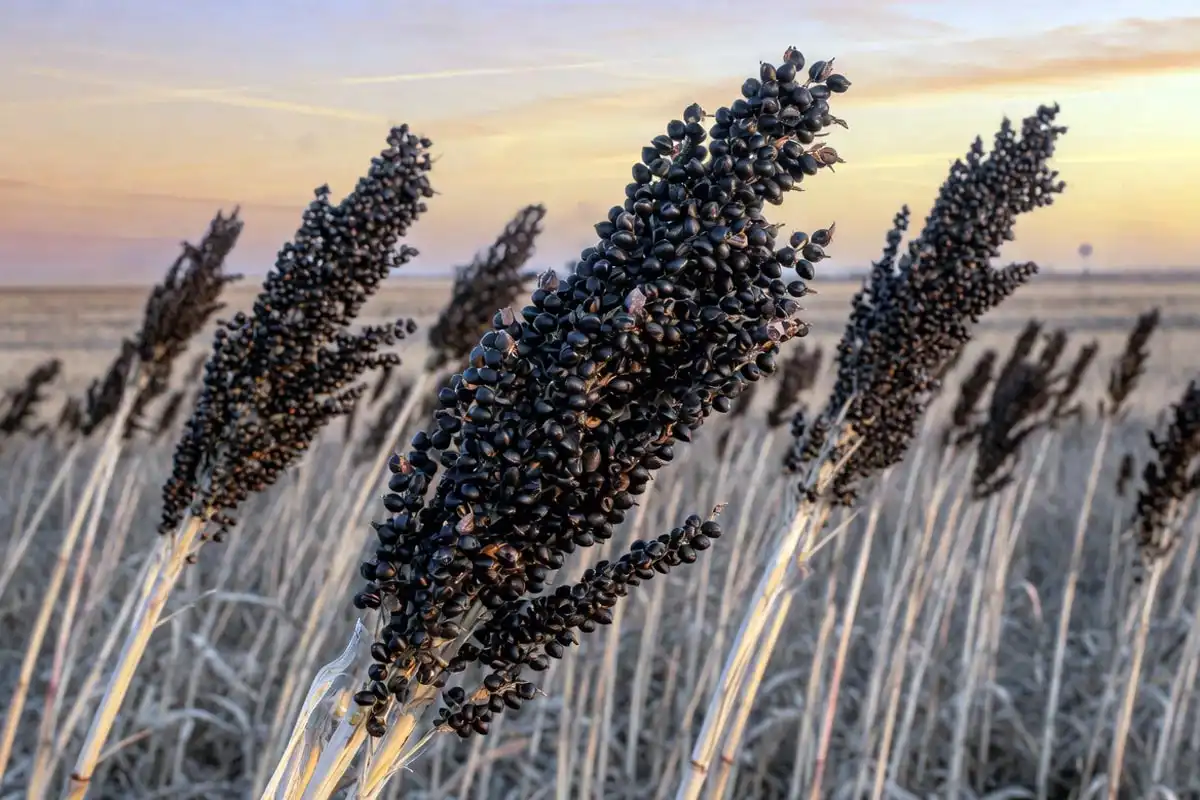
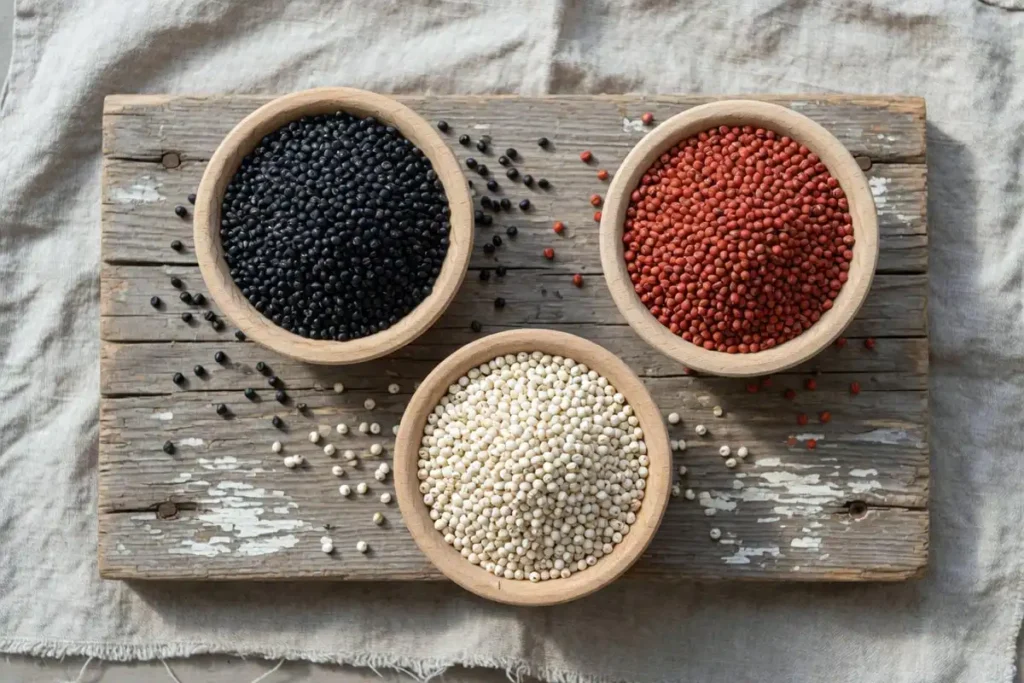
Onyx sorghum is a food-grade hybrid of Sorghum bicolor with a deep black pericarp. The breeder combined two traits in a single plant: the black-seed gene and the high-tannin trait. That pairing gives the grain a higher concentration of natural antioxidants than common red, white, or bronze sorghum.
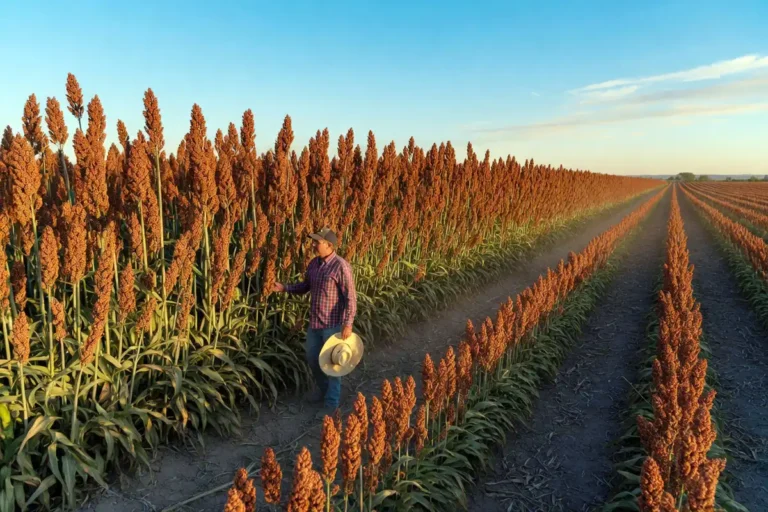
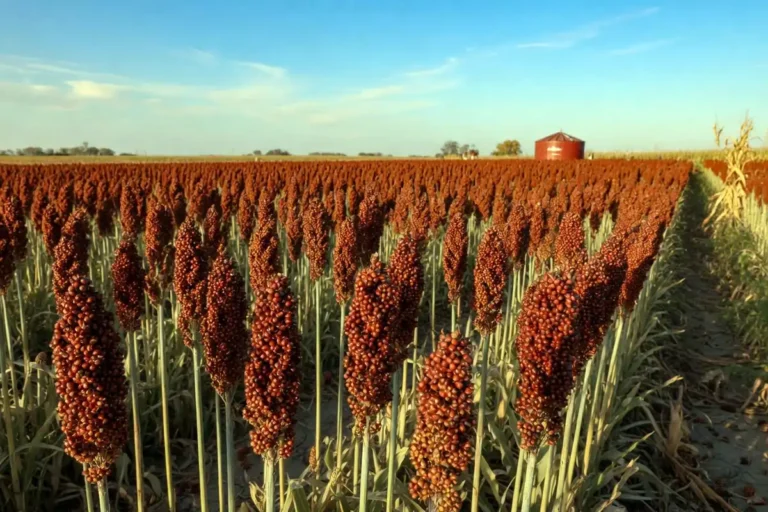
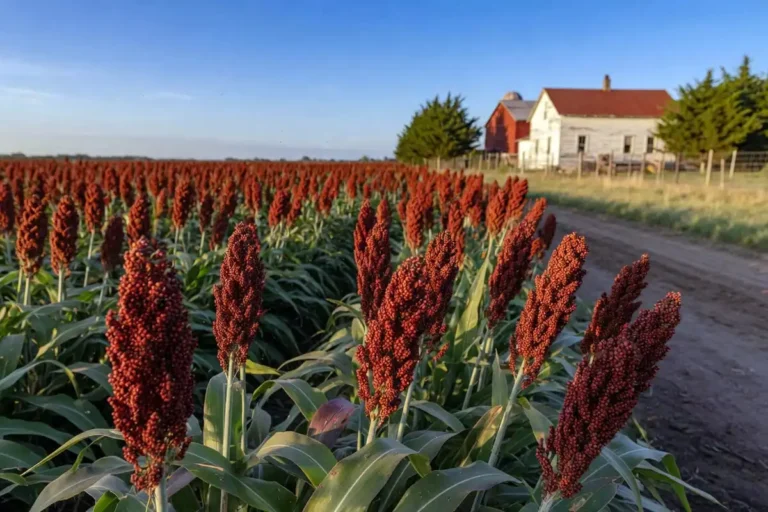
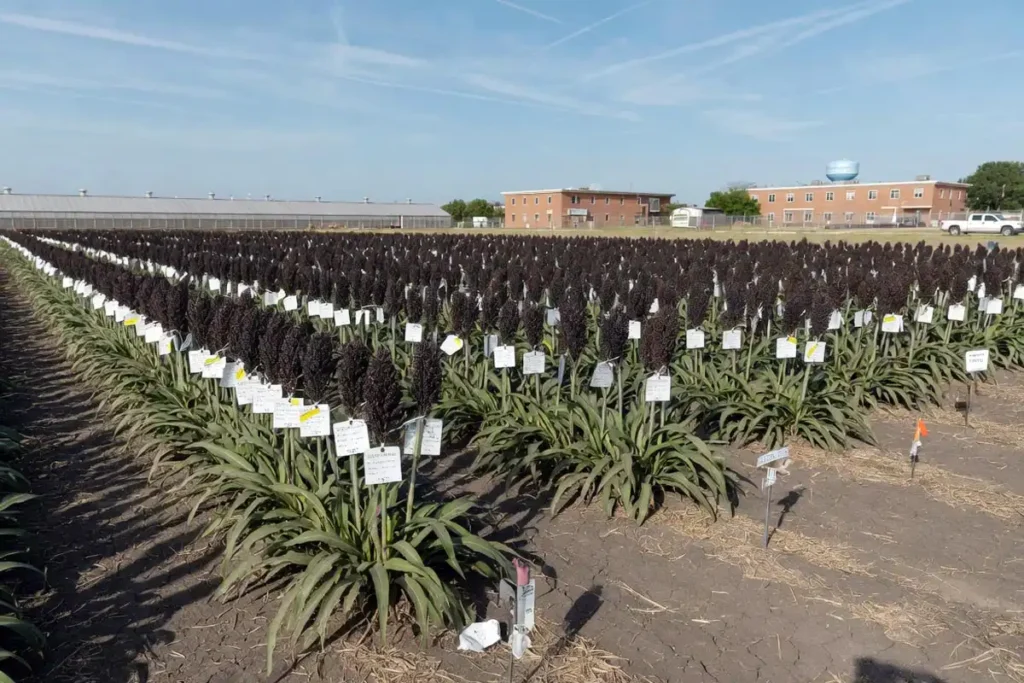
The plant looks like other grain sorghum hybrids in the field. The same upright stalks, panicles, and leaves you’d see in a Kansas milo field. The difference shows up at heading, when the developing seed turns dark in response to sunlight. Texas A&M’s Bill Rooney compared it to a suntan: cover the head with a paper bag and the grain stays pale.
It is not genetically modified. The hybrid came from roughly a decade of conventional plant breeding inside the AgriLife program, working with natural variation already present in their sorghum collection.
Where Did Onyx Sorghum Come From?
The variety traces back to interest in black and high-tannin sorghums in the late 1990s and early 2000s. Researchers in the Texas A&M AgriLife Cereal Quality Lab measured antioxidant levels in dark-pigmented sorghum lines and found very high values. Rooney’s program then bred toward a commercial hybrid that paired both traits.
Texas A&M licensed Onyx exclusively to Silver Palate Inc., the company behind the Grain Berry brand. Onyx2, a follow-up hybrid with about 25% better yield, was later released to address yield concerns from the original line. Like other grain sorghum production, the original Onyx fell short of standard commercial hybrid yields, so growers receive a premium per bushel.
Where Is Onyx Sorghum Grown?
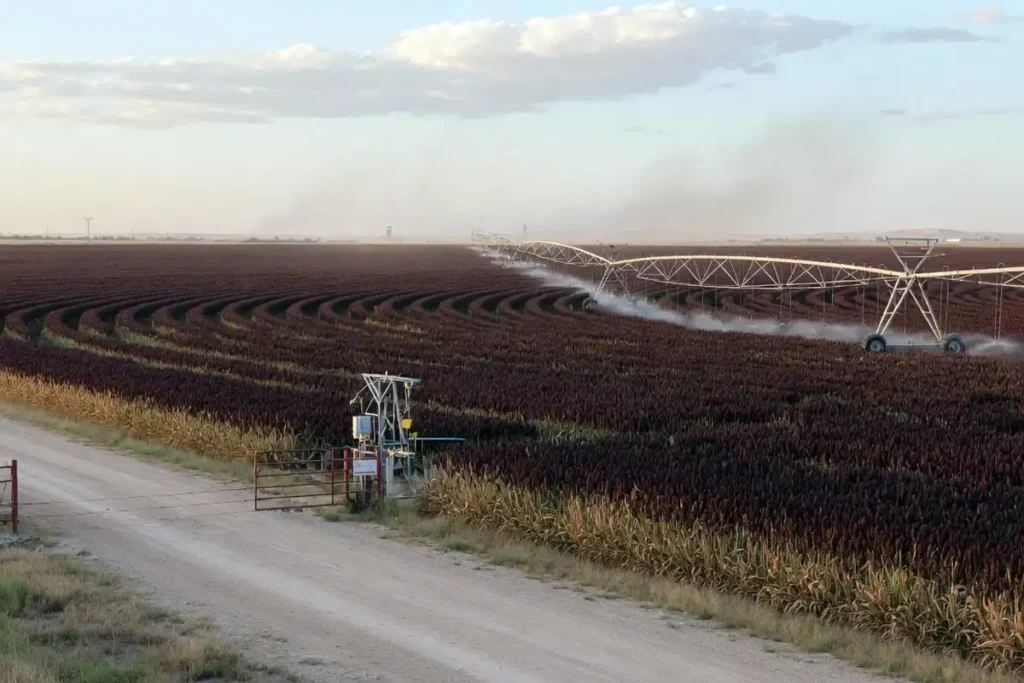
Onyx is grown under contract on the Texas High Plains, with grain shipped to processors like the ADM facility in Dodge City, Kansas. It is not part of the open commercial sorghum market. A grower like Glenn Schur of Plainview, Texas, plants Onyx on irrigated acres in early June and sells the entire crop to Grain Berry.
Food-grade sorghum still represents a small slice of total U.S. sorghum acres, but the niche has room to grow as more consumers look for whole-grain, gluten-free options.
How Onyx Sorghum Is Grown
Production practices look very similar to standard grain sorghum:
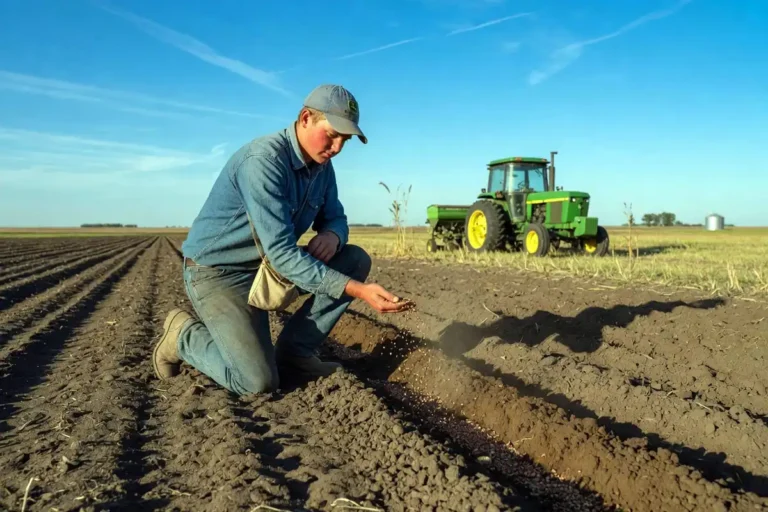
- Planted in late May to early June in the Southern Plains
- Irrigated under center pivot on most contracted acres
- Same weed and insect control programs used for grain sorghum
- Harvested with a combine once grain moisture drops to safe storage levels
Because the contract requires identity preservation, growers run cleaner harvest equipment and segregated bins to keep Onyx separate from other crops in the rotation. A solid crop rotation plan, often with cotton, helps with disease and weed pressure.
How Is Onyx Sorghum Used?
Onyx is used almost entirely in human food, including:
- Grain Berry whole-grain cereals (toasted oats, bran flakes style, others)
- Pancake and baking mixes
- Pastas
- An ingredient additive marketed as Grain Berry Onyx for soups, baked goods, and gluten-free foods
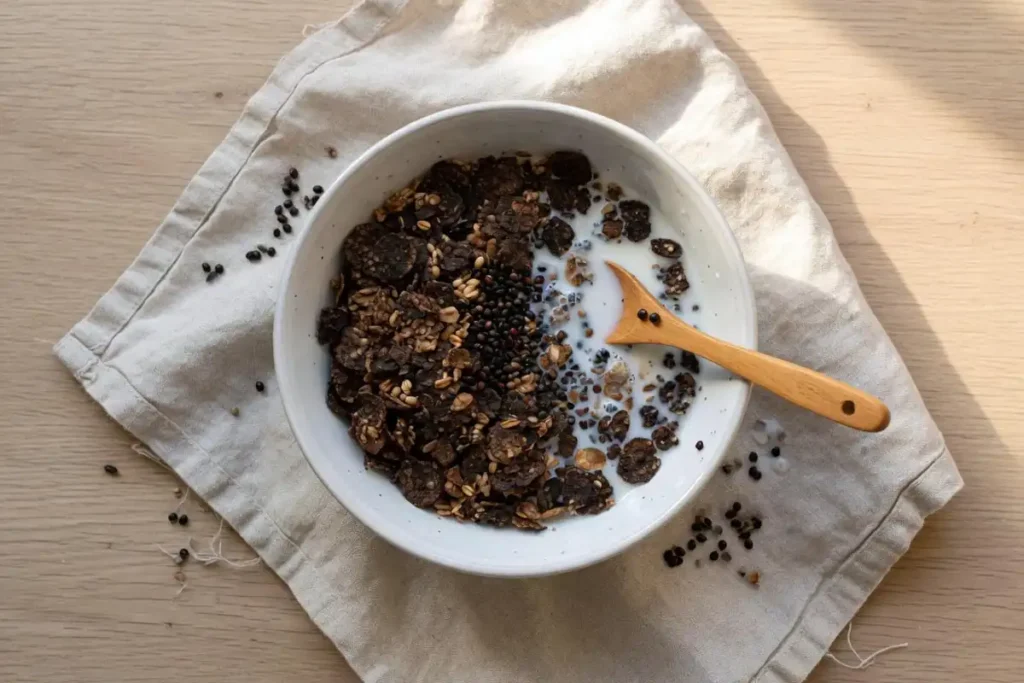
The grain is milled into flour or used as bran. The bran fraction concentrates the antioxidants and is added back to multi-grain blends.
Onyx Sorghum vs Regular Sorghum
Regular grain sorghum is mostly white, red, or bronze, with low tannin levels and a mild flavor. It feeds livestock, fuels ethanol plants, and shows up as flour or whole grain in some food aisles.
Onyx differs in three ways:
- Color. A black pericarp from a developed pigment response to sunlight.
- Tannin level. Much higher tannin content than standard food-grade sorghum.
- Market path. Sold on contract at a premium for cereal and specialty food, not on the open commodity market.
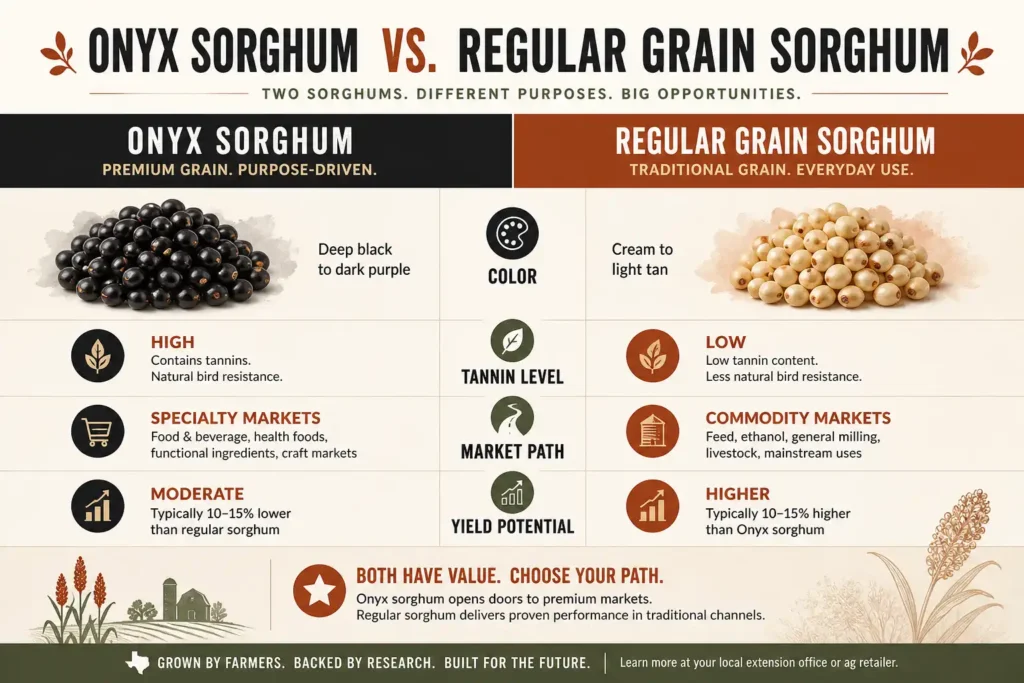
Yield potential remains lower than commercial hybrids, which is why farmers receive contract premiums to plant it.
Nutrition and Health Notes
Onyx sorghum is whole grain, naturally gluten-free, and rich in anthocyanins and tannins. According to the USDA Agricultural Research Service, sorghum brans with high-tannin content rank among the highest antioxidant grains tested. Onyx also has a slow-digesting starch profile, which can lead to a gentler blood sugar response than refined grains.
A few practical points to keep in mind:
- Tannins can reduce iron absorption when the diet leans heavily on high-tannin foods. For most people eating a varied diet, this is a minor concern.
- Some readers report digestive sensitivity to the high fiber and tannin load. Starting with smaller servings can help.
- Antioxidant claims based on ORAC values are useful as a comparison, but human health benefits depend on overall diet quality.
Mistakes to Avoid
- Treating Onyx like ordinary grain sorghum at sale time. It only earns its premium through a signed contract.
- Mixing Onyx grain with other sorghum during harvest or storage. That contamination breaks the food-grade identity.
- Assuming any black sorghum is Onyx. Other dark sorghum lines exist, but Onyx is a specific licensed hybrid.
Storage and Handling
Onyx is stored like any other grain sorghum: clean bins, target moisture below 13%, and aeration to prevent hot spots. Good post-harvest grain storage protects both quality and the contracted premium. Insects and mold cause the same problems they do in milo, so the same monitoring schedule applies.
FAQs
Is Onyx sorghum genetically modified?
Is Onyx sorghum gluten-free?
Can any farmer grow Onyx sorghum?
Where can I buy Onyx sorghum?
Does Onyx sorghum taste different from regular sorghum?
Final Thoughts
Onyx sorghum sits in a small but interesting corner of grain farming. It pairs an old breeding goal, dark pigments and high tannins, with modern interest in antioxidant-rich whole grains. For growers, it is a premium contract crop with extra handling. For eaters, it is a different way to get sorghum into the diet, mostly through Grain Berry products. Either way, it is a clear example of how plant breeding programs at land-grant universities continue to open new markets for an old grass crop.