Is Milo the Same as Sorghum? Differences Explained
Milo is a type of sorghum, specifically grain sorghum (Sorghum bicolor). All milo is sorghum, but not all sorghum is milo. The term “milo” refers to short-stature grain varieties grown for feed and food. This guide covers the differences, uses, and where each type fits.
Yes, milo is sorghum. Milo is the common American name for grain sorghum, one branch of the larger sorghum family. Other sorghum types include forage sorghum, sweet sorghum, sorghum-sudangrass, and broomcorn. They share the same genus but serve different farm uses.
What Is Sorghum?
Sorghum is a warm-season grass in the genus Sorghum. The main farmed species, Sorghum bicolor, includes grain, forage, sweet, and broomcorn types. It originated in Africa thousands of years ago and now grows on every farming continent. Farmers value it for drought tolerance, heat tolerance, and feed value.
Sorghum types include:
- Grain sorghum (milo)
- Forage sorghum
- Sweet sorghum
- Sorghum-sudangrass hybrids
- Broomcorn
Each type shares the same Latin name but breeds for a different end use. That single fact causes most of the confusion around milo and sorghum.
What Is Milo?
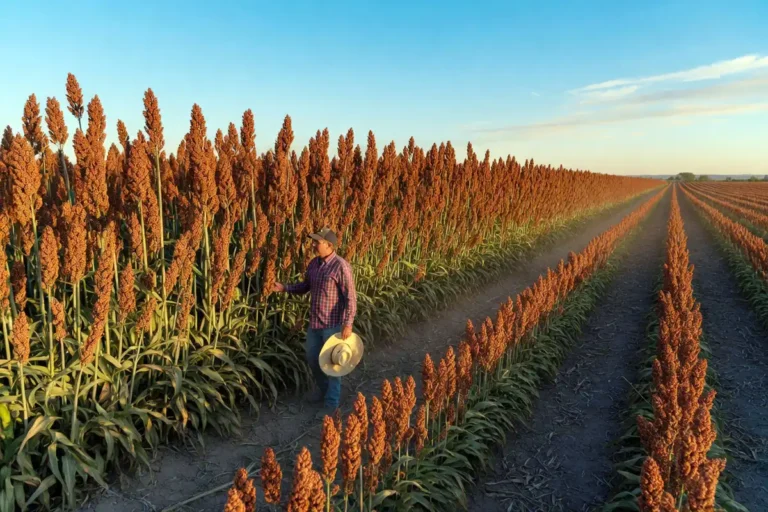
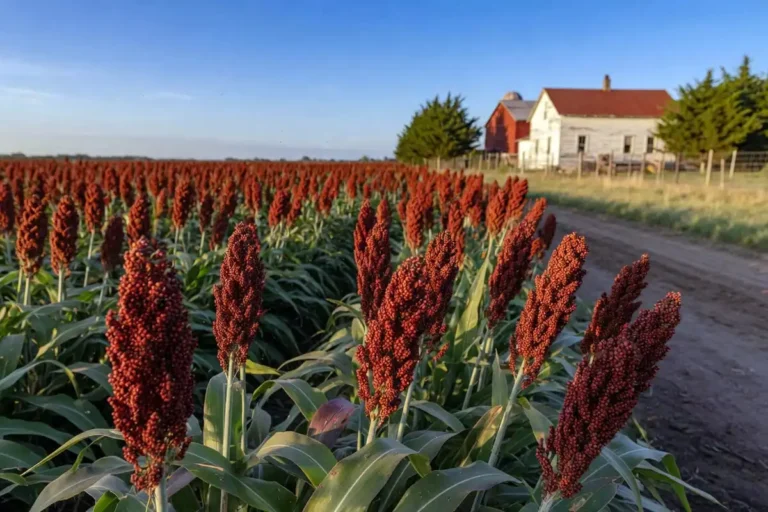
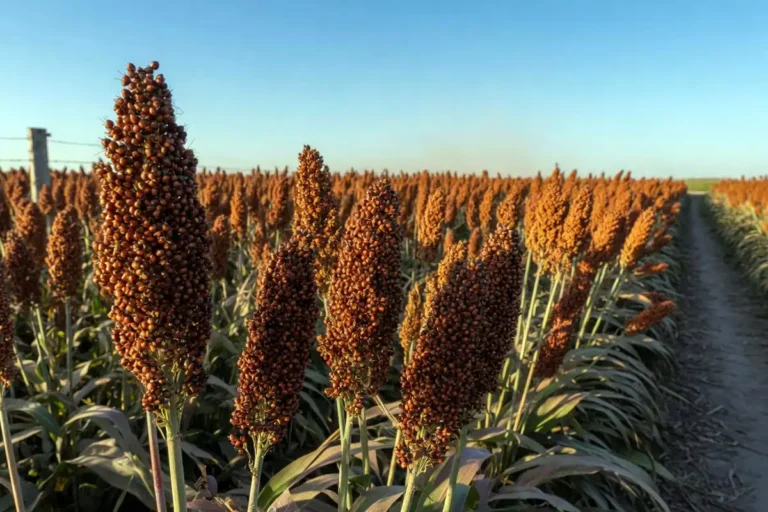
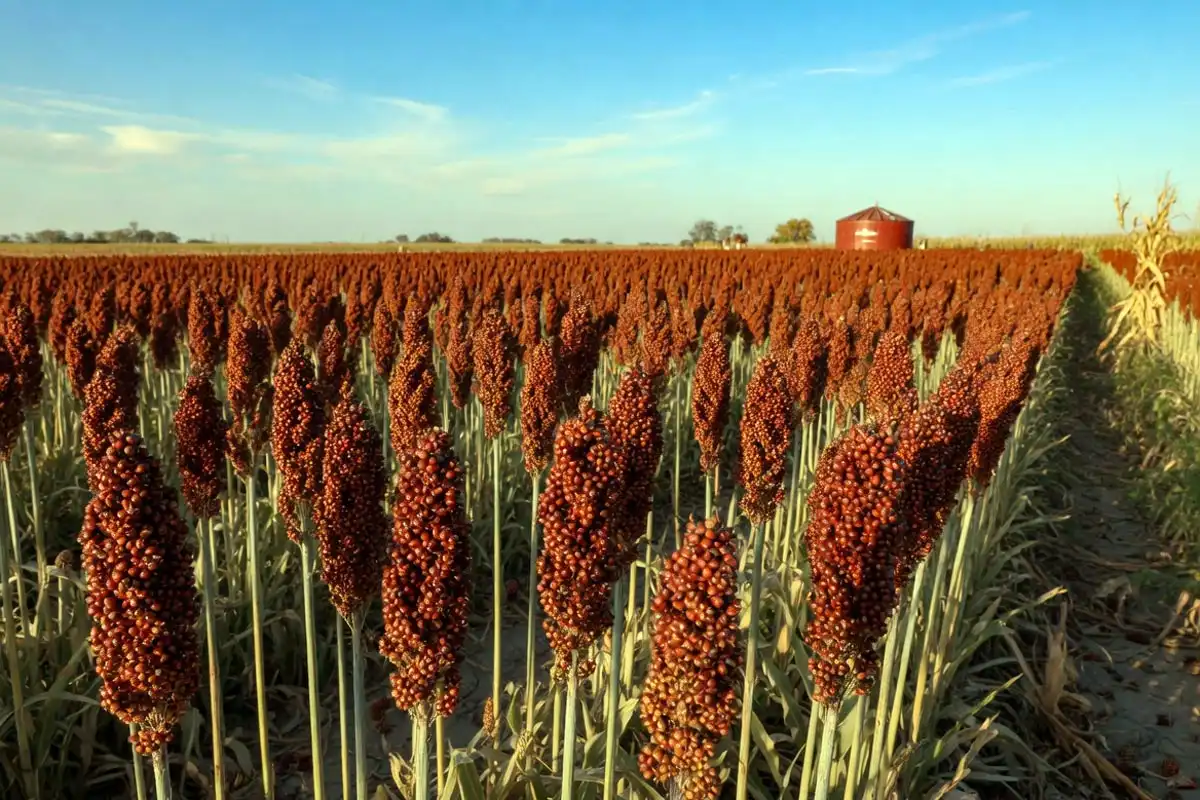
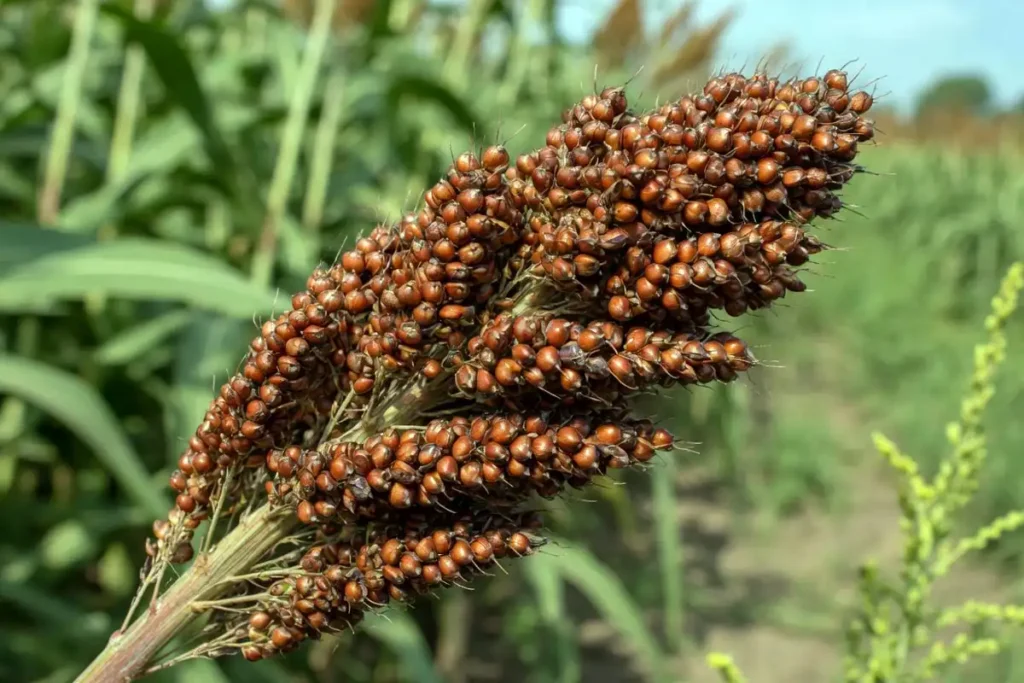
Milo is the everyday American name for grain sorghum. Plants stand 2 to 5 feet tall and carry a tight seed head loaded with round, starchy kernels. Kernel colors range from red and bronze to white and yellow. Cattle, hogs, poultry, and people all eat it.
The name “milo” came into common use in the U.S. Southern Plains during the late 1800s, when shorter dwarf varieties were bred for mechanical harvest. Today, most U.S. sorghum acres are planted with dwarf grain types, particularly in major sorghum-growing regions such as Kansas.
Is Milo the Same as Sorghum?
Milo is one branch of sorghum, not a separate crop. Calling milo “sorghum” is correct because milo sits inside the sorghum family. Calling all sorghum “milo” is wrong because forage, sweet, and broomcorn types are also sorghum but not milo.
The simplest way to remember it: milo equals grain sorghum.
When a Kansas elevator posts a “sorghum” price, that price is for milo. When a seed catalog lists “sorghum-sudangrass,” that is a different product entirely.
Sorghum Types: How Milo Compares
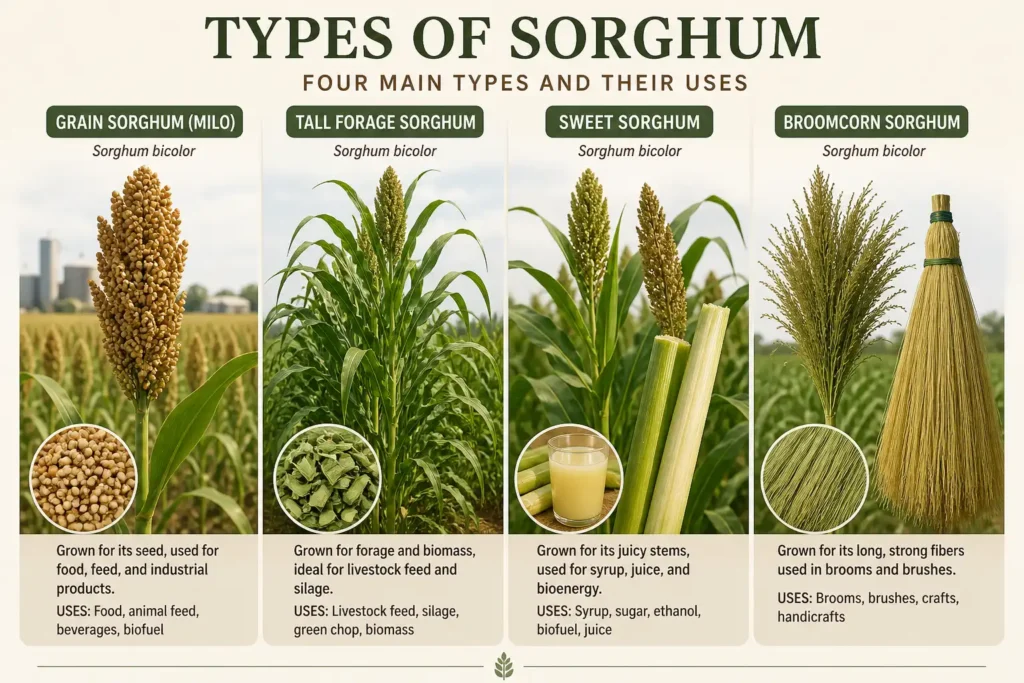
Each sorghum type serves a different purpose on the farm:
- Grain sorghum (milo): Short, harvested for kernels. Goes into feed rations, ethanol, and gluten-free flour.
- Forage sorghum: Tall, harvested whole-plant for silage or green chop.
- Sweet sorghum: Juicy stems pressed for syrup or fermented for ethanol.
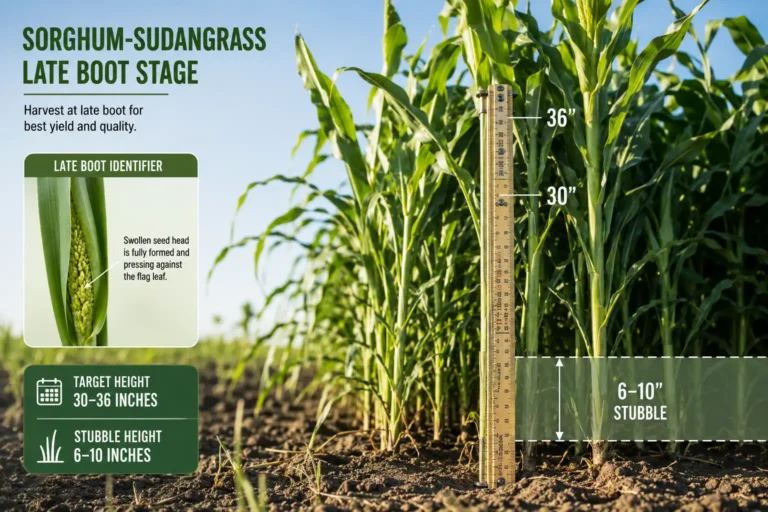
- Sorghum-sudangrass: Cross used for hay, pasture, and cover cropping. Timing matters when cutting sorghum-sudangrass for hay to avoid prussic acid risk.
- Broomcorn: Long, stiff seed heads still used to make brooms.
Picking the right type starts with the goal: grain, forage, sugar, or fiber.
Where Is Milo Grown?
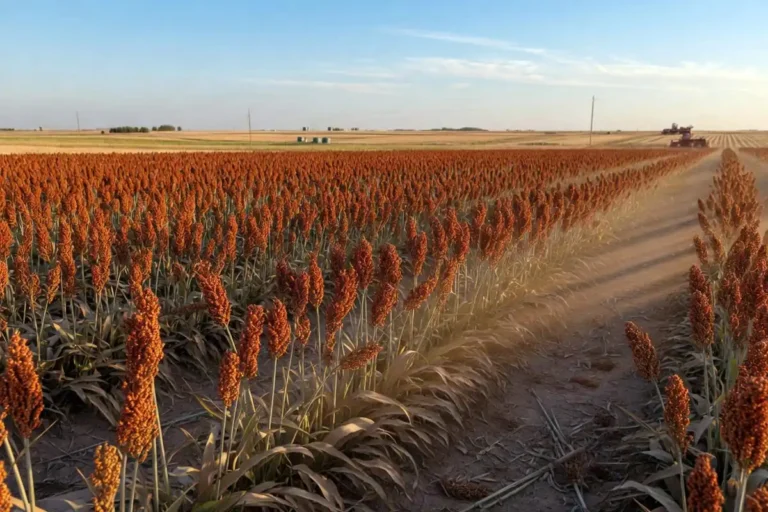
Milo grows best in warm regions with limited rainfall. The U.S. Sorghum Belt covers Kansas, Texas, Oklahoma, Nebraska, Colorado, and parts of South Dakota and New Mexico. Kansas leads U.S. production most years, according to data tracked by USDA NASS. Globally, India, Nigeria, Sudan, and Mexico grow large acres.
The crop fits hot, dry country where corn struggles. That is one reason it earns a place when choosing crops to plant on dryland ground.
How Is Milo Used?
Milo serves three main markets:
- Livestock feed: Cattle, hogs, and poultry all eat rolled or cracked milo. It runs about 95% the feed value of corn for cattle.
- Human food: Whole-grain milo, milo flour, and pearled milo show up in gluten-free products and traditional dishes worldwide.
- Industrial: Some plants ferment milo into ethanol, similar to corn ethanol.
Birdseed mixes also lean on milo as a low-cost grain.
Milo vs Corn: Quick Comparison
Milo and corn fill similar roles in feed rations but differ in the field. Milo uses roughly one-third less water than corn and handles heat better. Corn produces higher yields when water is plentiful. Bushel weight for milo sits at 56 pounds, the same as standard bushel weights for corn.
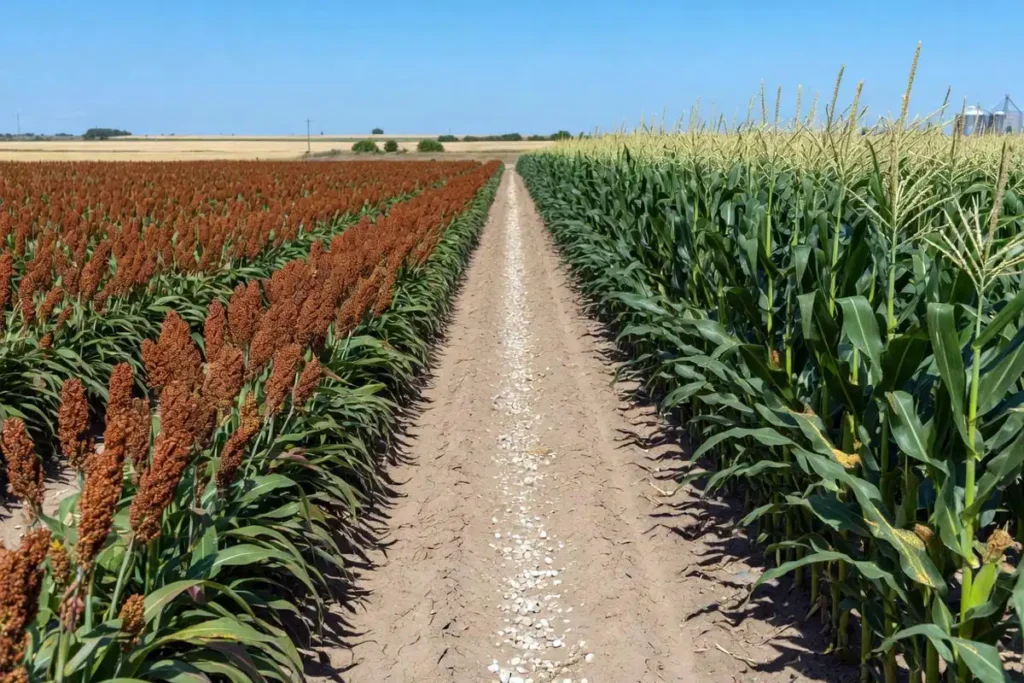
In a dry year, milo often beats corn on the same field. In a wet year, corn usually wins on yield.
Mistakes to Avoid When Naming or Buying Milo
A few naming errors come up at the elevator and the seed counter:
- Treating “milo” and “sorghum-sudangrass” as the same. They are not.
- Buying forage sorghum seed when you wanted grain sorghum.
- Assuming sweet sorghum syrup comes from milo. It comes from sweet sorghum varieties.
- Pricing milo against corn without adjusting for moisture and feed value.
Always confirm the type on the seed tag before planting.
Safety Notes
Young, drought-stressed, or frosted sorghum plants can hold prussic acid (hydrocyanic acid) and high nitrates. Both can poison cattle. Test forage before grazing or feeding stressed sorghum, and follow guidance from Texas A&M AgriLife Extension or your state extension service. Grain harvested at maturity does not carry the same risk.
A solid crop rotation plan also helps you raise yields and break disease cycles when sorghum follows corn or wheat.
FAQs
Are milo and sorghum the same crop?
Why do farmers call sorghum milo?
Can people eat milo?
Is milo better than corn for livestock?
What does milo look like?
Conclusion
Milo and sorghum are not separate crops. Milo is grain sorghum, one branch of the sorghum family. The other branches include forage, sweet, sorghum-sudangrass, and broomcorn, each bred for a different farm use. Knowing which type you need at the seed counter or the elevator saves time, money, and confusion at planting and at sale.