Can You Plant Corn Next to Potatoes? What Smart Growers Know
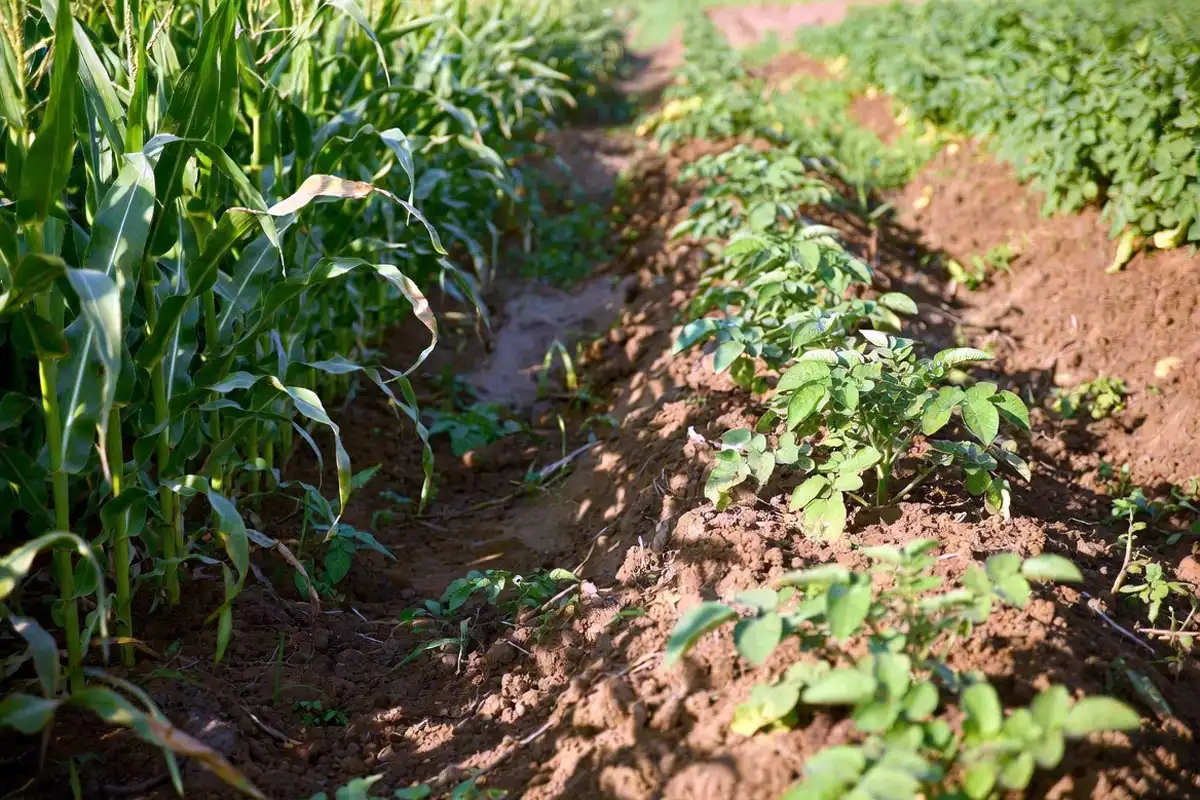
Yes, you can plant corn and potatoes side by side because their root systems occupy different soil levels and they do not compete for the same space. This guide covers spacing, soil preparation, nutrient management, pest concerns, and layout tips so you can pair these two heavy feeders in the same garden bed.
Corn grows tall with shallow roots. Potatoes grow underground with deep tuber roots. This opposite growth pattern makes them compatible companions. Plant corn rows 2 feet from potato rows, amend soil with compost before planting, and add a nitrogen-fixing legume like bush beans between them to feed both crops.
Contents
- 1 Why Do Corn and Potatoes Grow Well Together
- 2 How Companion Planting Benefits Both Crops
- 3 What Spacing Works for Corn and Potato Rows
- 4 What Soil and Nutrients Do Corn and Potatoes Need
- 5 How to Manage Shade Between Corn and Potatoes
- 6 What Pests and Diseases Affect Both Crops
- 7 What Not to Plant Near Corn and Potatoes
- 8 Common Mistakes When Planting Corn Next to Potatoes
- 9 How to Increase Yield When Growing Both Crops
- 10 FAQs on Plant Corn Next to Potatoes
- 11 Final Thoughts
Why Do Corn and Potatoes Grow Well Together
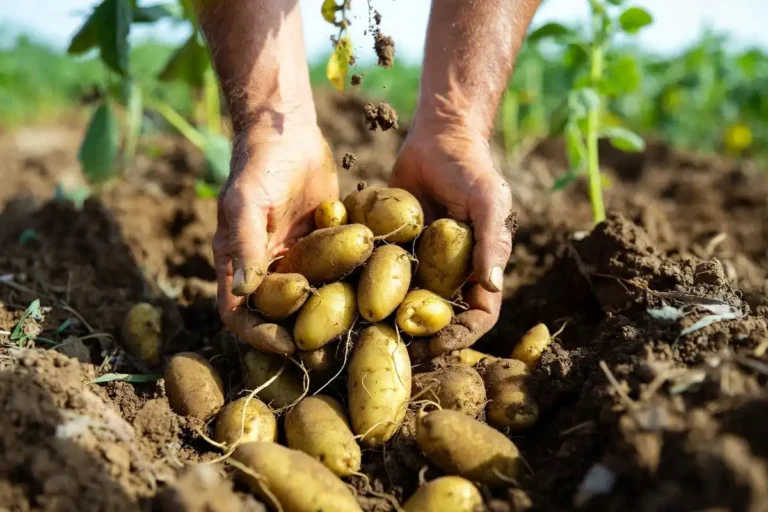
Corn and potatoes work as companions because they use garden space in opposite ways. Corn sends stalks upward and keeps its roots in the top 6 to 8 inches of soil. Potatoes push tubers down 8 to 12 inches below the surface.
This difference means neither crop steals nutrients or moisture from the other at the same soil depth. Corn also provides partial afternoon shade in warm climates, which reduces soil temperature around potato hills. Cooler soil helps potatoes size up and retain moisture during hot weeks.
The University of Minnesota Extension notes that the Three Sisters planting model, which combines corn, beans, and squash, has been practiced by indigenous communities for hundreds of years. Potatoes fit into a similar intercropping pattern because they occupy the underground zone that corn leaves open.
Know more: How Does Hilling Potatoes Work and How to Get It Right
How Companion Planting Benefits Both Crops
Companion planting pairs two or more crops to reduce pest pressure, improve soil fertility, or save garden space. Corn and potatoes offer each benefit.
Corn stalks create a physical barrier that disrupts wind-carried pest movement near potato foliage. Potato plants, in return, provide low ground cover that helps retain soil moisture around corn roots.
Adding bush beans between the two rows increases nitrogen in the soil. Beans fix atmospheric nitrogen through root nodules, and both corn and potatoes are heavy feeders that benefit from extra nitrogen. I covered soil fertility strategies in an earlier article if you want background on organic nutrient cycling.
What Spacing Works for Corn and Potato Rows
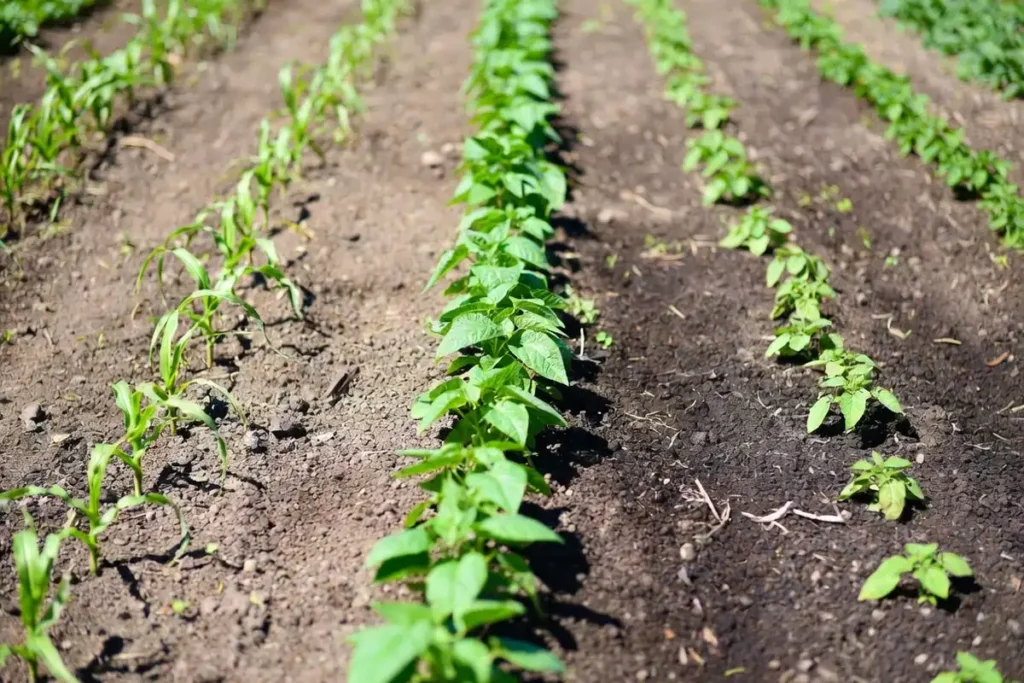
Spacing is the most common concern when interplanting corn and potatoes. Too close and the corn shades out potato foliage. Too far apart and you waste garden space.
Here is a layout that works on my farm in Topeka:
- Set potato rows first. Space potato hills 12 inches apart within the row, with 30 inches between rows.
- Plant corn on the north or east side. Place corn seeds 10 to 12 inches apart in their own row, leaving 24 inches between the corn row and the nearest potato row.
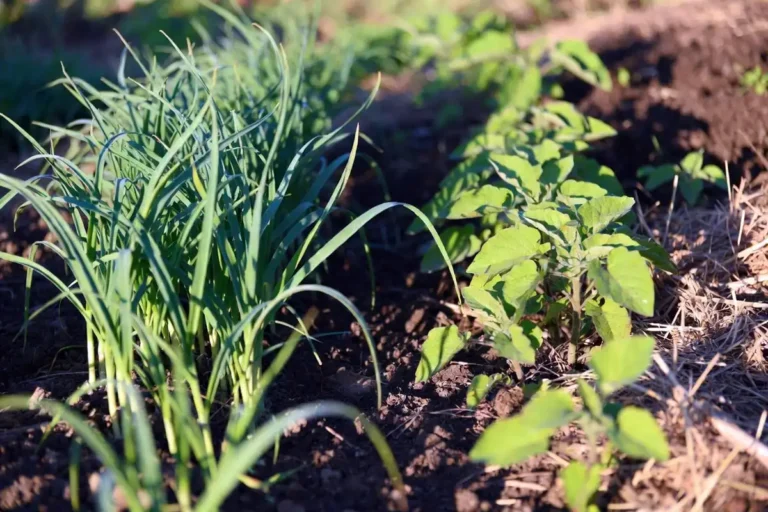
- Add a legume row between them. Sow bush beans or snap peas in the gap. This fills the space and feeds nitrogen to both crops.
- Plant corn in blocks, not single rows. Corn pollinates by wind. A block of at least 3 rows across produces better ear fill than a single long row.
Keep the corn positioned so that it does not cast all-day shade on the potatoes. In most northern-hemisphere gardens, that means placing corn on the north side of the potato patch.
For more on getting row distances right for different crops, check that guide.
What Soil and Nutrients Do Corn and Potatoes Need

Both corn and potatoes are heavy feeders. They pull large amounts of nitrogen, phosphorus, and potassium from the soil each season. The University of Idaho Extension reports that potatoes require roughly 220 lb nitrogen, 30 lb phosphorus, and 300 lb potassium per acre for a full commercial yield.
Corn has similar nitrogen demands. When you plant both crops together, the soil needs extra preparation.
Before planting:
- Test your soil pH. Potatoes prefer 5.5 to 6.5 pH. Corn tolerates 5.8 to 7.0. Aim for 6.0 to 6.5 to satisfy both.
- Work 2 to 3 inches of finished compost into the top 8 inches of soil. Compost adds slow-release nitrogen and improves water retention.
- Apply a balanced NPK fertilizer at planting. A 10-10-10 formula works for general garden beds. Side-dress corn with additional nitrogen 4 to 6 weeks after germination.
During the season:
- Side-dress potatoes when plants reach 6 inches tall and again at flowering.
- Water consistently. Both crops need 1 to 1.5 inches of water per week. Drip irrigation reduces disease risk compared to overhead sprinklers.
If you have not amended your soil with compost before, start that process a few weeks ahead of planting.
How to Manage Shade Between Corn and Potatoes
Shade management is the biggest factor that determines whether this pairing succeeds or fails.
Potato plants need 6 to 8 hours of direct sunlight each day to produce full-sized tubers. Corn stalks reach 6 to 8 feet tall at maturity and cast long shadows.
Plant corn on the north side of your potato patch in the Northern Hemisphere. This keeps the tallest stalks from blocking morning and midday sun.
In warm southern climates, light afternoon shade from corn benefits potatoes. It reduces heat stress and slows soil moisture loss. In cooler northern zones, potatoes need every hour of sun they can get, so keep a full 2 feet of distance between the corn row and the nearest potato hill.
What Pests and Diseases Affect Both Crops
Growing corn and potatoes together does not increase shared pest problems because the two crops belong to different plant families. Corn is a grass (Poaceae). Potatoes belong to the nightshade family (Solanaceae).
Common potato pests:
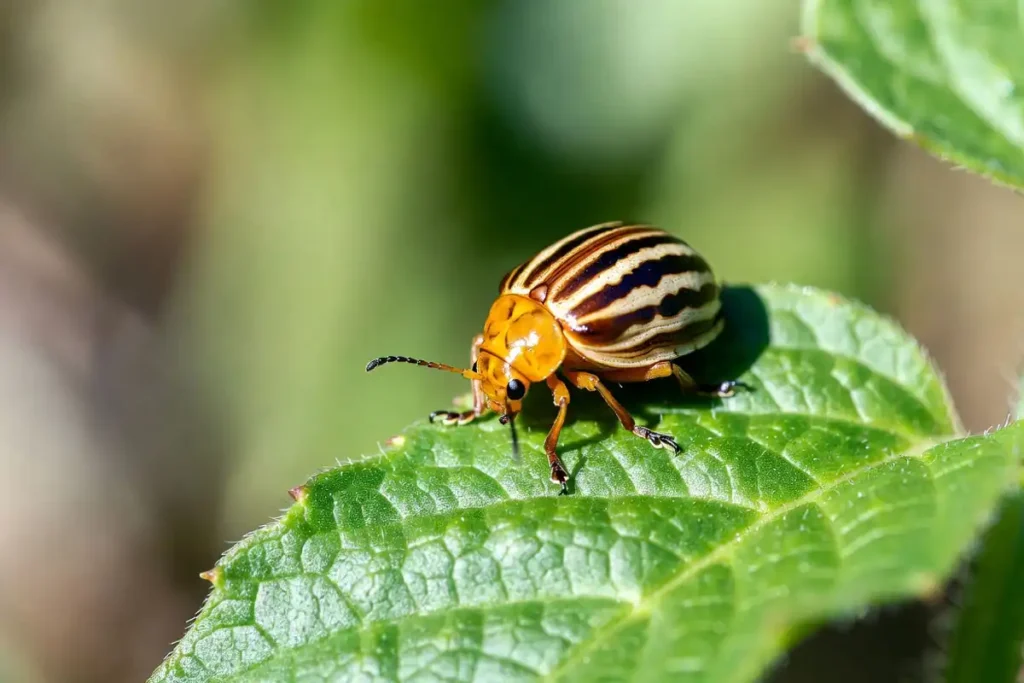
Colorado potato beetle, aphids, wireworms, and potato leafhopper target potato foliage and tubers. Corn does not attract these insects.
Common corn pests:
Corn earworm, European corn borer, and corn rootworm target corn. Potatoes do not attract these pests.
The main disease concern is late blight (Phytophthora infestans), which affects potatoes and other nightshades but does not spread to corn. Avoid planting tomatoes, peppers, or eggplant near your potato-corn bed because these nightshade relatives share blight pathogens.
For organic approaches to managing insects, I wrote a separate piece on pest control without chemicals.
What Not to Plant Near Corn and Potatoes
Some crops interfere with one or both of these heavy feeders. Keep the following plants away from your corn-potato bed:
- Tomatoes share blight diseases with potatoes and compete for the same nutrients. Keep them at least 15 feet away.
- Sunflowers produce allelopathic chemicals that stunt potato tuber growth. They compete with corn for sunlight.
- Cucumbers and squash attract moisture-loving pests and increase blight risk near potatoes.
- Fennel releases root chemicals that inhibit the growth of both corn and potatoes.
- Other root vegetables like turnips, parsnips, and beets compete with potatoes for underground space and nutrients.
A solid crop rotation plan helps you avoid planting these incompatible crops in the same bed across seasons.
Common Mistakes When Planting Corn Next to Potatoes
- Skipping soil amendment. Both crops drain soil fast. Without compost or fertilizer, yields drop for both.
- Planting corn in a single row. Wind pollination fails. Corn ears fill poorly. Plant in blocks of 3 or more rows.
- Ignoring shade direction. Corn on the south side blocks sunlight from potatoes all day.
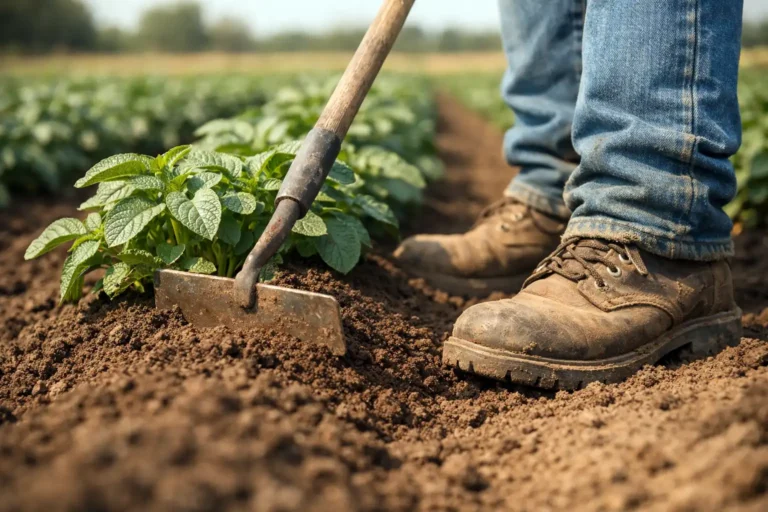
- Forgetting to hill potatoes. Hilling potatoes matters regardless of companion crops. Exposed tubers turn green and become toxic.
- Planting too close. Less than 18 inches between a corn row and potato row creates root competition and harvest difficulty.
- Overwatering. Both crops like consistent moisture, but standing water promotes rot in potato tubers and root diseases in corn.
How to Increase Yield When Growing Both Crops
Pairing corn and potatoes saves space, but a few extra steps raise your overall harvest:
Interplant bush beans between corn and potato rows. Beans fix 40 to 60 lb of nitrogen per acre during a growing season, which offsets the heavy feeding from both main crops.
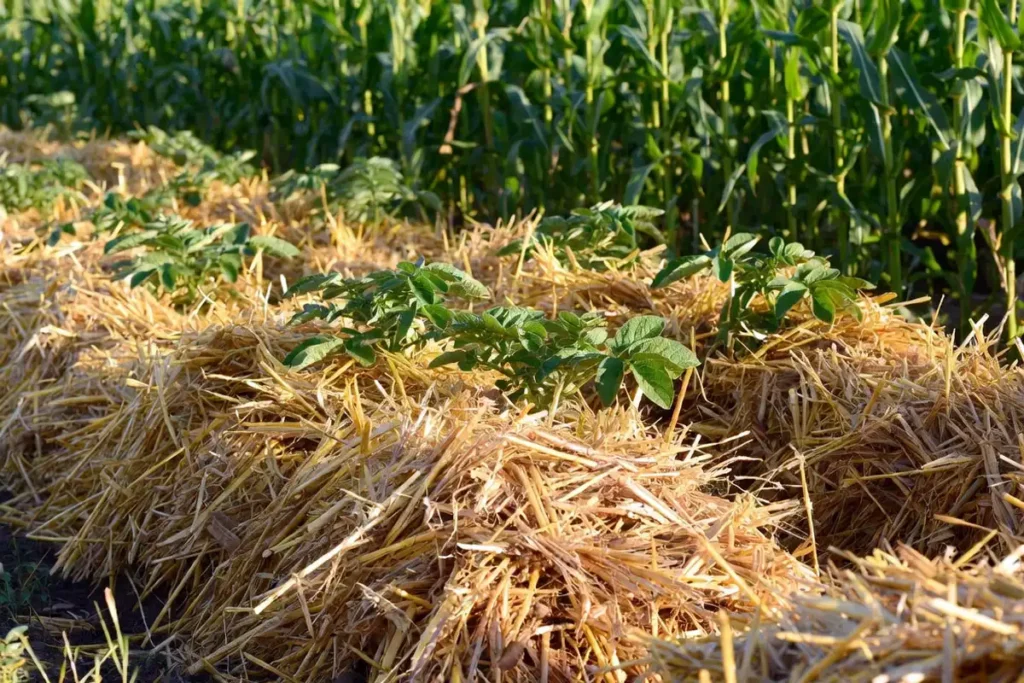
Mulch potato rows with straw or shredded leaves. Mulch keeps soil cool, holds moisture, and suppresses weeds without disturbing potato tubers.
Harvest potatoes first. Most potato varieties mature in 75 to 120 days. Corn takes 60 to 100 days for sweet varieties. Stagger planting dates so you can clear potato hills without damaging corn roots.
FAQs on Plant Corn Next to Potatoes

Does corn attract pests to potatoes?
No. Corn and potatoes belong to different plant families and attract different insects. Colorado potato beetle targets potatoes. Corn earworm targets corn. Planting them together does not increase pest crossover between the two crops.
How far apart should corn and potato rows be?
Leave 24 inches between a corn row and the nearest potato row. This distance prevents root competition and gives enough room to hill potatoes during the growing season without disturbing corn roots.
Can I plant corn and potatoes in the same raised bed?
Yes. Use a raised bed at least 4 feet wide. Place potatoes in the center rows and corn along the north edge. Add compost and fertilizer generously because raised beds have limited soil volume for two heavy feeders.
Should I add extra fertilizer when growing both together?
Yes. Both crops pull high amounts of nitrogen and potassium from the soil. Side-dress with compost or balanced fertilizer every 3 to 4 weeks. Adding legumes between rows provides free nitrogen through biological fixation.
What is the best time to plant corn and potatoes together?
Plant seed potatoes 2 to 3 weeks before your last frost date. Direct-sow corn 1 to 2 weeks after the last frost when soil temperature reaches 60°F (16°C). This timing lets potatoes establish first and gives corn warm soil for germination.
Final Thoughts
Corn and potatoes make practical garden companions because their growth habits complement each other. Corn uses vertical space and shallow soil. Potatoes use underground space and deeper soil. The key is proper spacing, generous soil amendment, and smart row orientation to manage shade. Add a legume row between them, and you have a productive three-crop system in one bed.