Can Peppers Be Planted Next to Tomatoes? Tips for a Healthier Harvest
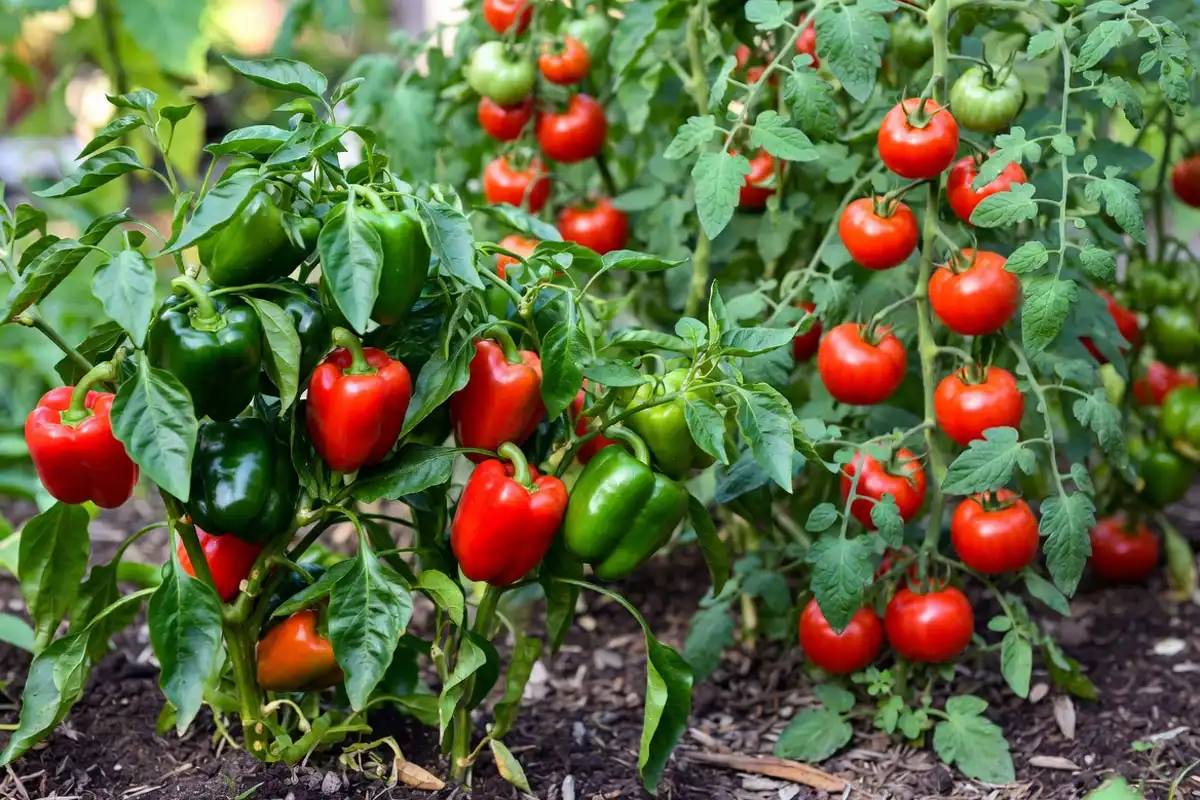
Peppers planted next to tomatoes grow well in most home gardens and field setups. Both crops belong to the Solanaceae family and share nearly identical requirements for soil pH, watering depth, sun exposure, and fertilizer timing. The main concern with planting them together is shared disease susceptibility, since pathogens that infect one crop spread easily to the other. This guide covers compatibility, correct spacing, soil and fertility needs, pest overlap, common mistakes, and how to manage both crops side by side through the full growing season.
Peppers planted near tomatoes grow well as neighbors because both crops prefer full sun, soil pH between 6.0 and 6.8, consistent moisture of 1 to 2 inches per week, and similar NPK fertilizer ratios. Space them 18 to 24 inches apart to allow airflow and reduce fungal disease spread. The main risk is shared disease pressure from pathogens like Phytophthora blight and tobacco mosaic virus. Rotate both crops to a new bed each season to keep that risk low.
Why Peppers and Tomatoes Grow Well Together
Peppers and tomatoes share the same plant family, Solanaceae, along with eggplant and potatoes. This overlap means they thrive under nearly identical growing conditions.
Both crops need full sun (6 to 8 hours daily), well-drained loamy soil, and a pH between 6.0 and 6.8. Their matching requirements simplify fertilization schedules, mulch application, and irrigation planning when grown in the same bed or row.
Peppers also tolerate partial afternoon shade from taller indeterminate tomato varieties. In regions with summer temperatures above 90°F, this shade reduces pepper fruit scorch during peak heat.
Learn more: Plant Marigolds With Tomatoes? 4 Key Facts
What Are the Shared Disease Risks?
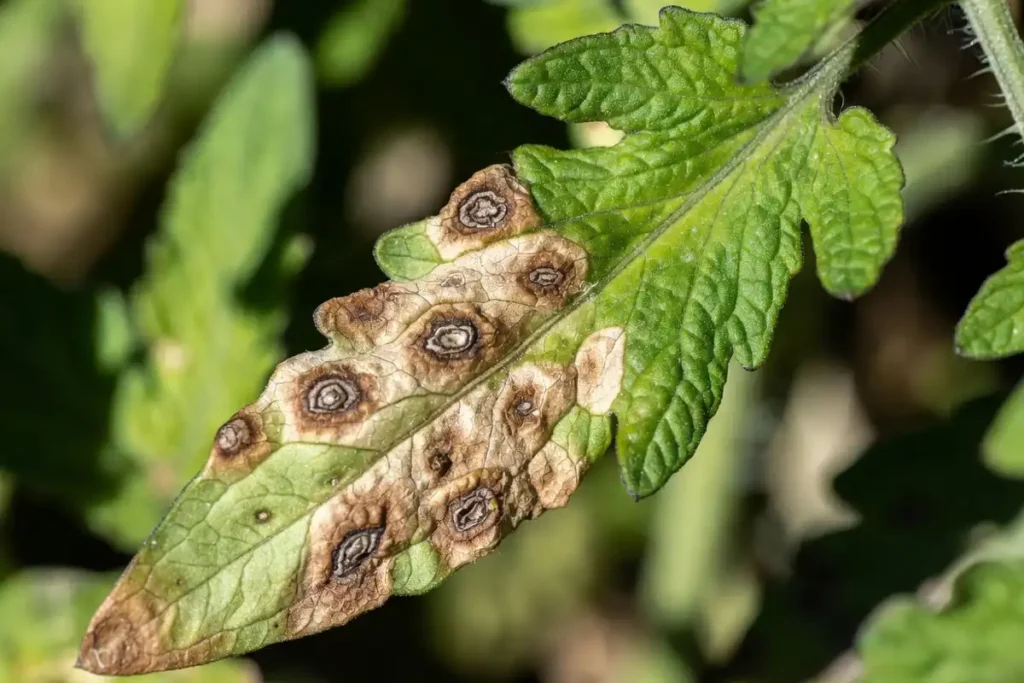
The primary risk is shared disease susceptibility. Both crops are vulnerable to Phytophthora blight (Phytophthora capsici), which spreads through infected soil and water splash. Tobacco mosaic virus (TMV) spreads through contact with tools, hands, and infected plant material. Early blight (Alternaria solani) spreads through soil splash and high-humidity conditions.
When one plant in the bed becomes infected, the pathogen spreads faster to nearby plants of the same family. Tight spacing worsens this effect significantly.
Recognizing symptoms early reduces the spread between both crops. The guide on common crop diseases and their symptoms covers identification, progression, and first-response steps for the pathogens that affect both peppers and tomatoes.
How Far Apart Should Peppers and Tomatoes Be Planted?
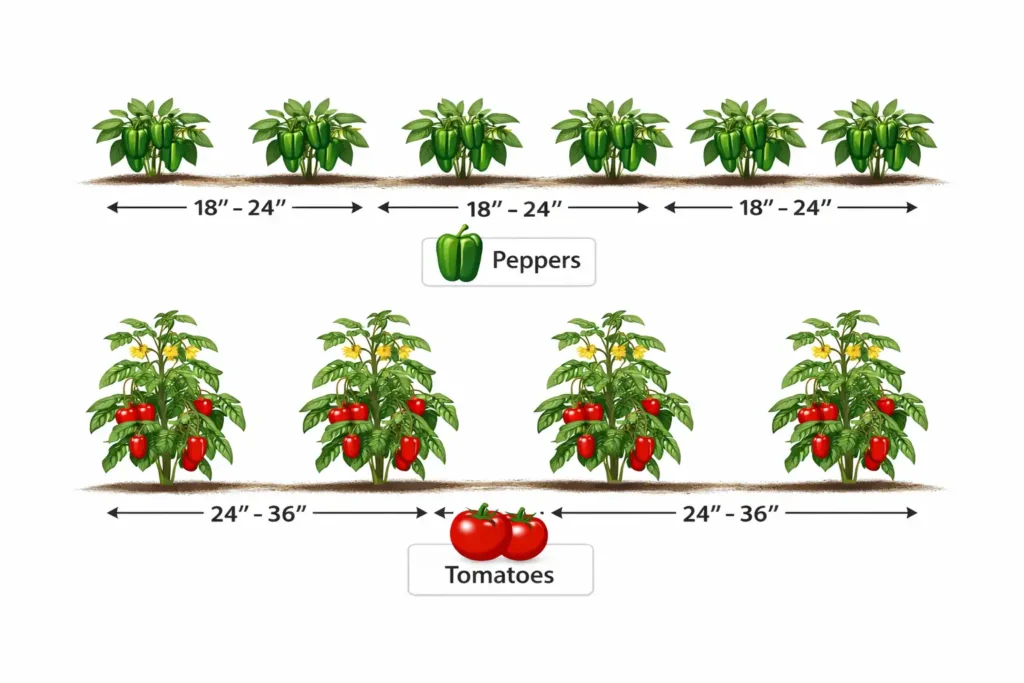
Space pepper plants 18 to 24 inches apart from each other and from neighboring tomato plants. Tomatoes need 24 to 36 inches between plants depending on whether the variety is determinate or indeterminate.
Indeterminate tomatoes grow continuously through the season and need more horizontal and vertical space. Place them at the north end of the planting bed so they do not block sunlight from reaching peppers.
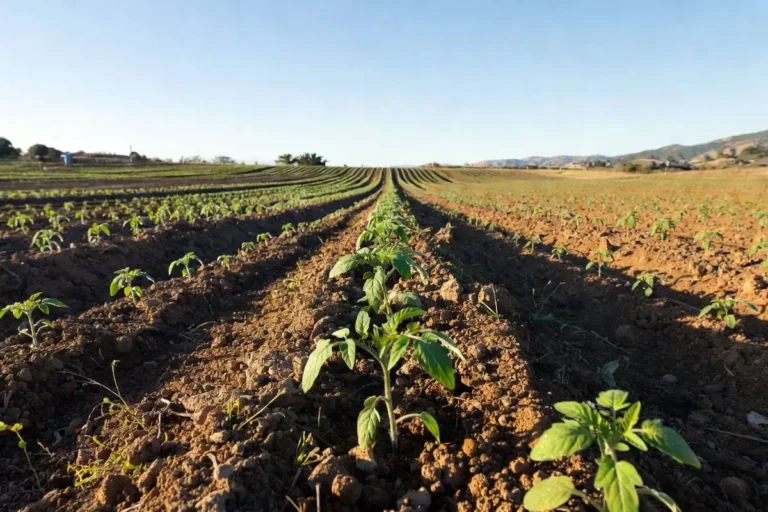
In row-based field layouts, leave at least 36 inches between tomato rows and pepper rows. This gap allows airflow between both crops and reduces the surface area where fungal spores can transfer.
For a full breakdown of row spacing and in-row distances across vegetable crops, the crop plant spacing guide covers how plant size, trellising, and bed width affect final layout decisions.
What Soil and Fertilizer Do Both Crops Need?
Peppers and tomatoes both grow best in fertile, well-drained soil with consistent organic matter. Incorporate 2 to 3 inches of compost into the top 6 inches of soil before transplanting either crop.
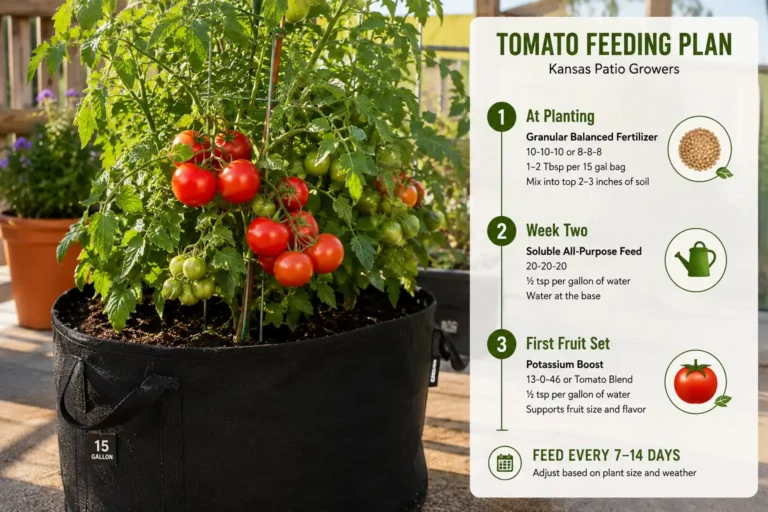
Both crops respond well to a balanced fertilizer at transplant. A 10-10-10 or 5-10-10 formulation supports early root development and stem strength. Once flower buds appear, reduce nitrogen and increase phosphorus to support fruit set and development.
Avoid applying high-nitrogen fertilizer after flowering begins on either crop. Excess nitrogen at this stage produces leafy growth at the expense of fruit yield.
The NPK fertilizer guide for crops explains application rates, timing by growth stage, and how to adjust ratios when growing multiple crops in the same bed.
How to Water Peppers and Tomatoes in the Same Bed
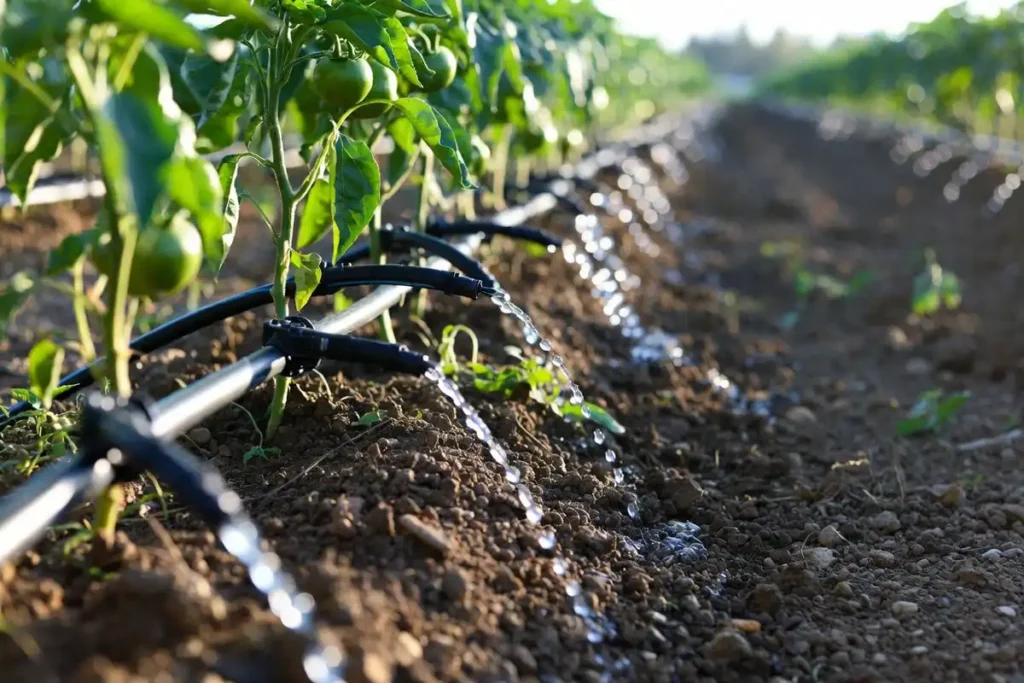
Tomatoes need 1 to 2 inches of water per week. Peppers need roughly the same: 1 to 2 inches weekly, with slightly more during active fruiting.
Drip irrigation works well for both crops grown together. It delivers water directly to the root zone and keeps foliage dry, which reduces fungal disease risk between closely planted rows.
Avoid overhead watering in the evening. Wet foliage overnight increases early blight and Phytophthora spread between plants in the same family.
Consistent moisture also prevents blossom end rot in tomatoes and reduces fruit drop in peppers during temperature swings. The guide on how and when to water tomatoes covers depth, timing, and frequency guidance that applies equally to pepper care.
Do Peppers and Tomatoes Share the Same Pests?
Yes. Both crops attract aphids, spider mites, thrips, and the tobacco hornworm (Manduca sexta). Hornworms feed on both tomato and pepper foliage and move between plants in the same bed.
Planting basil, marigolds, or nasturtiums between pepper and tomato rows reduces aphid and thrips pressure on both crops. Basil also repels whiteflies, which damage pepper and tomato plants during hot, dry periods.
For a broader list of companion plants that reduce pest pressure near both crops, the guide on what to plant with tomatoes to keep bugs away covers plant choices and placement strategies that benefit peppers equally.
Mistakes to Avoid When Growing Peppers Next to Tomatoes
Planting in the same location each year. Both crops share soil-borne pathogens. Rotating them to a new area each season breaks the disease cycle before it builds up.
Crowding plants together. Poor airflow between plants accelerates fungal disease. Follow minimum spacing guidelines even in small raised beds.
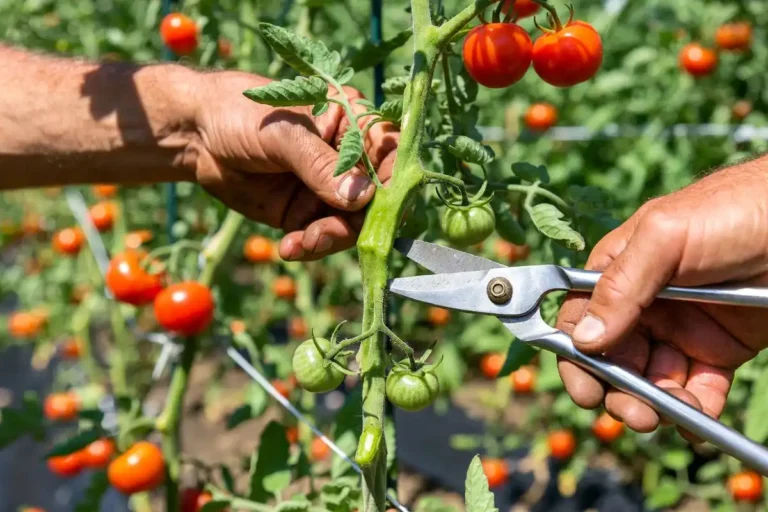
Using the same tools on both crops without sanitizing. Tobacco mosaic virus spreads through contact. Wipe pruning shears with a 10% bleach solution between plants.
Planting next to potatoes. Potatoes also belong to Solanaceae and carry the same disease risks as peppers and tomatoes. Keep all three crops separated in the garden layout.
Over-fertilizing with nitrogen after flowering. Both crops produce fewer fruits when soil nitrogen stays high during the fruiting stage. Reduce nitrogen applications once flowers appear on either crop.
Can You Grow Peppers and Tomatoes Together in a Raised Bed?
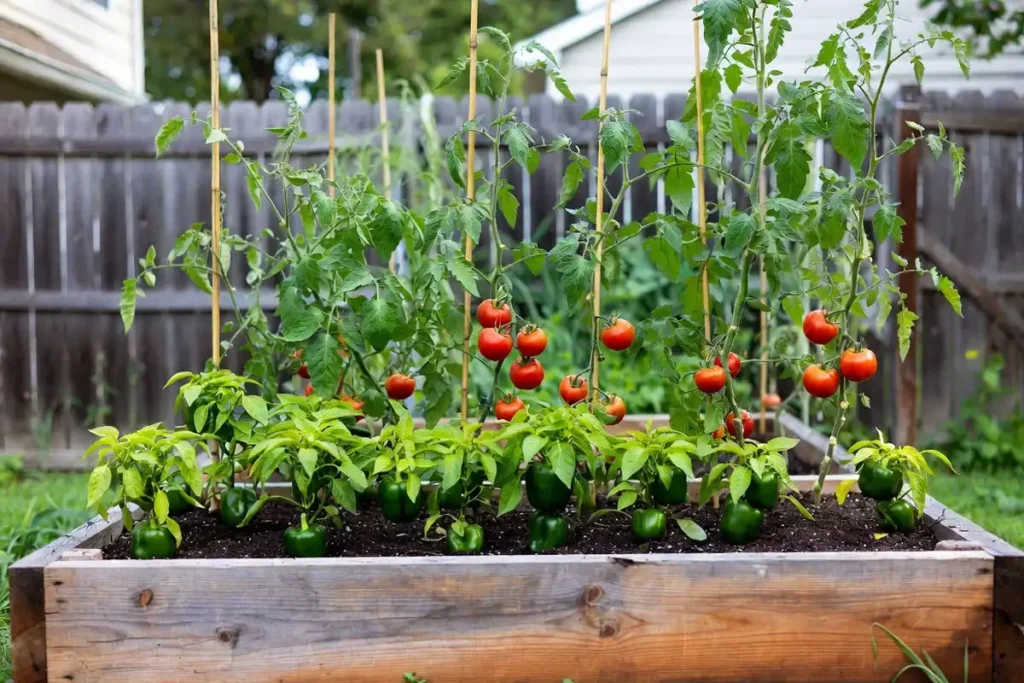
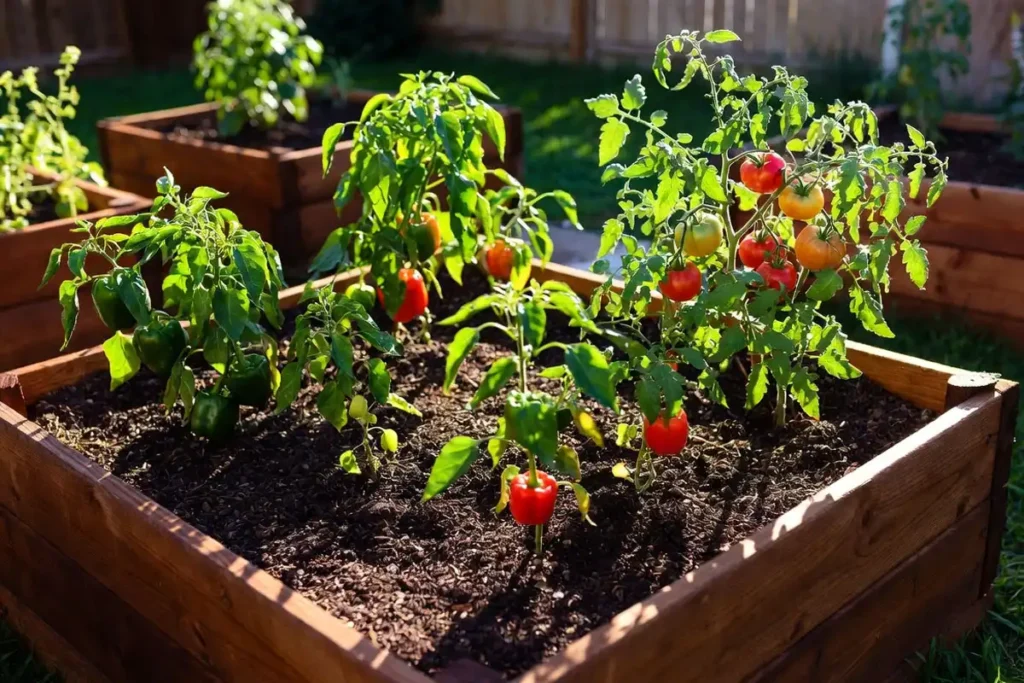
Yes. A raised bed works well for both crops if it measures at least 4 feet wide and 8 feet long. This size allows correct plant spacing and promotes adequate drainage.
Place tomatoes at the back (north side) of the bed and peppers toward the front (south side). This arrangement prevents tomatoes from shading peppers once they reach full height in midsummer.
For more planting combinations in small spaces, the guide on what to plant with tomatoes covers layout strategies, companion plant placement, and spacing adjustments for confined growing areas.
Conclusion
Peppers and tomatoes grow well together when spacing, watering, and tool hygiene are managed correctly. The shared benefits, including similar care requirements, compatible pest deterrents, and matching soil needs, make them a practical pairing for most gardens.
Rotate both crops each season, maintain airflow between plants, and adjust fertilizer applications by growth stage. These three practices reduce disease risk and support a reliable harvest from both crops.