What Are Candy Snap Grapes and Why They Taste So Sweet
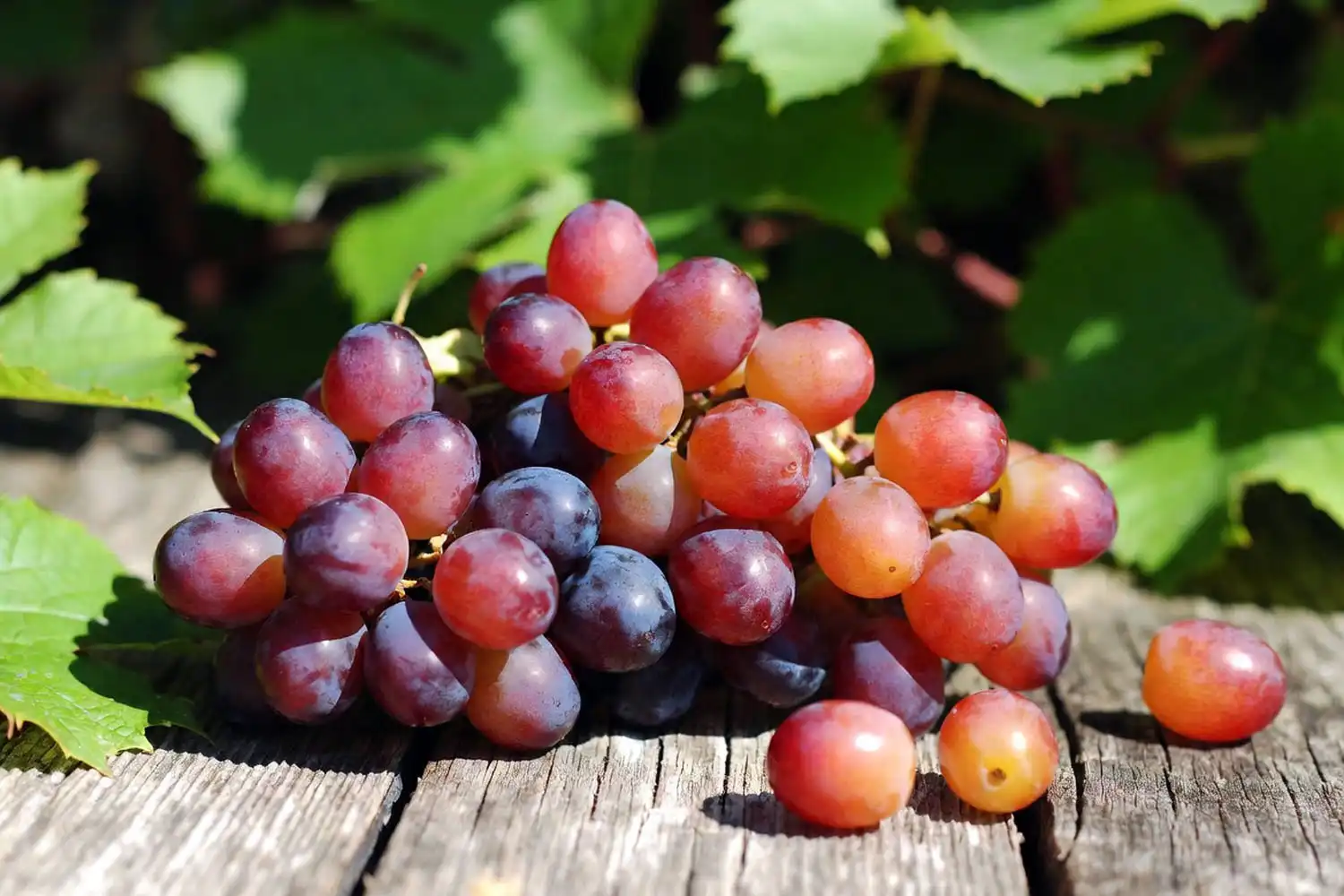
Candy Snap grapes show up every early summer, and folks at the co-op keep asking me what makes them taste so different. So what are Candy Snap grapes, exactly? They’re a patented red seedless table grape with a tropical sweetness that sets them apart from any standard supermarket grape.
Candy Snap grapes are a red seedless table grape variety bred by International Fruit Genetics in California, also called IFG Twenty-One. They taste intensely sweet with strawberry, pineapple, and melon notes, hitting nearly 20 Brix on the vine.
Where Candy Snap Grapes Come From
Candy Snap grapes were developed in Bakersfield, California by International Fruit Genetics (IFG), a breeding company now part of Bloom Fresh after the SNFL Group merger. Lead breeder Dr. David Cain hand-pollinated two unnamed interspecific selections back in May 2006. The first true-to-type vines went into the ground in April 2009, and the variety hit retail shelves in 2011.
The official US Plant Patent (PP26541) was granted in June 2014. The variety is registered as IFG Twenty-One, sometimes written as IFG 21. You’ll also see it sold under the Candy Snaps trademark or, on Grapery’s labels, as part of their Gum Drops line. Divine Flavor sells the same variety as Gummy Berries.
How Candy Snap Grapes Are Bred
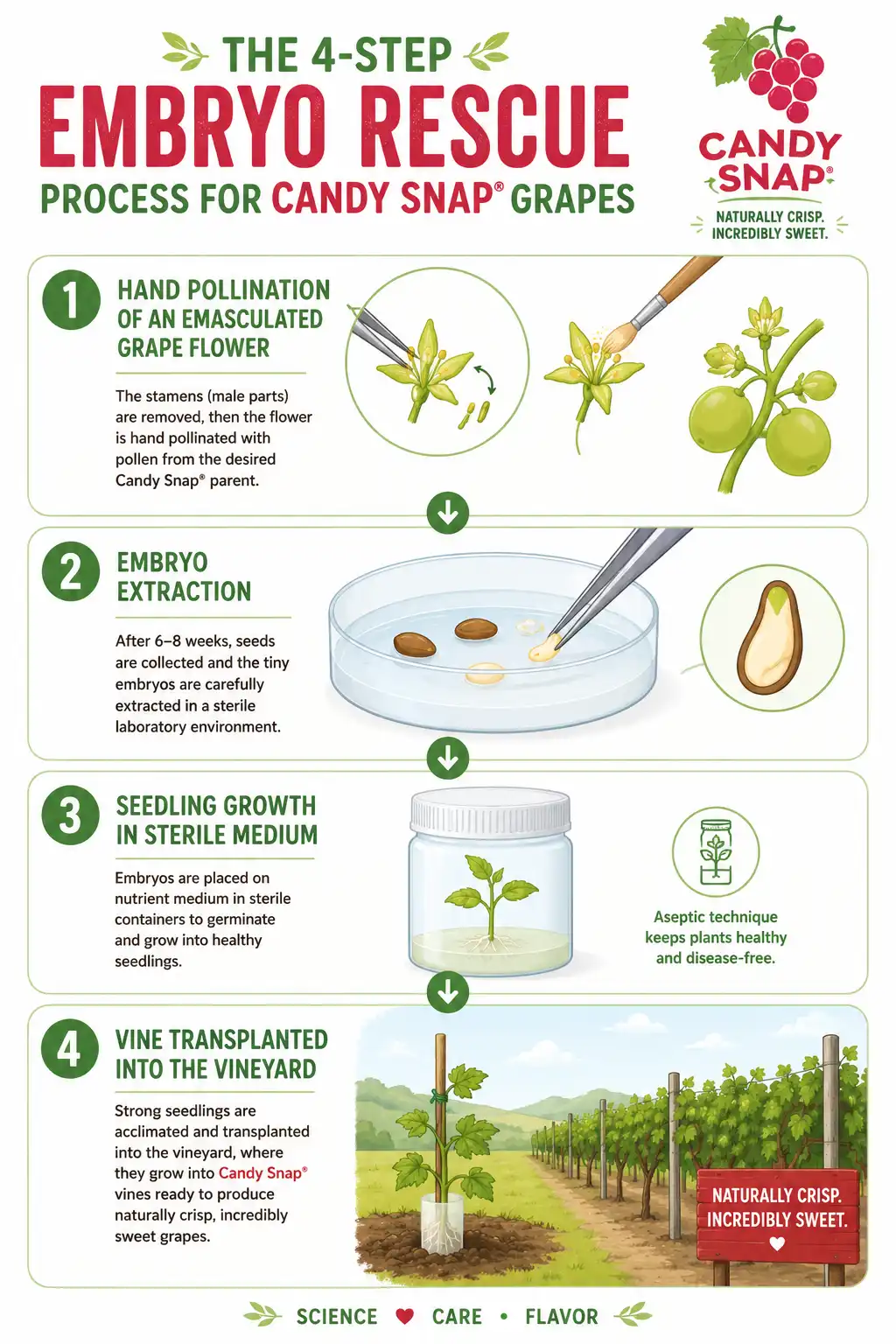
Candy Snap grapes are bred through hand-pollination and embryo rescue, not genetic modification. The breeder removes the male parts of a flower, dusts it with pollen from a chosen father vine, and then lifts the immature embryos out into a sterile growing medium before they would otherwise abort. Those seedlings grow into vines that get tasted, screened, and then trialed for years.
This is conventional plant breeding accelerated by a lab step. The result is a Vitis interspecific hybrid, meaning it pulls genetics from more than one grape species. Candy Snaps carry traits from both Muscat and Labrusca parents, which is where that loud fruit flavor comes from. You can read more about the same approach in our notes on how cotton candy grapes are made, since IFG used a very similar process for that variety.
What Candy Snap Grapes Taste Like
Candy Snap grapes taste like a strawberry-pineapple-melon mix with very little tartness. The sweetness sits around 20 Brix, which is higher than most standard table grapes (Thompson Seedless usually lands closer to 17). Acid stays low, so the sweetness reads cleanly without that sharp back-end you get from a regular red grape.
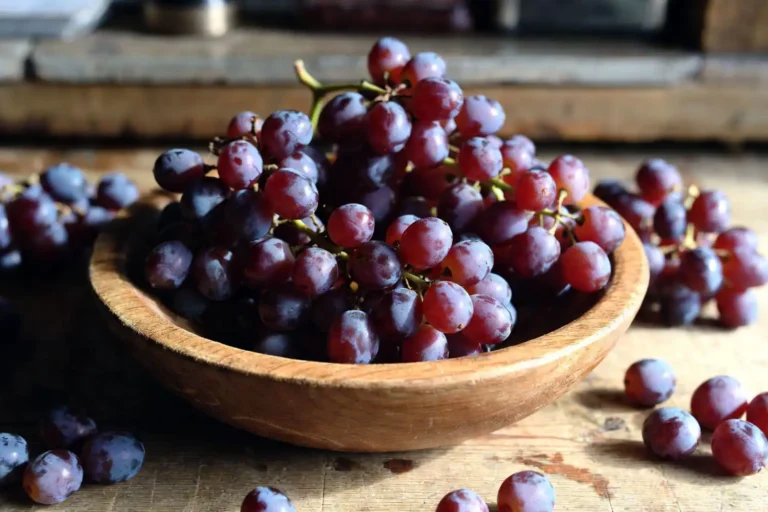
The berries are small to medium, round to slightly oval, with thin skin and a firm bite. Color runs pink-red to nearly black depending on heat and sun during the season. Because the berries are small, you get a higher skin-to-flesh ratio, which adds to that crisp pop when you bite in.
How They Compare to Other Specialty Grapes
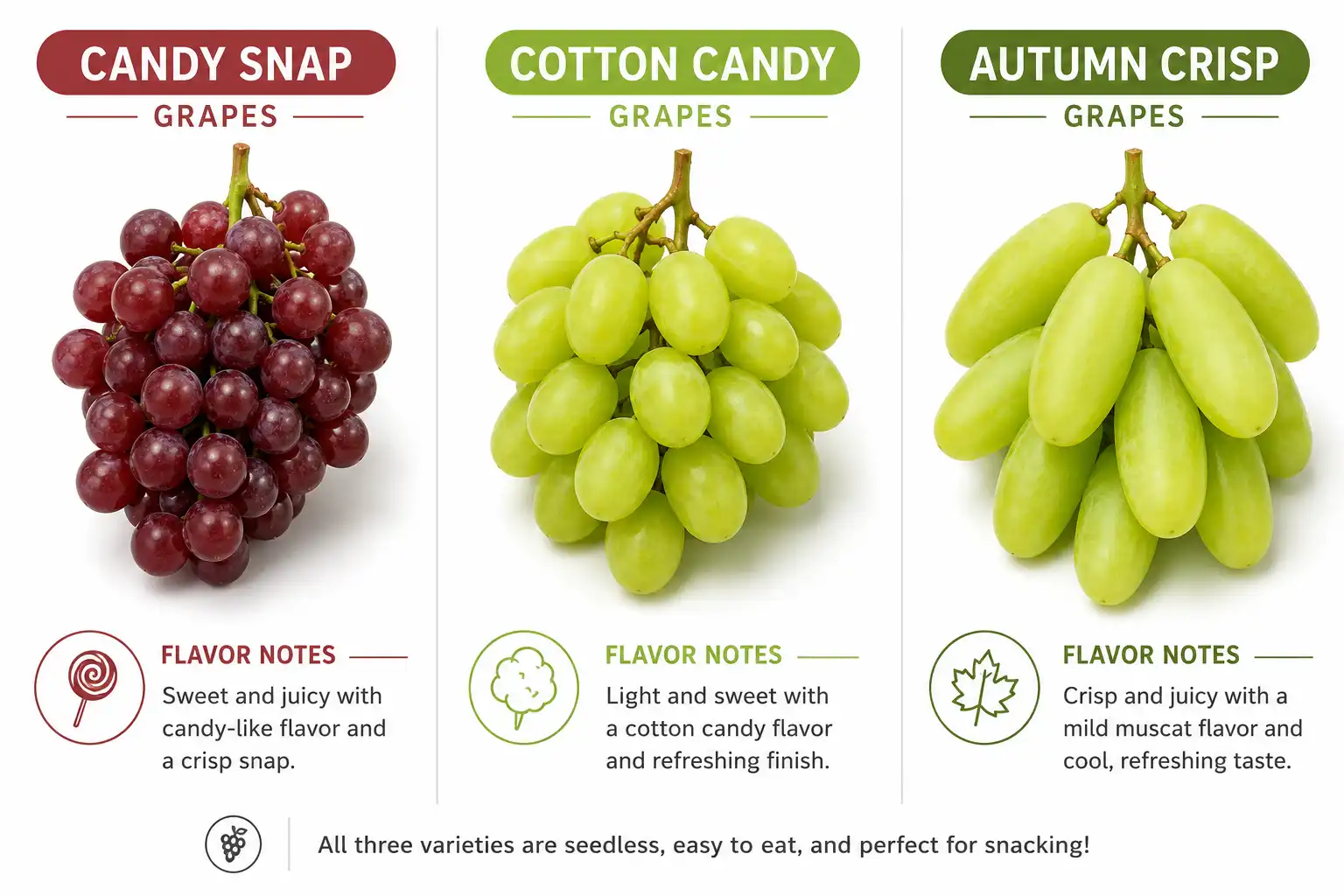
Candy Snaps sit in a different flavor lane than the other novelty grapes on the shelf. Here’s how to sort them out at the produce stand.
Versus Cotton Candy grapes: Cotton Candy grapes are green and lean toward a vanilla-toffee flavor. Candy Snaps are red and lean fruity, like a tropical fruit punch. They share the same breeder and a similar embryo-rescue origin, but the parent crosses are different. our guide covers that further in our piece on whether cotton candy grapes are natural, and the same logic applies here: bred, not engineered.
Versus Autumn Crisp: Autumn Crisp are large green grapes with a clean, mild sweetness and a hard crunch. They’re a late-season variety. Candy Snaps are smaller, redder, and far more flavor-forward. If you want to see why those green grapes get so big, check our breakdown on the size of Autumn Crisp grapes.
Versus standard red seedless (Flame, Crimson): Standard reds give you a mild grape flavor and balanced acid. Candy Snaps are far sweeter, less acidic, and carry that tropical note no commodity grape touches.
When Are Candy Snap Grapes in Season?
Candy Snap grapes are an early-season grape, with the California crop running roughly late June through August. They were the first variety in Grapery’s Gum Drops launch and traditionally hit US shelves before most other table grapes finish ripening.
Bloom Fresh added a second cultivar called IFG Forty-one under the Candy Snaps brand to stretch the window deeper into mid-summer. That release was specifically aimed at the early-harvest gap. Southern hemisphere production in Peru, Brazil, and Chile fills late winter and early spring, so if you spot Candy Snaps in January or February, they came from down south.
Where Candy Snap Grapes Are Grown
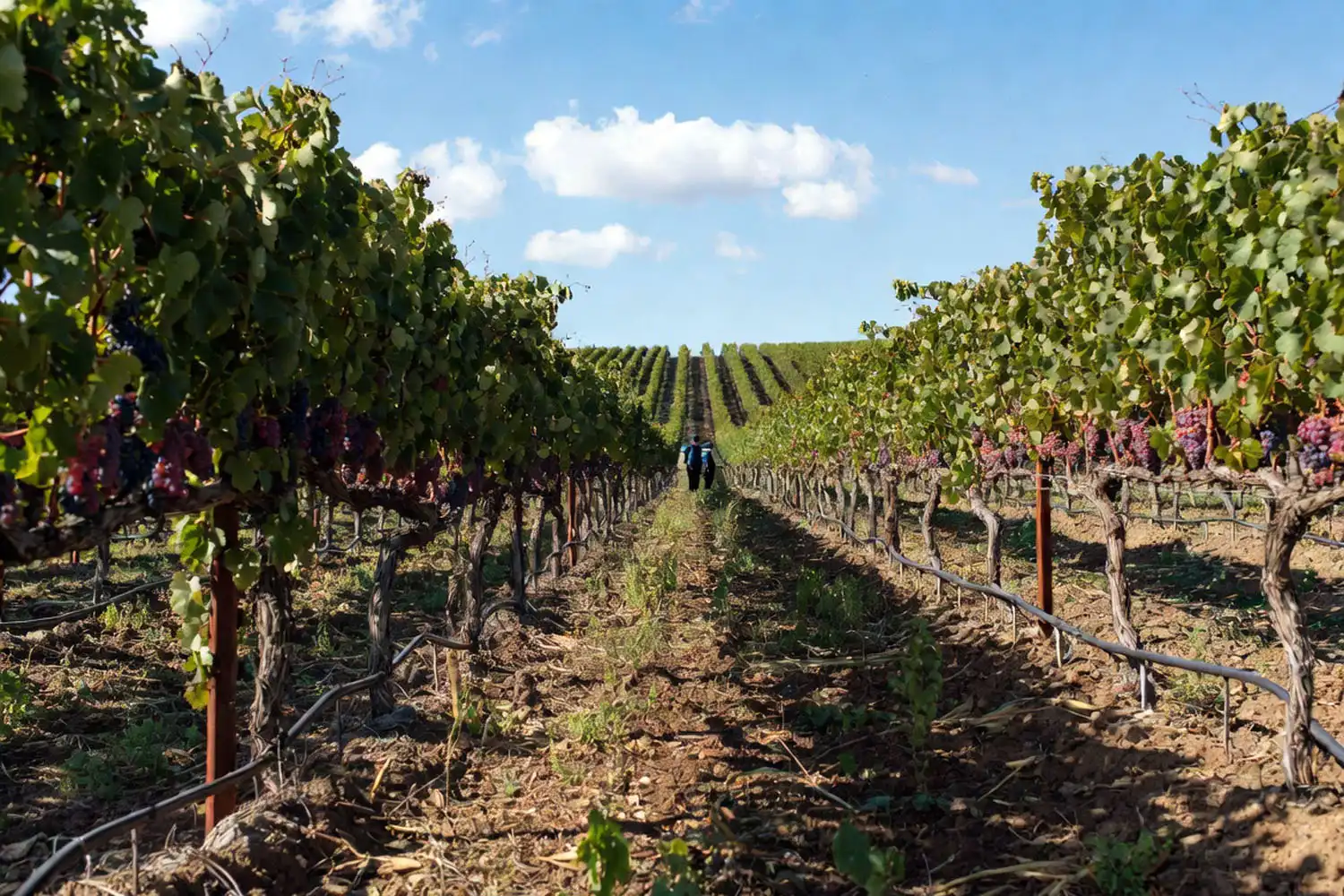
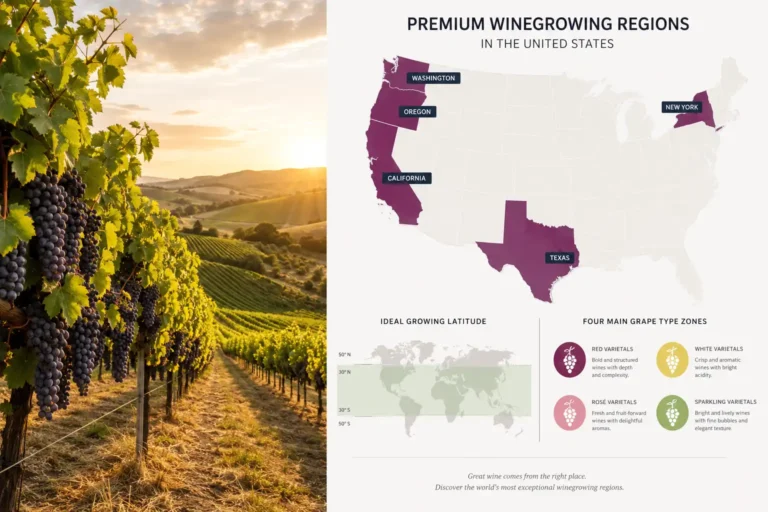
Candy Snap grapes are grown in California, Mexico, Peru, Brazil, and Spain, with California’s San Joaquin Valley as the main US production zone. The variety needs hot, dry weather and full sun to develop deep red color and hit that 20-Brix sugar target. The Central Valley around Bakersfield gives that almost every season, which is why IFG launched the variety there.
US growers licensed to produce Candy Snaps include Grapeman Farms, Anthony Vineyards, Bright Vines, Pacific Trellis Fruit, and Master’s Touch. Mexico’s Divine Flavor and Awe Sum Organics handle most of the certified-organic supply during the spring window.
Growing Conditions for Candy Snap Vines
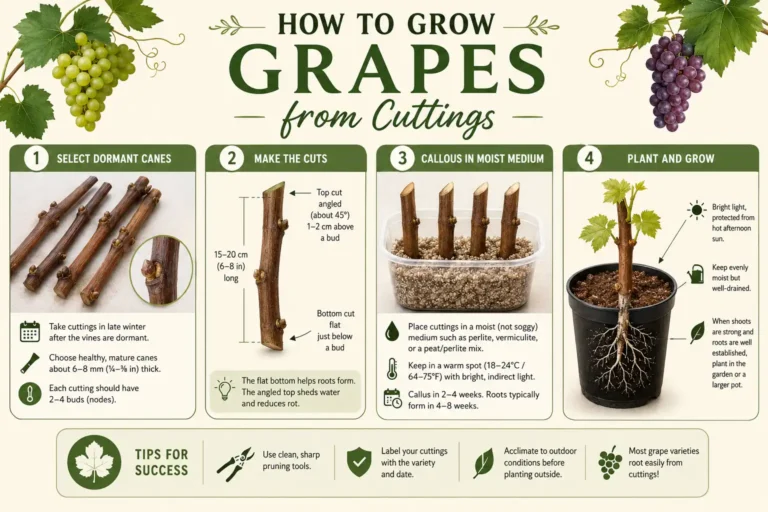
Candy Snap vines need a long warm season, well-drained soil, and steady drip irrigation. They’re patented, so a commercial grower has to be licensed by Bloom Fresh to plant them. You can’t legally propagate them from a grocery-store bunch and start your own vineyard. The variety is productive in hot climates and develops red color well even when temperatures climb high, which is unusual for a red table grape (many reds wash out in heat).
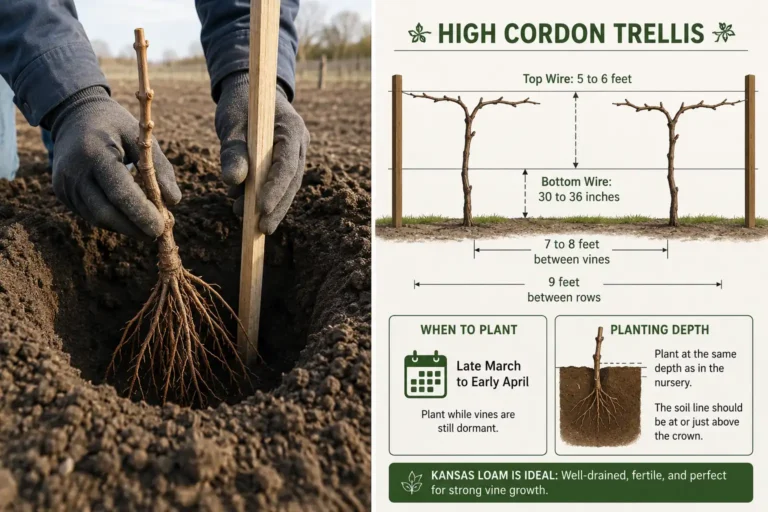
Trellising is standard table-grape style. Most licensed growers use an open gable or Y-trellis with cane pruning, drip lines, and overhead shade cloth in hottest weather. USDA hardiness zone 7 through 10 covers most of the US production area.
Where to Buy Candy Snap Grapes
Candy Snap grapes are sold at most major US grocery chains during summer, including Costco, Sam’s Club, Sprouts, Whole Foods, and many regional supermarkets. Look for clamshells labeled Candy Snaps, Gum Drops, or Gummy Berries. Farmers’ markets in California sometimes carry them too, especially Murray Family Farms out of Bakersfield.
Pricing usually runs higher than commodity reds, often double or more per pound. That premium reflects the licensing fees, lower yields per acre, and short shelf window.
Are Candy Snap Grapes Healthy?
Candy Snap grapes are nutritionally similar to other table grapes, with vitamin C, vitamin K, potassium, fiber, and grape-skin antioxidants. They are sweeter, though, so the natural sugar load per serving is higher. A standard cup of grapes runs about 15 grams of sugar. Candy Snaps will sit at the upper end of that range given the higher Brix.
For most folks, a one-cup serving as a snack is a solid swap for processed candy. Diabetics should still count the carbs and watch portion size. If you want a deeper look at the sweet-grape sugar question, our guide covers it in our post on whether cotton candy grapes are unhealthy, and the answer applies to Candy Snaps too.
How to Store and Use Candy Snap Grapes
Store Candy Snap grapes unwashed in the original clamshell or a perforated bag in the crisper drawer at 32 to 36°F. They’ll hold for one to two weeks if you keep them cold and dry. Wash only the portion you plan to eat. Surface moisture on the rest of the bunch shortens shelf life fast.
Beyond eating out of hand, they work well on cheese boards, in salads with goat cheese and arugula, frozen as a hot-day snack, or halved into yogurt. Their low acid makes them a better fit for sweet pairings than savory cooking. Reducing them into a sauce isn’t recommended, since it loses the flavor that makes them worth the price.
Final Thoughts
Candy Snap grapes earned their shelf space because the flavor is real and consistent. The breeding behind them is solid conventional plant science, the genetics belong to IFG/Bloom Fresh, and the season runs early summer through mid-summer in the US. If you see them in late June, grab a clamshell. They don’t stay around long, and once California finishes, you’re waiting on the southern hemisphere to bring them back.