What Is Sorghum Used For? 7 Major Uses From Feed to Fuel
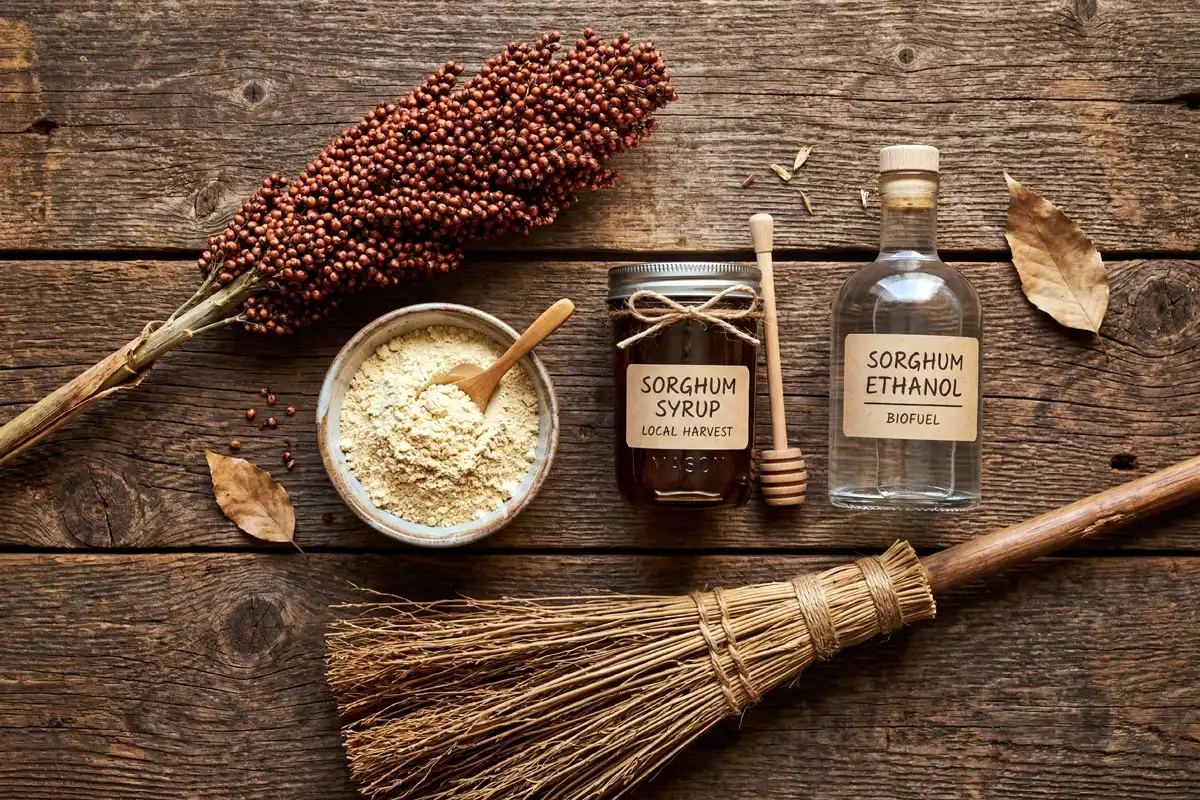
Sorghum is used for livestock feed, human food, syrup production, ethanol fuel, gluten-free brewing, and broom fiber, with each market drawing on a different sorghum type. This guide covers every major use and helps you match grain, forage, sweet, and broomcorn varieties to the right purpose.
Sorghum serves seven main uses: grain for livestock feed, forage and silage for cattle, gluten-free flour and whole grain food, sweet sorghum syrup, ethanol and biofuel, brewing for beer and spirits, and broomcorn fiber for brooms and brushes. The intended use decides the variety a farmer plants.
Down here in Kansas, I see sorghum heading to feedlots, ethanol plants, and export terminals every harvest. The crop earned the nickname “milo” for grain types, but it does far more than fill a feed bunk. If you want a deeper view of growing sorghum varieties, the category page covers planting and management. Here, I want to walk through every end-use you should know.
Contents
What Is Sorghum?
Sorghum (Sorghum bicolor) is a warm-season cereal grass in the Poaceae family. It grows 3 to 15 feet tall, produces a panicle of seeds at the top, and tolerates heat and drought better than corn. Farmers separate it into four functional groups: grain, forage, sweet, and broomcorn.
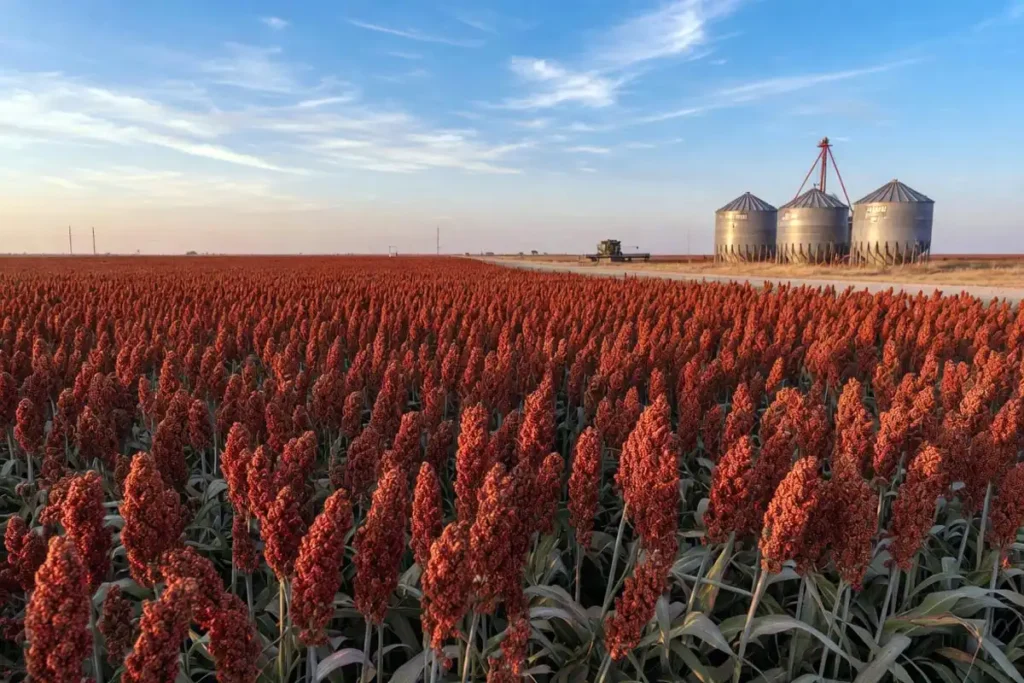
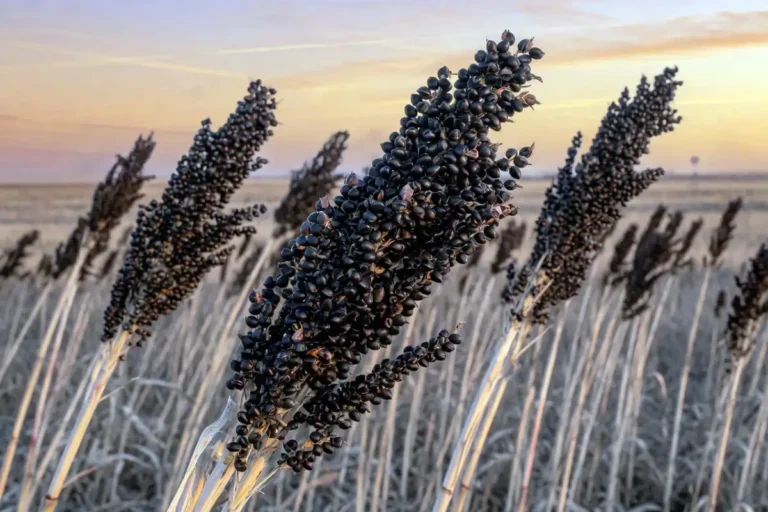
Each group is bred for a different trait. Grain sorghum produces dense seed heads. Forage sorghum and sorghum-sudangrass hybrids put energy into stems and leaves. Sweet sorghum stores sugary juice in the stalk. Broomcorn grows long, stiff brush fibers.
What Is Sorghum Used For Today?
1. Livestock Feed and Grain Markets
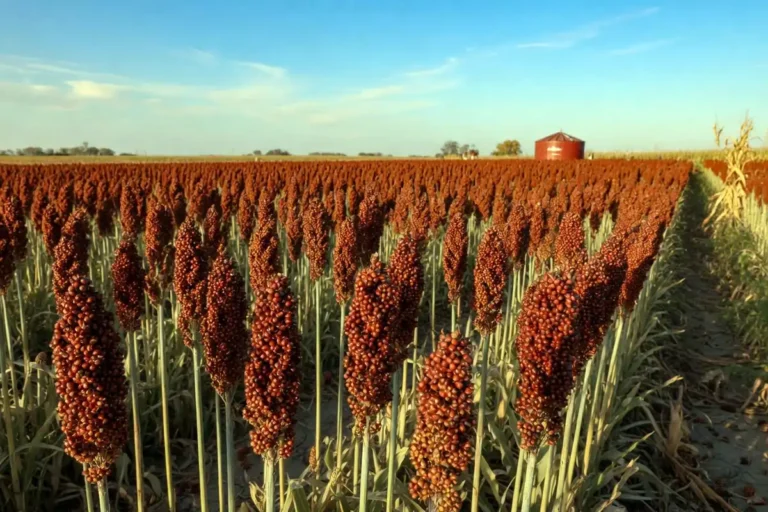
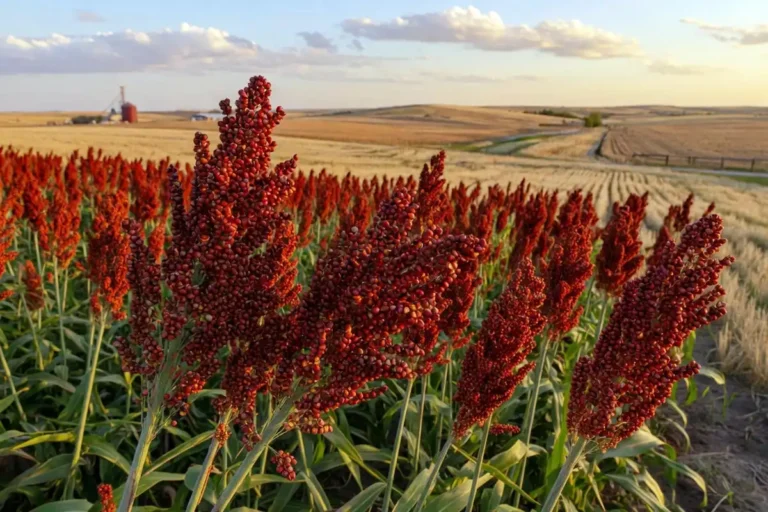
Grain sorghum is the largest single use in the United States. Cattle, hogs, and poultry eat the rolled or ground grain as an energy source. Per USDA Economic Research Service data, sorghum ranks as the third-largest U.S. feed grain after corn and barley.
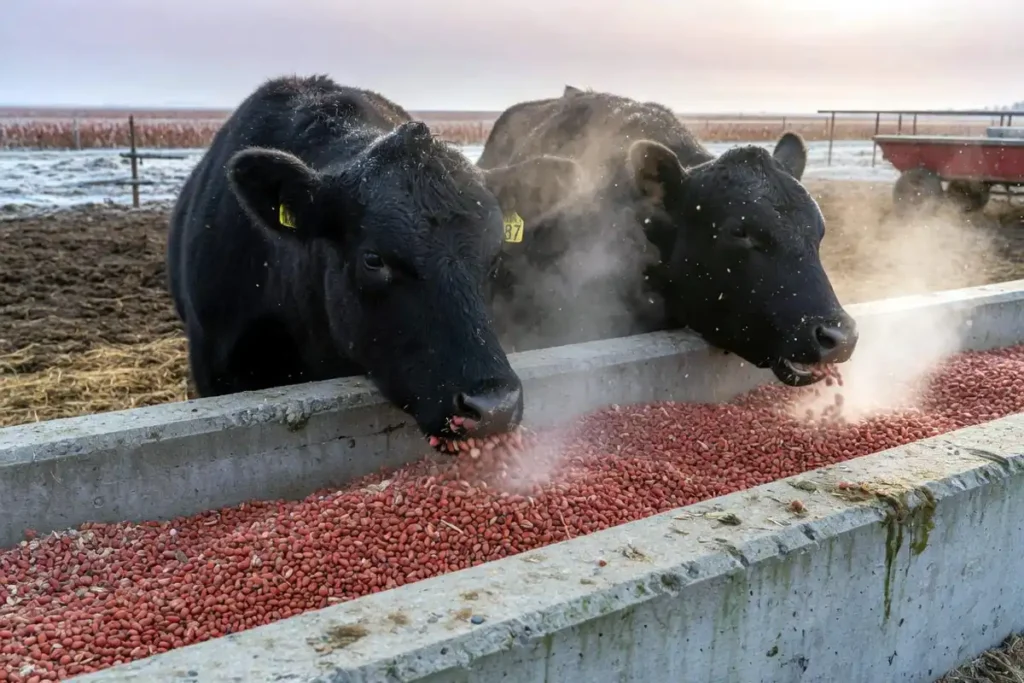
Export demand also moves a large share of the crop. China imports sorghum for hog rations and baijiu liquor production. Mexico and Japan buy U.S. grain for feed.
2. Forage, Hay, and Silage
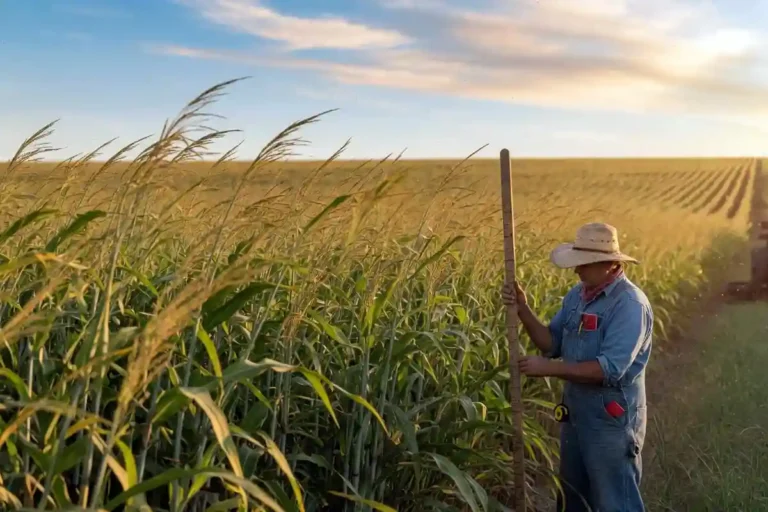
Forage sorghum and sorghum-sudangrass hybrids produce high-tonnage feed for dairy and beef cattle. Producers chop them for silage or cut them as hay. Timing matters here, and I covered the harvest window in my piece on cutting sorghum-sudan grass for hay.
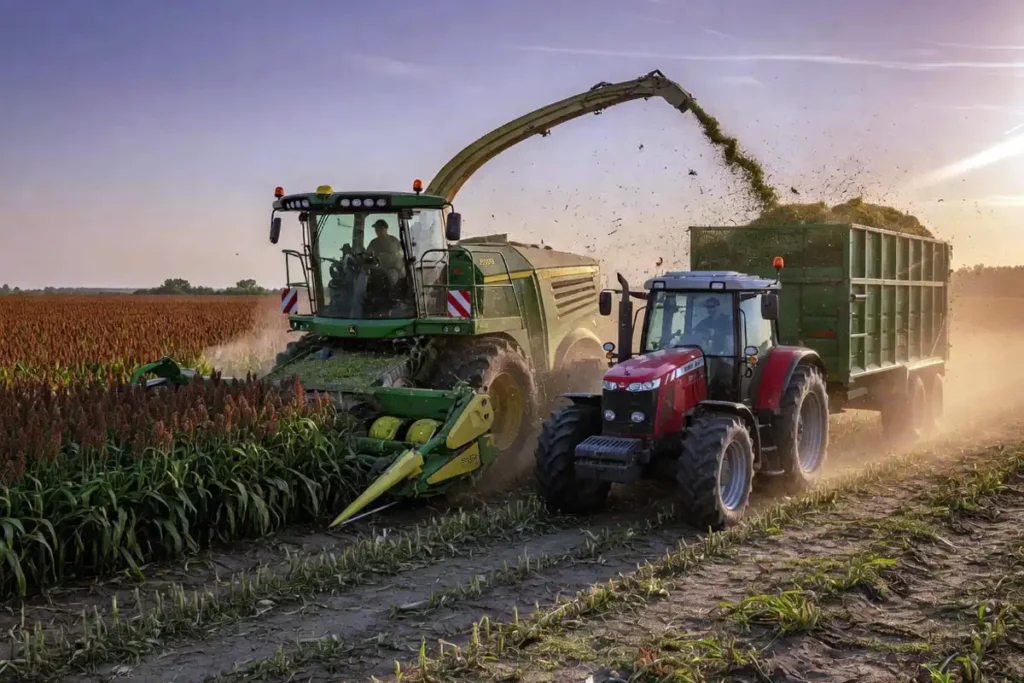
A single forage sorghum crop can yield 15 to 25 tons of silage per acre under irrigation, according to Kansas State Research and Extension trials. That makes it a strong corn silage alternative on dryland acres.
3. Human Food and Gluten-Free Products
Sorghum grain feeds an estimated 500 million people across Africa and Asia, where it appears in porridges, flatbreads, and fermented drinks. In the United States, the gluten-free market drives most food demand.
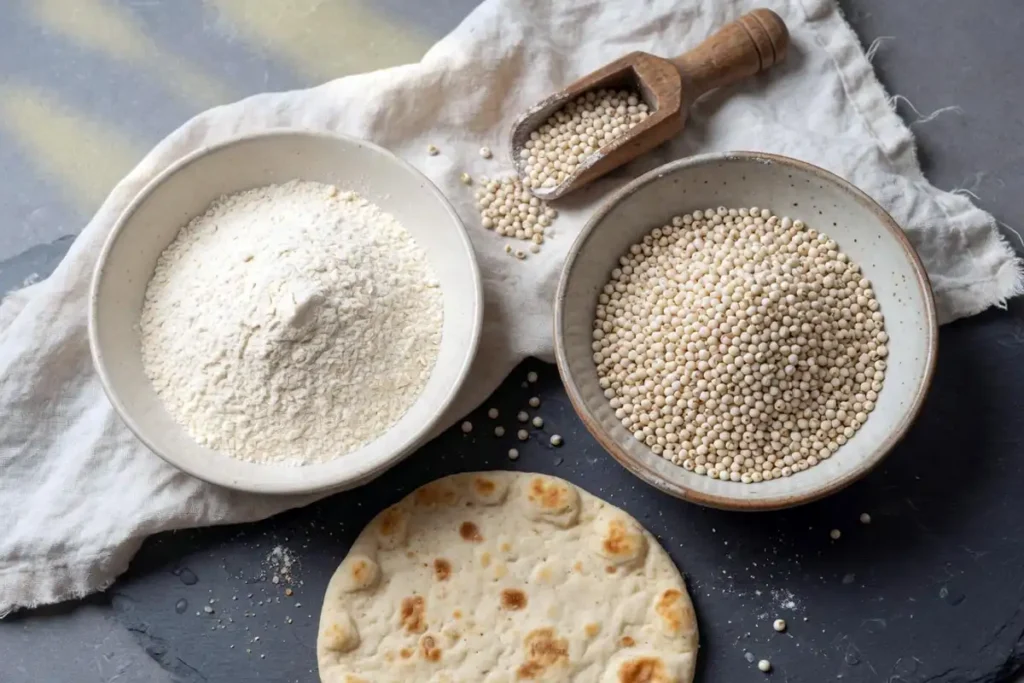
Whole-grain sorghum cooks like rice. Sorghum flour appears in gluten-free breads, cookies, pancake mixes, and pasta. Popped sorghum works as a small-kernel popcorn substitute. Food-grade white tannin-free varieties carry a premium over feed grain.
4. Sweet Sorghum Syrup
Sweet sorghum stalks contain juice with 10 to 16 percent sugar. Producers crush the stalks, then boil the juice down to a thick amber syrup. Tennessee, Kentucky, North Carolina, and Iowa hold the strongest tradition for sorghum syrup making.
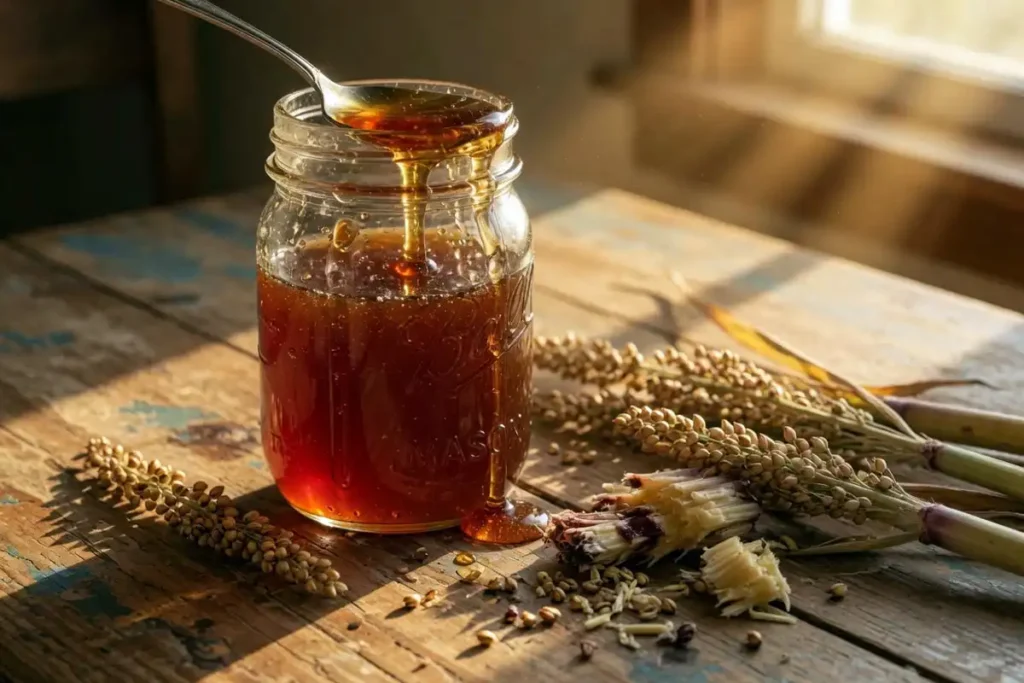
The finished syrup tastes between molasses and maple, and it sells at farmers markets and specialty grocers. One acre of sweet sorghum yields roughly 100 to 200 gallons of syrup, depending on variety and processing efficiency.
5. Ethanol and Biofuel Production
Grain sorghum converts to ethanol at almost the same rate as corn. About one-third of the U.S. sorghum crop in recent years has gone to ethanol plants, especially in Kansas, where dryland acres favor sorghum over corn.
Sweet sorghum is also studied as a dedicated biofuel feedstock because the stalk juice ferments directly without enzyme treatment. Research at land-grant universities continues to refine this pathway.
6. Brewing and Distilled Spirits
Sorghum is the base grain for many gluten-free beers in the U.S. and craft market. African sorghum beer (umqombothi, dolo, pito) is a traditional fermented drink consumed across the continent. Chinese baijiu, the world’s most-consumed distilled spirit by volume, uses sorghum as its primary grain.
7. Broomcorn for Brooms and Brushes
Broomcorn is the original natural material for handmade brooms. The long, stiff brush fibers from the panicle are bundled, sewn, and bound to handles. Most U.S. broomcorn now comes from Mexico, but small craft producers still grow it stateside for artisan brooms.
Where Sorghum Is Used Most
Globally, India, Nigeria, Sudan, and Ethiopia consume sorghum as a staple food. The United States, Argentina, and Australia produce mostly for feed and export. Within the U.S., Kansas leads production, followed by Texas, Oklahoma, Colorado, and Nebraska.
End-use also shifts by region. Southern states still produce sweet sorghum syrup. Plains states grow grain for feed and ethanol. The Corn Belt fringe uses forage sorghum on droughty soils where corn struggles.
How Farmers Match Sorghum Type to End-Use
Choosing the right variety drives profitability. A grain hybrid wasted on a hay field gives poor tonnage. Forage hybrids planted for grain produce thin seed heads. Picking crops well is something I covered in how to choose crops for farming.
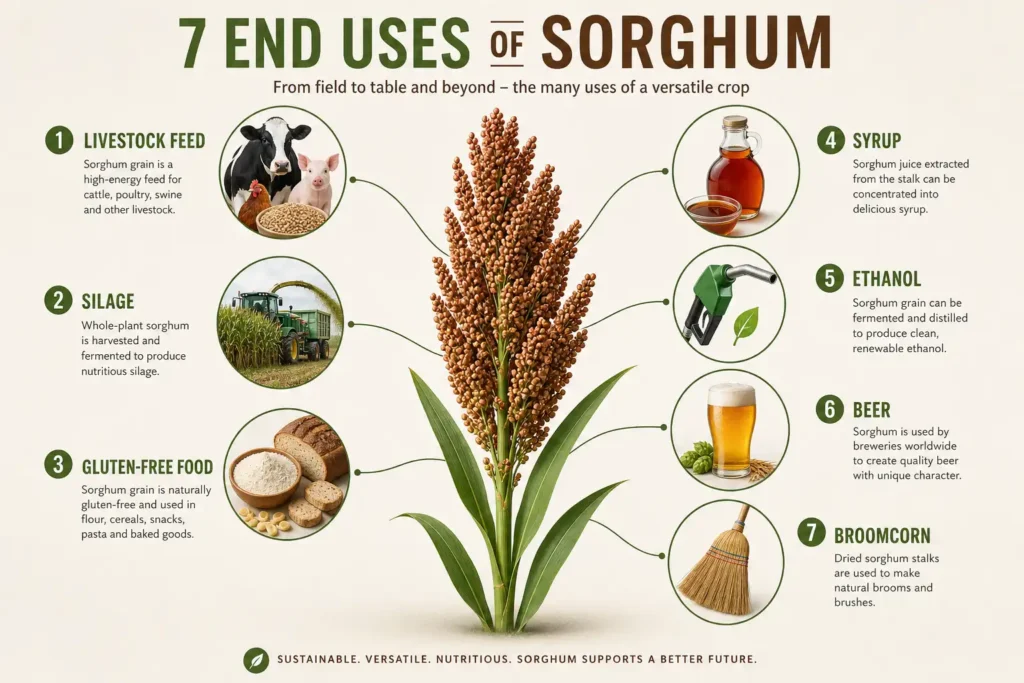
Sweet sorghum needs a buyer or processing plan before planting. Broomcorn needs hand harvest and a craft market. Grain sorghum has the deepest commodity market and the easiest path to sale.
Sorghum as a Cover Crop
Sorghum-sudangrass also works as a summer cover crop that builds biomass, suppresses weeds, and breaks compaction with deep roots. Mowed and incorporated, it adds organic matter, which supports a longer plan to improve soil fertility naturally over multiple seasons.
It also fits neatly into a crop rotation plan between cool-season cereals and legumes, breaking pest cycles tied to corn and small grains.
Mistakes to Avoid With Sorghum
Planting the wrong type for the market tops the list. Selling food-grade sorghum into the feed market loses the price premium. Cutting forage too early drops tonnage; cutting too late loses palatability and protein.
Skipping a market contract on specialty types also stings. Sweet sorghum, food-grade white sorghum, and broomcorn need a buyer lined up before planting.
Safety Notes for Forage Sorghum
Young, drought-stressed, or frosted sorghum forage can contain prussic acid (hydrogen cyanide), which is toxic to cattle. The University of Nebraska–Lincoln Extension recommends waiting until plants reach 18 to 24 inches before grazing, and waiting 7 days after a killing frost before feeding green forage. Properly cured hay loses prussic acid risk.
Nitrate accumulation is the second risk during drought. Test forage before feeding stressed crops to confirm safe levels.
Frequently Asked Questions

Is sorghum the same as milo?
Is sorghum gluten-free?
Can people eat sorghum like rice?
Is sorghum better than corn for cattle?
Why is sorghum used in ethanol?
Final Thoughts
Sorghum earns its keep across feed bunks, dinner plates, syrup jars, fuel tanks, and broom shops. Matching the right grain, forage, sweet, or broomcorn type to the right buyer is what separates a profitable acre from a disappointing one. Plan the market first, then plant the variety that fits.