What Is Sona Masoori Rice: Origin, Growing, and Uses
Sona Masoori rice has spread well beyond South India and now sits on plenty of American pantry shelves. The grains look small and chalky white in the bag, then cook up soft and fluffy. Here is a clear answer to what is Sona Masoori rice.
Sona Masoori is a medium-grain aromatic rice from South India, bred as a cross between Sona and Mahsuri varieties. It cooks light, soft, and slightly sticky, and is the everyday rice across Andhra Pradesh, Telangana, and Karnataka.
Where Sona Masoori Rice Comes From
Sona Masoori was developed in India in the 1980s as a cross between two parent varieties, Sona and Mahsuri. The name is a straight blend of those parent names. Plant breeders at Indian agricultural research stations selected it for high yield, solid cooking quality, and strong adaptation to the South Indian climate.
It is grown mostly in three states: Andhra Pradesh, Telangana, and Karnataka. Some production also happens in Tamil Nadu. Together those regions form the heart of South India’s rice belt. The grain is so common in that part of the country that it works as the default daily rice in most homes.
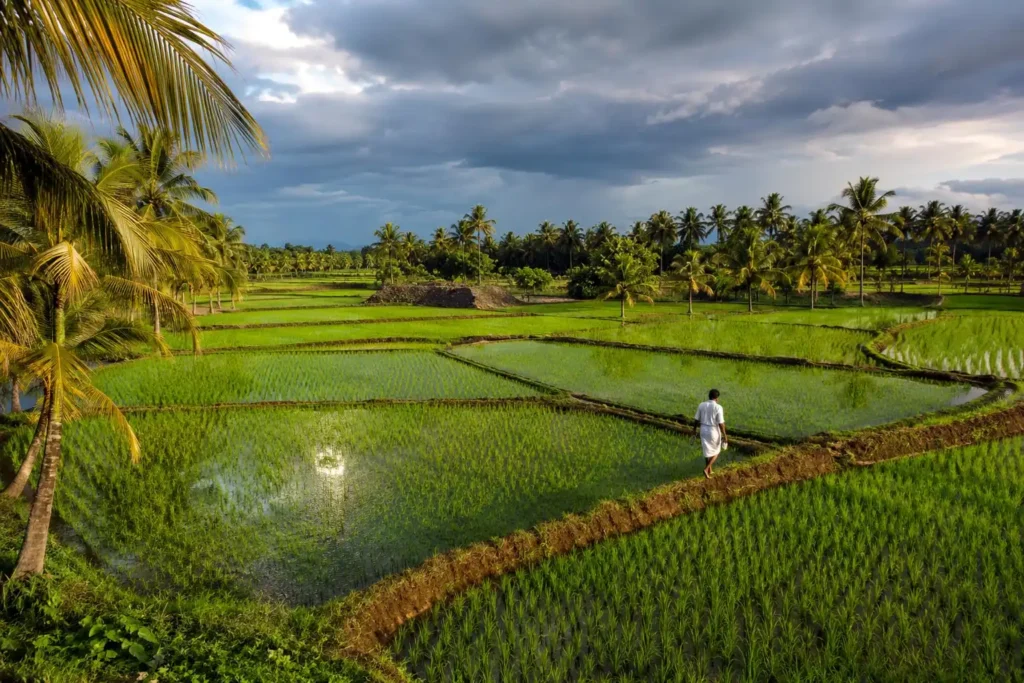
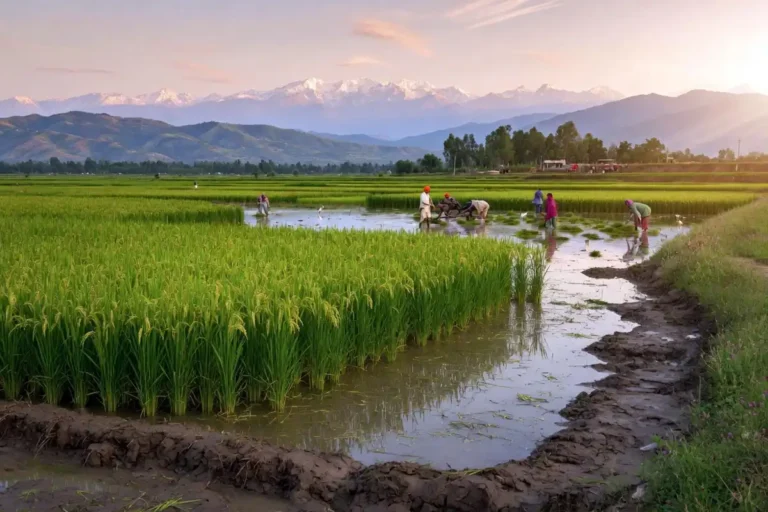
The variety thrives in the warm, humid conditions of the Deccan plateau and the river deltas of the Krishna and Godavari basins. Most of the crop is planted in the kharif season, which lines up with the southwest monsoon from June through October. A second crop, called rabi, is grown in select areas under heavy irrigation from November through April.
What Sona Masoori Rice Looks Like
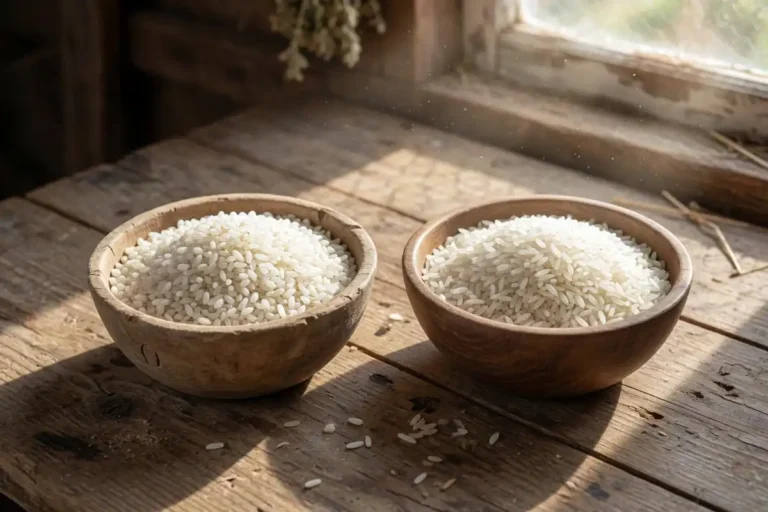
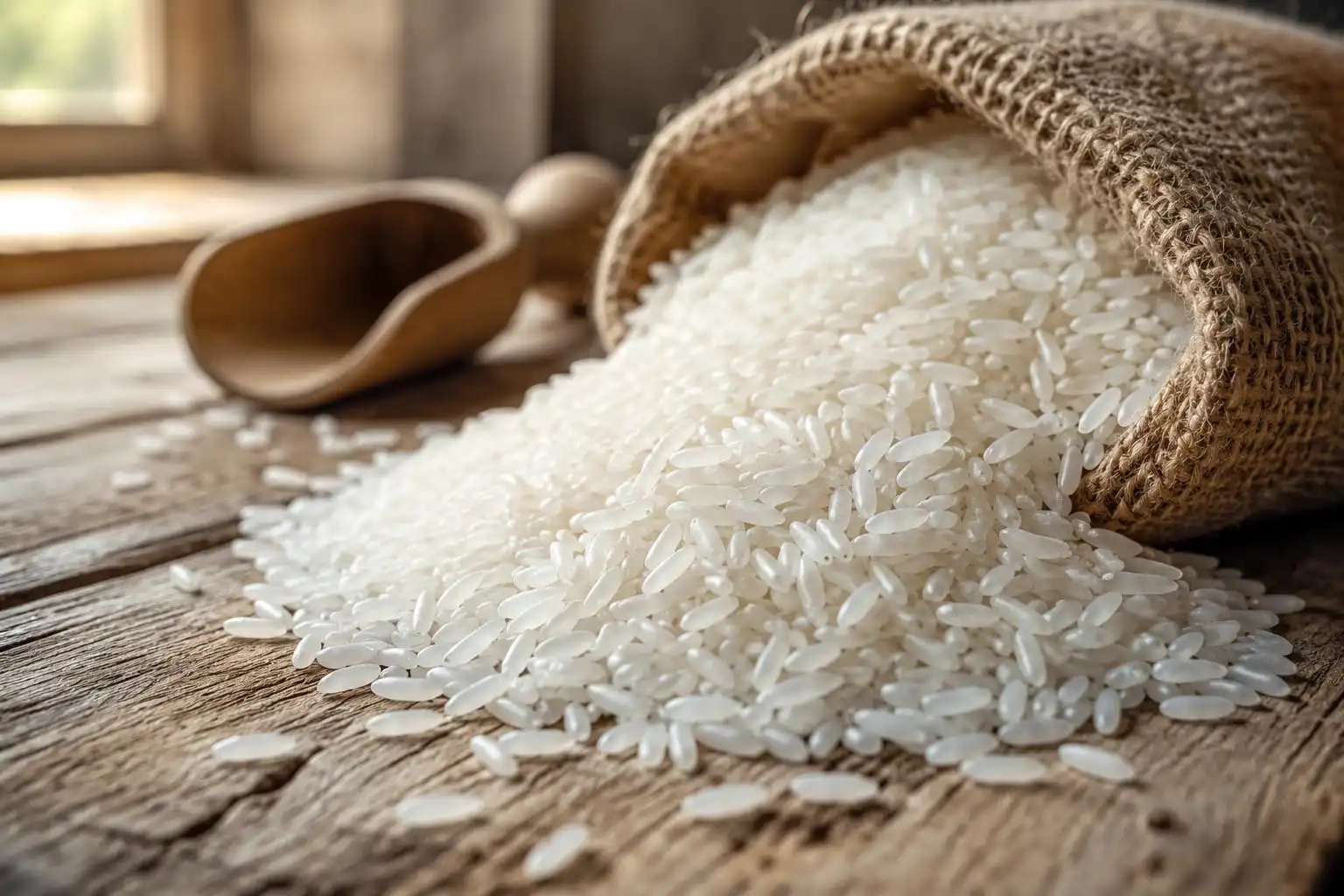
The grains are short to medium length, with a chalky white appearance and a slightly opaque finish. They are lighter than basmati, both in weight per grain and in how they feel in the hand. A pound of Sona Masoori contains noticeably more grains than a pound of long-grain basmati.
Cooked grains stay separate but soft. They do not lock up into a sticky mass like sushi rice. They also do not stretch and stay rigid like basmati. The texture sits in the middle, which is exactly why the variety took over so many South Indian kitchens.
How Sona Masoori Compares to Basmati and Calrose
Sona Masoori is medium-grain. Basmati is long-grain. That single fact drives most of the cooking and flavor differences. Basmati grains nearly double in length when cooked, and they carry a strong nutty aroma. For deeper background on where basmati rice originates, see our piece on basmati’s origin and growing regions.
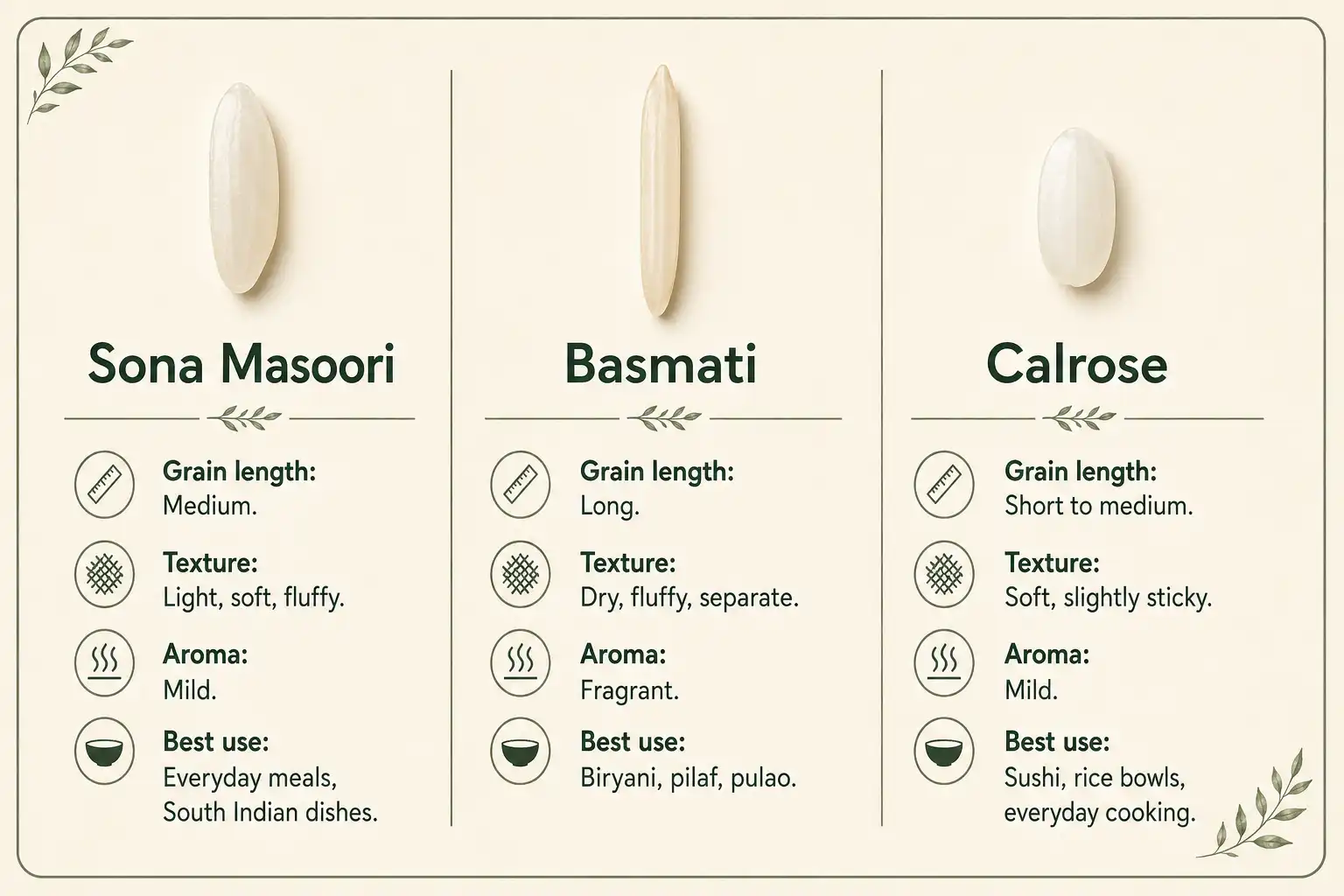
Calrose is California’s flagship medium-grain rice and a fair comparison. Calrose is rounder, plumper, and stickier when cooked. Sona Masoori is slimmer and lighter, with a fluffier finished texture. More on that California variety in our guide on where Calrose rice is grown.
Sona Masoori carries a mild fragrance, much softer than basmati’s strong aroma. The flavor is clean and slightly sweet. It absorbs spices well, which is why it works so well in heavily seasoned dishes.
How Sona Masoori Rice Is Grown
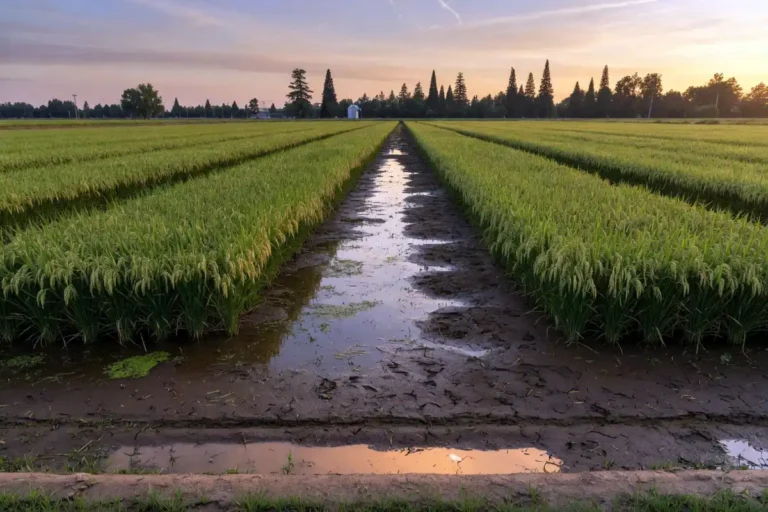
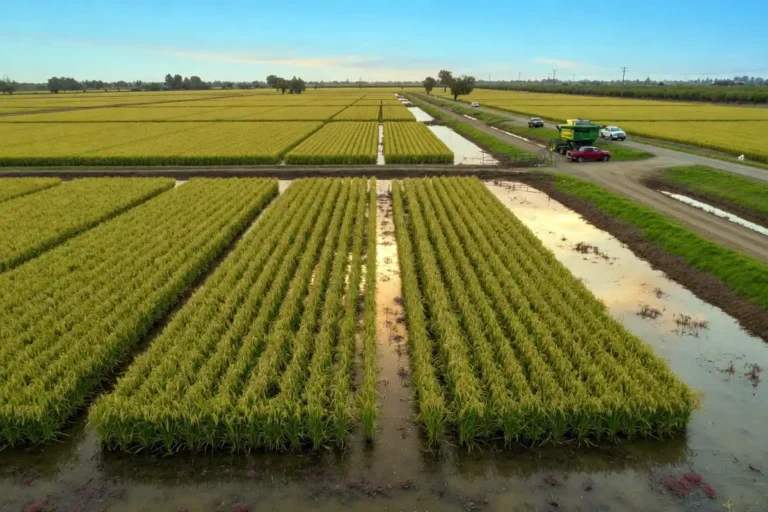
Sona Masoori is grown as paddy rice in standing water, the same as most cultivated rice worldwide. Fields are flooded after transplanting and held under shallow water for most of the season. If you want the full agronomic reason behind flooded fields, our guide covers it in our article on why rice paddies are flooded.
The crop duration is around 125 to 135 days from sowing to harvest. That puts it in the medium-duration class. Farmers in Andhra Pradesh and Telangana typically raise seedlings in puddled nurseries for about 25 to 30 days, then transplant them into puddled, leveled main fields. Spacing usually runs around 6 by 6 inches between hills.
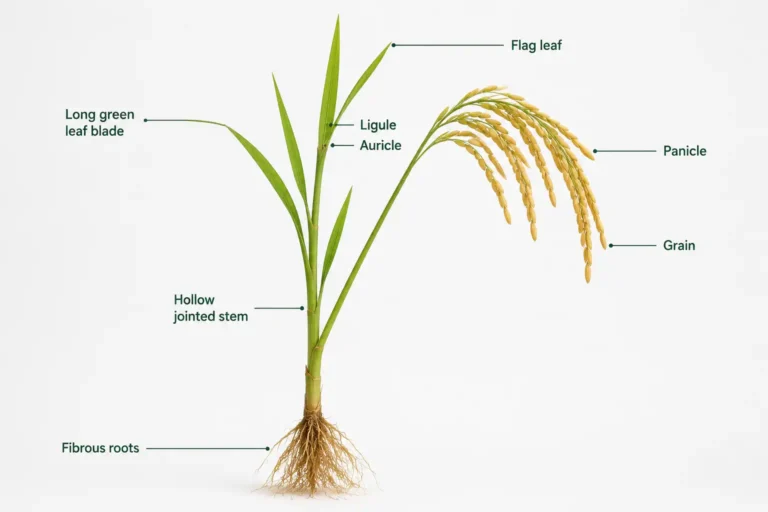
Fertilizer programs lean on a split nitrogen application, with phosphorus and potassium applied at basal stage. Yield potential sits in the range of 4,000 to 5,500 pounds per acre under good management, with some progressive growers pushing higher. Harvest comes when about 80 percent of the grains turn straw-colored and the panicles bend downward.
According to USDA Foreign Agricultural Service data, India is the world’s largest rice exporter, and aromatic and specialty varieties like Sona Masoori make up a steady share of shipments into the United States. The full rice trade picture is on the USDA Economic Research Service rice page.
How Sona Masoori Is Used in the Kitchen
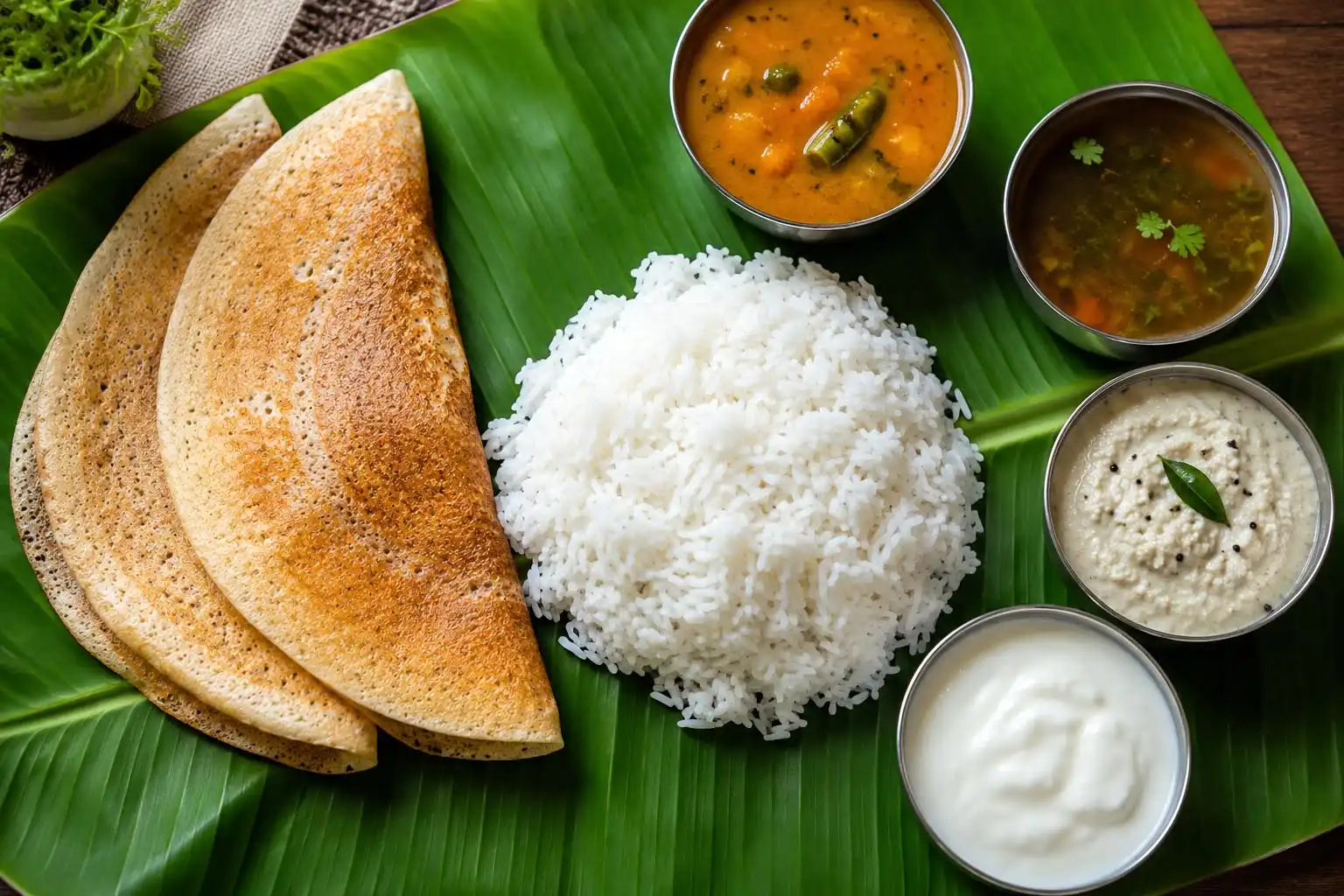
Sona Masoori shows up in nearly every category of South Indian cooking. The lighter texture suits steamed dishes, layered rice dishes, and fermented batters all the same.
Daily Meals
It is the standard rice served with sambar, rasam, curd, and curries. Steamed Sona Masoori soaks up liquid dishes without falling apart.
Biryani and Pulao
It works well in South Indian biryani styles, especially Hyderabadi and Andhra recipes. The grains hold their shape under layered dum cooking but stay tender.
Idli, Dosa, and Pongal
Ground and fermented with urad dal, it produces soft idlis and crisp dosas. For Pongal, the grains break down into a creamy texture that defines the dish.
Polished vs Unpolished Sona Masoori
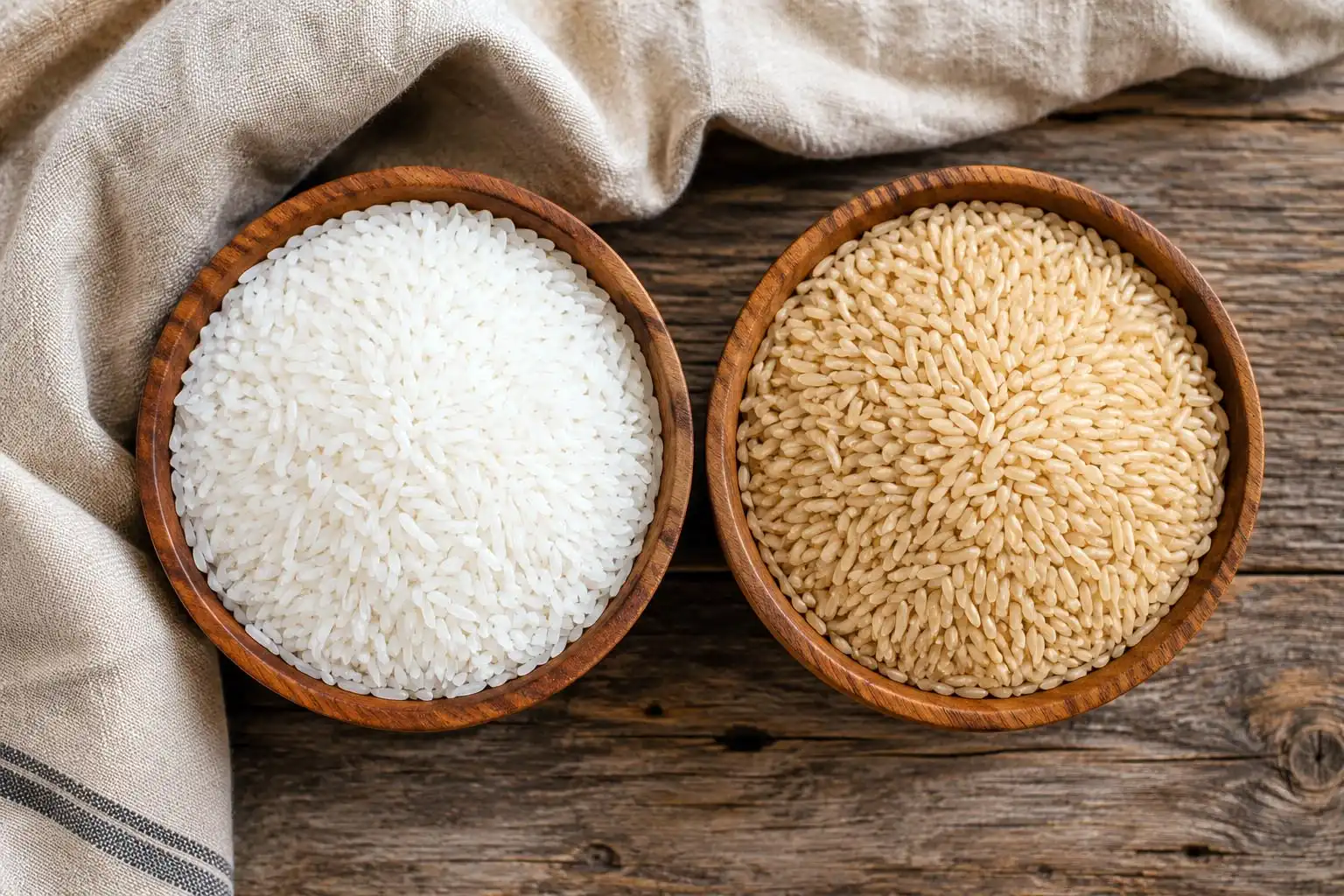
Most U.S.-sold Sona Masoori is fully polished white rice. Polishing removes the bran and germ, which extends shelf life and shortens cook time. Unpolished and hand-pounded versions are also available in larger Indian grocers. Those retain a tan color, more fiber, more B vitamins, and trace minerals like magnesium and manganese. Brown Sona Masoori sits at the high-fiber end of the range.
Nutritional Profile of Sona Masoori Rice
A cooked cup of Sona Masoori provides about 160 to 180 calories, depending on how it is polished. The glycemic index runs a touch lower than fully polished long-grain white rice, mainly because the smaller grains absorb less water during cooking and break down differently in the gut.
Organic and conventional versions carry essentially the same nutritional profile. Our article on whether covers that questionrice needs to be organic.
Why American Cooks Are Using Sona Masoori
Demand in the United States has climbed steadily over the last decade, first through Indian grocery chains and now in mainstream stores. Home cooks like the lighter texture compared to basmati and the cleaner cooking compared to short-grain. It also tends to cost less than premium aged basmati while still feeling distinct from standard medium-grain.
Most U.S.-sold Sona Masoori is imported from India. A few specialty mills in California have tested similar medium-grain varieties, but authentic Sona Masoori remains an imported product.
Bottom Line
Sona Masoori is a medium-grain South Indian rice with a soft, light texture and a subtle aroma. It is bred from Sona and Mahsuri, grown across Andhra Pradesh, Telangana, and Karnataka, and used for everything from daily steamed rice to fermented dosa batter. If you cook Indian food at home, or you just want a lighter alternative to long-grain rice, a 10-pound bag of Sona Masoori from your local Indian grocer is worth picking up.