Can You Grow Peanuts at Home? 7 Easy Steps for a Big Harvest
Yes, you can grow peanuts at home if you have 120 frost-free days, sandy soil, and a sunny spot. This guide walks through the right time to plant, the soil and seed setup, the step-by-step routine, and the mistakes that ruin a backyard peanut crop in the first season.
You can grow peanuts at home in any garden with full sun, loose sandy soil, and a 120 to 150 day warm season. Plant raw, unroasted peanut seeds 1.5 to 2 inches deep after the last spring frost. One healthy plant produces 30 to 50 pods, and a 4-by-8 foot bed feeds a small family.
Peanuts also fix nitrogen, so the bed grows richer each season. You just need patience because the pods take a long, slow ripening period below the surface.
If you want a wider look at where this crop fits the climate map, our piece on where peanuts grow naturally covers the global belt. For backyard gardens, the planting rules in this guide work across USDA zones 6 through 11. Also know more about Peanuts Grown in the US.
What Is a Home Peanut Plant?
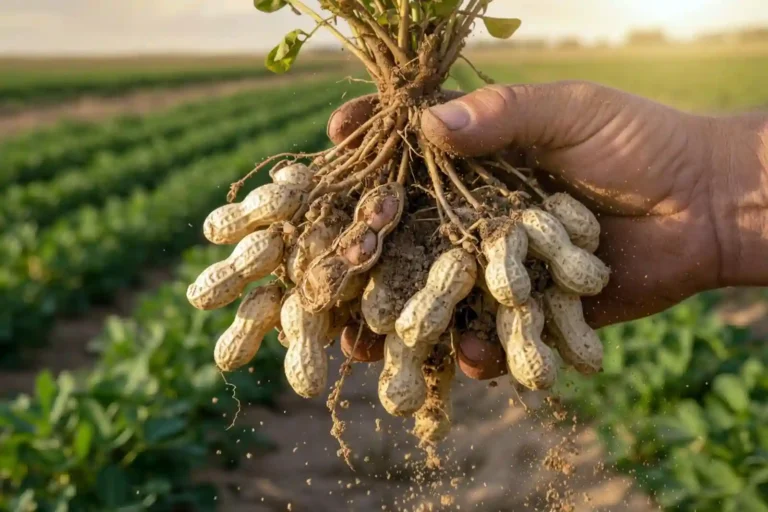
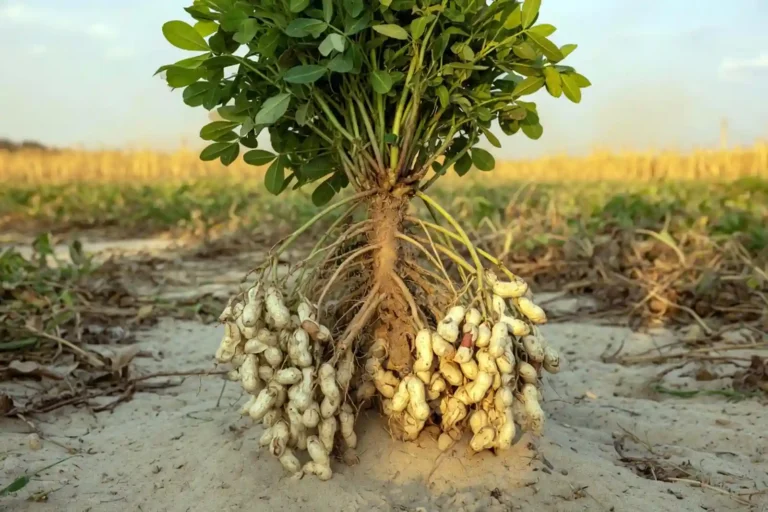
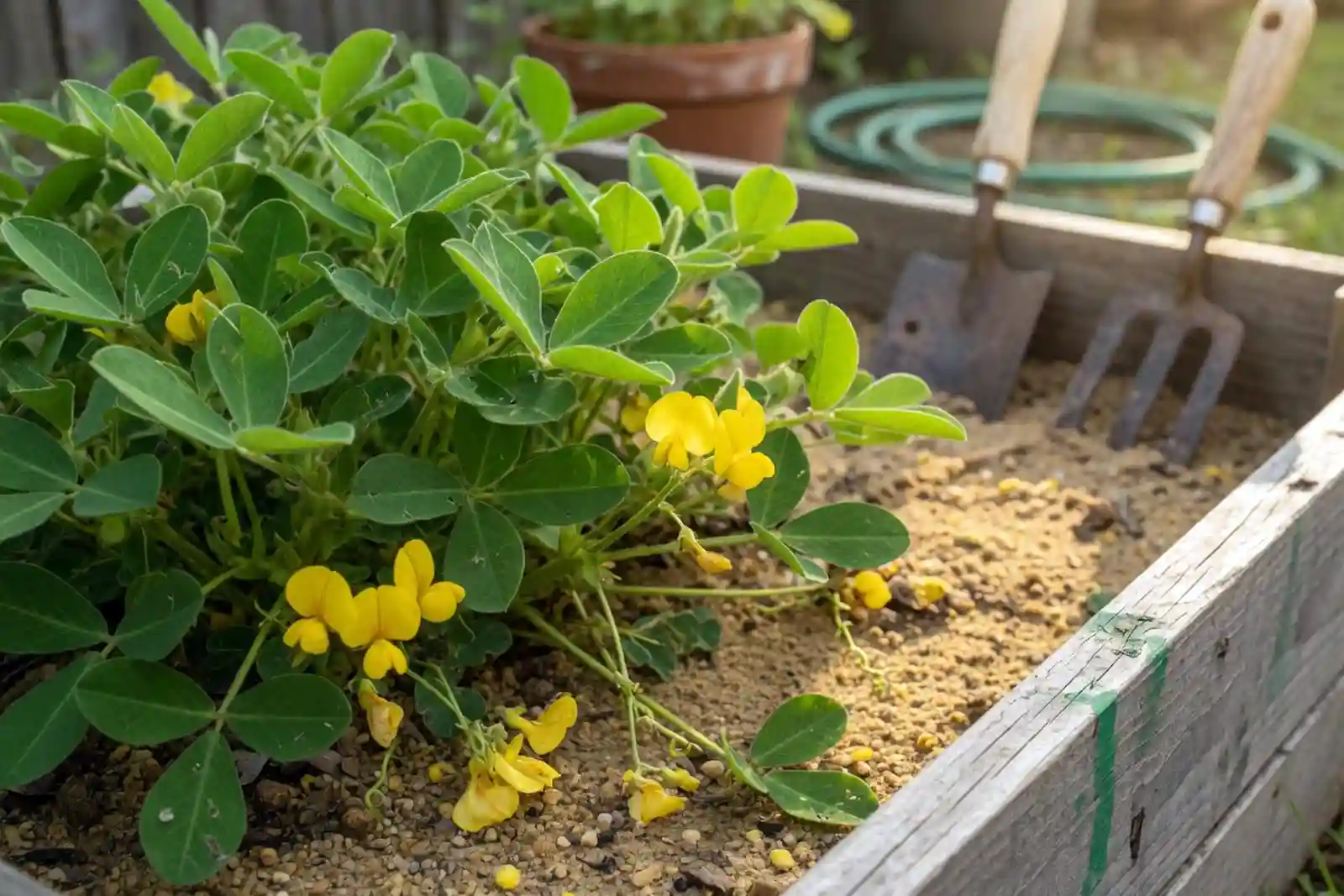
A home peanut plant is the same legume (Arachis hypogaea) farms use, scaled to a small bed or large container. The plant grows 18 to 24 inches tall with yellow flowers above ground and pods that form below the soil through a process called pegging.
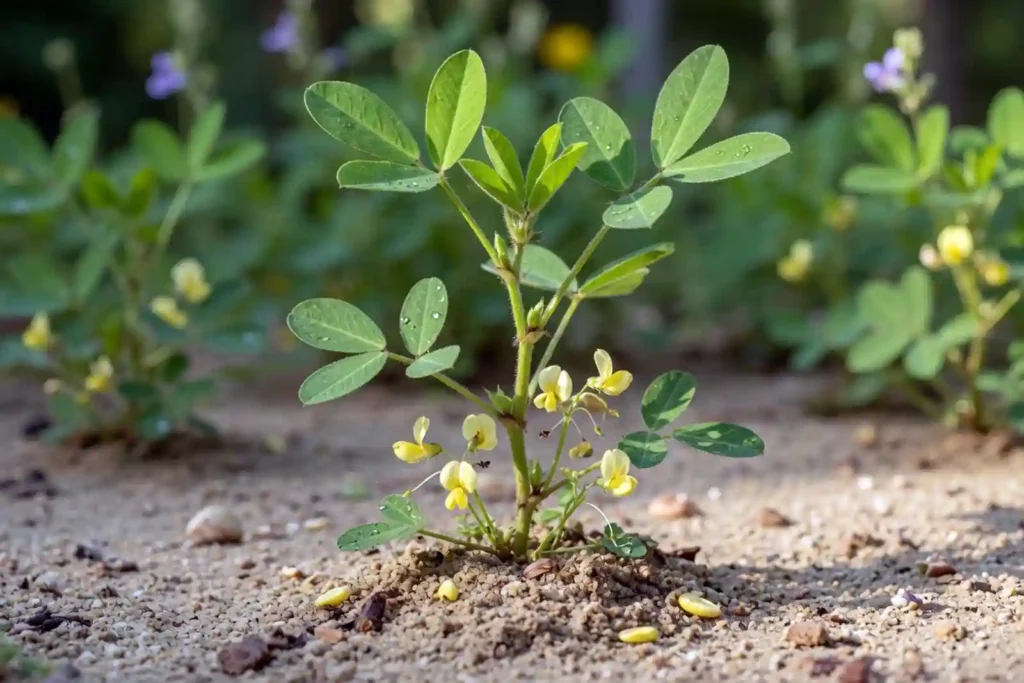
Peanuts are legumes, not nuts. The plant family is Fabaceae, which it shares with beans, peas, and clover. Our article on covers the structuredo peanuts grow on trees, and the same biology applies in a home garden.
Know more: Are Peanuts Grains or Legumes? 6 Key Differences
When to Plant Peanuts at Home
Plant peanuts 2 to 3 weeks after the last spring frost, once soil at 4-inch depth holds steady at 65°F or warmer. In most of the central U.S., that falls between mid-May and early June. In the Deep South, mid-April works.
Cold soil rots the seed before it sprouts. Use a soil thermometer in the morning for three days in a row. If readings stay below 65°F, wait. The crop needs a long warm window to finish, so a late start cuts the harvest.
For yearly timing across crops, this crop planting calendar helps you line up the peanut window with the rest of the garden.
Where to Grow Peanuts at Home
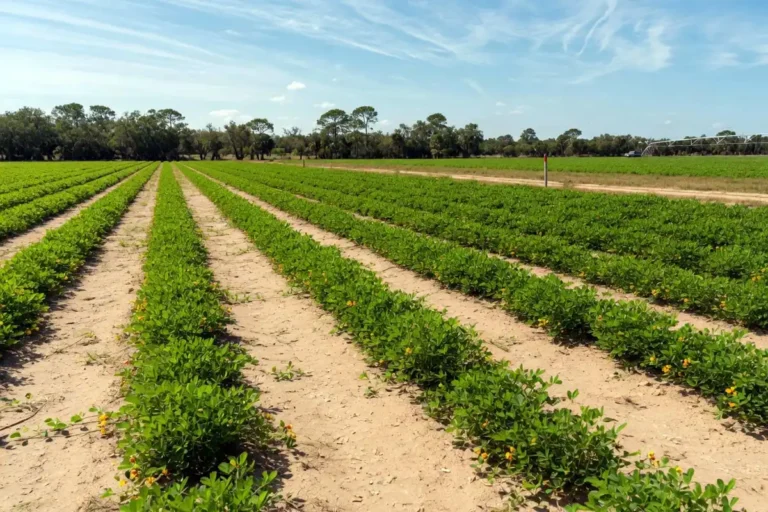
Peanuts grow best in full sun with at least 8 hours of direct light per day. The bed needs sandy or sandy loam soil that drains fast and stays loose. Heavy clay blocks the peg from pushing into the ground, and pods never form.
Soil pH should sit between 5.8 and 6.2. A simple soil test tells you where you stand before planting. If your pH is off, lime in fall or sulfur in spring brings it into range.
Container growers can succeed too. Use a 5-gallon pot or a 12-inch deep grow bag with a sandy potting mix. One plant per container.
Learn more: Grow Peanuts in Michigan
How to Grow Peanuts at Home (Step-by-Step)
Step 1: Buy the Right Seed
Use raw, unroasted peanuts in the shell from a seed company or a farm supply store. Roasted grocery peanuts will not sprout. Spanish and Valencia types finish in 100 to 120 days, which suits short-season backyards. Virginia and Runner types need 140 to 150 days.
Step 2: Prepare the Bed
Loosen the soil to 10 inches deep. Mix in 2 inches of compost across the bed. Avoid fresh manure because it pushes leaf growth at the expense of pods. Skip nitrogen fertilizer. Peanuts make their own through root nodules.
Step 3: Plant the Seeds
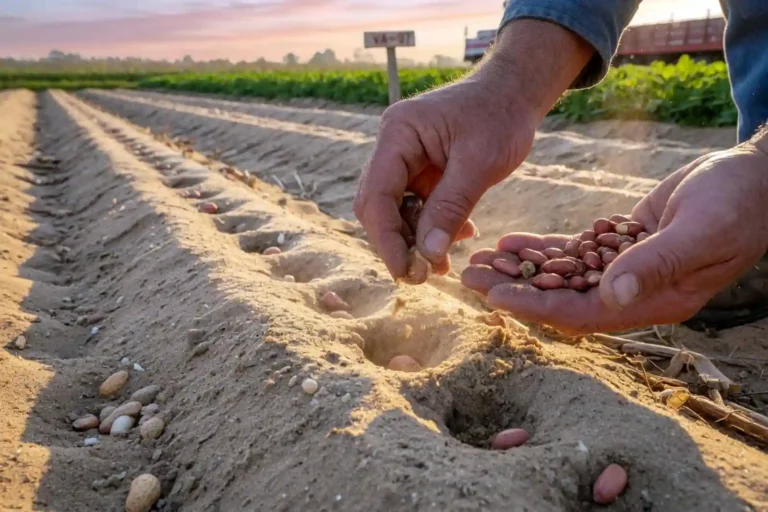
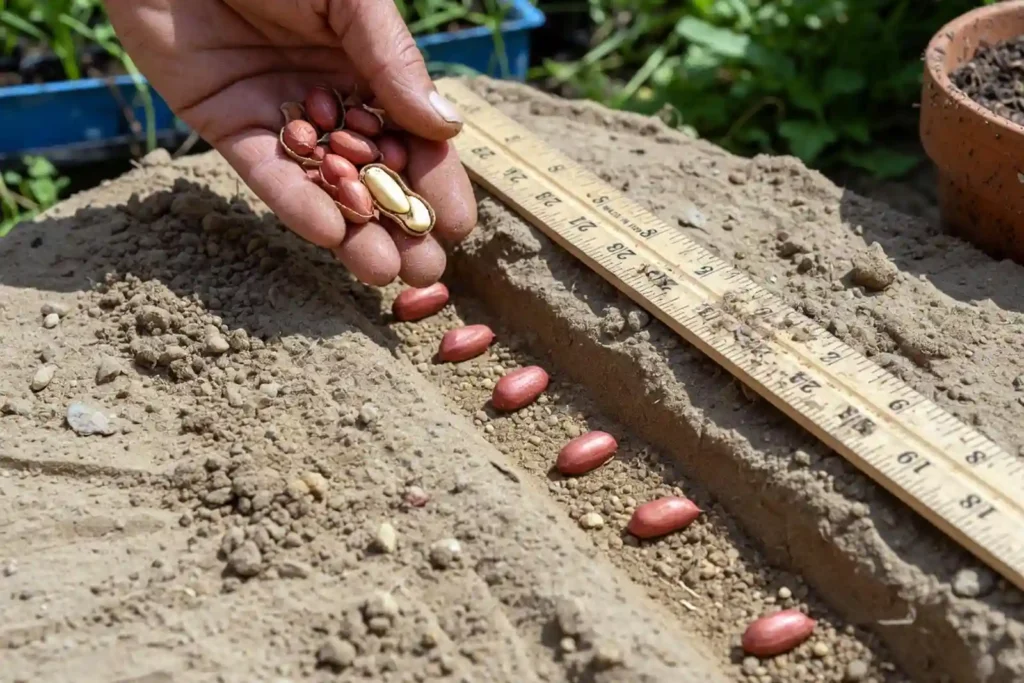
Crack the shells gently and pull out the kernels. Keep the papery skin on. Plant kernels 1.5 to 2 inches deep, 6 inches apart, with rows spaced 24 to 30 inches apart. Water lightly after planting.
Step 4: Care for the Plants
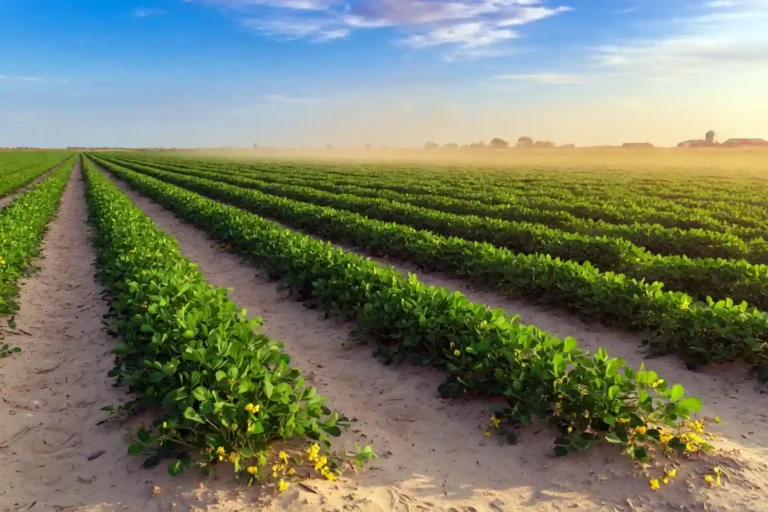
Water 1 inch per week during early growth. Yellow flowers appear 30 to 40 days after planting. Once flowers fade, pegs reach for the soil. At that point, scratch a thin layer of gypsum (1 cup per 10 row feet) around the base. Calcium fills the shells.
Hand-pull weeds. Do not hoe deep near the plant because the pegs sit just under the surface. The University of Georgia Peanut Extension team recommends keeping the soil loose all season for clean pod set.
Step 5: Harvest
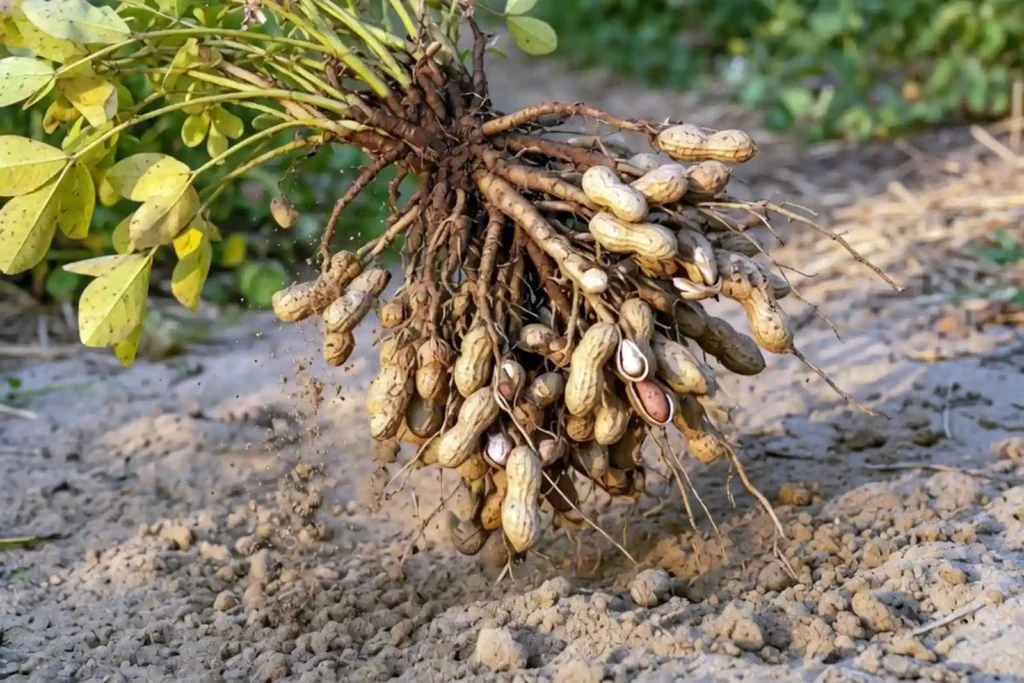
After 120 to 150 days, leaves turn yellow and lower foliage browns. Lift one plant with a fork and check the inside of a few pods. Mature shells show dark veins inside and firm tan kernels. Pull the whole plant, shake off loose dirt, and let the pods cure on the vine for 1 to 2 weeks in a dry, airy spot.
After curing, twist pods off the plant and air dry another 2 weeks before shelling or storing.
How Much Yield Will One Plant Produce?
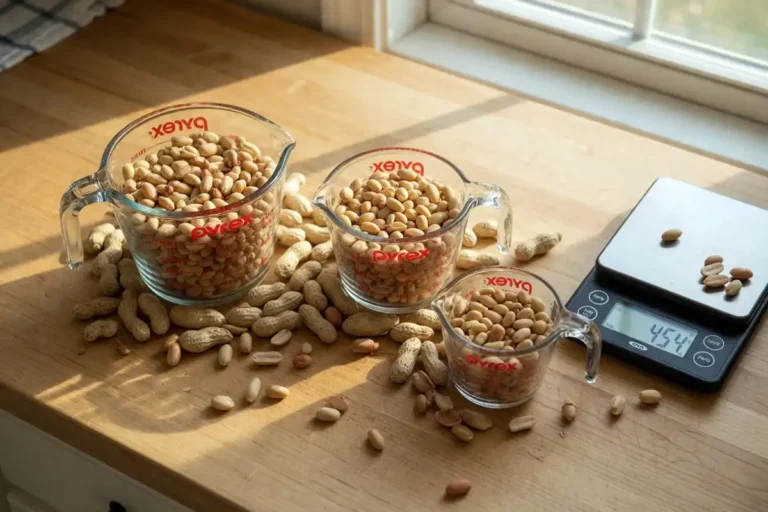
A healthy backyard peanut plant produces 30 to 50 pods, with 2 to 4 kernels per pod. That works out to roughly 60 to 200 peanuts per plant. A 4-by-8 foot bed holds about 24 plants and yields 4 to 6 pounds of dried peanuts in the shell.
For broader yield-side advice, Our notes on covers the basicshow to increase crop yield.
Common Mistakes Home Peanut Growers Make
A few errors keep new growers from a full harvest:
- Planting in clay soil: Pegs cannot push through. Build a raised bed with sand and compost instead.
- Using roasted grocery peanuts: They will not sprout. Buy raw seed peanuts.
- Hilling like potatoes: Peanuts do not need hilling. The peg buries itself.
- Skipping calcium: Without gypsum at flowering, the shells stay empty.
- Pulling too early: The pods give no above-ground signal. Always check a sample plant first.
- Storing wet pods: Damp peanuts grow mold and aflatoxin. Cure fully before storage.
Safety Notes for Home-Grown Peanuts
Peanuts can carry aflatoxin, a mold toxin, if pods sit in damp soil or get stored wet. Throw out any peanuts with black, gray, or fuzzy growth on the shells or kernels. Cure pods in a dry, airy place for at least 3 weeks before shelling.
People with peanut allergies should not handle the plant or harvested pods. The allergen sits in both the kernel and the shell dust. The NC State Extension peanut program has a clear food-safety page for home growers.
FAQs on Plant Peanuts at Home
Can I grow peanuts in a container at home?
How many peanut plants do I need to feed a family?
Do peanuts come back every year?
What zone can grow peanuts at home?
Can I plant store-bought raw peanuts as seed?
Conclusion
Growing peanuts at home is a doable backyard project as long as you give the plant warm soil, full sun, and room to push pegs into loose ground. Plant raw seed after the last frost, water steadily through flowering, add gypsum at pegging, and harvest after the leaves turn yellow. One small bed brings in pounds of fresh peanuts and feeds the soil for the next crop.