Are Peanuts a Nightshade? 5 Surprising Truths You Need Today
Peanuts are not nightshades. They belong to the legume family Fabaceae, while nightshades sit in a separate plant family called Solanaceae. This guide covers the botanical facts, explains why the mix-up happens, and spells out what it means if you avoid nightshades for health or diet reasons.
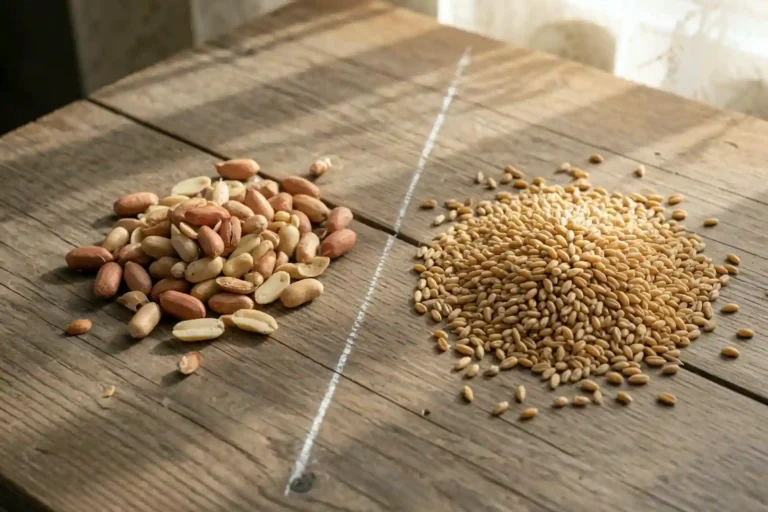
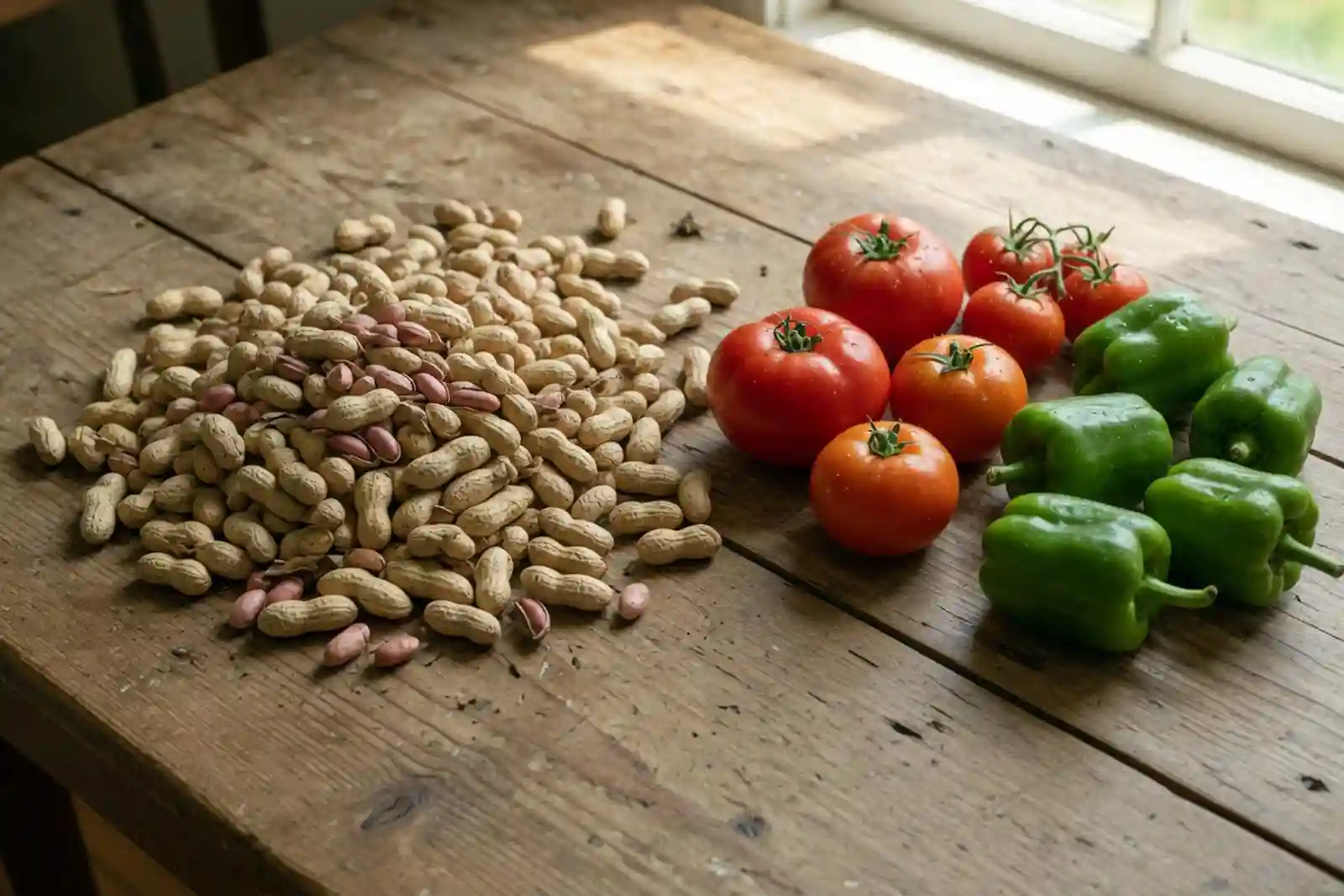
No, peanuts are not nightshades. Peanuts (Arachis hypogaea) are legumes in the Fabaceae family, the same group as beans, peas, lentils, and soybeans. Nightshades (Solanaceae) include tomato, potato, pepper, eggplant, tomatillo, and tobacco. The two families share no botanical link.
What Is a Nightshade Plant?
A nightshade is any plant in the Solanaceae family. The group covers more than 2,500 species worldwide, from food crops to ornamental flowers and toxic weeds.
Common edible nightshades include:
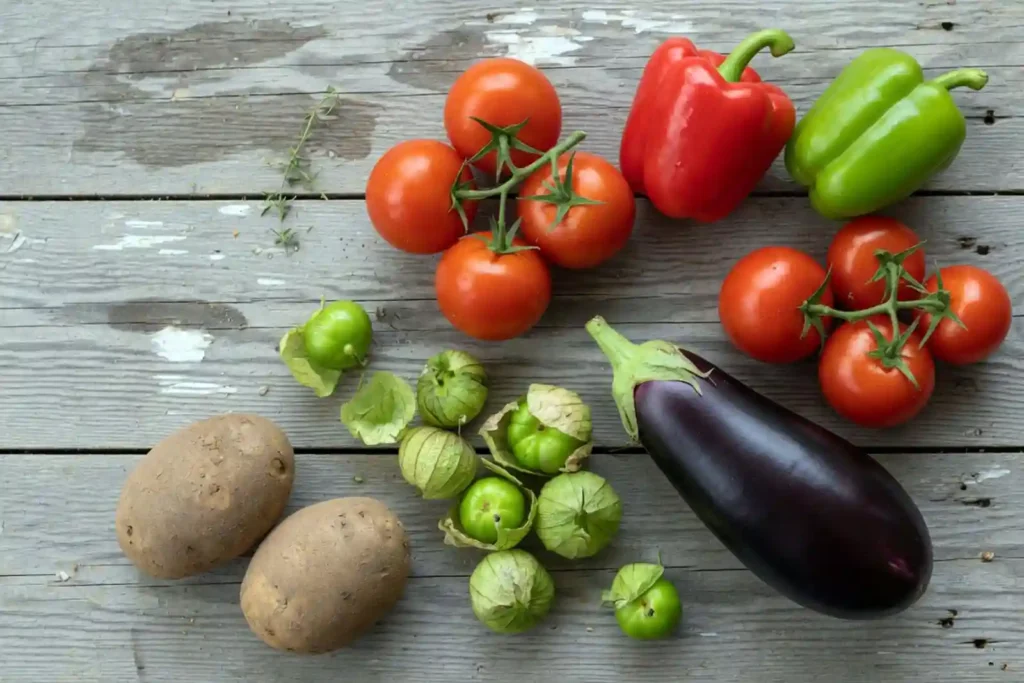
Most nightshades produce small alkaloid compounds called glycoalkaloids, such as solanine in green potatoes. These compounds sit in the leaves, stems, and unripe fruit. Cooking and ripening lower the levels in food crops, which is why ripe tomatoes and cured potatoes stay safe on the plate.
Learn more: Do Peanuts Grow on a Bush? 8 Key Facts
What Plant Family Do Peanuts Belong To?
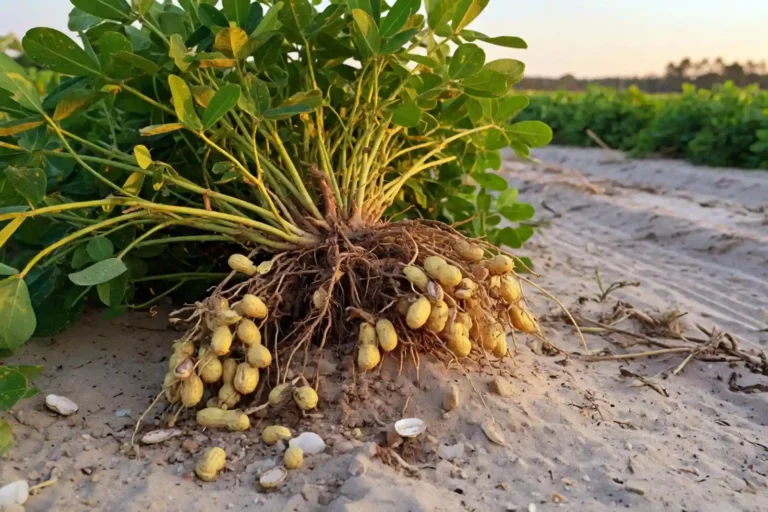
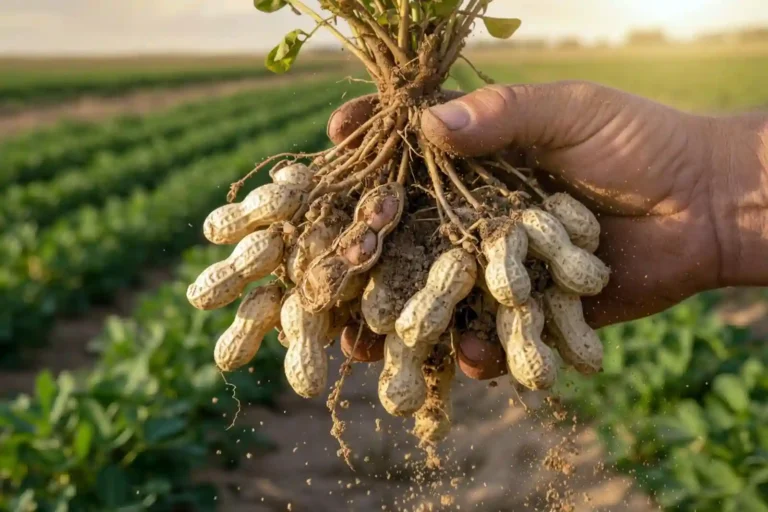
Peanuts belong to the Fabaceae family, also called the legume or pea family. The scientific name is Arachis hypogaea, and the plant produces its pods underground after the flower pollinates above ground, a habit confirmed by the NC State Extension peanut portal.
The Fabaceae family includes:
- Common beans
- Lentils
- Chickpeas
- Soybeans
- Alfalfa
- Clover
- Garden peas
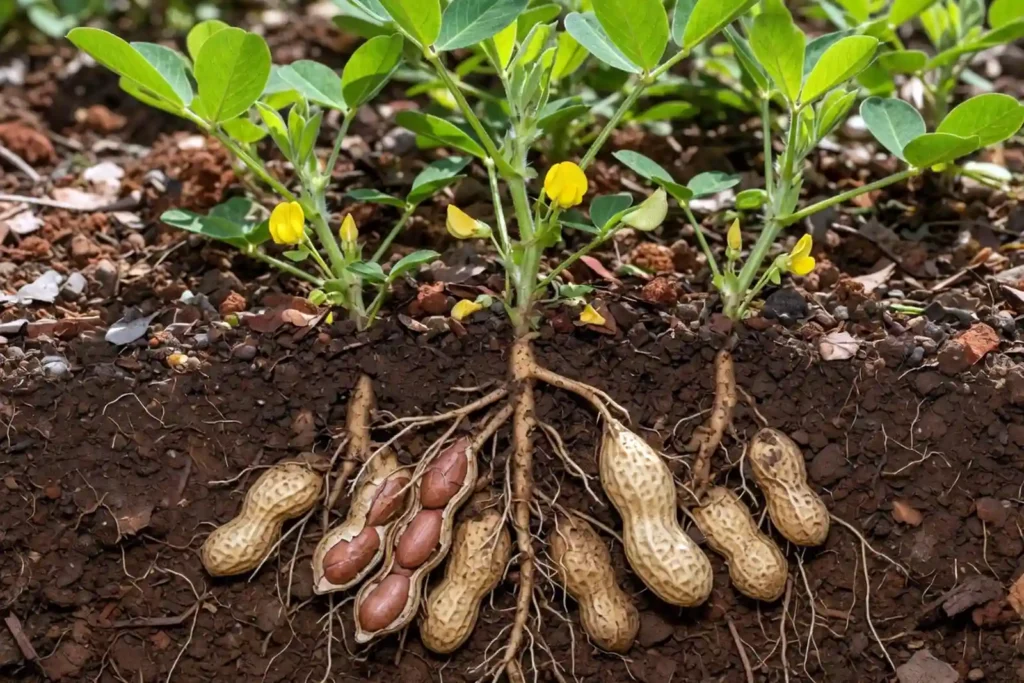
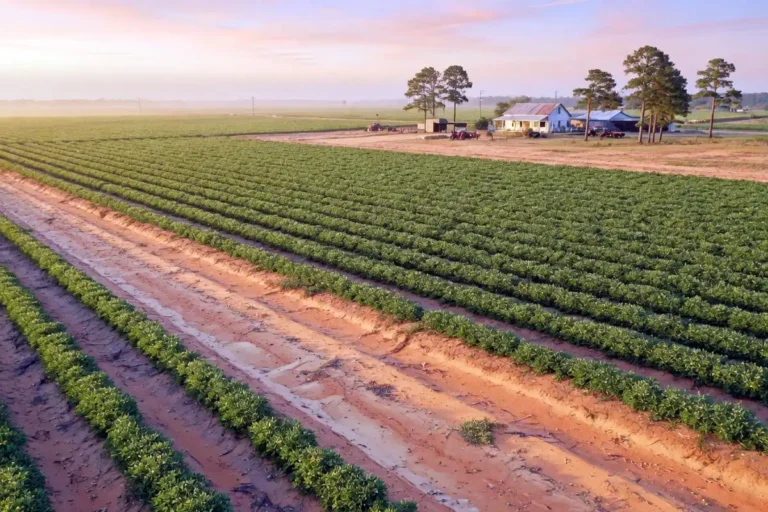
These plants share a key trait. They form root nodules with rhizobia bacteria that fix nitrogen from the air into the soil. That nitrogen-fixing ability is one reason farmers across the South rotate peanuts with cotton or corn each season.
Read more: Do Peanuts Grow on Trees? 7 Facts About
Why People Confuse Peanuts With Nightshades
The mix-up comes from three points that look similar on the surface but break down under closer inspection.
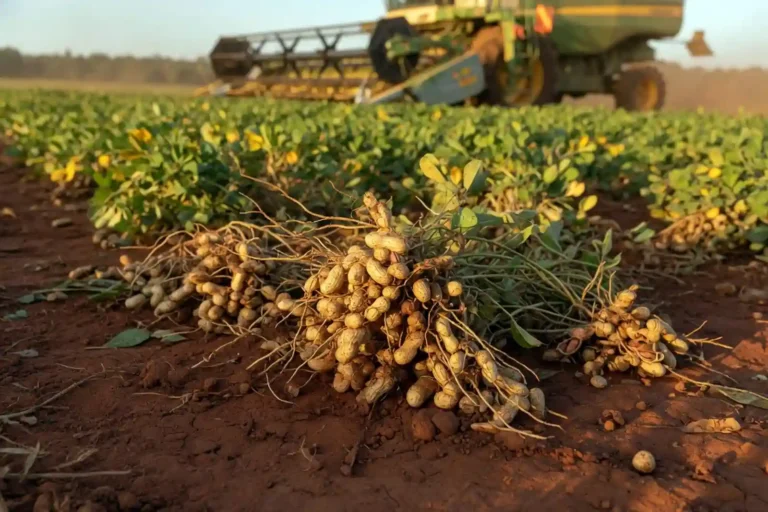
Underground growth. Peanut pods ripen below the soil line, and so do potato tubers. The growing pattern feels familiar, so people assume the plants are related. They are not. Peanuts are seed pods that develop from above-ground flowers. Potatoes are stem tubers that swell beneath the soil. Two different plant parts and two different families.
Allergy and sensitivity overlap. Some people who react to nightshades also react to peanuts. The trigger sits in lectins and inflammatory pathways, not shared family genetics.
Older diet classifications. A few popular elimination diets group peanuts with nightshades because both can stir up inflammation in sensitive people. That is a dietary grouping, not a botanical one.
Key Differences Between Peanuts and Nightshades
| Feature | Peanuts | Nightshades |
|---|---|---|
| Plant family | Fabaceae (legume) | Solanaceae |
| Genus | Arachis | Solanum, Capsicum, Physalis |
| Edible part | Seed inside pod | Fruit, tuber, or stem |
| Growth habit | Pod develops underground | Most fruit grows above ground |
| Key compound | Lectins, oils, proteins | Glycoalkaloids (solanine, tomatine) |
| Nitrogen fixation | Yes | No |
The plant compounds matter most for diet decisions. Nightshades carry glycoalkaloids. Peanuts carry lectins and a known aflatoxin risk under poor storage. Different chemistry, different food family.
Can You Eat Peanuts on a Nightshade-Free Diet?
Yes, peanuts are allowed on a nightshade-free diet. Since peanuts come from a separate plant family, they contain no solanine, capsaicin, or tomatine. People who follow an autoimmune protocol or low-lectin plan sometimes skip peanuts for other reasons, but that decision sits outside the nightshade question.
If you avoid nightshades for arthritis, gut issues, or autoimmune support, peanuts stay off the restricted list. Check with your dietitian before adding or cutting food groups.
Peanut Allergy vs. Nightshade Sensitivity
A peanut allergy and a nightshade sensitivity are not the same thing.
A peanut allergy is an immune response to peanut protein, often Ara h 1, Ara h 2, or Ara h 3. Reactions can be severe and need medical care. The proteins behave nothing like nightshade alkaloids.
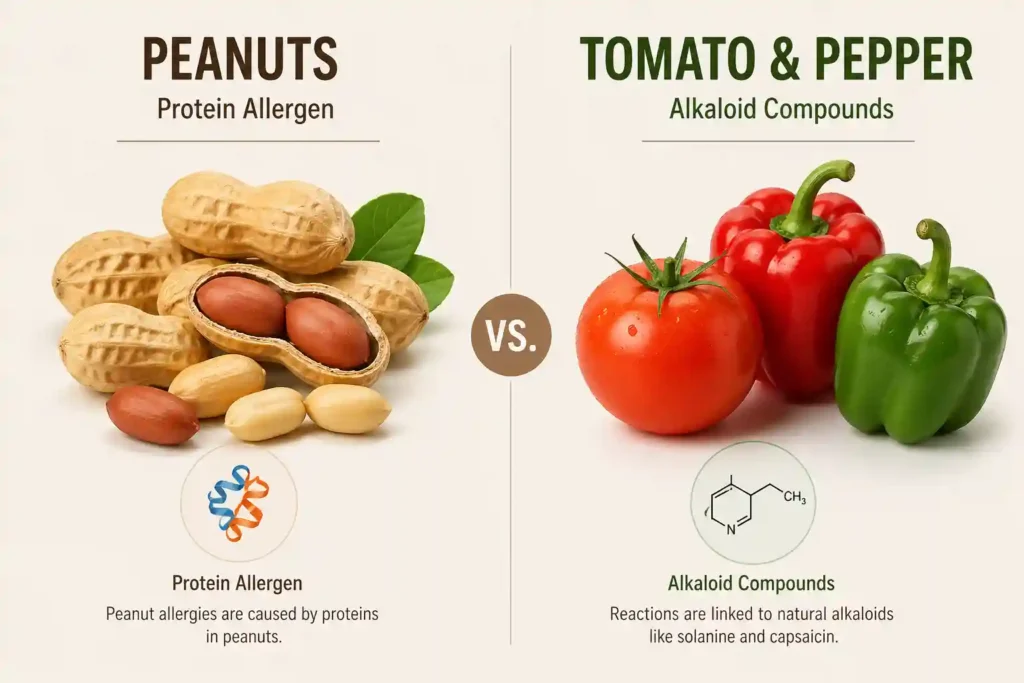
A nightshade sensitivity shows up as joint pain, digestive trouble, or skin flare-ups after eating tomato, pepper, eggplant, or potato. The trigger is alkaloids, not proteins, and the response usually runs slower and milder than a true food allergy.
A person can have both. A person can have one and not the other. The two sit in different food groups and follow different rules.
Common Myths About Peanuts
Myth 1: Peanuts are tree nuts. Peanuts are not tree nuts. Almonds, walnuts, and pecans grow on trees. Peanuts grow underground from a low, bushy legume plant.
Myth 2: Peanuts are nightshades because they cause inflammation. Some people react to peanuts. That reaction comes from peanut lectins or proteins, not from solanine or other nightshade alkaloids.
Myth 3: A nightshade-free diet means cutting peanuts too. Nightshade-free plans target Solanaceae plants. Peanuts belong to a separate family and stay on the safe list.
How to Tell if a Food Is a Nightshade
Use this short check before adding any food to your nightshade-free list:
- Look up the plant family name. If it ends in Solanaceae, it is a nightshade.
- Check the genus. Solanum, Capsicum, Physalis, and Nicotiana all sit in Solanaceae.
- Skip the underground rule. Tubers, pods, and roots come from different plant parts and different families.
A quick search on the USDA PLANTS database settles most cases in under a minute.
FAQs
Are peanuts related to potatoes?
Is peanut butter a nightshade?
Do peanuts contain solanine?
Why do some diets group peanuts with nightshades?
Are peanuts inflammatory like nightshades?
Final Thoughts
Peanuts are legumes. Nightshades belong to Solanaceae. The two share underground growing habits and a few diet myths, but they sit in separate plant families with separate plant compounds. If you avoid nightshades for health reasons, peanuts stay on the menu unless a different sensitivity tells you otherwise. Knowing the family tree helps you build a cleaner, smarter food plan.