Are Peanuts Grains or Legumes? 6 Key Differences Explained
No, peanuts are not grains. Peanuts are legumes that grow underground, while grains are dry seeds from grass plants like wheat, rice, and corn. This guide explains the botanical difference, the food group each one belongs to, and why so many people group peanuts and grains together by mistake.
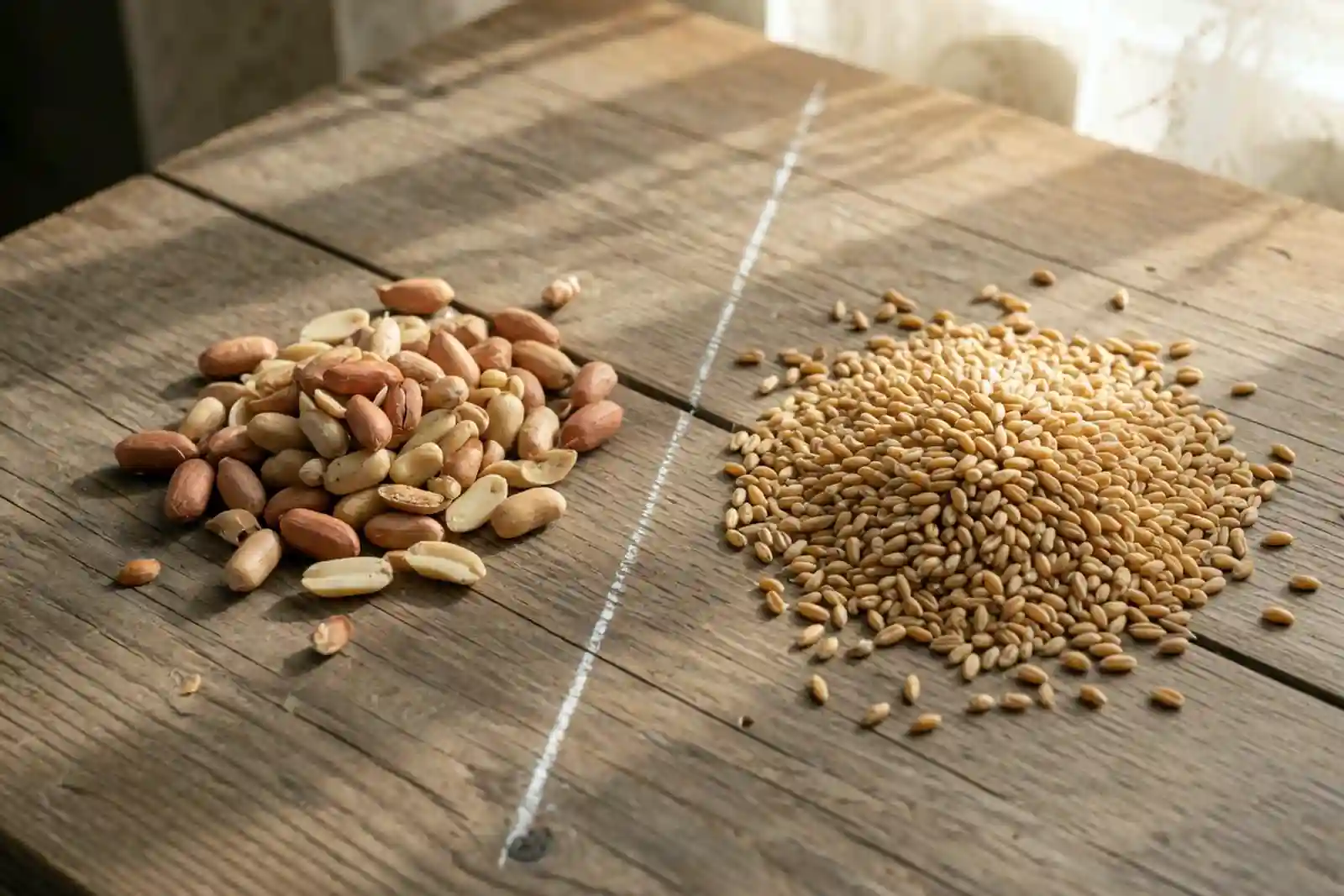
Peanuts are not grains. Peanuts (Arachis hypogaea) are legumes in the family Fabaceae, the same family as beans, peas, and lentils. Grains are the dry edible seeds of cereal grasses in the family Poaceae, which includes wheat, rice, oats, corn, barley, and rye. The two groups come from different plant families and serve different roles on your plate.
What Is a Grain?
A grain is a small, hard, dry seed harvested from a cereal grass plant. The USDA groups grains into two types: whole grains (which keep the bran, germ, and endosperm) and refined grains (which lose the bran and germ during milling).
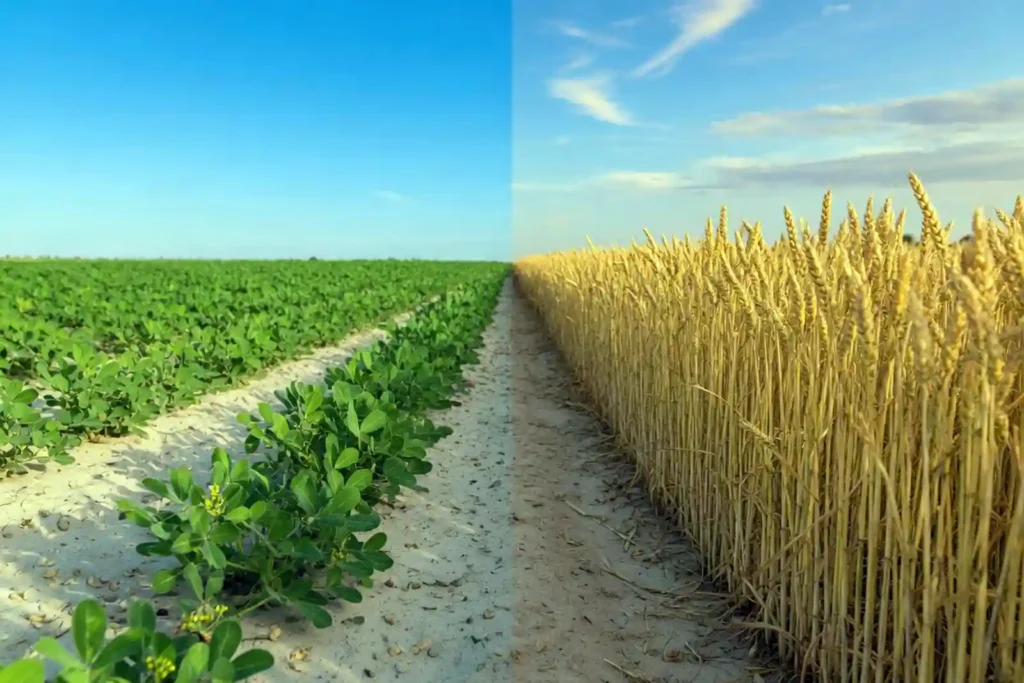
Common grains include wheat, rice, oats, corn, barley, rye, millet, and sorghum. Pseudo-grains like quinoa, buckwheat, and amaranth eat and cook like grains, but they come from non-grass plants. The USDA still files them under the grains group on MyPlate guidelines because their nutrition profile matches.
Grains supply most of the carbohydrates in a standard human diet. A cup of cooked white rice holds about 45 grams of carbs and 4 grams of protein.
What Is a Peanut?
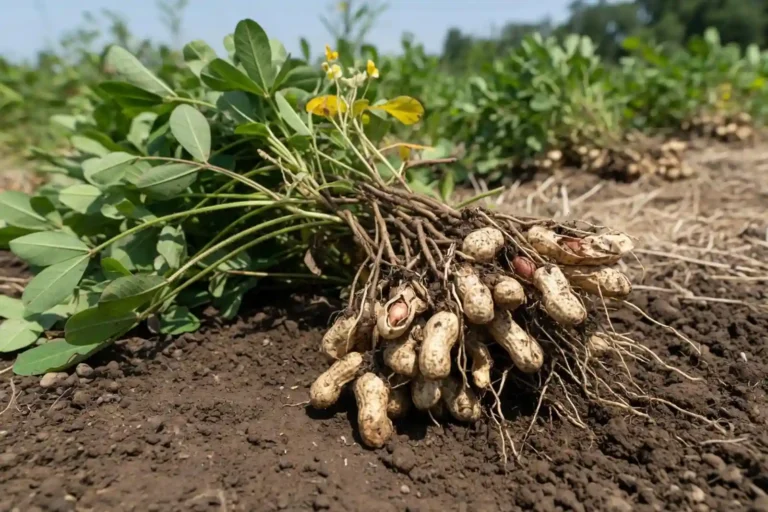
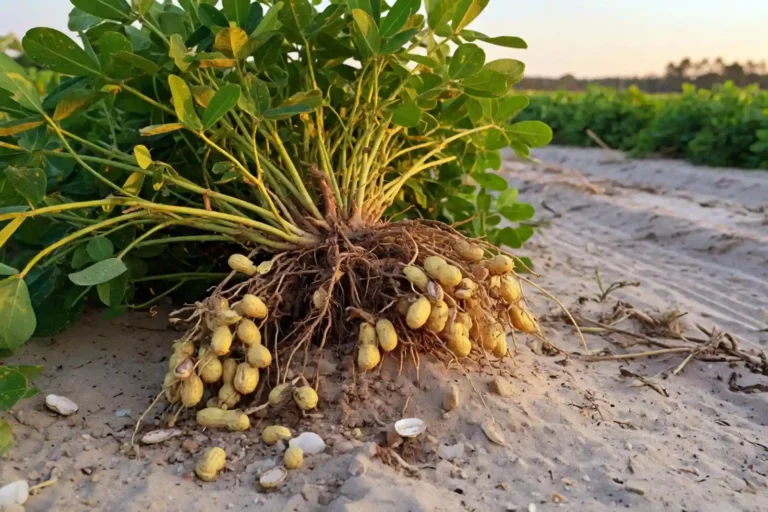
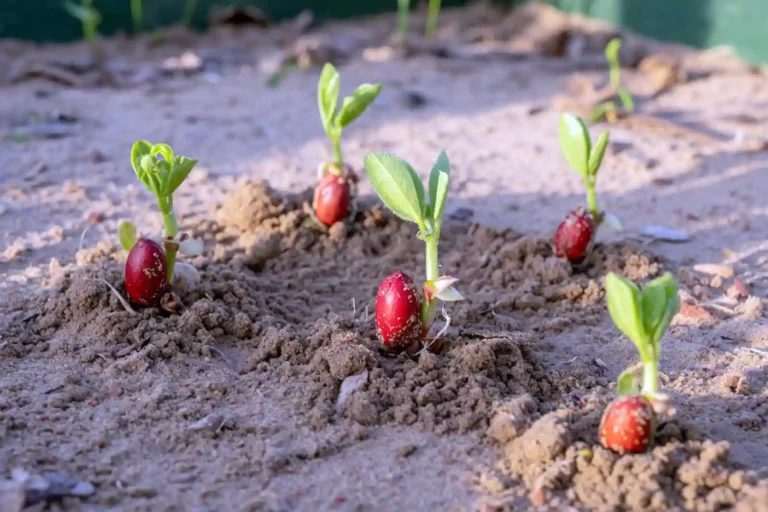
A peanut is the seed of a leafy annual legume plant that grows about 18 to 24 inches tall. The plant flowers above ground, then pushes a stalk called a peg into the soil where the pods form a few inches below the surface. Our guide on covers the underground growth in detailwhether peanuts grow on a bush.
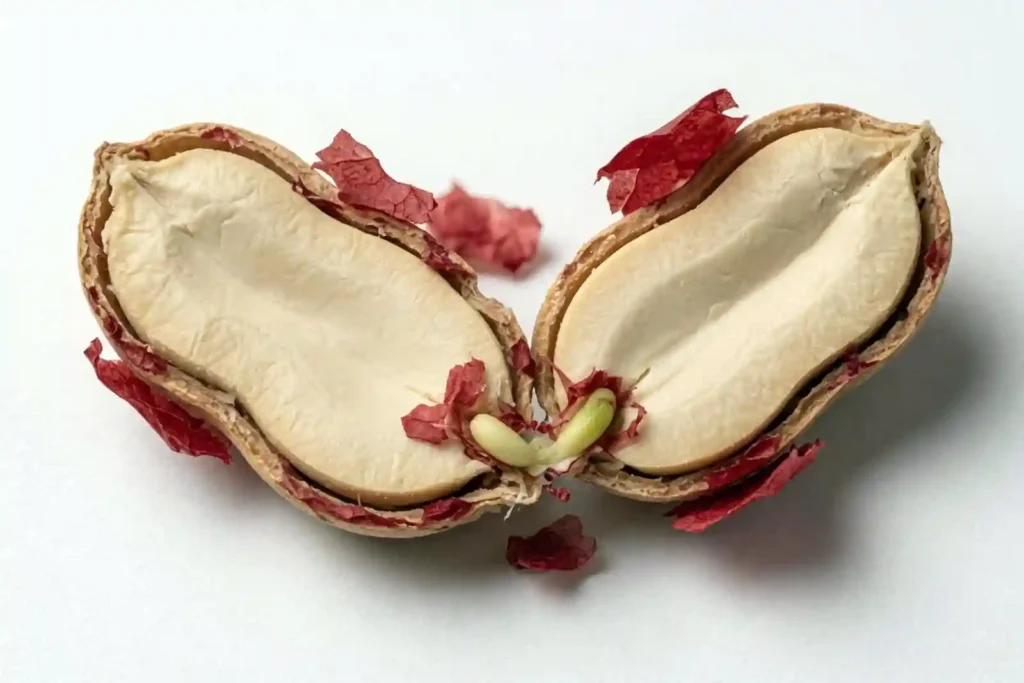
A peanut seed has two thick halves called cotyledons, a thin red or pink seed coat, and a small embryo. That structure is the same one you find inside a kidney bean or a pea. A peanut also fixes nitrogen in the soil through root nodules. Grain crops cannot do this on their own.
A 1-ounce serving of dry roasted peanuts contains about 14 grams of fat, 7 grams of protein, and 6 grams of carbs. Compare that to grains: peanuts carry far more protein and fat, and far fewer carbs.
Peanuts vs Grains: Side-by-Side Differences
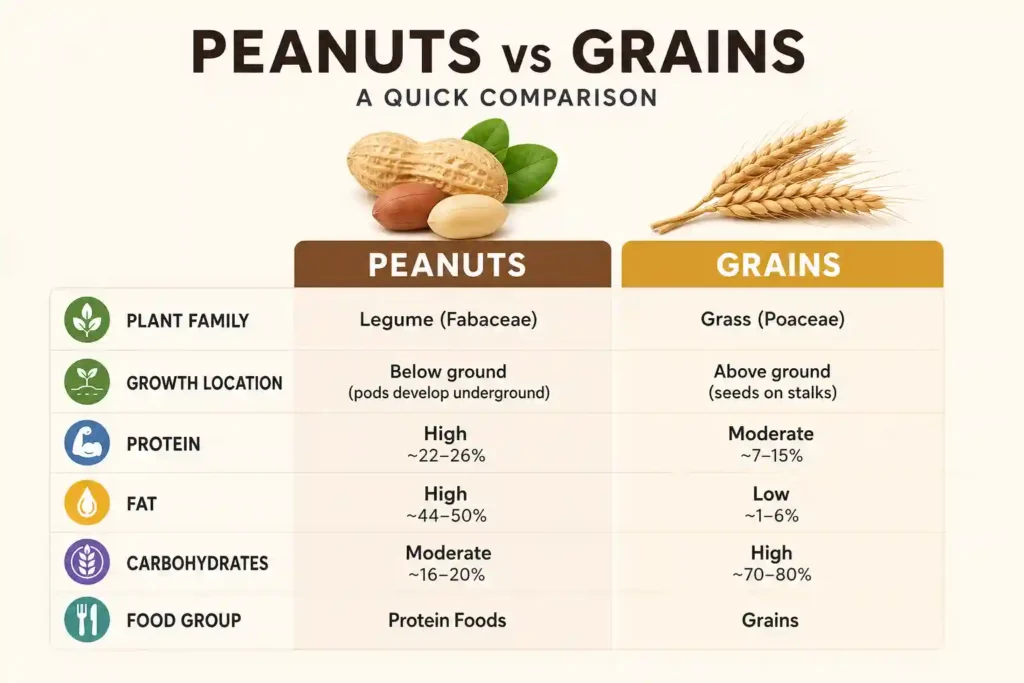
| Feature | Peanuts | Grains |
|---|---|---|
| Plant family | Fabaceae (legumes) | Poaceae (grasses) |
| Where seed grows | Underground | On top of stalks |
| Protein per ounce | About 7 g | About 2 to 3 g |
| Fat per ounce | About 14 g | About 0.5 to 1 g |
| Carbs per ounce | About 6 g | About 20 to 22 g |
| Nitrogen fixing | Yes | No |
| USDA food group | Protein Foods | Grains |
The protein and fat numbers alone show why a nutritionist files peanuts under the protein group, not the grains group.
Why Do People Confuse Peanuts With Grains?
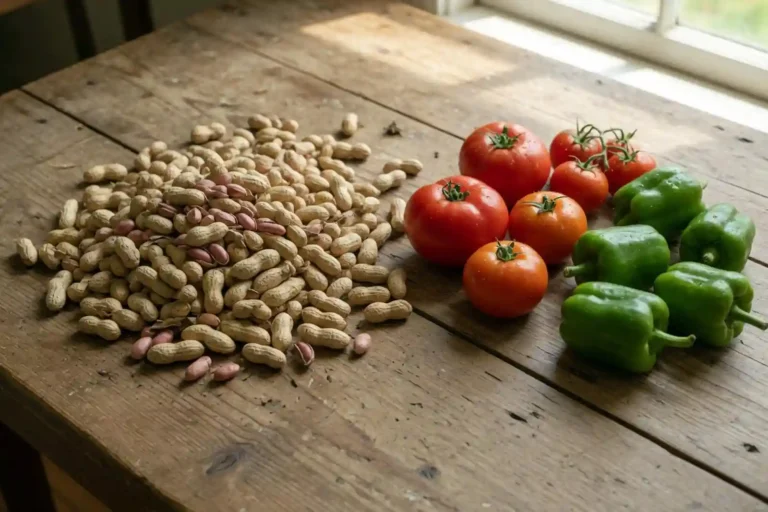
Several reasons cause the mix-up. Peanuts and grains both arrive in dry, shelf-stable bags. Both feel hard and dry to the touch. Both get ground into flour. And many bulk food labels list peanuts next to grain products like oats, granola, and cereal.
Peanut flour, peanut meal, and peanut butter look and behave like processed grain products in the kitchen. That visual overlap drives the mix-up, but it does not change the plant family. The peanut still came from a legume bush, not from a wheat field. Our piece on whether peanuts grow on trees clears up the related tree-nut question.
Are Peanuts a Nut, a Bean, or Something Else?
Peanuts are botanically beans, not nuts. The name “nut” sticks because of the hard outer shell and oily kernel inside. True nuts like almonds, walnuts, pecans, and cashews grow on woody trees and have one hard shell that splits at maturity.
Peanuts grow on a soft annual plant, and the pod splits along a seam like a green bean pod. So a peanut sits closer to a soybean or chickpea than to an almond.
Where Do Peanuts Fit in the USDA Food Groups?
The USDA places peanuts in the Protein Foods Group, alongside meat, poultry, eggs, seafood, beans, and other legumes. The agency notes peanuts also count as a plant-based protein source on its MyPlate protein page.
Grains live in their own separate Grains Group. So if you fill half your plate with rice and lentils, the rice counts as a grain and the lentils count as a protein. Peanuts work the same way: they count toward the protein group, not the grain group.
How Are Peanuts and Grains Grown Differently?
A grain crop like wheat or corn grows from a tall grass stem with a single seed head at the top. Farmers harvest the seed head with a combine that strips the kernels off the plant.
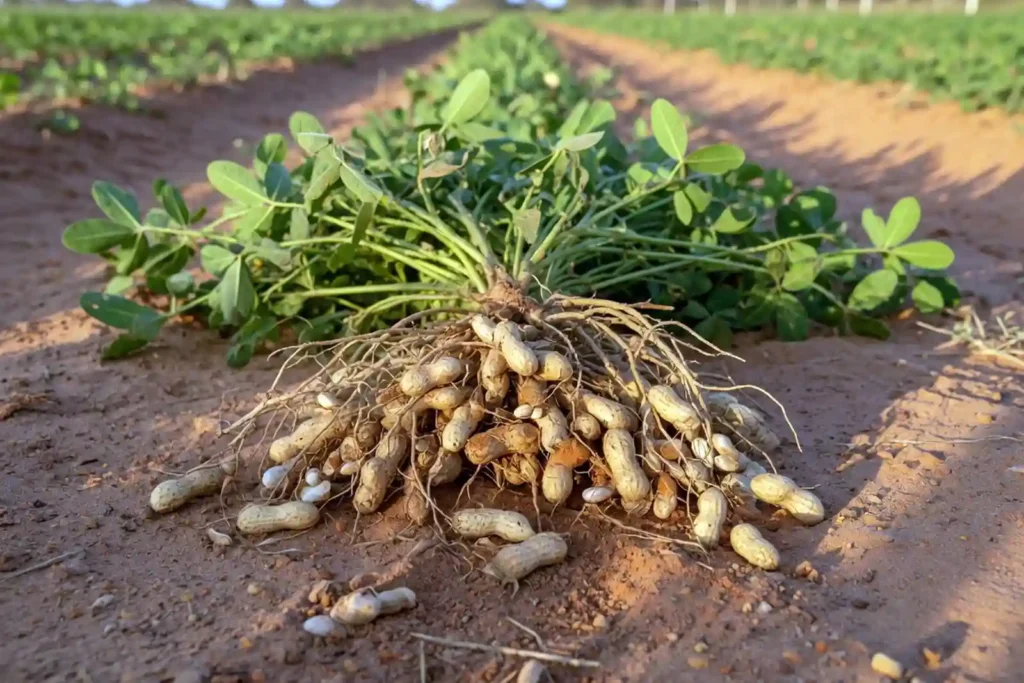
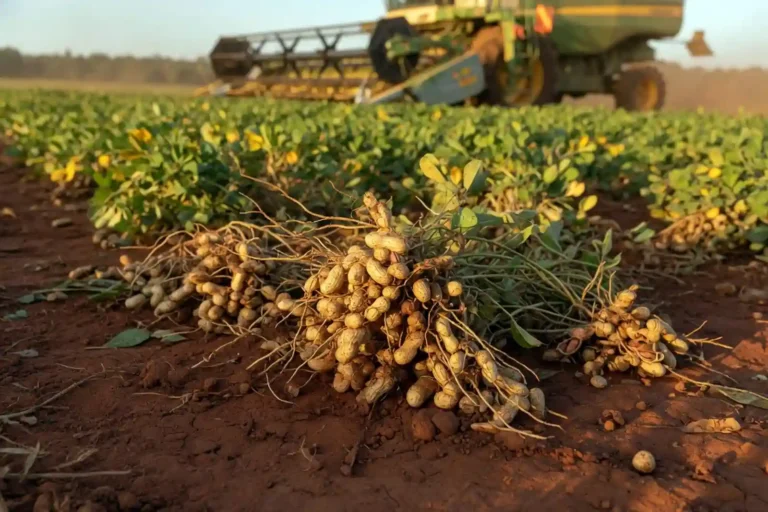
A peanut crop grows from a low bush, and the pods stay buried in sandy soil. Harvest pulls the entire plant out of the ground, flips it upside down to dry, and then a separate machine strips the pods from the vines. The growing climate also matters. Peanuts need a long warm season, which is why most U.S. peanuts come from sandy fields in the Southeast. Our guide on covers the natural climate bandwhere peanuts grow naturally.
Common Mistakes People Make
A few errors show up again and again when people sort peanuts into the wrong food group:
- Treating peanut butter as a bread spread only. It still counts as a protein source, the same as hummus or refried beans.
- Buying peanut flour as a grain swap. It works in baking, but it brings 25 percent protein and almost no starch, so the texture changes.
- Assuming peanuts cause gluten reactions. Peanuts contain zero gluten because gluten lives in wheat, barley, and rye proteins.
- Storing peanuts with grains. Peanuts hold more oil and go rancid faster, so they need cooler storage.
Safety and Allergy Notes
Peanut allergy is one of the most common food allergies in the United States. The reaction is to peanut proteins, not to anything peanuts share with grains. So a peanut-allergic person does not have to avoid wheat, rice, or oats unless tested positive separately.
Grain allergies and intolerances run in a different lane. Celiac disease and gluten sensitivity react to proteins in wheat, barley, and rye. A person with celiac can eat peanuts safely, as long as the peanuts are processed in a gluten-free facility.
FAQs on Peanuts Grains or Legumes
Are peanuts a cereal grain?
Do peanuts count as carbs or protein?
Are peanuts gluten-free?
Is peanut flour the same as wheat flour?
What food group are peanuts in?
Conclusion
Peanuts are legumes, not grains. They grow on a low bush in the Fabaceae family, push their pods underground, and carry a protein and fat profile closer to a bean than to a wheat kernel. Grains belong to a separate group of grass-family seeds with high starch and low fat. So next time you see peanuts on a shelf next to oats and rice, remember the bag is sitting in the wrong neighborhood. The peanut is a bean in disguise.