Are Oats GMO? 7 Facts Every Shopper Should Know
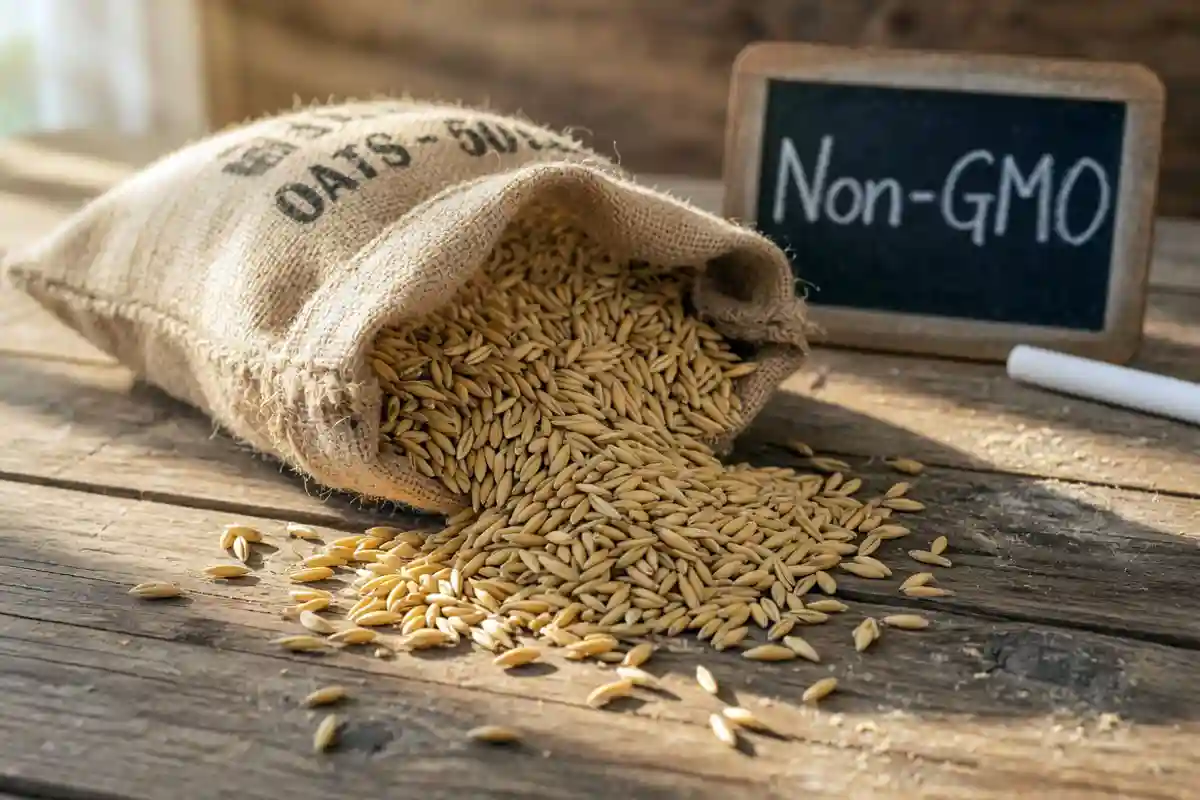
Oats are not GMO. No genetically modified oat variety has been approved or grown commercially anywhere in the world today. This guide covers what GMO means for grain crops, why oats remain non-GMO at the seed level, the glyphosate confusion that worries shoppers, and how to read oat labels confidently.
Oats are not genetically modified. No country has approved a GMO oat variety for commercial planting or sale. Every oat product on store shelves, conventional or organic, comes from non-GMO seed. The glyphosate residue concern is a separate issue tied to harvest practice, not genetic engineering.
What Does GMO Mean for a Crop Like Oats?
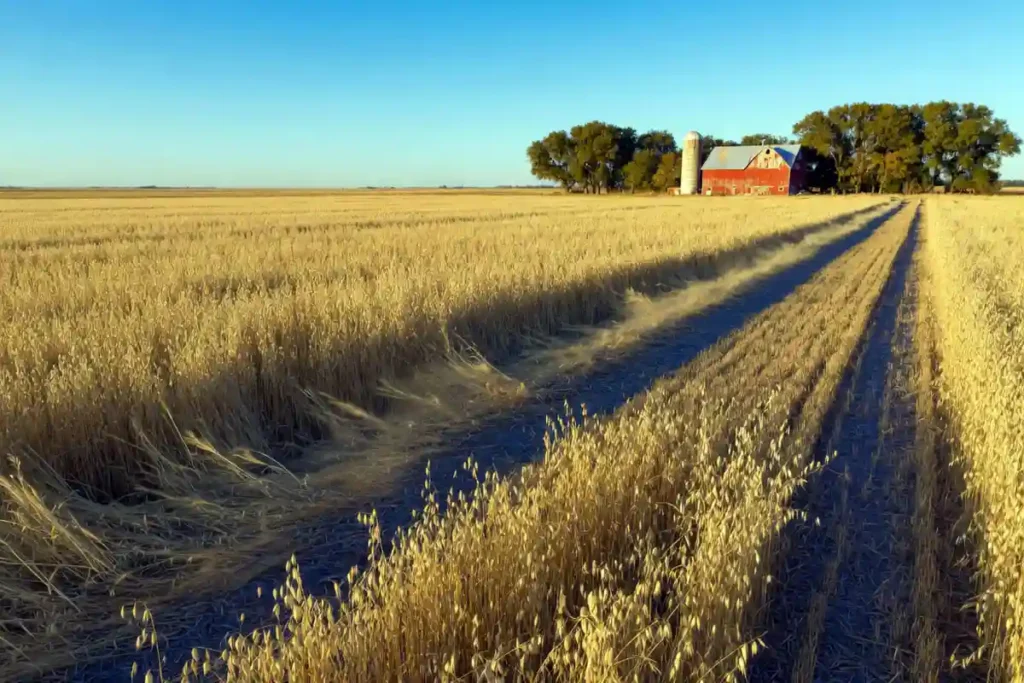
GMO stands for genetically modified organism. Scientists alter a plant’s DNA in a lab to add traits like herbicide tolerance or pest resistance. Common GMO crops include corn, soybeans, cotton, canola, and sugar beets. Oats sit outside that group.
The USDA tracks every approved biotech crop on its public petition list, which you can review at the USDA APHIS biotechnology page. Oats do not appear there. No company has filed a successful petition to deregulate a GMO oat. Seed planted today carries the same DNA as oats grown a century ago, plus standard breeding gains from conventional non-GMO breeding methods.
Are GMO Oats Sold Anywhere?
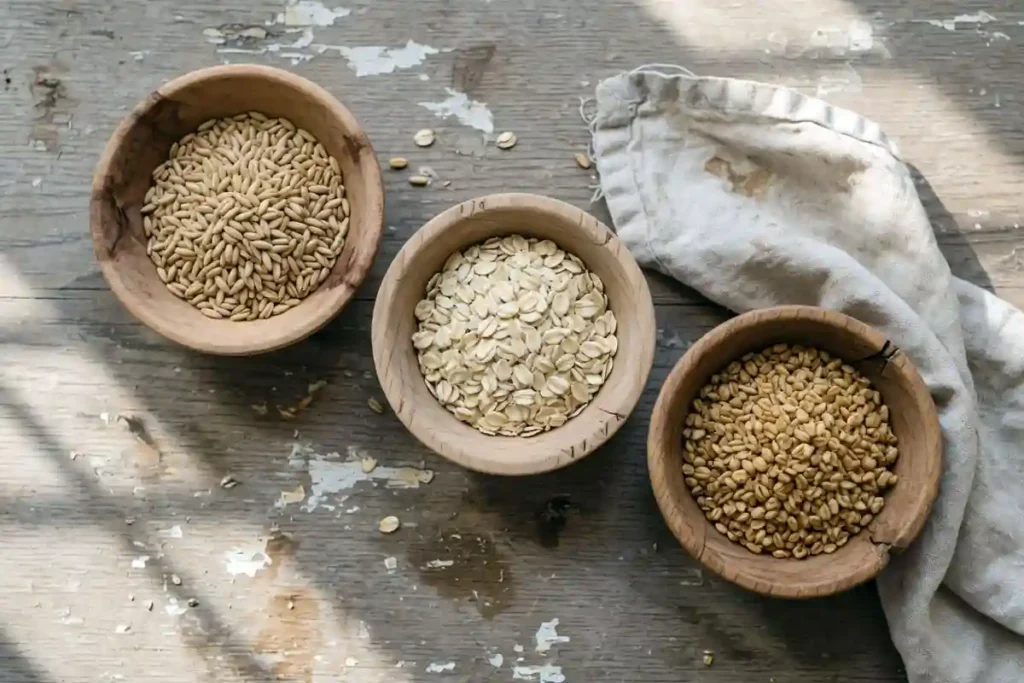
No. Oats are non-GMO by default in every market. The Non-GMO Project lists oats as a low-risk crop because no transgenic version exists. Quaker, Bob’s Red Mill, and store-brand oats source from conventional or organic non-GMO seed.
USDA Economic Research Service tracks adoption of genetically engineered crops in the U.S.. The list covers corn, cotton, and soybeans. Oats are absent.
Why Are Oats Still Non-GMO?
Three reasons explain it.
First, oats are a smaller market crop than corn or soybeans. Seed companies invest in biotech where the return covers the cost. Global oat acreage does not draw that level of investment.
Second, oats already grow well without engineering. They handle cool weather, poor soils, and short seasons. Farmers in Kansas, North Dakota, and Canada produce strong yields with traditional varieties.
Third, food brands face pressure from buyers who want clean labels. Quaker, General Mills, and others source non-GMO oats by policy. A GMO oat variety would struggle to find a buyer.
The Glyphosate Confusion Around Oats
This part trips people up. Some shoppers hear “Roundup found in oats” and assume the oats are GMO. They are not.
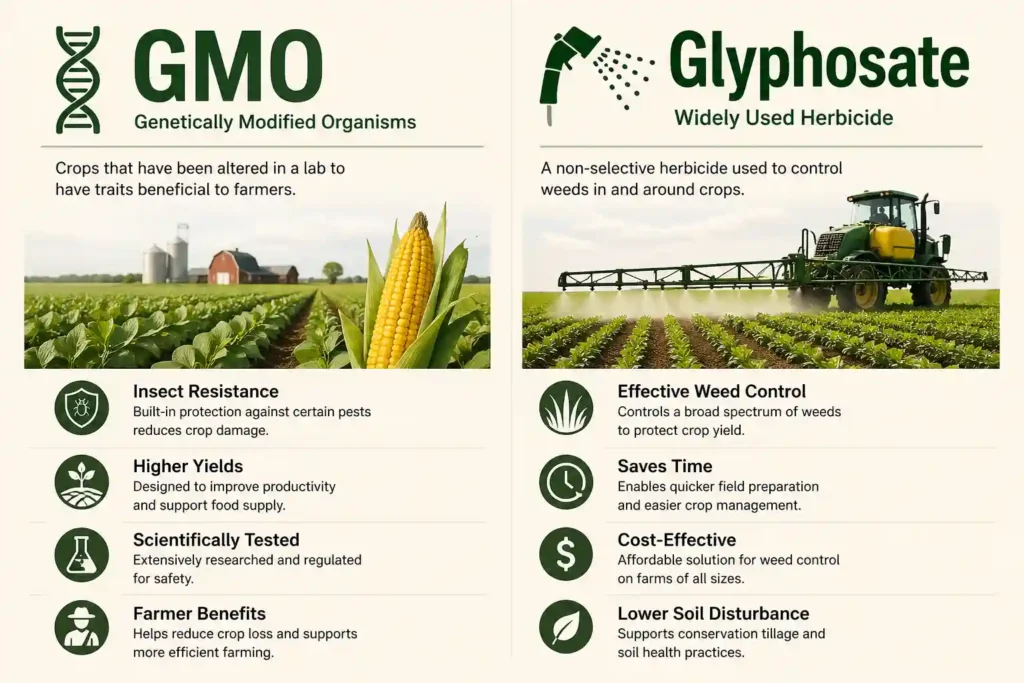
Glyphosate is a herbicide. On GMO crops like Roundup Ready soybeans, farmers spray it during the growing season because the plant survives it by design. Oats carry no such trait. Spraying glyphosate on green oats would kill them.
Some growers apply glyphosate as a pre-harvest desiccant. The chemical dries the crop for an even harvest in wet northern climates. This practice can leave residue on the grain. The 2018 EWG report on cereals brought the issue into mainstream news. The residue concern is real. The GMO claim is not. Two separate issues.
How to Buy Non-GMO Oats With Confidence
Every oat is non-GMO at the seed level. If you want the strictest standard, look for these labels:
- USDA Organic: prohibits GMO seed and bans glyphosate use
- Non-GMO Project Verified: third-party seal confirming non-GMO sourcing
- Glyphosate Residue Free: tested by independent labs
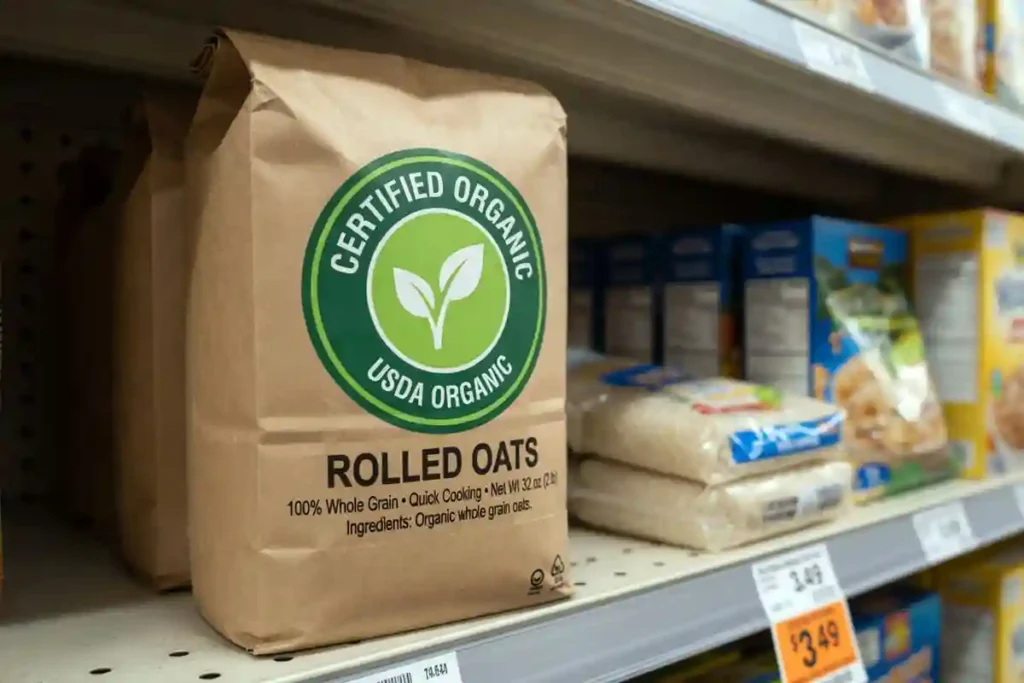
Organic oats clear both the GMO question and the glyphosate desiccation concern. Conventional oats are still non-GMO but may carry residue. Pairing organic oats with organic fertilizer methods gives you the cleanest grain a home garden can produce.
Hybrid vs GMO: Not the Same Thing
Hybrids and GMOs get mixed up often. A hybrid oat comes from cross-pollinating two parent varieties to combine traits. Plant breeders have done this for centuries. No lab gene transfer takes place.
Most modern oat varieties are bred selections, not hybrids in the corn-hybrid sense. Examples include Shelby, Goliath, and ForagePlus. Each one came from traditional breeding programs at land-grant universities like North Dakota State and South Dakota State.
A hybrid is conventional. A GMO requires lab gene editing. Oats fall in the conventional or bred-line camp only.
Common Mistakes Shoppers Make
A few patterns on the farm and in reader comments:
- Assuming “Roundup-tested” oats are GMO. They are not. Glyphosate residue points to desiccation, not engineering.
- Paying a premium for “non-GMO oats” when every oat is non-GMO. The label is accurate but redundant.
- Confusing oat milk with soy milk. Oat milk is non-GMO. Soy milk often comes from GMO soybeans unless labeled otherwise.
- Worrying about cross-contamination from nearby GMO fields. Oats do not cross-pollinate with corn, soybeans, or canola.
Are Oat Seeds Safe for Home Growers?
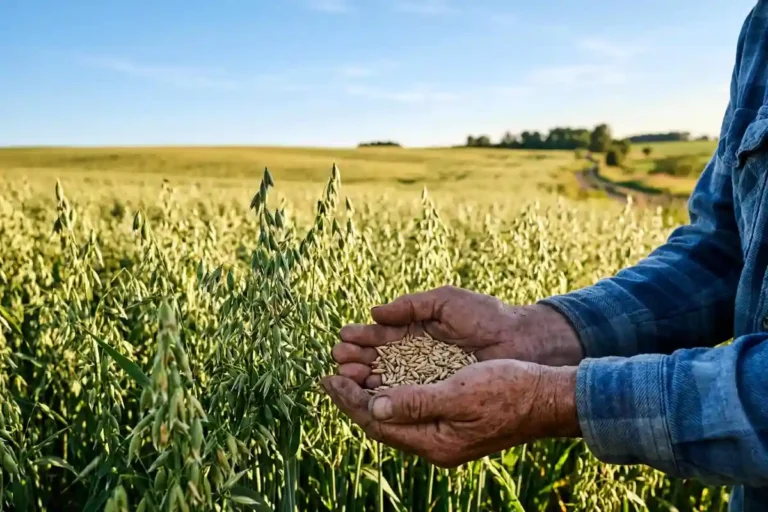
Yes. Any oat seed from a farm supply store, garden catalog, or co-op is non-GMO. That includes hulled, hull-less, and forage varieties. Plant them with confidence.
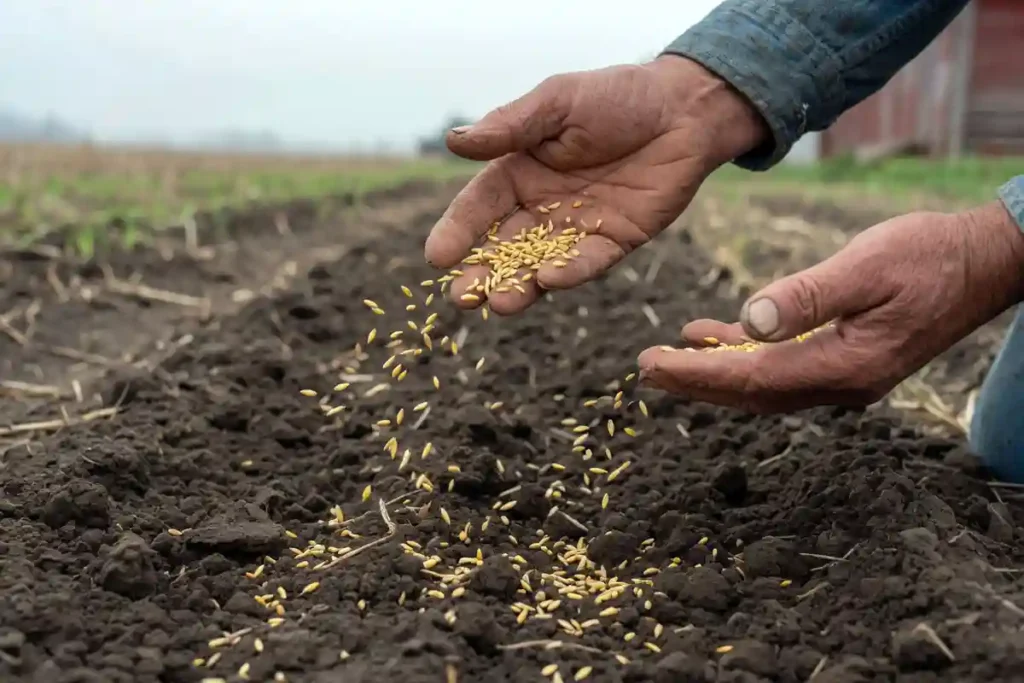
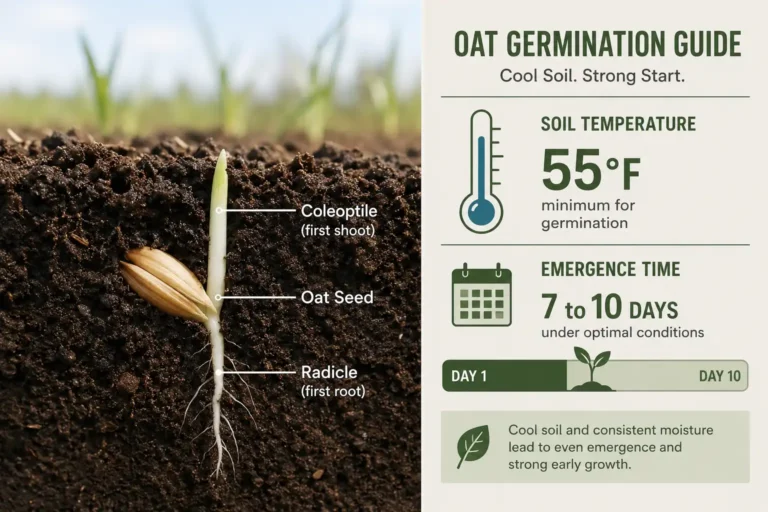
For timing, check oat germination expectations before sowing. For field setup, oat planting rates per acre gives the numbers most Plains growers use. Oats also work well in rotation, and many beginners start with oats as a cover crop option before going to grain.
FAQs on Oats and GMO
Are Quaker Oats GMO?
Are organic oats GMO-free and glyphosate-free?
Is oatmeal made from GMO grain?
Are oats genetically engineered for gluten?
Are oats sprayed with Roundup the same as Roundup Ready oats?
Final Words
Oats stay non-GMO across every market, every brand, and every farm. The seed has no transgenic version anywhere in the world, and no approval is pending. If you want extra peace of mind, pick organic or Non-GMO Project Verified to cover both the GMO question and the glyphosate residue concern in one label. The bowl of oats eaten tomorrow morning comes from the same kind of grain planted generations ago.