What Are Blistered Peanuts? A Complete Guide for Home Cooks
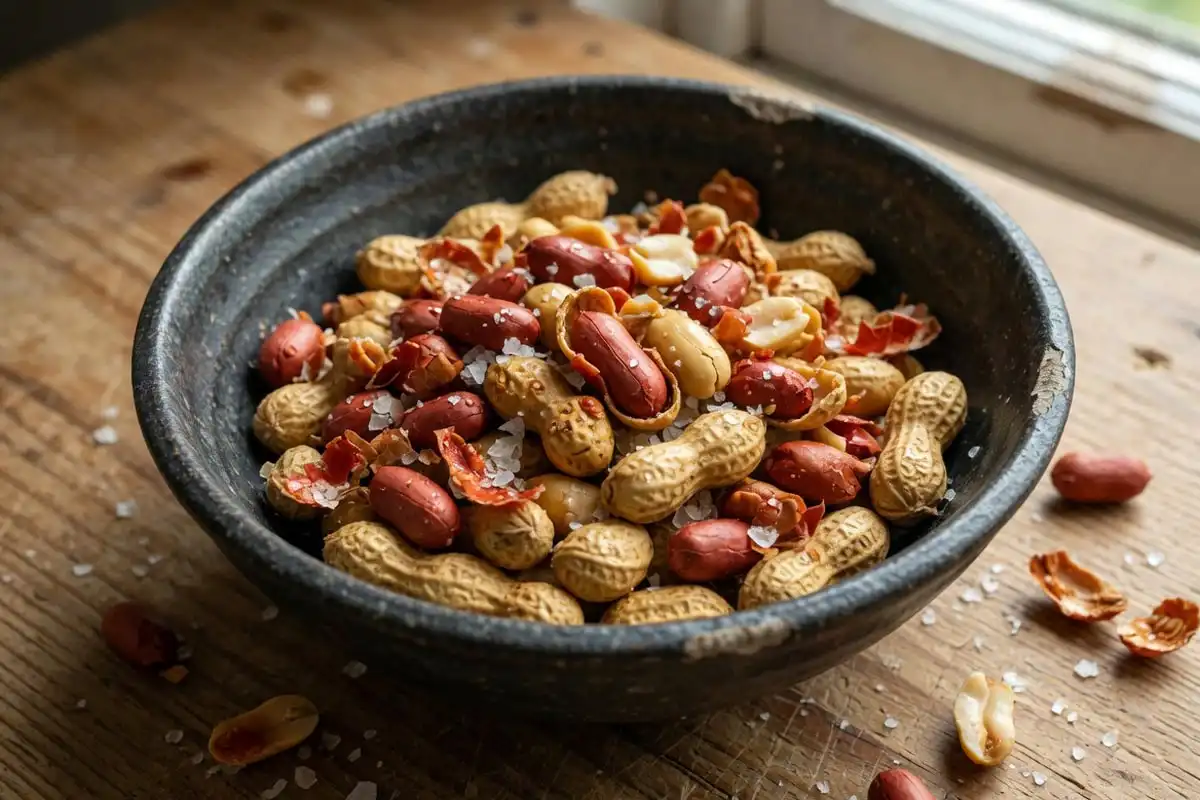
Blistered peanuts are skin-on roasted peanuts with cracked, bubbled surfaces created by a quick boil followed by high-heat roasting. This guide covers what blistered peanuts are, how they earn their cracked look, where they fit in cooking, and how to make a fresh batch at home with reliable results.
Blistered peanuts are red-skin raw peanuts blanched in boiling water for about 30 seconds, then roasted at 350°F until the skins puff, crack, and blister. The result is a crisp, lightly salted snack with a clean snap and deep nutty flavor.
Contents
- 1 What Are Blistered Peanuts?
- 2 How Blistered Peanuts Get Their Cracked Look
- 3 Where Blistered Peanuts Come From
- 4 What Blistered Peanuts Taste Like
- 5 Blistered Peanuts vs Other Peanut Types
- 6 How to Make Blistered Peanuts at Home
- 7 Common Mistakes to Avoid
- 8 Storage and Safety Notes
- 9 Frequently Asked Questions
- 10 Conclusion
What Are Blistered Peanuts?
Blistered peanuts are dry-roasted peanuts with red skins that crack, bubble, and lift away from the kernel during cooking. The blistered look comes from steam escaping the skins under high heat. The kernels stay crisp, golden, and separate cleanly from any loose flakes of skin during eating.
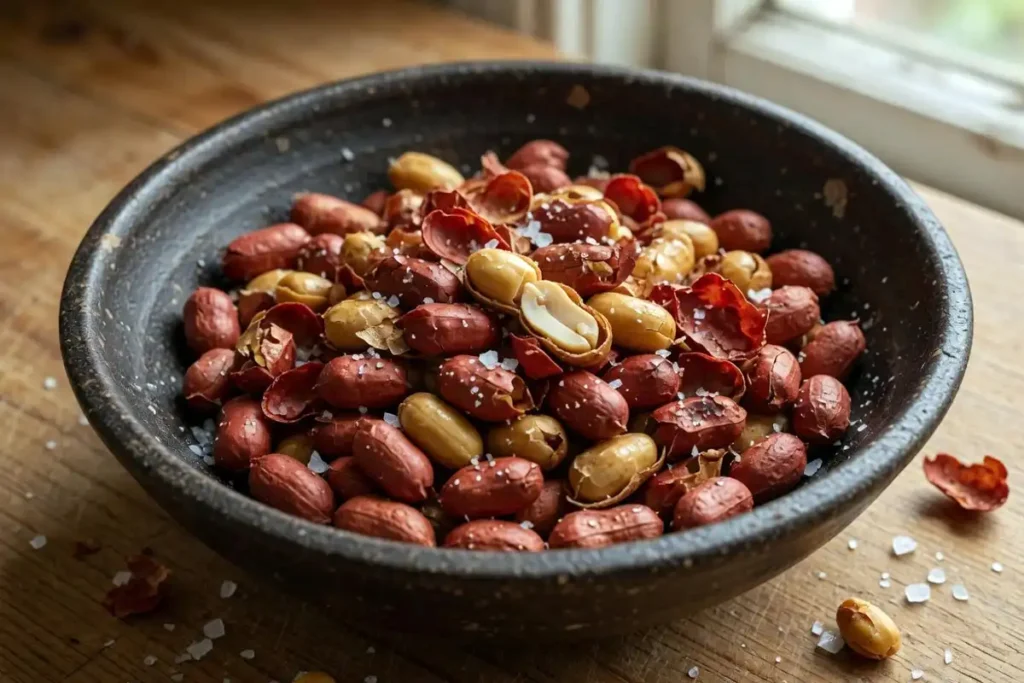
Most cooks reach for Spanish or small Virginia peanuts because their thin red skins blister well without scorching. The kernels hold their shape and develop a toasty flavor without turning bitter. For a wider look at peanut handling and post-harvest steps, see how peanuts get processed.
How Blistered Peanuts Get Their Cracked Look
The blistering happens through a two-step method. Cooks first blanch raw peanuts in boiling water for 20 to 30 seconds. The brief soak softens the skin and pulls surface moisture into the outer layer. The peanuts then move straight to a hot oven or wok at around 350°F.
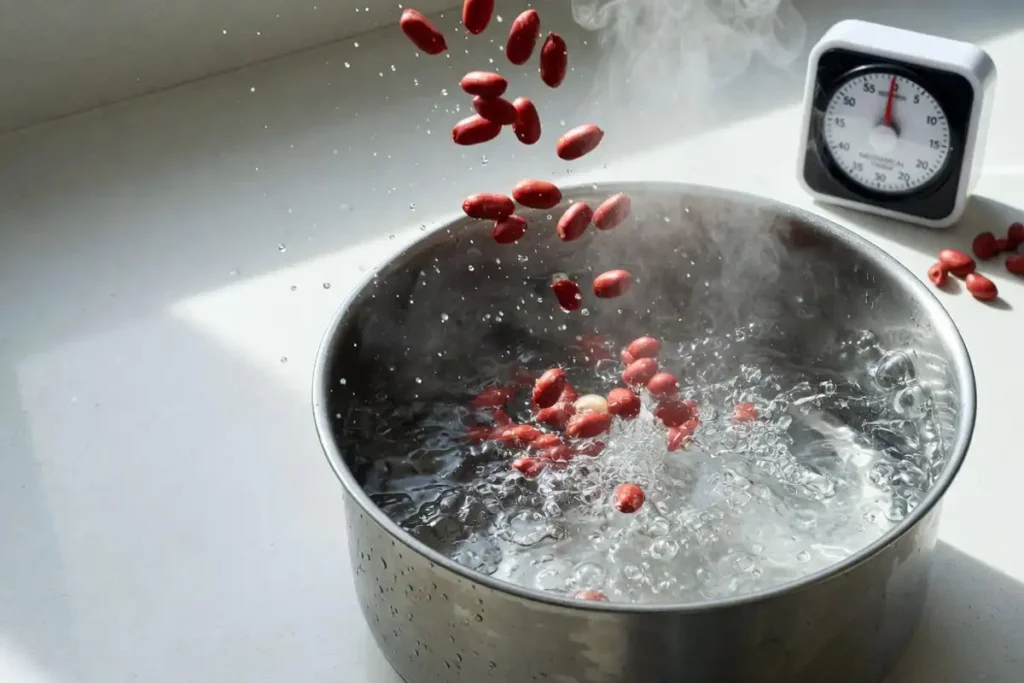
High heat flashes that trapped moisture into steam. The steam pushes outward against the thin red skin, cracking and lifting it into small bubbles. The kernel underneath roasts to a clean, crunchy bite while the skin holds on in patches.
Where Blistered Peanuts Come From
Blistered peanuts trace back to Cantonese and Sichuan cooking, where cooks call them crispy or fried peanuts. You find them in kung pao chicken, cold noodle dishes, and bar snacks across China, Taiwan, and Southeast Asia. American grocery brands now sell them in bagged form under names like blistered, crispy, or red-skin roasted peanuts.
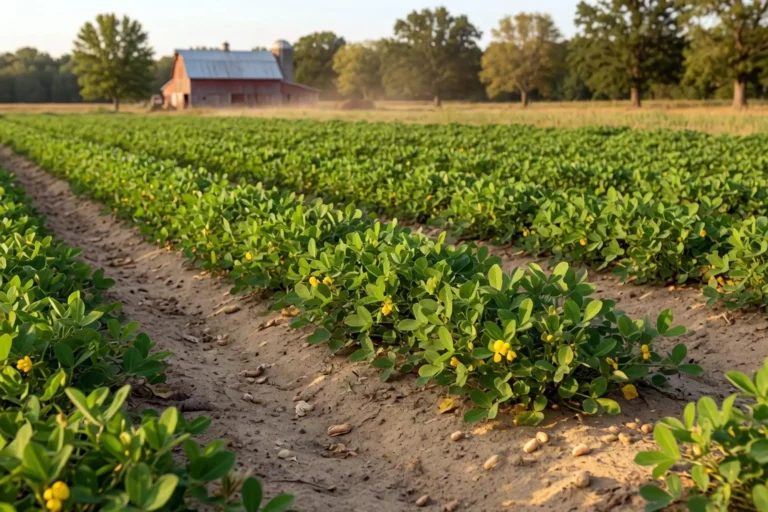
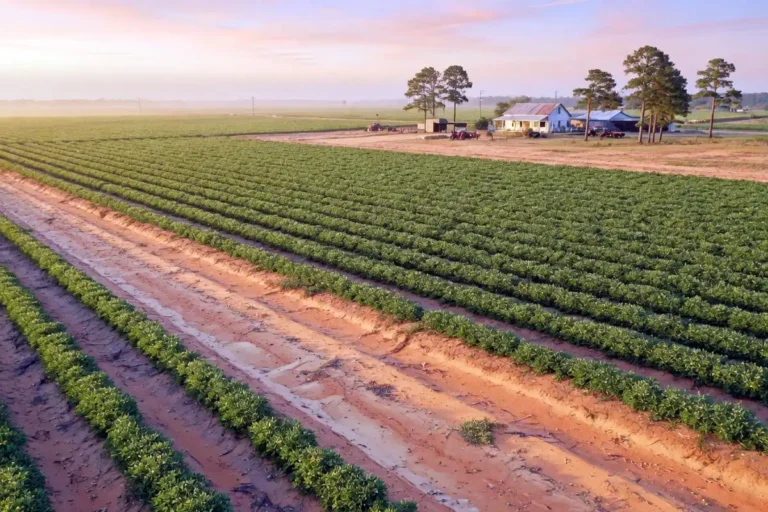
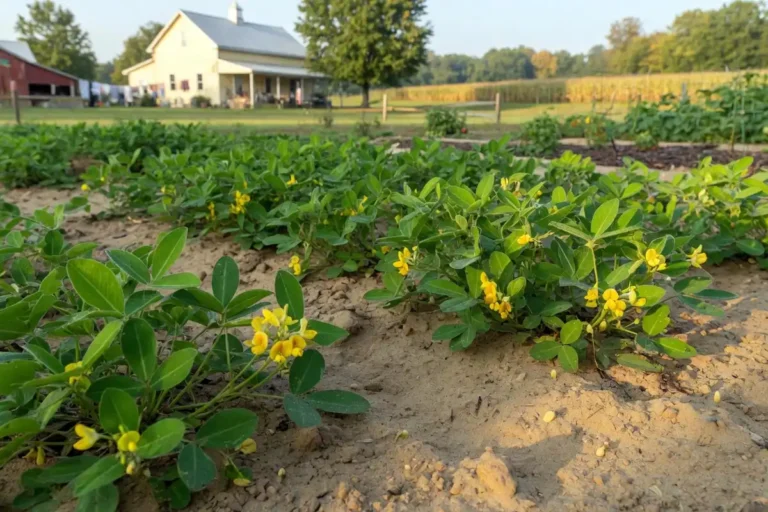
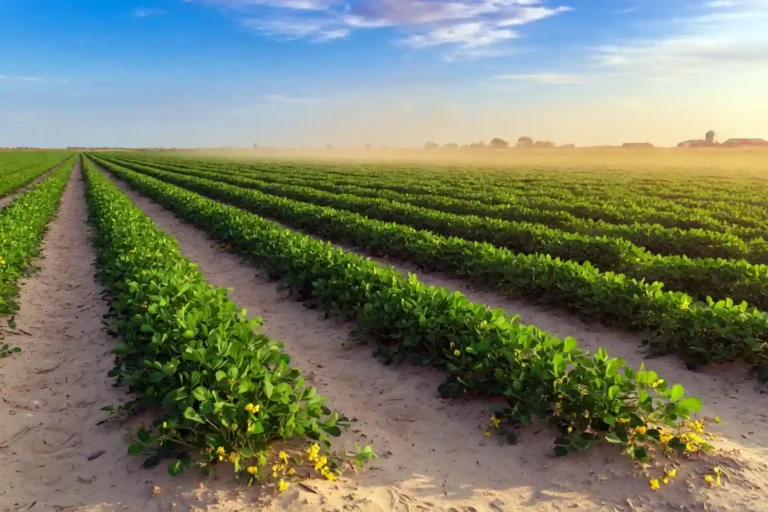
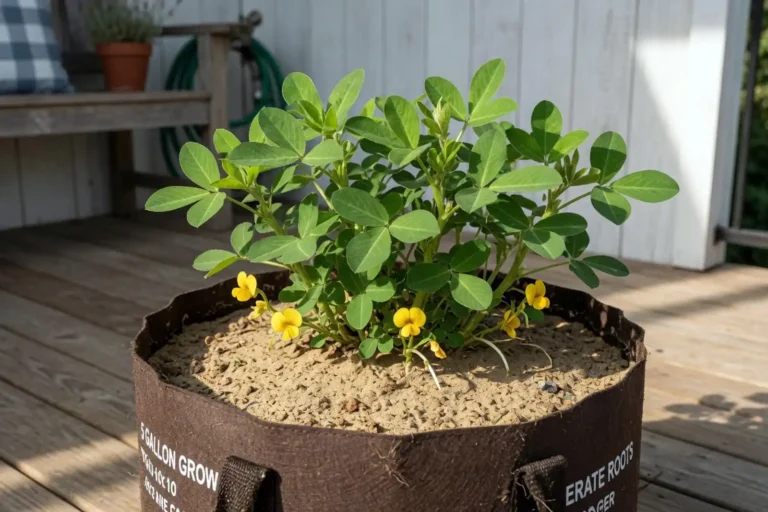
The peanut itself grows underground as a legume, not a tree nut. For background on peanut growth, see how peanuts are grown and harvested and the difference between peanuts and tree nuts.
What Blistered Peanuts Taste Like
Blistered peanuts taste cleaner and crunchier than standard cocktail peanuts. The thin red skin adds a slight earthy note and visible color flecks across the kernel. The kernel itself stays light gold inside, with a roasted, almost buttery finish. Salt is the main seasoning, though many recipes add Sichuan pepper, garlic powder, or chili flakes.
According to the UGA peanut team at the University of Georgia, peanut flavor depends on variety, kernel maturity, and roast time. Mature kernels with the skin intact deliver the strongest roasted notes.
Blistered Peanuts vs Other Peanut Types
Blistered peanuts differ from other roasted peanuts in three clear ways:
- Skin status: Blistered peanuts keep the red skin; cocktail peanuts and dry-roasted peanuts have skin removed.
- Roast method: Blistered peanuts go through a wet-then-dry roast; standard peanuts roast dry from the start.
- Texture: Blistered peanuts snap cleaner because steam puffs the skin and dries the kernel evenly.
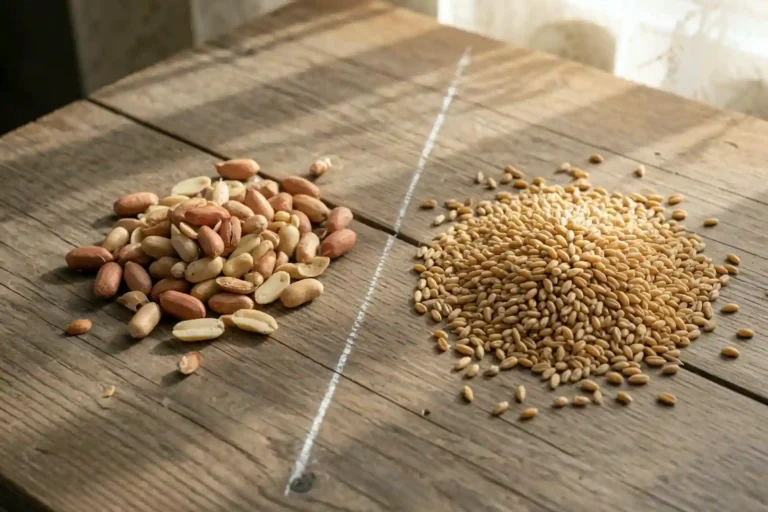
Boiled peanuts sit in their own category. Those soak for hours in salted water and stay soft. Raw peanuts skip cooking entirely and are not safe to eat in volume without roasting.
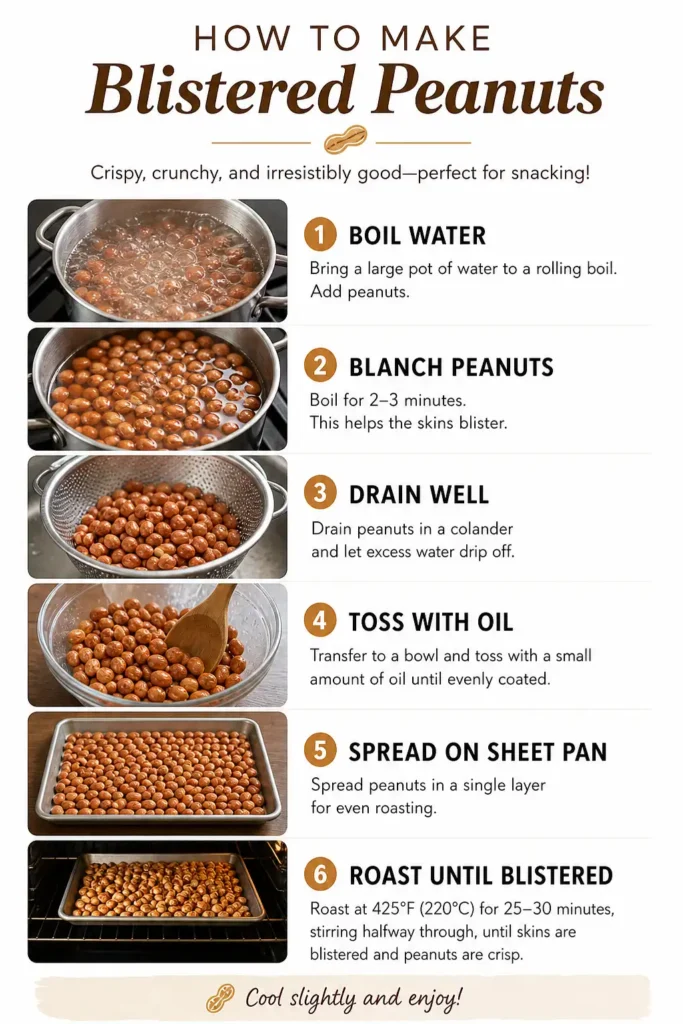
How to Make Blistered Peanuts at Home
Home cooks can produce blistered peanuts in under 30 minutes with raw red-skin peanuts and a hot oven.
- Boil water. Bring 4 cups of water to a rolling boil in a small pot.
- Blanch. Drop 2 cups of raw red-skin peanuts into the water for 30 seconds, then drain at once in a colander.
- Dry and season. Pat the peanuts dry. Toss with 1 tablespoon of neutral oil and ½ teaspoon of salt.
- Spread. Lay the peanuts in one layer on a sheet pan lined with parchment.
- Roast. Bake at 350°F for 15 to 20 minutes, stirring once at the halfway mark.
- Cool. Pull the pan when skins crack and kernels turn light gold. Cool fully on the pan; the peanuts crisp as they cool.
If you want to grow your own peanuts for the freshest batch, read growing peanuts at home and where peanuts grow naturally for variety and climate notes.
Common Mistakes to Avoid
- Skipping the blanch. Without the quick boil, the skins do not blister.
- Boiling past 60 seconds. Long soaks turn the peanuts soggy and they refuse to crisp.
- Crowding the pan. Two layers trap steam and the peanuts steam-cook instead of roasting.
- Oven temps above 375°F. The kernels burn before the skins finish blistering.
- Salting after cooling. Salt sticks during the oil toss; sprinkling later slides right off.
Storage and Safety Notes
Blistered peanuts keep best in an airtight glass jar at room temperature for two weeks. Heat and moisture pull them stale and risk mold growth. The USDA’s food safety guidance lists peanuts among foods that can develop aflatoxin under damp storage. Toss any batch that smells musty or has fuzz on the kernels.
People with peanut allergies should avoid blistered peanuts entirely. The skin can carry trace contact even after roasting.
Frequently Asked Questions

Are blistered peanuts the same as Spanish peanuts?
Why do blistered peanuts taste better than regular roasted peanuts?
Can I fry blistered peanuts instead of baking them?
Are blistered peanuts healthy?
How long do homemade blistered peanuts stay crisp?
Conclusion
Blistered peanuts are red-skin peanuts roasted to a crisp, bubbled finish through a quick blanch and a hot oven. The method delivers a cleaner snap, deeper flavor, and a snack that holds up next to any cocktail peanut on the shelf. With raw peanuts, salt, oil, and a sheet pan, you can pull a fresh batch from your own kitchen in half an hour.