Can You Grow Peanuts in Ohio? 5 Best Varieties to Plant Now
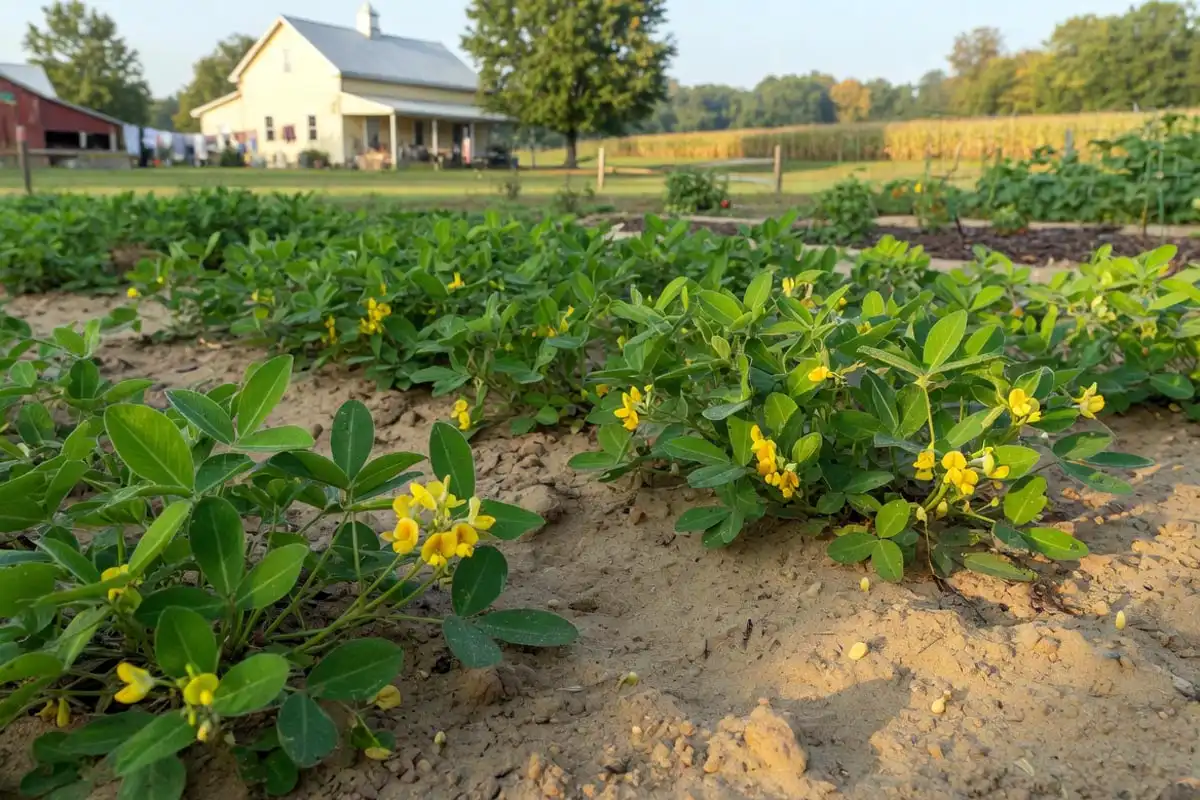
Yes, you can grow peanuts in Ohio, especially in the southern half of the state where the growing season stretches past 150 frost-free days. This guide walks through what works, the right varieties, planting timing, soil prep, and the realistic yield you can expect on small plots.
What Are Peanuts and Why Ohio Is Borderline
Peanuts are a warm-season legume (Arachis hypogaea) that pegs flowers down into the soil to form pods underground. They need long, hot summers and loose, sandy ground. Ohio sits at the cool edge of the peanut belt, but home growers pull off solid harvests with the right variety and a little patience. If you’ve read our piece on what climate peanuts prefer, you already know they want heat, but Ohio summers do deliver enough of it.
When to Plant Peanuts in Ohio
Plant peanuts in Ohio between mid-May and early June, once soil temperature at 4 inches reaches 65°F and frost danger has passed. Southern Ohio (Zone 6b) usually hits this window by May 15. Northern Ohio (Zone 5b–6a) waits until late May or the first week of June.
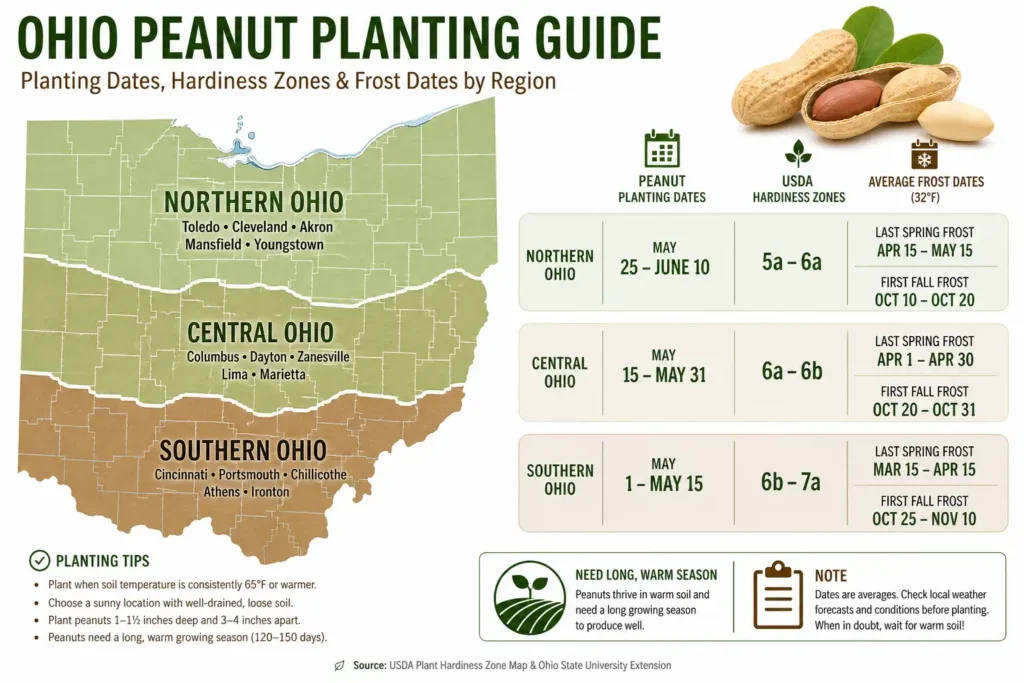
Peanuts need 110 to 150 days to mature, depending on variety. That’s tight in Ohio, so timing matters more than it does in Georgia. For a deeper look at scheduling, see this peanut planting timing guide.
| Region in Ohio | USDA Zone | Plant By | First Frost (avg) |
|---|---|---|---|
| Southern Ohio | 6a–6b | May 15–25 | Oct 15–25 |
| Central Ohio | 6a | May 25–Jun 5 | Oct 5–15 |
| Northern Ohio | 5b–6a | Jun 1–10 | Sep 30–Oct 10 |
Where Peanuts Grow Best in Ohio
Peanuts thrive in sandy loam soils along the Ohio River valley, parts of Scioto, Pike, and Lawrence counties. Heavy clay soils common across central Ohio slow root growth and trap moisture, which rots developing pods. According to Ohio State University Extension, legume crops perform best on well-drained ground with a soil pH between 6.0 and 6.5.
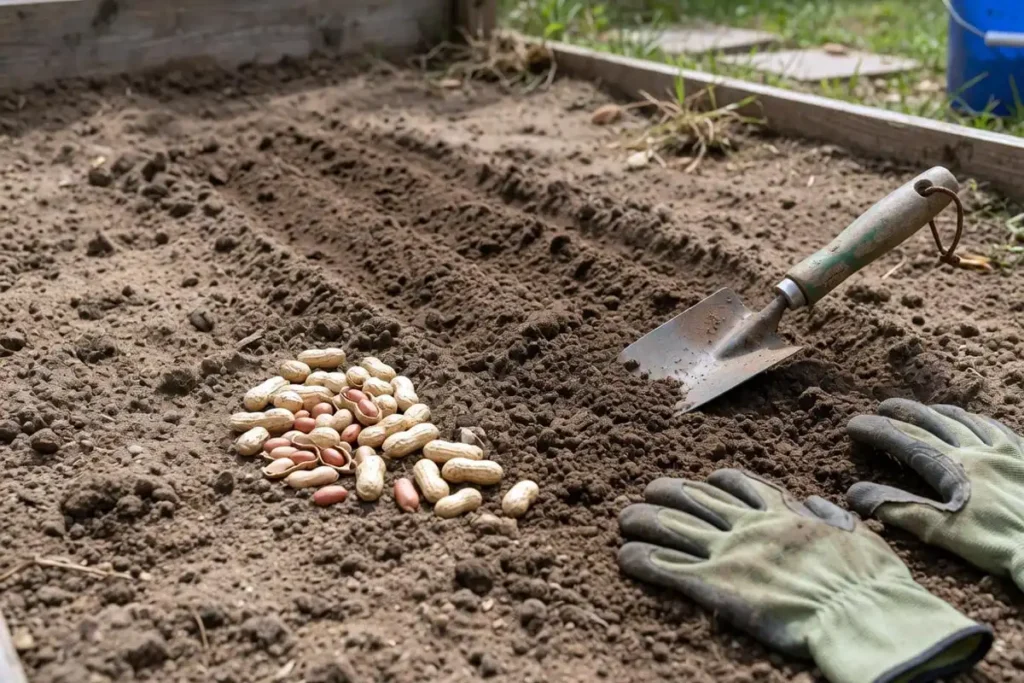
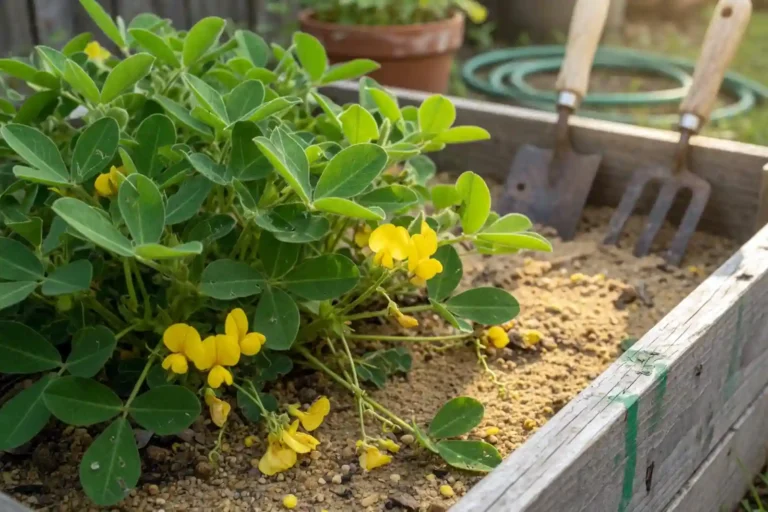
If your yard has dense clay, build a raised bed or amend with coarse sand and compost. You can also grow them in containers, which is covered in container peanut growing.
Best Peanut Varieties for Ohio
Pick a short-season variety. Virginia and Runner types (the kind grown in the South) often run out of season here.
- Spanish peanuts — mature in 100–110 days, small kernels, high oil content
- Valencia peanuts — mature in 95–110 days, sweet flavor, 3–4 seeds per pod
- Tennessee Red Valencia — handles cooler nights, reliable for Ohio gardens
- Early Spanish — fastest to finish, good fit for northern counties
To skip Virginia jumbos in Ohio. They want 140+ days and you’ll be racing frost.
How to Grow Peanuts in Ohio: Step-by-Step
1. Prepare the Soil
Loosen soil 8 inches deep. Work in 2 inches of compost. Test pH and add agricultural lime if it reads below 6.0. Skip nitrogen fertilizer; peanuts fix their own through root nodules.
2. Source Raw Seed
Use raw, unroasted peanuts in the shell from a seed supplier. Grocery store peanuts are roasted and won’t germinate. This peanut germination guide covers shell-on vs shelled seed.
3. Plant the Seeds
Plant 1.5 to 2 inches deep, 6 inches apart in rows spaced 24–30 inches. Water lightly after planting. Seeds emerge in 7–14 days when soil holds at 65–70°F.
4. Cultivate and Hill
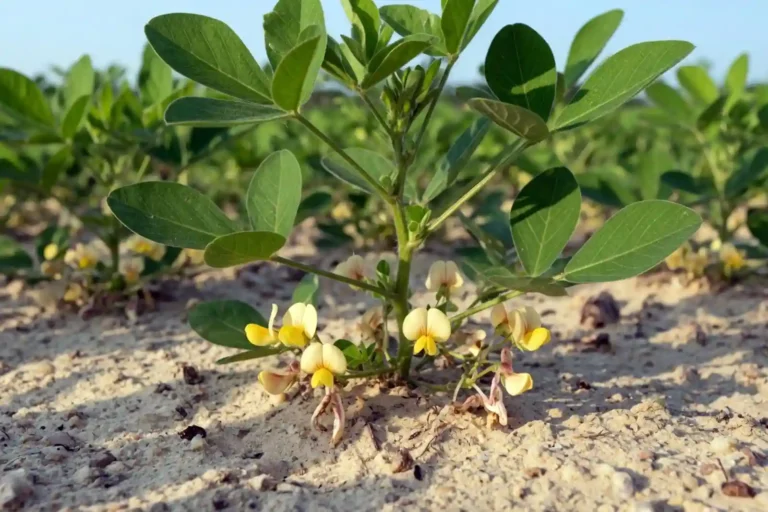
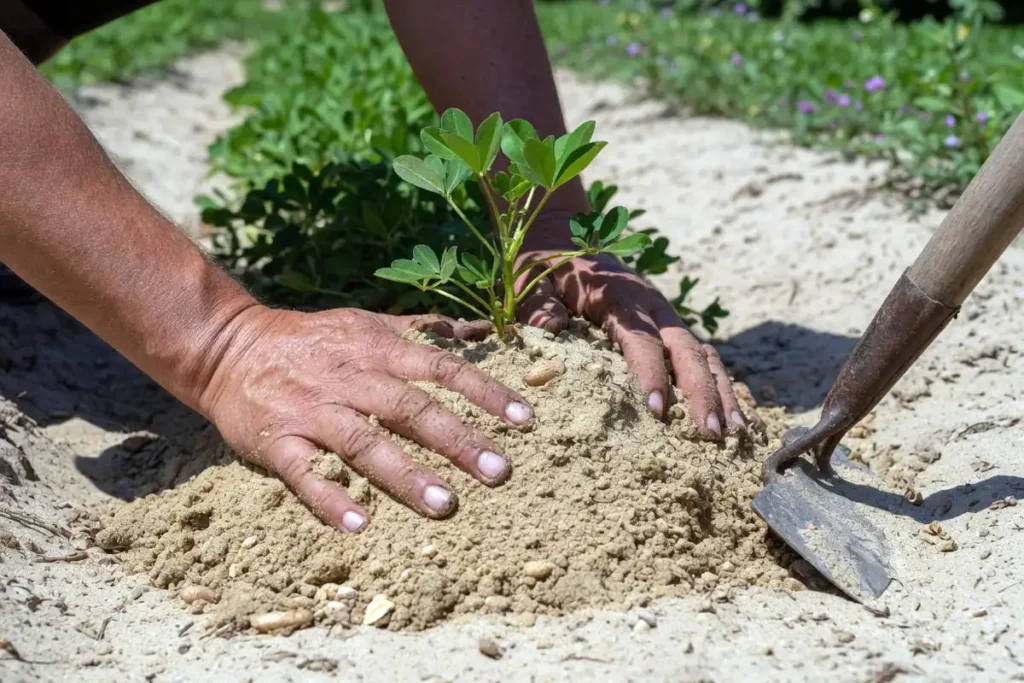
When plants reach 6 inches tall, mound loose soil around the base. This gives the flower pegs soft ground to push into. Hill again 2 weeks later. Pegs that hit hard soil never form pods.
5. Water Steadily
Give peanuts 1 inch of water per week during pod fill (roughly weeks 8–12). Cut back on water in the final 2 weeks before harvest to firm up the kernels.
6. Harvest Before Frost
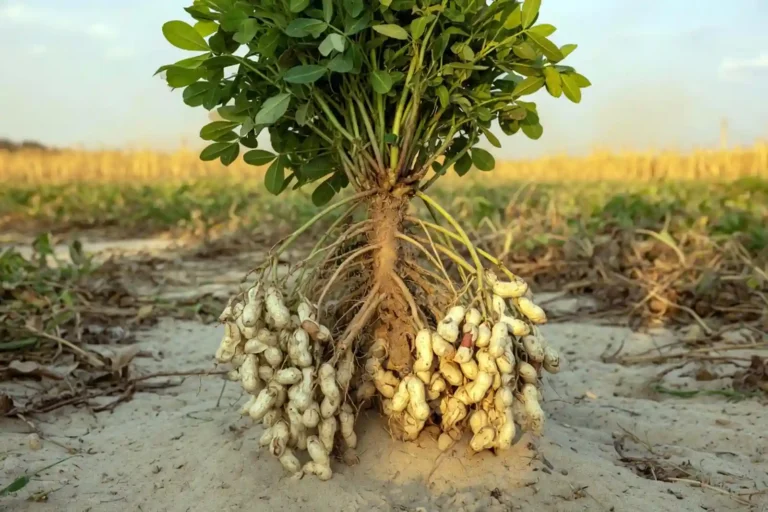
Pull plants when leaves yellow and inner pod shells show dark veins. In Ohio, that usually falls in late September or early October. A killing frost ruins flavor and ends drying. See this peanut harvest guide for the dig-and-cure routine.
Realistic Yields in Ohio
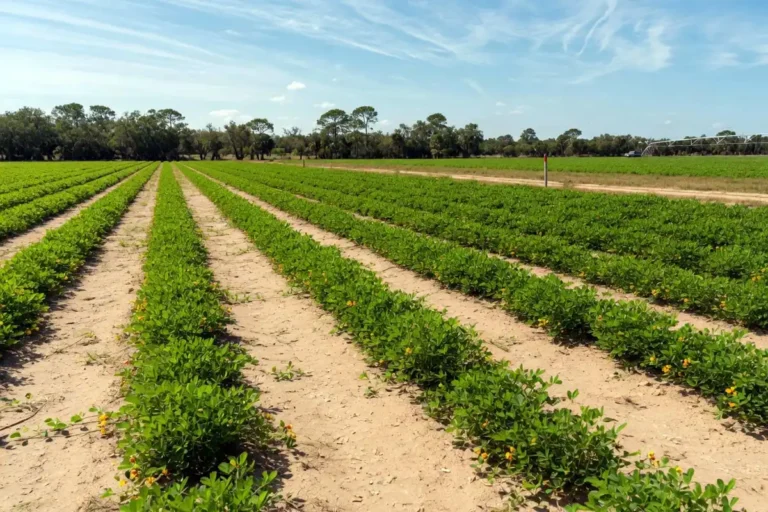
Expect 1 to 1.5 pounds of peanuts per 10-foot row in a good Ohio season. Commercial yields in Georgia run 4,000+ pounds per acre. Ohio home plots usually land closer to 1,500–2,500 pounds per acre, per data from the USDA National Agricultural Statistics Service. It’s a hobby crop here, not a cash crop.
Common Problems and Troubleshooting
Pods rotting in soil — drainage is poor, or you watered too late in the season. Lift plants sooner next year.
Flowers but no pods — pegs can’t penetrate hard soil. Hill earlier and keep the bed loose.
Slow germination — soil planted too cold. Wait until it hits a steady 65°F.
Yellow leaves mid-season — possible iron or manganese issue on high-pH soil. Test and adjust.
Animals digging plants up — squirrels, voles, and crows go after planted seed. Cover rows with bird netting until plants are 4 inches tall.
Common Mistakes to Avoid
- Planting roasted grocery store peanuts (they’re dead seed)
- Using nitrogen-heavy fertilizer (causes leafy plants, few pods)
- Picking a Virginia variety in northern Ohio
- Skipping the hilling step
- Harvesting after the first frost
- Storing damp peanuts (they mold fast)
Safety and Storage Notes
Cure dug plants in a dry, ventilated space for 2–3 weeks before shelling. Damp peanuts can develop Aspergillus flavus, a mold that produces aflatoxin. The CDC flags aflatoxin as a serious health risk, so toss any peanuts that smell musty or show dark spots inside the shell. Store cured peanuts in airtight jars in a cool, dry pantry.
FAQs About Growing Peanuts in Ohio
How long do peanuts take to grow in Ohio?
Do peanuts need full sun in Ohio?
Can I grow peanuts in northern Ohio near Cleveland?
What soil pH do peanuts need?
Should I rotate peanuts with other crops?
Final Thoughts
Growing peanuts in Ohio works if you match the variety to your season, prep loose soil, and harvest before frost. Southern counties have the easiest time; northern gardeners need short-season Spanish or Valencia types and a warm summer. It’s not a high-volume crop here, but the novelty and flavor of fresh-cured peanuts make the effort worth it for any home grower curious enough to try.