Are Tree Nuts the Same as Peanuts? 7 Key Facts You Should Know
No, tree nuts and peanuts are not the same food group at all. Peanuts are legumes that grow underground in pods, while tree nuts grow above ground on woody trees. This guide covers the botanical split, growing habits, nutrition gaps, separate allergy categories, and the kitchen and labeling rules that follow.
No. Peanuts (Arachis hypogaea) belong to the legume family Fabaceae, the same plant family as beans, peas, soybeans, and lentils. Tree nuts grow on trees and include almonds, walnuts, pecans, cashews, pistachios, hazelnuts, Brazil nuts, macadamia nuts, and pine nuts. The U.S. Food and Drug Administration treats peanuts and tree nuts as two separate major food allergens under federal labeling law. So one is a legume, the other is a tree fruit or seed, and your allergy doctor cares about the difference.
What Are Peanuts in Plant Terms?
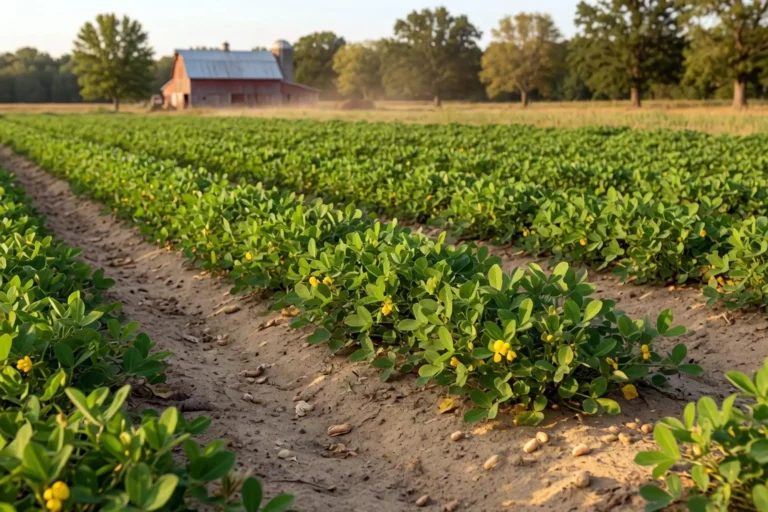
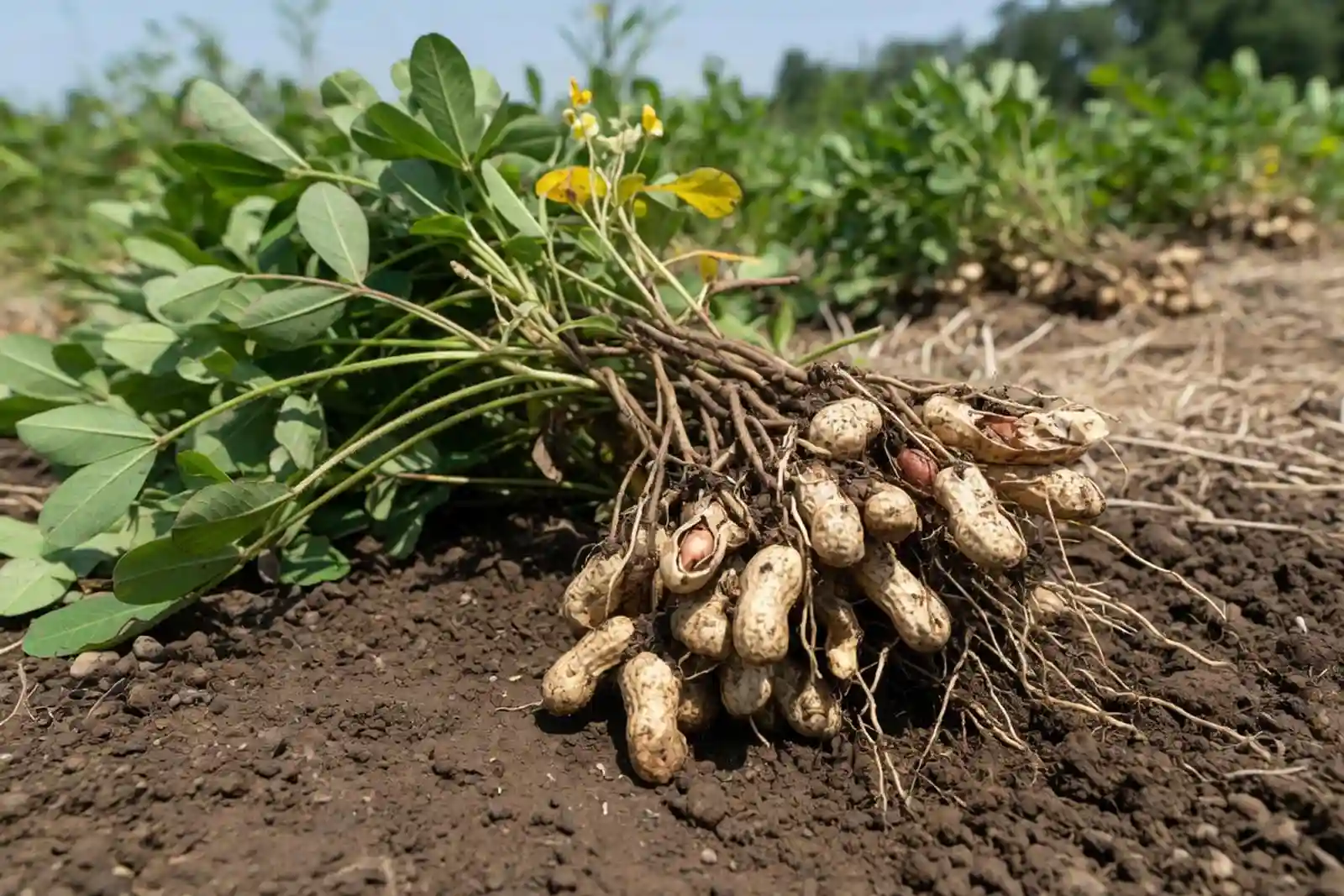
Peanuts are legumes, not nuts. The peanut plant grows about 18 to 24 inches tall, flowers above ground, then sends a stalk called a peg into the soil where the pod develops. This underground fruiting habit is called geocarpy.
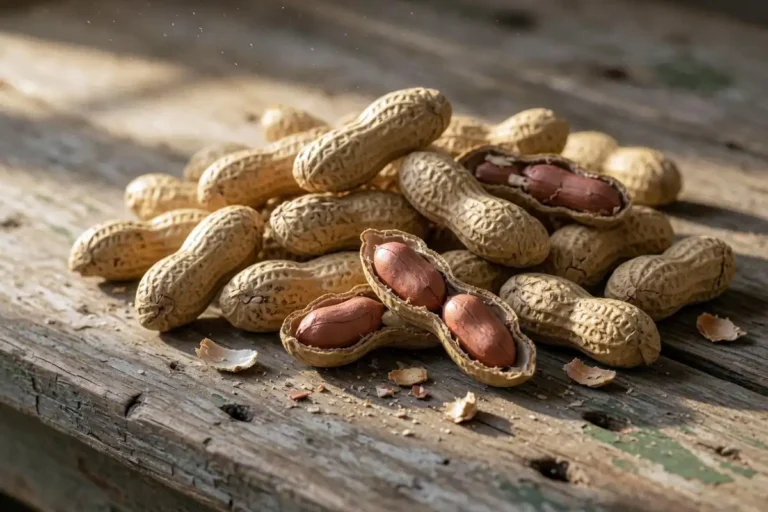
The closest cousins of the peanut are the green bean and the soybean, not the almond or the walnut. The shell you crack open is a legume pod, and the kernel inside is a seed.
Know more: Pounds in a Bushel of Peanuts
What Are Tree Nuts?
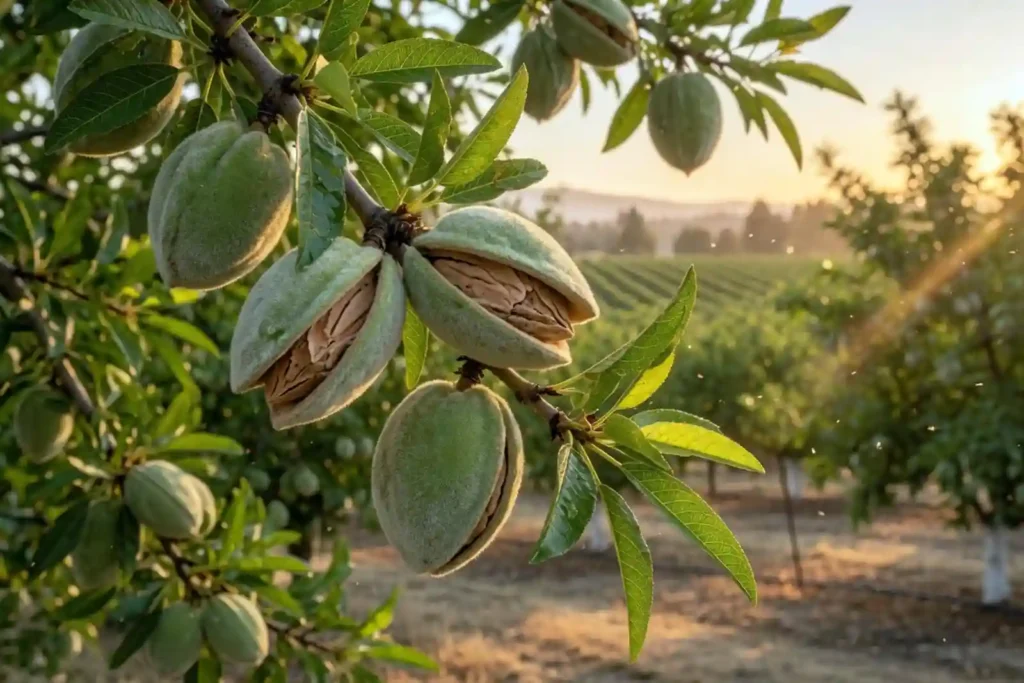
Tree nuts grow on trees and produce edible kernels inside hard shells. The list the FDA recognizes as major tree nut allergens includes:
- Almonds
- Walnuts (English and black)
- Pecans
- Cashews
- Pistachios
- Hazelnuts (filberts)
- Brazil nuts
- Macadamia nuts
- Pine nuts (pignoli)
- Chestnuts
Botanically, this group is mixed. Almonds, walnuts, and pecans are drupes, the same fruit type as peaches and cherries. Hazelnuts and chestnuts are true nuts by strict botanical definition. Cashews and pine nuts are seeds. Despite the botanical mix, they share a culinary and allergen identity that peanuts do not.
Also learn: Peanuts Genetically Modified or Not
How Peanuts and Tree Nuts Grow Differently
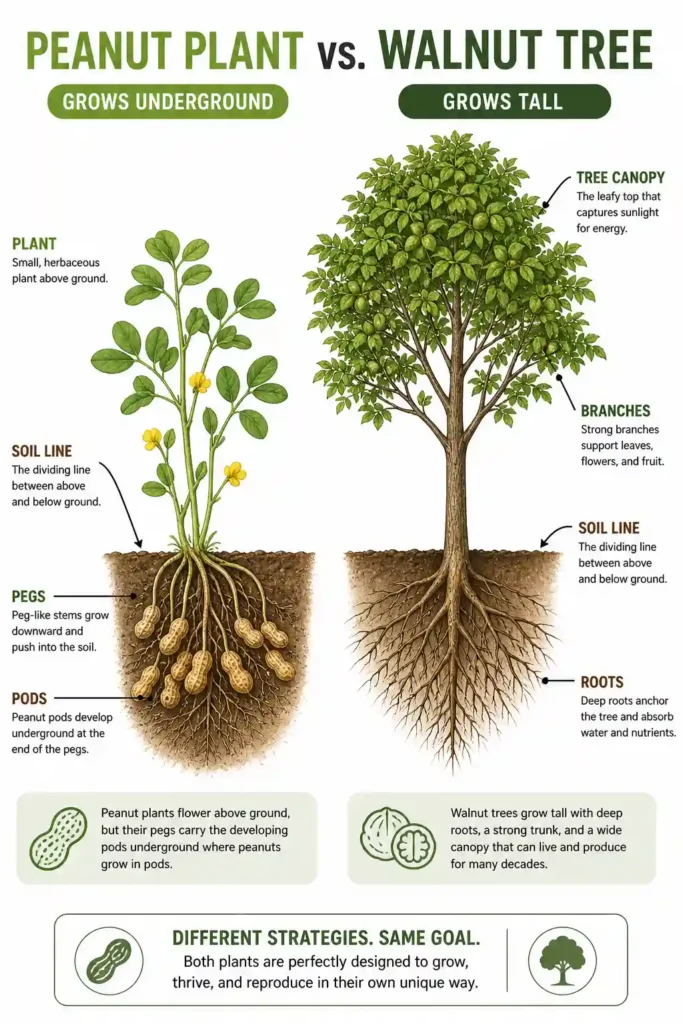
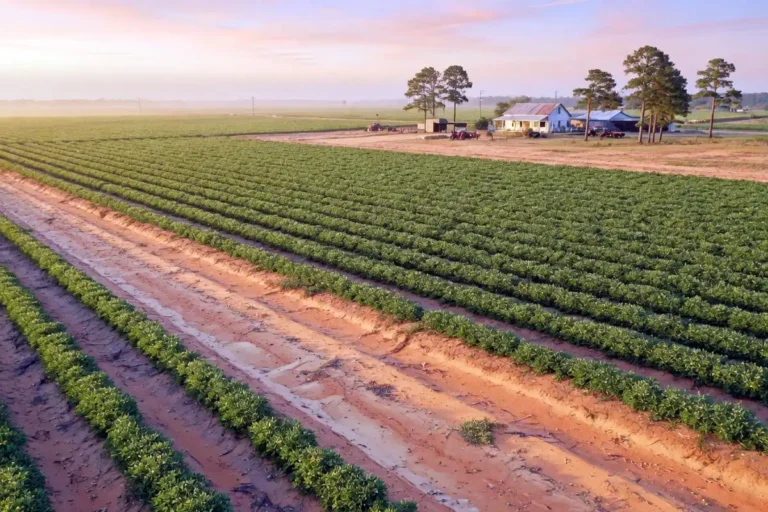
The growth habit is the cleanest line between the two groups. Peanuts come from a small annual plant that finishes its full cycle in 120 to 160 days. Tree nuts come from perennial trees that take years to bear and live for decades.
| Trait | Peanut | Tree Nut |
|---|---|---|
| Plant type | Annual legume | Perennial tree |
| Plant height | 18–24 inches | 10–100+ feet |
| Where fruit forms | Underground | On branches |
| Years to first harvest | Same season | 3–10+ years |
| Shell type | Soft pod | Hard woody shell |
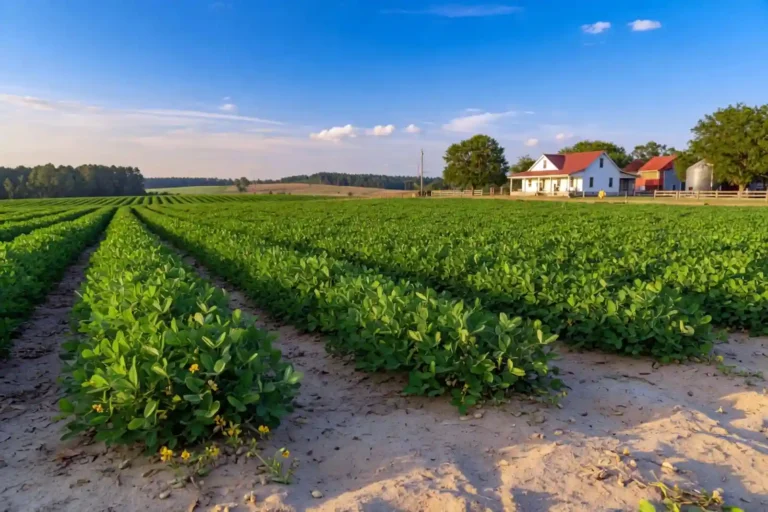
Peanuts fit into rotations the same way beans do, because the plant fixes nitrogen through root nodules. A pecan tree, by comparison, is a permanent fixture of the farm and follows orchard management rules. The University of Georgia Extension publishes a detailed peanut production guide that walks through the full legume crop cycle.
Also know: Details about Blistered Peanuts
Nutrition: Are Peanuts and Tree Nuts the Same Nutritionally?
Peanuts and tree nuts share a similar high-fat, high-protein profile, which is why diet plans often group them together. The numbers per 1-ounce serving (USDA data) sit close, but not identical:
| Nut (1 oz) | Calories | Fat | Protein | Fiber |
|---|---|---|---|---|
| Peanut | 161 | 14 g | 7 g | 2.4 g |
| Almond | 164 | 14 g | 6 g | 3.5 g |
| Walnut | 185 | 18 g | 4 g | 1.9 g |
| Cashew | 157 | 12 g | 5 g | 0.9 g |
| Pecan | 196 | 20 g | 3 g | 2.7 g |
Peanuts lead on protein per ounce. Walnuts lead on omega-3 fat (ALA). Almonds carry the most fiber. So nutritionally they are cousins, not twins.
Are Peanut Allergies the Same as Tree Nut Allergies?
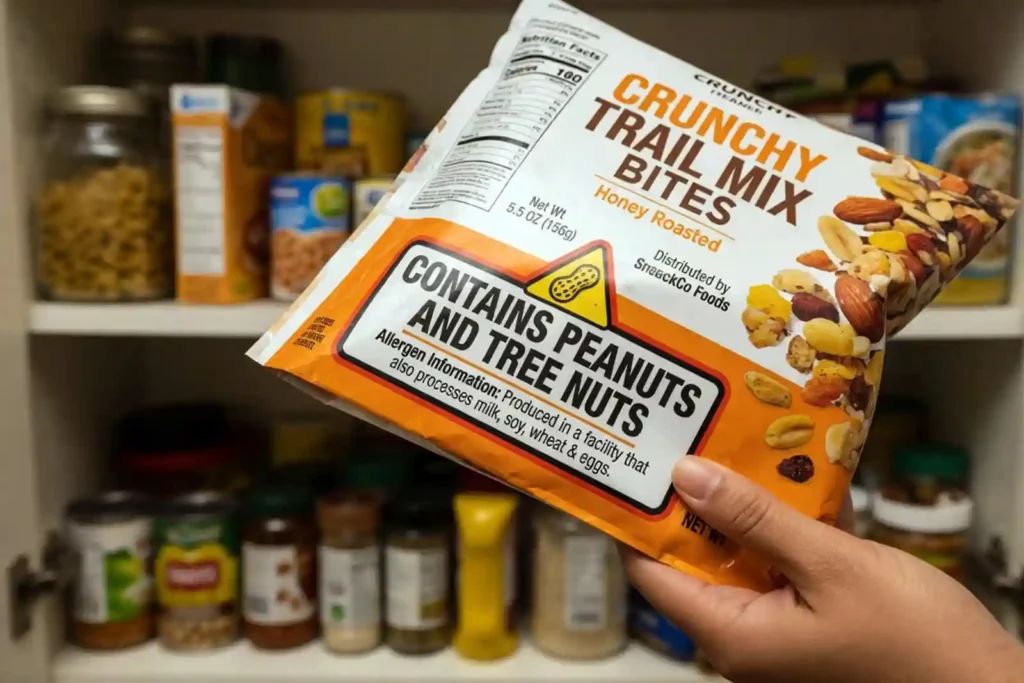
No. Peanut allergy and tree nut allergy are two separate diagnoses. Both fall under the federal allergen labeling law, FALCPA, which requires food makers to declare each on packaging. The FDA lists peanuts and tree nuts as two of the nine major food allergens on U.S. food labels.
Cross-reactivity does exist. Research published by the American Academy of Allergy, Asthma & Immunology suggests that roughly 25 to 40 percent of children with a peanut allergy also react to at least one tree nut. That overlap is meaningful, but it is not full crossover. Many peanut-allergic people tolerate tree nuts safely, and many tree nut–allergic people tolerate peanuts safely. Allergists confirm each one with separate testing.
If you have a confirmed allergy in either group, ask your doctor before adding the other group to your diet.
Why Do People Confuse Tree Nuts and Peanuts?
Four reasons drive the mix-up:
- The word “nut” sits in the name. Peanut sounds like walnut and chestnut.
- They eat the same. Both get roasted, salted, ground into butter, and tossed into trail mix.
- The nutrition profile looks alike. Both are calorie-dense and high in fat and protein.
- Stores shelve them together. Snack aisles, baking aisles, and bulk bins group them as a category.
The botanical split becomes clear only when you pull the plant out of the ground or look up the plant family.
Cooking and Substitution Notes
Peanut butter and almond butter swap one-for-one in most recipes by texture, though the flavor and price differ. Roasting times overlap. Both work in cookies, granola, sauces, and Asian dishes.
A few kitchen rules worth keeping:
- Peanut oil is highly refined in most U.S. brands and behaves differently from cold-pressed walnut or almond oil.
- For pesto, pine nuts give the classic flavor, but walnuts and almonds work; peanuts shift the dish toward Southeast Asian.
- For nut crusts, almonds and pecans hold their shape; peanuts brown faster and burn easier.
Common Mistakes People Make
- Assuming a “peanut-free” label means tree nut–free. It does not.
- Buying mixed nuts for a peanut-allergic guest without checking cross-contamination notes.
- Calling peanuts a “nut” in farm conversations. Agronomically, they fall under legume rotations and bean-family pest pressure.
- Substituting peanut flour for almond flour in keto recipes without adjusting carbs and protein.
- Treating peanut allergy testing as enough to rule out tree nut reactions.
Safety Notes Around Labeling and Cross-Contact
Federal law requires clear listing of peanuts and each tree nut by specific name (almond, walnut, etc.) on packaged food sold in the United States. Read both the ingredient list and the “contains” or “may contain” statement. Many facilities process peanuts and tree nuts on shared lines, which is where most accidental exposures happen.
For school lunches, classroom snacks, and bake sales, treat the two allergens as separate categories on the form. A child cleared for tree nuts is not automatically cleared for peanuts.
FAQs on Tree Nuts and Peanuts
Are peanuts technically nuts?
Can someone allergic to peanuts eat tree nuts?
Is peanut butter the same as almond butter?
Does peanut oil count as a tree nut oil?
Why does the FDA group peanuts with tree nuts on labels?
Final Thoughts
Tree nuts and peanuts share a snack-aisle identity and a similar nutrition profile, but the two sit on different branches of the plant world. Peanuts grow underground from a small legume plant. Tree nuts grow on long-lived trees. The U.S. food labeling system treats them as separate allergens for good reason. Once you see the plant in the field, the difference makes sense fast, and your shopping, cooking, and allergy planning gets clearer.