Where Is Sorghum Grown? Top 8 Countries & US States 2026
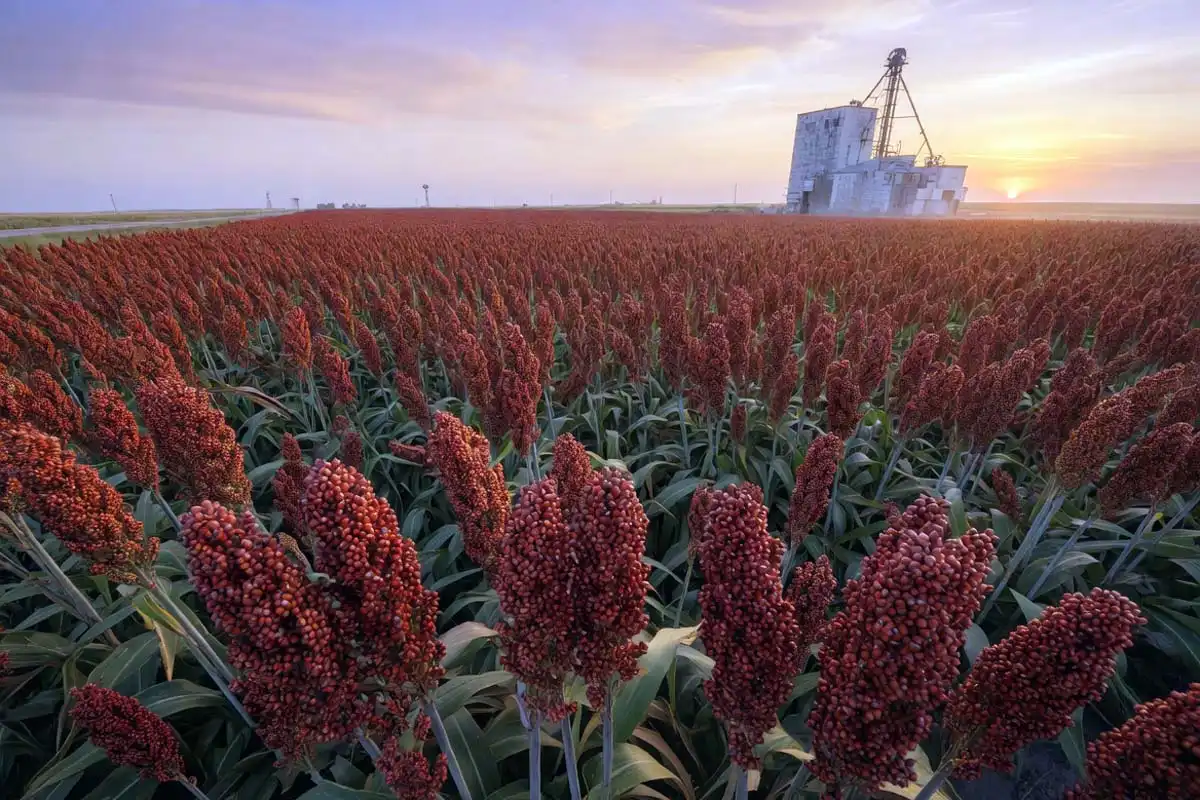
Sorghum grows across warm, semi-arid regions on six continents, with the United States, Nigeria, Sudan, Mexico, India, and Argentina leading production. The crop tolerates drought better than corn. This guide covers global growing regions, top US states, climate needs, and rotation fit so you can place sorghum well.
Sorghum is grown in over 100 countries, but most production sits in a few warm, semi-arid zones. The United States, India, Nigeria, Sudan, Mexico, Ethiopia, and Argentina lead the world. In the US, the Sorghum Belt stretches from South Dakota to South Texas, with Kansas producing roughly half of the national crop.
Where Is Sorghum Grown Worldwide?
Sorghum grows on every populated continent. The plant came from northeastern Africa thousands of years ago and spread along trade routes into Asia, the Middle East, and the Americas. Today, the heaviest production lines up with hot, dry regions where corn and wheat struggle.
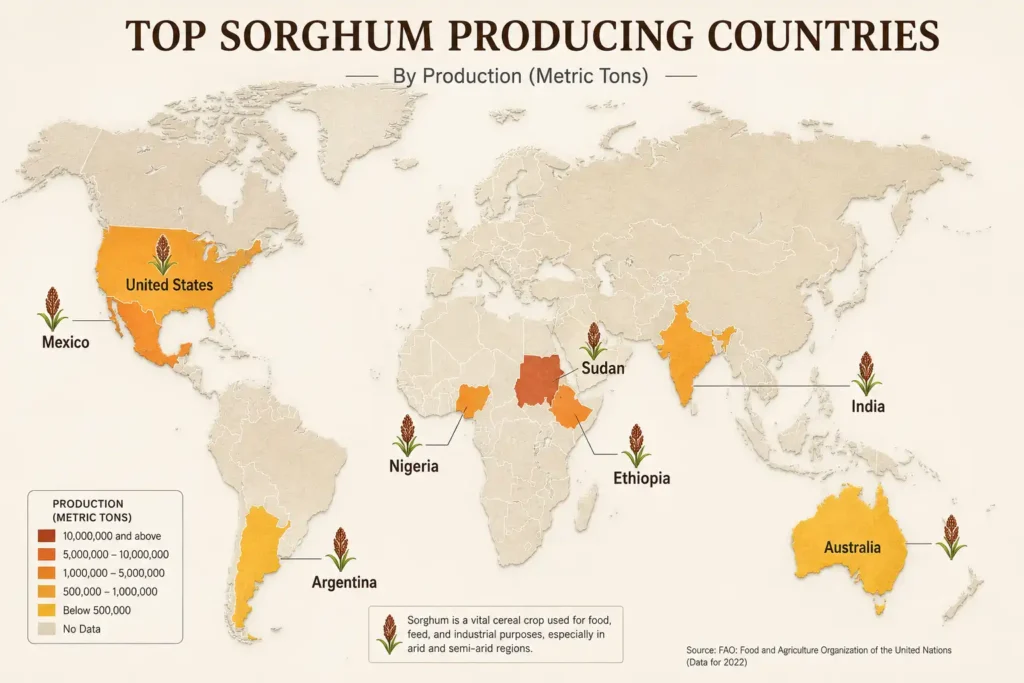
Key global growing zones include:
- Africa: Nigeria, Sudan, Ethiopia, Mali, and Burkina Faso
- Asia: India and China
- Americas: United States, Mexico, Argentina, and Brazil
- Australia: Queensland and northern New South Wales
Africa grows the most sorghum by acreage, while the United States and Argentina lead in yield per acre because of mechanized farming and improved hybrids.
Top Sorghum-Producing Countries
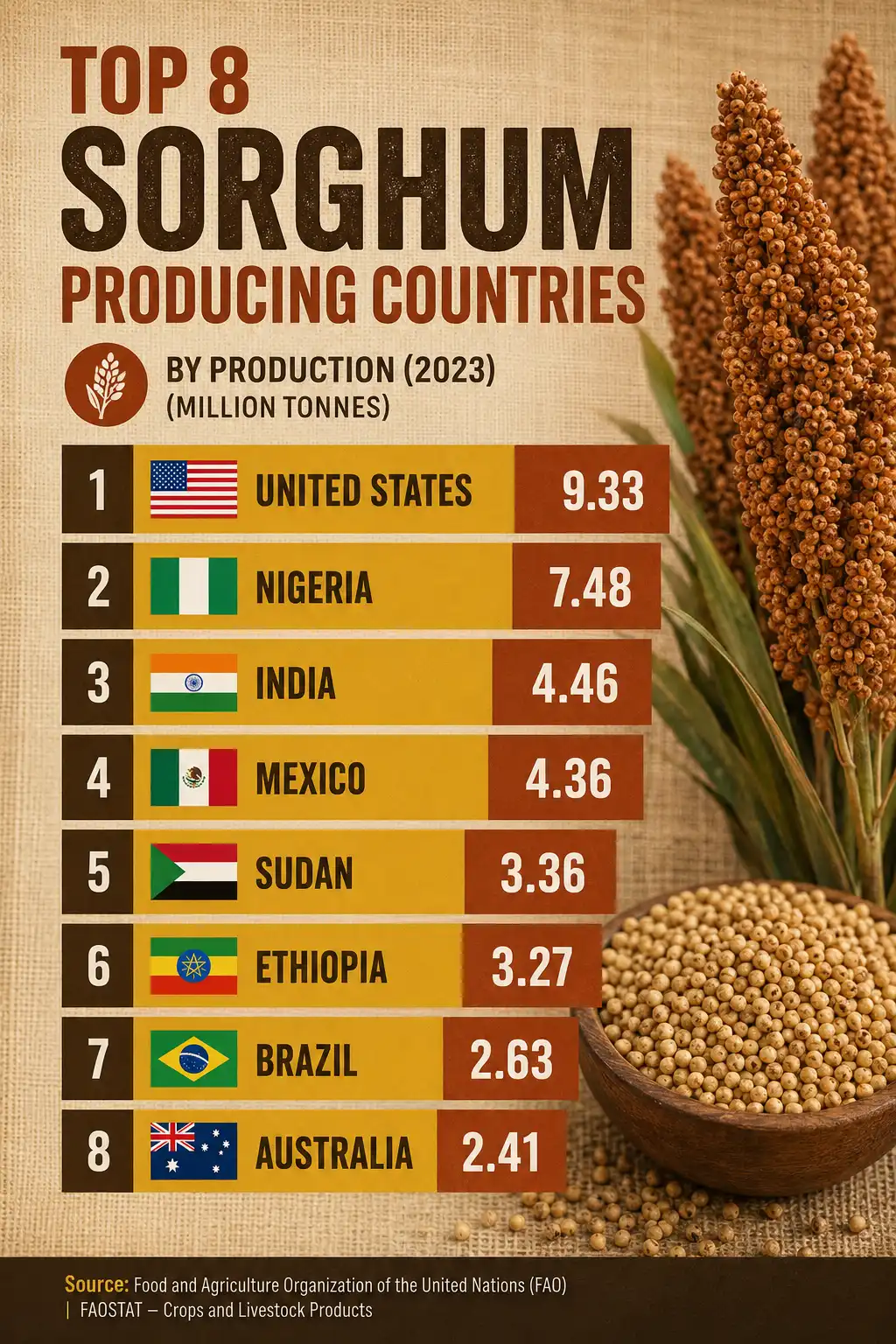
Global production shifts year to year with weather, but the leaders stay fairly steady. According to USDA Foreign Agricultural Service data, the top producers most years are:
- United States — large-scale grain sorghum for feed, ethanol, and export
- Nigeria — staple food crop, mostly small-farm production
- Sudan — dryland grain for human consumption
- Mexico — feed grain, often double-cropped
- India — both grain (jowar) and forage types
- Ethiopia — food and beverage uses
- Argentina — export-focused grain sorghum
- Australia — summer grain crop in dryland systems
China is the largest importer rather than a top producer, mostly buying US sorghum for livestock feed and baijiu liquor.
Where Is Sorghum Grown in the United States?
US sorghum production concentrates in the central and southern Great Plains. The crop fits this region because rainfall is limited, summers run hot, and irrigation water often costs too much for corn. Sorghum holds yield where corn would burn up.
Most years, we count on it as the safety crop when soil moisture runs short at planting.
The US Sorghum Belt Explained
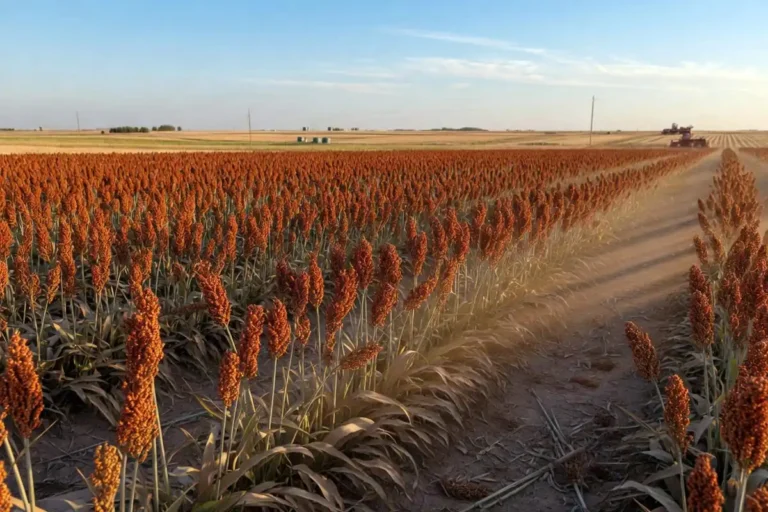
The Sorghum Belt runs north to south through the central Plains. It covers parts of South Dakota, Nebraska, Kansas, Colorado, Oklahoma, Texas, and New Mexico. The belt sits west of the Corn Belt, where annual rainfall drops below 25 inches and summer heat climbs.
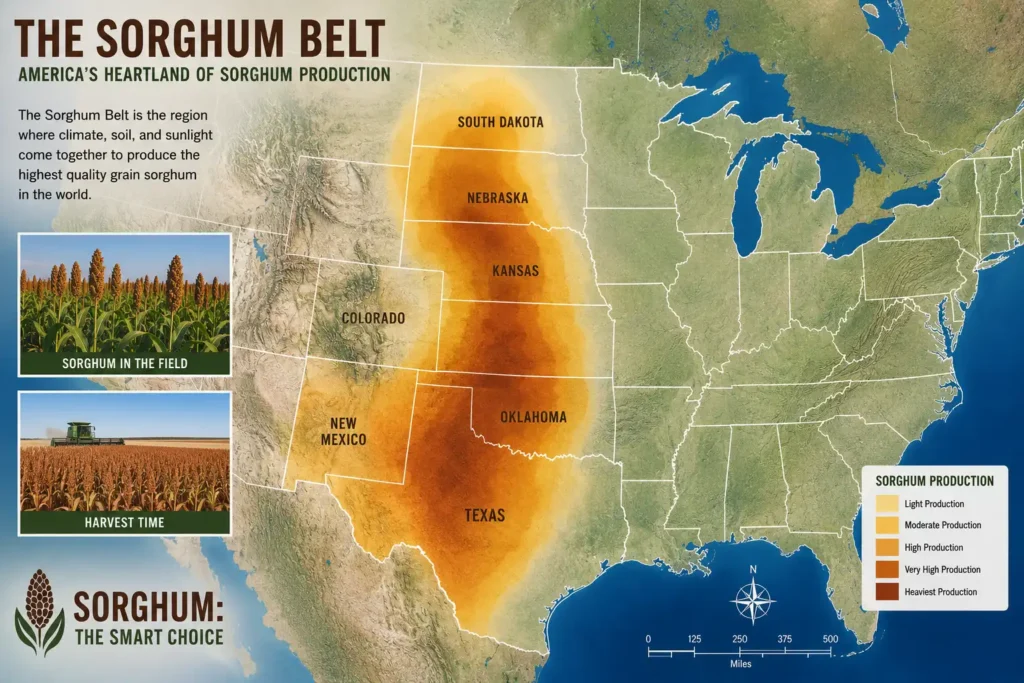
Within this belt, you can find both dryland and irrigated sorghum. Dryland fields rely on stored soil moisture and summer rain. Irrigated fields, common in southwest Kansas and the Texas Panhandle, push yields above 150 bushels per acre in good years.
Top US Sorghum-Producing States
USDA NASS reports rank these states as the top grain sorghum producers most years:
- Kansas — produces close to half of US sorghum
- Texas — strong dryland and South Plains production
- Colorado — eastern plains dryland systems
- Oklahoma — central and western counties
- Nebraska — southwest and panhandle regions
- South Dakota — southern counties
- Arkansas and Louisiana — smaller acres, mostly grain
For more on field-level practices in these states, see the guide on growing sorghum well and the post comparing milo and sorghum, since both names refer to the same grain in US fields.
Climate and Soil Conditions Sorghum Needs
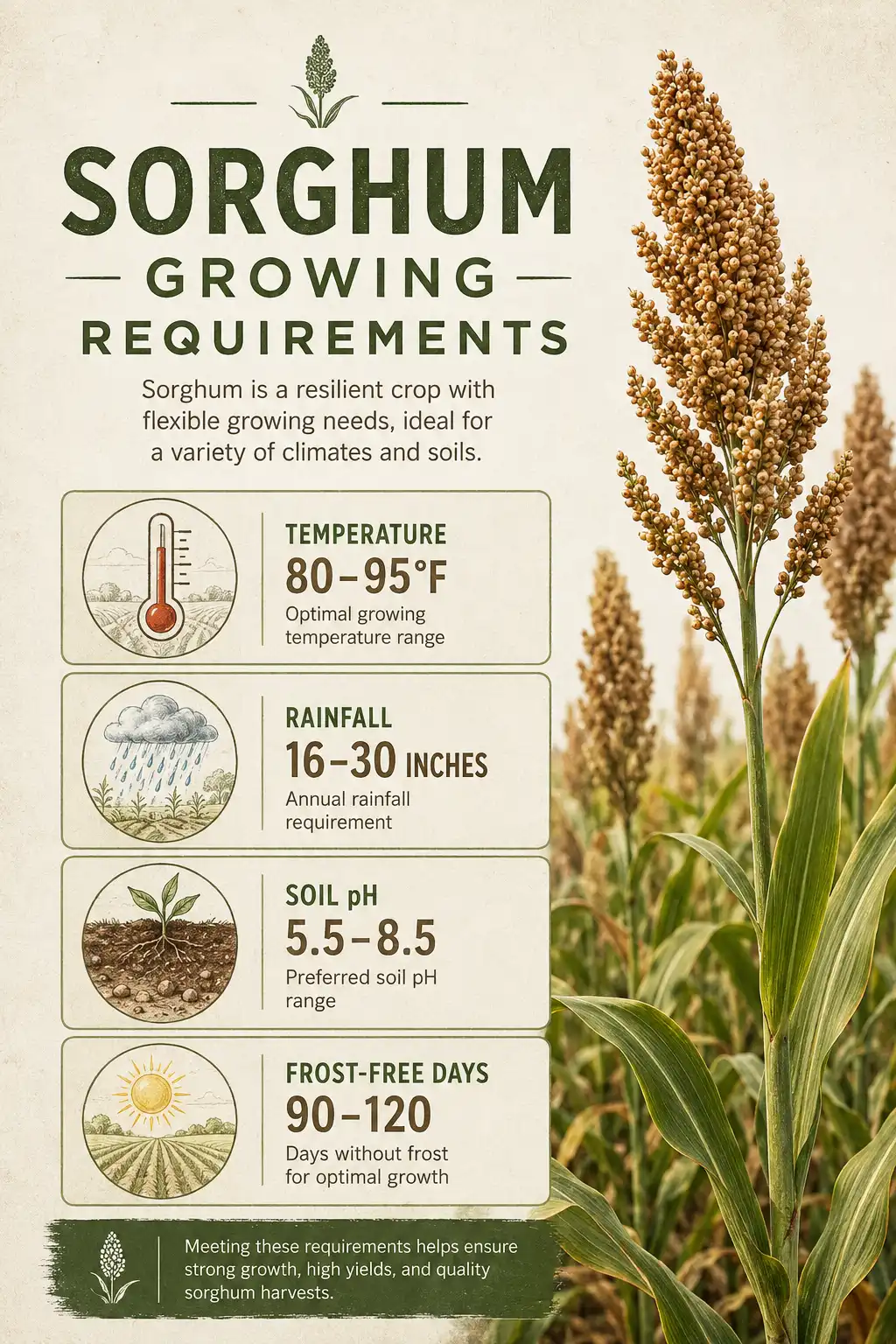
Sorghum grows best in regions that share a few traits. Knowing these helps explain why the crop thrives in some places and fails in others.
Temperature: Sorghum needs soil temperatures of 60°F or higher at a 2-inch depth for steady germination. The plant grows fastest between 80°F and 95°F air temperature.
Rainfall: 16 to 30 inches of annual rainfall fits dryland sorghum. The crop survives on less but yields drop, which is why tracking soil moisture levels before planting helps you decide between grain and forage hybrids.
Soil: Well-drained loam, clay loam, and sandy loam soils work well. Sorghum tolerates a pH range of 5.5 to 8.5, wider than corn.
Frost-free days: 90 to 120 frost-free days cover most grain hybrids.
Texas A&M AgriLife Extension and Kansas State Research and Extension both list these ranges in their grain sorghum production guides, which growers can use when planning fields.
Why Sorghum Fits Dry Regions
Sorghum carries a few traits that help it handle heat and drought:
- Deep, branching roots that pull moisture from 4 to 6 feet down
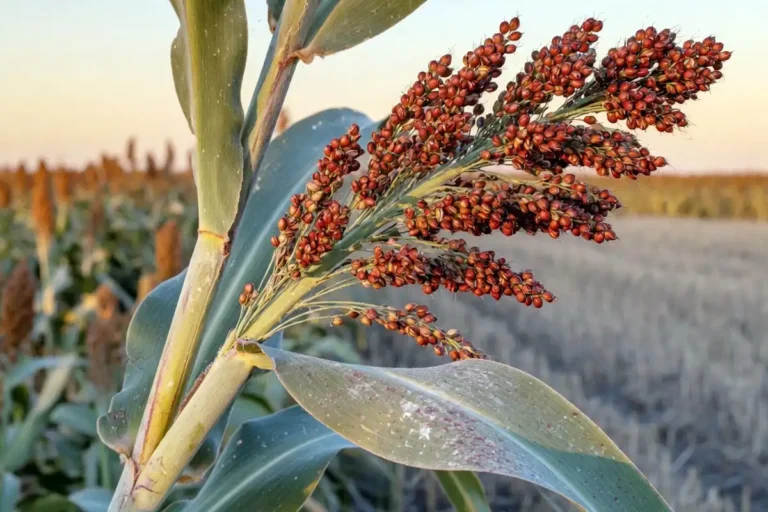
- Waxy leaf coating that cuts water loss
- Ability to pause growth during drought and resume after rain
- Lower water need per bushel than corn, often 30 to 40 percent less
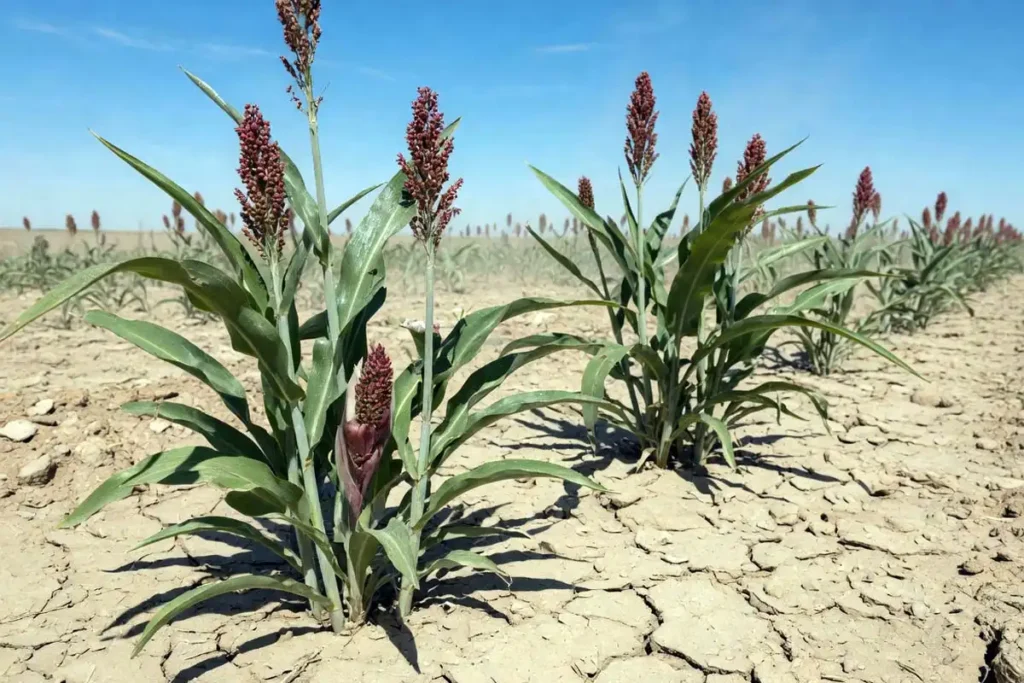
These traits explain why semi-arid regions across the world rely on sorghum where corn fails. They also explain why interest in sorghum acres rises during drought years across the Plains.
Common Challenges in Sorghum Regions
Each growing region brings its own pressures. In the southern Plains, sugarcane aphid hits hard most summers. In the northern Plains, the short season pushes farmers toward early-maturing hybrids. And in Africa and India, striga (witchweed) cuts yields on small farms.
Other common issues include:
- Bird damage near tree lines and water sources
- Anthracnose and head smut in humid pockets
- Charcoal rot during late-season drought
- Frost at the wrong end of the season in northern fields
Mistakes to Avoid When Choosing a Sorghum Site
A few placement mistakes show up year after year on Plains farms:
- Planting on heavy, poorly drained ground that stays cold into June
- Using a corn-only mindset on water and fertility, then overspending
- Picking long-season hybrids in short-season counties
- Skipping rotation and planting sorghum after sorghum, which raises disease risk
- Ignoring herbicide carryover from atrazine the prior year
If you match the hybrid to your county’s frost-free window and your soil type, you avoid most of these.
Safety Notes
Young sorghum plants and drought-stressed regrowth can build up prussic acid (hydrogen cyanide), which can poison cattle and other livestock. Do not graze sorghum, sudangrass, or sorghum-sudan crosses under 18 to 24 inches tall, and wait 7 to 10 days after a killing frost before grazing or green chopping. Test forage if you suspect risk.
Also handle treated sorghum seed with care. Wear gloves and a dust mask when filling planters, and keep treated seed away from feed bins.
FAQs
Is sorghum grown in every US state?
Which country grows the most sorghum?
Can sorghum grow in cold climates?
Does sorghum grow in the same regions as corn?
How much water does sorghum need to grow?
Conclusion
Sorghum grows wherever heat, modest rainfall, and a long-enough season meet. Globally, that points to Africa, South Asia, parts of Latin America, Australia, and the central United States. In the US, Kansas and Texas anchor a Sorghum Belt that stretches from the Dakotas to the Rio Grande. Match the crop to your climate, soil, and season length, and sorghum can earn its place in the rotation.