How to Grow Sorghum Successfully in 9 Easy Steps
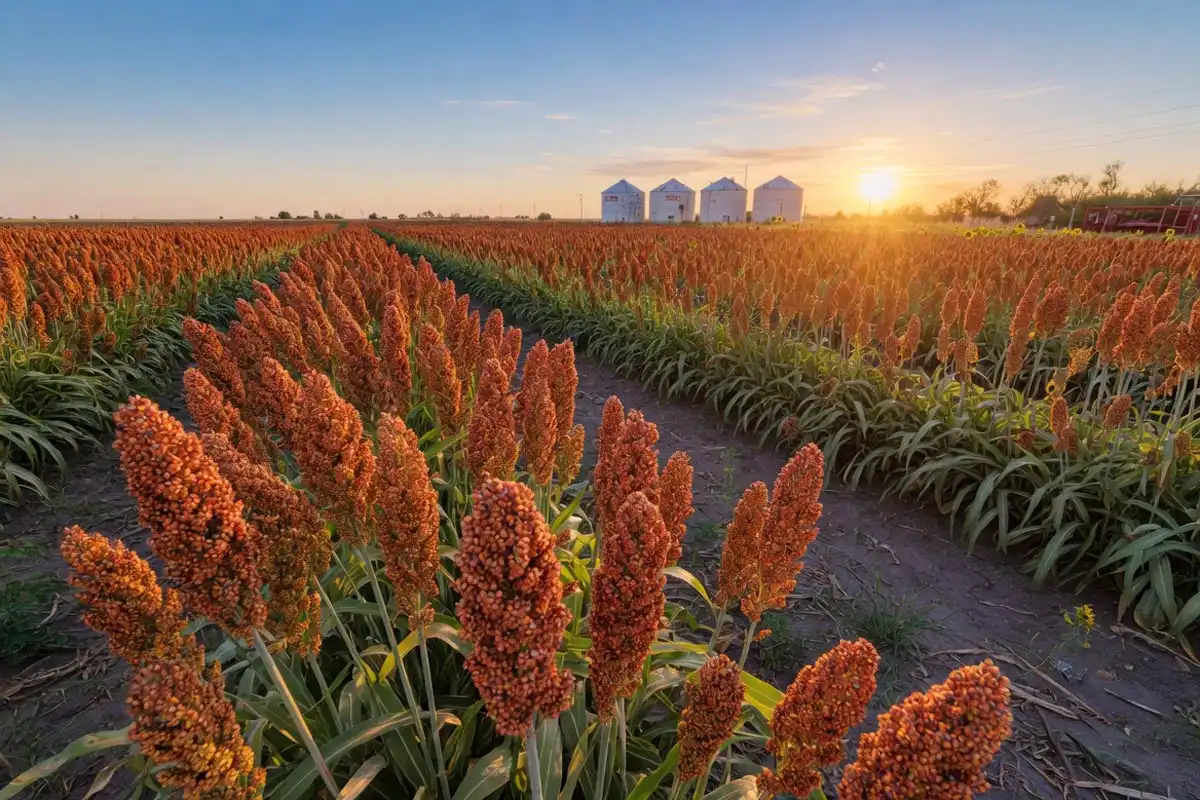
Sorghum grows best in warm soil above 60°F with full sun, well-drained loam, and 20 to 25 inches of seasonal moisture. This guide walks through planting timing, seedbed prep, fertilization, pest control, and harvest steps to bring in a clean grain crop.
Plant sorghum after the last frost once soil hits 60°F. Drill seed 1 to 1.5 inches deep, space rows 15 to 30 inches apart, apply 60 to 100 lbs of nitrogen per acre, and harvest grain when moisture drops to 25% or below.
What Is Sorghum?
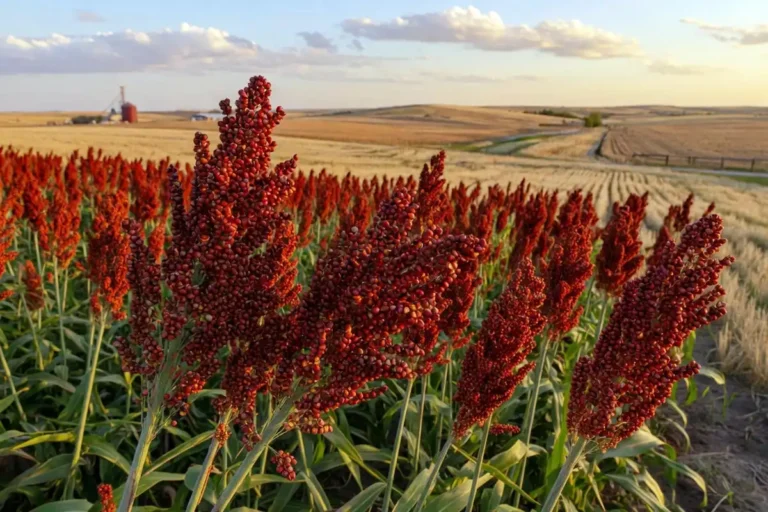
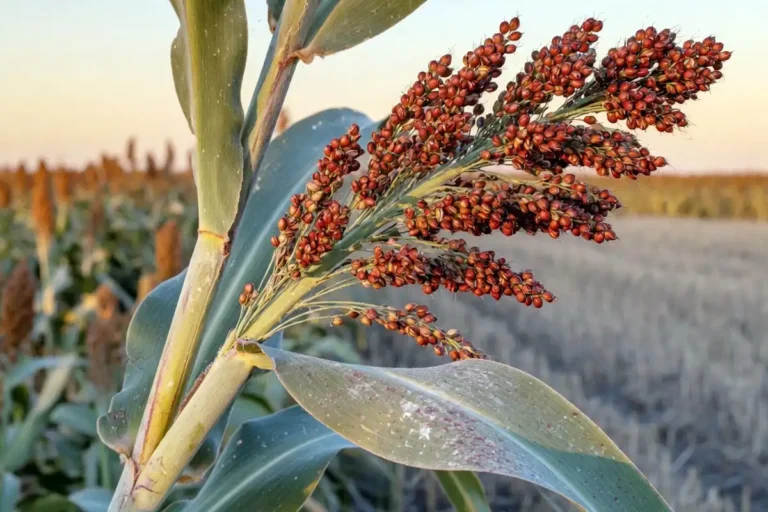
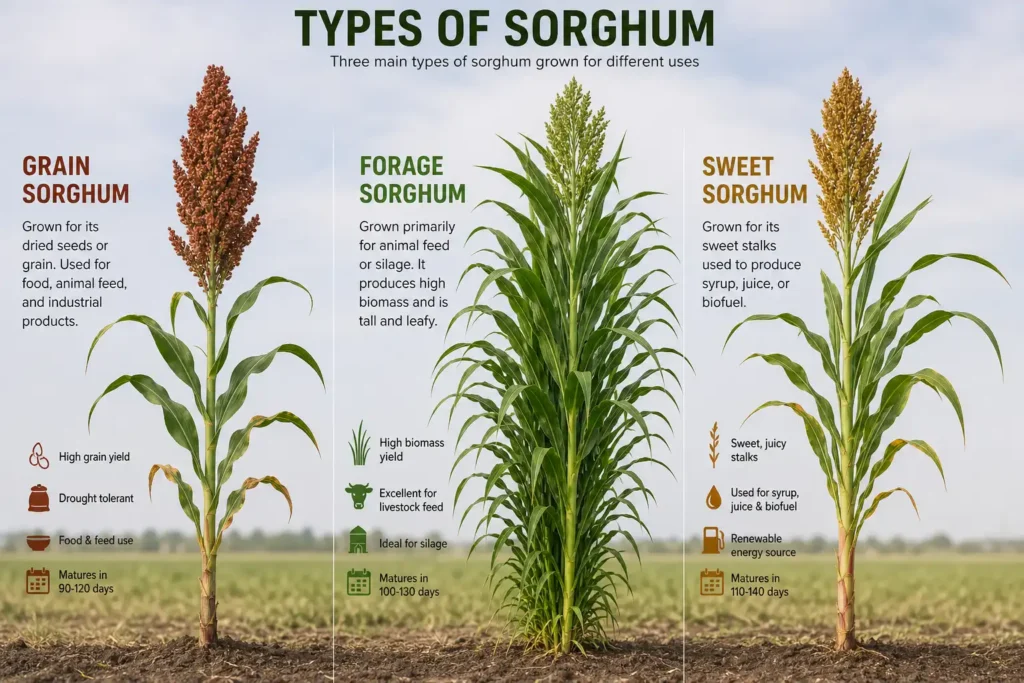
Sorghum (Sorghum bicolor) is a warm-season cereal grass grown for grain, forage, and syrup. It tolerates heat and drought better than corn, which makes it a steady choice across the southern Plains. Growers raise grain types, forage types, and sweet types depending on the end use. If you are new to the crop, this overview of sorghum breaks down the categories clearly.
When to Plant Sorghum
Plant sorghum after the last spring frost. Soil temperature at 2 inches deep should hold steady at 60°F or warmer. In Kansas, that window runs from mid-May through early June. Planting into cold ground causes uneven germination and seedling chill.
Late planting cuts yield because the crop runs short of growing degree days before the first fall frost. Aim for 90 to 110 frost-free days for grain types.
Where Sorghum Grows Best
Sorghum performs across USDA zones 6 through 9 with warm summers and moderate rainfall. It handles sandy loam, silt loam, and clay loam, but the crop dislikes waterlogged ground. Soil pH between 6.0 and 7.5 supports steady nutrient uptake.
Globally, India, the United States, Nigeria, and Mexico lead production. Within the U.S., Kansas grows roughly half of the national grain sorghum acreage.
How to Grow Sorghum Step by Step
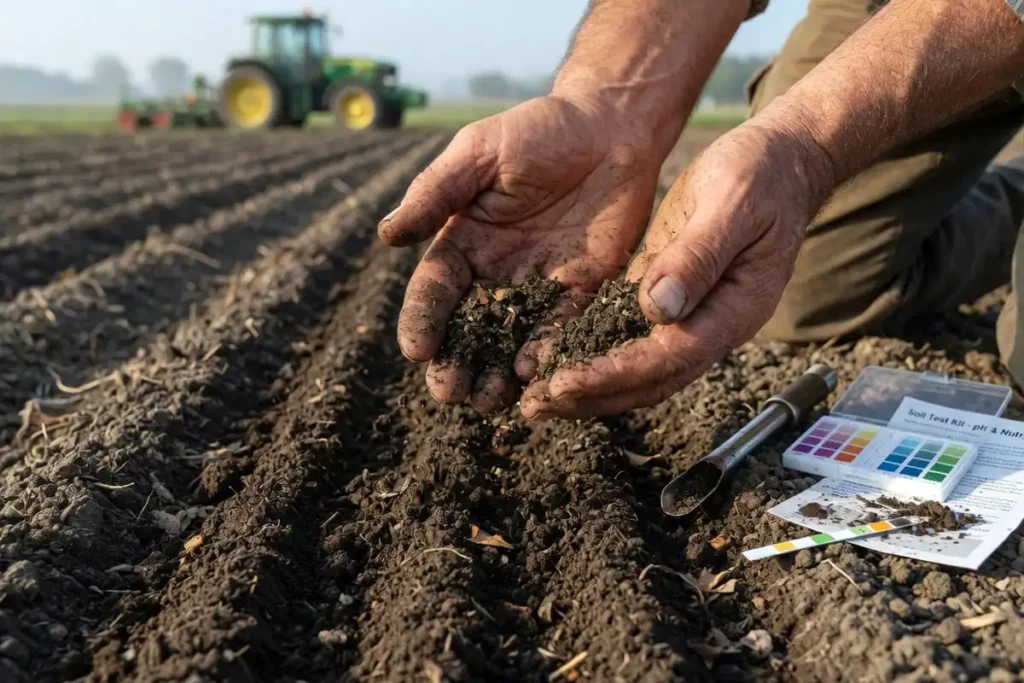
1. Test and prep the soil. Pull soil samples 6 to 8 inches deep before planting. Add lime if pH falls below 6.0. Building organic matter helps water retention, and our notes on improving soil fertility cover that piece in detail.
2. Pick the right hybrid. Match maturity to your frost-free window. Early hybrids finish in 90 days; medium hybrids need 100 to 110 days. Choose hybrids with strong standability and resistance to sugarcane aphid, anthracnose, and head smut.
3. Prepare the seedbed. Use a clean, firm, weed-free seedbed. Conventional tillage, strip-till, and no-till all work. The top 2 inches should hold moisture at planting.
4. Plant the seed. Drill seed 1 to 1.5 inches deep into moisture. Space rows 15 to 30 inches apart. Target 50,000 to 90,000 plants per acre, with lower rates on dryland fields.
5. Fertilize correctly. Apply 60 to 100 lbs of nitrogen per acre based on yield goal and soil test. Phosphorus and potassium follow soil-test recommendations. Place a small starter band 2 inches beside and below the seed.
6. Manage water. Sorghum needs 20 to 25 inches of water across the growing season. Peak demand runs from boot stage through grain fill. Irrigated fields benefit from one or two timely watering during heading.
7. Control weeds early. Apply a pre-emergence herbicide labeled for sorghum, such as atrazine plus s-metolachlor. Cultivate between rows before plants reach 12 inches. The crop is a slow starter, and early weed pressure cuts yield fast.
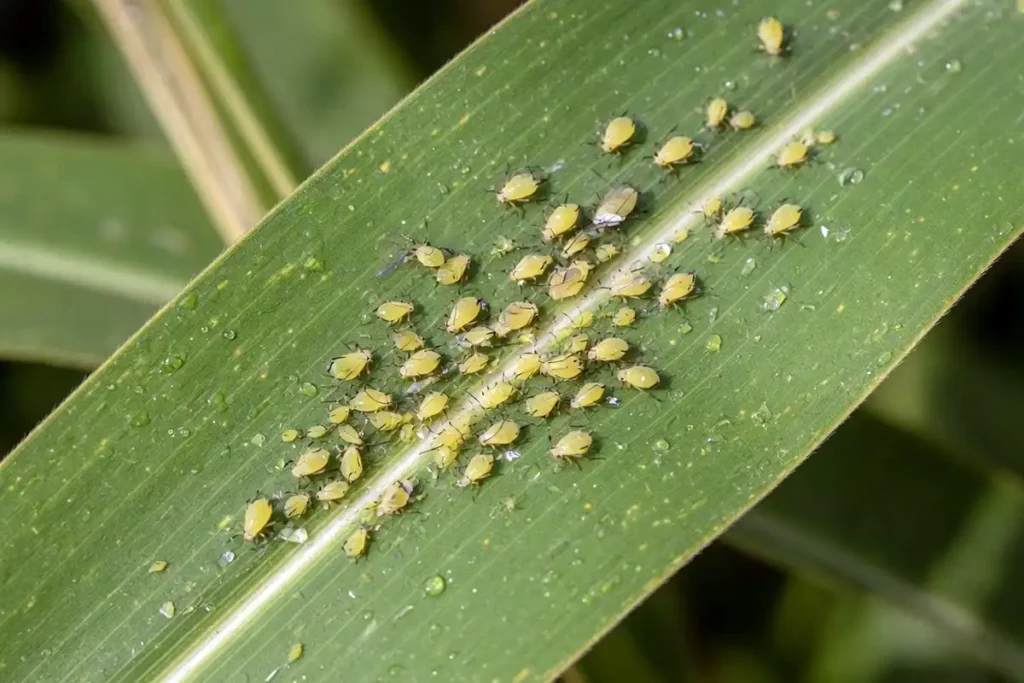
8. Scout for pests. Check fields weekly for sugarcane aphid, fall armyworm, headworms, and chinch bugs. Treatment thresholds from Kansas State Research and Extension guide spray timing. Pair scouting with natural pest control options when populations stay below threshold.
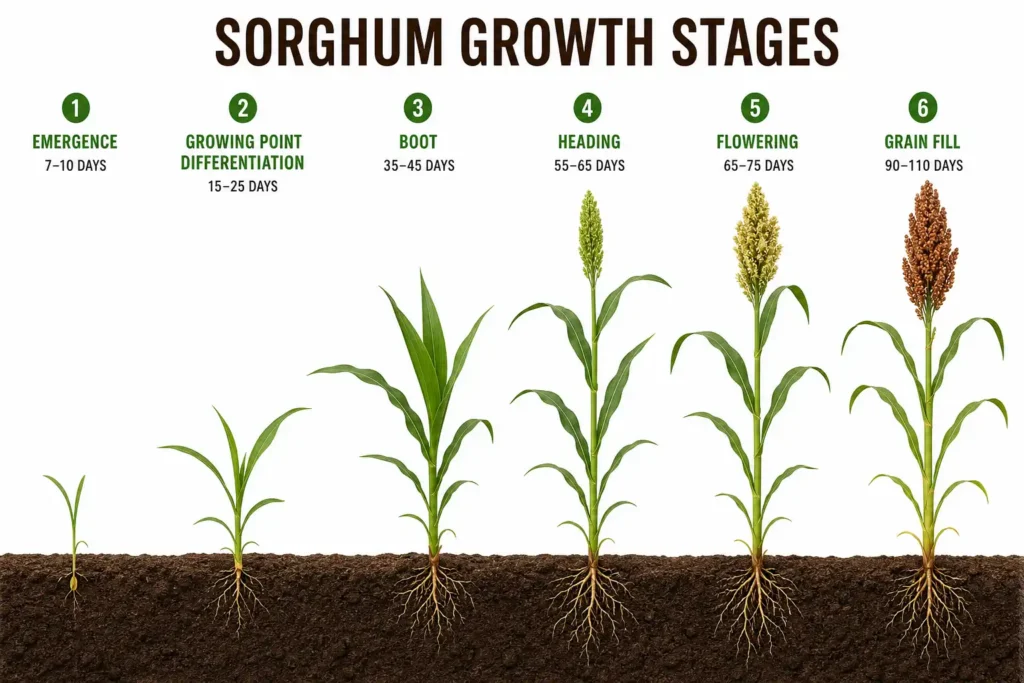
9. Watch the staging. Sorghum moves through emergence, growing point differentiation (GPD), boot, heading, flowering, and grain fill. Hit nitrogen and water needs before GPD to set head size.
When to Harvest Sorghum
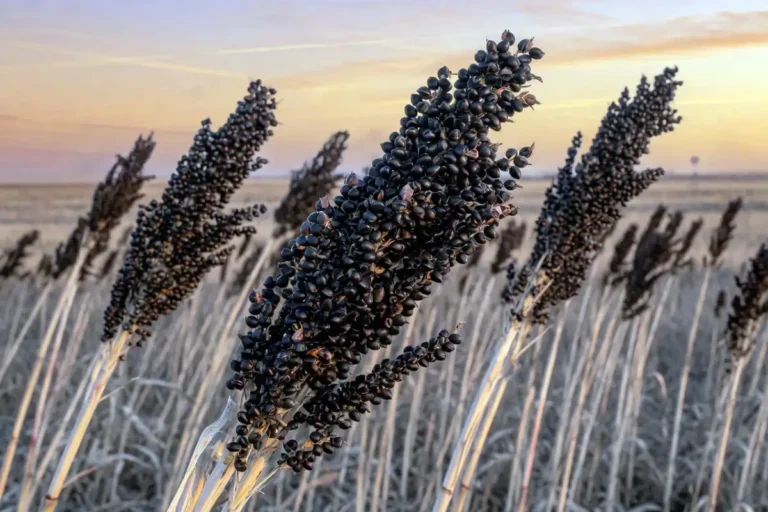
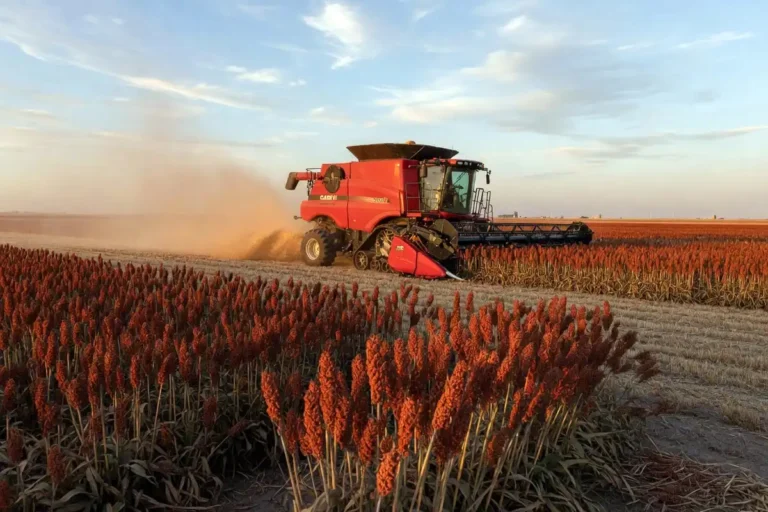
Harvest grain sorghum once seed moisture drops to 25% or below. The crop reaches physiological maturity when a black layer forms at the kernel base. Combine settings should match a high-moisture grain pass to limit shatter loss.
Field-dry the crop to 14% moisture for safe storage. Forage sorghum gets cut at the soft-dough stage for silage.
Mistakes to Avoid
- Planting into cold soil below 60°F
- Skipping a soil test before fertilization
- Ignoring early weed flushes
- Overlooking sugarcane aphid scouting in July and August
- Harvesting too wet without an aeration or drying plan
Safety Notes
Sorghum can produce prussic acid (HCN) in young, frosted, or drought-stressed forage. Do not graze stressed sorghum until 7 days after rainfall returns or after frost-killed leaves dry for 10 to 14 days. Guidance from the USDA Natural Resources Conservation Service and state extensions covers safe grazing windows.
Wear protective gear when applying herbicides or insecticides. Follow label rates and re-entry intervals.
Frequently Asked Questions
How long does sorghum take to grow?
Does sorghum need a lot of water?
What follows sorghum in a rotation?
Can I grow sorghum in a home garden?
Is milo the same as sorghum?
Conclusion
Growing sorghum rewards patience and steady scouting. Plant into warm soil, feed the crop with a soil-tested fertilizer plan, and harvest at the right moisture. Done well, a sorghum field gives strong yields with lower water and input costs than most grain crops on the farm.