How to Grow Peanuts: 7 Proven Steps for Big Yields
Growing peanuts starts with planting shelled seed in warm, sandy soil after the last frost, then giving the crop 120 to 160 frost-free days to mature. This guide covers soil prep, planting, watering, pest control, harvest, and curing so you bring in a clean, well-filled crop at season’s end.
Plant raw, shelled peanut seed 1.5 to 2 inches deep in loose, sandy loam once soil hits 65°F. Space seeds 6 inches apart in rows 30 to 36 inches wide. Water 1 to 2 inches weekly. Hill soil at flowering. Harvest in 120 to 160 days.
What Are Peanuts?
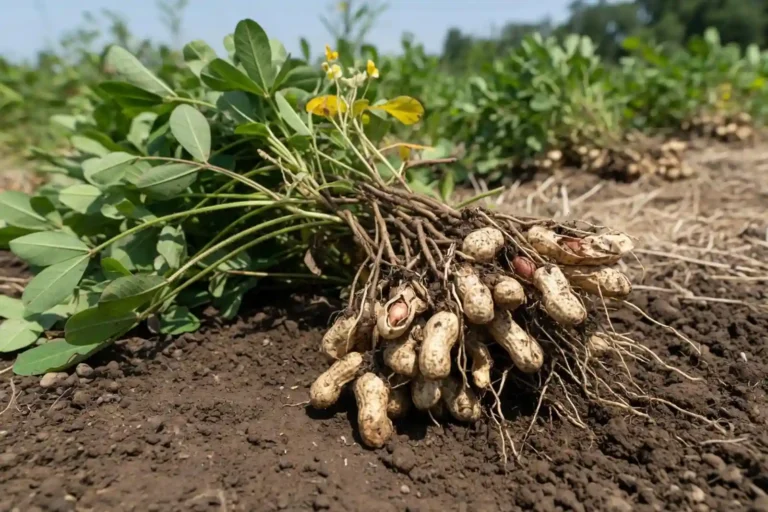
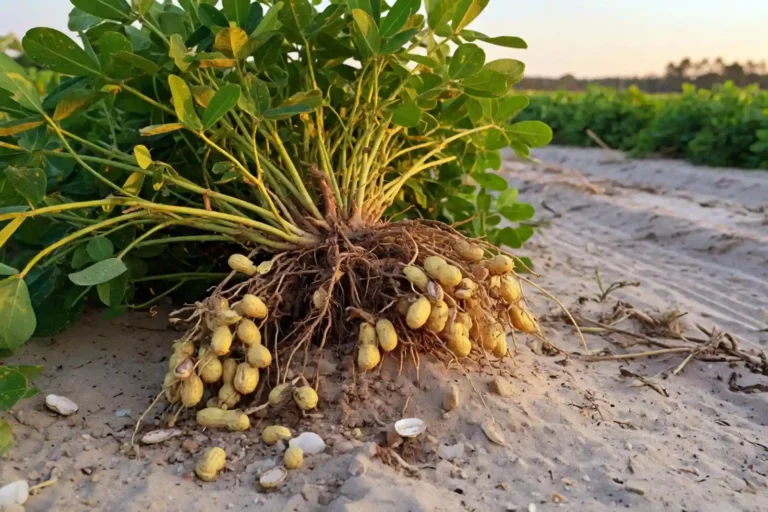
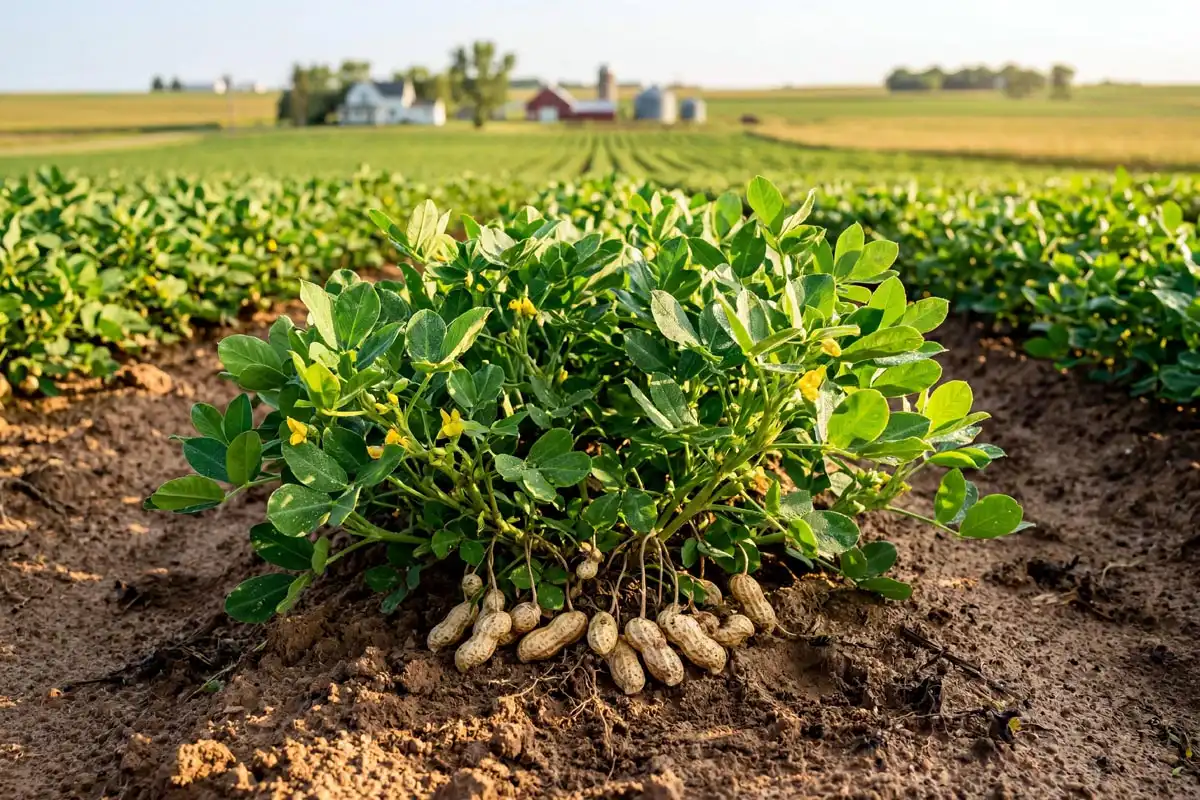
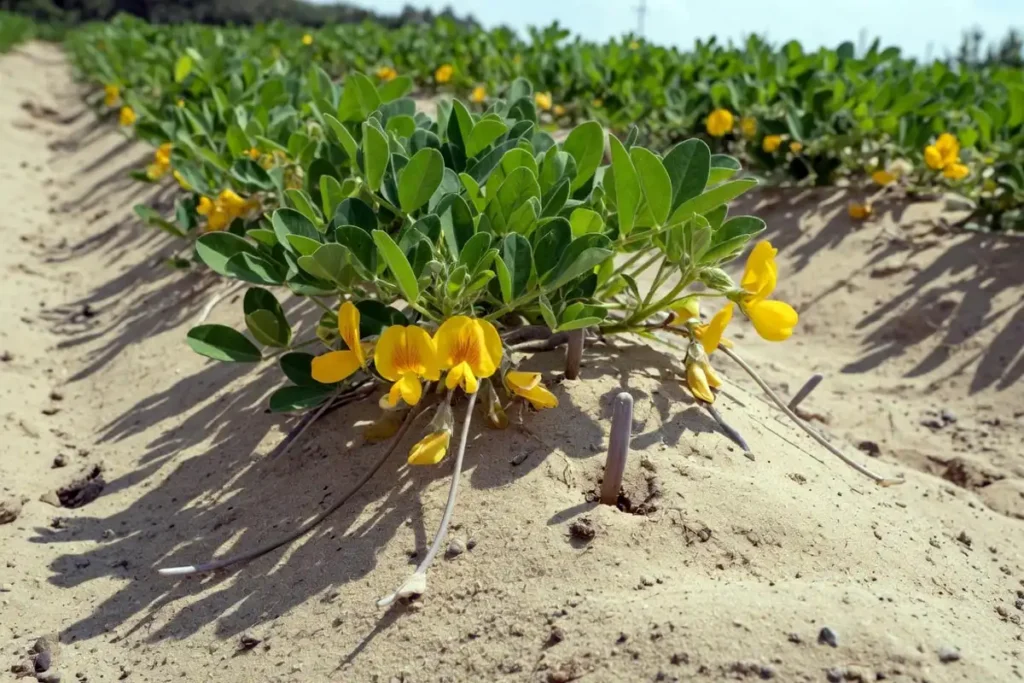
Peanuts (Arachis hypogaea) are warm-season legumes that fix nitrogen and produce pods underground. The plant flowers above ground, then sends down a stem called a peg that buries the developing pod into the soil. That underground habit is why peanuts need loose, sandy ground pegs can penetrate. If you’re curious about the growth habit of peanut plants, the bushy or runner form depends on the variety you pick.
The four market types are Runner, Virginia, Spanish, and Valencia. Runners dominate U.S. production, Virginias produce large in-shell peanuts, Spanish types yield small oil-rich kernels, and Valencias work well for home peanut gardens because they handle a shorter season.
When to Plant Peanuts
Plant peanuts after the last spring frost once soil temperature at 4 inches deep stays above 65°F for three straight days. In most of the U.S. peanut belt, that window falls between late April and mid-May. Cooler springs push planting into early June. Peanuts need 120 to 160 frost-free days, so count back from your first fall frost to set a safe planting date.
Where Peanuts Grow Best
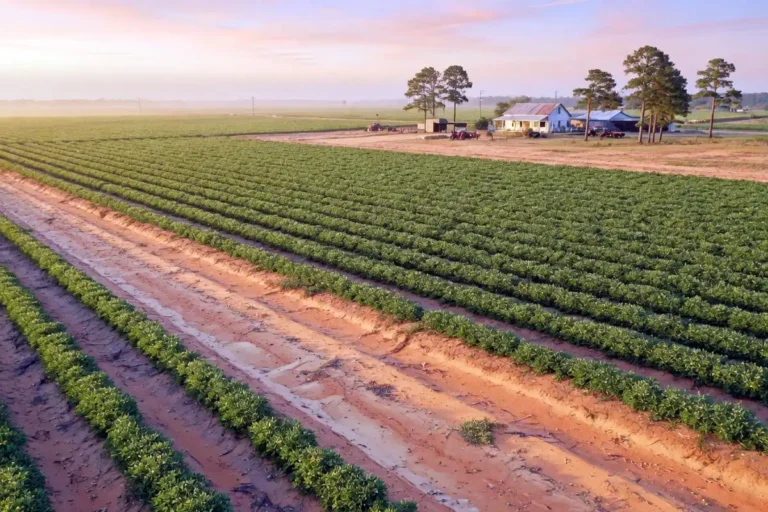
Peanuts thrive in light, well-drained sandy loam with a pH between 5.8 and 6.5. Heavy clay packs around developing pods and causes pod rot. The U.S. peanut belt covers Georgia, Alabama, Florida, Texas, and the Carolinas, where summers stay warm and rainfall reaches 20 to 30 inches in season. UGA Extension reports Georgia produces over 50% of U.S. peanut tonnage thanks to those soils and long, hot summers.
Home growers in cooler regions can still raise peanuts by choosing short-season Valencia or Spanish types and using black plastic mulch to warm the ground.
How to Grow Peanuts: Step-by-Step
1. Prepare the Soil
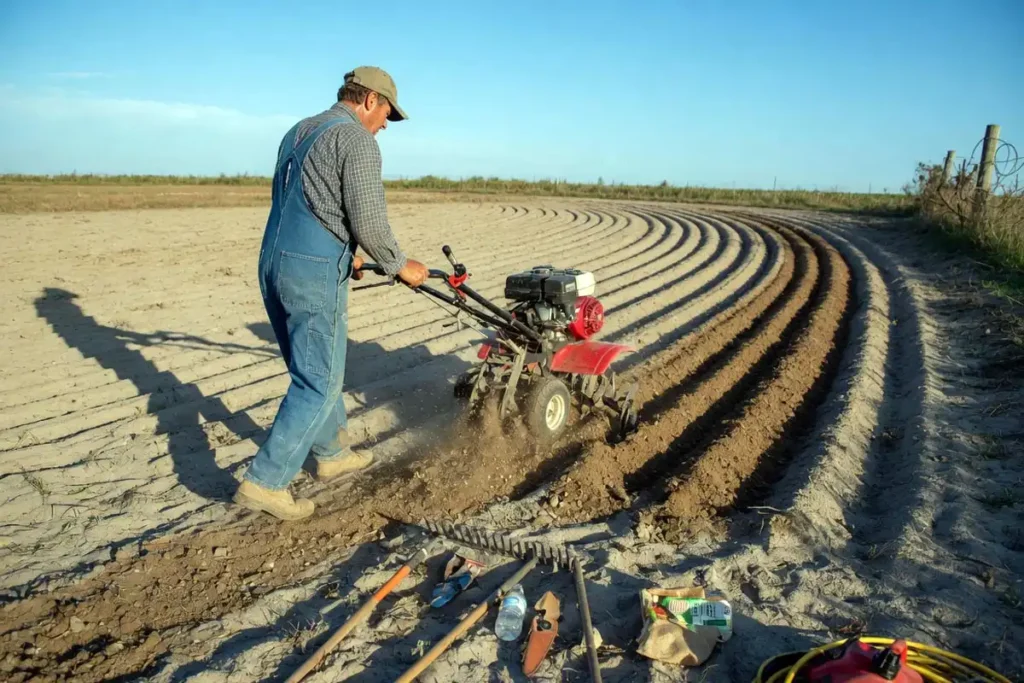
Till the bed 8 to 10 inches deep and break up clods. Add compost if your ground is heavy. Avoid fresh manure, which raises disease risk. Peanuts pull their own nitrogen, so skip nitrogen fertilizer. A soil test guides phosphorus, potassium, and lime needs. To improve soil fertility for legumes, apply gypsum at flowering to supply calcium for pod fill.
2. Select and Treat Seed
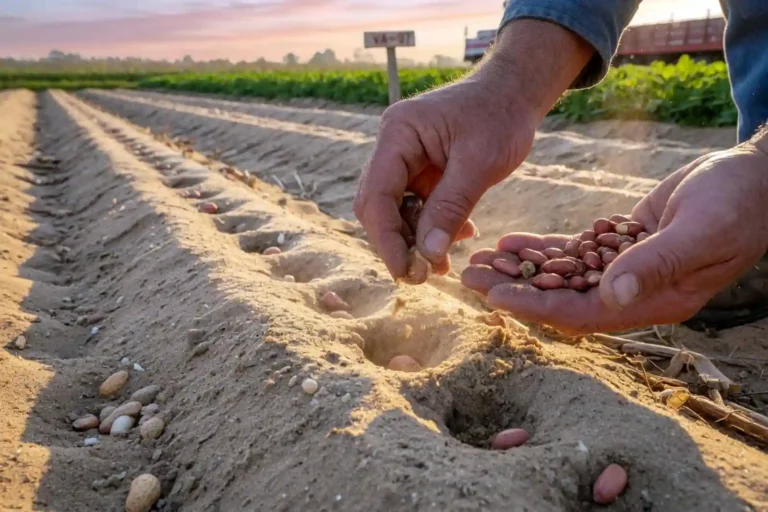
Buy raw, untreated peanut seed from a farm supply store. Roasted grocery peanuts will not sprout. Inoculate seed with Bradyrhizobium bacteria the morning you plant to boost nitrogen fixation.
3. Plant the Seed
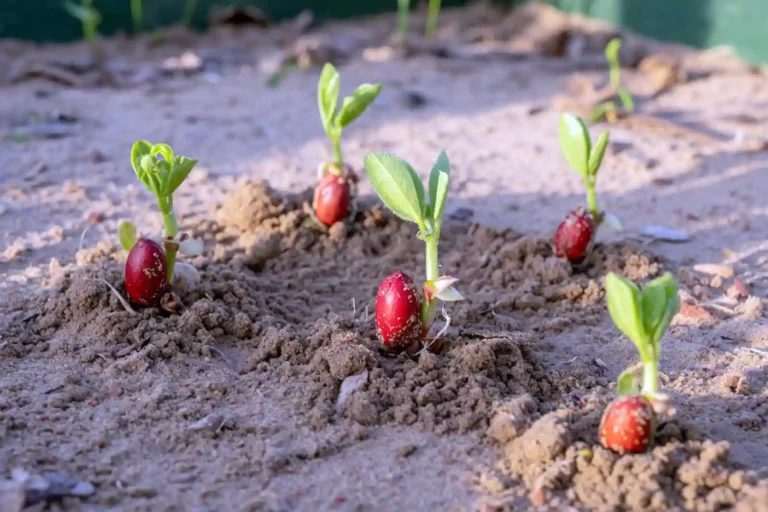
Drop seeds 1.5 to 2 inches deep, 6 inches apart in rows spaced 30 to 36 inches. Cover gently and firm the soil. Expect emergence in 7 to 14 days once soil holds 70°F.
4. Water Consistently
Provide 1 to 2 inches of water per week from emergence through pod fill. Pegging and pod set (60 to 110 days after planting) demand the most moisture. Drought during this stage shrinks pods and lowers yield. Cut water back two weeks before harvest to ease digging.
5. Hill and Cultivate
When plants reach 12 inches and start flowering, mound loose soil around the base. Hilling gives pegs an easy path into the soil. Hand-weed between rows because deep cultivation tears up shallow pegs.
6. Harvest at the Right Time
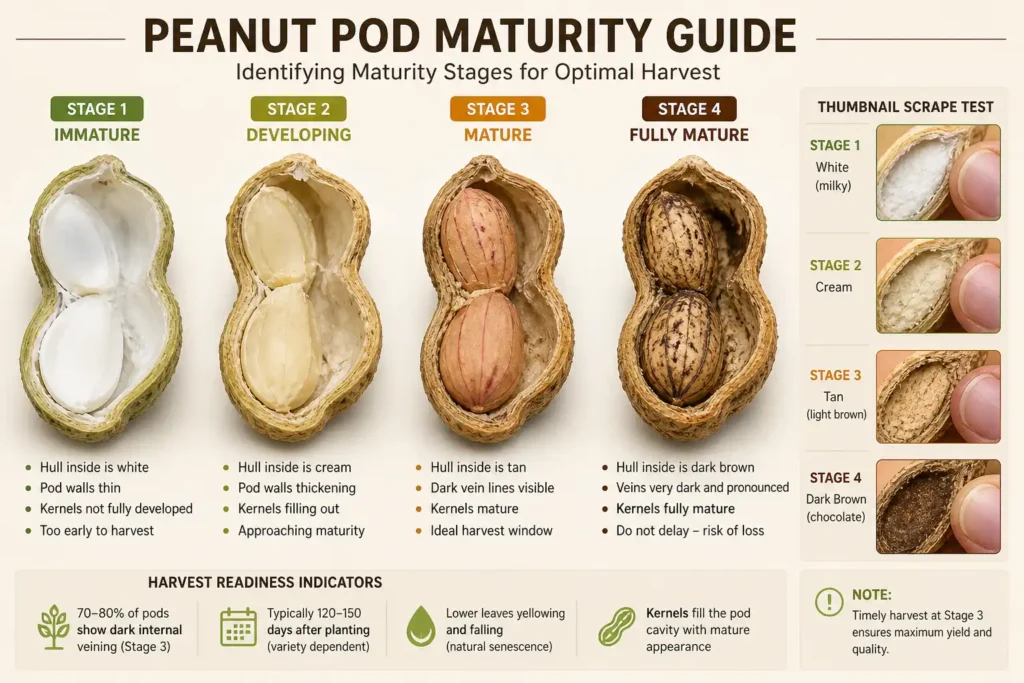
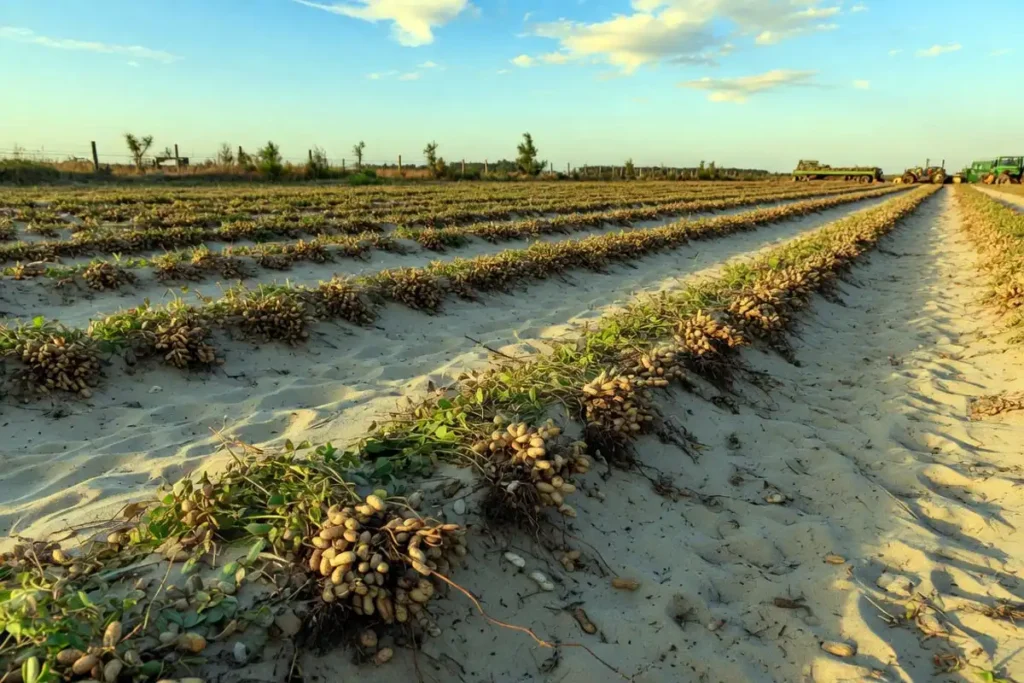
Pods mature in 120 to 160 days, depending on variety. Check maturity by digging a few plants and scraping a pod with your thumbnail. The inside hull displays dark veins on 70% of mature pods. Pull plants on a dry day, shake loose soil, and lay them upside down in windrows for 3 to 5 days to cure in the field.
7. Cure and Store
Move cured plants to a dry, ventilated barn or shed. Pick pods off vines once moisture drops to 10%. Store dry pods in mesh bags at 50°F to 60°F. Properly cured peanuts keep 6 to 9 months without losing quality.
Common Problems and Troubleshooting
Yellow leaves: Often signal nitrogen shortage from poor nodulation. Re-inoculate at planting next season.
Empty pods (pops): Caused by calcium shortage. Apply 500 to 1,000 lb of gypsum per acre at early bloom.
Leaf spot: A fungal disease that defoliates plants. Rotate fields on a 3-year cycle. A solid crop rotation plan reduces disease pressure.
Pod rot: Triggered by wet, heavy soil. Improve drainage and avoid late-season irrigation.
Pests: Lesser cornstalk borer, thrips, and corn earworm hit peanuts hardest. Use natural pest control methods like beneficial insects and pheromone traps before reaching for chemicals. The North Carolina State Extension publishes scouting thresholds you can follow.
Common Mistakes to Avoid about Growing Peanuts
- Planting in cold, wet soil below 65°F.
- Using roasted or salted store peanuts as seed.
- Adding nitrogen fertilizer (peanuts fix their own).
- Skipping gypsum at bloom on sandy soils.
- Digging too early before pods fill.
- Storing peanuts above 11% moisture, which invites aflatoxin.
Safety Notes
Wash hands after handling fresh-dug peanuts. Discard any pods with black, moldy spots since aflatoxin from Aspergillus mold causes serious illness. Wear a dust mask when shelling large batches because peanut dust can trigger allergic reactions in sensitive folks. Keep small children and pets away during planting if you use treated seed.
FAQs on Grow peanuts from start to finish
How long do peanuts take to grow?
Can I grow peanuts in a container?
Do peanuts come back every year?
How many peanuts grow on one plant?
Do peanuts need full sun?
Conclusion
Peanuts reward growers who get the basics right: warm sandy soil, steady water, calcium at bloom, and patience through a long season. Start with quality seed, watch your soil temperature, and time the harvest with a thumbnail check. Follow these steps, and you’ll dig a clean, well-filled crop your family can roast, boil, or save as next year’s seed.