How to Fertilize Sweet Potatoes: 7 Easy Steps for Healthy Harvests
Sweet potatoes need a low-nitrogen, high-potassium feeding plan to grow large, smooth tubers instead of leafy vines. This guide walks through soil testing, starter fertilizer rates, side-dressing schedules, organic options, and common mistakes, giving you a full playbook for fertilizing sweet potatoes on a home plot or small field.
Fertilize sweet potatoes with a low-nitrogen blend like 5-10-10 or 3-12-12 at planting, using 40 to 60 pounds of actual nitrogen per acre across the season. Apply half at transplant, then side-dress potassium 3 to 4 weeks later. Test soil first and hold pH between 5.5 and 6.5.
What Fertilizer Do Sweet Potatoes Need?
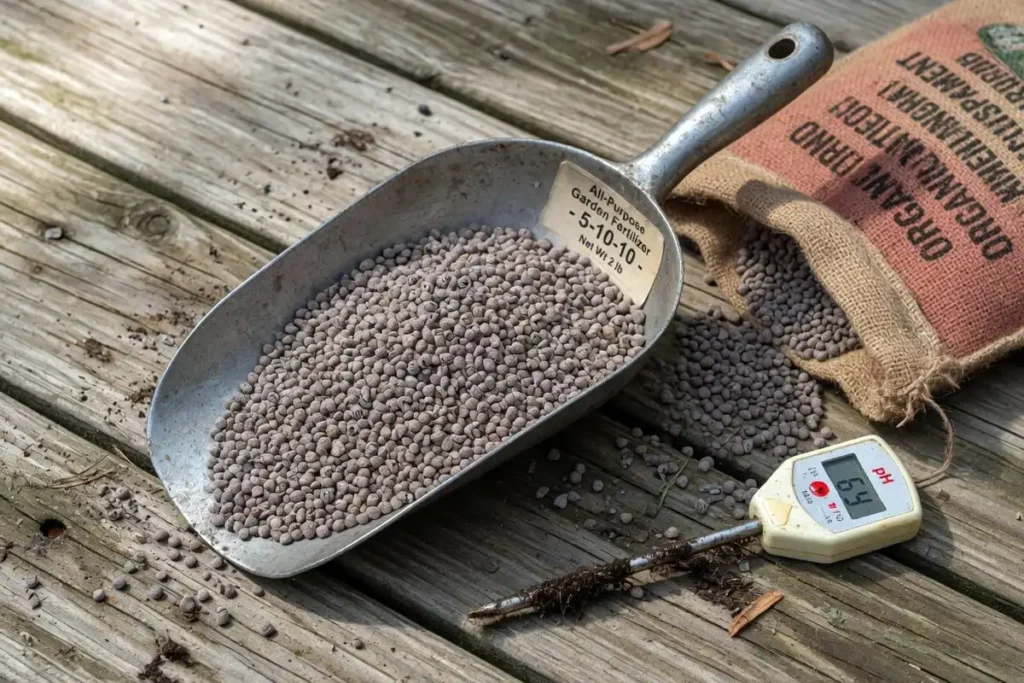
Sweet potatoes pull moderate phosphorus, low nitrogen, and high potassium from the soil. A starter blend like 5-10-10 or 3-12-12 fits the crop well. Potassium drives tuber size, skin quality, and storage life. Excess nitrogen, on the other hand, grows long vines and thin roots.
Soil pH matters as much as the blend. Keep pH between 5.5 and 6.5 so phosphorus and micronutrients stay available. Below 5.0, scurf pressure rises. Above 7.0, manganese and zinc lock up. If you are new to fertilizer ratios, our walkthrough on NPK basics for field crops covers the math in plain terms.
When to Fertilize Sweet Potatoes
Feed the crop at two points only: pre-plant incorporation and a side-dress around 3 to 4 weeks after transplanting slips. Stop feeding by week 8. Late nitrogen pushes vines and delays curing.
- Pre-plant: full phosphorus, half the nitrogen, half the potassium
- Side-dress at week 3 to 4: remaining nitrogen and potassium
- Week 8 and beyond: no feeding at all
Where to Place Fertilizer on the Row
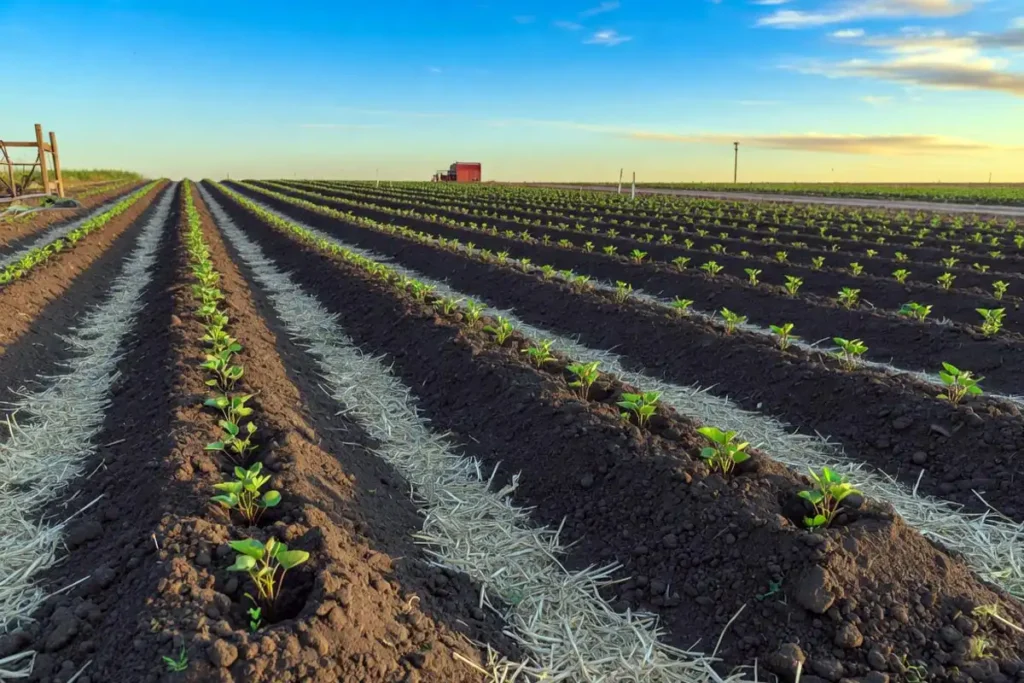
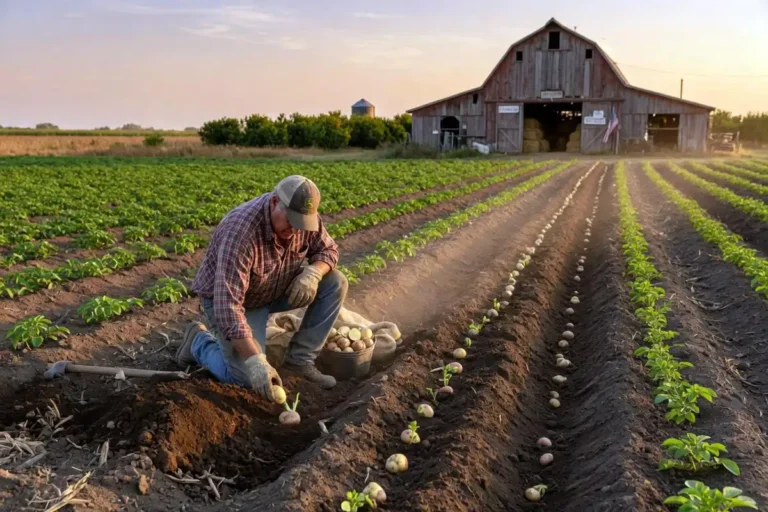
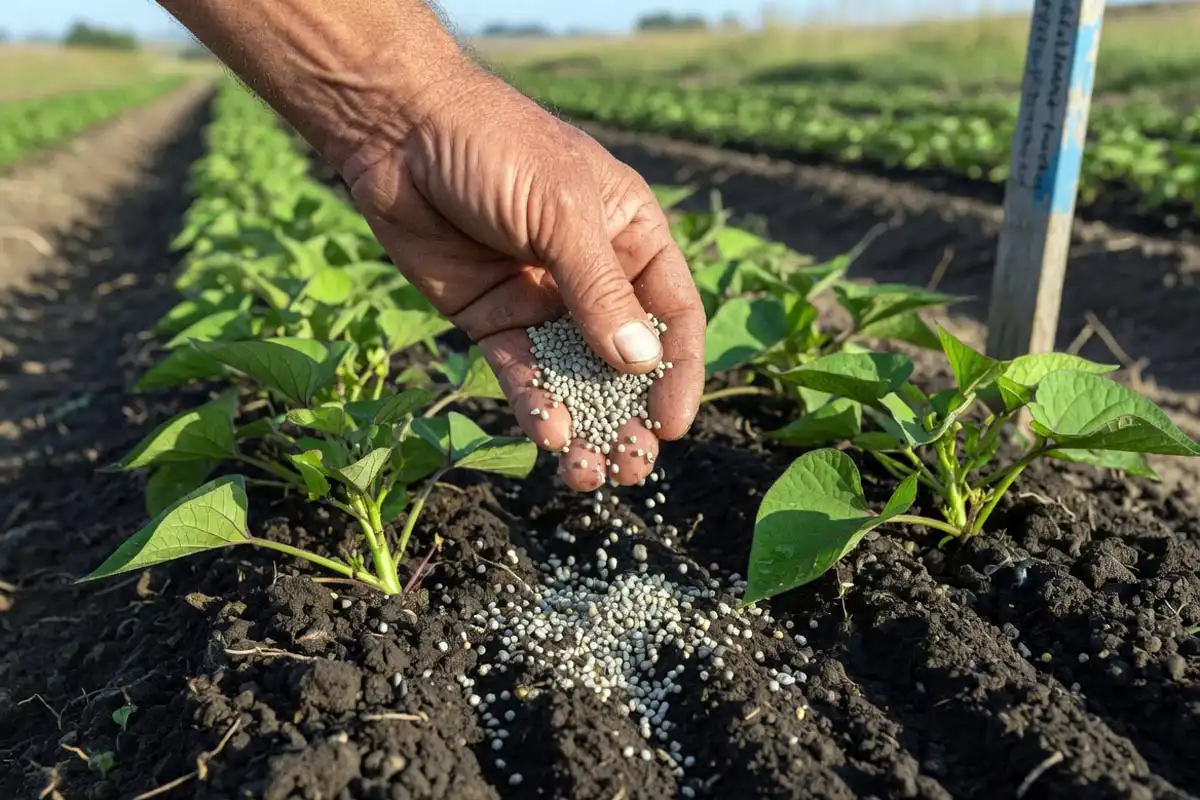
Band the fertilizer 2 to 3 inches to the side of the planting row and 2 inches below the slip. Never drop granules on the slip itself. Direct contact browns the leaves within a day.
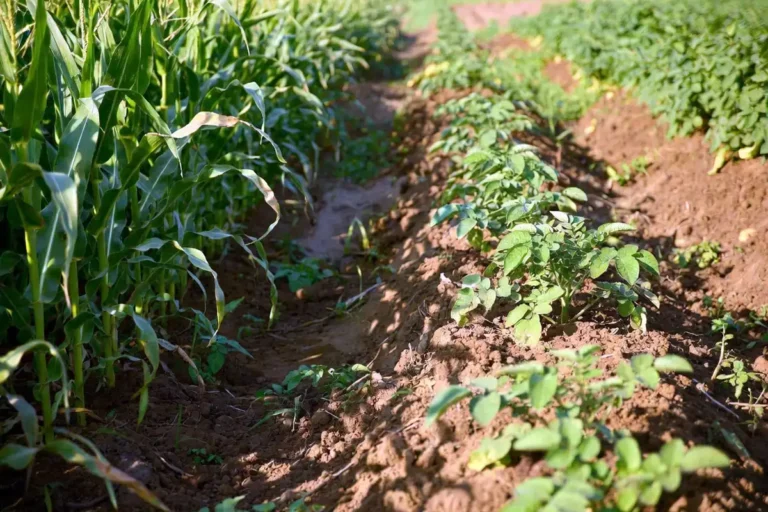
On ridged beds, work the fertilizer into the top 6 inches before shaping the mound. Raised rows warm faster in spring and hold nutrients close to the feeder roots.
How to Fertilize Sweet Potatoes Step by Step
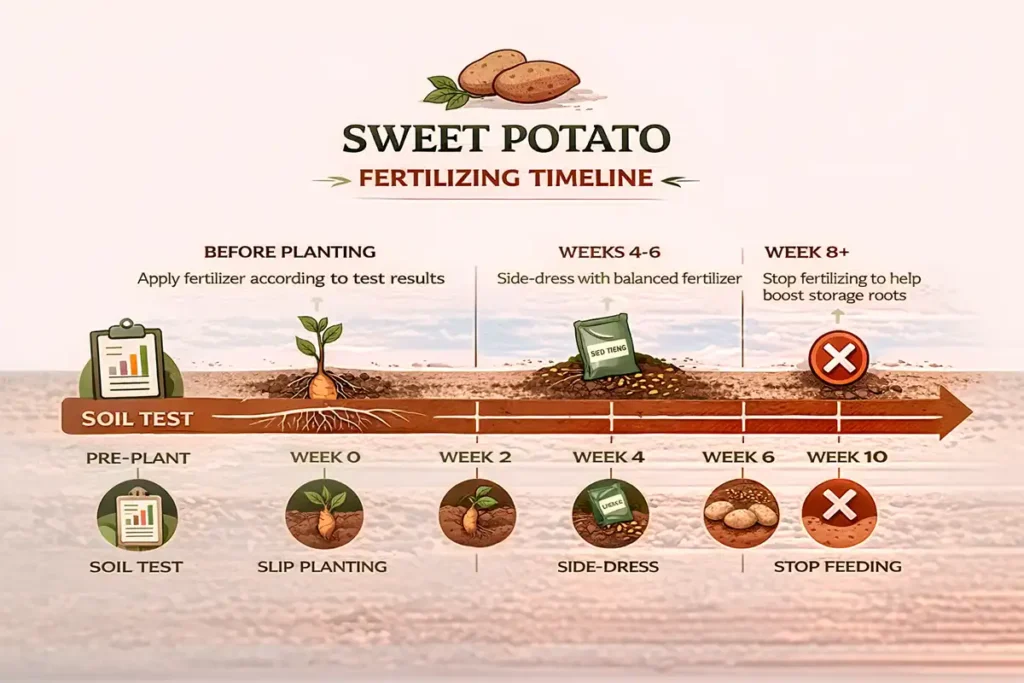
- Run a soil test. Send a sample to your county extension lab 4 to 6 weeks before planting. Aim for pH 5.5 to 6.5 and moderate K. A proper soil sampling routine takes 20 minutes and saves guesswork.
- Adjust pH. Add lime or elemental sulfur based on the lab report. Get results in hand before buying any fertilizer.
- Pick the blend. Choose 5-10-10, 6-12-12, or 3-12-12. For sandy soils, lean toward higher K, around 4-8-12.
- Pre-plant application. Broadcast 400 to 600 pounds per acre of 5-10-10, or 1 to 1.5 pounds per 100 square feet in a garden. Work into the top 6 inches.
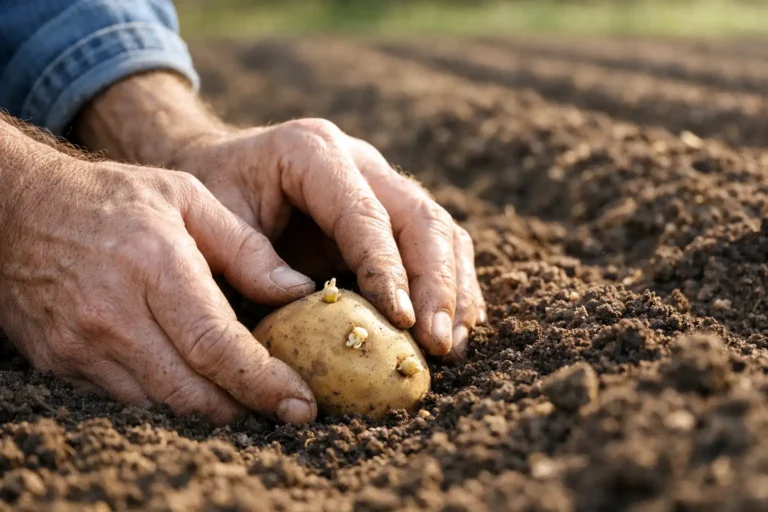
- Plant slips. Set slips 12 inches apart in rows 36 to 42 inches wide. Water in firmly.
- Side-dress at week 3 to 4. Apply 30 to 40 pounds of actual K per acre with potassium sulfate or 0-0-50. Home gardens: about 1 tablespoon per plant, 6 inches from the stem.
- Stop early. Skip any feeding after week 8. Per NC State Extension’s sweetpotato production guide, late nitrogen lowers packout grade.
- Monitor leaf color. Yellow lower leaves signal N shortage. Dark, lush leaves with weak tubers signal N excess. Adjust next season.
Organic Fertilizer Options for Sweet Potatoes
Organic growers have solid tools. The trick is timing and form. Sweet potatoes dislike raw, high-nitrogen manure, which triggers scurf and hairy roots.
- Aged compost: 1 to 2 inches worked in pre-plant
- Greensand or langbeinite: slow-release K source
- Kelp meal: light potassium plus trace minerals
- Wood ash: small amounts only, since it raises pH quickly
- Bone meal: phosphorus when the soil test calls for it
- Composted poultry litter: moderate rates, applied the prior fall
Compost handling matters. Our piece on covers proper pile managementhomemade compost for field use. Fresh chicken litter at planting is the fastest way to grow vines and lose a tuber crop. Age it at least 6 months first. For a head-to-head look at both camps, see our write-up on organic and synthetic fertilizer tradeoffs.
Troubleshooting Common Fertilizer Problems
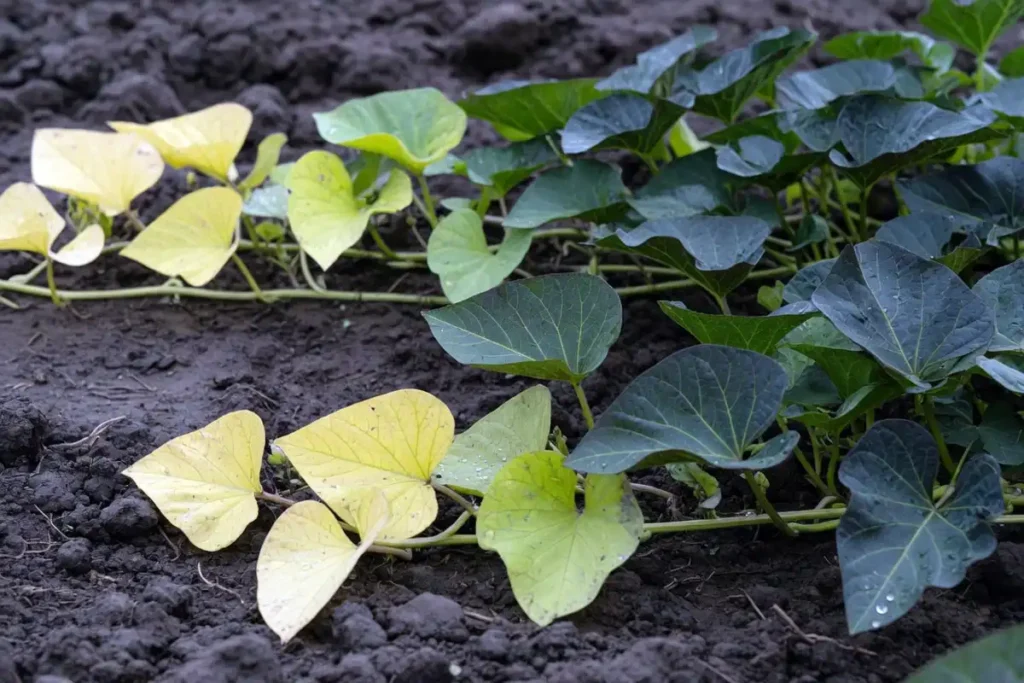
All vines, small tubers. Nitrogen ran high. Skip further N and cut pre-plant N by 30% next season.
Yellowing lower leaves. Nitrogen deficiency or waterlogged roots. Check drainage first. If soil is dry, side-dress 20 pounds of actual N per acre.
Cracked or knobby roots. Uneven moisture paired with late nitrogen. Keep water steady from week 6 through week 10.
Purple-tinted leaves. Phosphorus shortage, often in cool soil. A foliar P spray helps short term.
Interveinal yellowing on new leaves. Usually a manganese or zinc issue when pH climbs above 6.8. Our guide to covers the patternmicronutrient shortfalls in crops.
Mistakes to Avoid When Fertilizing Sweet Potatoes
- Skipping the soil test. Guessing wastes money and hurts yield.
- Using lawn fertilizer. High-N turf blends like 28-0-3 grow foliage and nothing underground.
- Fresh manure at planting. Raises disease pressure and nitrogen spikes.
- Late-season feeding. Any N after week 8 delays curing and lowers storage quality.
- Over-liming. Sweet potatoes prefer slightly acidic ground. Lime only when pH drops below 5.3.
- Ignoring potassium. Low K equals low yield and thin skins.
Safety and Handling Tips
Wear gloves when spreading synthetic blends. Rinse granules off foliage right after application to prevent leaf burn. Store bags in a dry shed, off the floor, away from children and livestock.
For ammonium-based blends, skip application on windy days near water. Runoff feeds algae blooms and hits neighbor ponds. The LSU AgCenter publishes solid guidance on buffer strips for sweet potato fields in the Gulf region.
FAQs About Sweet Potato Fertilization
Is 10-10-10 good for sweet potatoes?
Can I use Miracle-Gro on sweet potatoes?
Do sweet potatoes need a lot of nitrogen?
How often should I fertilize sweet potatoes?
Is wood ash good for sweet potatoes?
Final Thoughts
Fertilizing sweet potatoes comes down to restraint. Low nitrogen, plenty of potassium, a soil test in hand, and two well-timed applications beat any heavy feeding program. Keep the slips stress-free, watch the leaf color through the season, and the ridges take care of the rest.