How to Germinate Peanuts Successfully: 7 Expert Tips Inside
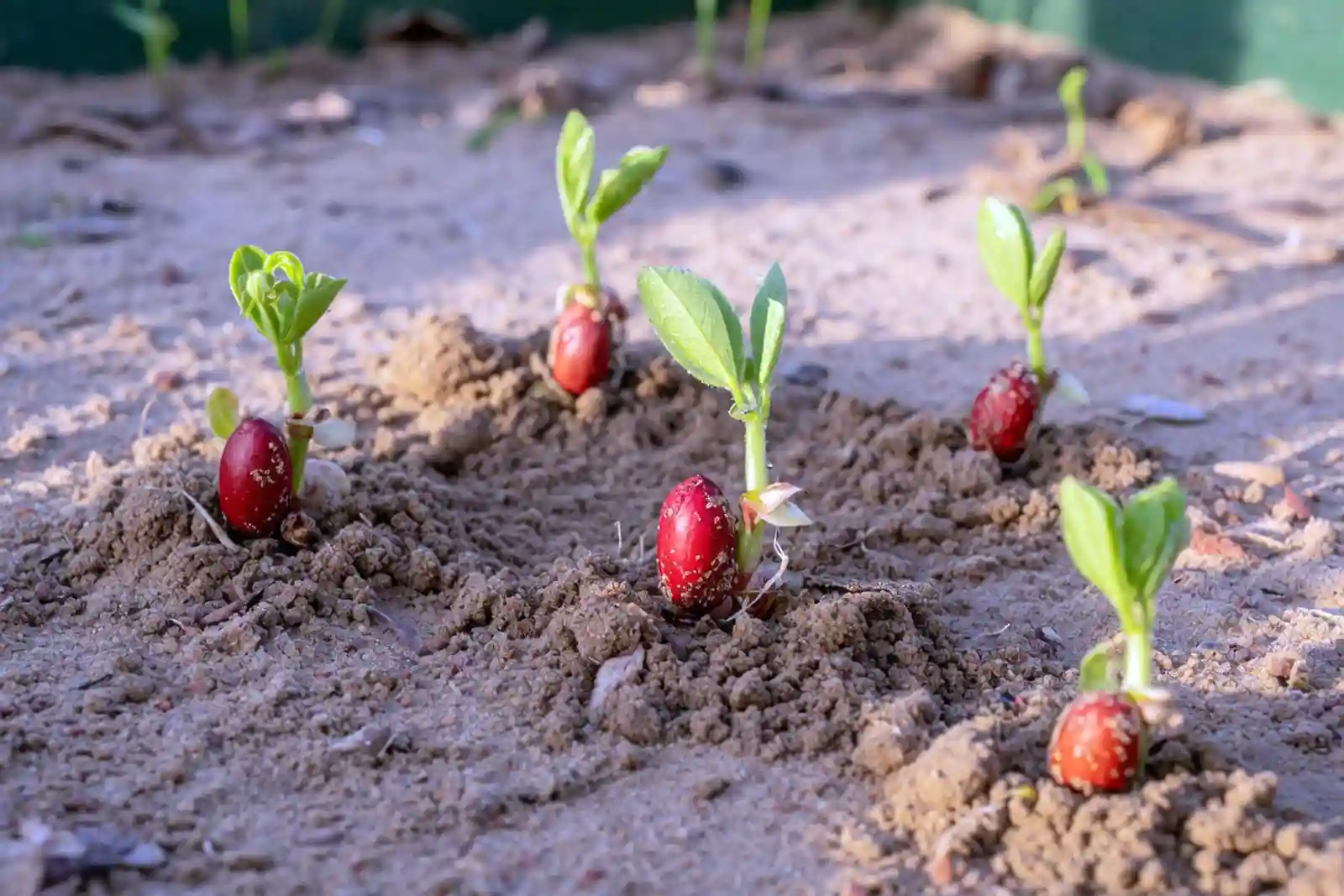
Peanuts germinate best when soil temperatures stay above 65°F, with seeds sprouting in 7 to 14 days under steady moisture. This guide walks through the full germination process, from seed selection and prep to soil setup, planting depth, watering, and fixing common sprouting problems on small farms and home plots.
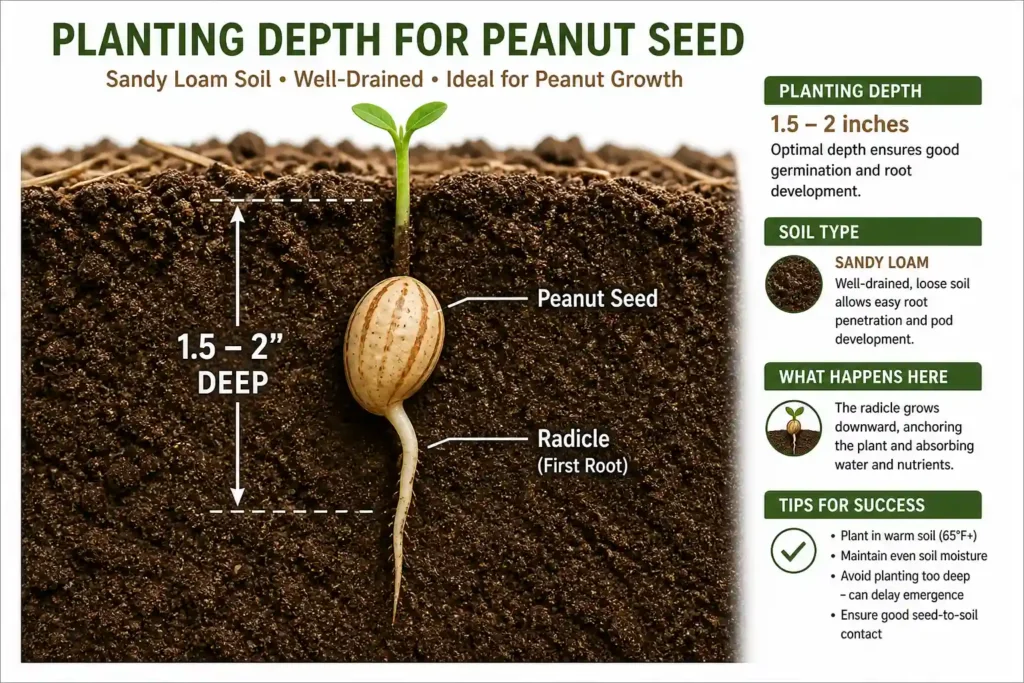
Plant raw, unroasted peanut seeds 1.5 to 2 inches deep in warm, sandy loam soil at 65 to 75°F. Keep moisture even but not soggy. Sprouts break the surface within 7 to 14 days. Use fresh seed each season for the strongest stand.
Contents
What Is Peanut Germination?
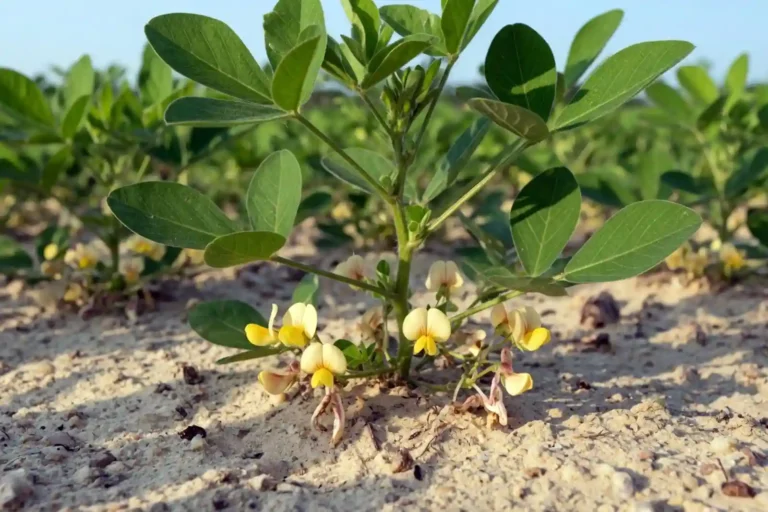
Peanut germination is the stage when a raw peanut kernel absorbs water, splits its seed coat, and pushes a sprout above the soil. The radicle (root) emerges first, followed by the shoot. Peanuts (Arachis hypogaea) are warm-season legumes, so the process needs heat, oxygen, and steady moisture to work right.
If you want background on the plant itself, my piece on peanuts grow naturally covers the climate and soil profile this crop prefers.
When to Germinate Peanuts
Start germination after the last spring frost, when soil temperature at 4 inches deep reaches 65°F for three straight days. In Kansas, that lands between mid-May and early June. Southern states like Georgia, Alabama, and Texas can plant by late April. Cold soil below 60°F slows sprouting and increases seed rot.
According to University of Georgia Extension, runner-type peanuts germinate fastest at 70 to 80°F.
Where to Germinate Peanuts
Peanuts germinate well in full sun spots with sandy loam or loose, well-drained soil. Heavy clay holds water and chokes seeds, so amend it with compost or sand. Soil pH sits best between 5.8 and 6.2.
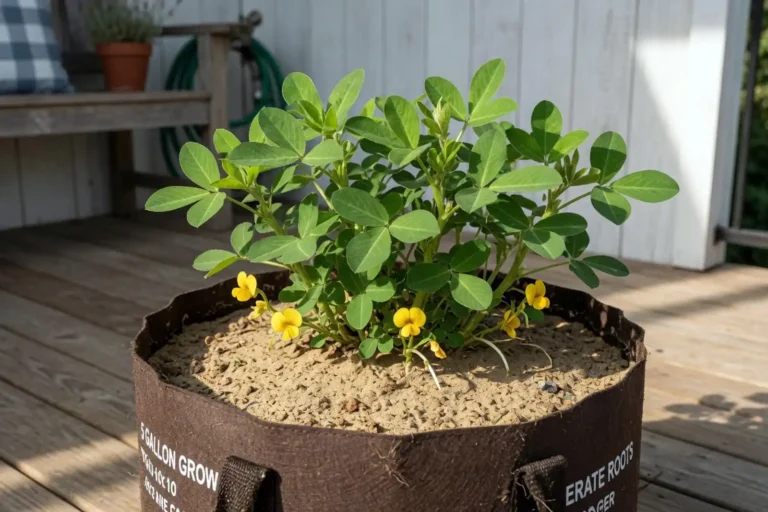
I prefer raised rows on my Kansas plot because they warm faster in spring. For small-scale growers curious about growing peanuts at home, the same conditions apply in containers and backyard beds.
How to Germinate Peanuts: Step-by-Step
Step 1: Choose Quality Seed
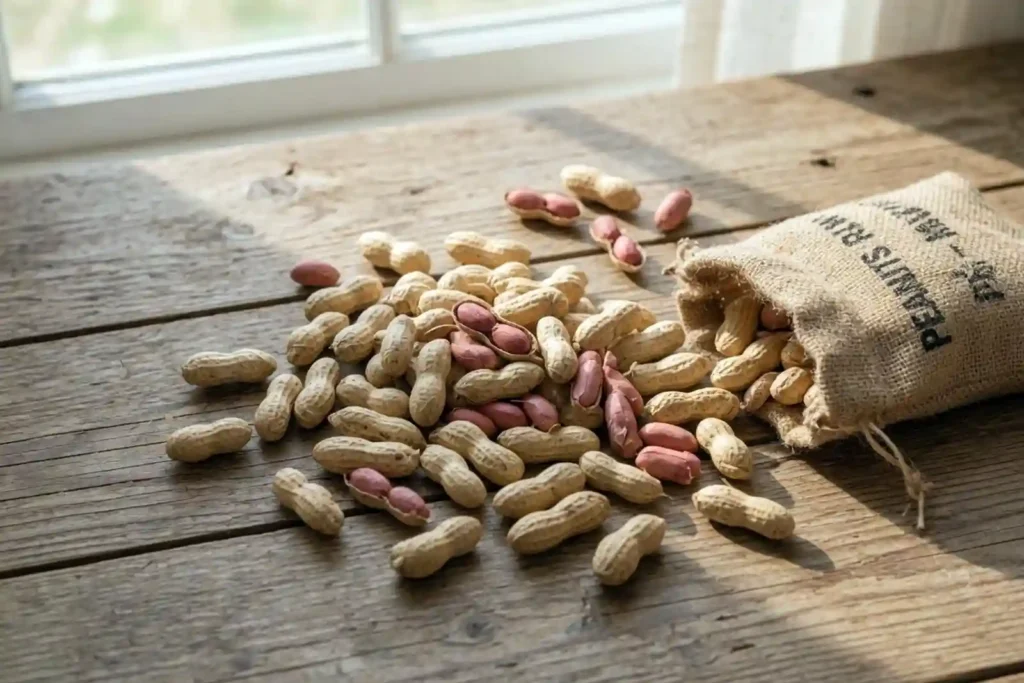
Buy raw, unroasted, in-shell peanuts from a seed supplier. Roasted grocery peanuts will not sprout. Virginia, Runner, Spanish, and Valencia are the four main types. I plant Spanish on my farm because it matures in about 100 days and handles cooler springs.
Step 2: Shell and Inspect Seeds
Crack the shells gently the day before planting. Keep the papery red or pink seed coat intact. Toss any kernels that look shriveled, moldy, or split. Damaged seed coats invite fungal rot once buried.
Step 3: Pre-Soak (Optional)
Soak shelled kernels in room-temperature water for 4 to 6 hours. Pre-soaking softens the seed coat and trims germination time by 2 to 3 days. Skip this step if your soil is already warm and moist.
Step 4: Prepare the Soil Bed
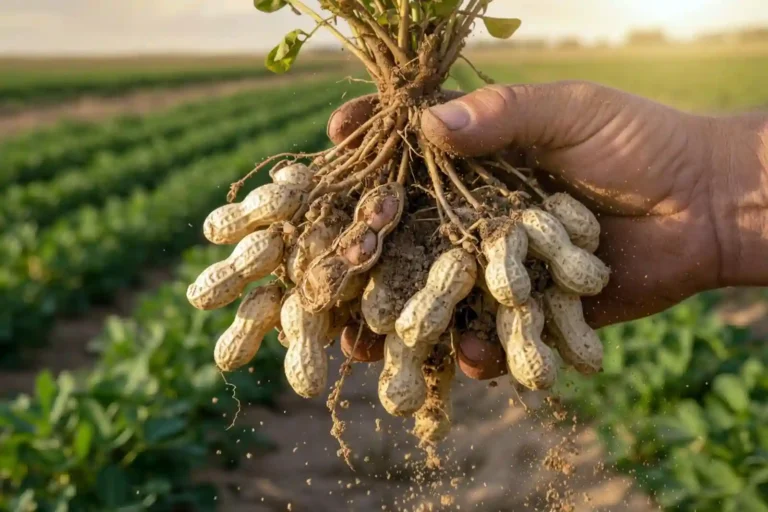
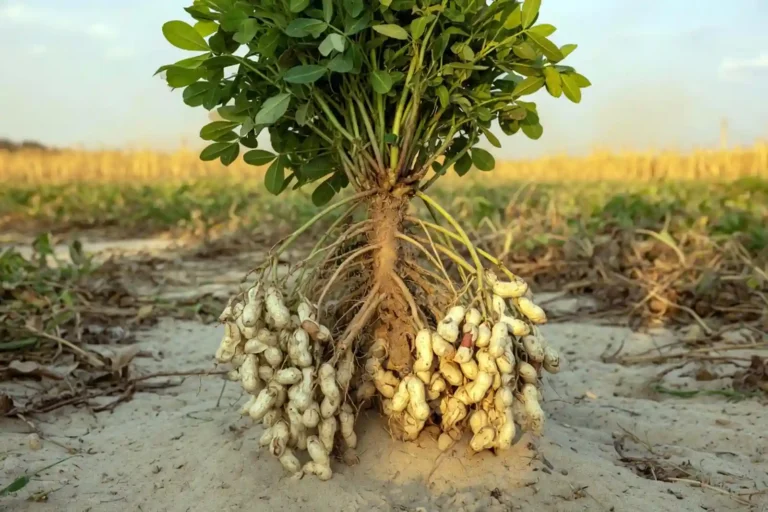
Loosen the top 8 inches with a garden fork. Mix in 1 to 2 inches of finished compost. Rake the bed flat. A loose bed lets roots push down and pegs (the stems that drop nuts into the soil) bury later in the season.
For deeper soil prep, see my notes on improving soil fertility naturally.
Step 5: Plant the Seeds
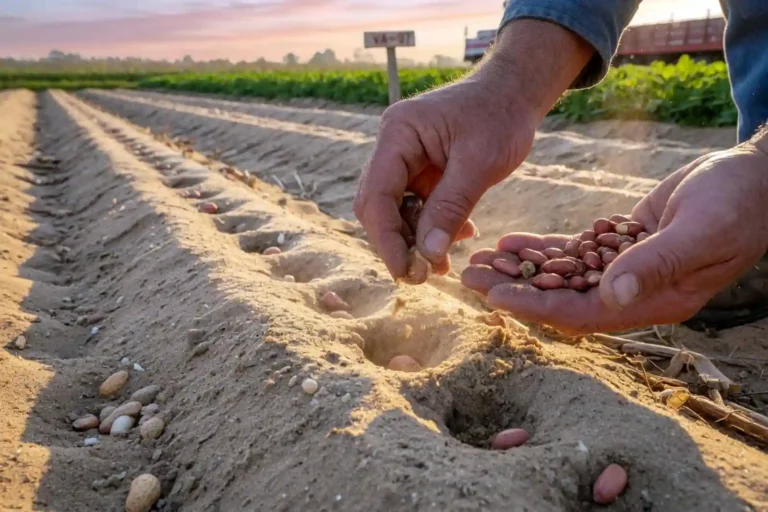
Make a furrow 1.5 to 2 inches deep. Drop one kernel every 4 to 6 inches. Space rows 24 to 36 inches apart. Cover with loose soil and press down lightly so the seed contacts moist earth.
Step 6: Water Gently
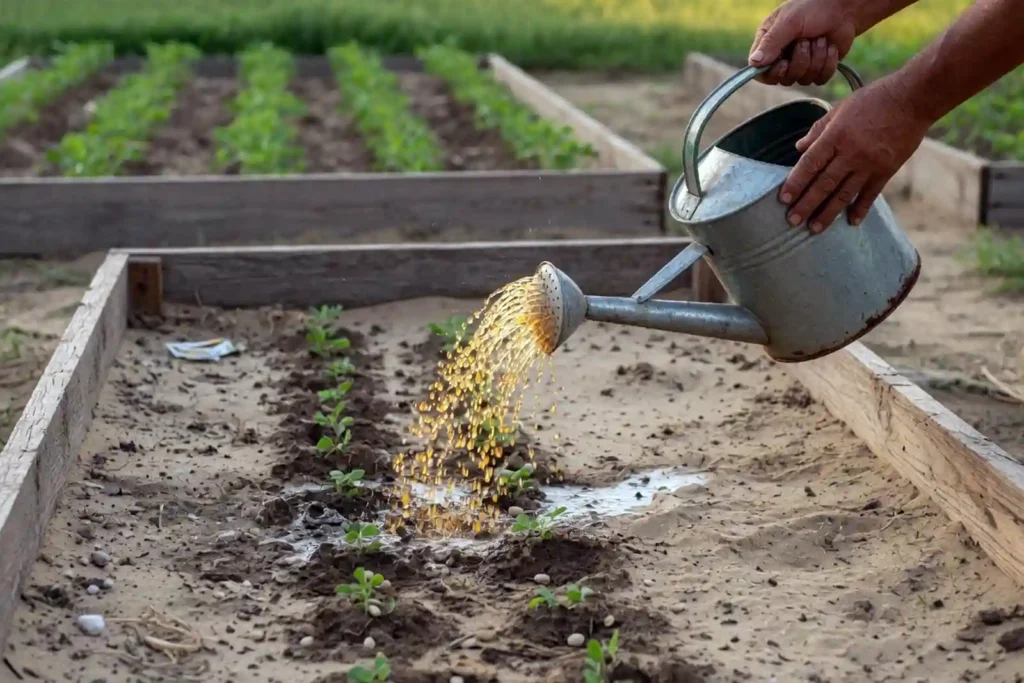
Water right after planting with about 0.5 inch of water. Keep the bed evenly moist (not waterlogged) until sprouts appear. Sandy soils may need watering every 2 to 3 days during dry weather.
Step 7: Wait for Emergence
Sprouts break the surface in 7 to 14 days. Cool soil pushes that closer to 18 to 21 days. Once seedlings reach 2 inches tall, thin weak plants and keep the strongest one per spacing point.
Common Germination Problems and Fixes
Seeds rotting in the ground: Soil is too cold or too wet. Wait for warmer weather or improve drainage with raised beds.
Patchy emergence: Old or damaged seed. Buy fresh, certified seed each year and store it dry below 70°F.
Seedlings collapse at the base: This is damping-off in seedlings, caused by soil fungi. Reduce watering and avoid planting in poorly drained spots.
Slow sprouting beyond 21 days: Soil temperature is the issue. Use black plastic mulch to warm the bed before planting.
Mistakes to Avoid
Planting roasted or salted peanuts will fail every time. Burying seeds deeper than 2 inches starves them of oxygen. Overwatering before emergence rots kernels. Skipping crop rotation invites soilborne disease, so avoid planting peanuts where legumes grew last season.
If you are weighing nursery starts versus field planting, my guide on direct sowing versus transplanting covers the trade-offs.
Safety Notes
Wash hands after handling treated seed, since some commercial peanut seed comes coated with fungicide. Store raw seed away from children and pets. Avoid eating field-stored peanuts with visible mold, since aflatoxin contamination can cause illness. The USDA tracks aflatoxin standards for commercial peanut handling.
FAQs on Germinate Peanuts

How long does it take peanuts to germinate?
Can I germinate peanuts from a grocery store?
Should I soak peanuts before planting?
Why are my peanut seeds not sprouting?
How deep should I plant peanut seeds?
Conclusion
Germinating peanuts is straightforward once soil temperature, moisture, and seed quality line up. Plant fresh raw kernels in warm, well-drained ground, water steadily, and give them about two weeks. Watch for damping-off, thin overcrowded seedlings, and keep rows clean. With those basics handled, expect a strong stand ready to flower and peg by midsummer.