What Are Blanched Peanuts? Tips for Skinless Kernels
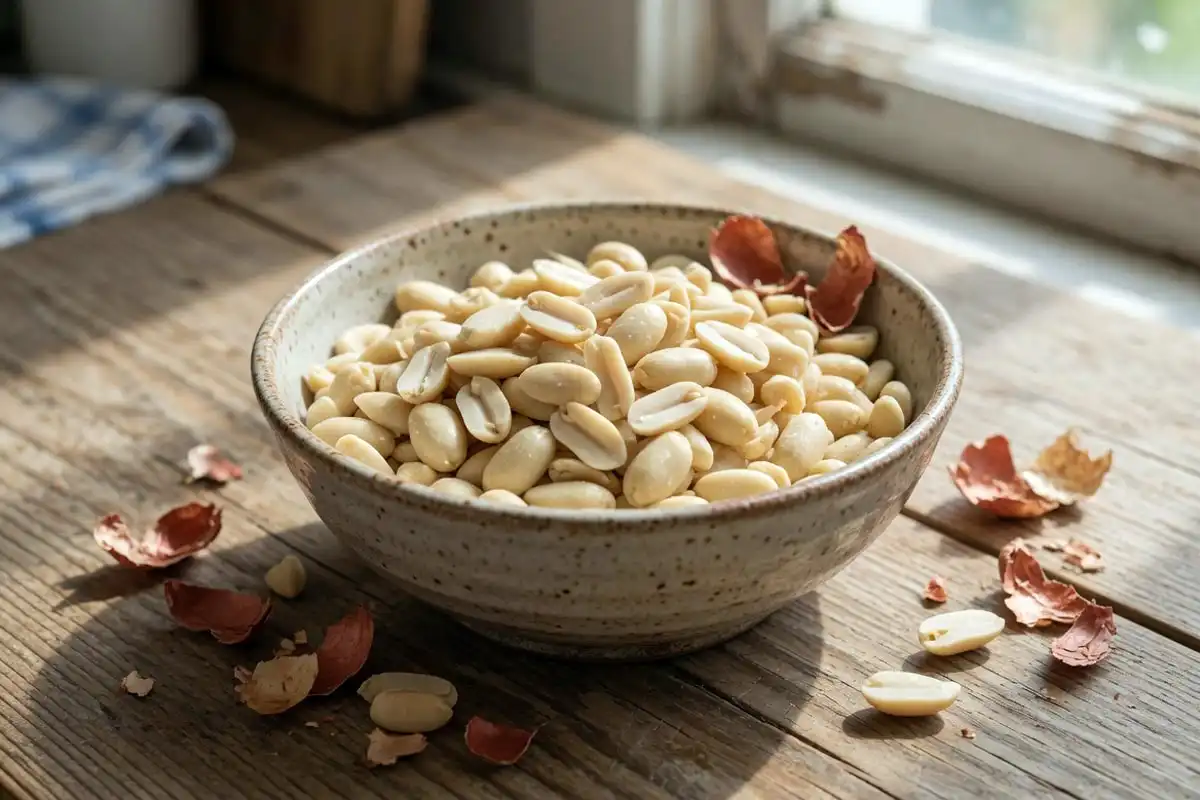
Blanched peanuts are raw peanut kernels with the thin reddish-brown skins removed using hot water or steam. The skinless kernels look pale tan and feel smoother than regular peanuts. This guide covers how blanching works, why processors do it, home methods, storage, and common kitchen uses.
Blanched peanuts are skinless raw peanuts. Processors loosen the skins with brief hot-water or dry-heat treatment, then rub them off mechanically. The kernels stay raw inside, hold a mild flavor, and work well for peanut butter, candies, snack roasting, and baked goods.
What Are Blanched Peanuts?
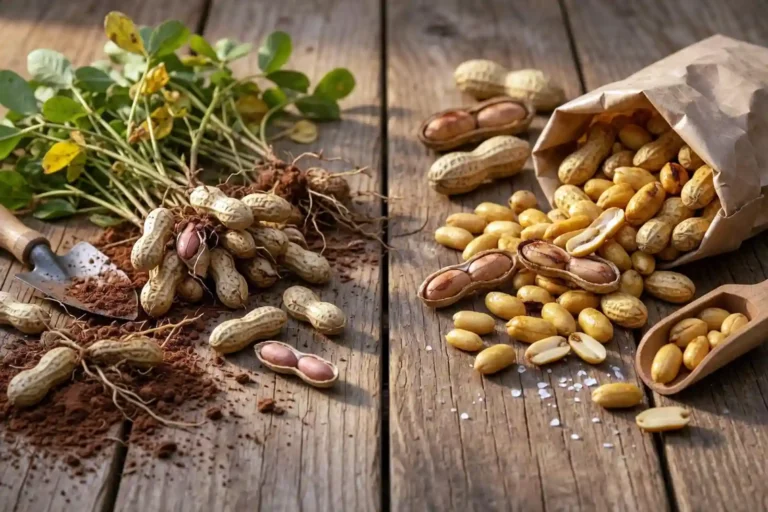
Blanched peanuts are shelled peanut kernels that have had their papery red skins removed. The seed inside stays intact and raw. Kitchen, blanched kernels look creamy off-white and split into two halves once the skin is gone.
The word “blanched” describes the skin-removal step, not a cooking step. Blanched peanuts remain raw peanuts. They are not roasted, salted, or fried. Roasting comes later if a recipe calls for it. For background on how kernels reach this stage, see our notes on commercial peanut processing at the shelling plant.
How Are Peanuts Blanched?
Processors use two main methods to blanch peanuts: water blanching and dry blanching.
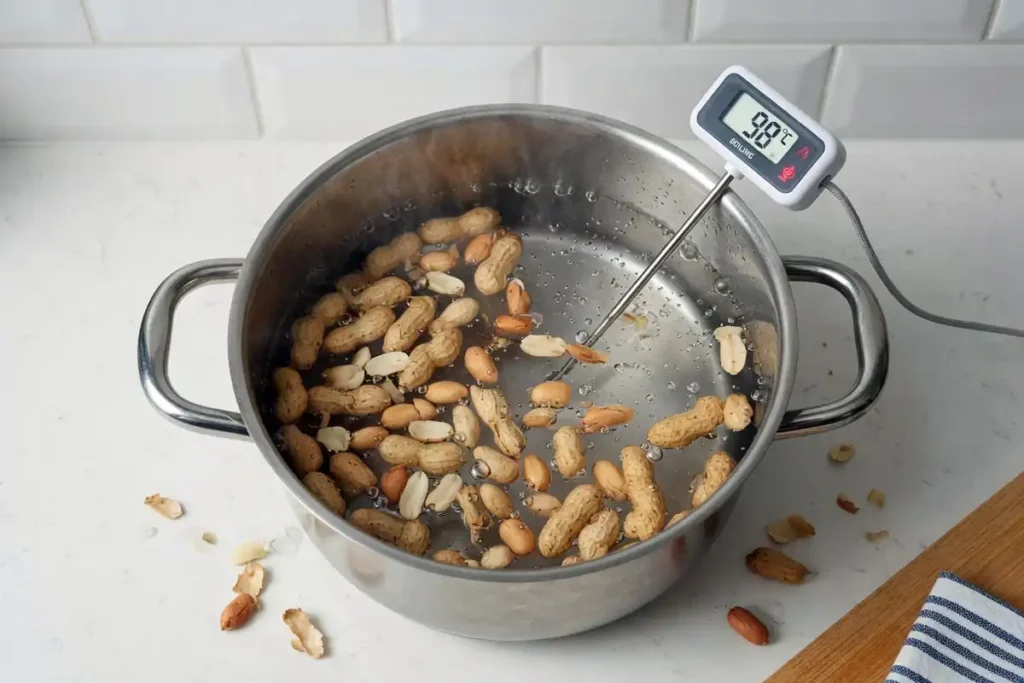
Water blanching dips shelled peanuts in hot water near 190°F for a short time, then runs them through rollers and brushes that lift the skins. The kernels dry afterward to safe moisture.
Dry blanching heats kernels in a hot-air oven around 280°F for about 25 minutes, then cools them and passes them through rubber rollers. The dry method is more common for peanuts heading into peanut butter because it keeps the kernel firm. Per University of Georgia Extension research, blanching also lets graders sort out off-color or damaged kernels more easily.
Blanched vs Raw vs Roasted Peanuts
The three forms differ by skin status and heat level:
- Raw peanuts keep their reddish skins and have no heat treatment.
- Blanched peanuts have skins removed but stay raw inside.
- Roasted peanuts are cooked with dry or oil heat for flavor and crunch.
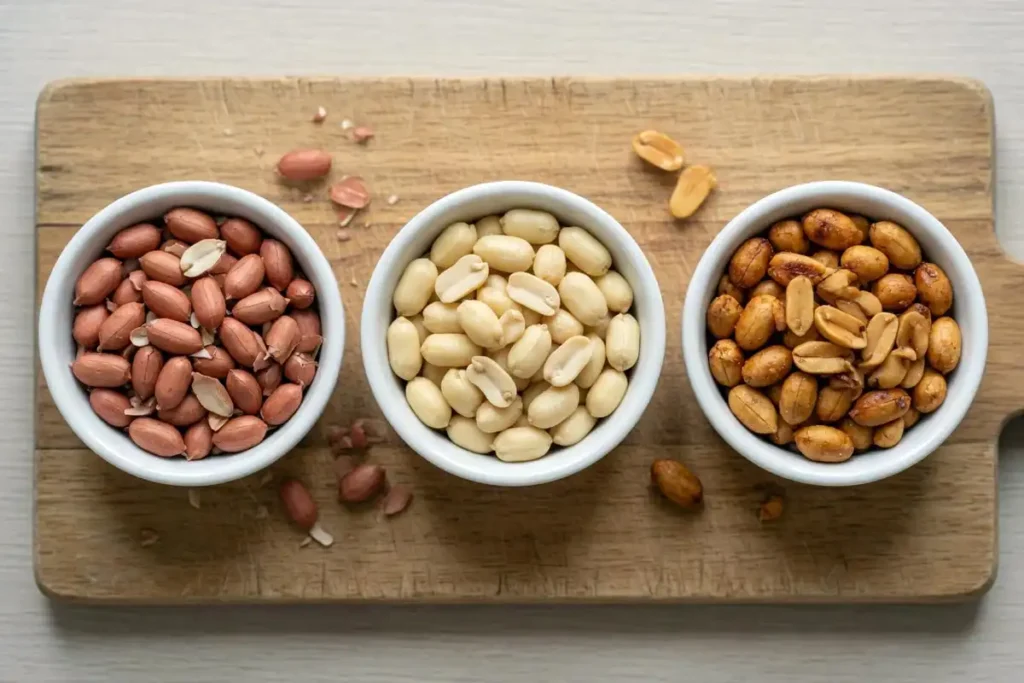
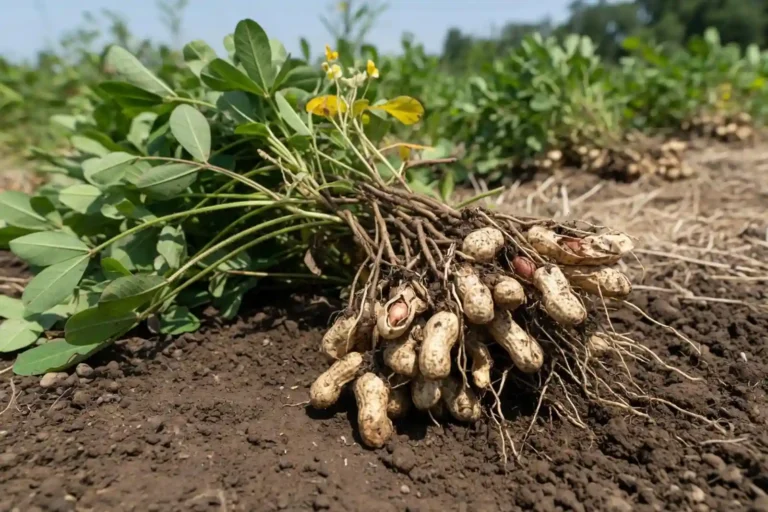
Roasted peanuts often start as blanched kernels because skinless nuts roast more evenly and look cleaner in the bag. If you grow your own, our guide on harvest timing for peanuts helps you pull mature kernels suitable for blanching.
Why People Buy Blanched Peanuts
Buyers pick blanched kernels for three main reasons: smoother peanut butter, cleaner candy coatings, and lower tannin bitterness from the skin. Bakers like the pale color in cookies and brittles. Snack plants prefer blanched stock because the lighter kernel carries seasoning better and looks uniform on shelves.
Nutritional Value of Blanched Peanuts
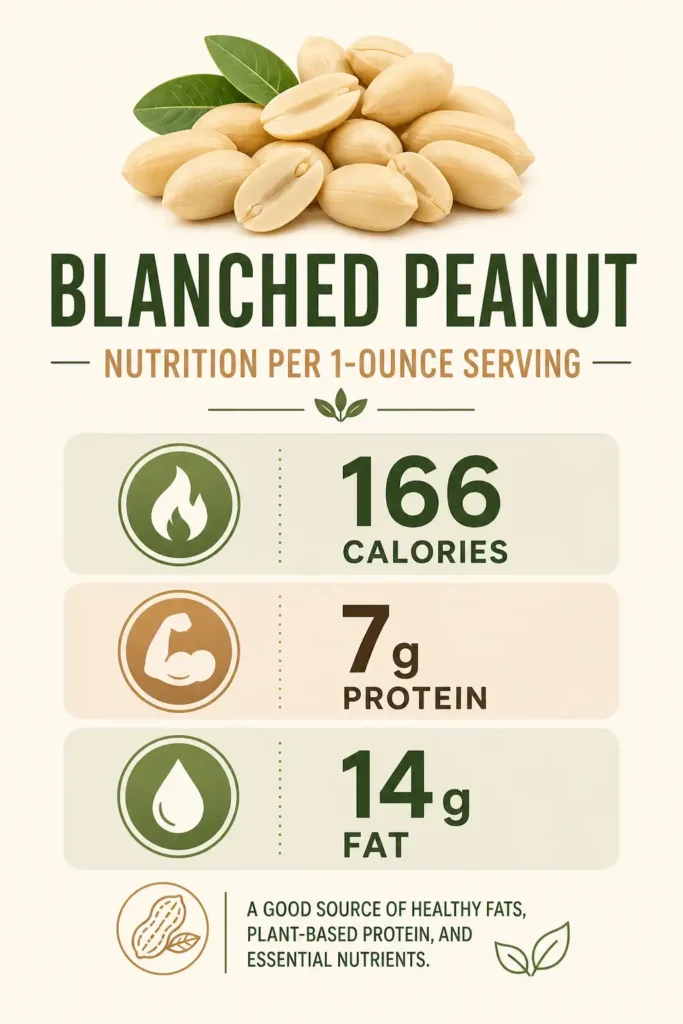
Blanched peanuts hold most of the nutrition of whole peanuts. A 1-ounce serving (28 g) of dry-roasted peanuts contains about 166 calories, 7 g of protein, and 14 g of fat, per USDA FoodData Central. Blanching removes the skin, which holds some fiber and antioxidants, so blanched peanuts have slightly less fiber than skin-on peanuts. The protein, fat, and mineral content stay close to the same.
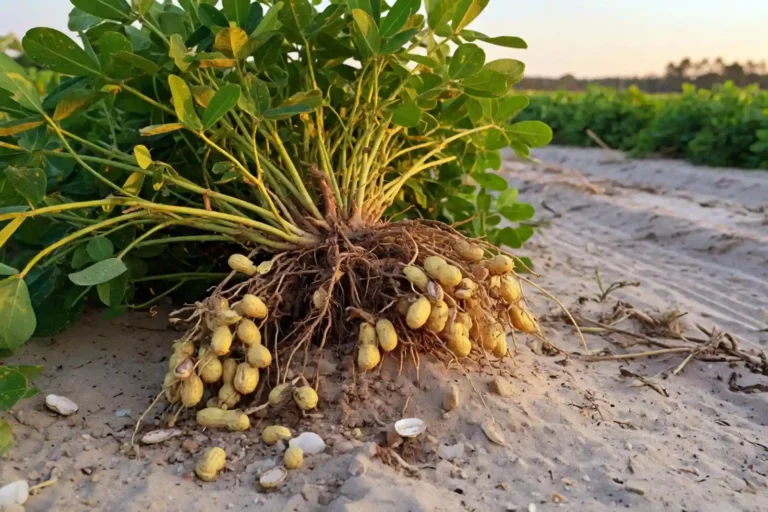
For how peanuts develop their nutrients in the field, see our walkthrough on growing and harvesting peanuts. If you wonder whether peanuts count as grains, the answer ties into their legume biology.
How to Blanch Peanuts at Home (Step-by-Step)
Home blanching takes about 15 minutes with raw shelled peanuts.
- Boil water. Fill a pot with enough water to cover the peanuts. Bring it to a rolling boil.
- Add raw peanuts. Drop in 1 to 2 cups of raw shelled peanuts. Boil for 3 minutes only.
- Drain and cool. Pour the peanuts into a colander. Run cold water over them for 30 seconds.
- Rub off the skins. Spread peanuts on a clean towel. Fold the towel and rub. Most skins slip off.
- Pick out clean kernels. Pull the skinless halves into a bowl. Discard loose skins.
- Dry the kernels. Spread blanched peanuts on a baking sheet. Air-dry for 1 hour or pat with paper towels.
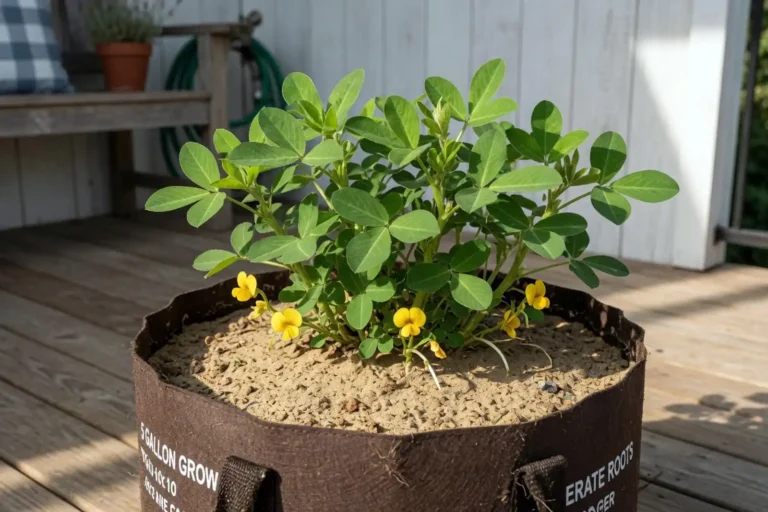
Use the dry method for roasting. Use the water method for peanut butter or sauces. Hobby growers using container peanut growing can blanch their harvest the same way once kernels cure.
How to Store Blanched Peanuts
Store dried blanched peanuts in an airtight jar or vacuum-sealed bag. Keep them in a cool, dark pantry for up to 1 month. For longer storage, refrigerate for 3 months or freeze for 6 months. Moisture is the main enemy. Wet kernels grow mold fast, so dry them well before storage.
Common Mistakes to Avoid
- Boiling too long. More than 4 minutes softens the kernel and ruins texture.
- Skipping the cold rinse. Hot kernels keep cooking and turn mushy.
- Storing while damp. Damp peanuts mold within days.
- Salting before drying. Salt pulls out moisture and gums up the surface.
Safety Notes
Peanut allergies are serious. Blanched peanuts carry the same allergens as skin-on peanuts. Label home batches clearly if guests visit.
Raw peanuts can carry aflatoxin, a mold toxin, when stored in damp conditions. Buy peanuts from trusted sources and store them dry. The FDA sets aflatoxin limits for commercial peanut products at 20 parts per billion.
Frequently Asked Questions
Are blanched peanuts cooked?
Can you eat blanched peanuts raw?
Are blanched peanuts healthier than regular peanuts?
Why are some peanuts blanched and others not?
How long do blanched peanuts last?
Conclusion
Blanched peanuts are skinless raw peanut kernels that processors prepare with brief heat and rolling. They give bakers, candy makers, and peanut butter plants a clean, pale kernel that roasts evenly and blends smooth. Home cooks can blanch peanuts in about 15 minutes using a pot of boiling water and a clean towel.