How to Grow Potatoes in Colorado in 7 Steps (Beginner Guide)
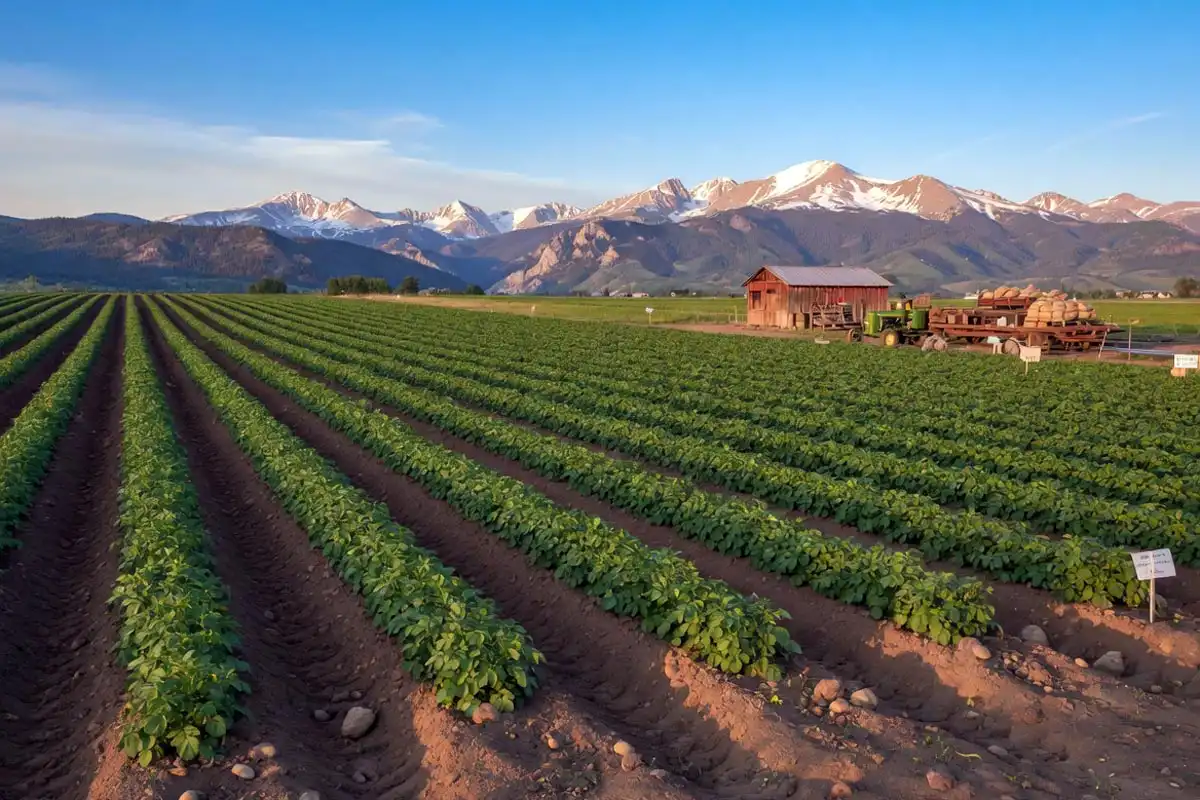
Potatoes grow well in Colorado when you plant certified seed pieces 2 to 4 weeks before the last frost in loose, acidic soil with a pH of 5.0 to 6.5. This guide covers variety choice, timing by region, planting steps, watering, hilling, pest control, and harvest so you bring in a solid crop.
Plant certified seed potatoes in Colorado between mid-April and late May, depending on elevation. Use loose soil with a pH of 5.0 to 6.5, space seed pieces 10 to 12 inches apart in rows 30 inches wide, water 1 to 2 inches per week, hill twice during the season, and harvest 90 to 120 days after planting.
What Kind of Potatoes Grow Best in Colorado?
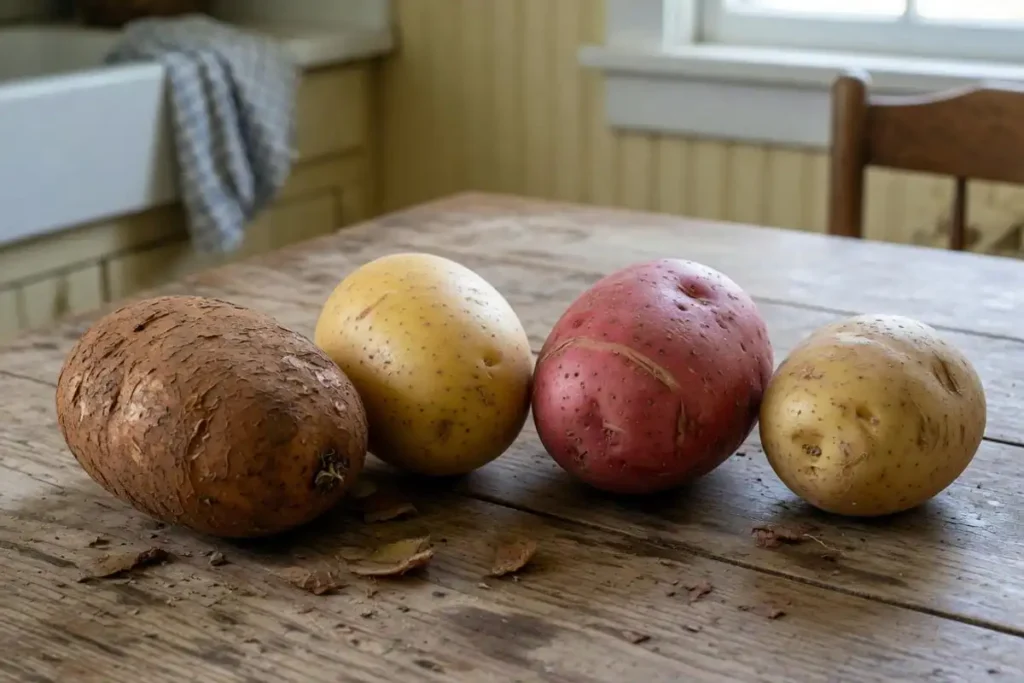
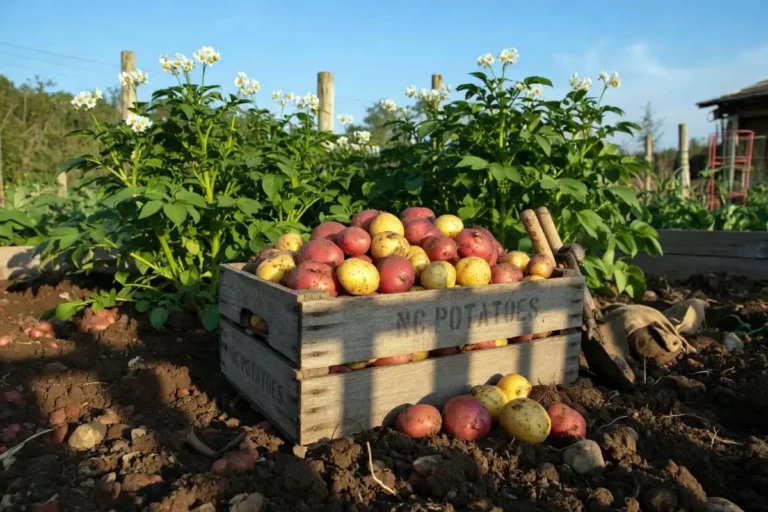
Colorado farmers grow russet, red, yellow, and fingerling potatoes across the state. Russet Burbank leads commercial acres in the San Luis Valley. Home gardeners often pick Yukon Gold, Red Pontiac, and Kennebec for short-season vigor and flavor.
The San Luis Valley produces most of Colorado’s commercial crop at around 7,500 feet elevation. That altitude, dry air, and cool nights give the state a strong potato reputation across the country.
Plant certified, disease-free seed every year. Grocery-store potatoes often carry viruses and may be treated with sprout inhibitors. You can read more about picking healthy seed stock in our earlier guide.
When to Plant Potatoes in Colorado
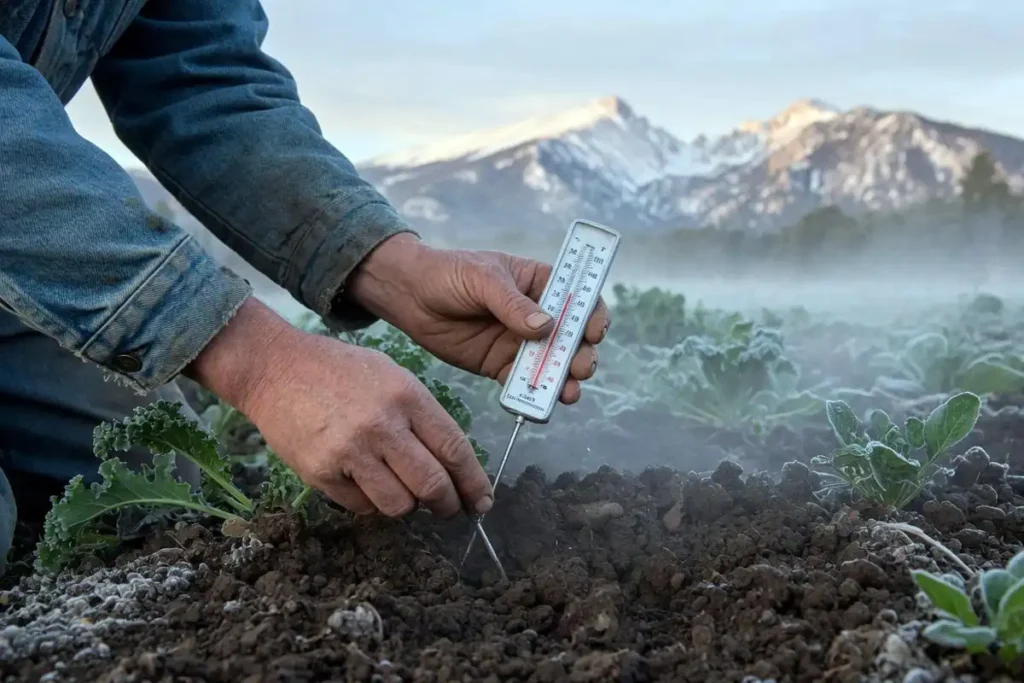
Plant potatoes in Colorado once soil temperature reaches 45°F at 4 inches deep. Most regions hit that mark 2 to 4 weeks before the average last spring frost.
- Front Range (Denver, Boulder, Fort Collins): mid-April to early May
- Western Slope (Grand Junction): late March to mid-April
- San Luis Valley: mid-May to early June
- High country above 7,500 ft: late May to mid-June
Seed pieces rot in cold, wet ground. Wait for a dry window and check soil temperature before cutting seed. our guide covers broader planting time windows for readers outside Colorado.
For frost dates by ZIP code, check the USDA Plant Hardiness Zone Map.
Where to Plant Potatoes in Colorado
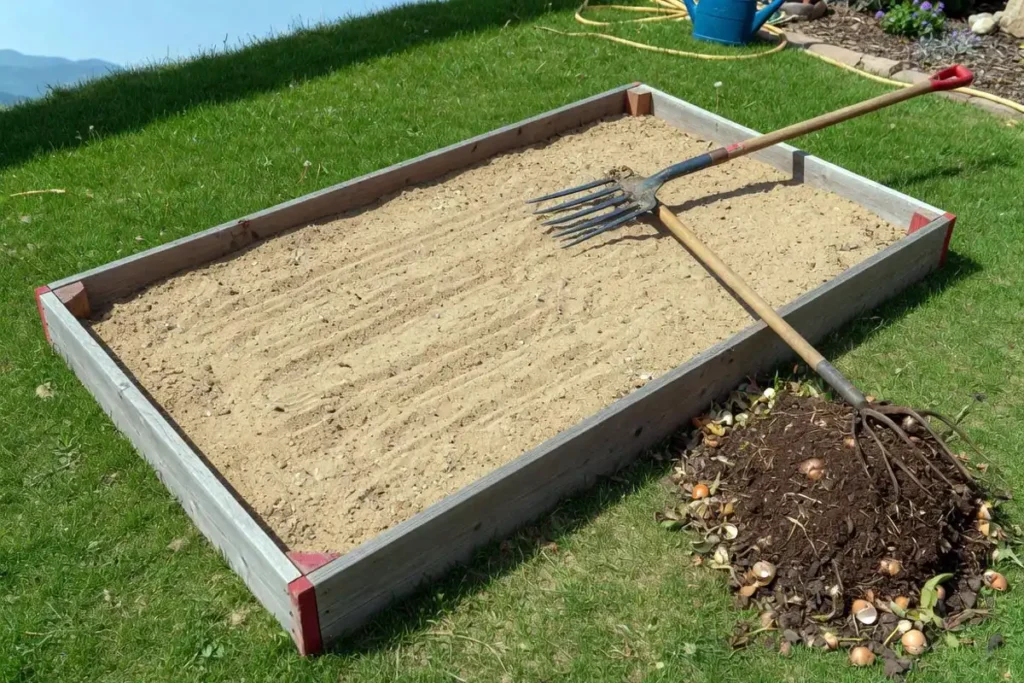
Pick a site with full sun, at least 6 hours daily, and well-drained soil. Sandy loam suits potatoes best. Heavy clay holds water and promotes rot.
Avoid low spots that collect late frosts. Skip any bed that grew tomatoes, peppers, eggplants, or potatoes in the last 3 years. Those nightshades share soil diseases that build up over time.
Test your soil before planting. Potatoes prefer a pH of 5.0 to 6.5. Higher pH raises scab risk. A test through your local extension office reports pH, nutrient levels, and salt readings.
How to Grow Potatoes in Colorado Step by Step
Step 1: Prepare the Soil
Work the bed 8 to 10 inches deep. Mix in 2 inches of finished compost per 100 square feet. Skip fresh manure, since high nitrogen causes hollow tubers and scab.
Step 2: Cut and Cure the Seed
Cut seed potatoes into 1.5 to 2 ounce pieces with at least 2 eyes each. Let the cuts heal for 2 to 3 days in a cool, dry spot. This step reduces rot once seed hits cold Colorado soil.
Step 3: Plant the Seed Pieces
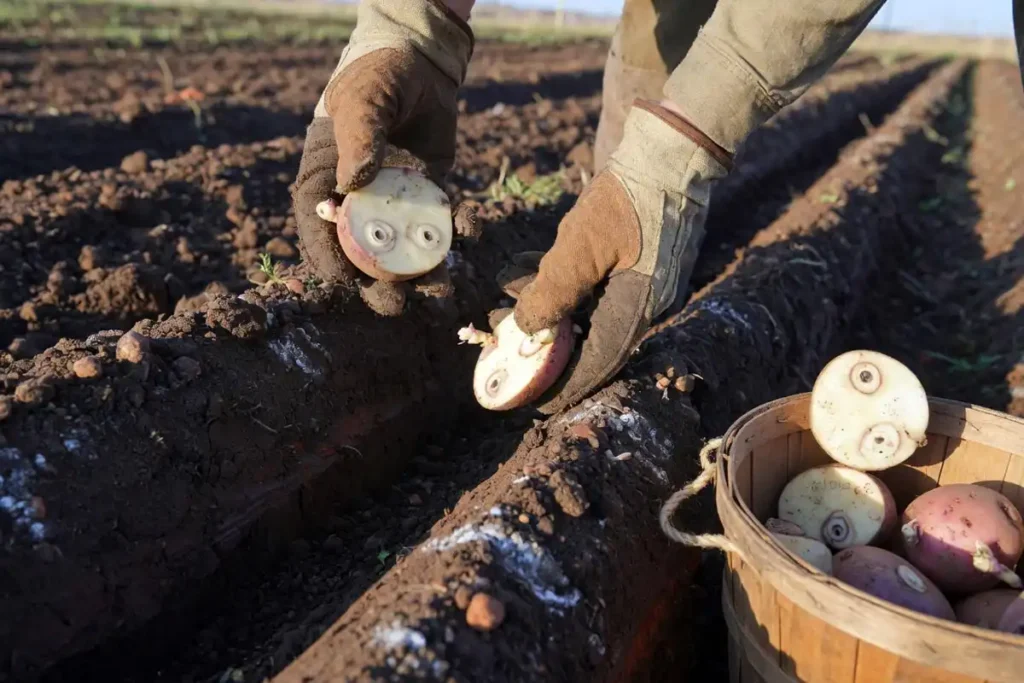
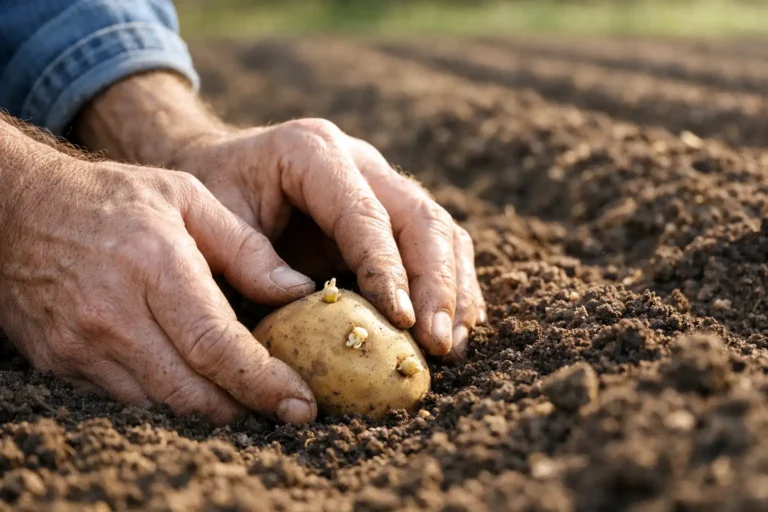
Dig trenches 4 inches deep and 30 to 36 inches apart. Place seed pieces cut-side down, 10 to 12 inches apart. Cover with 3 to 4 inches of soil. Mark your rows so you track hilling later.
Step 4: Hill the Plants
Once plants reach 6 to 8 inches tall, pull 3 to 4 inches of soil up around the stems. Hill again 2 to 3 weeks later. Hilling protects tubers from sun exposure, which turns them green and toxic. Our guide on how hilling works walks through the steps.
Step 5: Water Consistently
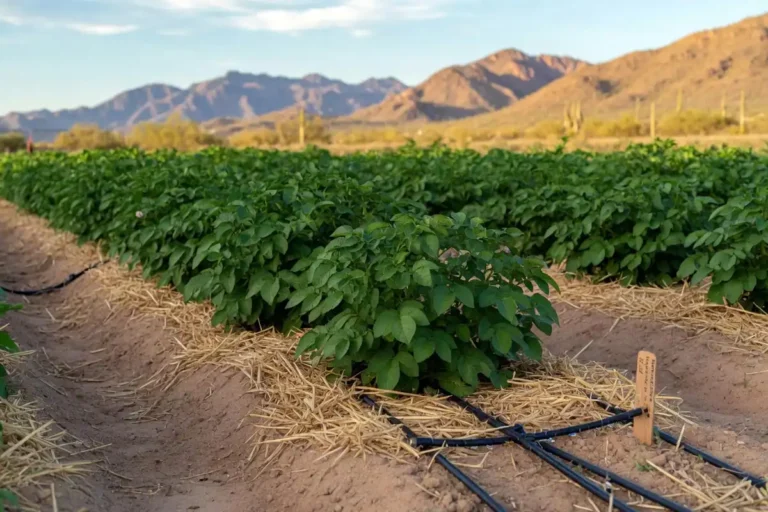
Give potatoes 1 to 2 inches of water per week. Colorado’s dry climate stresses shallow roots fast. Steady moisture prevents hollow heart and knobby tubers. Drip lines waste less water than overhead sprinklers and reduce foliar disease.
Step 6: Fertilize Mid-Season
Side-dress with a balanced fertilizer like 10-10-10 about 6 weeks after planting. Skip heavy nitrogen late in the season, since it pushes leafy growth over tuber fill.
Step 7: Harvest
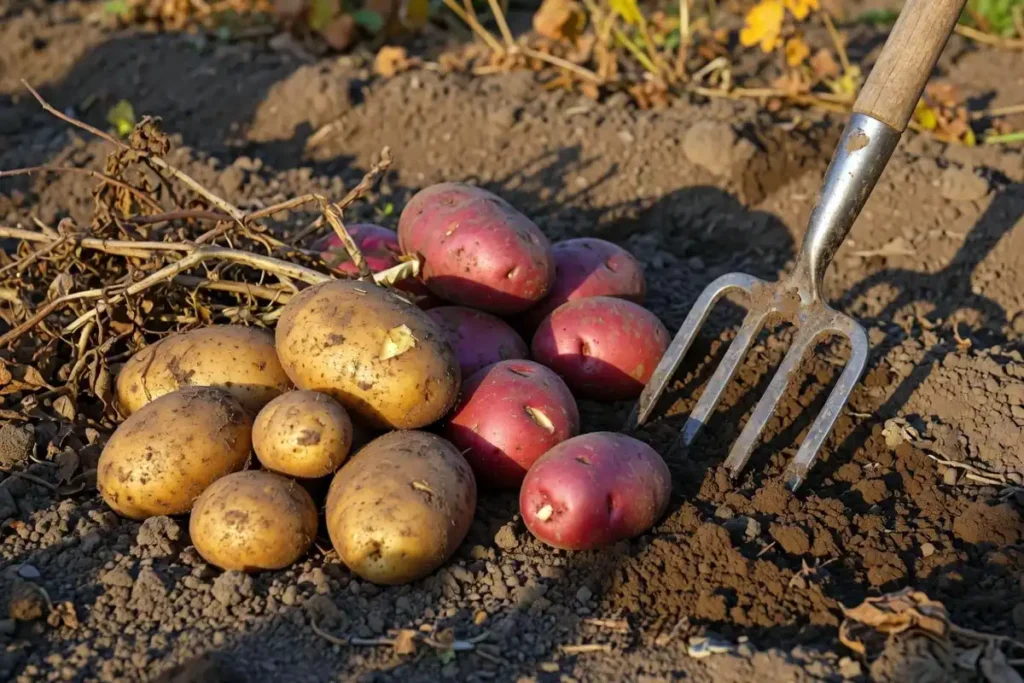
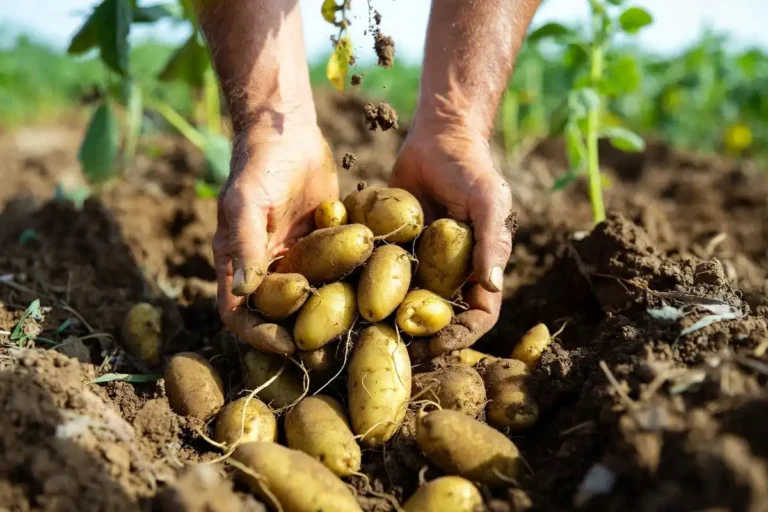
New potatoes dig up 60 to 70 days after planting. Main-crop potatoes need 90 to 120 days. Wait 2 weeks after the vines die back before digging storage potatoes. That rest period sets the skins.
Common Problems and Troubleshooting
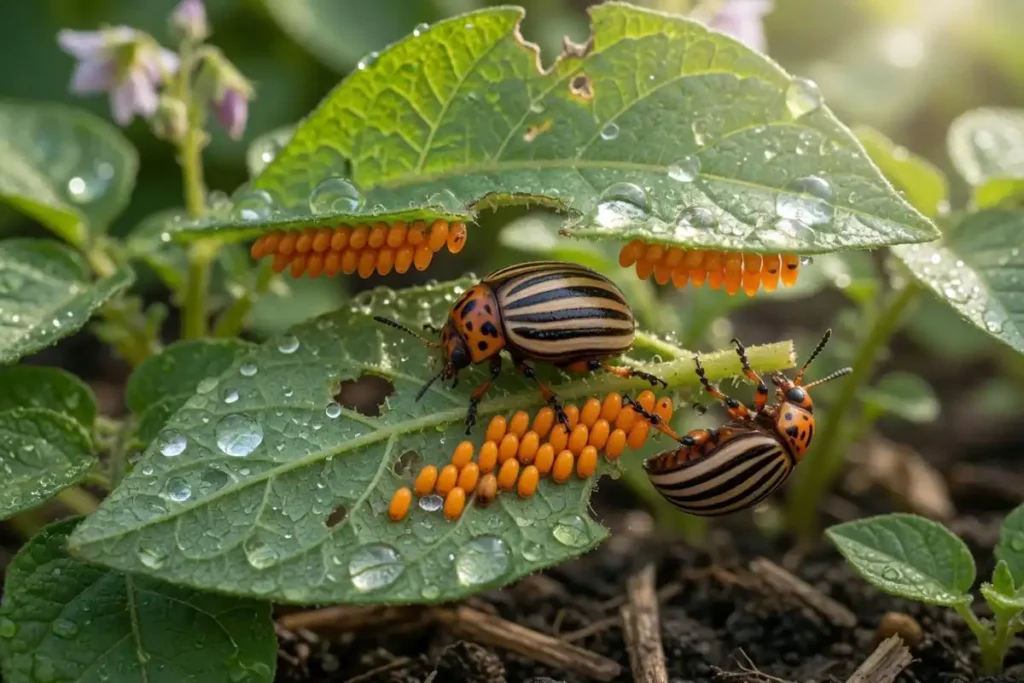
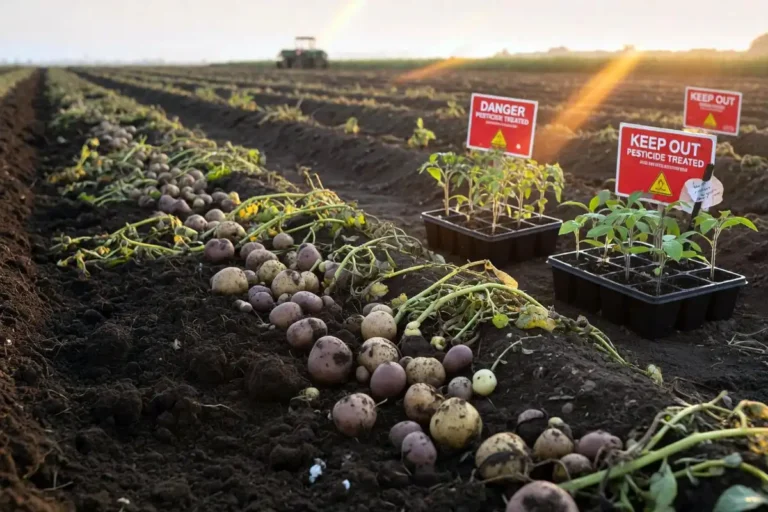
Yellow leaves and wilt: Check for Colorado potato beetle adults and orange egg clusters under leaves. Hand-pick them daily in small plots.
Scab on tubers: Raise organic matter and keep soil pH near 5.2. Rough scab comes from high pH and dry soil during tuber set.
Hollow centers: Uneven water, especially in July heat, causes this. Keep soil moisture steady.
Green shoulders: Hill deeper. Sun exposure on tubers builds solanine, which is unsafe to eat.
Late blight: Colorado sees less blight than wet states, but cool, humid weeks raise risk. Remove infected plants fast. The Colorado State University Extension offers a strong page on potato care and disease for local growers.
Mistakes to Avoid
- Planting grocery-store potatoes that carry virus
- Skipping soil tests and guessing at pH
- Planting too early into cold, wet ground
- Overwatering after vines yellow, which causes rot
- Forgetting to rotate beds every 3 years
- Harvesting storage spuds before skins set
After the crop comes out, plan your next bed carefully. What you can follow potatoes with to keep disease pressure low is covered here.
Safety Tips
Green potatoes carry solanine, a natural toxin. Cut away any green flesh before eating or toss the whole tuber. Store harvested potatoes in a cool, dark place between 40°F and 50°F.
Wash hands after handling potato vines during beetle season. Some plant saps irritate skin. Wear gloves if you hand-pick beetles or treat foliage.
Keep pesticides locked away from children and pets. Follow the label for every spray, including organic options.
FAQs about Grow Potatoes in Colorado
How long do potatoes take to grow in Colorado?
Can you grow potatoes year-round in Colorado?
Do potatoes need a lot of water in Colorado?
What is the best potato variety for the Colorado mountains?
How deep do you plant potatoes in Colorado?
Final Takeaway
Potatoes reward Colorado growers with strong yields when timing, soil, and water line up. Start with certified seed, match your planting window to elevation, hill twice, and harvest after skins set. Watch for Colorado potato beetle early, rotate beds every three years, and test soil each spring. Do those basics, and your bed produces clean, firm tubers from the Front Range to the San Luis Valley.