Best Corn Sheller in 2026: Top 8 Hand-Crank & Electric Picks
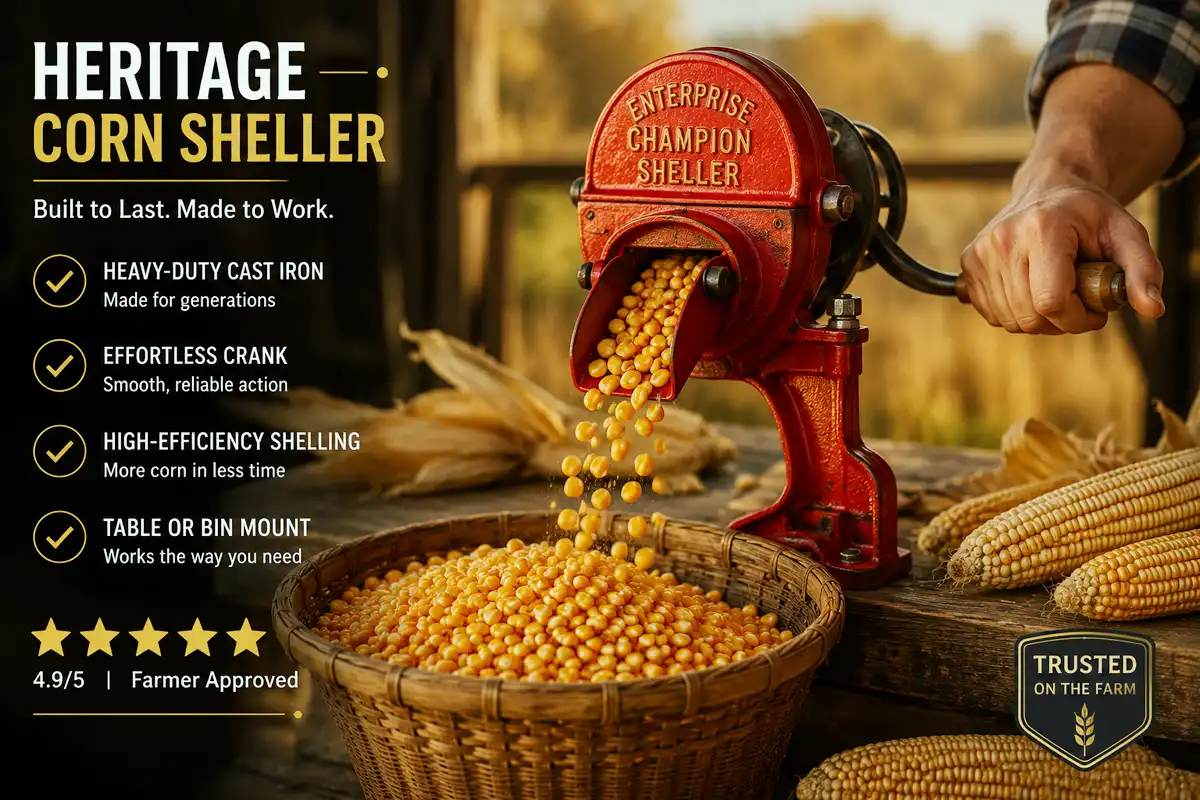
Looking for the best corn sheller to clear a crib full of dried ears without rubbing your thumbs raw? A geared sheller strips every kernel off the cob with one easy turn of the crank, no sore hands, no evenings lost to hand-shelling.
The best corn sheller for most homesteads is the Maximizer, because its ductile-iron build shells for decades. For big flocks, the Fifizoo electric thresher clears thousands of pounds an hour. On a tight budget, the Ochine handles small batches.
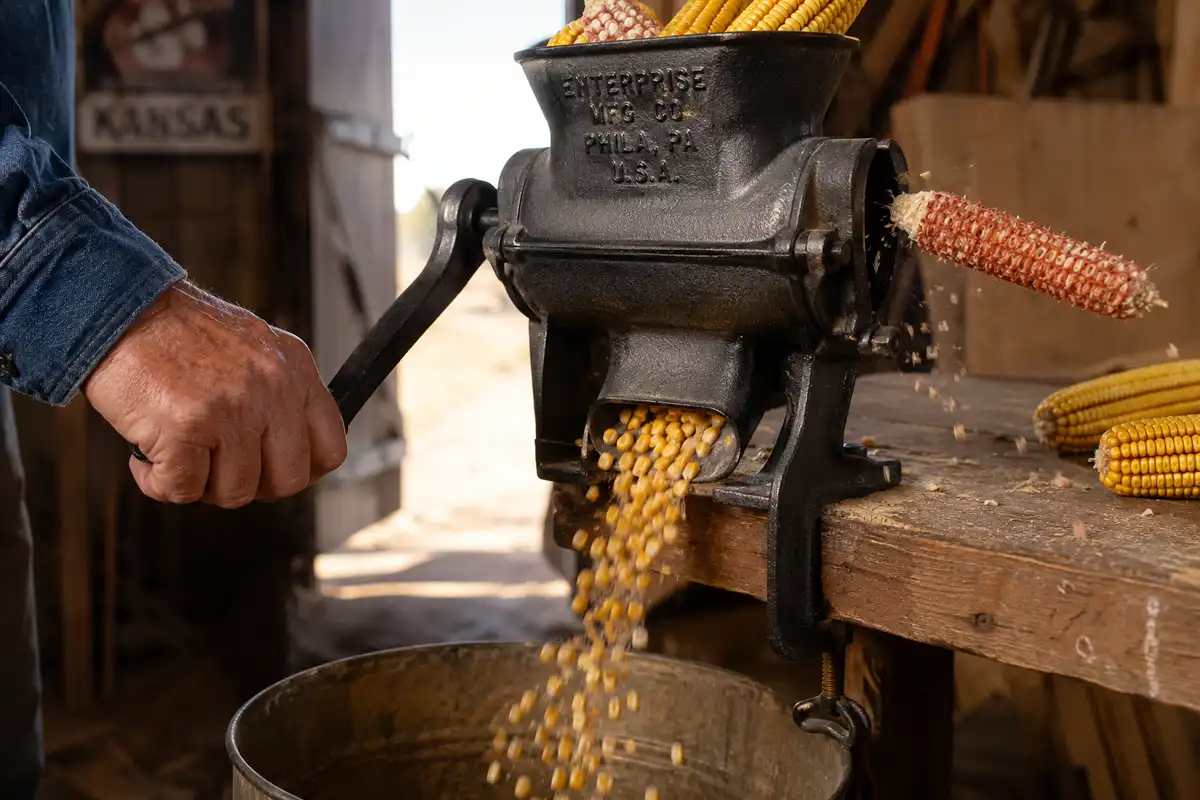
The 8 Best Corn Shellers: Comparison at a Glance
| Product | Type | Throughput | Build | Best for |
|---|---|---|---|---|
| Maximizer | Hand crank | 10-15 bu/hr | Ductile iron | Heirloom-quality all-arounder |
| Lehman’s (Flywheel) | Hand crank | 10-15 bu/hr | Cast iron, wood handle | Off-grid, easier cranking |
| Lfhelper Hand Crank | Hand crank | 10-15 bu/hr | Ductile steel | Motorizable small-farm pick |
| Ochine Manual | Hand crank | 88-132 lbs/hr | Cast iron and steel | Budget small batches |
| LOYALHEARTDY Manual | Hand crank | Small dry batches | Steel, 9 lbs | Lightweight and portable |
| Fifizoo Electric | Electric | 2,204-3,307 lbs/hr | Alloy steel | High volume, quiet |
| DRRSBRP Electric | Electric | 2,204-3,307 lbs/hr | Steel | High volume, cleanest output |
| FFanhia Electric | Electric | 2,204-3,306 lbs/hr | Steel | Long continuous runs |
What Is a Corn Sheller and Who Needs One?
A corn sheller strips the kernels off the cob so you can store, grind, or feed them. It works on dried corn only, the hard, cured ears like dent corn, flint corn, field corn, and popcorn. Fresh sweet corn is too soft and just mashes. Most people shell to make animal feed, but plenty grind the crop into cornmeal or grits for the kitchen.
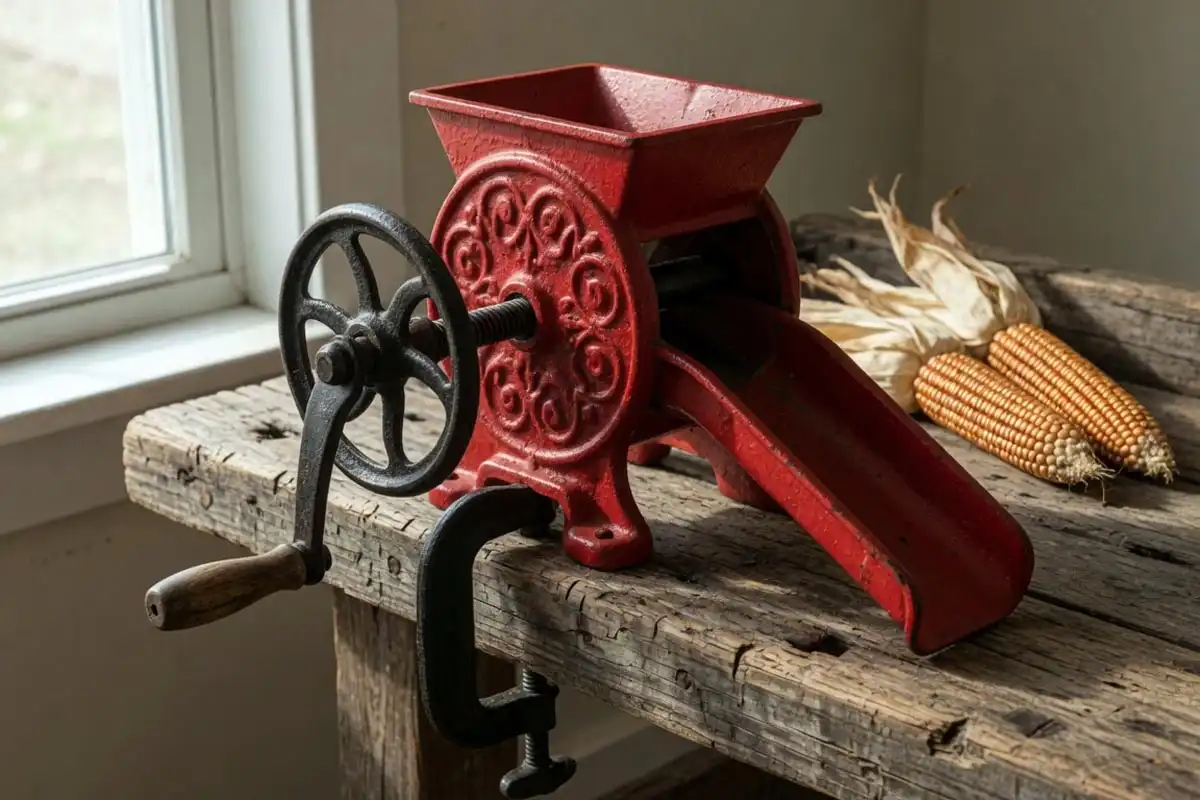
Who needs one? Homesteaders with a few dozen ears, poultry keepers mixing their own chicken feed, and gardeners tired of sore thumbs. Seed savers use one too, though they dry corn for seed a little more gently. If you grow more than a row or two, a sheller pays for itself in saved hours.
How Does a Corn Sheller Work?
A corn sheller works by dragging the ear between two toothed metal wheels that spin against each other, scraping every kernel loose. On most hand units, one toothed plate grips the ear while a spring-loaded plate presses from the other side. That spring tension adjusts to fat and skinny ears, so nothing jams. The loose kernels drop through a screen into your bucket, and each cob gives up its full count once you know how many kernels a cob holds.
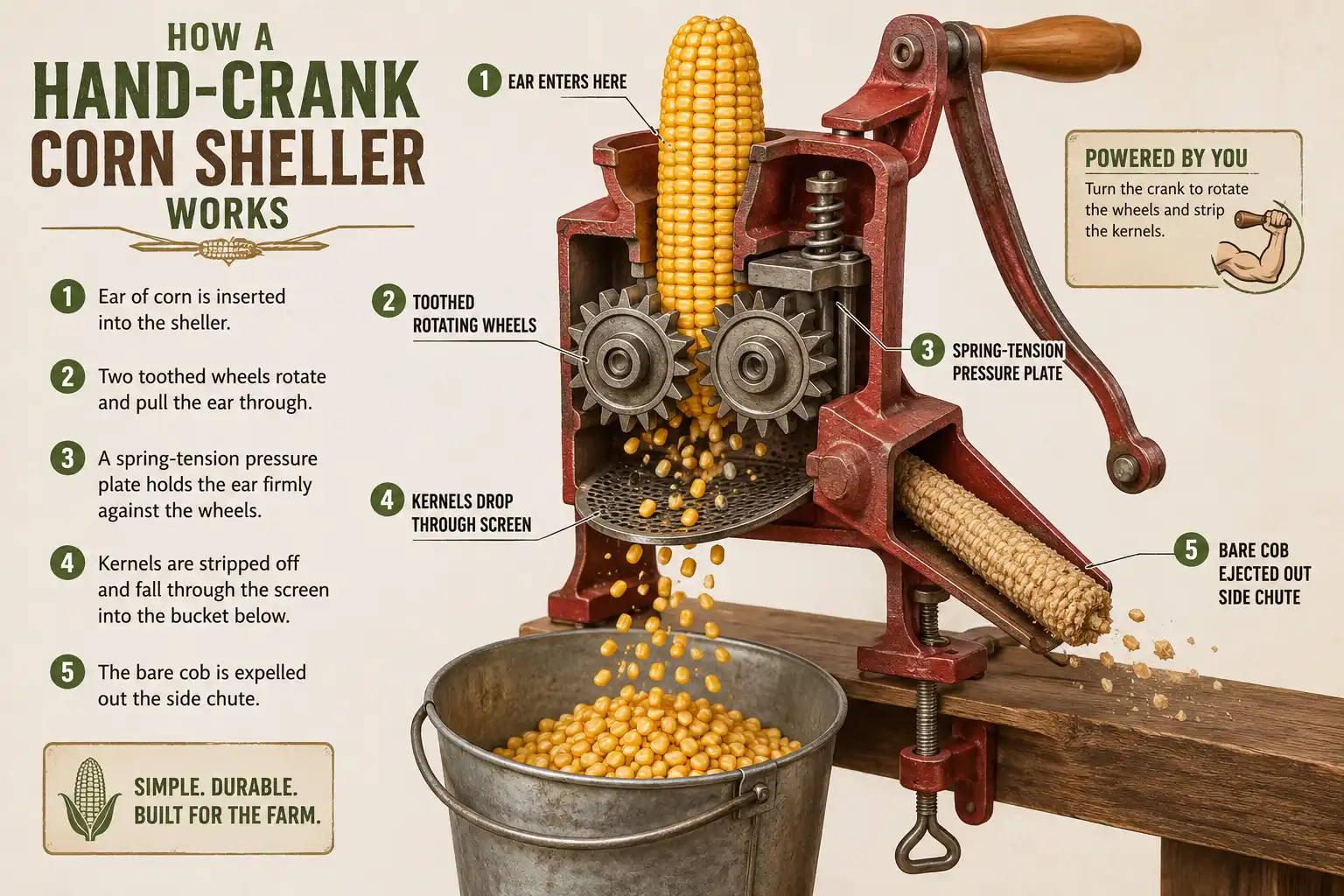
The bare cob then shoots out the side through the cob ejection chute. A heavy flywheel keeps the crank smooth. Better machines use cast iron or ductile iron bodies, ball bearings, and a v-belt/pulley drive on powered models. A good hand-crank can move up to 10 to 15 bushels per hour.
Types of Corn Shellers
Corn shellers come in four basic types, from a plastic cone you twist by hand to a tractor-driven rig. The right one depends on your throughput, meaning how much corn you shell in one sitting. Here is how they stack up.
Handheld Corn Shellers
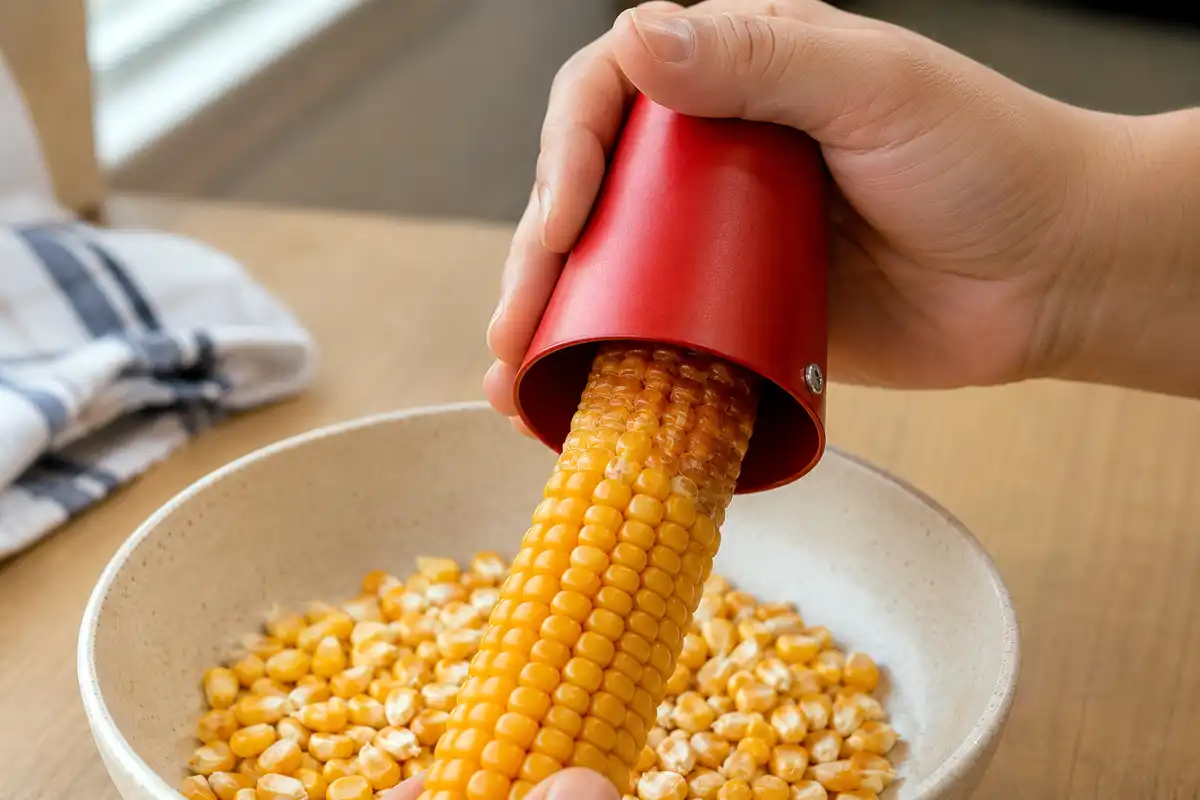
Handheld corn shellers are aluminum or plastic cones you twist onto one ear at a time. They cost a few dollars and handle popcorn or tiny seed batches. Speed is slow, but they never break and store in a drawer. Best for gardeners with a handful of ears.
Hand-Crank Corn Shellers
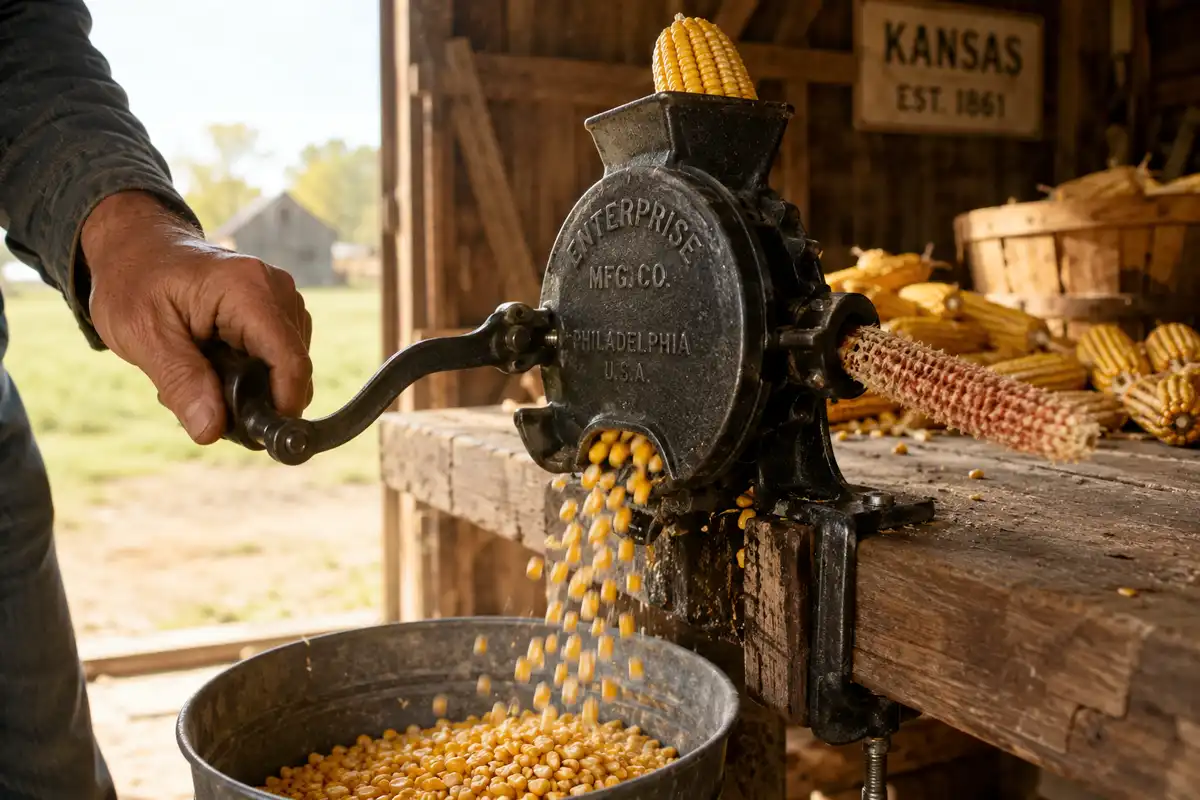
Hand-crank corn shellers clamp to a bench or bucket and run on a cast or ductile iron body. Crank the handle and each ear shells in seconds, up to roughly 10 to 15 bushels an hour at a steady pace. This is the sweet spot for most homesteads. It is fast enough for real batches and cheap enough to justify.
Electric Corn Shellers
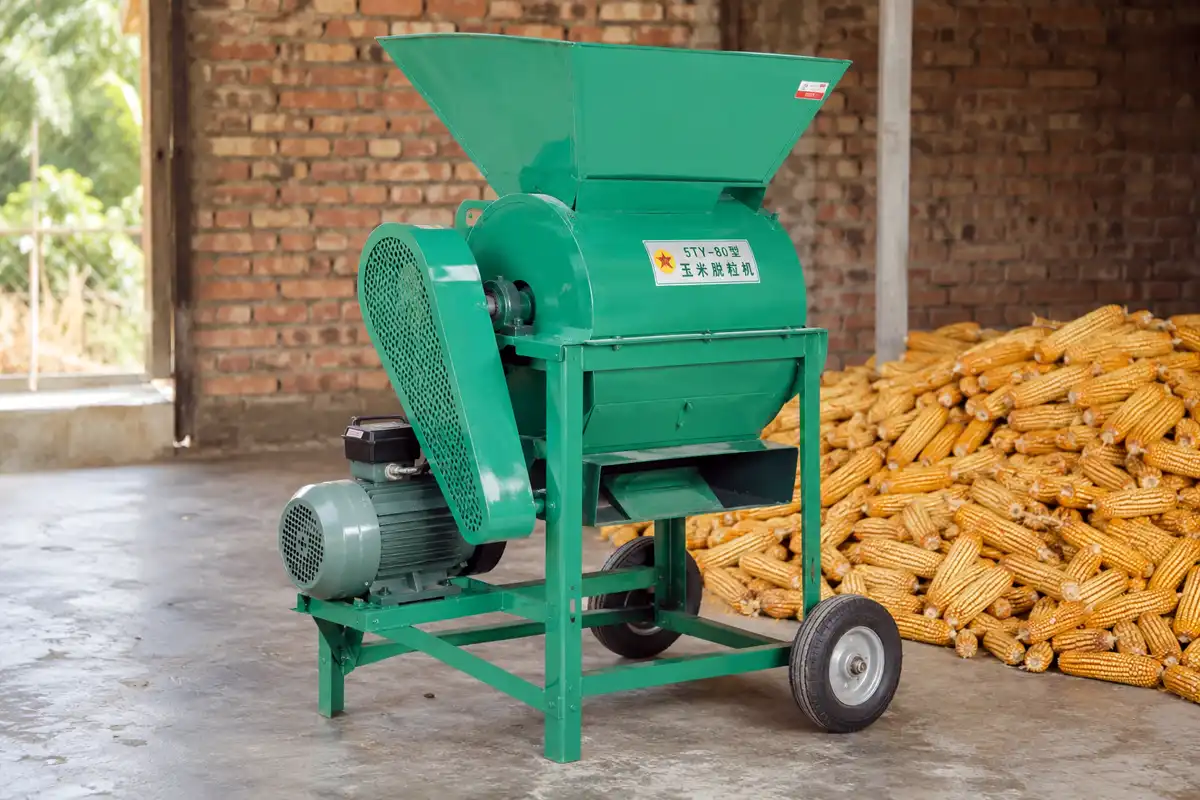
Electric corn shellers are motorized threshers that turn a multi-day chore into one session. Feed ears into the hopper and the machine spits clean kernels at hundreds, sometimes thousands, of pounds per hour. They cost more and need power. Still, if you shell for a flock or a market garden, the time saved pays off.
Tractor / PTO Shellers
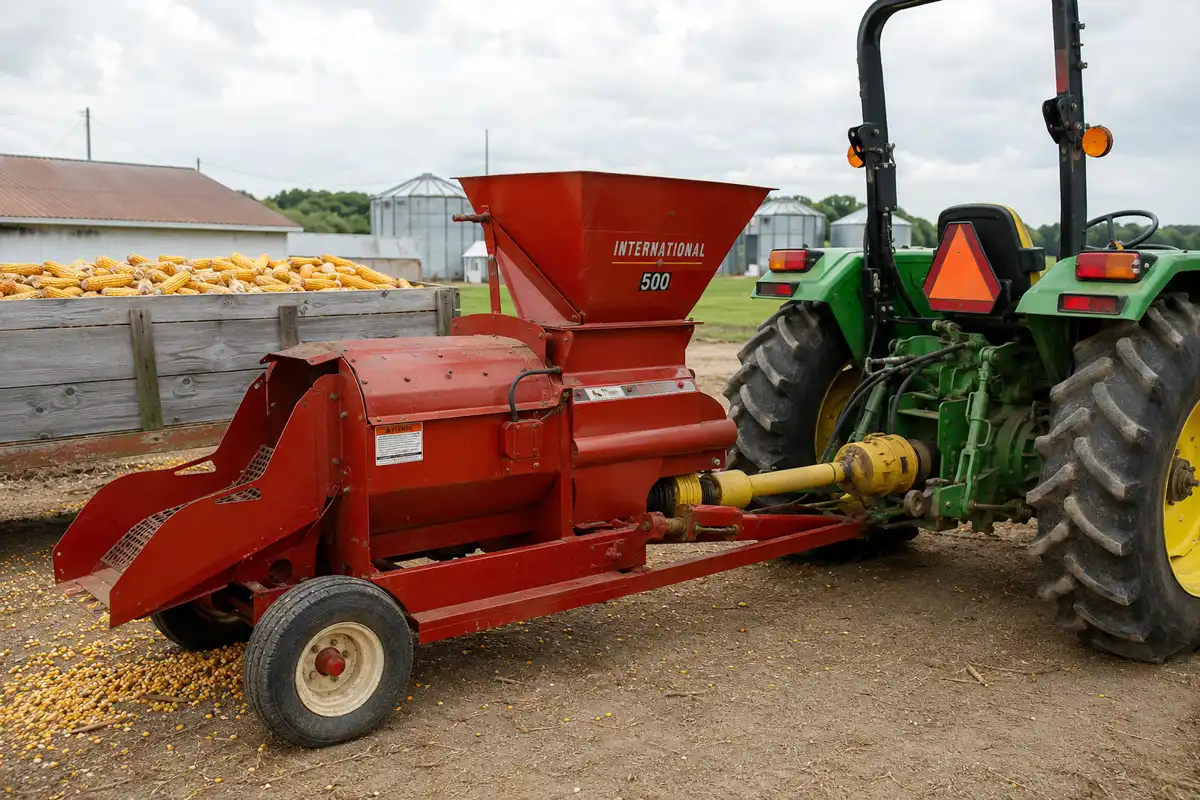
Tractor or PTO shellers bolt to the three-point hitch and run off the tractor’s power take-off. They handle wagon-loads of ear corn for real acreage. Honestly, they are overkill for most folks buying online, and the price shows it. These are mentioned so the ceiling is clear.
The 8 Best Corn Shellers: Reviews
1. Maximizer Corn Sheller
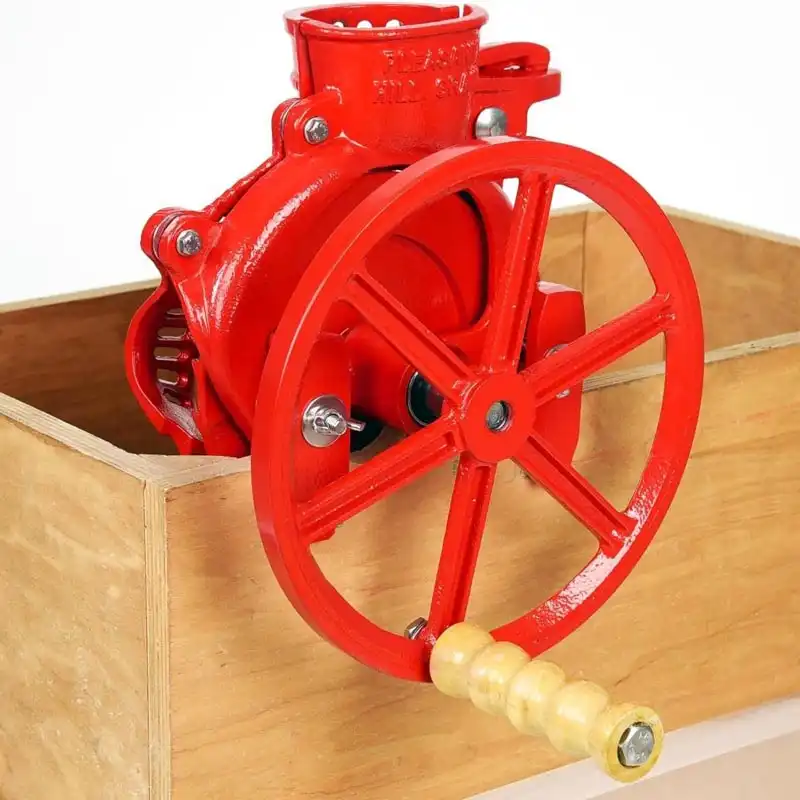
The Maximizer is a hand-crank sheller built from premium ductile iron, nearly identical to shellers from a century ago. It shells dried dent, flint, and popcorn, and even hulls walnuts. Best for homesteaders who want an heirloom-quality tool that lasts decades.
PROS
- Ductile iron, decades of use
- Effortless, smooth crank
- Auto cob ejection
- Handles any ear size
CONS
- Dry corn only
Specs that matter:
- Sealed ball bearings
- Adjustable thumb-screw tension
- Up to 10-15 bushels/hour
- 1-year warranty
Owners report 40 to 90-year-old models still working, and 96% call it heirloom quality.
2. Lehman’s Corn Kernel Sheller
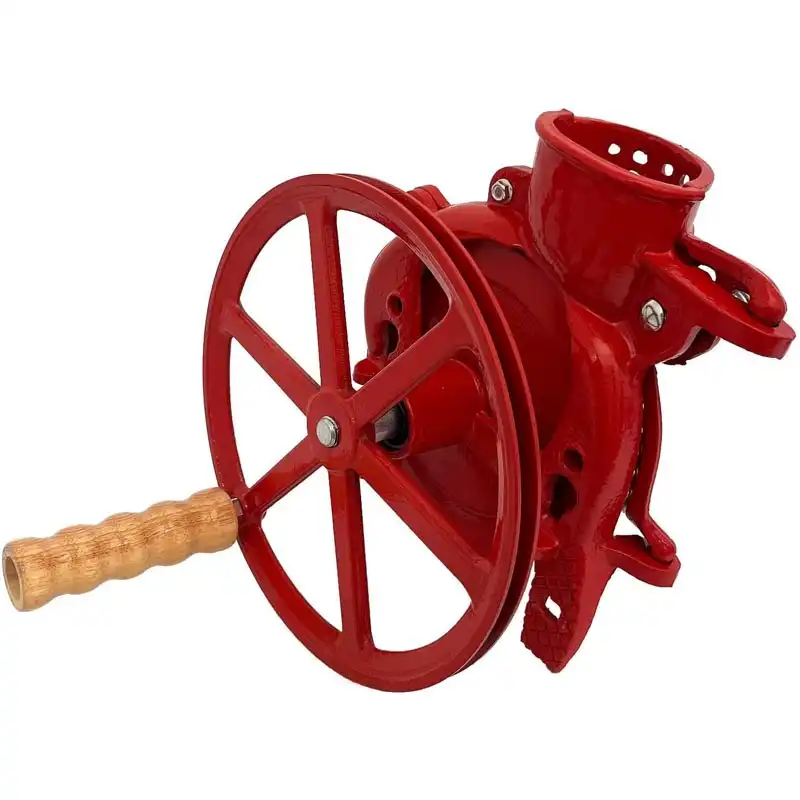
Lehman’s has built non-electric goods since 1955, starting with Ohio’s Amish community. This cast-iron sheller adds a 10-inch flywheel pulley that makes cranking noticeably easier. Best for off-grid and preparedness-minded folks shelling popcorn, seed corn, and feed corn.
PROS
- Flywheel eases cranking
- Comfortable wooden handle
- Auto kernel-cob separation
- Trusted homestead brand
CONS
- Requires moisture content under 5%.
Specs that matter:
- Tough cast-iron build
- Up to 10-15 bushels/hour
- Adjustable spring tension
- Clamp-on box mount
The flywheel is the real difference here. It carries momentum, so your arm works less on long shelling sessions.
3. Lfhelper Hand Crank Corn Sheller
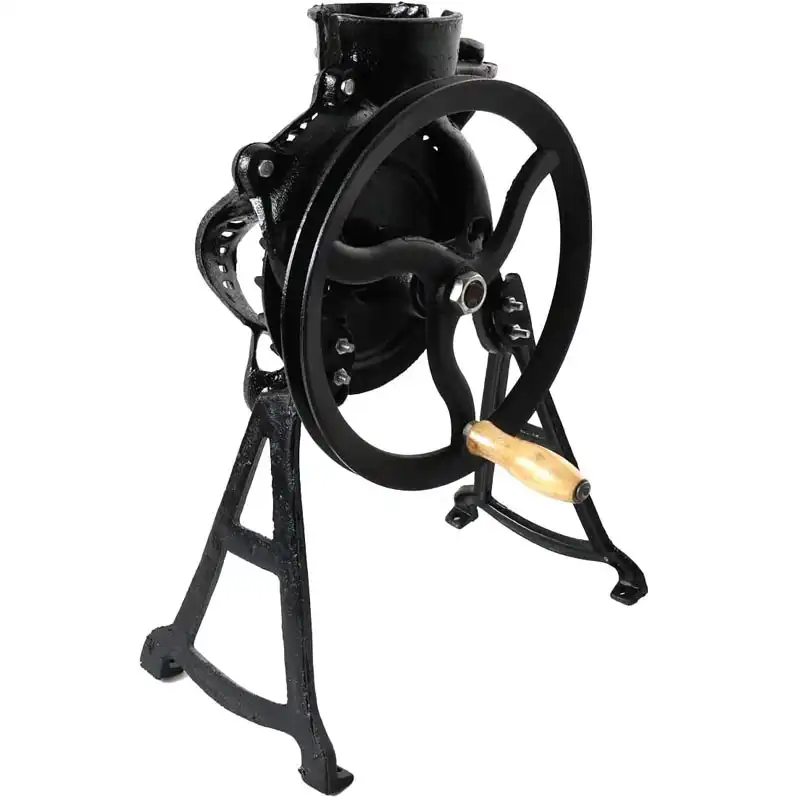
The Lfhelper is a hand-crank sheller made from premium ductile steel, not brittle cast. It clears each ear in seconds and hulls walnuts too. Best for small farms wanting a tough sheller they can later motorize.
PROS
- Ductile steel, not brittle
- Auto cob ejection
- Easy thumb-screw adjustment
- V-belt pulley ready
CONS
- Cranks clockwise only
- Dried corn only
Specs that matter:
- Sealed ball bearings
- Up to 10-15 bushels/hour
- Alloy steel blade
- Foot holes for mounting
The 10-inch crank wheel takes a v-belt, so you can add a motor when hand-cranking gets old.
4. Ochine Hand Corn Sheller
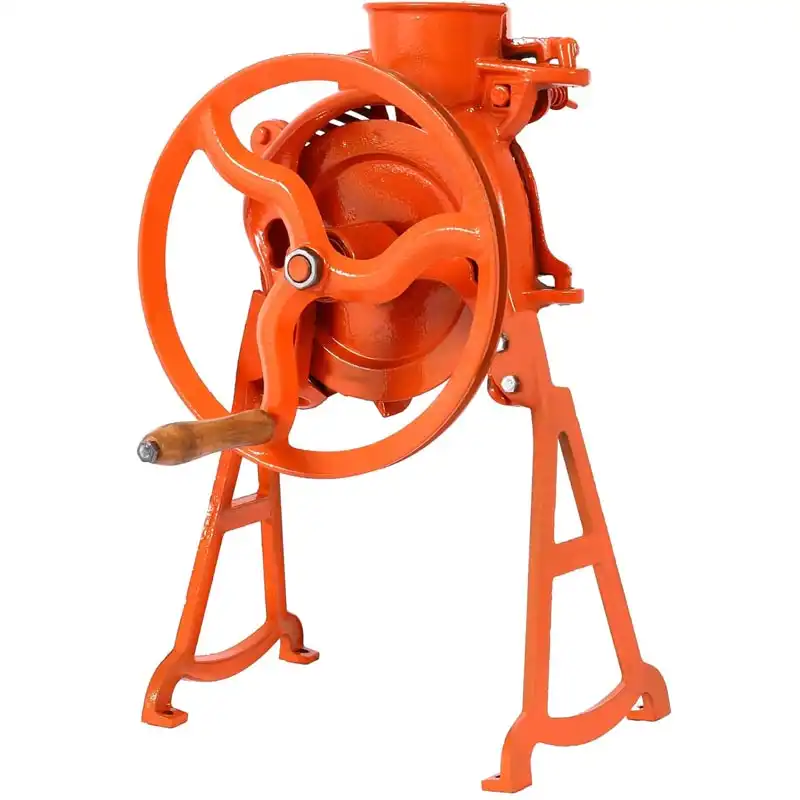
The Ochine is a budget hand-crank sheller in heavy-duty cast iron and steel. A rigid bearing saves your arm. It shells corn for poultry feed and hulls walnuts. Best for small farms and households on a tight budget.
PROS
- Low price, solid build
- 98% threshing rate
- Auto side cob ejection
- Comfortable wooden handle
CONS
- Dried corn only
Specs that matter:
- Heavy cast iron and steel
- 88-132 pounds per hour
- Adjustable size screws
- Thicker, sturdier base
At only 2% breakage, it keeps waste low, which matters when every bushel counts for feed.
5. LOYALHEARTDY Corn Sheller
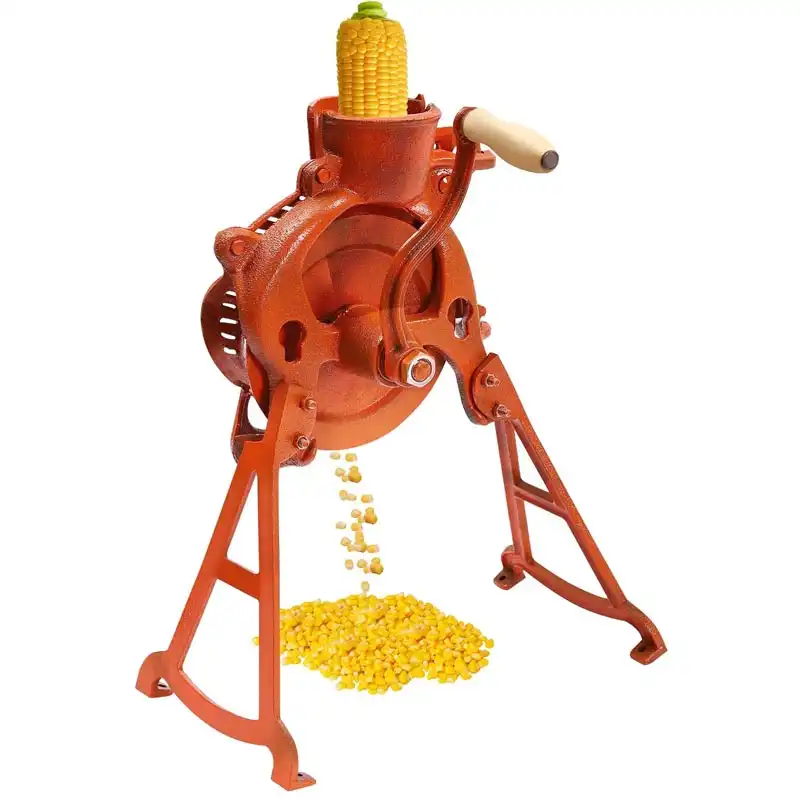
The LOYALHEARTDY is a lightweight hand-crank thresher at just 9 pounds, built from steel with a wood frame. Its adjustable feed opening fits different cob sizes. Best for anyone who wants a portable sheller that’s easy to move and store.
PROS
- Very light, 9 pounds
- Adjustable feed opening
- Complete install kit
- Mounts table or ground
CONS
- Dried corn only
Specs that matter:
- Steel and wood build
- Pre-drilled mounting holes
- 10cm adjustable opening
- Spray-paint protective finish
The pre-drilled holes let you bolt it down fast, so it stays put and won’t wobble while you crank.
6. Fifizoo Automatic Corn Thresher Machine
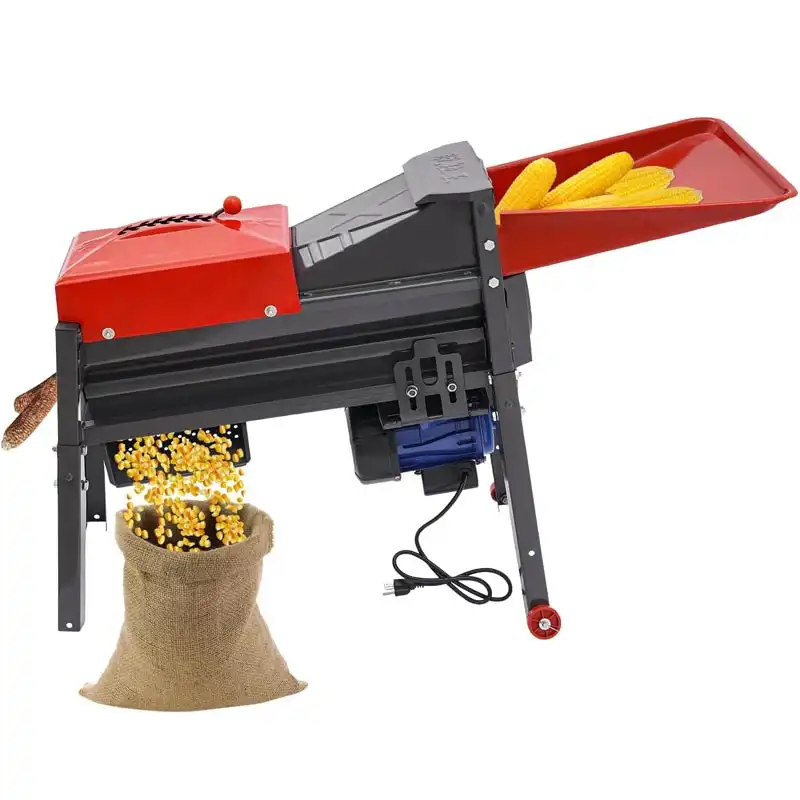
The Fifizoo is a 480-watt electric thresher that turns whole days of shelling into one session. Its bladeless design protects kernels while running up to 3,307 pounds per hour. Best for poultry keepers and market growers with serious volume.
PROS
- Huge 3,307 lbs/hour
- Bladeless, no kernel damage
- Two wheels, easy moving
- Quiet, thickened bearing seat
CONS
- Dry corn only
- Noise huge
Specs that matter:
- 480W pure copper motor
- 13 adjustable gears
- IP44 safety rating
- Anti-bounce curtain
The large feed chute swallows several ears at once, so you spend less time loading and more time shelling.
7. DRRSBRP Electric Corn Thresher Machine
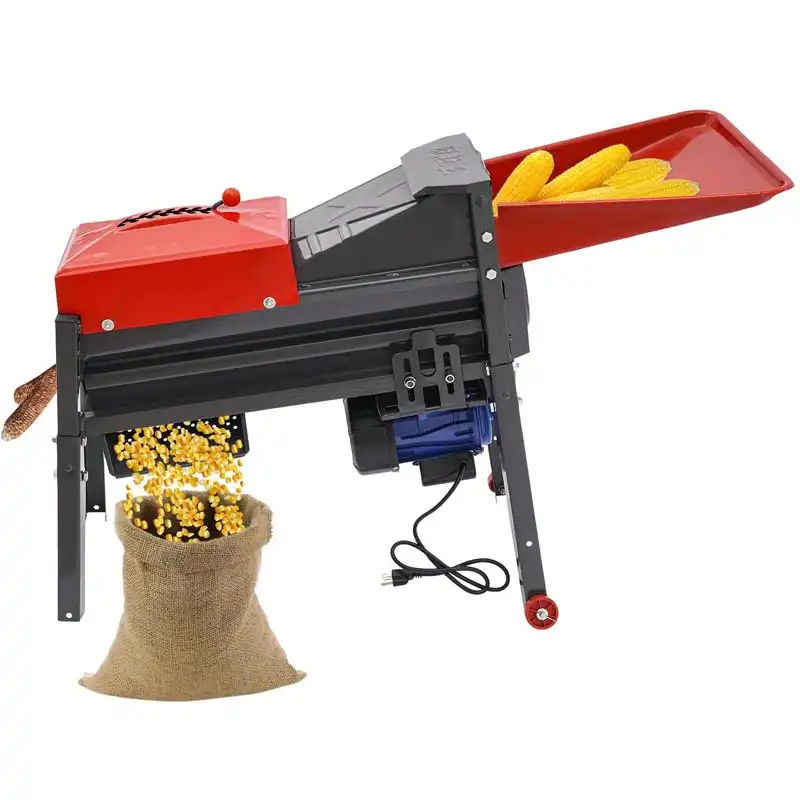
The DRRSBRP is a 480-watt electric thresher with the same strong 99% threshing rate. But it adds a leak-hole outlet that separates dust and chaff as kernels drop. Best for farms wanting cleaner grain with less winnowing afterward.
PROS
- Cleaner, self-separating outlet
- Bladeless kernel protection
- 13 gears, any size
- Two wheels for moving
CONS
- Dried corn only
- Heavy equipment
Specs that matter:
- 480W pure copper motor
- Double-spring auto adjustment
- IP44 protection rating
- Belt cover and curtain
That leak-hole design means less chaff in your bucket, which saves a cleanup step after every batch.
8. FFanhia Electric Corn Thresher Machine
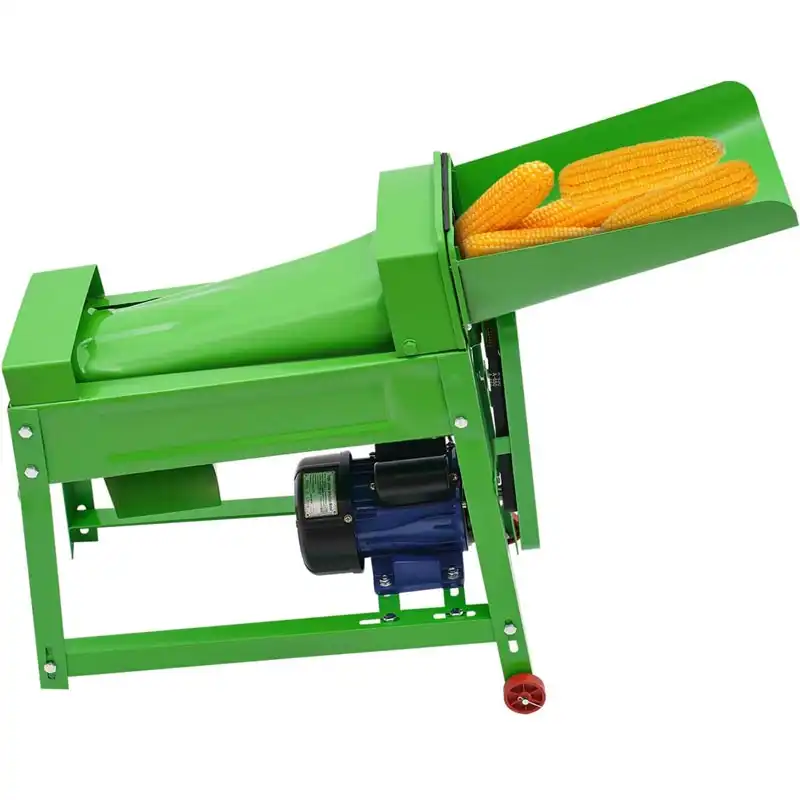
The FFanhia is a 480-watt electric thresher with motor overheat protection, so it holds up during long, continuous shelling. It runs the same bladeless system at up to 3,306 pounds per hour. Best for farms and ranches shelling big loads in one go.
PROS
- Motor overheat protection
- Wear-resistant belt system
- Bladeless, protects kernels
- Two wheels, portable
CONS
- Requires assembly
- Requires dry storage
Specs that matter:
- 0.48kW pure copper motor
- Steel with baking paint
- IP44 protection rating
- 14-inch feeding tank
The overheat cutoff is the standout. It lets you run batch after batch without cooking the motor.
How to Choose the Best Corn Sheller
The right corn sheller comes down to how much corn you shell and how long it needs to last. Work through these in order.
Hand-crank or electric first. This is the big fork. A hand crank suits a few dozen to a few hundred ears a season and costs the least. An electric thresher earns its keep once you shell hundreds of pounds for a flock or a market stand. Volume decides this, not price.
Match the throughput. Rated in pounds or bushels per hour, throughput sets how long you stand at the machine. To size it, figure out pounds of corn in a bushel and how much a single ear weighs. Then plan against your pile.
Check the build. Ductile iron and steel gears outlast cheap pot metal by years. Look for sealed ball bearings, a heavy flywheel on hand cranks, and a frame solid enough to bolt down.
Confirm the corn type. Every sheller needs dry corn near 13 to 15 percent moisture content. Sweet corn will not shell; it needs a cutter. Feed corn, dent, and flint all shell clean once cured.
Mind mounting and weight. Hand cranks clamp to a bench, bolt through drilled holes, or sit on a box that catches kernels. Electric units stand on the floor, so check the weight and whether they roll on wheels.
Look at adjustability and safety. A spring-tension plate or adjustable gears handle fat and skinny ears without fuss. On electric machines, a belt guard, an anti-bounce curtain, and motor overheat protection keep the job safe.
Watch the cob ejection. A good sheller throws the bare cob out the side so it never mixes with your grain. A tidy corn sheller for home use keeps kernels clean with no extra sorting.
Getting Clean Kernels: Drying, Shelling, and Cleanup
Clean kernels start with dry corn, so cure your ears 1 to 3 months before you shell. Corn needs to hit low moisture, around 13 to 15 percent, or it molds and gums up the sheller. Dry ears get cribbed in a ventilated spot until they dent hard and pop off with a thumbnail. That is the short version of drying corn on the cob done right.
Shucking is not shelling, and folks confuse them. Shucking pulls the husk off the ear. Shelling strips the kernels off the cob. You shuck first, then shell.
After shelling, husk and silk bits stay in, called chaff. Winnowing clears it. Pour kernels between two buckets in a breeze, or run a box fan. The light chaff blows off while heavy kernels drop straight down. Then use it all. Cobs make fire-starter or bedding, and clean kernels grind into cornmeal, grits, or livestock feed.
FAQs on Corn Sellers
What's the difference between shelling and shucking corn?
Can you shell fresh sweet corn with a corn sheller?
How dry does corn need to be before shelling?
How many bushels per hour can a hand-crank corn sheller do?
Are electric corn shellers worth it over hand-crank?
Can a corn sheller also hull walnuts?
Bottom Lines
Here is how it shows up after years of shelling. A hand crank like the Maximizer handles small batches in an afternoon, while an electric thresher pays off once you are feeding a flock. It really comes down to one thing: throughput that matches your harvest. The best corn sheller is simply the one sized to the pile you shell each fall.