Are Green Onions Perennial? What Comes Back and What Doesn’t
Green onions confuse a lot of growers on this one point. Some patches come back every spring. Others quit after a single season. So are green onions perennial? The honest answer depends on which plant you actually have in the ground.
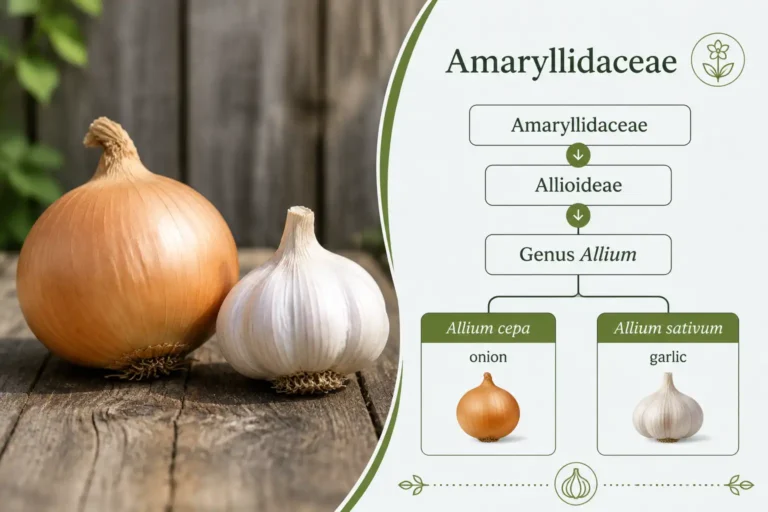
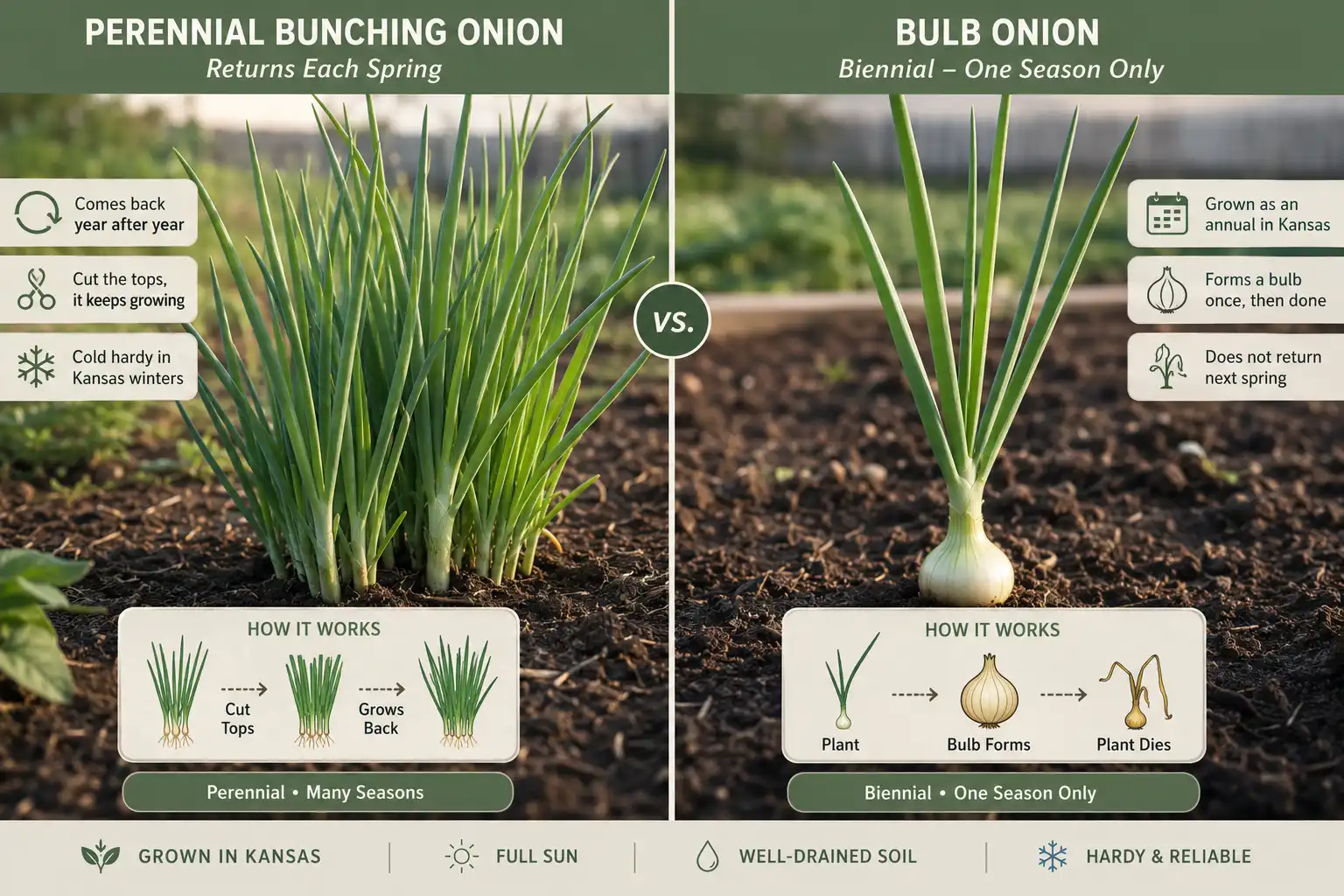
Green onions are perennial only when they are true bunching onions (Allium fistulosum), which regrow for years. Store-bought green onions are usually young bulb onions (Allium cepa), a biennial that lasts one season.
Are Green Onions Perennial or Annual?
It depends on the type of onion behind that green stalk. True bunching onions are perennial. They live for years and return each spring on their own. Young bulb onions sold as green onions are not. Those run as a biennial, so they grow one season, then flower and finish the next.
Two very different plants share the same green onion label. That single fact explains most of the confusion.
Bunching Onions Are the True Perennial
Bunching onions never form a round bulb. Botanists call this plant Allium fistulosum, and you might see it sold as Welsh onion or Japanese bunching onion. It grows in a tidy clump of hollow green stalks. Cut a few, and the clump keeps pushing new ones. Left in place, that clump comes back year after year and slowly widens. Most sources list it as hardy from about USDA zone 5 through 9. Tough varieties survive even colder ground with a winter mulch.
Store-Bought Green Onions Are Usually Biennial
The green onions in most grocery coolers are young Allium cepa, the same species as your storage onions. Growers plant them thick and pull them early, well before a bulb forms. That plant runs on a two-year clock. In year one it makes leaves. In year two it sends up a flower stalk and sets seed. So it never behaves like a true perennial, even after a mild winter.
How to Tell If Your Green Onions Will Come Back
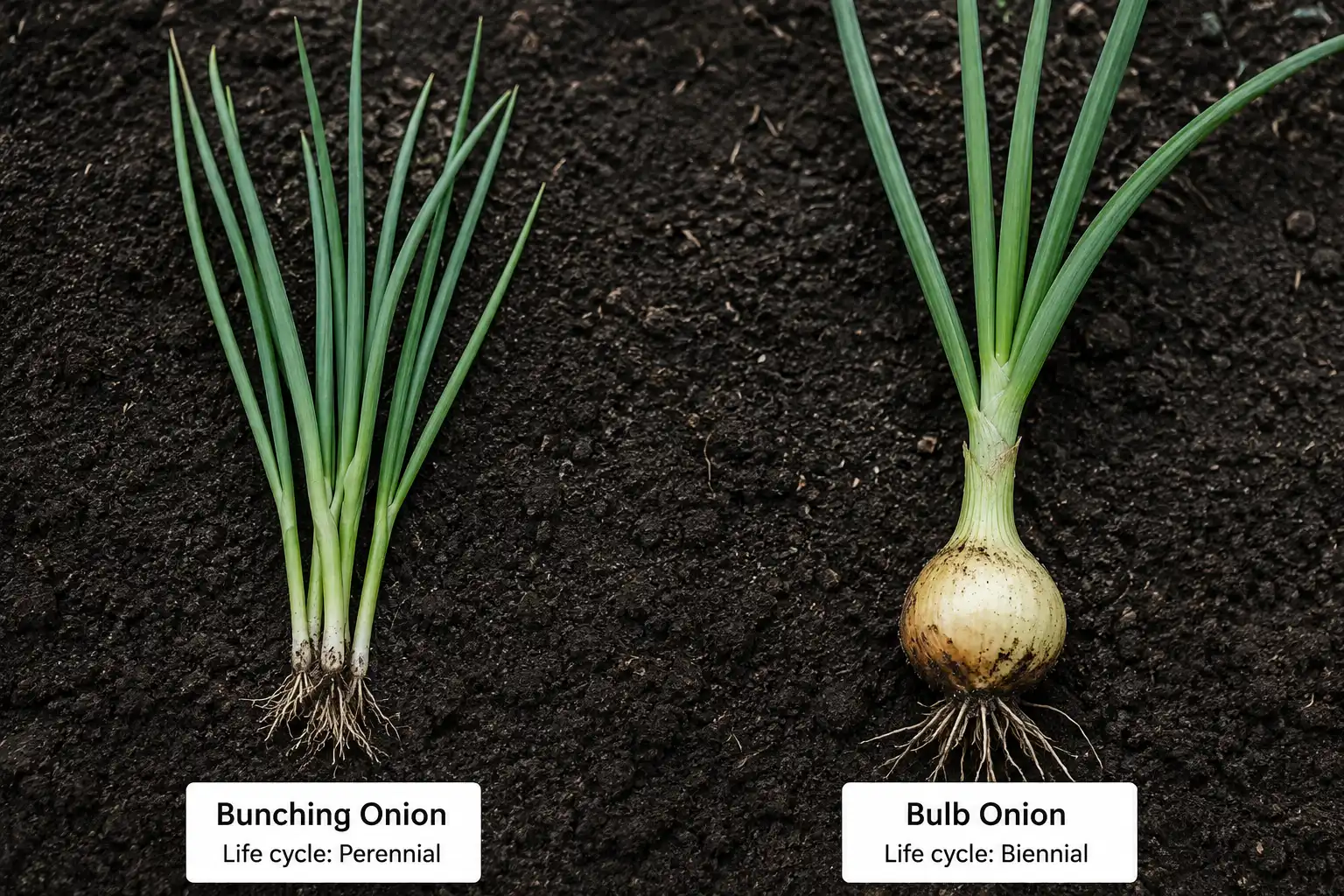
Look at the base of the plant. A true bunching onion stays slender at the bottom and grows in a clump, with no swelling bulb. A bulb onion thickens into a round base as it matures. Hollow, blue-green leaves and a clumping habit point to Allium fistulosum, the perennial one. A single stalk that fattens into a bulb points to Allium cepa.
Seed packets tell you plenty too. Labels that read bunching, Welsh, or evergreen almost always mean the perennial type. If you started your onions from seed, check what you actually sowed before you count on a comeback.
Do Green Onions Survive Winter in Kansas?
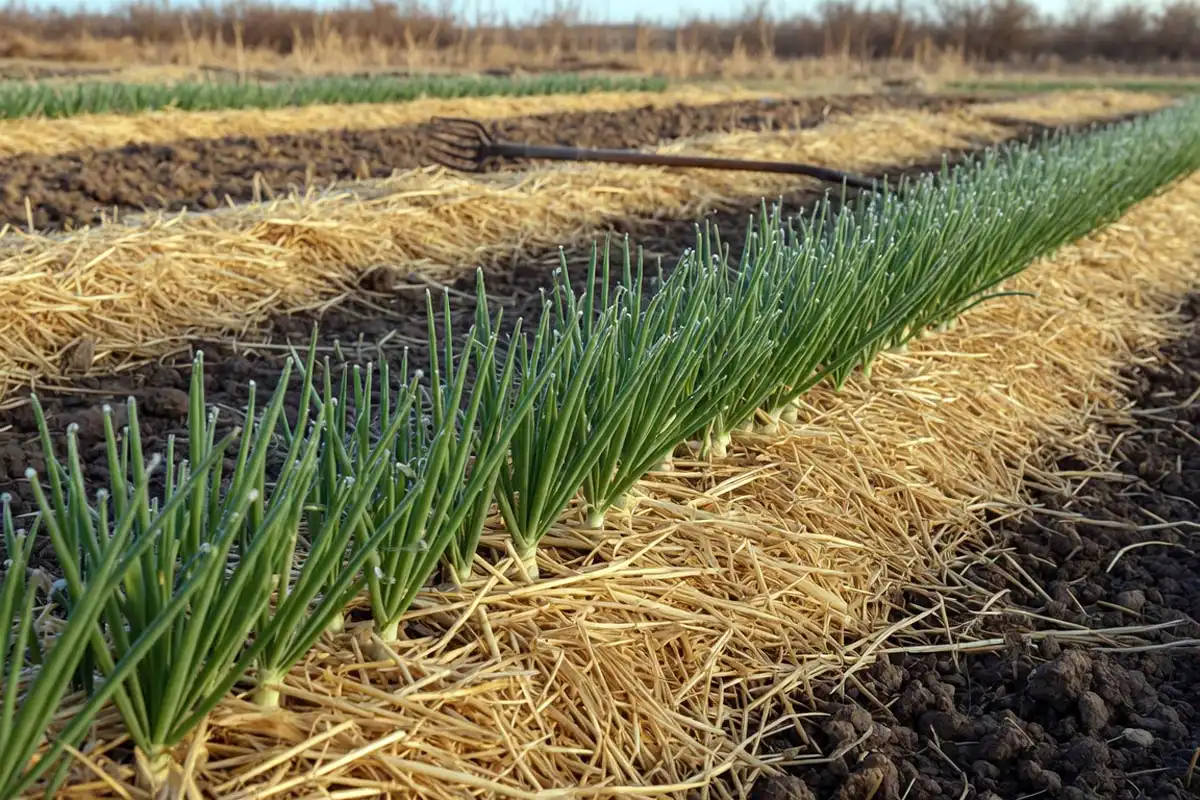
Bunching onions handle a Kansas winter without much fuss. Perennial patch dies back after hard freezes, then pushes fresh green in early spring. The roots hold underground while the tops go dormant. A few inches of straw over the row helps the crown ride out a cold snap. Young bulb onions can overwinter here as well, but they treat spring as year two. They bolt and flower instead of giving you tender stalks.
That difference matters if you want a steady supply. For a perennial clump, cold is just a rest. For a biennial, cold triggers the seed cycle. If you like a jump on spring, putting onions in the ground in fall works well for hardy bunching types. Growers across the northern Great Plains push them even further with a heavier mulch and a bit of row cover.
Can You Regrow Green Onions From Kitchen Scraps?
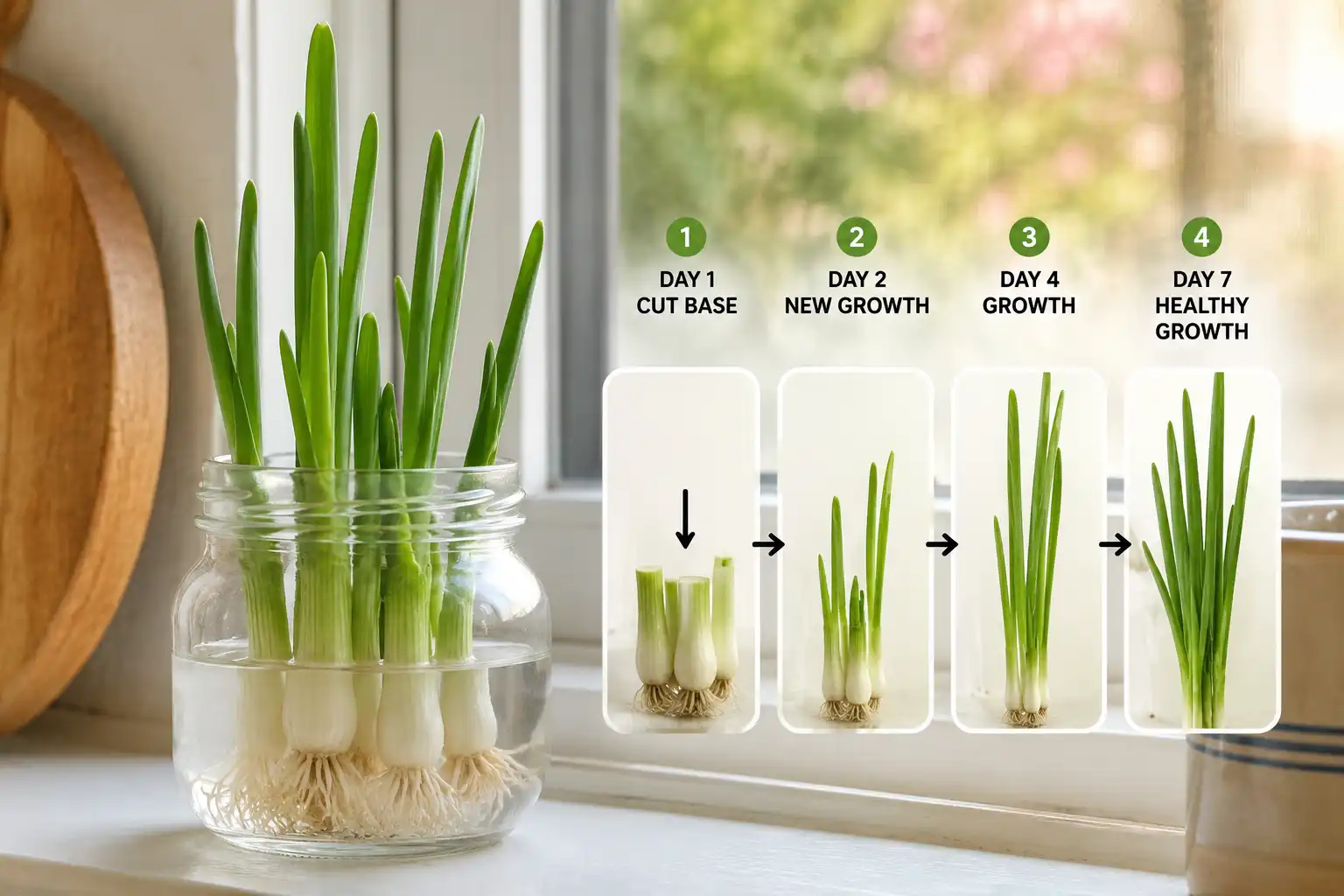
Yes. Save the white root ends after you cut off the green tops, then set them in water or plant them in soil. New green shoots appear within days. This trick works with the young bulb onions from the store, and it is a quick way to stretch a bunch.
Regrowing is not the same as perennial, though. Those store scraps are Allium cepa. They give a couple of cuttings, then run out of steam or bolt as the days warm. For growth that truly lasts, plant a real bunching onion in the ground. You can also move onion starts from a crowded tray into a permanent bed once they root.
Why Green Onions Bolt and Flower
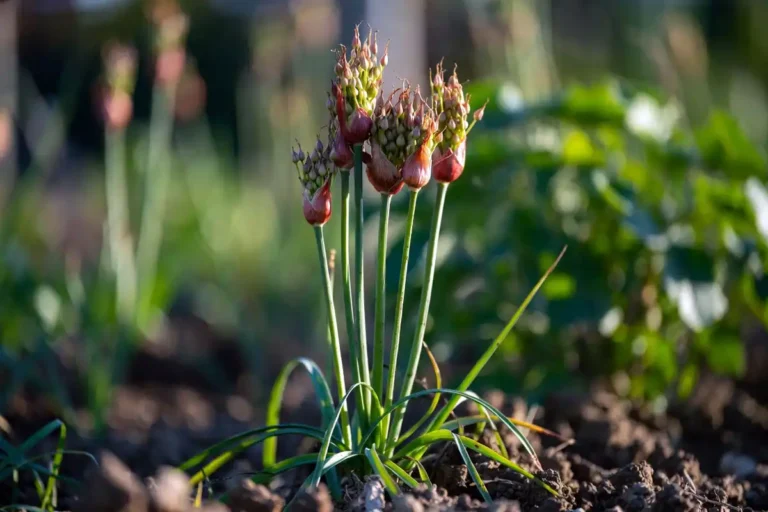
Flowering is the plant’s way of making seed, and it shows up on a schedule. A biennial bulb onion bolts in its second spring. A perennial bunching onion also flowers, usually in late spring, sending up a round white bloom on a hollow stalk. Bees love those flowers, and every part stays edible.
Once a stalk flowers, the leaves on it turn tough. Flower stalks can be snipped off perennial clumps to encourage tender greens. Leave a few to bloom for the pollinators. If you want free plants, let some flowers ripen and dry. Collecting seed from onions is simple once the heads brown and rattle.
How to Grow Green Onions That Return Every Season
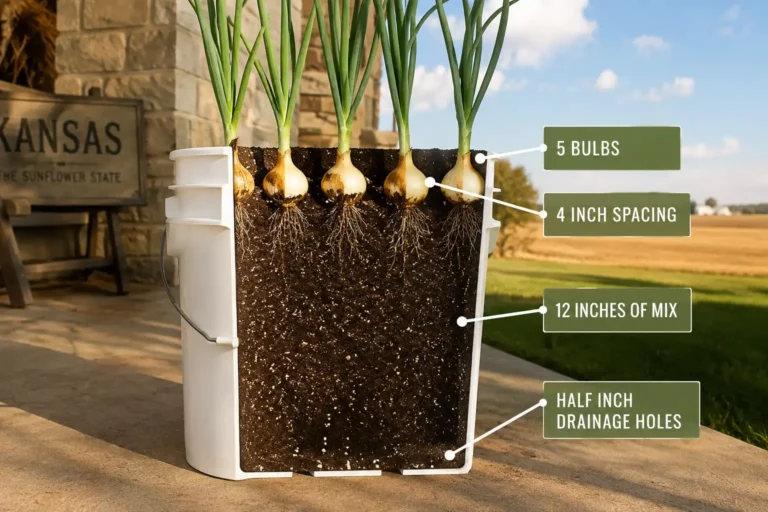
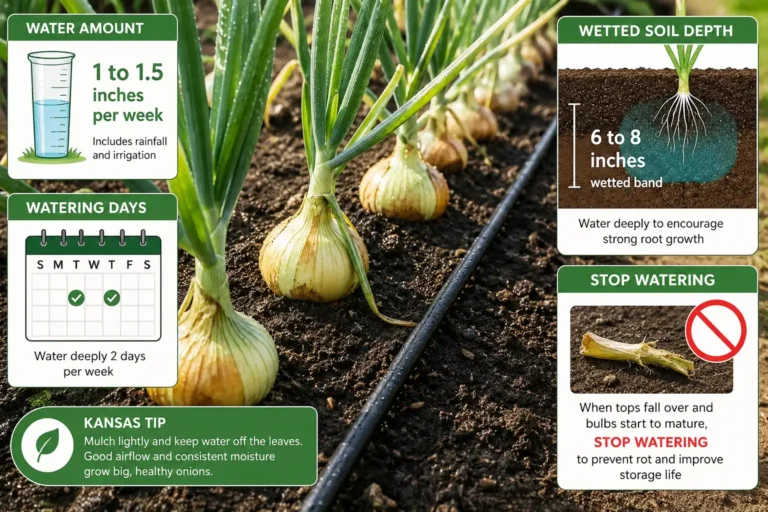
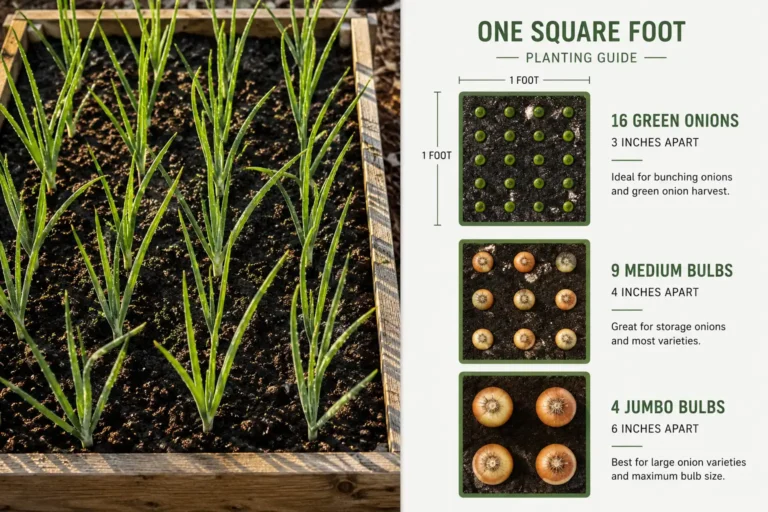
Plant Allium fistulosum, not a bulb variety, if you want a patch that comes back. Good perennial picks include Evergreen Hardy White, Ishikura, and Red Beard. Start seed indoors about six weeks before your last frost, or sow direct once the soil warms. Space plants two to three inches apart in rich, well-drained ground. Keep the bed moist, because these onions have shallow roots and dislike drying out.
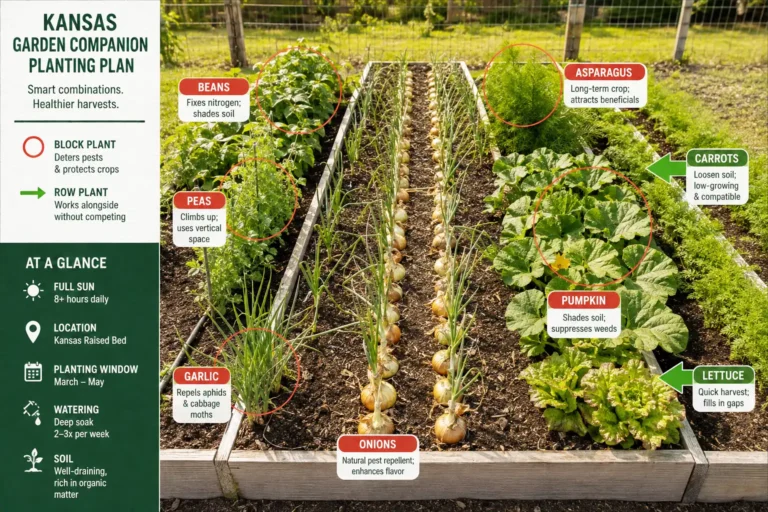
After a year or two, the clump gets crowded. Then dig it up, split it into smaller bunches, and replant them to keep the vigor high. That single division habit is what turns one plant into a lifelong supply. Other perennial alliums fit the same corner of the garden. Planting walking onions or chives alongside them stretches your fresh-onion season even longer.
Bottom Lines
The label green onion hides two plants, so the perennial question always comes back to which one you planted. Bunching onions return every spring like clockwork, while any bulb onion pulled for greens is a one-season crop. If you want onions that show up on their own each year, plant a true bunching type. Divide it every couple of seasons. That is the patch that keeps feeding you.