How to Grow Peanuts in Texas: 7 Proven Steps for Big Yields
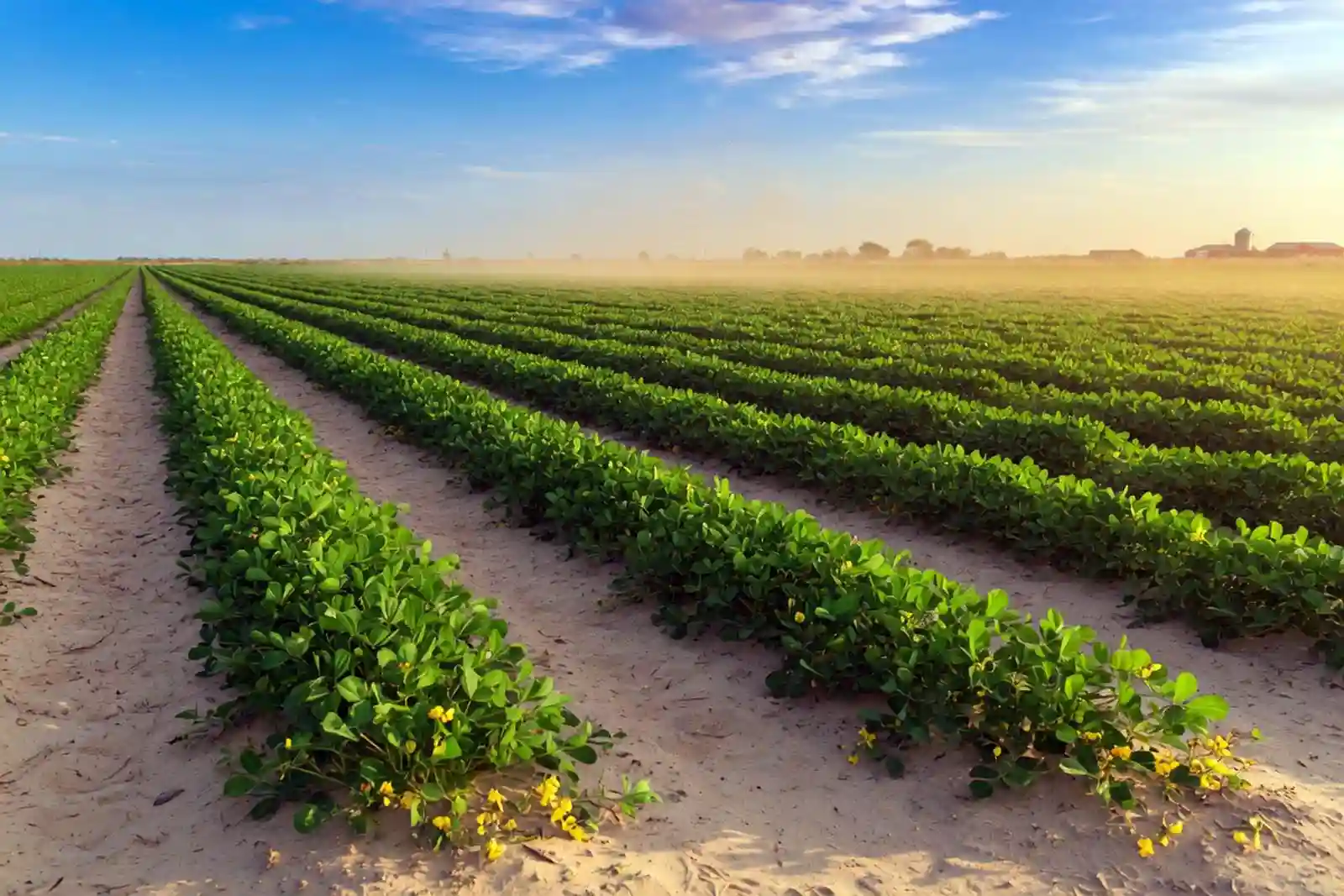
Texas grows peanuts well in sandy, well-drained soils with full sun and warm 130-day seasons. I plant after the last frost, usually late April to mid-May, in rows 30 to 36 inches apart. This guide covers timing, soil prep, planting, care, and harvest for Texas growers.
To grow peanuts in Texas, plant Runner or Spanish varieties in sandy loam soil with pH 5.8 to 6.2 from late April through May. Space seeds 2 to 4 inches apart in rows 30 to 36 inches wide. Harvest 130 to 150 days after planting, typically September to October.
I’ve worked peanuts on sandy ground for years, and Texas conditions reward the same fundamentals: warm soil, loose sand, and patience through pegging. For region-by-region notes, growing peanuts at home gives a solid baseline you can scale up.
Contents
What Are Peanuts?
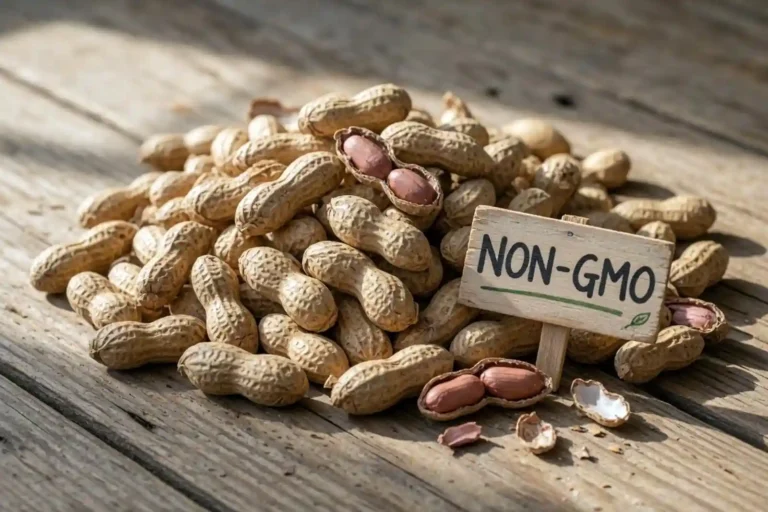
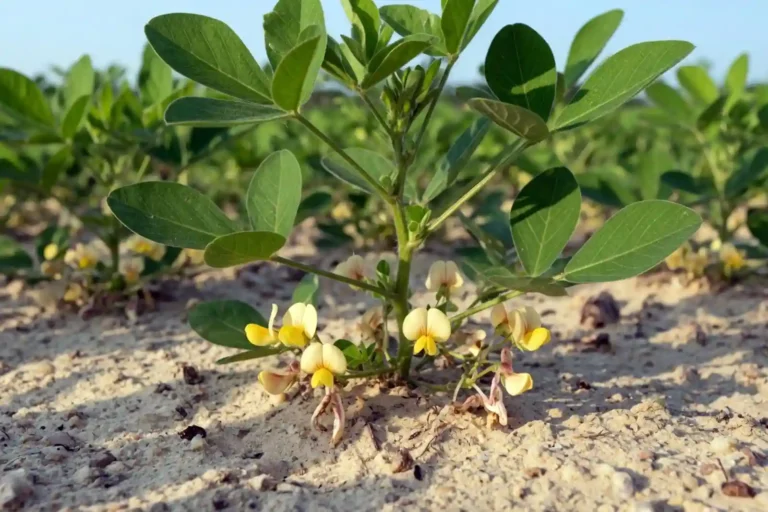
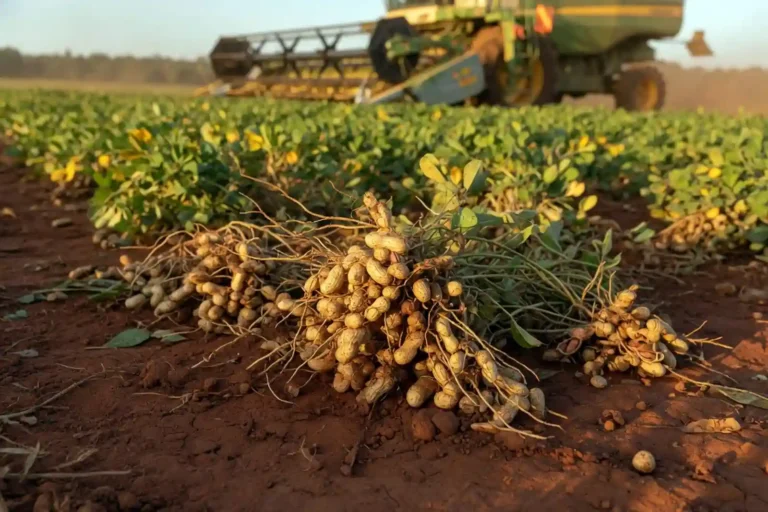
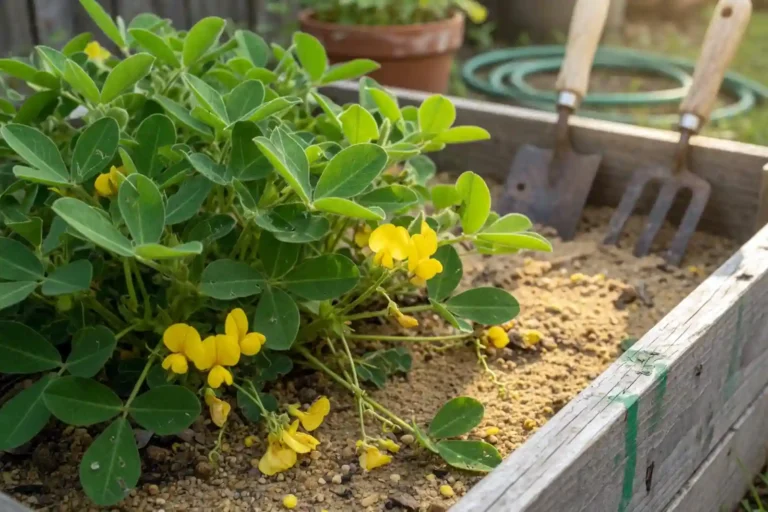
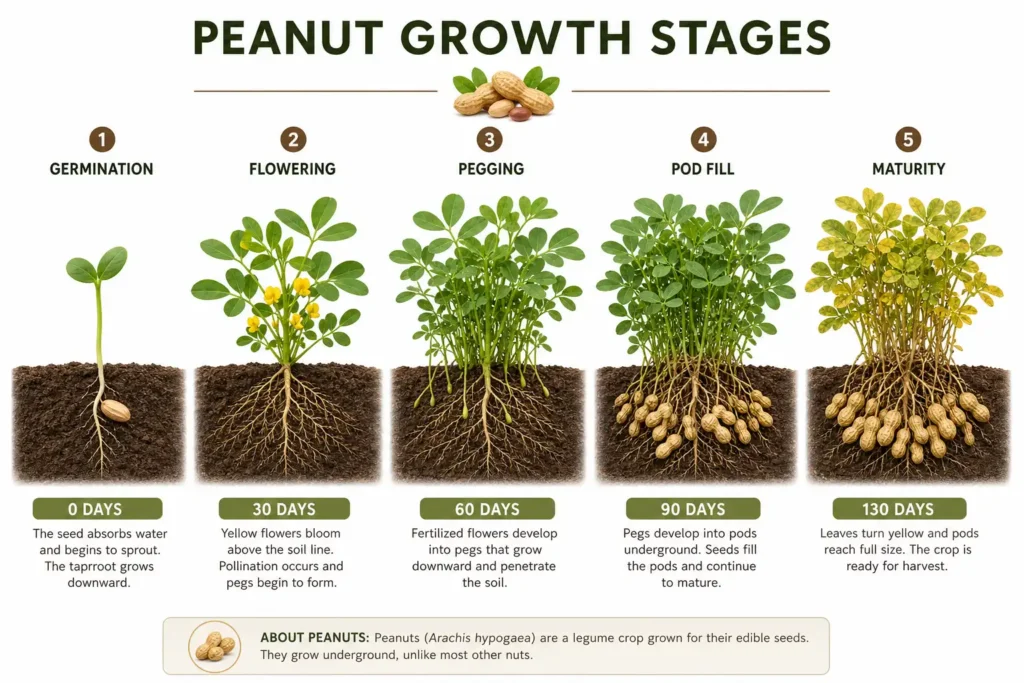
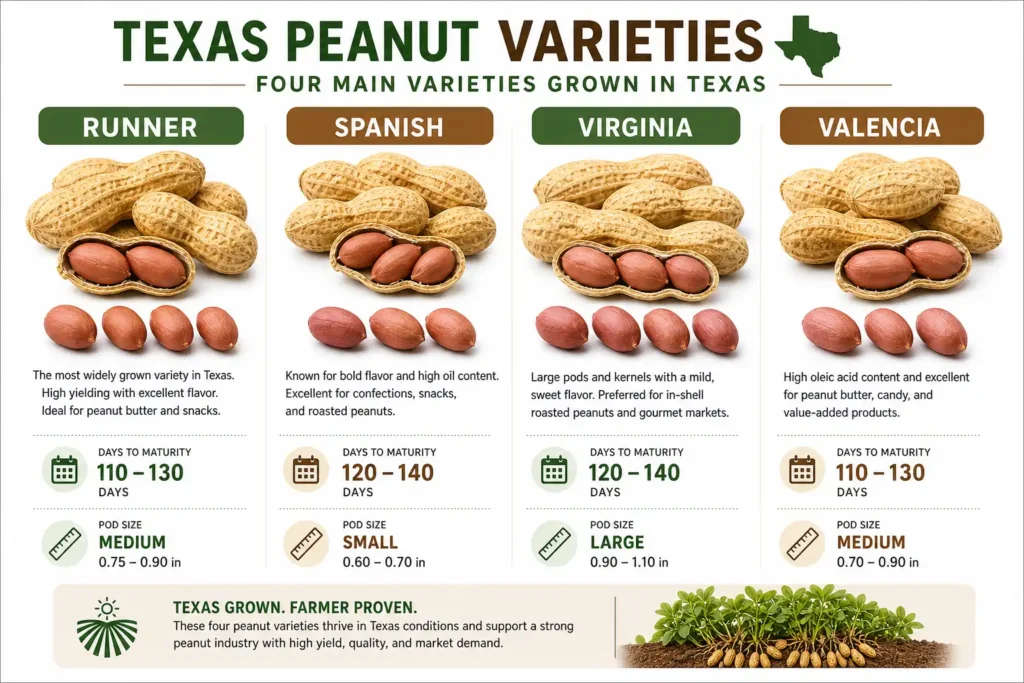
Peanuts are legumes, not nuts. The plant flowers above ground, then pegs push the developing pods into the soil where they mature. Texas farmers grow four main types: Runner, Spanish, Virginia, and Valencia. Runner peanuts dominate Texas acreage because they yield well and suit candy and butter markets. If you’re wondering whether peanuts grow on a bush, the plants stand 12 to 18 inches tall with a low, spreading habit.
When to Plant Peanuts in Texas
I plant peanuts when soil temperature at 4 inches reaches 65°F for three days straight. In South Texas, that window opens late March to mid-April. The High Plains around Lubbock and Plainview plant from late April through mid-May. Central Texas growers fall in between, usually early May.
Plant too early and seed rots in cold ground. Plant too late and frost catches the crop before pods mature. According to Texas A&M AgriLife Extension, Texas peanut production needs roughly 140 frost-free days for full pod development.
Where Peanuts Grow Best in Texas
Three regions produce most of the state’s crop:
- South Texas (Atascosa, Frio, Wilson counties): sandy soils, long season, mostly irrigated
- West Texas High Plains (Gaines, Terry, Yoakum counties): largest acreage, deep sandy soils, center-pivot irrigation
- Central Texas (Comanche, Erath counties): smaller acreage, mixed dryland and irrigated
Peanuts need sandy or sandy loam soil. Heavy clay traps pegs and rots pods. If you’re not sure what you’ve got, running a soil test before planting tells you texture, pH, and nutrient status.
How to Grow Peanuts in Texas (Step by Step)
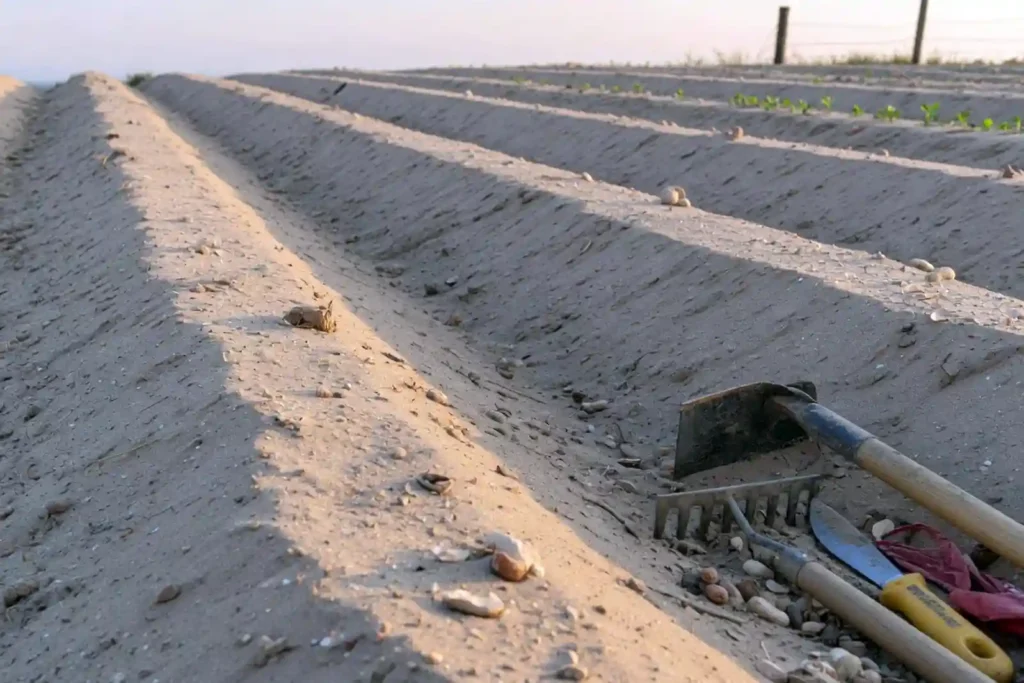
Step 1: Prepare the Soil
Work the field 6 to 8 inches deep. Aim for pH 5.8 to 6.2. Add gypsum (land plaster) at 500 to 1,000 pounds per acre at early bloom. Calcium feeds pod fill and prevents pops (empty shells).
Step 2: Choose the Right Variety
Runner types like Georgia-09B and Tamrun OL11 fit most Texas fields. Spanish types mature faster (around 120 days) and suit drier areas. Virginia types produce larger pods for in-shell markets.
Step 3: Plant the Seed
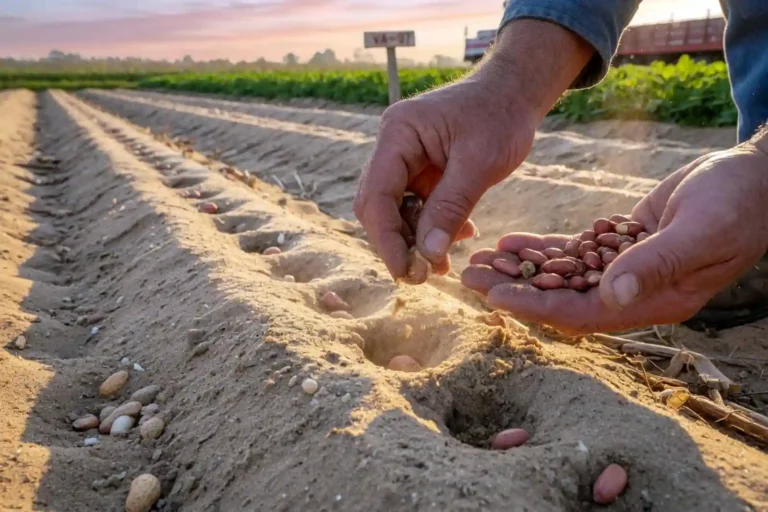
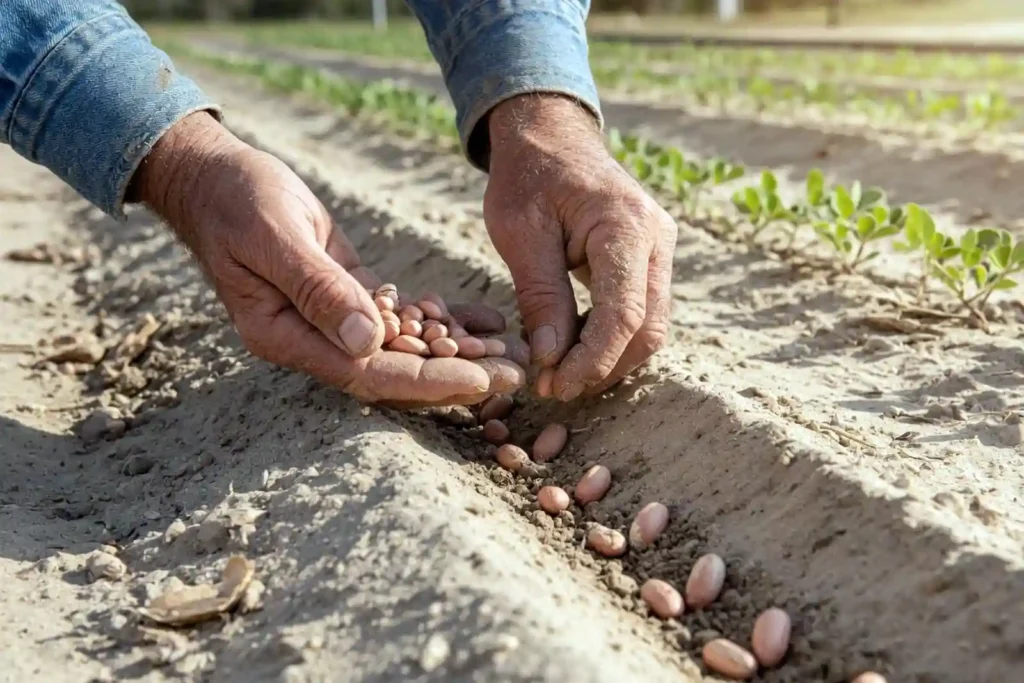
Plant 2 inches deep in moist soil. Space seeds 2 to 4 inches apart in rows 30 to 36 inches wide. Use 80 to 100 pounds of seed per acre for Runners, more for Virginia types.
Inoculate seed with peanut-specific Bradyrhizobium bacteria. The bacteria fix nitrogen and cut fertilizer cost.
Step 4: Manage Water
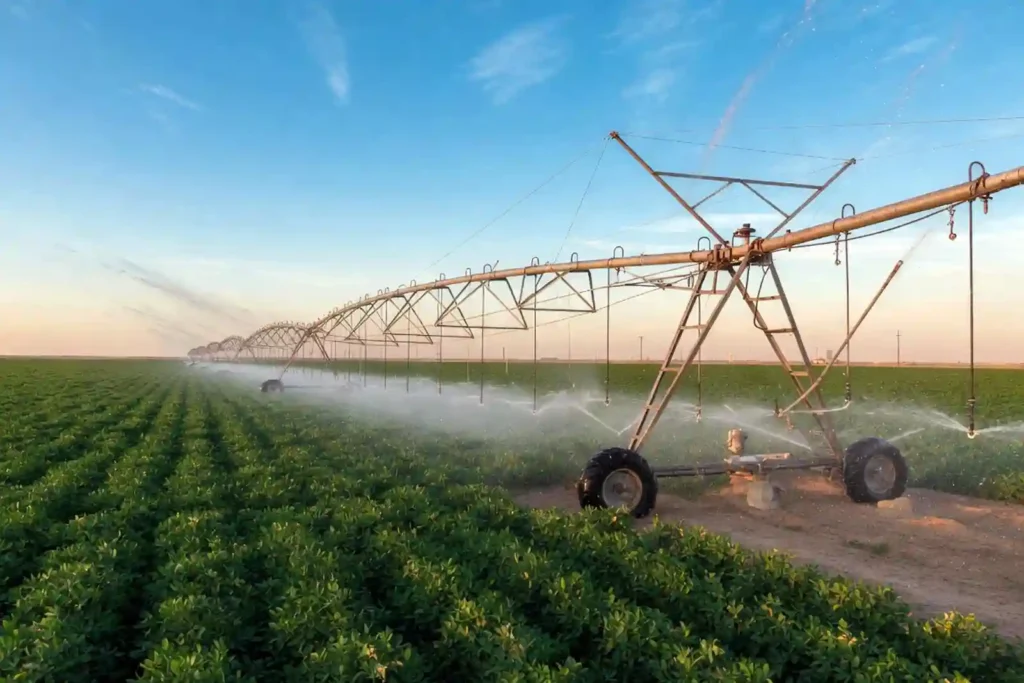
Peanuts need 20 to 24 inches of water across the season. Critical periods are pegging (45 to 60 days after planting) and pod fill (75 to 110 days). I apply 1 to 1.5 inches per week during these windows. Calculating water needs by growth stage saves both yield and pumping cost.
Step 5: Control Weeds and Pests
Pre-emergent herbicides keep early weeds down. Cultivate shallow before bloom, never after, since deep tillage cuts pegs. Watch for thrips early and southern blight in humid stretches.
Step 6: Harvest
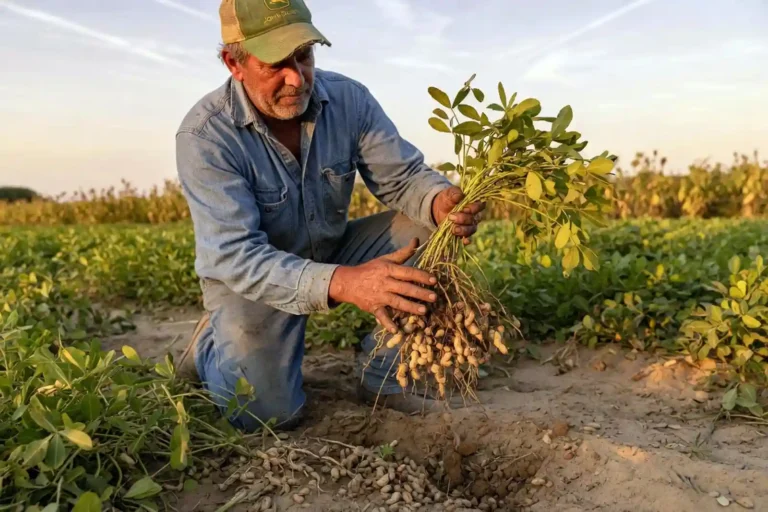
Dig peanuts when 70 to 75% of pods have dark veining inside the shell. I run a digger blade 4 to 6 inches deep, invert the vines, and let them dry in the windrow for 3 to 5 days. Combine when kernel moisture drops to 18 to 24%, then dry to 10% for storage.
Common Problems and Fixes
Pops (empty pods): Caused by calcium shortage. Apply gypsum at bloom.
Tomato Spotted Wilt Virus: Use resistant varieties and control thrips early.
White mold (southern blight): Rotate with grass crops and avoid deep cultivation.
Pod loss at digging: Check soil moisture. Dig when soil holds together but isn’t muddy.
Mistakes to Avoid
Planting in cold soil kills germination. Skipping inoculant cuts yield 15 to 20%. Continuous peanuts on the same field build disease pressure fast. Building a crop rotation plan with corn, sorghum, or cotton breaks the cycle.
Don’t dig too early or too late. Early digging leaves immature kernels behind. Late digging drops mature pods in the soil at lifting.
Safety Notes
Peanut dust during harvest carries aflatoxin risk. Wear an N95 respirator when handling dry vines or running a combine. The USDA’s National Agricultural Statistics Service publishes Texas peanut data and aflatoxin advisories by region; check before marketing.
Store harvested peanuts at 10% moisture or below in dry, ventilated bins. Wet peanuts mold within 48 hours and lose grade fast.
FAQs on Grow Peanuts in Texas

Can peanuts grow in North Texas?
How many peanuts does one plant produce?
Do peanuts need full sun?
What's the best peanut variety for Texas?
How long do peanuts take to grow in Texas?
Conclusion
Growing peanuts in Texas comes down to warm sandy soil, the right variety, calcium at bloom, and patient digging. Match your region to the right planting window, watch water during pegging and pod fill, and rotate fields to keep disease pressure low. Done right, you’ll pull 4,000 pounds an acre of clean Runners off Texas ground.