Best Landscape Fabric for Weed Control (2026 Buyer’s Guide)
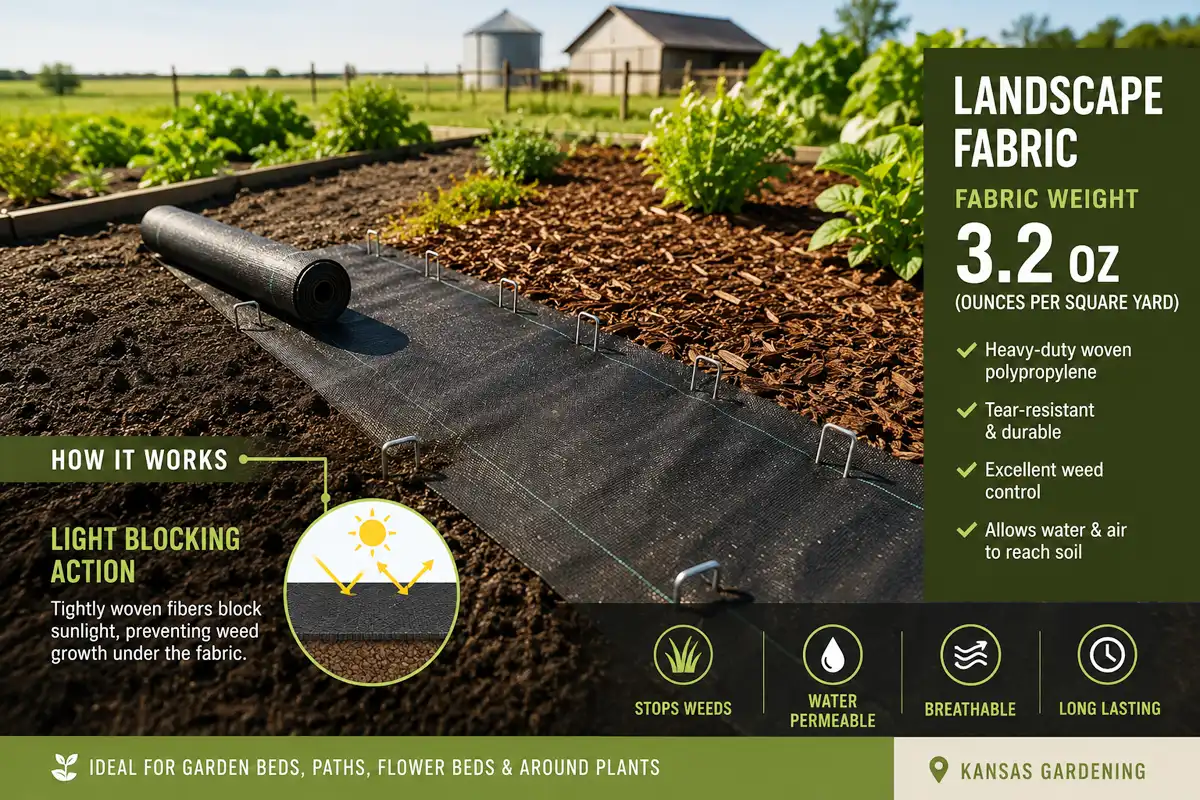
Weeds keep pushing through your beds, paths, and gravel because bare soil and sunlight let their seeds sprout. To shut that down, you need the best landscape fabric for weed control: a barrier that blocks their light.
The DeWitt Professional Max is the best landscape fabric for weed control overall. This 4.1oz woven barrier lasts up to 20 years. The ECOgardener 5oz mat is the runner-up for raised beds, and the DeWitt 12-Year fabric stops perennial weeds.
Quick Comparison: Best Landscape Fabric for Weed Control
| Product | Best for | Weight | Coverage | Lifespan |
|---|---|---|---|---|
| DeWitt Professional Max | Best overall | 4.1oz woven | 1,000 sq ft | Up to 20 yrs |
| ECOgardener Premium 5oz | Raised beds | 5oz two-layer | 750 sq ft | 7 to 10 yrs |
| DeWitt 12-Year | Tough perennials | 3-ply non-woven | 200 sq ft | 12 yrs |
| SNAIL 6ft 5oz | Value, big gardens | 5oz woven | 1,800 sq ft | Long-term |
| DeWitt Sunbelt 6ft | Greenhouses, rows | 3.2oz woven | 1,800 sq ft | 2 to 3 yrs |
| Petgrow Heavy-Duty | Budget pick | Non-woven | 400 sq ft | 5+ yrs |
| Super Geotextile 8oz | Drainage, gravel | 8oz non-woven | 300 sq ft | 50+ yrs buried |
What Weed Barrier Fabric Does (and Why It Helps)
Weed barrier fabric works as a physical light barrier. Weed seeds need sunlight to sprout, so a solid sheet over the soil stops most of them before they germinate. Block the light, and you block the weeds.
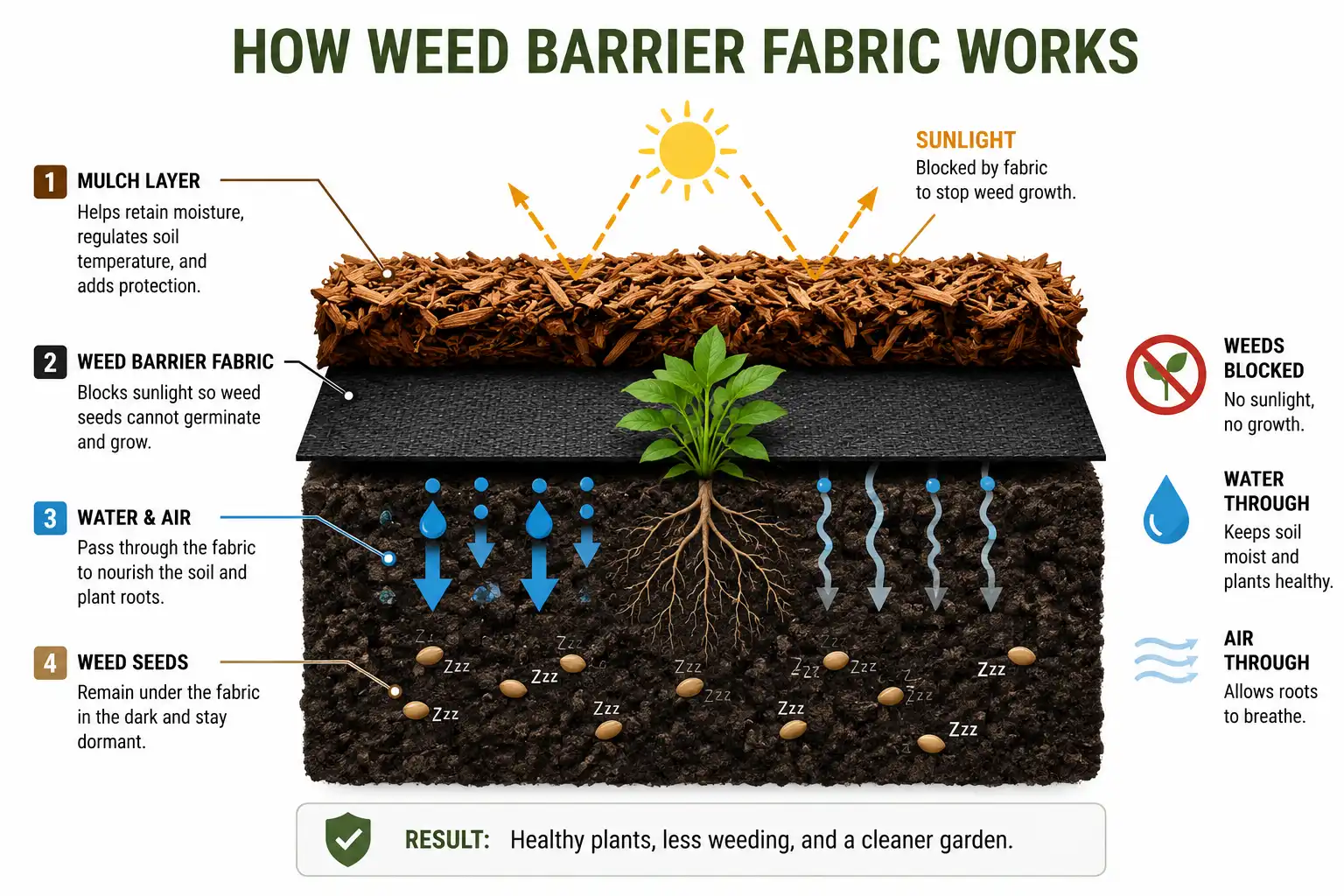
Beyond weed control, a good barrier earns its keep a few ways:
- It cuts your hand-weeding and spraying time.
- It holds soil moisture, so beds dry out slower.
- It separates soil from gravel or stone, which keeps paths clean.
- It slows erosion on slopes and open ground.
You get all of this without pouring on herbicide season after season. Fabric is not magic, though, and it suits some jobs far better than others. Used in the right spot, it saves real hours of stoop labor every year.
The 7 Best Landscape Fabrics for Weed Control: Reviewed and Ranked
Here are the seven weed blocker fabrics, and the job each one does best.
1. DeWitt Professional Max Weed Control Fabric
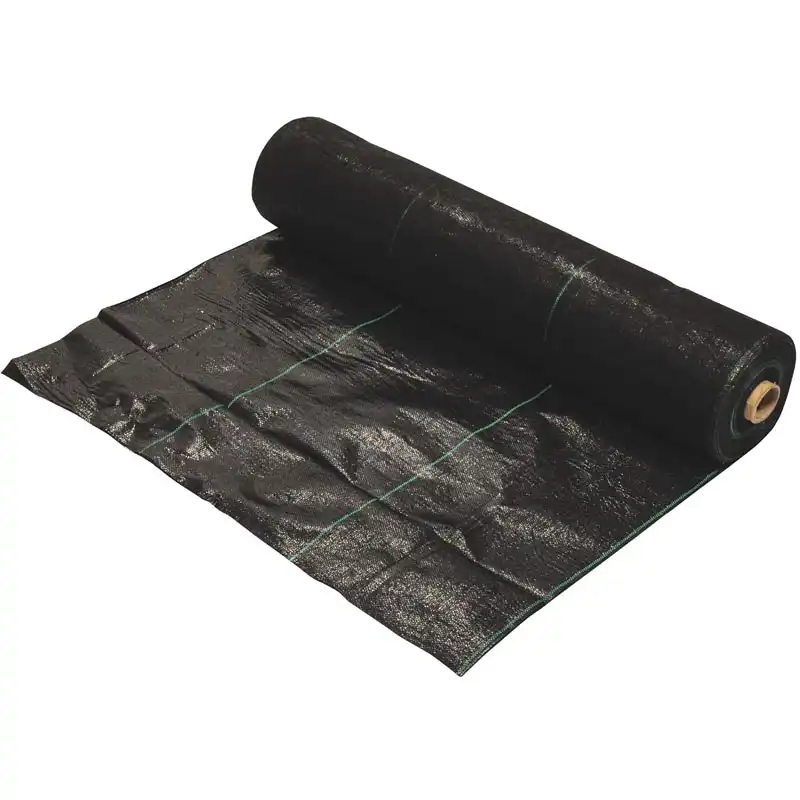
The DeWitt Professional Max is a commercial-grade woven polypropylene fabric from DeWitt, a trusted ground cover brand. At 4.1 ounces and needle-punched, it blocks weeds while letting water and air pass. It also works as a soil moisture retention fabric. Best for long-term beds, rows, and paths.
PROS
- Blocks weeds completely
- Resists tears and punctures
- Owners report 4-plus years
- Cheaper than big-box brands
CONS
- Staples sold separately
Specifications:
- 4.1oz woven polypropylene
- 4ft x 250ft (1,000 sq ft)
- UV-resistant, 20-year rating
- 12-inch alignment stripes
2. ECOgardener Premium 5oz Landscape Fabric
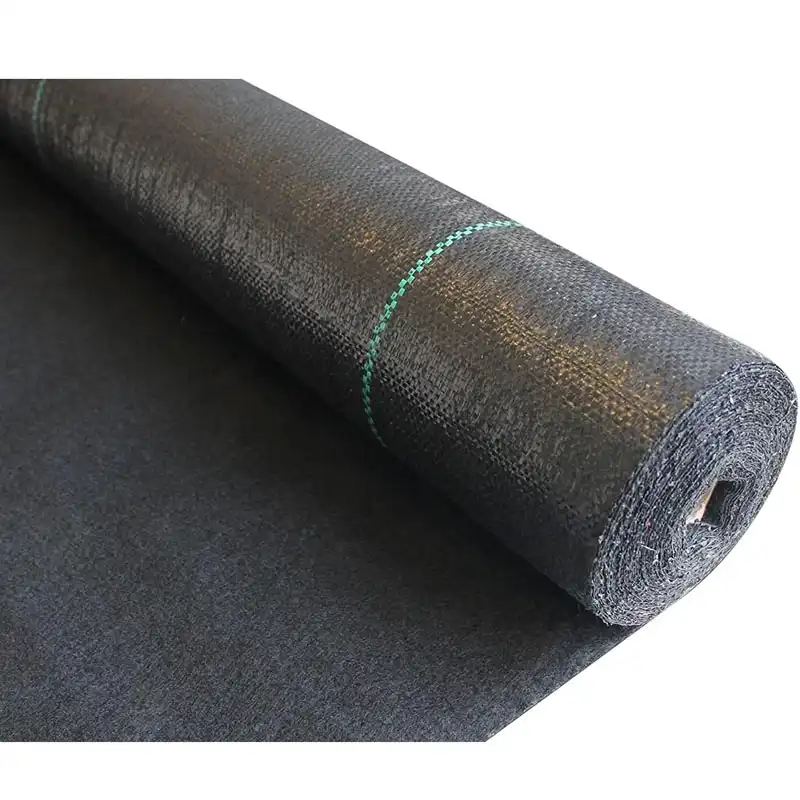
ECOgardener builds this 5oz two-layer barrier that blends woven and non-woven fabric. The felt backing grips the soil, so it barely slides. Plus, it does not shred in rough weather. It shines as a landscape fabric for raised beds and small in-ground plots.
PROS
- Thick 5oz build
- Grippy felt backing
- Owners report 7-plus years
- Easy to cut straight
CONS
- Short-term Investment (2-3 years)
Specifications:
- 5oz woven and non-woven
- 3ft x 250ft (750 sq ft)
- Gold stripes every 12 inches
- Permeable, chemical-free
3. DeWitt 12-Year Weed Barrier Fabric
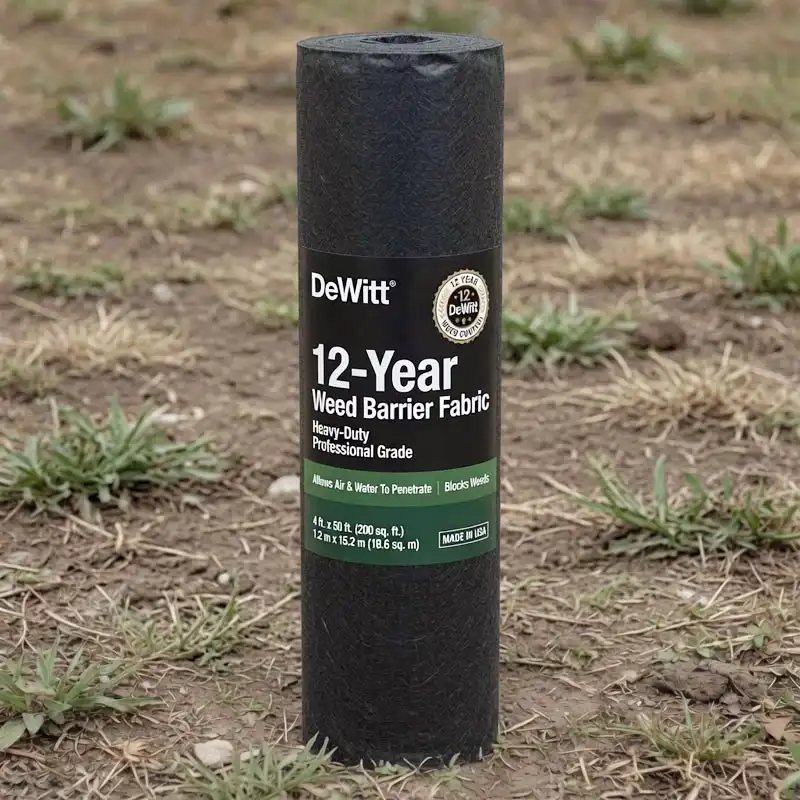
This DeWitt barrier uses a 3-ply non-woven, spun-bond build with a melt-blown core. The high carbon black content blocks more light, so it stops stubborn perennial weeds. A hydrophilic treatment lets water soak through. Best as a landscape fabric for flower beds with deep-rooted weeds.
PROS
- Superior light blocking
- Beats tough perennial weeds
- Owners rate 4.6 stars
- Cuts without fraying
CONS
- The fabric won't stop determined animals like armadillos, deer, or rabbits from digging or eating plants.
Specifications:
- 3-ply non-woven polypropylene
- 4ft x 50ft (200 sq ft)
- UV-treated, 12-year life
- Hydrophilic, chemical-free
4. SNAIL 6ft 5oz Weed Barrier Landscape Fabric
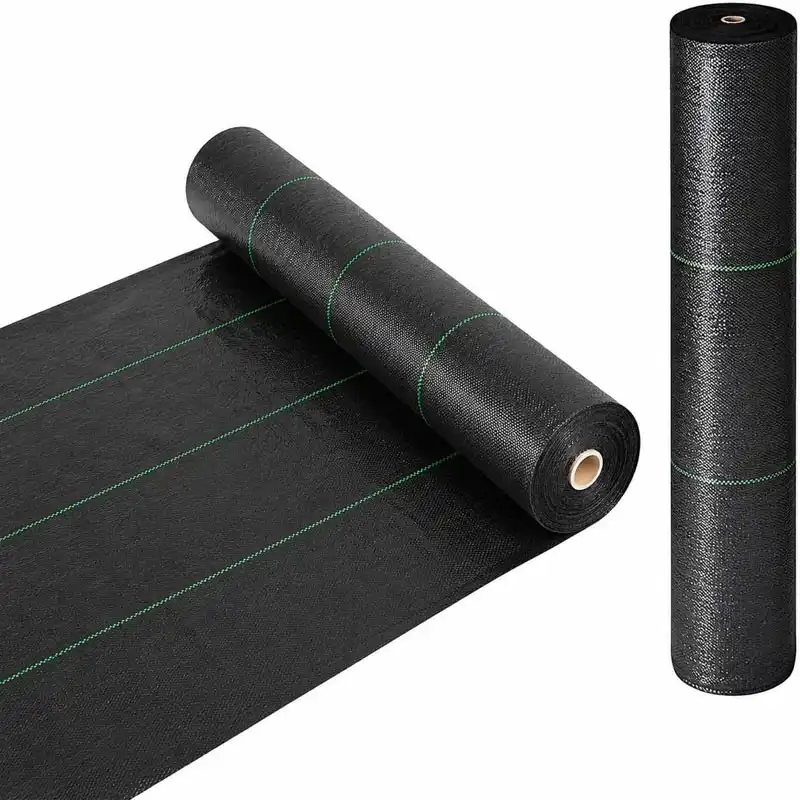
SNAIL makes a heavy 142 GSM woven polypropylene fabric, which equals 5 ounces per square yard. The 6-foot by 300-foot roll covers 1,800 square feet. It is 100% recyclable and UV-stabilized. Best for large gardens, driveways, and gravel areas on a budget.
PROS
- Big 1,800 sq ft roll
- 86% say weeds blocked
- Cuts cleanly with scissors
- Fully recyclable polypropylene
CONS
- Minor pooling if overwatered
Specifications:
- 5oz (142 GSM) woven
- 6ft x 300ft (1,800 sq ft)
- Weather-proof, UV-stabilized
- Green stripes every 12 inches
5. DeWitt Sunbelt 6ft Weed Barrier Fabric
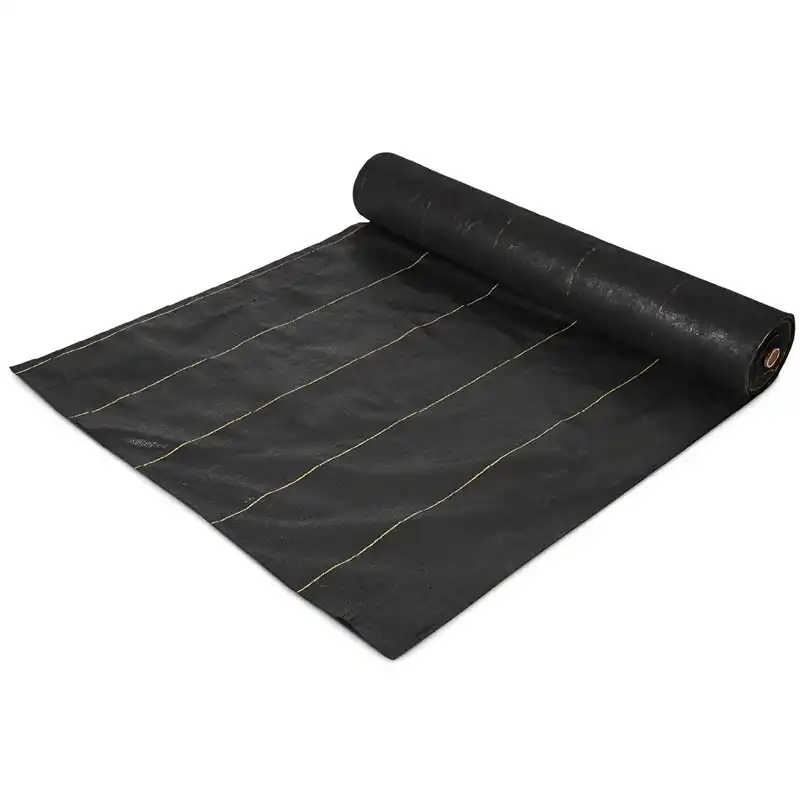
The DeWitt Sunbelt is a 3.2oz woven ground cover in a big 6-foot by 300-foot roll. One roll covers 1,800 square feet, so it suits large jobs. It resists sun damage in open, uncovered spots. Best for greenhouse floors, orchards, and long rows.
PROS
- Covers 1,800 square feet
- Handles foot traffic well
- Owners report years of use
- No herbicides required
CONS
- While it prevents squirrels from digging, it won't stop determined gophers, rabbits, or other burrowing animals.
Specifications:
- 3.2oz woven polypropylene
- 6ft x 300ft (1,800 sq ft)
- UV-stabilized, tear-resistant
- Gold stripes every 12 inches
6. Petgrow Heavy Duty Weed Barrier Landscape Fabric
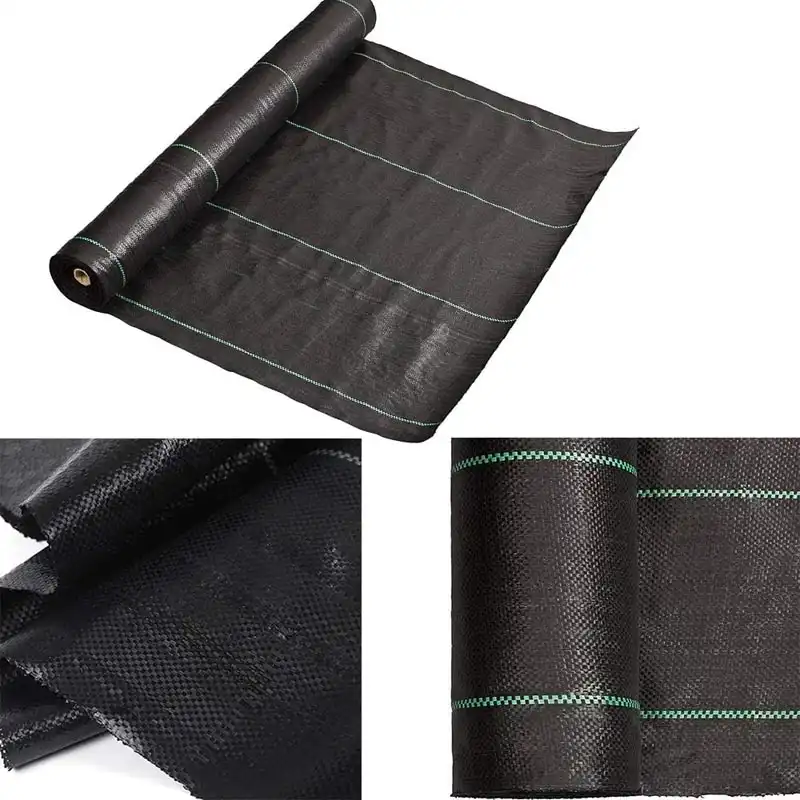
Petgrow offers a low-cost weed prevention barrier in needle-punched, non-woven polypropylene. The black fabric blocks about 80% of weeds when you anchor it well. You can rinse it and reuse it. Best for budget garden rows and beds where you want to try fabric first.
PROS
- Lowest price here
- 87% call it heavy-duty
- Rinse and reuse it
- Blocks most weeds
CONS
- The woven fabric frays and shreds significantly when cut with scissors.
Specifications:
- Non-woven needle-punched polypropylene
- 4ft x 100ft (400 sq ft)
- UV-stabilized, 5-plus years
- Reusable, chemical-free
7. Super Geotextile 8oz Non Woven Fabric for Landscaping
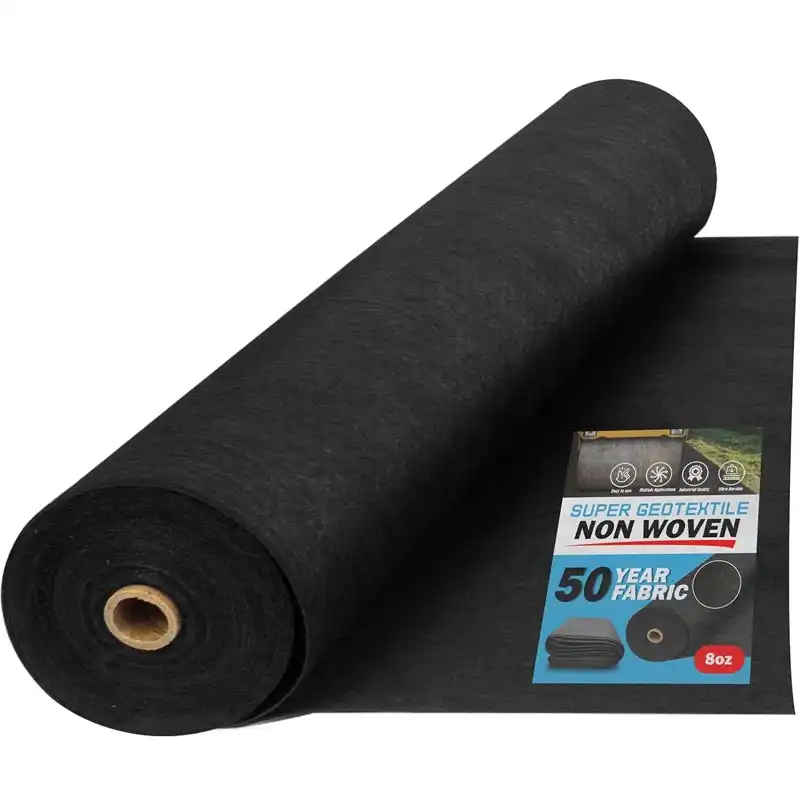
Super Geotextile is a heavy 8oz non-woven geotextile, built for drainage first. Water flows right through it, so it shines under gravel, driveways, and French drains. Buried, it can last 50-plus years. Use it for drainage and erosion control, not as your main weed stop.
PROS
- Highest water flow
- Owners praise the drainage
- Lasts 50-plus years buried
- Supports heavy boulders
CONS
- Very Difficult to Cut
Specifications:
- 8oz non-woven polypropylene
- 6ft x 50ft (300 sq ft)
- UV and rot resistant
- Weights: 4oz, 6oz, 8oz
Woven vs Non-Woven vs Spunbond Landscape Fabric
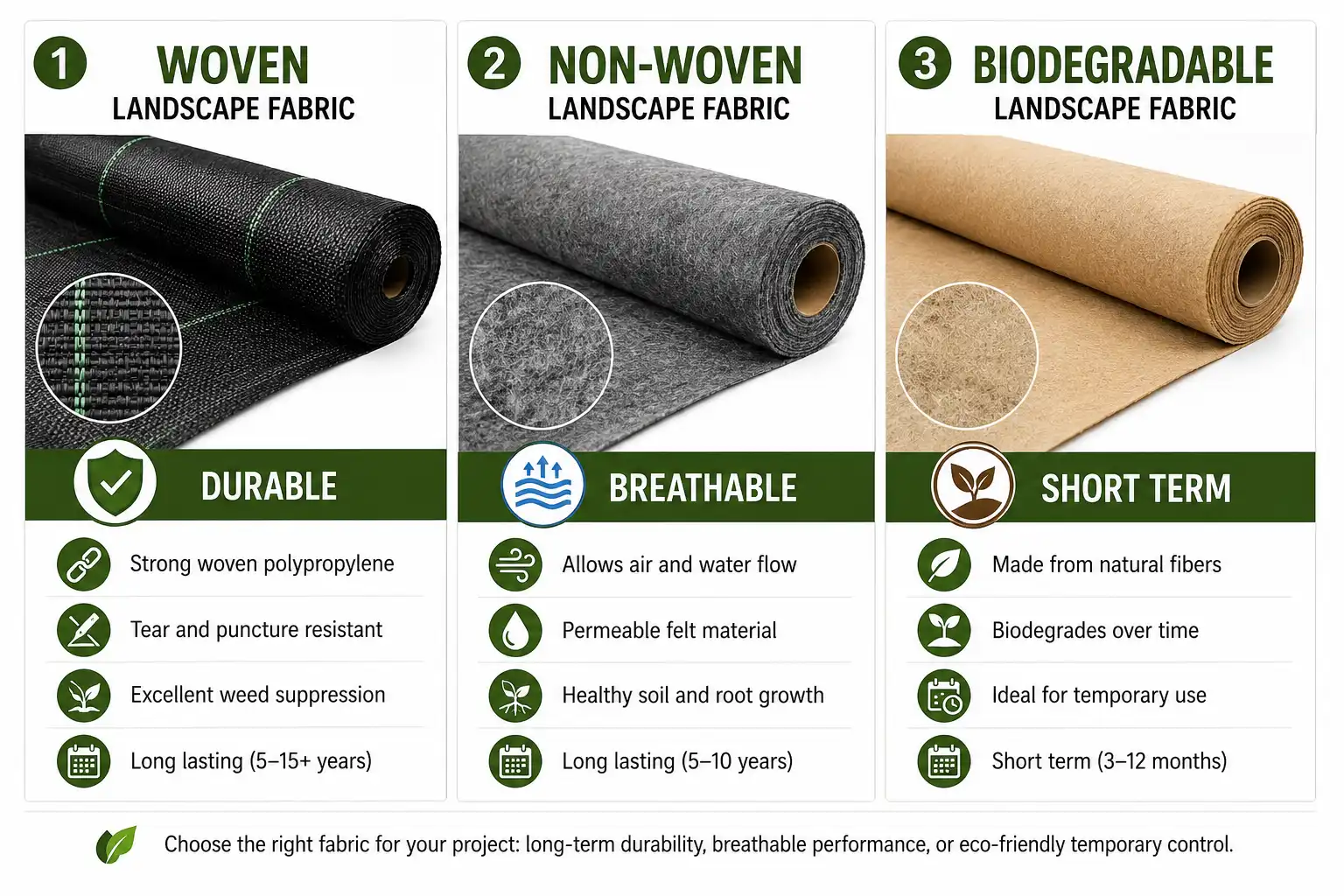
Landscape fabric comes in three main types, and each suits a different job. First, woven fabric is the toughest. It feels tarp-like and is made from tight polypropylene or polyester strips woven into a grid. Water drains through the small gaps, but its permeability runs lower than the felt types. Still, woven is the durable pick for gardeners who want years of service without hurting soil health.
Next, non-woven fabric feels like thick felt. Makers press bonded fibers together, often by heat, in a process called spunbond. Because it is more breathable and water-permeable, it fits drainage jobs and spots under gravel. Sellers also label many non-woven rolls as geotextile for drainage and road base.
Finally, biodegradable fabric uses paper or burlap. This kind of biodegradable weed barrier breaks down in a season or two. It suits a single crop, but not the long haul. So for most weed jobs, woven wins. The best weed blocker fabric on a permanent path is a heavy woven roll.
How to Choose the Best Landscape Fabric for Weed Control
Six things decide how well a fabric blocks weeds and how long it lasts. Check these before you buy.
- Material. Pick polypropylene landscape fabric or a geotextile landscape fabric. Both resist rot and handle sun better than cheap plastic sheeting.
- Weight and thickness. Fabric is rated by ounce weight, and heavier means stronger. Stay above 3oz so it won’t tear when you pull it tight. Some brands list GSM (grams per square meter) for the same idea.
- Permeability. Water and air must pass through. A water permeable ground cover keeps the roots and soil below alive.
- UV resistance. Sun breaks fabric down fast. A UV resistant landscape fabric with real UV resistance lasts far longer on exposed ground.
- Roll size. Match the roll to your space so you cut fewer seams. Wide rolls cover beds with less waste.
- Rated lifespan. Good rolls list 5, 12, or 20 years. A heavy duty weed barrier near the top of that range costs more but saves relaying later.
Look for a tear-resistant, chemical-free build so nothing leaches into your soil. Quality ground cover fabric runs roughly $1 to $3 per square foot, so a big bed adds up fast. The best landscape fabric for weeds is a mid-to-heavy roll with strong UV protection. Anchor any roll with landscape staples every few feet. A garden weed mat or weed suppressant fabric rated for years will earn its keep.
How to Install Landscape Fabric So Weeds Actually Stay Down
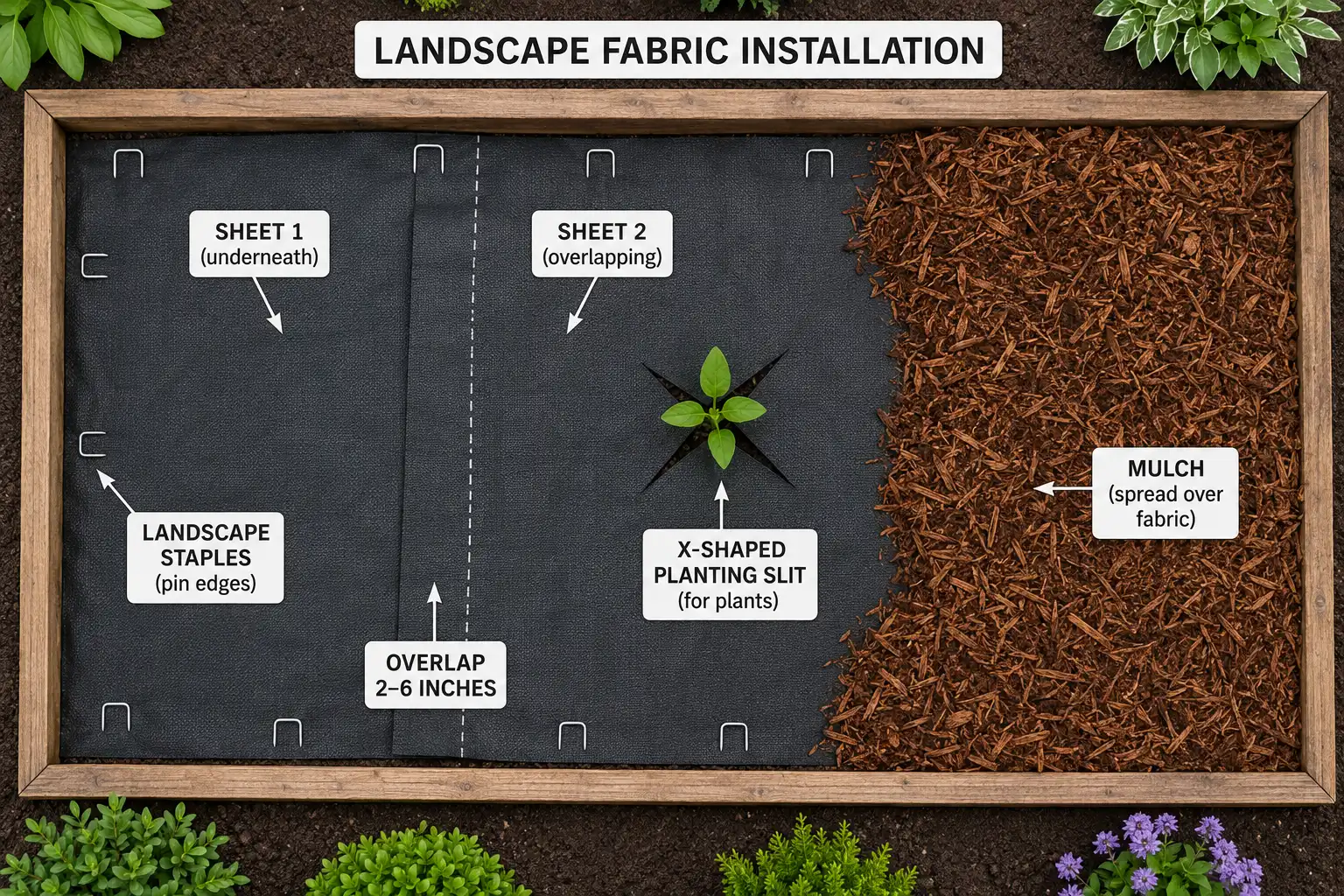
Good fabric fails when you lay it wrong. Follow these steps to lay landscape fabric that actually holds weeds down.
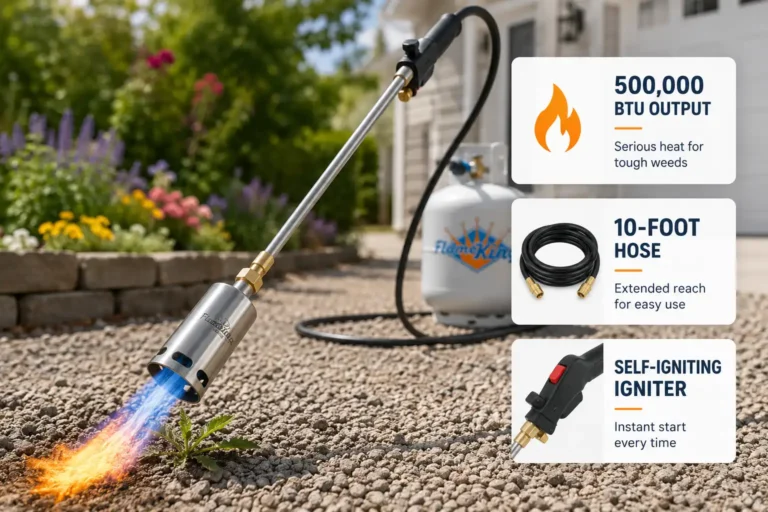
- Clear and level the soil. Pull or hoe out every existing weed first. You can burn down tough patches with a flame weeder before you start. Then rake the bed smooth so the fabric sits flat.
- Roll it out with overlap. Unroll the fabric across the bed. Where two pieces meet, leave overlap seams of about 6 inches so no light slips between them.
- Anchor the edges. Drive landscape staples every 8 to 12 inches along the seams and edges. This step matters most, since windblown edges lift and let light and weeds back in.
- Cut planting slits. For plants, cut small X-shaped slits and tuck the fabric around each stem. Keep the slits tight so open soil stays covered.
- Cover the top. Spread 2 to 3 inches of mulch or gravel over the fabric. A solid layer of mulch across the bed hides the fabric, blocks UV, and holds it down. That turns it into a protected landscape fabric under mulch.
Done right, this weed control landscape fabric setup blocks light at the soil line. Good weed barrier installation comes down to tight seams and enough staples.
Where Landscape Fabric Falls Short (Honest Limits)
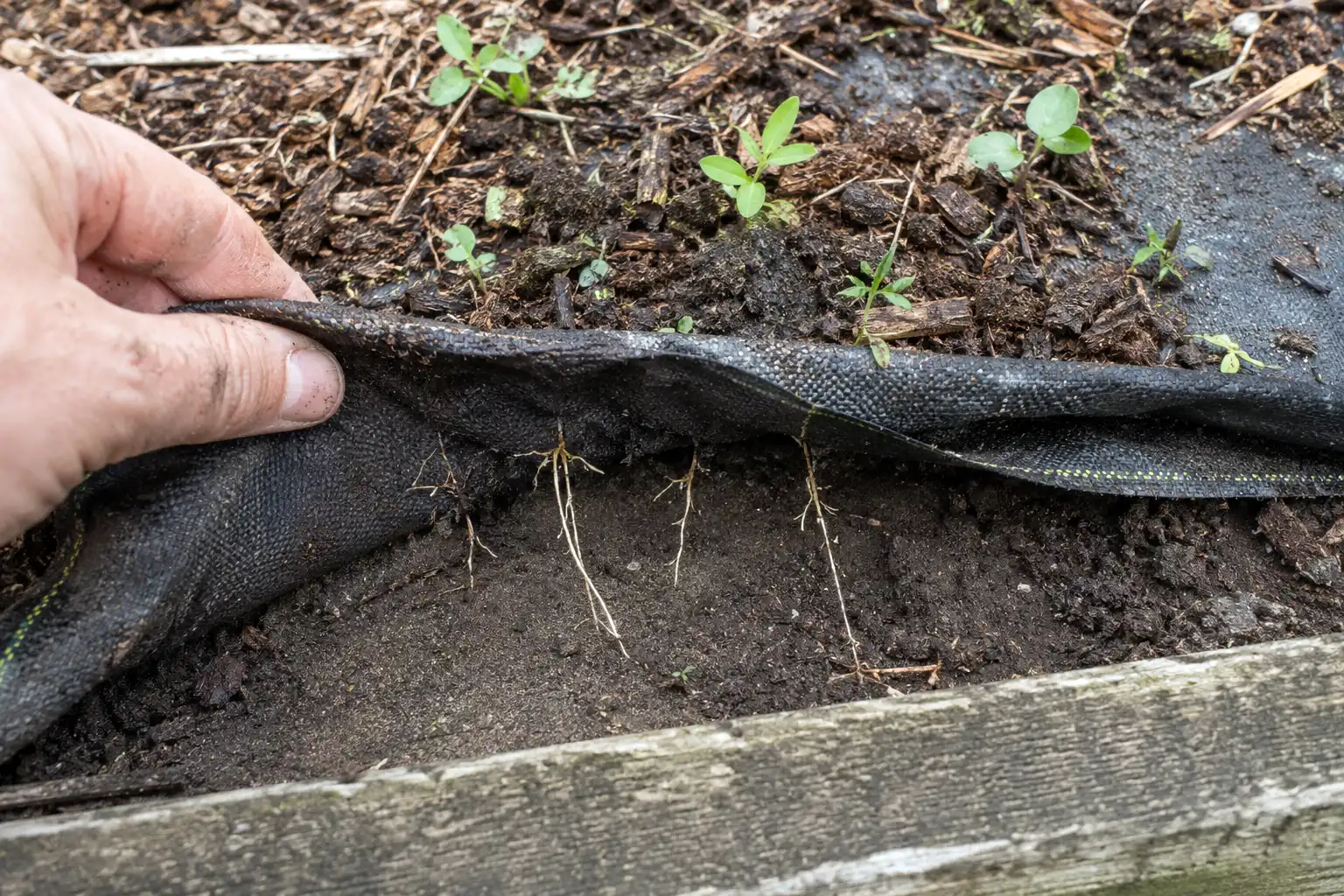
Landscape fabric is a short-term deterrent, not a permanent fix for planted beds. Here is the honest truth after years of pulling old fabric out of tired ground.
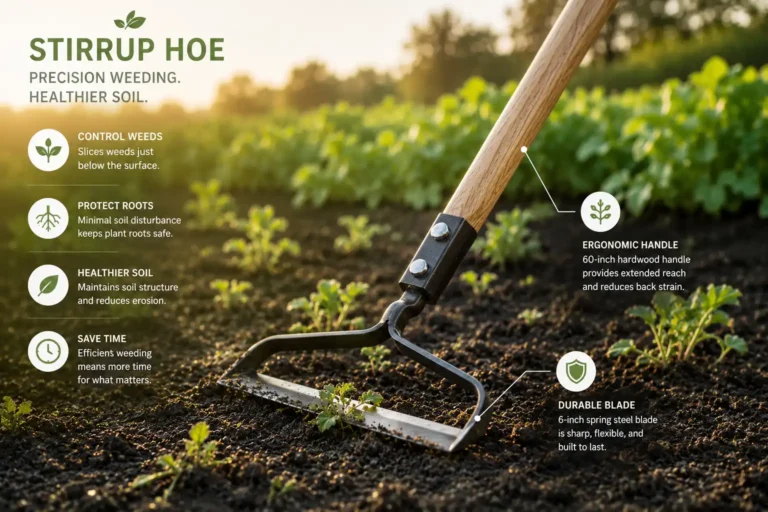
Over time, dust, leaves, and mulch decomposition leave a thin layer of fresh soil on top of the fabric. That layer becomes its own seedbed, so surface weeds root right above the barrier. You still end up running a stirrup hoe across the top. Below the fabric, soil compaction sets in because organic matter can’t mix down into the ground. Earthworms won’t stay under sealed fabric either, so the soil slowly goes lifeless. Roots from tough weeds also punch through the weave, and pulling them tears the sheet.
Most geotextile fabric is plastic. As it breaks apart, it sheds tiny plastic bits into the soil, which the EPA now tracks as pollution. In flower beds, a weed barrier landscape fabric can choke soil life and stress plants within a few seasons. Even a thick landscape fabric clogs eventually. Illinois Extension and Master Gardener programs warn against fabric in perennial beds for exactly these reasons.
So where does it genuinely work? A heavy duty landscape fabric for weed control shines under driveways, patios, and hardscape. It works best as landscape fabric under gravel paths. It also fits single-season crop rows. Treat fabric as one part of your larger weed control plan, not a set-and-forget fix.
Alternatives to Landscape Fabric
A few methods control weeds without any fabric at all. For vegetable beds, lay flattened cardboard or newspaper and cover it with organic mulch. This sheet mulching approach smothers weeds and rots into the soil, which feeds it instead of choking it.
For permanent control, plant thick ground-cover plants or cover crops that shade out weeds on their own. In low-traffic paths, a deep gravel layer alone does the job. Each of these builds soil over time, which fabric never does.
FAQs on Weed Blocker Fabric
Does landscape fabric stop all weeds?
Which side of landscape fabric goes down?
Should you put mulch over landscape fabric?
How long does landscape fabric last?
Is woven or non-woven landscape fabric better for weeds?
Can weeds grow through landscape fabric?
Is landscape fabric safe for vegetable gardens?
Can you put weed barrier over grass?
Bottom Lines on Weed Barrier Fabric
For most people, the best weed barrier fabric is a commercial woven roll like the DeWitt Professional Max. But go with a non-woven geotextile like Super Geotextile 8oz if you need heavy drainage under a driveway. Just remember where fabric earns its place: under gravel and hardscape, not in your active planting beds.
Good luck and enjoy reviewing.