Can You Grow Peanuts in Florida? 6 Field-Tested Tricks
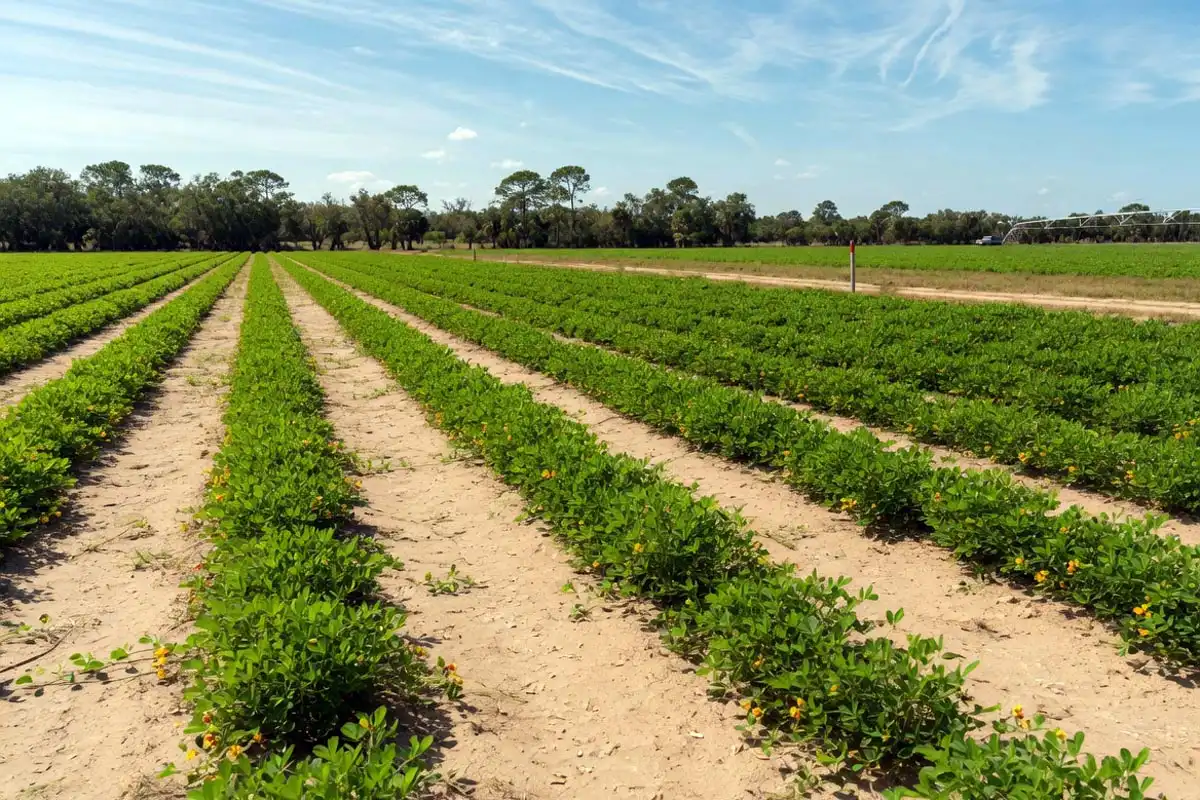
Yes, you can grow peanuts in Florida, and the state ranks among the top three U.S. peanut producers. This guide covers the right varieties, planting windows, soil prep, pest pressure, and harvest timing so home growers and small farms across Florida can plan a strong peanut crop.
Florida’s warm climate, sandy soils, and 130–160 day growing season fit peanuts well. The Panhandle leads production, but home gardeners across North and Central Florida can grow runner or Virginia peanuts from late April through October.
For a deeper look at how peanuts develop in similar climates, my notes on the climate peanuts need walk through temperature and rainfall ranges that match Florida conditions.
Contents
- 1 What Makes Florida Good for Peanuts?
- 2 When to Plant Peanuts in Florida
- 3 Where Peanuts Grow Best in Florida
- 4 How to Grow Peanuts in Florida: Step-by-Step
- 5 Problems Florida Peanut Growers Face
- 6 Common Mistakes Florida Peanut Growers Make
- 7 Safety Notes for Florida Peanut Growers
- 8 FAQs about Growing Peanuts in Florida
- 9 Conclusion
What Makes Florida Good for Peanuts?
Florida produces around 600 million pounds of peanuts each year, according to USDA NASS data. The state’s deep sandy loam soils drain well, which peanuts need to form clean pods underground. Daytime highs of 80–95°F during summer match the crop’s heat preference.
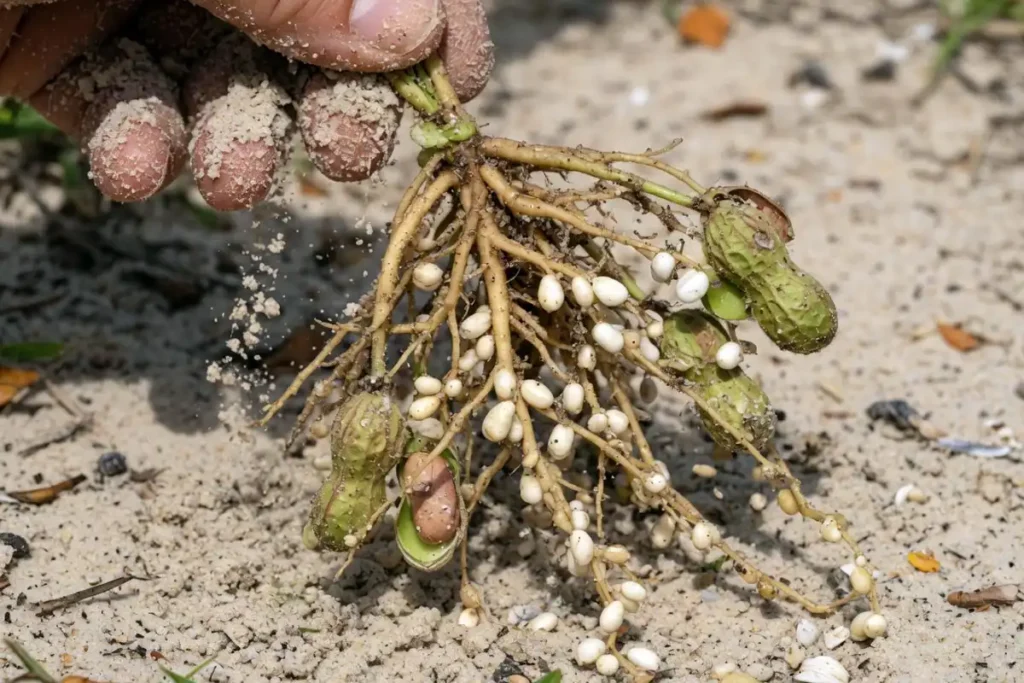
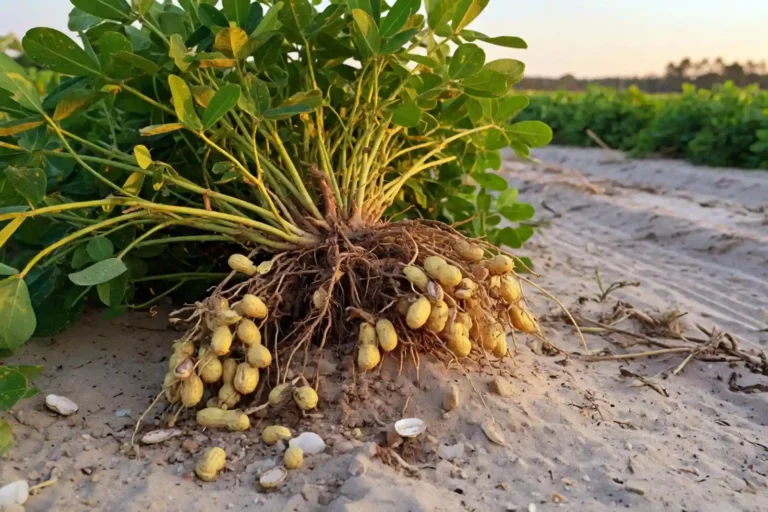
Peanuts also fix their own nitrogen through root nodules, so Florida growers often rotate them with cotton or corn to rebuild soil.
When to Plant Peanuts in Florida
Plant peanuts in Florida between April 15 and May 20 for the Panhandle, and April 1 to May 10 for North-Central regions. Soil temperature at 4 inches deep should hold steady at 65°F or warmer for three days before seeding.
Late April through mid-May gives the best stand. Planting earlier risks cold injury, and planting after June often shortens the maturity window before fall rains.
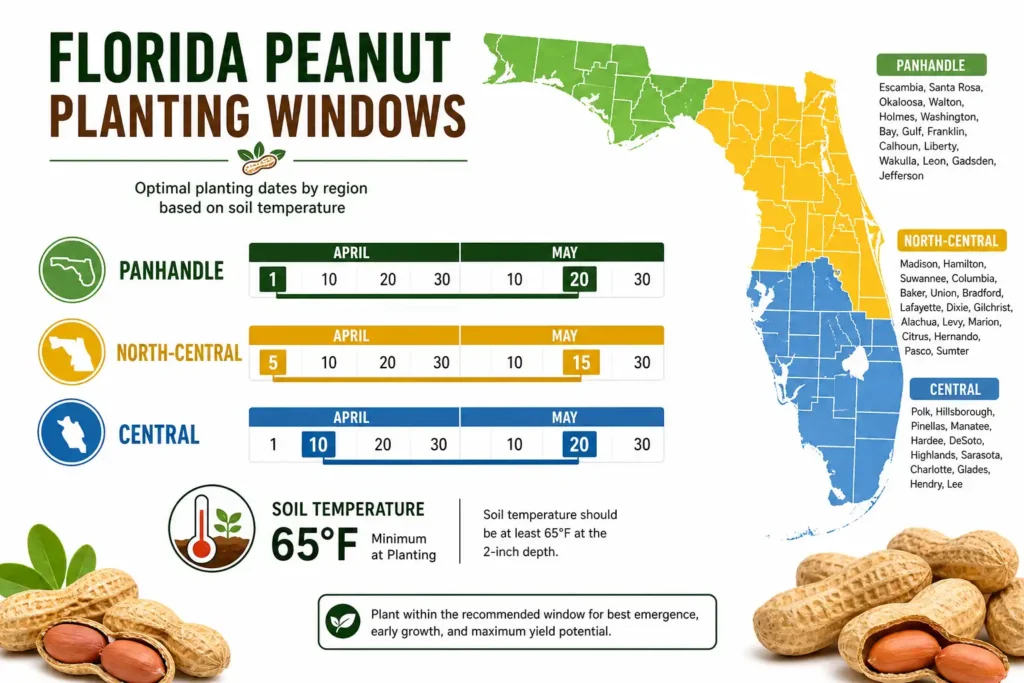
If you want a side-by-side regional comparison, the planting window for peanuts breaks down each U.S. zone clearly.
Where Peanuts Grow Best in Florida
The Florida Panhandle drives the state’s peanut output. Jackson, Santa Rosa, Holmes, Gadsden, and Walton counties lead in acreage. These counties have the deep, sandy, well-drained soils peanuts prefer.
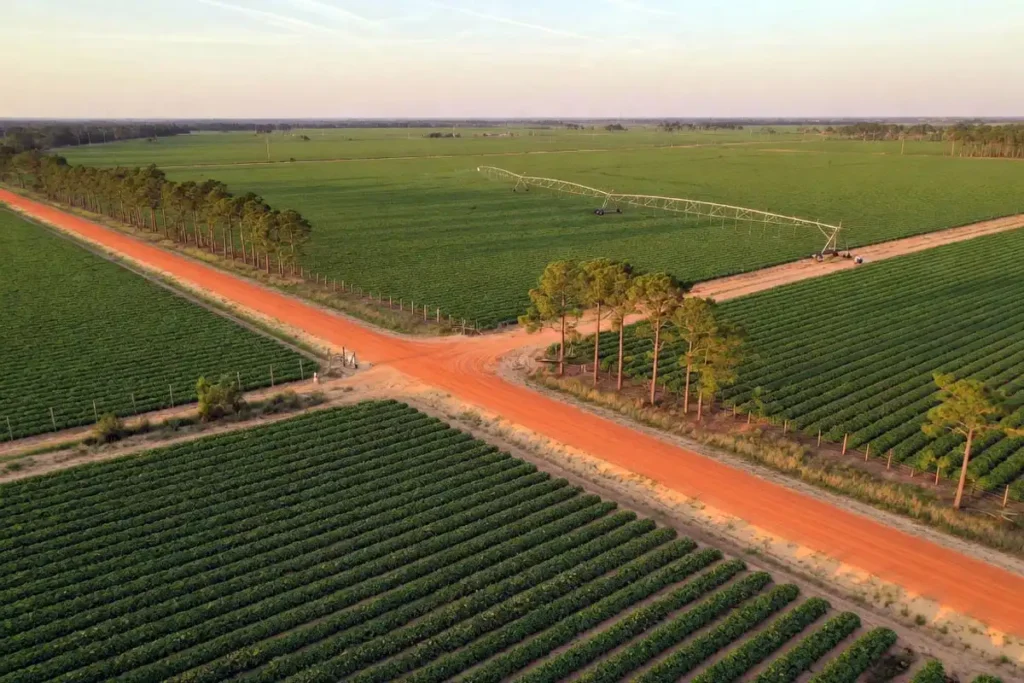
North Florida (Suwannee Valley) and parts of Central Florida also support peanuts, though heavier soils south of Gainesville reduce yield. South Florida’s heat, humidity, and clay-heavy soils make peanut farming less reliable there.
How to Grow Peanuts in Florida: Step-by-Step
1. Choose the Right Variety
Runner peanuts dominate Florida acreage. Top varieties include:
- Georgia-06G (high-yielding, disease-tolerant)
- TifNV-High O/L (nematode resistance)
- FloRun ‘331’ (developed by UF/IFAS)
Virginia and Valencia types work for home gardens but yield less per acre.
2. Prepare the Soil
Test soil pH first; peanuts prefer 5.8 to 6.2. Apply gypsum (land plaster) at 500–1,000 lb per acre at early bloom for proper pod fill. Avoid heavy nitrogen fertilizer because peanuts fix their own.
3. Plant the Seeds
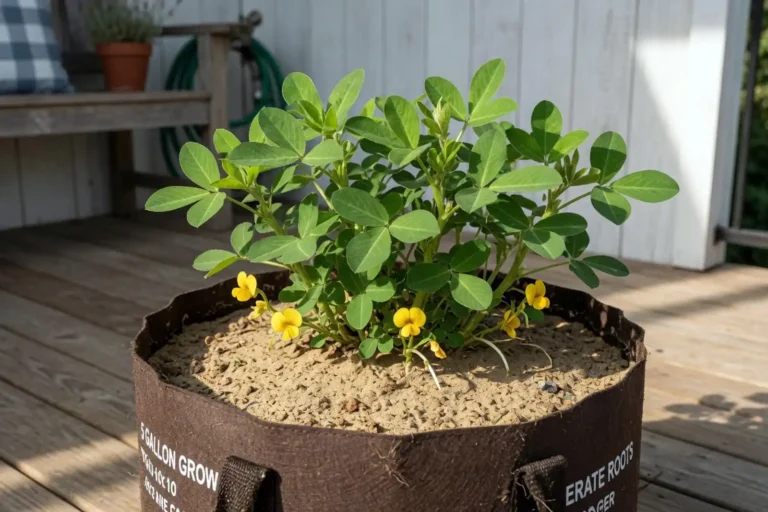
Plant shelled, treated seed 1.5 to 2 inches deep, with 2 to 4 inches between seeds in rows 30 to 36 inches apart. Home gardeners can use raised rows in sandy beds.
For seed prep tips, see my notes on how to germinate peanut seeds for stronger early stands.
4. Water Steadily
Peanuts need about 20 to 25 inches of water across the season. The pegging stage (60 to 100 days after planting) needs the most moisture. Florida’s summer rains often cover this, but irrigate during dry spells.
5. Manage Weeds and Pests
Cultivate shallow before pegging starts, then stop. Common Florida pests include lesser cornstalk borer, three-cornered alfalfa hopper, and tobacco thrips. Scout fields weekly.
6. Harvest at the Right Time
Most Florida peanut varieties mature 130 to 150 days after planting. Harvest typically falls between mid-September and late October. Use the hull-scrape method or pod blasting to check maturity. The right harvest timing for peanuts makes the biggest yield difference.
Dig pods, leave to dry in the field for 2 to 3 days, then thresh and cure to 10% moisture for storage.
Problems Florida Peanut Growers Face
Florida’s heat and humidity feed several disease pressures:
- White mold (Sclerotium rolfsii): Loves warm, wet soil. Rotate fields and use resistant varieties.
- Early and late leaf spot: Apply fungicides on a 14-day schedule once symptoms appear.
- Tomato spotted wilt virus: Plant resistant cultivars and avoid early planting in thrips-heavy years.
- Root-knot nematodes: Rotate with bahiagrass or cotton, or plant nematode-resistant varieties.
The UF/IFAS peanut production guide gives current fungicide and pest thresholds backed by Florida field trials.
Common Mistakes Florida Peanut Growers Make
- Planting in heavy clay soil. Pods rot or fail to form.
- Skipping gypsum at bloom. Pods come out poorly filled or “pops.”
- Over-fertilizing with nitrogen. Pushes vines, drops pod yield.
- Harvesting too early or too late. Both cut yield and grade.
- Continuous peanut planting on the same ground. Builds disease and nematode loads.
A 2-3 year rotation with cotton, corn, or sorghum keeps fields productive.
Safety Notes for Florida Peanut Growers
Peanut hay and dust can trigger allergies in workers. Wear an N95 dust mask during digging and threshing. Wash hands after handling treated seed because seed treatments contain fungicides and insecticides. Keep harvested peanuts dry; aflatoxin develops in damp, warm storage and the CDC notes aflatoxin risks in poorly stored peanuts.
For a fuller look at the field-to-storage process, my walkthrough on how peanuts are grown covers the full cycle. Florida growers facing dry stretches can also borrow ideas from growing peanuts in Texas, where similar irrigation timing applies.
FAQs about Growing Peanuts in Florida

How long do peanuts take to grow in Florida?
Can I grow peanuts in South Florida?
What soil pH do peanuts need in Florida?
Do peanuts need full sun in Florida?
How many peanuts does one plant produce in Florida?
Conclusion
Florida’s climate, sandy soils, and long growing season fit peanuts well, which is why the state ranks third in U.S. production. Pick a runner variety suited to your county, plant between mid-April and mid-May, manage water during pegging, and harvest at the right hull color. With steady rotation and pest scouting, peanut farming pays off across most of North and Central Florida.