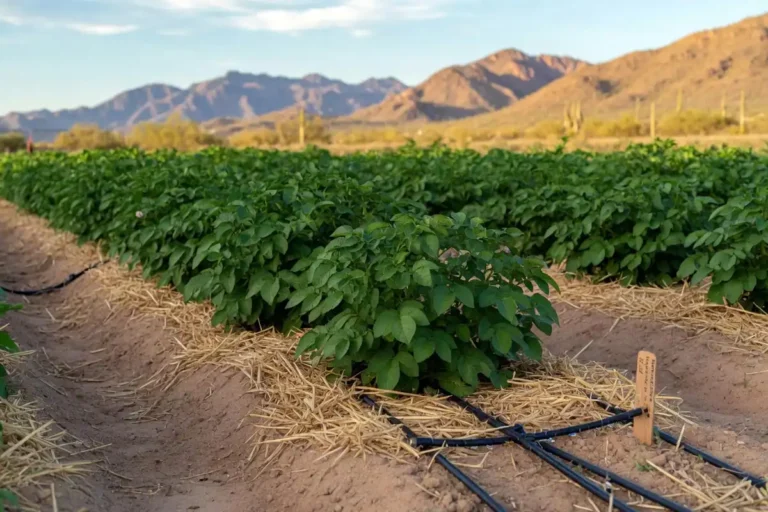
What Are Indeterminate Potatoes? A Grower’s Guide
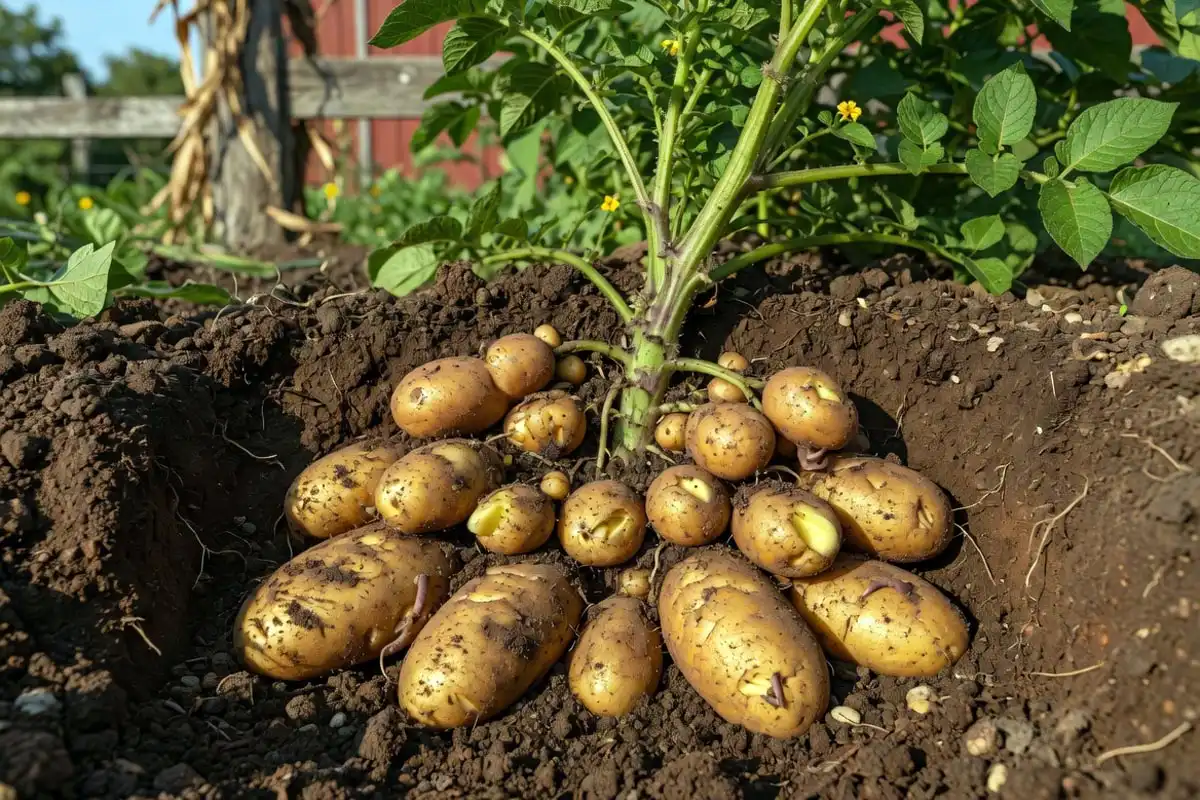
Indeterminate potatoes are late-season varieties that keep growing tall stems and set tubers at multiple levels along the buried stem. This guide covers how they differ from determinate types, which varieties to pick, how deep to hill them, and the biggest mistakes to watch out for.
Indeterminate potatoes produce tubers along the full length of the buried stem over 110 to 135 days. Plants grow 3 to 4 feet tall, benefit from deep hilling, and yield more per plant than determinate types when space, water, and nutrients stay steady.
What Are Indeterminate Potatoes?
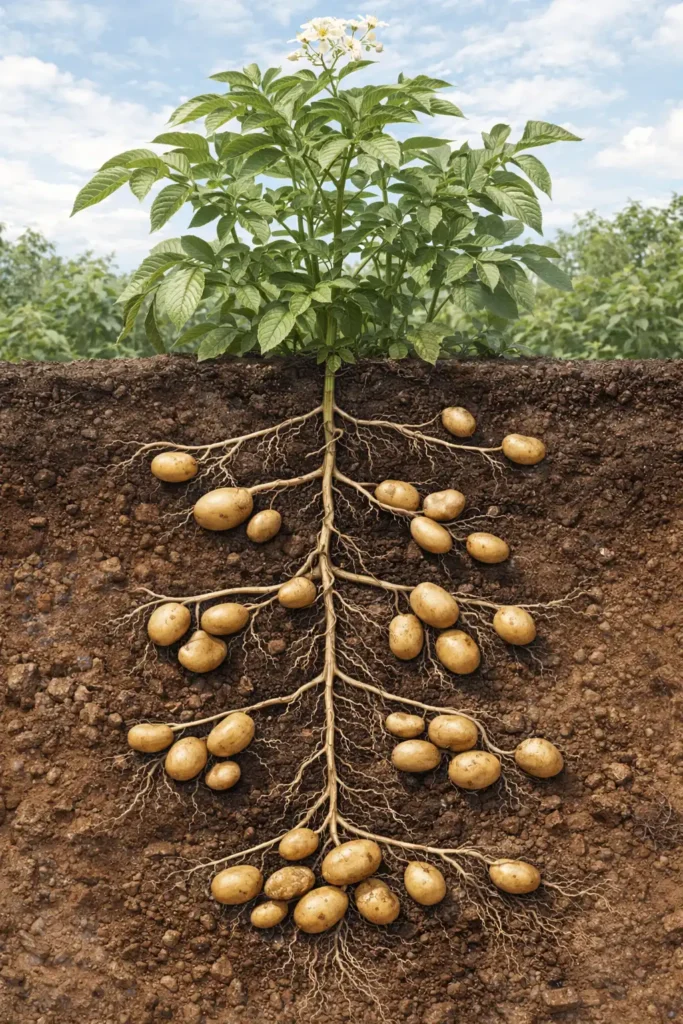
Indeterminate potatoes are varieties that form tubers in stacked layers along the stem as the plant keeps growing upward. Vines stay green and active for 110 to 135 days, sometimes longer in cooler zones. Each new set of stolons produces a fresh batch of tubers above the last.
This growth habit gives farmers a reason to hill soil higher around the plants. More buried stem means more tuber zones. Plant these when to want storage crops that fill bushel baskets by fall. Strong growers like Russet Burbank rely on this trait for their heavy yields.
Indeterminate vs Determinate Potatoes
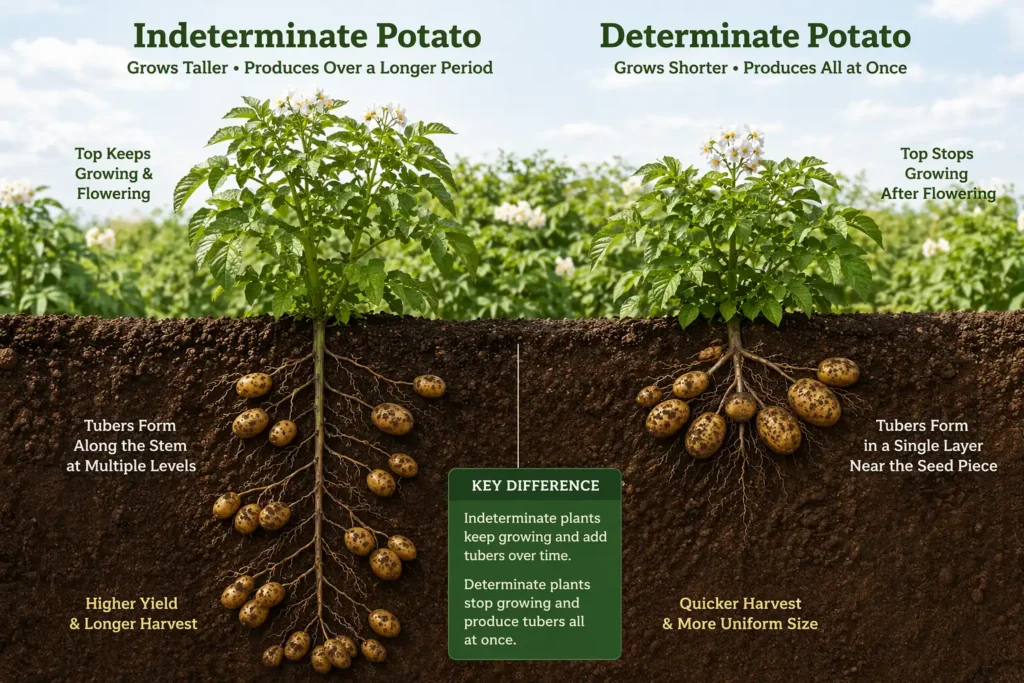
Determinate potatoes set tubers in one layer close to the seed piece. They finish in 70 to 90 days and stay short, around 18 to 24 inches. Hilling past the first mound adds little extra yield.
Indeterminate types form tubers in multiple layers along the stem. They need deeper hills, longer seasons, and more patience. Yield per plant runs higher when conditions stay steady.
Keep both. Determinate rows give me early new potatoes by July. Indeterminate rows give me storage stock that holds through winter.
Common Indeterminate Potato Varieties
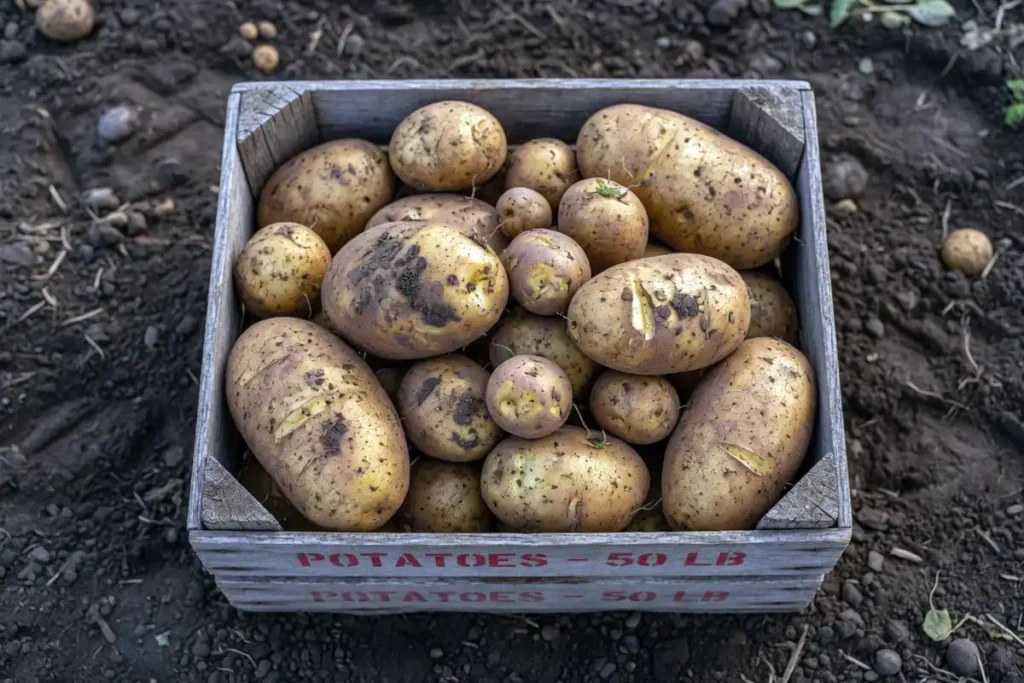
Several varieties run indeterminate in the field. Growers report strong stacking behavior in these:
- Russet Burbank (the classic baker, 120 to 135 days)
- German Butterball (waxy gold flesh, 110 to 135 days)
- Russian Banana (fingerling, late-season)
- Desiree (red-skin, firm yellow flesh)
- Bintje (European favorite, yellow flesh)
- Canela Russet (russet, strong yielder)
Growth habit shifts slightly with climate, soil, and day length. A variety that runs fully indeterminate in Maine can act semi-determinate in a short Kansas fall.
How to Grow Indeterminate Potatoes
Here is the start-to-finish workflows.
Step 1: Pick Certified Seed
Start with certified seed potatoes from a trusted supplier. Seed quality in detail is covered in our guide on selecting seed potatoes. Avoid grocery store spuds, since sprout inhibitors and unknown disease loads cause poor stands.
Step 2: Cut and Cure Seed Pieces
Cut seed into 1.5 to 2 ounce blocks, each with at least two eyes. Cure the cut surfaces for 2 to 3 days in a cool, airy spot. Our earlier post walks through seed cutting and curing steps that lower rot risk.
Step 3: Plant at the Right Depth
Plant seed pieces 4 inches deep once soil hits 50°F. Timing shifts by zone, and we wrote about potato planting dates by region. Space rows 30 to 36 inches apart.
Step 4: Space Plants Correctly
Set seed pieces 10 to 12 inches apart within the row. Tight spacing reduces average tuber size. We explained general plant spacing for row crops in an earlier guide.
Step 5: Hill Soil in Stages
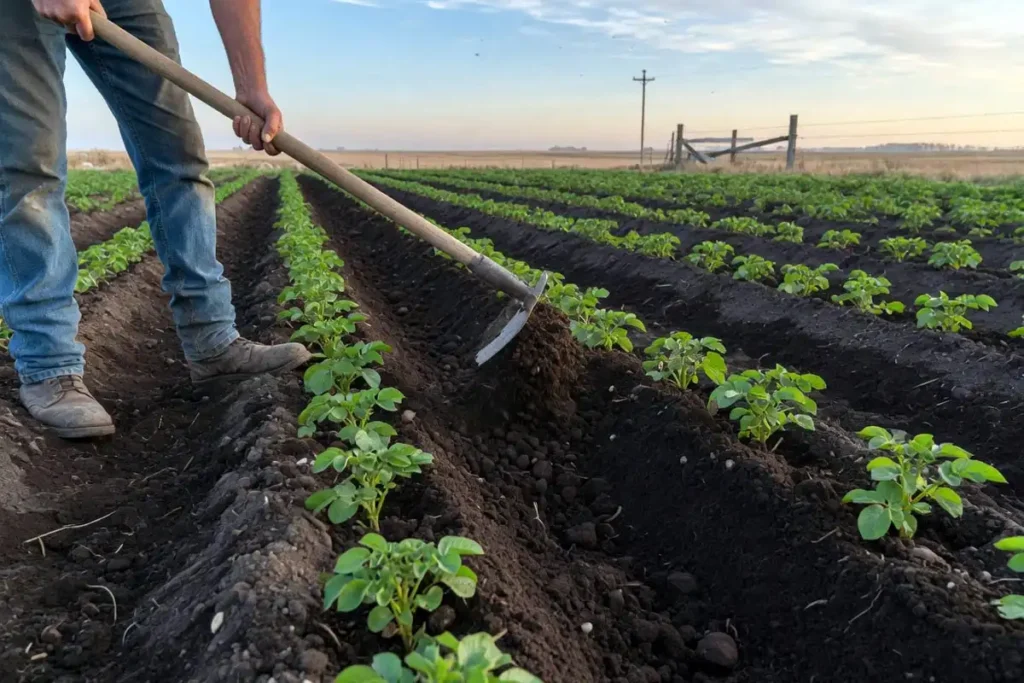
Hill soil around stems when plants reach 6 to 8 inches tall. Repeat hilling 2 to 3 times as plants grow. For indeterminate types, hills get built 10 to 12 inches high over the season. The steps behind how hilling potatoes works carry most of the yield gain.
Step 6: Water Consistently
Give potatoes 1 to 2 inches of water per week. Tuber set and bulking both suffer from dry spells. Keep moisture steady from flowering through late August.
Step 7: Watch for Signs of Maturity
Indeterminate varieties finish between 110 and 135 days. Vines yellow and flop when tubers are sizing. Skins set about 2 weeks after vines die back. Our post on harvest timing cues walks through the skin test.
When to Plant and Harvest
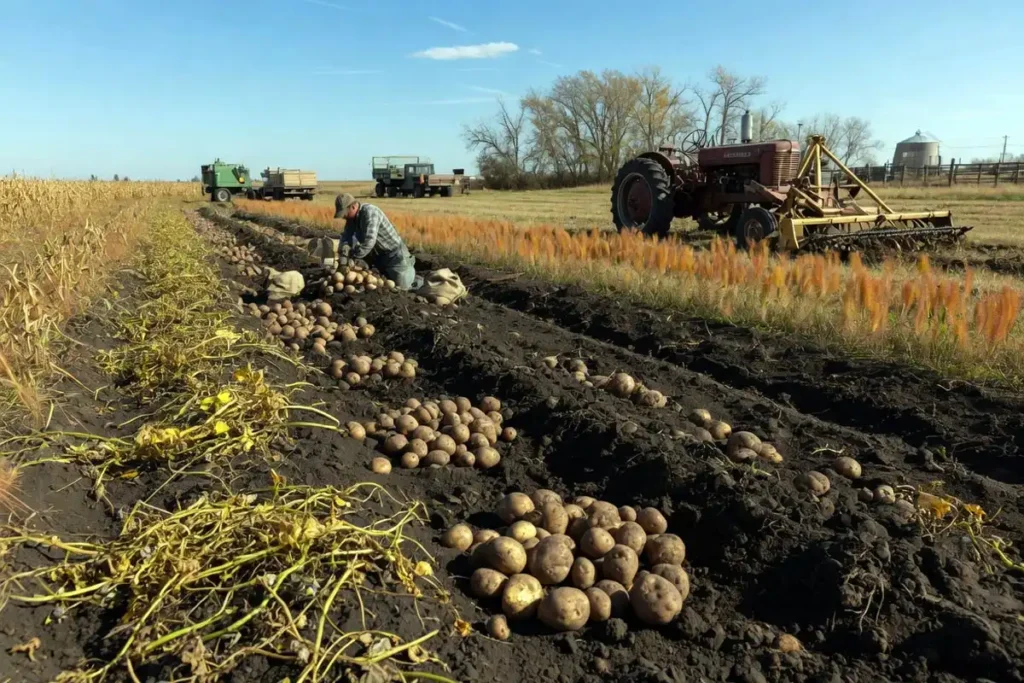
Plant indeterminate potatoes 2 to 4 weeks before your last spring frost. Soil temperature at 4 inches should read 45 to 50°F. Harvest runs from late August through October depending on zone.
According to the University of Maine Cooperative Extension, late-season potato varieties need a full 100-day window of frost-free growth to finish properly. In Kansas, in mid-April and dig in mid-September.
Mistakes to Avoid
Growers lose yield on indeterminate varieties through a few common errors:
- Planting too late cuts the season short, and tubers stop stacking once frost hits.
- Shallow hilling wastes the stacking habit, since tubers need buried stem.
- Uneven water causes hollow heart and cracked tubers.
- Harvesting early leaves skins tender, and peels scuff off in storage.
- Skipping seed certification brings in scab, virus, and late blight.
Safety and Handling Tips
Green spots and sprouts contain solanine. Trim or toss any tuber with green flesh before cooking. Store potatoes at 38 to 40°F in dark, ventilated bins per USDA food storage guidance. Keep children and pets away from piles where sprouts have formed.
Wear gloves when handling seed treated with fungicide powders. Wash hands after cutting seed pieces.
FAQs about Indeterminate Potatoes
Are Yukon Gold potatoes indeterminate?
How tall do indeterminate potato plants grow?
Do indeterminate potatoes yield more than determinate?
Can I grow indeterminate potatoes in containers?
How do I know if my potato variety is indeterminate?
Final Words
Indeterminate potatoes reward patience, deep hills, and steady water with heavy fall harvests. Pick a late-season variety, plant certified seed at the right depth, and hill in stages as stems climb. Watch for yellowing vines and set skins before digging. With the right routine, a 25-foot row fills several bushels of storage potatoes by October.