How Many Ears of Corn to a Stalk? 6 Keys to Bigger Yields

Most corn stalks grow one to two ears of corn, with modern field corn usually producing a single ear per stalk and sweet corn often producing two. This guide covers what drives ear count, how variety and spacing shift the number, and how to help each stalk reach its ear potential on your farm or in your garden.
A typical corn stalk produces 1 to 2 ears. Field corn hybrids set 1 ear per stalk at standard populations of 30,000 to 36,000 plants per acre. Sweet corn usually grows 1 to 2 ears. Prolific varieties at wider spacing can carry 2 or more ears per stalk.
What Is an Ear of Corn?
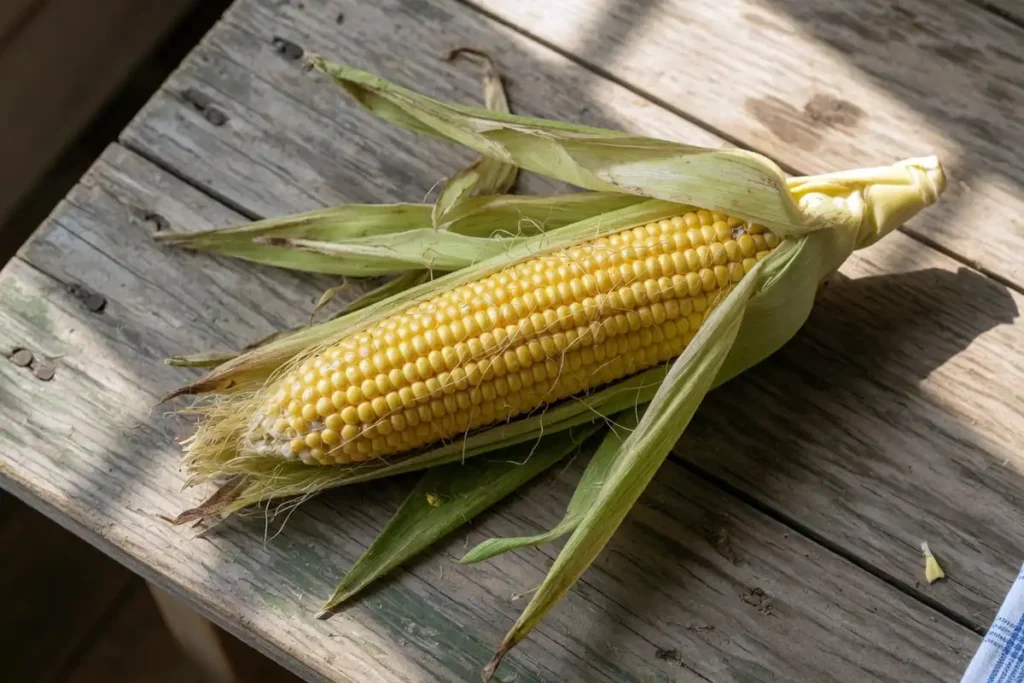
An ear of corn is the female flowering part of the maize plant that holds the kernels. Each ear grows from a leaf node along the stalk. The ear starts as a small shoot, pushes out silks, and fills with kernels after pollination.
A single stalk forms several potential ear shoots. Only one or two develop into harvestable ears in most hybrids. The rest stay dormant or abort under stress.
How Many Ears Does a Corn Stalk Produce?
A corn stalk produces 1 to 2 ears in nearly all commercial and home-garden settings. The exact count depends on the type:
- Field corn (dent corn): 1 ear per stalk at standard population
- Sweet corn: 1 to 2 ears per stalk
- Prolific field hybrids at low populations: 2 ears per stalk
- Heirloom and ornamental varieties: 2 to 4 small ears in ideal conditions
Dent corn planted at 32,000 seeds per acre gives me one solid ear per plant. Sweet corn in the kitchen garden, spaced 12 inches apart, often gives me two. That pattern holds across most of the Corn Belt.
How Many Ears Does Field Corn Produce per Stalk?

Field corn produces 1 ear per stalk in most modern systems. Dent hybrids are bred for single-ear efficiency at high populations. At 30,000 to 36,000 plants per acre, each plant sends its energy into one large, uniform ear. That gives a predictable yield at harvest.
Some prolific hybrids produce 2 ears when populations drop below 22,000 per acre. Farmers often plant these on low-yield ground, in pivot corners, or in dryland fields where moisture limits density. The second ear is usually smaller than the primary ear.
How Many Ears Does Sweet Corn Produce per Stalk?
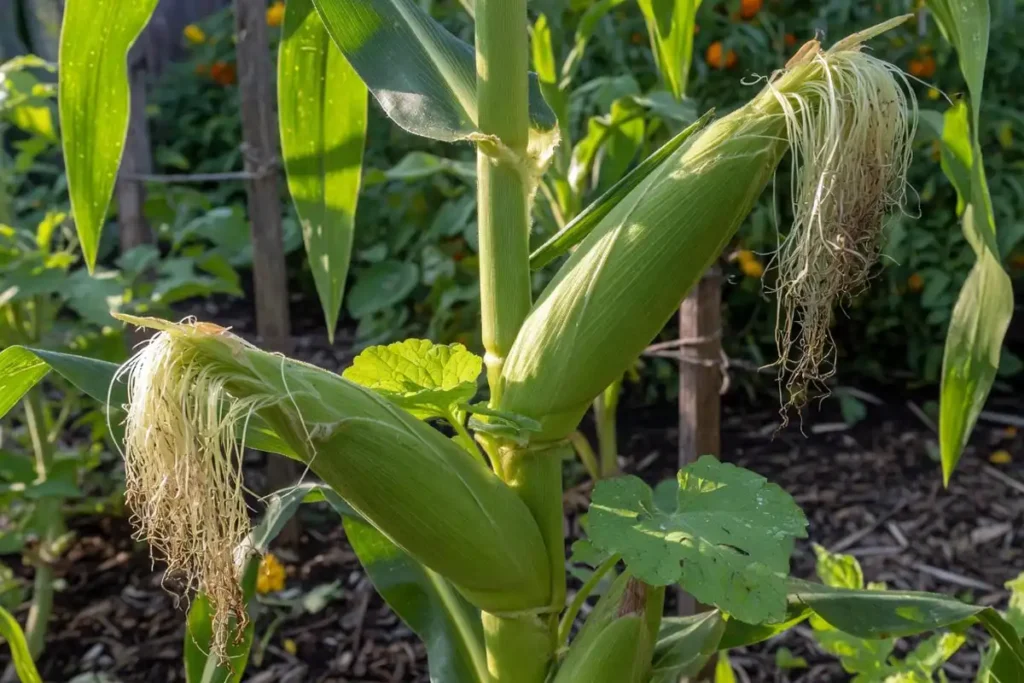
Sweet corn produces 1 to 2 ears per stalk. Home garden varieties spaced 8 to 12 inches apart often set a primary ear plus a smaller secondary ear below it. The top ear fills first and reaches full size. The second ear stays smaller and matures a week or two later.
Varieties like ‘Silver Queen,’ ‘Incredible,’ and ‘Ambrosia’ reliably set two ears with good fertility and water. Picking the right type matters as much as care, which is covered in this comparison of hybrid and open-pollinated seed.
Factors That Affect Ears per Stalk
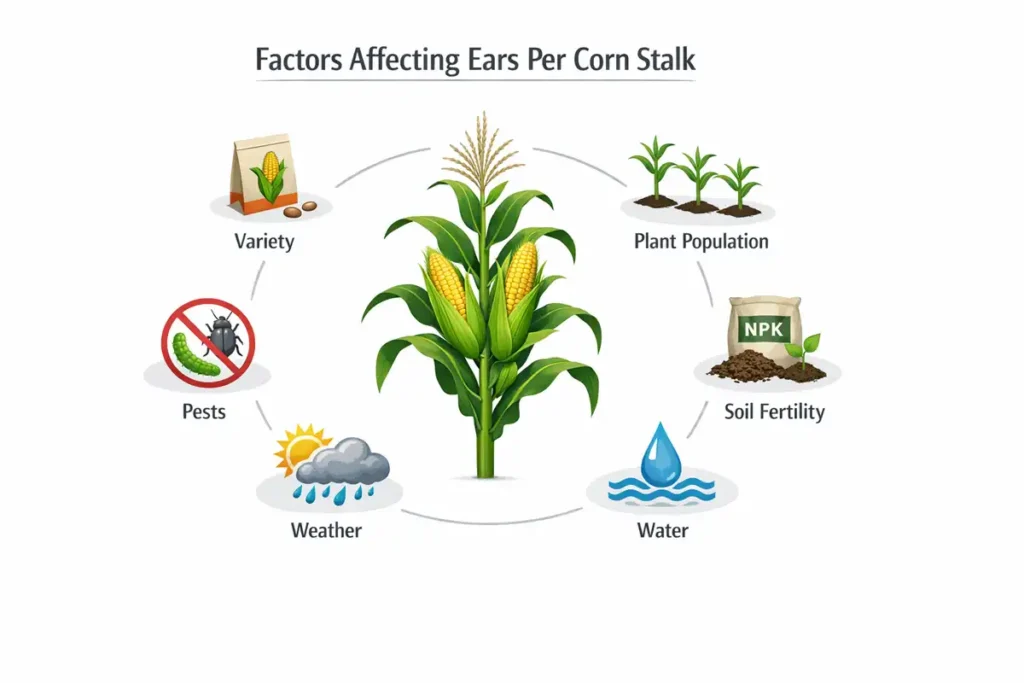
1. Variety and Genetics
Seed genetics set the ceiling. Prolific hybrids carry genes for multiple ear shoots. Single-ear hybrids rarely produce a second ear even with perfect conditions. Read the seed tag before you plant.
2. Plant Population
Dense planting reduces ears per stalk. Each plant competes for light, water, and nutrients. Wider spacing lets the plant photosynthesize more and support extra ears. Getting plant spacing right for your crop is one of the highest-leverage decisions you make.
3. Soil Fertility
Nitrogen, phosphorus, and potassium drive ear size and count. Corn uses most of its nitrogen between V6 and tasseling. A shortage during this window shrinks or aborts the second ear. A sound fertilizer program for corn and other crops keeps nutrition steady during ear fill.
4. Water
Corn needs steady moisture from V8 through silking. Drought stress during silk emergence skips pollination on the secondary ear entirely. According to University of Nebraska CropWatch, corn water use peaks at tasseling and silking. Calculate how much water your crops need so you irrigate on time.
5. Weather at Pollination
Heat above 95°F during pollination kills pollen. Cloudy weeks before tasseling reduce sugar supply to the ear shoots. Both drop ear count, sometimes to zero on the second ear.
6. Pests and Disease
Corn borers, rootworms, and common smut damage ear shoots. A stressed stalk drops the second ear first. Scouting every week through July catches problems early.
When Do Corn Ears Form on the Stalk?
Corn ears form earlier than most growers think. By the V5 to V6 stage, around knee-high, the plant has already set how many ear shoots it will try to support. Final ear count locks in by V12. Iowa State University research on corn growth stages published through Iowa State Extension confirms this timing.
That is why early-season stress matters more than late-season care for ear count. Weeds, cold soil, or nitrogen shortage at V3 cut the second ear before you even notice.
Why Some Corn Stalks Grow 3 or 4 Ears
A small group of open-pollinated corns produce 3 or more ears per stalk. Examples include ‘Country Gentleman,’ ‘Painted Mountain,’ and some strains of ‘Golden Bantam.’ Ornamental corns for fall displays often set 2 to 4 small ears.
Prolific types spread energy across more ears, so each ear is smaller. Total yield per plant stays close to a single-ear hybrid, which is why commercial growers stick with one-ear types.
How Plant Population Changes Ear Count
Corn plants compete with each other more than with weeds. High populations trigger stress signals that suppress second-ear development. Here is the rough pattern when planning a field:
- Under 20,000 plants per acre: 2 ears per stalk common
- 22,000 to 28,000 per acre: mixed, some plants carry a second ear
- 30,000 to 36,000 per acre: 1 ear per stalk, standard for dent hybrids
- Above 38,000 per acre: risk of barren stalks with 0 ears
Barrenness climbs sharply when water or nitrogen runs short at high densities. Match the population to your soil, rainfall, and hybrid label.
How to Get 2 Ears per Stalk in Your Garden
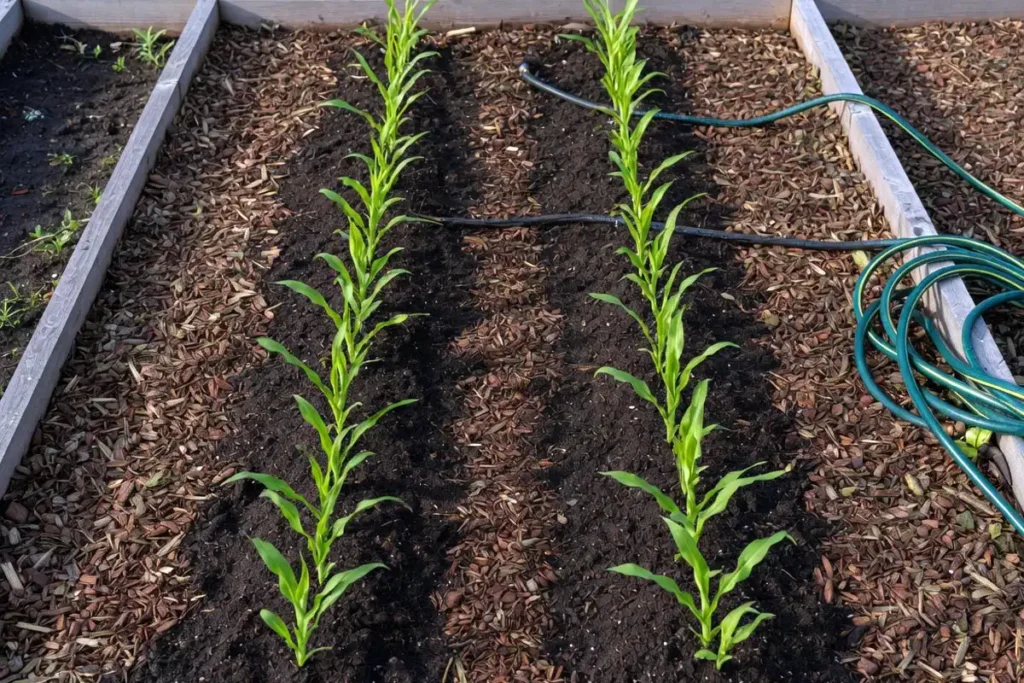
Home gardeners have the best shot at two ears per stalk because they plant at low density. Follow this workflow:
- Pick a prolific variety such as ‘Silver Queen,’ ‘Incredible,’ or ‘Ambrosia.’
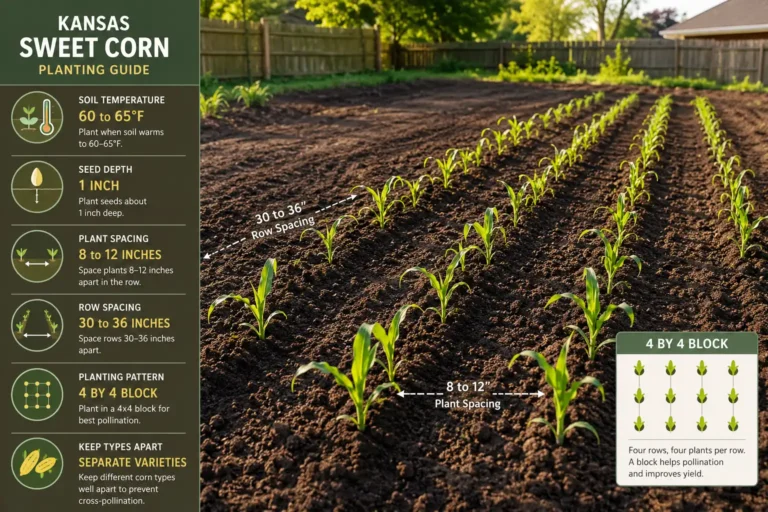
- Space plants 10 to 12 inches apart in rows 30 inches wide.
- Work 2 to 3 inches of compost into the bed before planting.
- Side-dress with nitrogen at knee-high stage and again at tasseling.
- Water 1 inch per week during tasseling and silking.
- Hill soil around the base when plants reach 18 inches to support brace roots.
Following this, most stalks will carry a full primary ear and a decent second ear. Our guide covers early seedling care and damping-off prevention since a strong start sets the ceiling for ear number.
Troubleshooting Low Ear Count
If most stalks carry only 1 ear or none, work through these common causes:
- Barren stalks: water or nitrogen stress at tasseling
- Short ears: pollination failure from heat or dry silks
- Missing second ear: high planting density or low fertility
- Nubbin ears (small, half-filled): silk clipping by rootworm beetles or drought at silking
- Uneven ear set across the field: compaction, low spots with standing water, or herbicide carryover
A soil test after harvest points to fertility gaps. For broader steps, check our notes on how to push yield higher on a crop farm.
Mistakes to Avoid
- Planting too thick for the variety on the tag
- Skipping the side-dress of nitrogen at V6
- Letting weeds win the first five weeks
- Ignoring potassium on sandy or leached ground
- Planting in cold, wet soil that stunts early growth
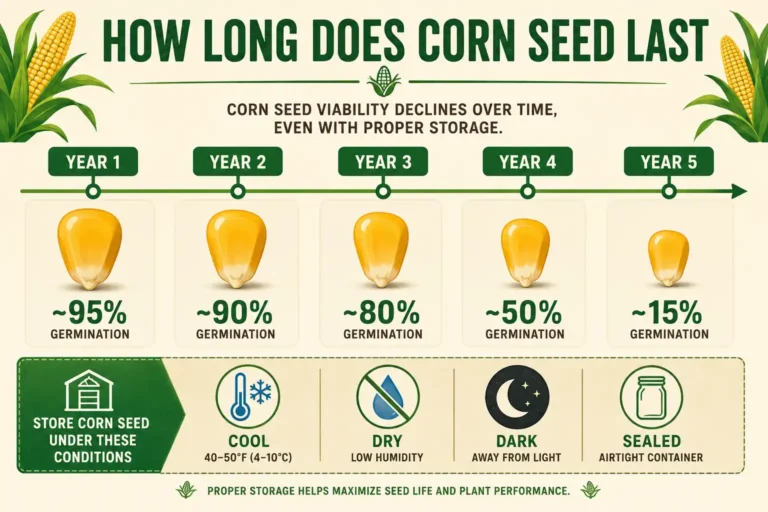
- Using old or low-vigor seed
Most of these trace back to early-season decisions. Fix them before planting, not after tasseling.
Safety Notes for Scouting and Harvest
Corn fields hide wasp nests, snakes, and ticks once the canopy closes. Wear long sleeves and boots when scouting. Watch for heat stress on hot afternoons, carry water, and take breaks. When using pesticides or herbicides, follow the label and respect the pre-harvest interval printed on the container.
FAQs About Ears per Corn Stalk
Can one corn stalk produce 3 ears?
Why does my corn stalk only have one ear?
How many ears of corn come from one seed?
Do sweet corn stalks always grow two ears?
Does detasseling increase ears per stalk?
Conclusion
Corn stalks grow 1 to 2 ears in most fields and gardens. Variety sets the ceiling, and spacing, fertility, and water decide the rest. For home growers, a prolific hybrid at low density offers the best chance at two ears per stalk. For field growers, a single well-filled ear per plant still delivers strong yield when population and inputs match the hybrid. Plan early, feed on time, and keep water steady through silking.