Can You Plant Onions in July? What Works and What Fails
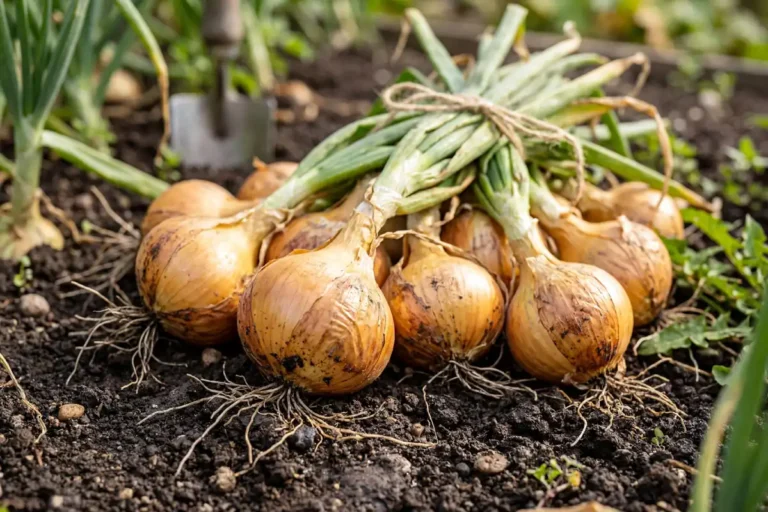
In short, you can plant onions in July, but your results depend on the type of onion and your climate zone. This guide covers which onion varieties work for a July planting, how day length affects bulb formation, and what steps produce the best harvest from a midsummer start.
July planting works for green onions (scallions), bunching onions, and overwintering onion seeds. Full-size bulb onions planted in July produce small or no bulbs in most regions. The summer solstice has already passed, day length is declining, and bulbing onions need that peak daylight to size up.
Contents
Why July Is Tricky for Bulb Onions
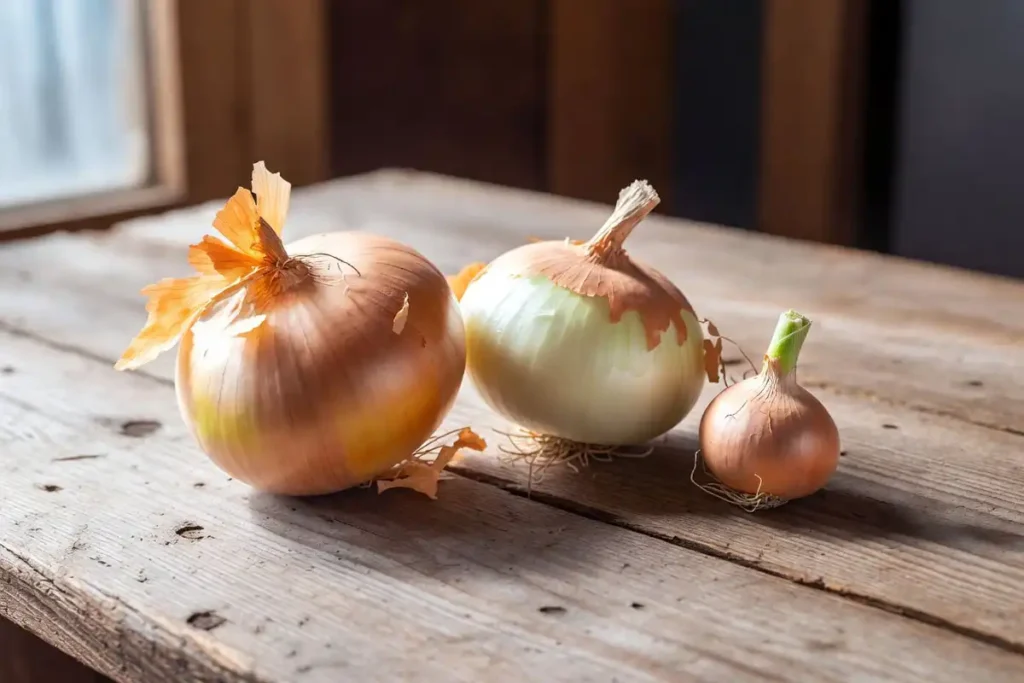
Onions (Allium cepa) form bulbs based on day length, not temperature. The summer solstice around June 21 delivers the longest day of the year. After that, daylight drops each week.
Long-day varieties need 14 to 16 hours of daylight to bulb. By July, that signal has already fired. A new transplant has too few leaves to support a decent bulb. Short-day varieties need 10 to 12 hours. Southern growers plant these in fall or winter for a spring harvest. July sits in the wrong window for short-day types too.
The University of Maryland Extension confirms that bulb size connects directly to leaf count before bulbing begins. Fewer leaves mean a smaller onion. If you want large storage onions, July is not the month.
What Types of Onions Work in July
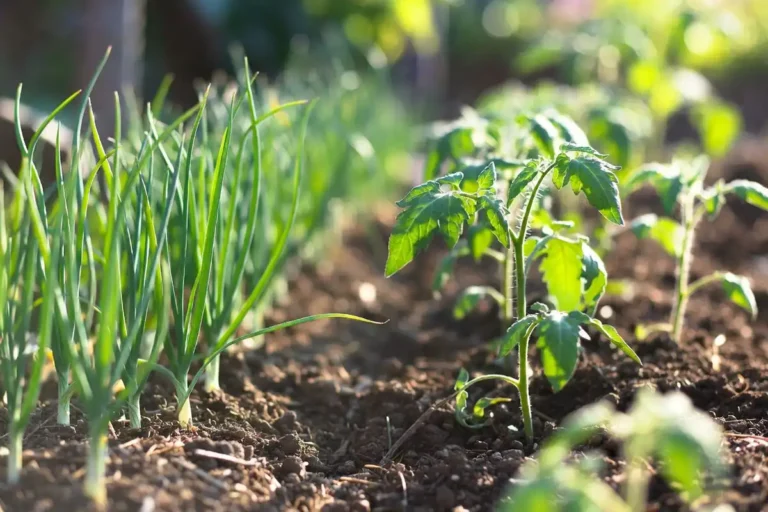
Green onions and scallions. Bunching onions (Allium fistulosum) do not form large bulbs. Day length does not control their harvest. They reach picking size in 50 to 70 days from seed. A July sowing produces scallions by September. I covered growing onions from seed in more detail on the site.
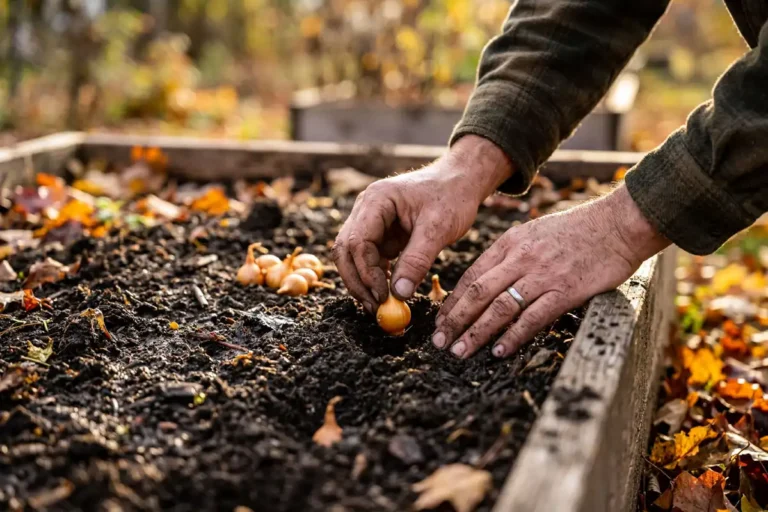
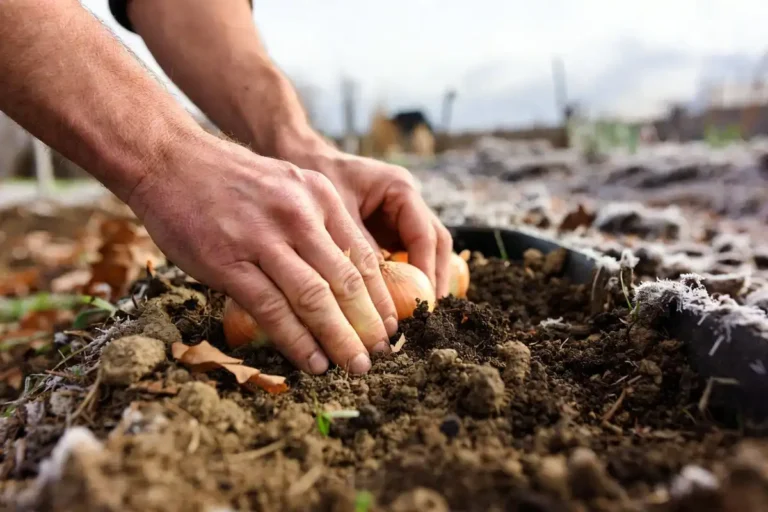
Onion sets for green tops. Standard onion sets planted in July grow green tops within 3 to 4 weeks. The bulbs stay small, but the greens work in salads and cooking.
Overwintering onion seeds. In USDA zones 5 through 8, gardeners sow seeds in July to produce seedlings that overwinter in the ground. These plants establish roots before winter, then resume growth in spring. Overwintered onions often produce larger bulbs than spring-planted ones.
Know more: Plant Onions in the Fall: 5 Steps to Bigger Bulbs
How to Plant Green Onions in July
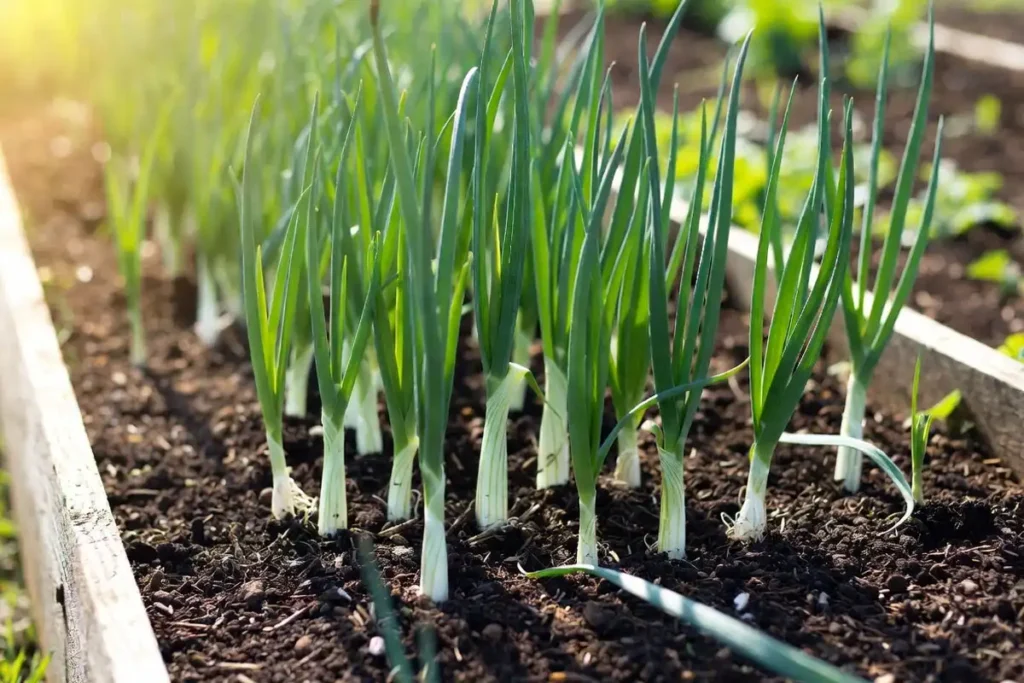
Green onions are the best option for July planting. Here is the process I follow on my farm in Kansas.
Step 1: Choose a variety. Evergreen Hardy White, Tokyo Long White, and White Lisbon reach harvest in 50 to 70 days and handle summer heat.
Step 2: Prepare the soil. Onions need loose, well-drained soil with a pH between 6.0 and 7.0. Work 2 inches of aged compost into the top 6 inches. Good soil fertility speeds up growth.
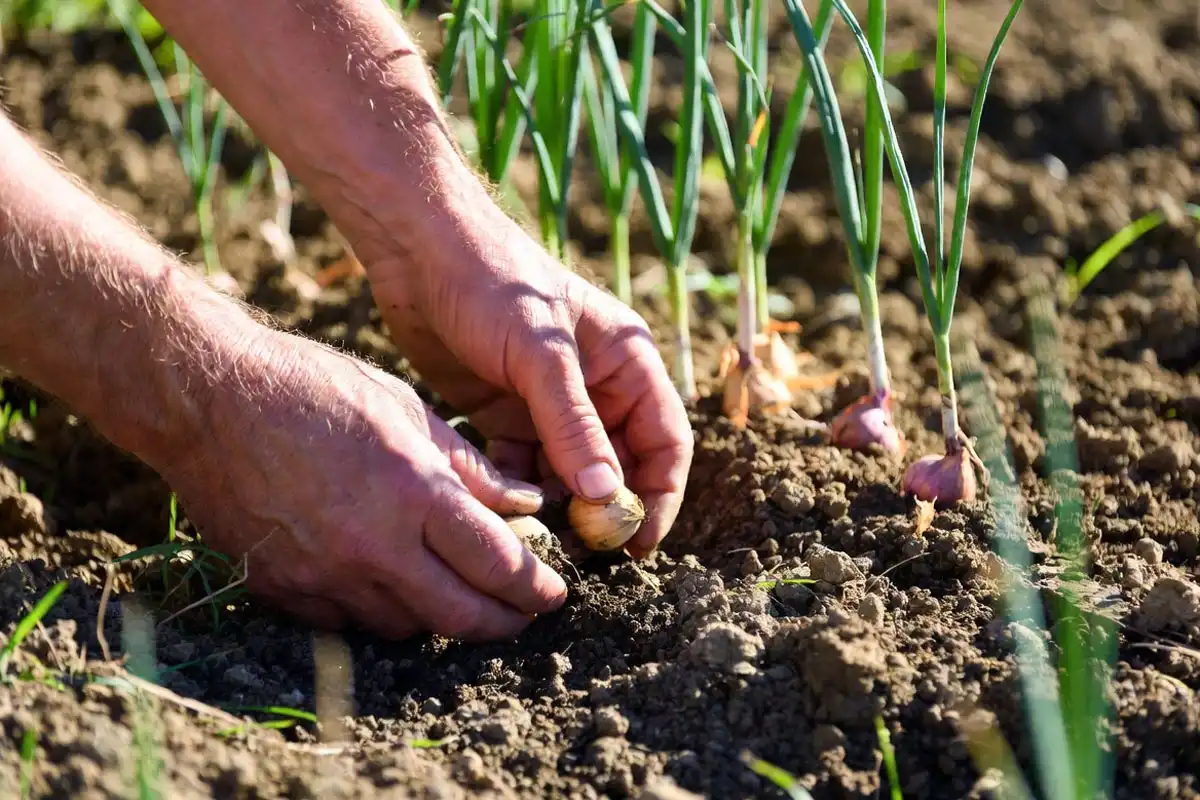
Step 3: Sow seeds or plant sets. Sow seeds 1/4 inch deep, 1 inch apart, in rows 6 to 8 inches apart. Sets go 1 inch deep with 2 inches between each. Water gently after planting.
Step 4: Provide afternoon shade. July heat stresses young seedlings. A 30% to 40% shade cloth helps. Remove it once seedlings reach 3 inches tall.
Step 5: Water consistently. Onions have shallow roots. Keep the top 6 inches of soil moist without waterlogging. Drip irrigation delivers even moisture.
Step 6: Harvest. Pull green onions at pencil thickness. Cut greens 1 inch above the soil line and the plant regrows for a second harvest.
How to Start Overwintering Onion Seeds in July
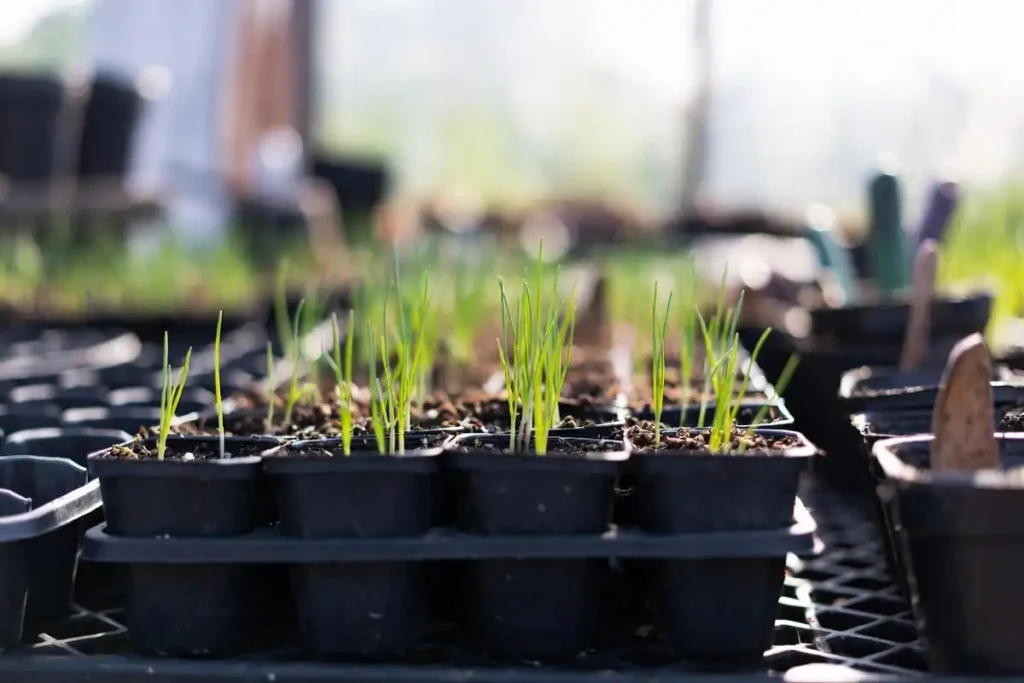
Gardeners in zones 5 through 8 sow onion seeds in July for an overwintered crop. This method produces some of the largest bulbs because the plants get an extended growing window.
Pick bolt-resistant varieties like Walla Walla, Bridger, or day-neutral types like Candy Hybrid. Sow seeds in cell trays with sterile mix, 1/4 inch deep. Keep moist in partial shade. Germination takes 7 to 14 days.
Transplant seedlings into the garden 6 to 8 weeks before your first expected frost. Space 4 to 6 inches apart. The goal is a pencil-size plant before hard frost. Apply 3 to 4 inches of straw mulch once the ground freezes. In zones 5 and 6, add floating row cover for extra protection.
Remove mulch gradually in spring and fertilize when new growth appears. Expect full-size bulbs by June or early July the following year.
Common Mistakes to Avoid
Expecting large bulbs from July-planted sets. Day length is already declining. Plant sets in July for green onion tops, not storage bulbs.
Skipping soil prep. Onions grow in the top few inches of soil. Compacted ground stunts roots. A soil test before planting checks pH and nutrients.
Underwatering. July heat dries shallow onion roots fast. Water stress causes premature bulbing and bitter greens.
Wrong variety for your zone. Long-day onions in southern states produce tops but no bulbs. Short-day onions in northern gardens bulb too early and stay small. The University of Florida IFAS Extension explains which type matches each region.
Planting too deep. Sets go 1 to 2 inches deep. Seeds sit 1/4 inch below the surface. Deeper planting delays emergence and risks rot in warm soil.
FAQs on Planting onions in July

Can I plant onion sets in July for a fall bulb harvest?
Sets planted in July produce green tops but not full-size bulbs. Day length decreases after the summer solstice, so the bulbing window has passed for most varieties. Harvest the greens instead.
What onions grow fastest from a July planting?
Green onions grow fastest. Varieties like Evergreen Hardy White reach harvest in 50 to 70 days from seed. Onion sets produce harvestable green tops in 3 to 4 weeks.
Is July too late to plant onions in the South?
For bulb onions, yes. Short-day varieties go in between October and January. July works for green onions and for starting overwintering seeds in zones 7 and 8.
Can I grow onions in containers during July?
Containers work well for green onions. Use a pot at least 8 inches deep with drainage holes. Plant seeds or sets 1 inch apart. Place where the pot gets 6 hours of sun with afternoon shade.
Do onions planted in July need fertilizer?
Green onions benefit from nitrogen-rich fertilizer. Side-dress 2 to 3 weeks after planting. Avoid fertilizing within 2 weeks of harvest.
Final Words
July onion planting works when you match the right type to the season. Green onions reach your kitchen in 50 to 70 days. Overwintering seeds started now give you a head start on next year’s bulb crop. Full-size bulbing onions need an earlier spring or later fall planting window. Pick the approach that fits your garden and keep fresh onions coming through multiple seasons.