When to Plant Egyptian Wheat: A Farmer’s Essential Planting Guide
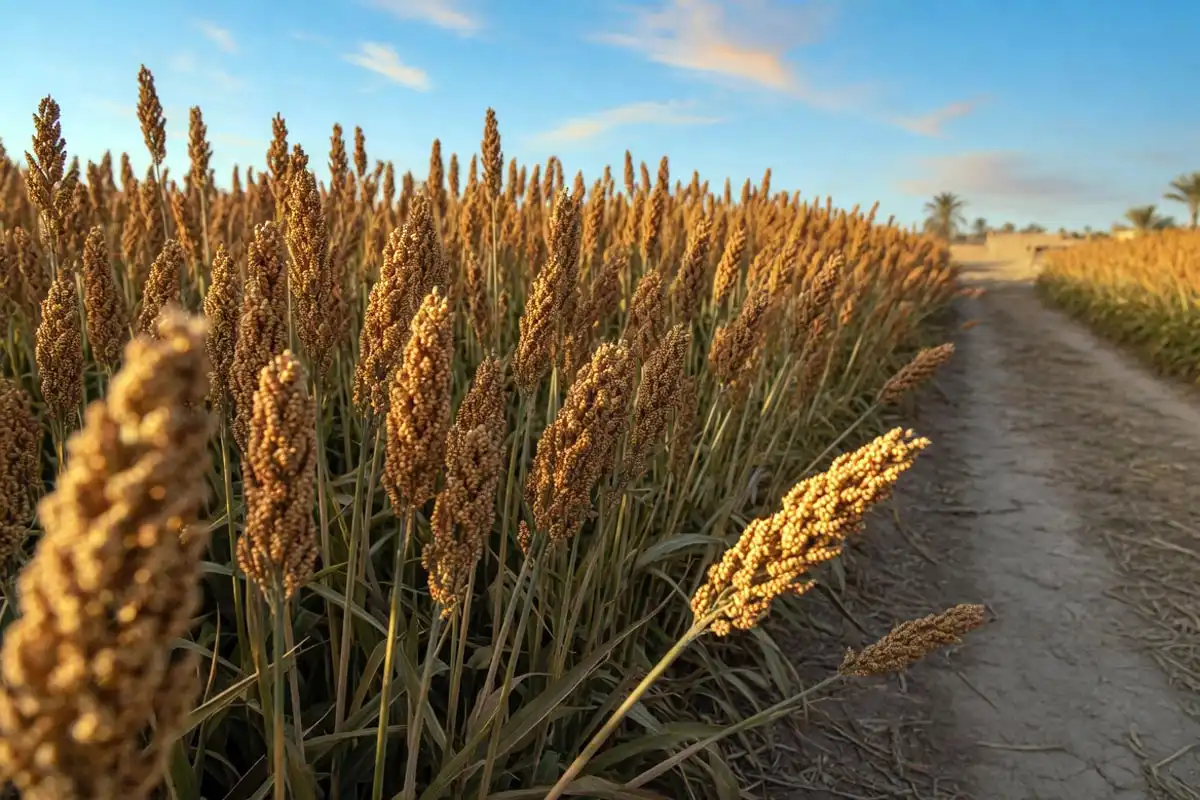
Egyptian wheat grows best when planted after the last spring frost, once soil temperatures hold above 60°F at 2-inch depth. This guide covers planting windows by region, seeding methods, fertilization, and mistakes that ruin stands.
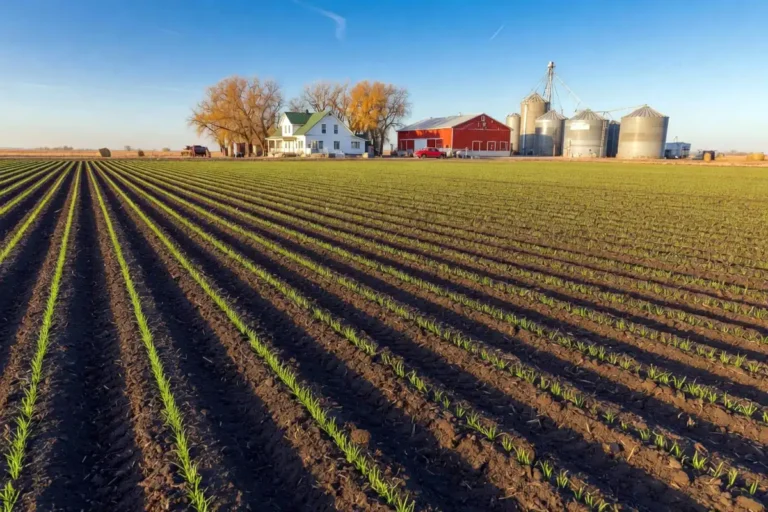
Plant Egyptian wheat in late spring to early summer after frost danger passes. Soil temperature needs to reach 60°F or higher at 2-inch depth. In the Southeast, that window opens in late April. In the Midwest and Northern states, wait until late May through early July. Count 120 days backward from your first expected fall frost to find the latest safe date.
Contents
What Is Egyptian Wheat?
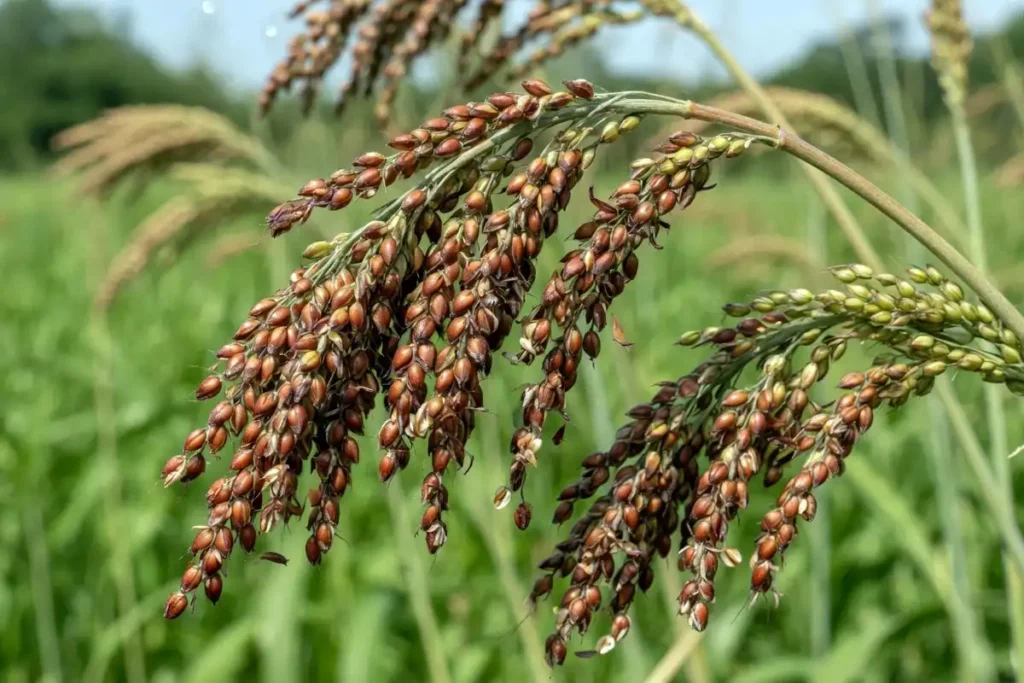
Egyptian wheat is not wheat. It belongs to the sorghum family (Sorghum bicolor) and also goes by shallu or chicken corn. The plant produces slender stalks that reach 8 to 12 feet tall at maturity.
Farmers and land managers grow Egyptian wheat primarily for wildlife food plots. The loose seed heads attract quail, turkey, and doves. The tall stalks create screening cover for deer. I grow it here in Kansas for plot screening around smaller food plots.
The crop matures in 110 to 140 days. Seed heads shatter naturally and keep dropping grain for 180 to 200 days, according to Hancock Seed. Deer do not browse it heavily, which makes it effective as a visual barrier. If you are comparing it to standard varieties, I covered the differences in a guide on when to plant regular wheat.
When Is the Best Time to Plant Egyptian Wheat?
The best window falls between late spring and early summer, after the last frost date in your area. Soil temperature drives germination more than the calendar.
Egyptian wheat needs soil at 60°F to 70°F for reliable germination. Optimal germination occurs between 77°F and 86°F. Nighttime air temperatures need to stay above 65°F before you plant.
If you are organizing your seasonal schedule, I wrote about timing warm-season crops in a crop planting calendar.
Learn more: Plant Spring Wheat: Essential Guide
Regional Planting Windows
Southeast (AL, GA, MS, SC): Late April through May. Soil warms early here. Planting by mid-May gives a full 140-day window before fall frost.
Mid-South (TN, AR, NC, KY): Mid-May through mid-June. Wait for consistent warm nights. A soil thermometer at 2-inch depth confirms readiness.
Midwest (KS, MO, OK, IN): Late May through late June. Central Missouri soil typically does not reach 77°F until late June. Planting in April or early May leads to poor stands.
Northern States (IA, WI, MI, MN): June 1 through early July. Count 120 days back from your average first fall frost to find the latest safe date.
Southern Gulf (TX, LA, FL): Late March through June. The longer frost-free season allows early planting or a second planting for extended food availability.
Where Does Egyptian Wheat Grow Best?
Egyptian wheat performs best in fertile, well-drained soils with a pH between 6.0 and 7.0. It thrives in full sunlight and tolerates moderate drought once established.
Rich, dark loam produces the tallest stands. Sandy soils produce shorter plants. Heavy clay holds too much moisture and slows root development. Avoid low spots that collect standing water. If you are unsure about your soil, a quick soil test reveals the pH and nutrient levels before you commit seed to the ground.
How to Plant Egyptian Wheat

Prepare the soil. Test soil 4 to 6 weeks before planting. Till or disc the area to create a firm seedbed. Spray a burndown herbicide or till 2 to 3 weeks ahead to control weeds.
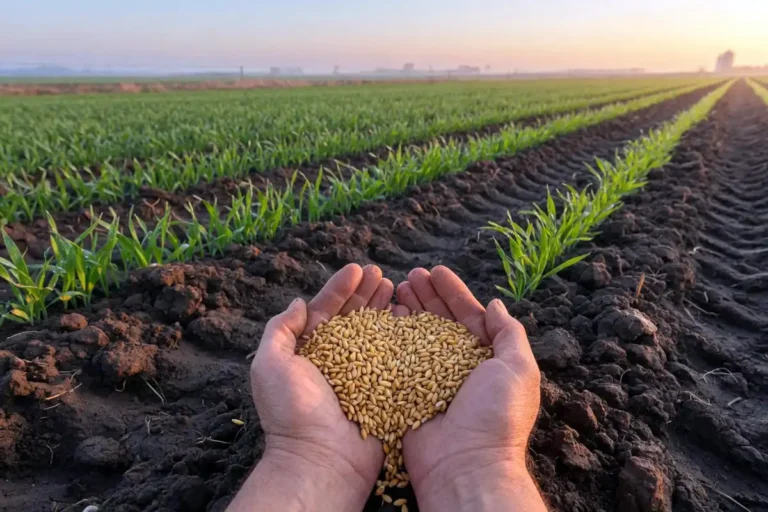
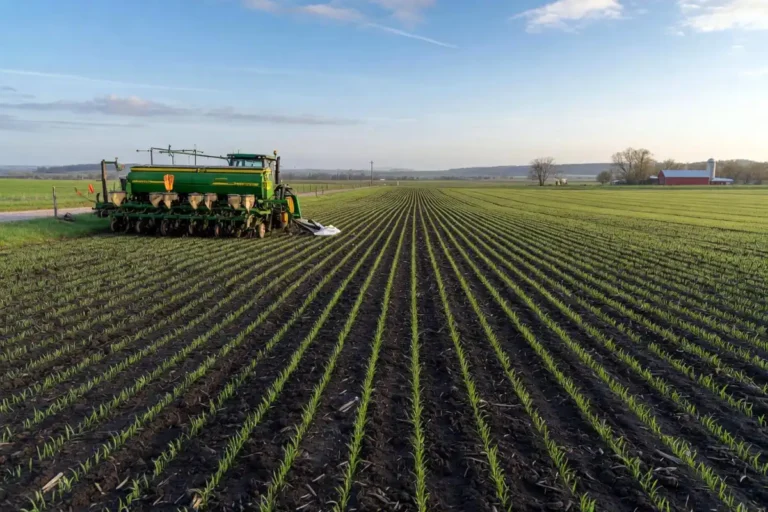
Choose your seeding rate. For row planting with a drill, use 8 to 10 pounds per acre with 30 to 36-inch row spacing. For broadcast planting, use 20 to 30 pounds per acre. Lower rates grow taller plants. I discussed spacing and growth in a piece on proper plant spacing.
Plant at the correct depth. Place seed 1/2 to 3/4 inch deep. Seeds deeper than 1 inch struggle to emerge. The National Wild Turkey Federation identifies planting too deep as the top cause of poor Egyptian wheat development. Use a cultipacker or ATV to press broadcast seed into the soil.
Fertilize with nitrogen. Apply 50 to 100 pounds of actual nitrogen per acre at planting. Side-dress with 75 to 100 pounds of ammonium nitrate when plants reach 15 to 25 inches tall, timed before rain. Understanding NPK fertilizer ratios helps you pick the right product.
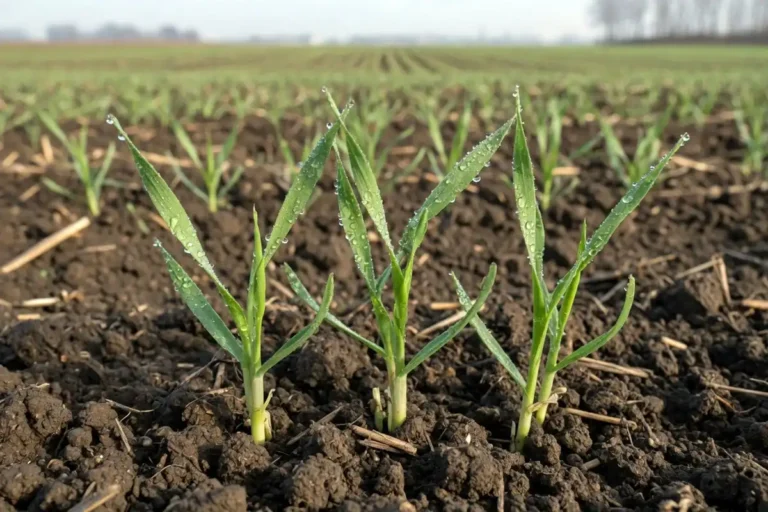
Monitor early growth. Seedlings emerge in 7 to 14 days under warm conditions. Weed competition is the biggest threat in the first 4 weeks. By 90 days, healthy plants stand 5 to 7 feet. Full height takes 110 to 140 days with adequate rain and nitrogen.
Common Mistakes to Avoid
Planting too early. Cold soil produces thin, weak stands. Wait for 60°F at 2-inch depth.
Seeding too deep. Keep depth at 1/2 to 3/4 inch. Deeper planting smothers seedlings.
Skipping nitrogen. Without nitrogen, plants grow 3 to 5 feet instead of 8 to 12. Side-dressing makes the biggest difference.
Overseeding. Broadcast rates above 30 pounds per acre crowd plants and stunt height.
Safety Notes for Livestock Owners
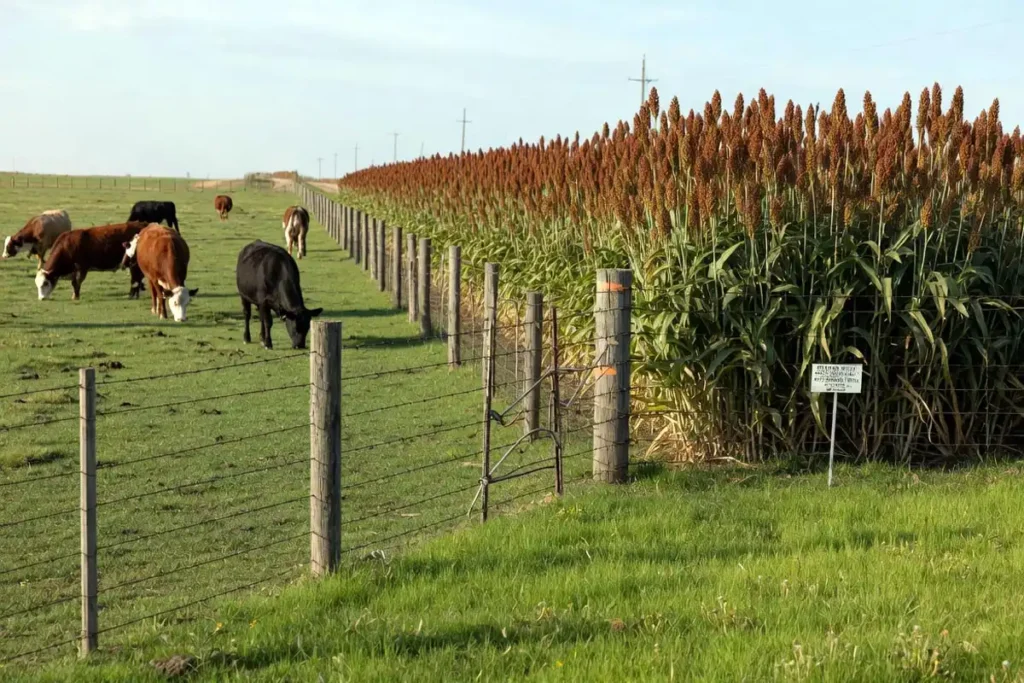
Egyptian wheat contains dhurrin, a compound in all sorghum species. When plant cells are damaged by frost or drought, dhurrin converts to prussic acid (hydrogen cyanide), which is toxic to cattle, horses, sheep, and goats.
Young shoots under 18 to 24 inches carry the highest concentrations. Frost-damaged plants are dangerous until foliage dries completely, about 7 to 14 days. The University of Wisconsin Extension recommends keeping livestock off sorghum plants shorter than 20 inches. Fence plots near pastures. Call your veterinarian immediately if an animal shows labored breathing or staggering after contact with sorghum.
FAQs on Planting Egyptian Wheat

Is Egyptian wheat the same as regular wheat?
No. Egyptian wheat belongs to the sorghum family. It grows 8 to 12 feet tall with loose grain heads. Regular wheat grows 2 to 4 feet with compact seed heads. The two crops need different planting methods and seasons.
How long does Egyptian wheat take to mature?
Egyptian wheat matures in 110 to 140 days after emergence. Seed heads begin dropping grain at maturity and continue shattering for up to 200 days total under good growing conditions.
Does Egyptian wheat come back every year?
No. It is an annual crop. Some volunteer seeds sprout from the previous season, but they do not produce dense, reliable stands. Purchase fresh seed and replant each spring.
What soil temperature does Egyptian wheat need?
Soil needs to reach 60°F at 2-inch depth for germination. Optimal range is 77°F to 86°F. Use a probe thermometer rather than relying on calendar dates alone.
Conclusion
Egyptian wheat planting success comes down to timing, soil temperature, and nitrogen. Wait until soil warms to at least 60°F, plant seed no deeper than 3/4 inch, and side-dress with nitrogen at the 15 to 25-inch growth stage. Get those three details right, and this sorghum-family annual delivers tall, dense stands that serve as reliable wildlife cover and food through fall and winter.